TravelType

culture

Culture in Bogotá

Bogotá, Colombia's capital, holds a remarkable concentration of cultural institutions. The Gold Museum houses one of the most significant collections of pre-Columbian goldwork in the world, while the Museo Botero displays the work of artist Fernando Botero alongside international pieces. The Colombian National Museum traces the country's broad history, and both the National Library of Colombia and the Luis Ángel Arango Library serve as major centers for literature and research. The Museo Casa de Moneda explores coinage and fine art, and the Bogotá Museum of Modern Art and Casa de Poesía Silva round out a city deeply engaged with creative expression.

9 places · Bogotá, Colombia · Editorially curated

  • Barrios Unidos

    Barrios Unidos

    Bogotá

    local gems

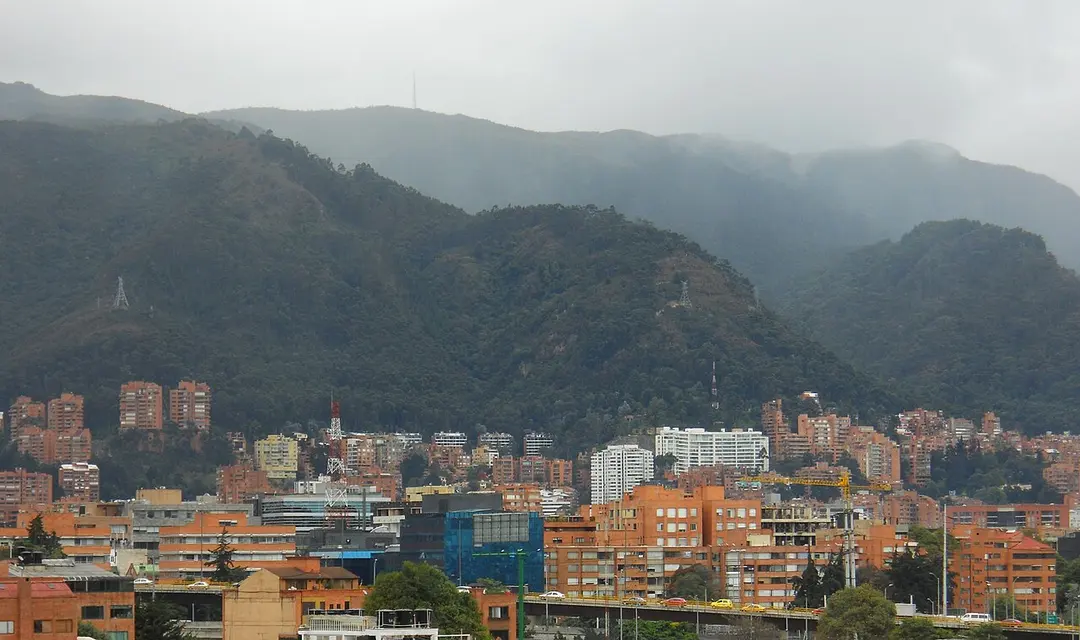
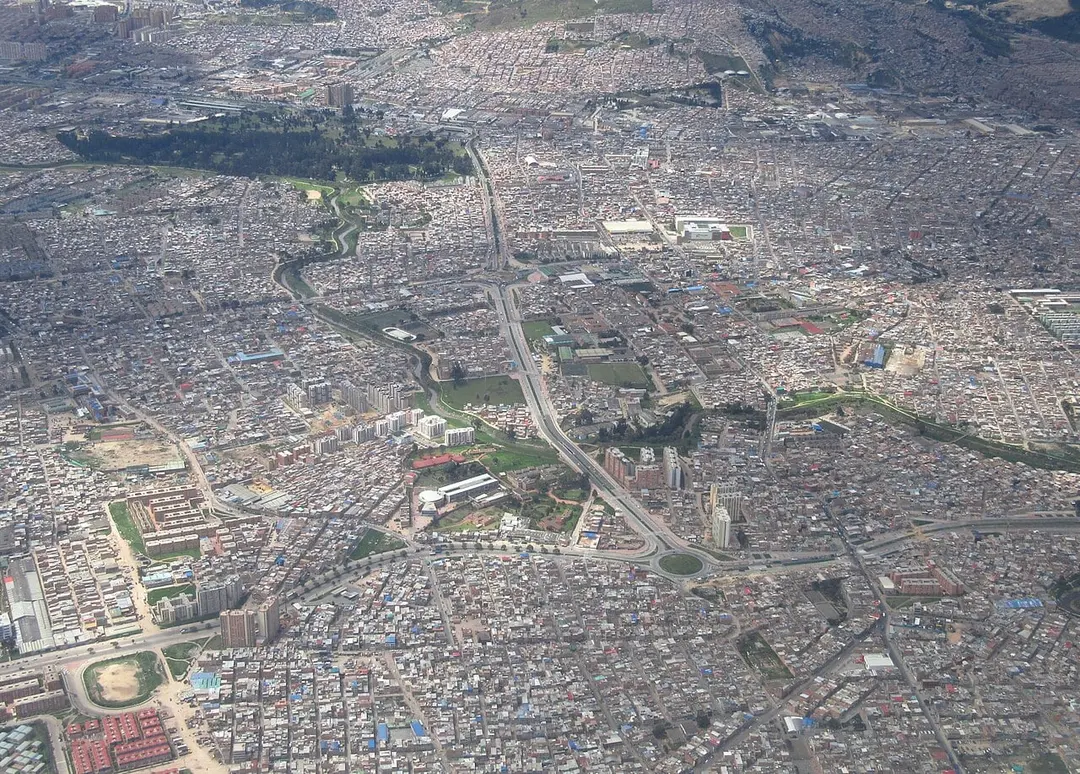
    Barrios Unidos is Bogotá's twelfth borough, situated in the northwestern part of the Colombian capital. Covering nearly 1,190 hectares and home to some 254,000 residents, it is one of the city's smaller yet densely populated districts. The name translates as "united neighbourhoods," reflecting the organic growth of several communities that merged over time. The district is known for its lively local markets, small workshops, and the relaxed atmosphere that exists away from the tourist centre. Visitors looking to experience everyday Bogotá will find street food stalls, neighbourhood shops, and a vibrant street scene that gives an honest picture of the city.
  • Basílica del Sagrado Corazón de Jesús, Bogotá

    Basílica del Sagrado Corazón de Jesús, Bogotá

    Bogotá

    architecture

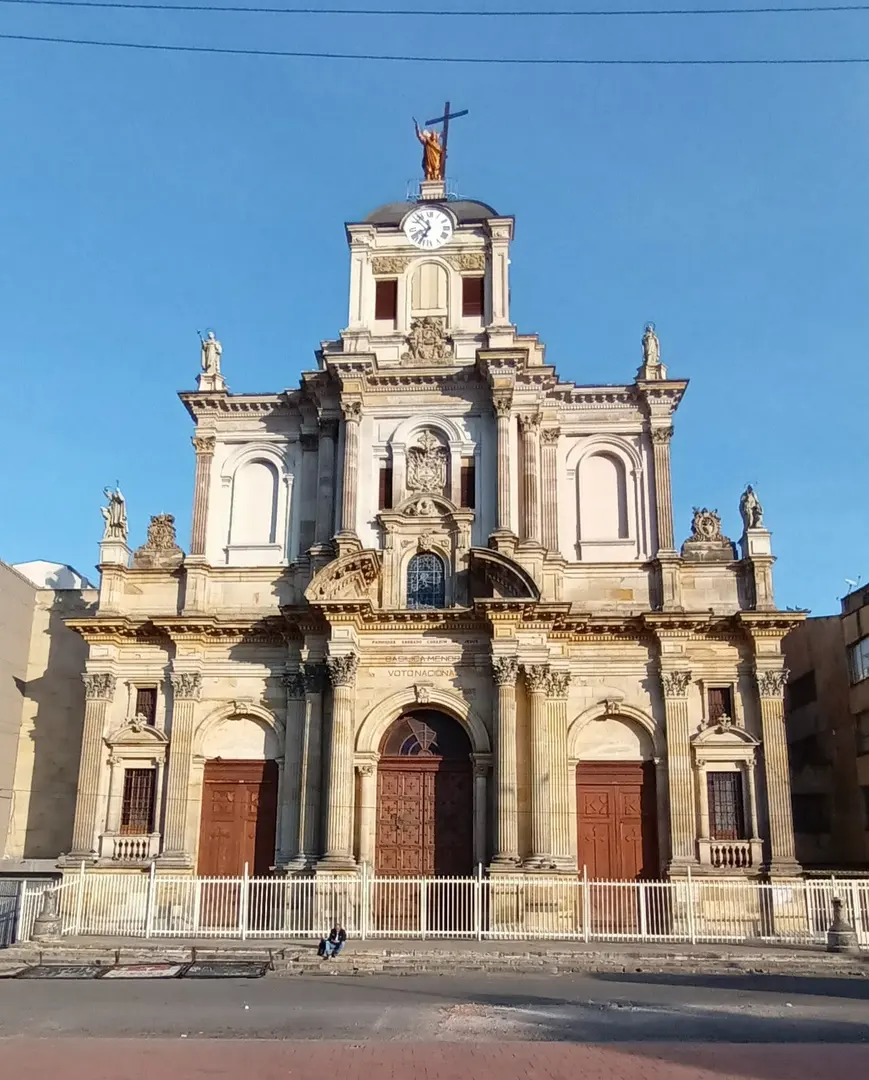
    The Basilica of the Sacred Heart of Jesus, also known as the Basilica of the National Vow, is one of Colombia's most significant churches. Located in the historic Los Mártires district of Bogotá, it has held the title of basilica minor since 1985. The church was built in the early twentieth century in neoclassical style and owes its existence to a national vow made during a period of conflict, dedicating Colombia to the Sacred Heart of Jesus. The imposing facade, with its columns and classical symmetry, stands in contrast to the lively surrounding neighbourhood. For visitors to Bogotá, the basilica offers a tranquil refuge in the heart of the busy capital.

  • Bosa

    Bosa

    Bogotá

    local gems

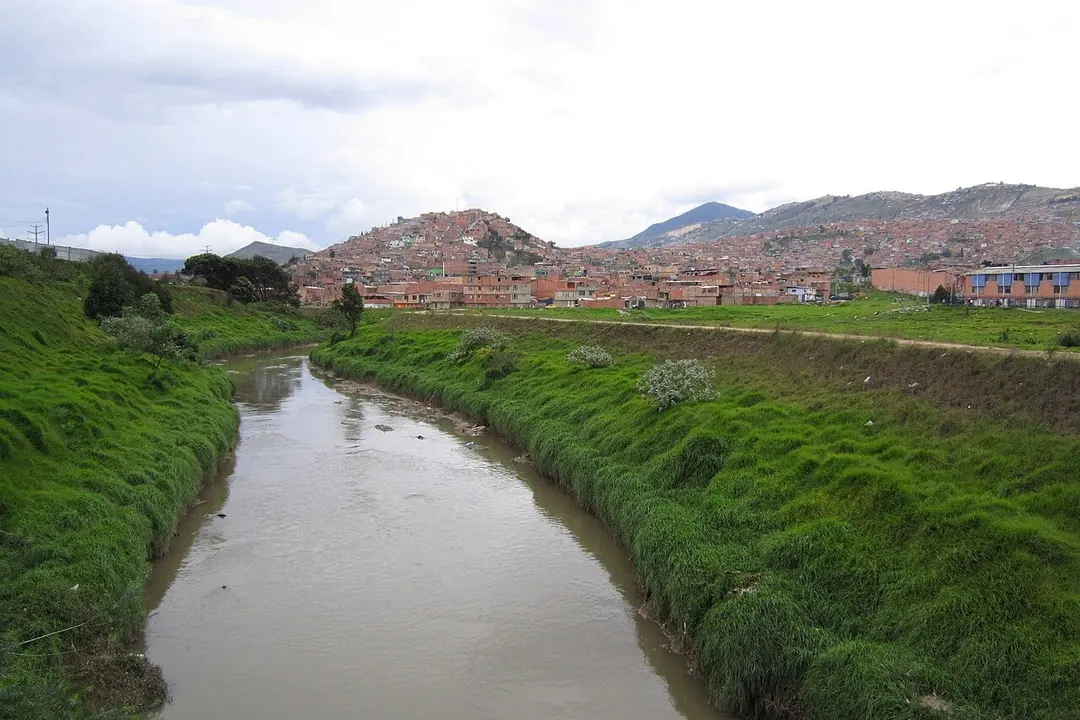
    Bosa is the seventh administrative district (localidad) of Bogotá, situated in the southwestern corner of the Colombian capital. Covering around 2,400 hectares with over 500,000 residents, it ranks among the city's most densely populated districts. Daily life in Bosa revolves around local markets, dense residential neighborhoods, and the urban character of a working-class community that has grown organically over decades.

  • Chapinero

    Chapinero

    Bogotá

    historylocal gems

    Chapinero is one of Bogotá's most vibrant and diverse neighborhoods, stretching north of the historic center La Candelaria. Once a rural suburb when Bogotá was a small colonial town proud of speaking the finest Spanish in the Americas, Chapinero has grown into the city's creative heartland. Today it packs in independent cafés, bookshops, galleries, and a dense bar scene that makes it particularly popular with students, artists, and the LGBTQ community. The Zona Rosa and Parque de la 93 area hums with restaurants by day and clubs by night. Streets like Carrera 11 show the layering of early 20th-century architecture under modern urban life. Chapinero is not a tourist district in the traditional sense — it's where Bogotá actually lives and socializes.

  • Ciudad Bolívar

    Ciudad Bolívar

    Bogotá

    local gems

    Ciudad Bolívar is Bogotá's 19th municipality, located in the southwestern part of the city and home to nearly 714,000 residents, making it one of the most populous districts in the capital. The district was formally established in 1983 following informal land settlements and carries the social history of Bogotá visibly: steep hills, narrow lanes and colourful facades define the streetscape. In recent years Ciudad Bolívar has become a place of vibrant community projects, murals and local cultural initiatives. For travellers wishing to experience the real Bogotá beyond tourist routes, the district offers an honest and striking glimpse into everyday city life.

  • Luis Ángel Arango Library

    Luis Ángel Arango Library

    Bogotá

    architectureknowledge

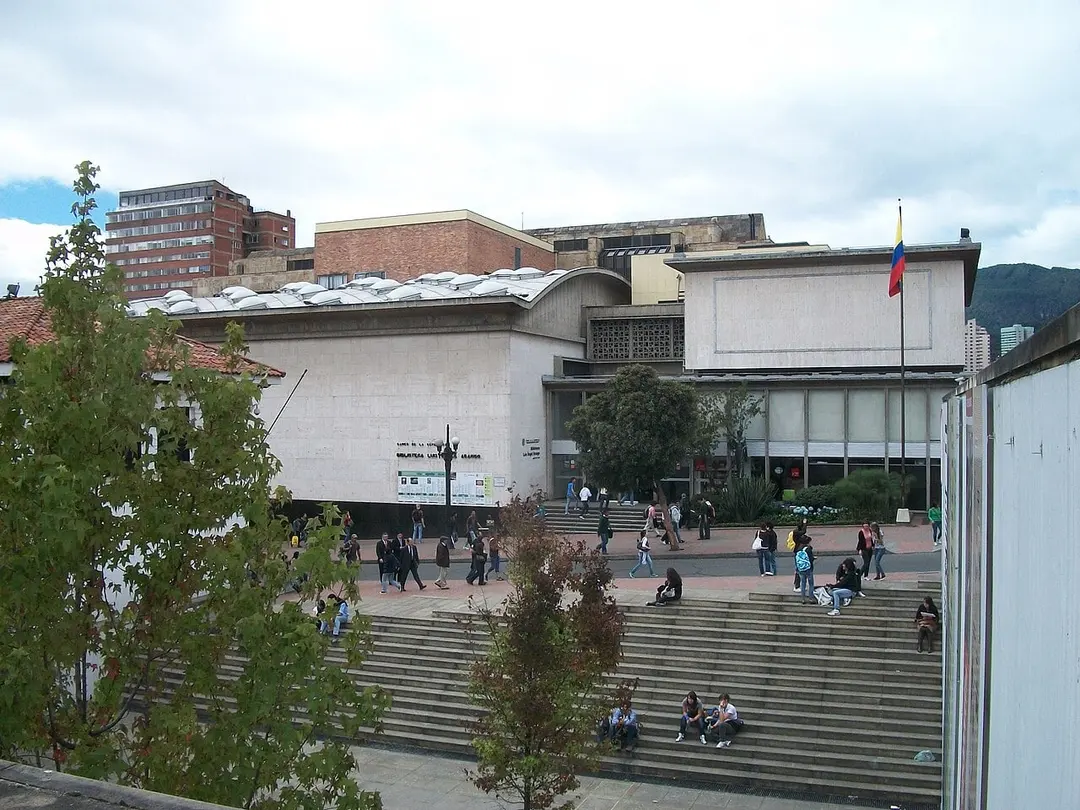
    The Luis Ángel Arango Library is one of Colombia's most important public libraries and forms part of the Banco de la República network. Located in Bogotá's historic centre, it houses one of the country's largest book collections alongside concert halls, exhibition spaces, and a coin and numismatics cabinet. Founded in 1923, the institution has grown into a true cultural centre — classical music concerts, art exhibitions, and literary events are held here regularly and are free to the public. The multi-period architecture of the complex makes the library a rewarding destination for anyone interested in culture or architecture in equal measure.

  • Museo Botero

    Museo Botero

    Bogotá

    local gemsknowledge

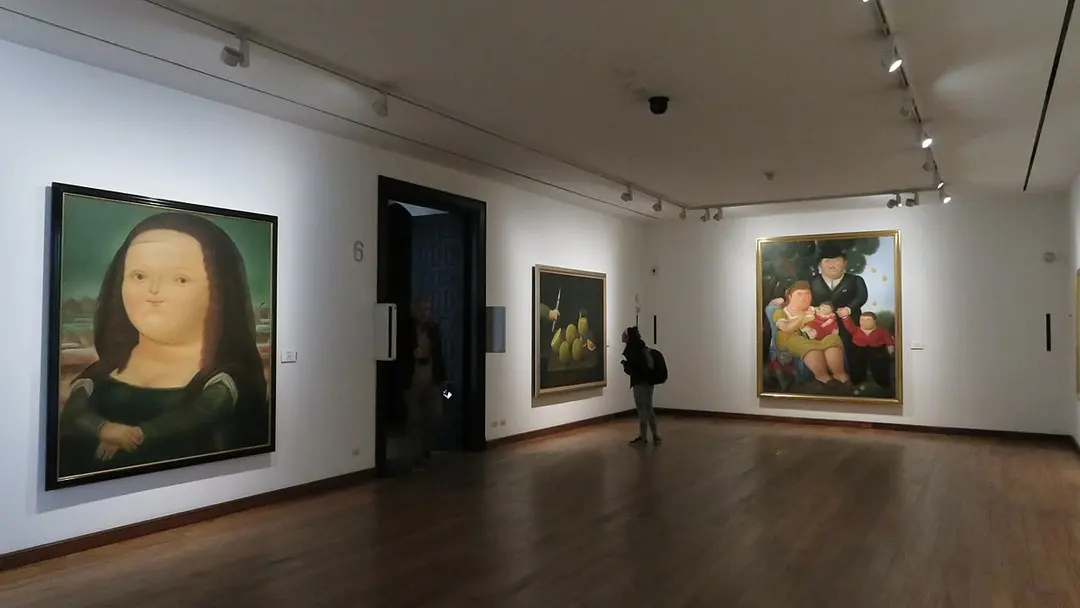
    The Museo Botero in Bogota's historic La Candelaria neighbourhood is dedicated to Fernando Botero, Colombia's most famous artist, known for his distinctive volumetric figures. The museum displays a large selection of Botero's paintings, drawings, and sculptures, donated by the artist to his home city in 2000. What makes it exceptional is that Botero also bequeathed his personal international art collection, including works by Picasso, Dali, and Renoir. The museum is free to enter — a rare generosity in the world of major art collections. It sits just steps from the main Plaza de Bolivar in the heart of the old city.

  • Museo Casa de Moneda

    Museo Casa de Moneda

    Bogotá

    architecturehistorylocal gems

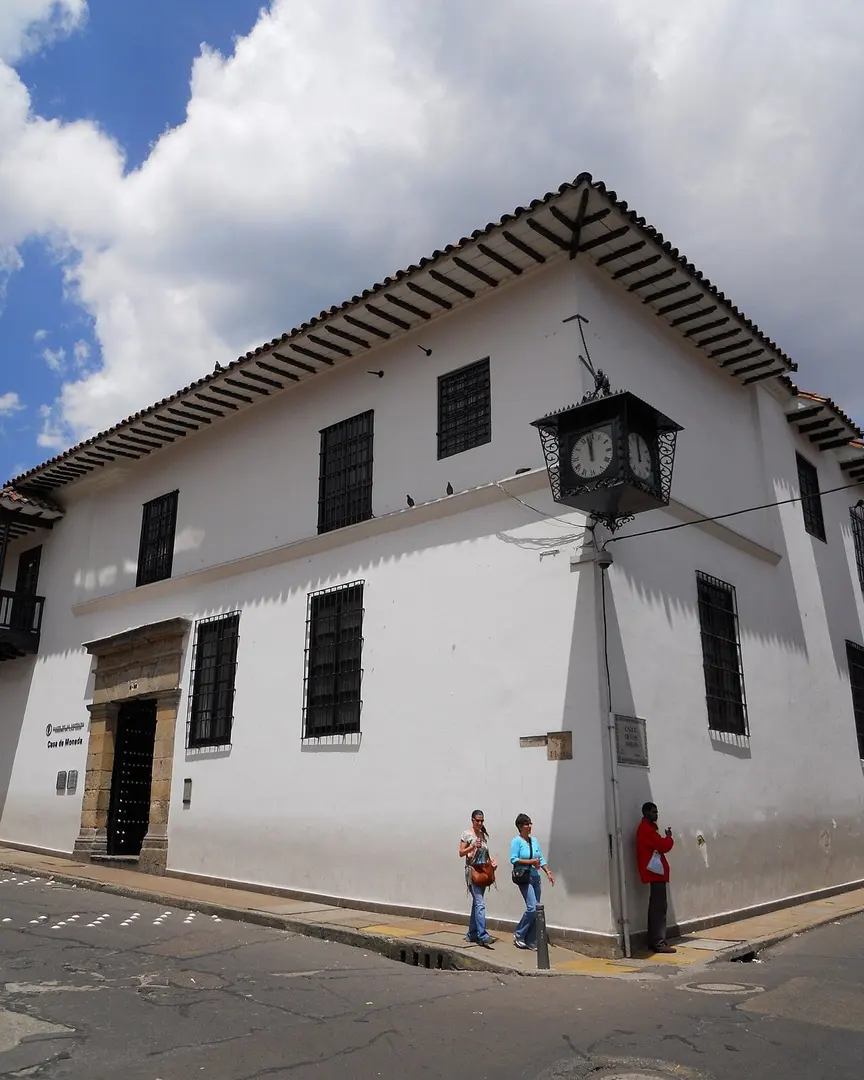
    The Casa de Moneda in Bogotá's historic La Candelaria district is one of Colombia's oldest and most significant colonial buildings. Founded in the 17th century, it served for centuries as the country's official mint, striking coins from Colombian gold and silver under Spanish colonial rule and later under the Republic. The typical Spanish colonial building was declared a National Monument by decree in 1975 and extensively restored and converted into a museum during the 1990s. Today it houses the numismatic collection of the Banco de la República — coins, goldsmithing, and historical documents — as well as rotating exhibitions of Colombian and international art. The complex is part of the national bank's cultural centre and is open to the public free of charge.

  • National Library of Colombia

    National Library of Colombia

    Bogotá

    architectureknowledge

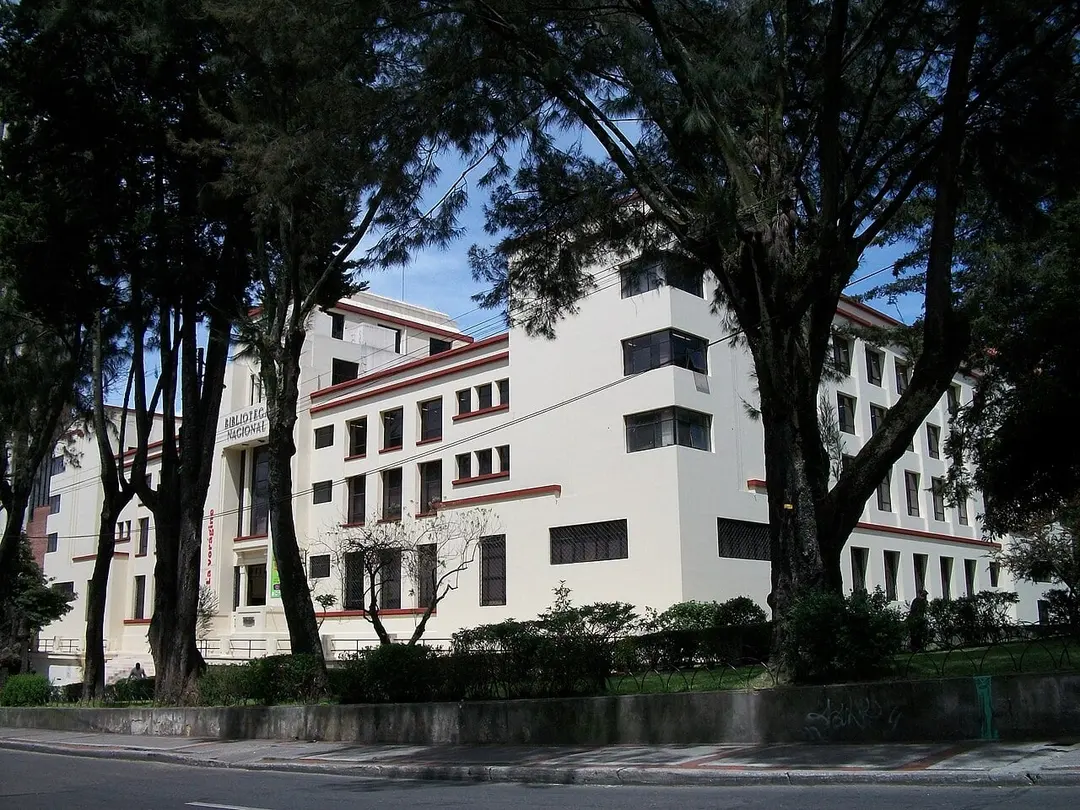
    Founded in 1777 under Spanish colonial rule, the Biblioteca Nacional de Colombia holds the distinction of being Latin America's oldest national library. Located in the Santa Fe district of Bogotá and overseen by the Colombian Ministry of Culture, it safeguards an extraordinary collection of manuscripts, early printed books, colonial-era maps, and newspapers that trace the history of Colombia and the former Viceroyalty of New Granada. Access is restricted — visitors generally need an academic affiliation or letter of introduction — making it primarily a destination for researchers. The neoclassical building itself is architecturally significant and stands as a symbol of Enlightenment ideals that reached even Spain's distant colonies in the 18th century.

Keep exploring

Other themes in Bogotá

culture in other cities

These places are just the beginning.

Rate places with a swipe — TravelType learns from your tags what you love and curates your own map. Private until you choose to share.

Create your profile