TravelType

outdoor activities

Active & outdoors in Sydney

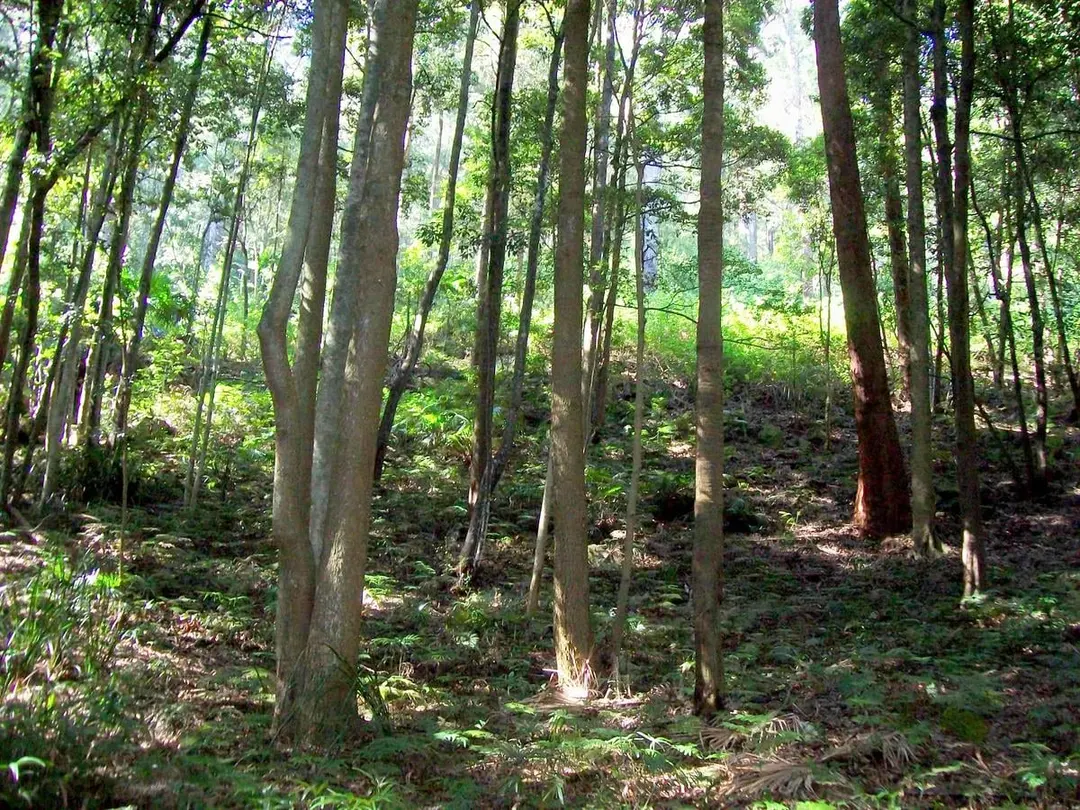
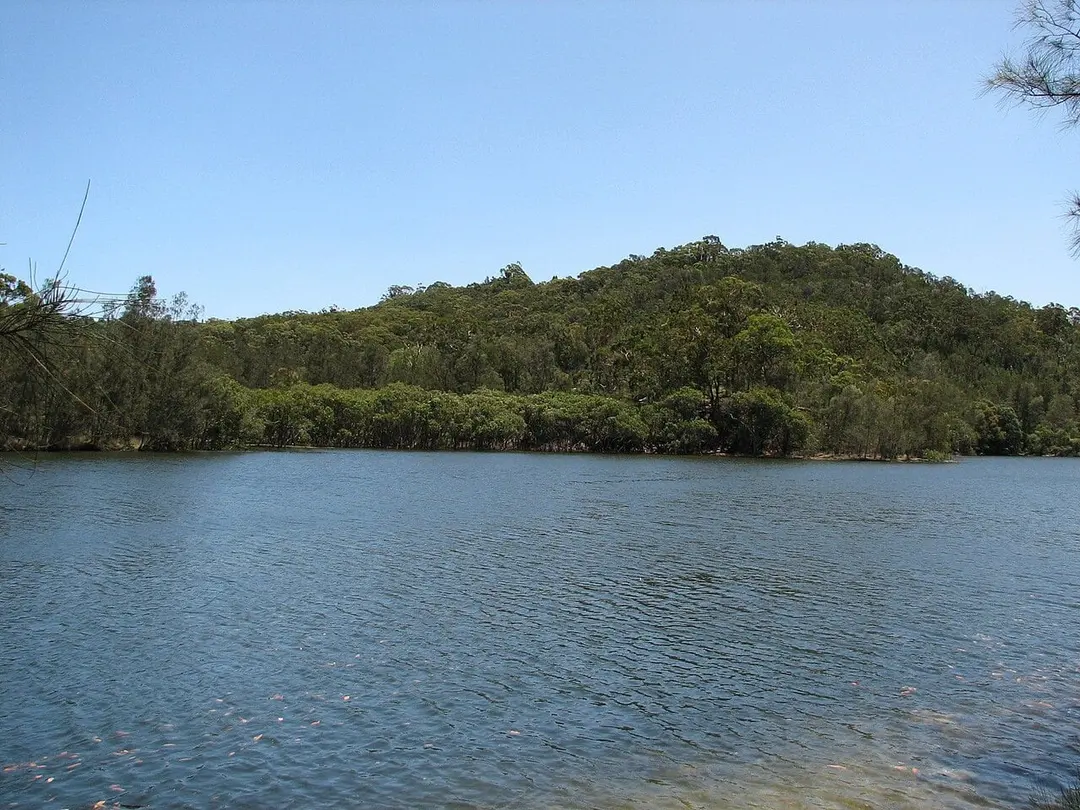
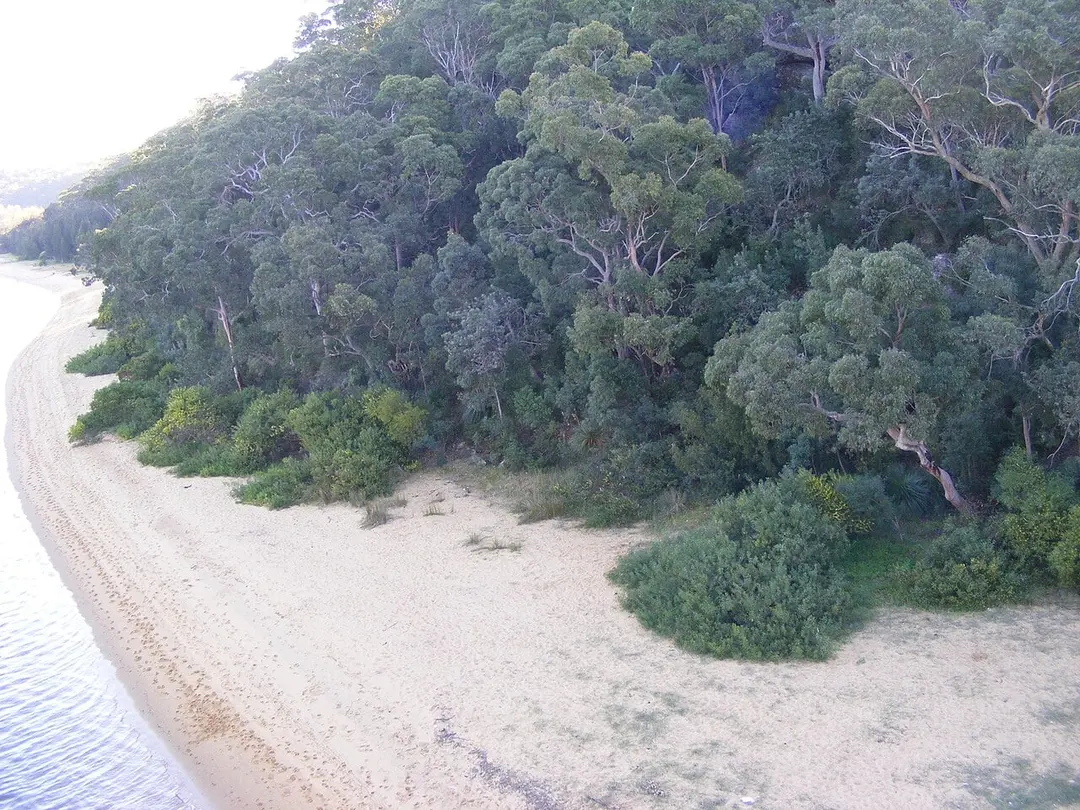
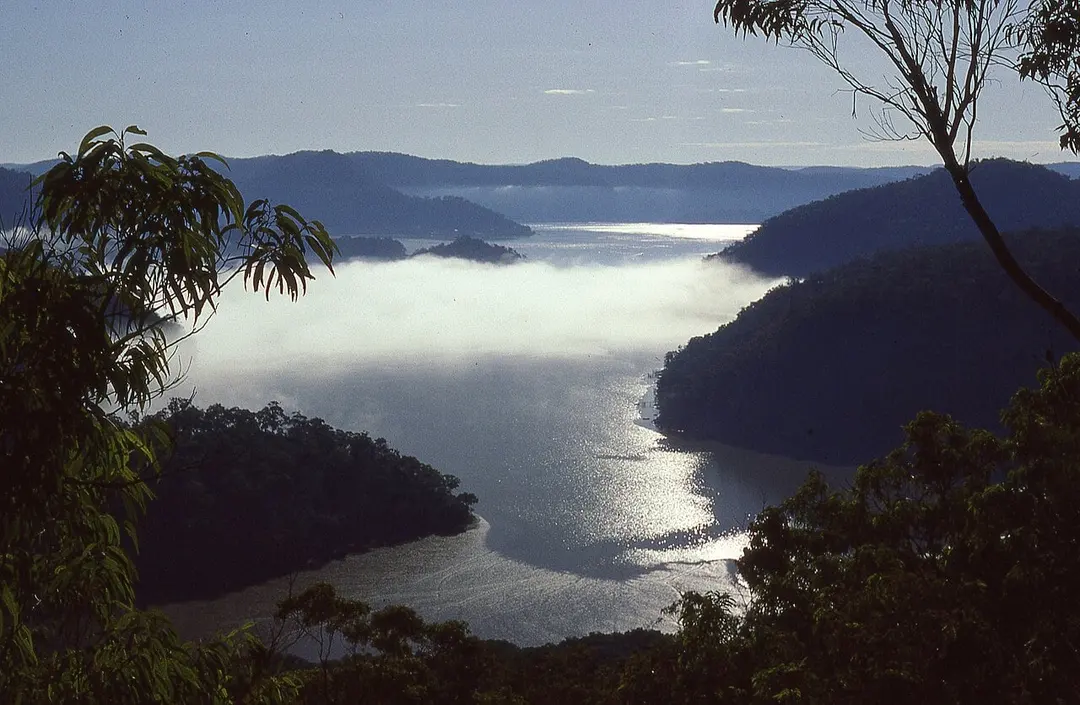
Sydney, Australia offers a wide range of outdoor activities, from sprawling national parks to major sporting venues. Hikers can explore Berowra Valley, Dharug, and Dharawal national parks, while Bouddi and Brisbane Water offer quieter natural retreats. Barrenjoey Headland rewards visitors with sweeping coastal views, and Cabbage Tree Bay Aquatic Reserve is a favourite spot for snorkelling. Sports fans have world-class venues in Accor Stadium, Allianz Stadium, and CommBank Stadium. Cockatoo Island in the harbour combines open-air exploration with a layered history, and the Captain Cook Bridge connects southern suburbs across the Georges River.

19 places · Sydney, Australia · Editorially curated

  • Accor Stadium

    Accor Stadium

    Sydney

    culturehistory

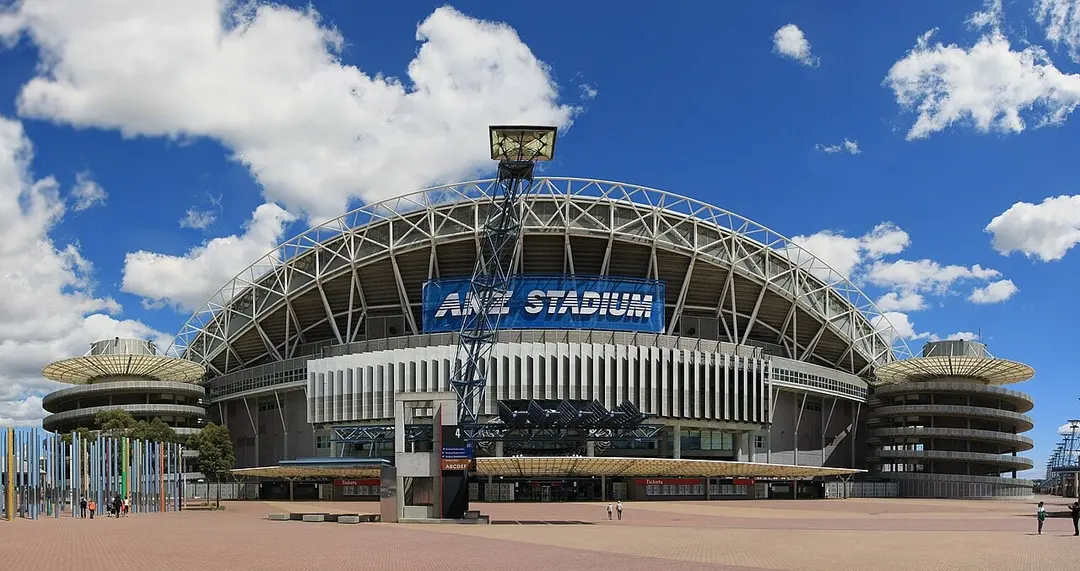
    Accor Stadium, formerly Stadium Australia, is Sydney's largest venue and served as the main stadium for the 2000 Summer Olympics. Completed in 1999 with a capacity over 80,000 for rugby and up to 110,000 for special events, it was the largest Olympic stadium ever built at the time. Home to NRL clubs South Sydney Rabbitohs and Parramatta Eels, it also hosts Australian national football matches. The Accor hotel group became naming sponsor in November 2021.
  • Allianz Stadium Sydney

    Allianz Stadium Sydney

    Sydney

    culturehistory

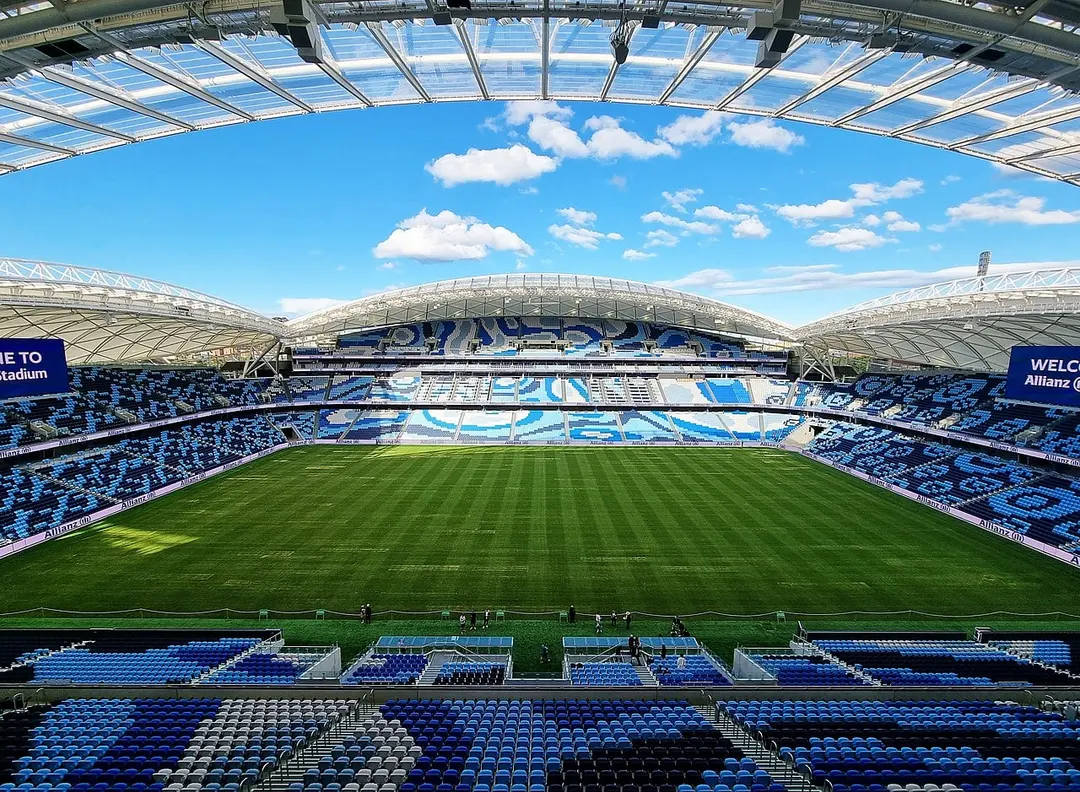
    Allianz Stadium (Sydney Football Stadium) in Moore Park is Sydney's modern rugby and football venue, opened in 2022 as a replacement for the 1988 original. With 42,500 seats, it hosts the Sydney Roosters and South Sydney Rabbitohs (NRL), the Waratahs (Super Rugby), and Sydney FC (A-League Men). It served as a venue for the 2023 FIFA Women's World Cup.

  • Barrenjoey Headland

    Barrenjoey Headland

    Sydney

    architecturenaturegreat views

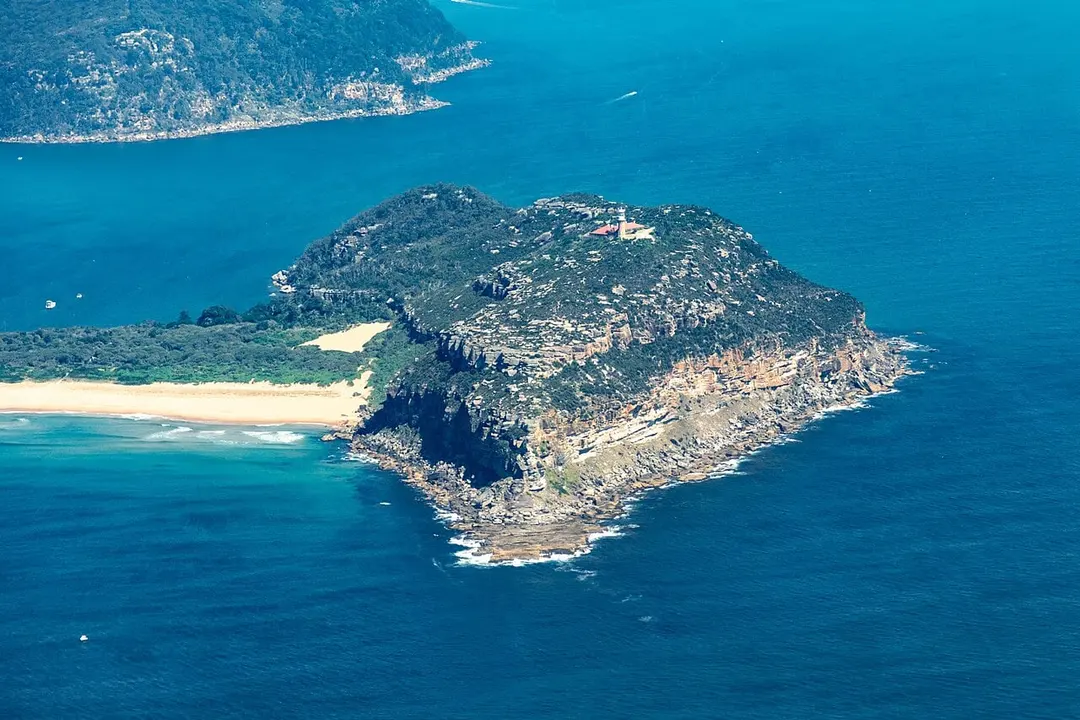
    Barrenjoey Headland is a striking peninsula at the northern tip of Pittwater, just minutes from Sydney's upscale Palm Beach suburb. Since 1998 it has been part of Ku-ring-gai Chase National Park, connected to the mainland by a narrow tombolo of wind-blown sand. The headland is composed of Hawkesbury sandstone in warm red-gold tones, resting on softer Narrabeen shale beneath. Atop the point stands a lighthouse built in 1881, offering on clear days sweeping views across the Pacific, the lagoon, and nearby islands. The walk to the summit takes around 20 minutes along well-marked trails and rewards visitors with one of Sydney's finest coastal vistas.

  • Berowra Valley National Park

    Berowra Valley National Park

    Sydney

    nature

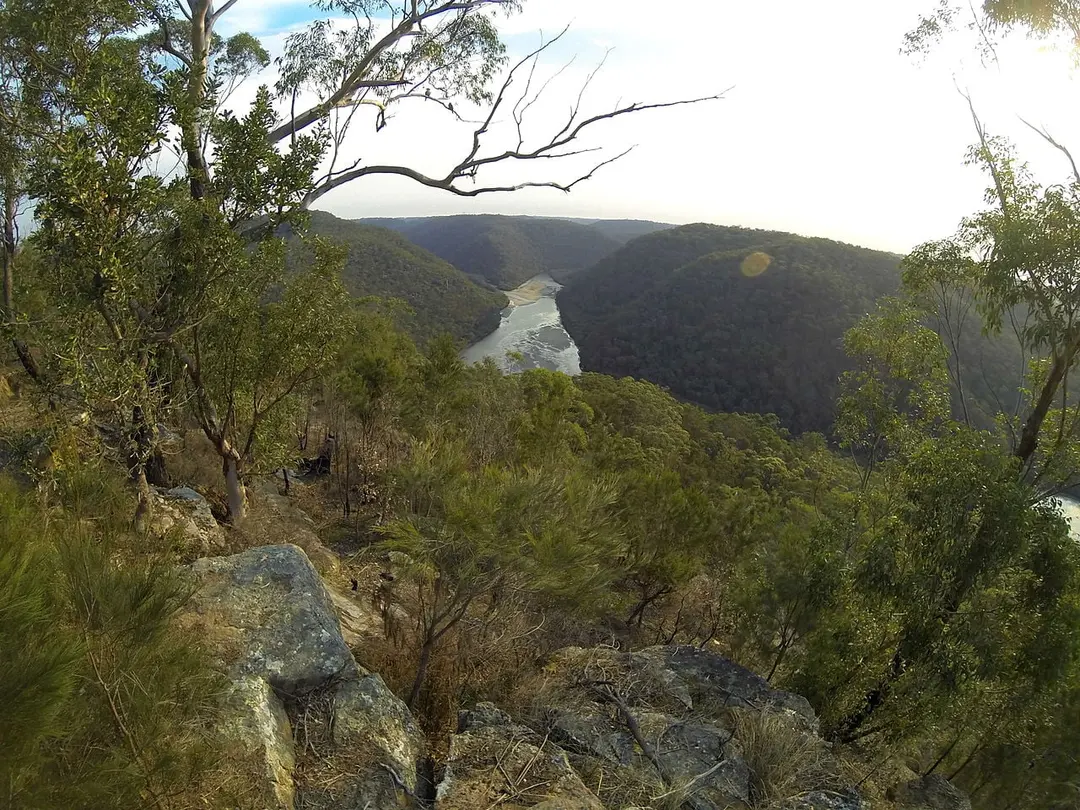
    Berowra Valley National Park lies around 39 kilometres north of Sydney's city centre within Greater Sydney. Officially gazetted as a national park in 2012, it protects a deeply incised valley of dense bush and eucalyptus forest. Berowra Creek winds through the valley, creating a landscape of sandstone outcrops, quiet coves, and undisturbed waterfalls. Hikers can choose from a range of trails of varying difficulty, including day walks with spectacular views down into the gorge. The park is also a haven for birdwatchers — parrots, cockatoos, and rare forest species are all well represented. The area is around 17 kilometres from the suburb of Parramatta.

  • Bouddi National Park

    Bouddi National Park

    Sydney

    nature

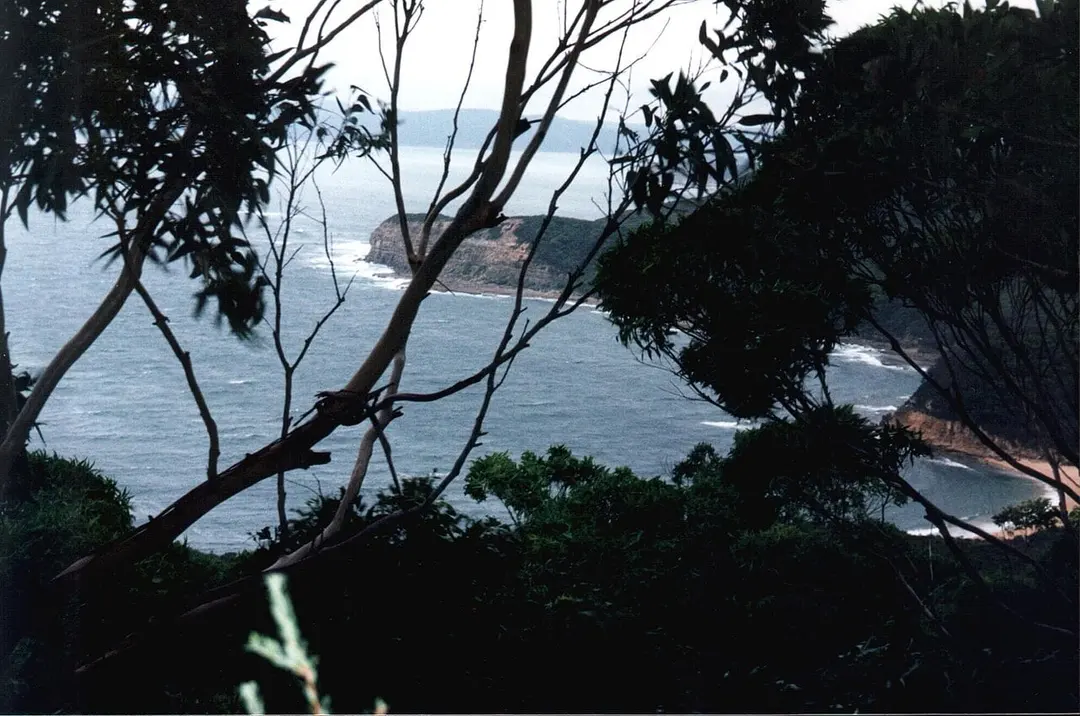
    Bouddi National Park lies 44 kilometres north-east of Sydney on the Pacific coast of New South Wales and has been protected since 1967. It is one of Australia's distinctive coastal parks in that it encompasses land, coastline, and adjacent marine waters as a single connected reserve. The centrepiece is Fletchers Glen, one of the last remaining temperate rainforests along the central coast. Situated near Broken Bay at the mouth of the Hawkesbury River, the park draws hikers, snorkellers, and wildlife watchers. Dramatic cliffs, secluded sandy beaches, and abundant native wildlife offer a genuine wilderness experience that feels worlds away from Sydney — yet is easily reached within an hour.

  • Brisbane Water National Park

    Brisbane Water National Park

    Sydney

    naturehistory

    Brisbane Water National Park sits 47 kilometres north-east of Sydney, established in 1967 as one of New South Wales's early protected areas. The park stretches north of the Hawkesbury River mouth, bounded to the east by the Brisbane Water lagoon near Gosford and Woy Woy. Its particular appeal lies in the combination of intact Australian bushland, dramatic sandstone outcrops, and ancient rock engravings left by the Darkinjung — the Aboriginal people who have inhabited this country for thousands of years. Walking tracks lead to clifftop lookouts over the jagged coastal landscape, while kangaroos, wallabies, and echidnas are regular sightings on the trails. It makes an excellent day trip for anyone wanting to swap Sydney's crowds for quiet bush.

  • Cabbage Tree Bay Aquatic Reserve

    Cabbage Tree Bay Aquatic Reserve

    Sydney

    nature

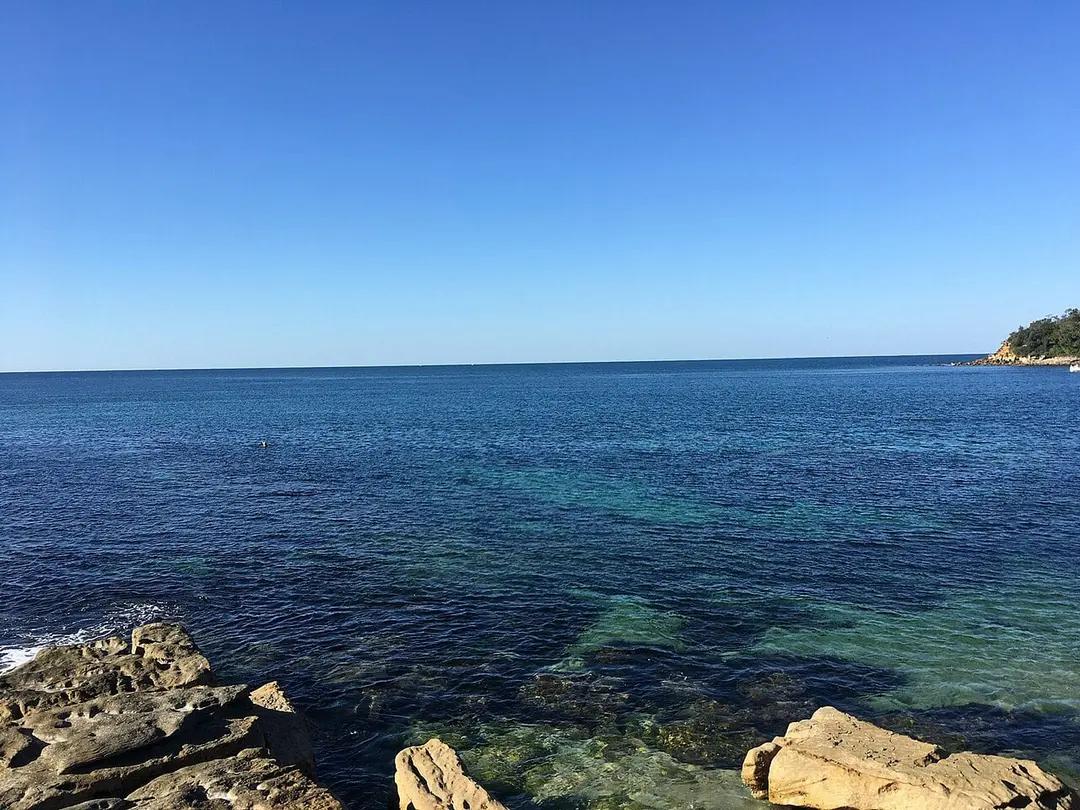
    Cabbage Tree Bay Aquatic Reserve is a protected marine area in New South Wales, Australia, located at Manly, one of Sydney's most popular coastal suburbs. Established in 2002, the bay offers exceptional underwater life: wobbegong sharks, cuttlefish, seahorses, and colorful reef inhabitants inhabit its clear waters. Snorkeling and diving are the most popular activities; the reserve prohibits fishing and the removal of marine life, which has allowed its ecosystem to recover and thrive. Shelly Beach at the bay's entrance offers a quieter alternative to famous Manly Beach and provides direct water access. The reserve is equally a paradise for nature lovers and underwater enthusiasts.

  • Captain Cook Bridge

    Captain Cook Bridge

    Sydney

    architecturenaturelocal gems

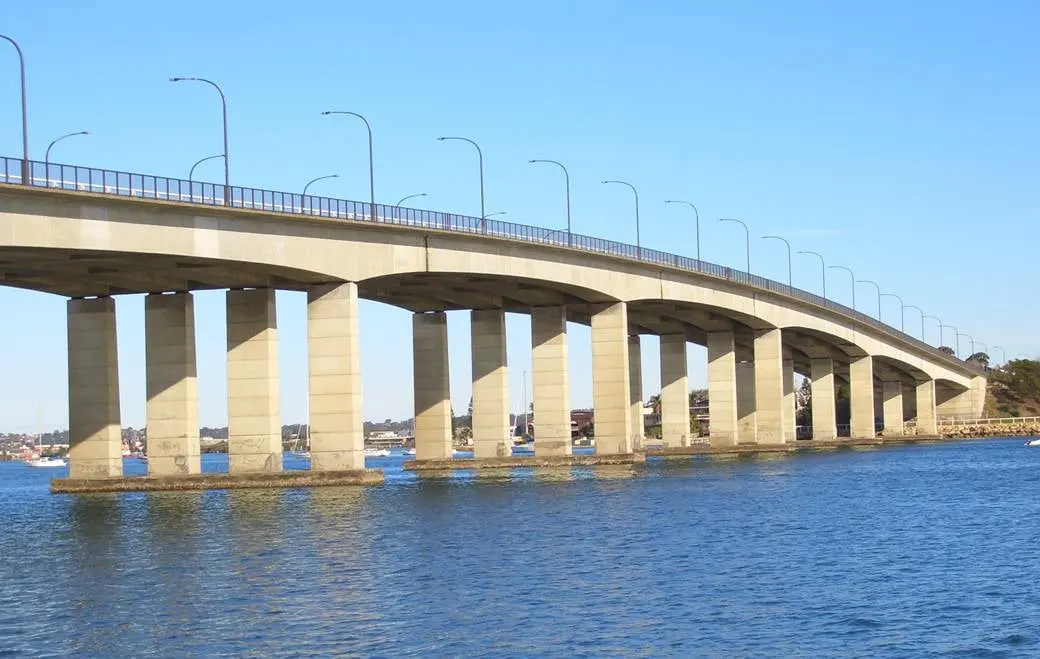
    The Captain Cook Bridge crosses the Georges River near its mouth at Botany Bay in southern Sydney, connecting the St George and Sutherland regions via Taren Point and Rocky Point Roads. The prestressed concrete box girder bridge carries three lanes in each direction along with dedicated pedestrian and cycle paths. It takes its name from British explorer James Cook, who first landed at Botany Bay in 1770 — the very inlet the river flows into just beyond the bridge.

  • Cockatoo Island

    Cockatoo Island

    Sydney

    culturenaturehistory

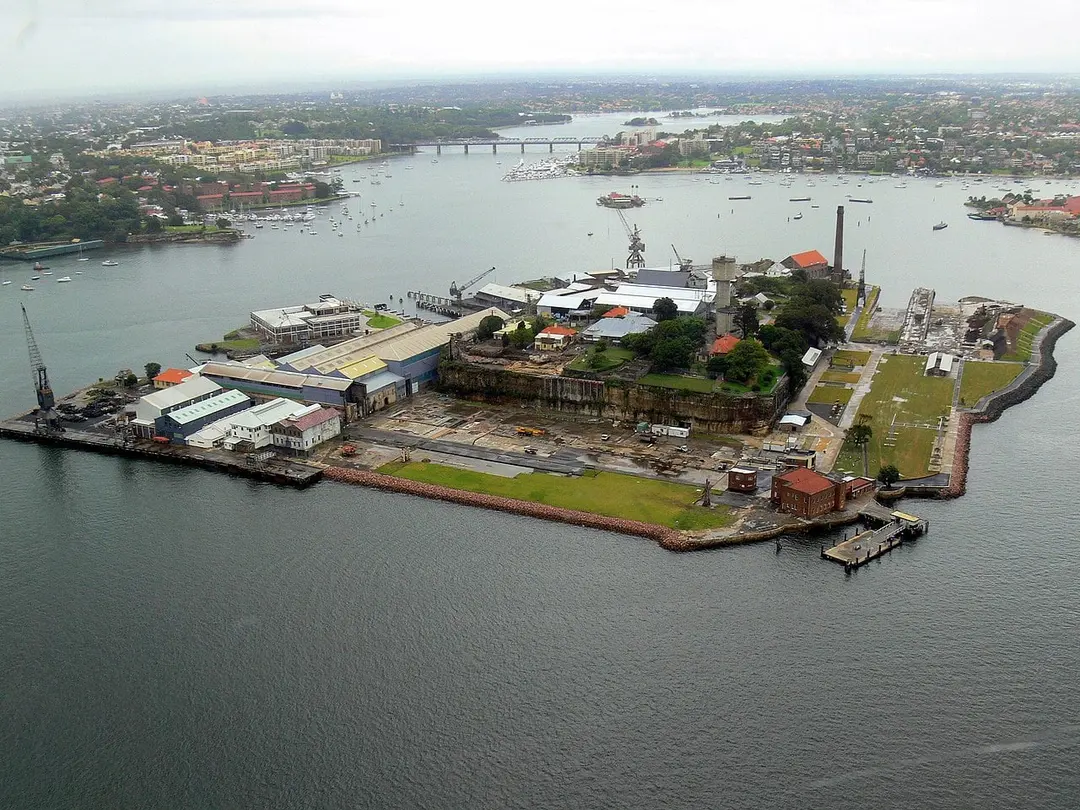
    Cockatoo Island is the largest island in Sydney Harbour and a UNESCO World Heritage Site as part of Australia's Convict Sites network. Located at the confluence of the Lane Cove and Parramatta rivers, it served first as a convict settlement in the 19th century, then as a Royal Australian Navy dockyard, and eventually became one of the country's most important shipbuilding centres. Original machinery, tunnels carved by convict labour, and massive dry docks from this industrial era remain accessible on the island today. Reachable only by ferry, Cockatoo Island offers the unusual experience of camping inside Sydney Harbour — with views of the Harbour Bridge — and hosts regular art events including the Sydney Biennale. Part industrial monument, part cultural venue, part adventure.

  • CommBank Stadium

    CommBank Stadium

    Sydney

    architecturelocal gems

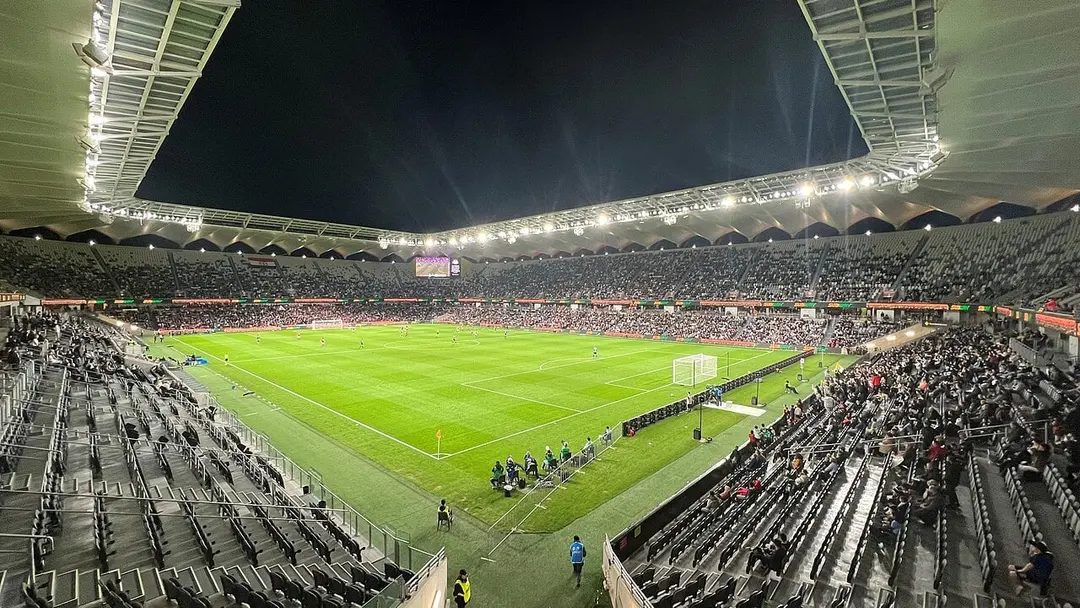
    CommBank Stadium, formerly Western Sydney Stadium, is a multi-purpose sports venue that opened in 2019 in Parramatta, western Sydney, with a capacity of around 30,000. Built on the site of the 1986 Parramatta Stadium, it was designed as a modern replacement with steep, compact stands engineered for atmosphere. It is home to four professional sports teams: the NRL's Parramatta Eels and Wests Tigers, the Super Rugby's New South Wales Waratahs, and A-League Men's Western Sydney Wanderers. The stadium has quickly become the centrepiece of Parramatta's urban renewal and a significant local sports identity for a part of Sydney that has long sought its own cultural gravity distinct from the city centre.

  • Dharawal National Park

    Dharawal National Park

    Sydney

    culturenaturehistory

    Stretching across 65 square kilometres of sandstone ridges and eucalyptus bushland about 65 kilometres south-west of Sydney, Dharawal National Park was the traditional homeland of the Dharawal people for thousands of years. Ancient axe-grinding grooves, rock engravings and paintings scattered across the park testify to that deep connection. The area was formally gazetted as a national park in 2012. Walking trails wind past waterfalls, fern gullies and dramatic sandstone outcrops. Kangaroos, wallabies and over 150 bird species make the park their home.

  • Dharug National Park

    Dharug National Park

    Sydney

    naturehistory

    Dharug National Park lies 58 kilometres north of Sydney and takes its name from the Dharug people, one of the oldest cultures in the region, whose descendants have inhabited this land for tens of thousands of years. Established as a protected area in 1967, the park preserves a striking landscape of sandstone escarpments, dense bushland, and river systems including the Hawkesbury, Macdonald, and Mangrove Creek. Over one hundred Aboriginal rock art sites are found throughout the park, offering a rare and direct connection to indigenous life in the region. Walking tracks wind through quiet valleys and along the rivers, far from the noise of the city. For visitors wanting to experience Australia's wild interior beyond the coast, Dharug National Park is a rewarding discovery.

  • Dunc Gray Velodrome

    Dunc Gray Velodrome

    Sydney

    historylocal gems

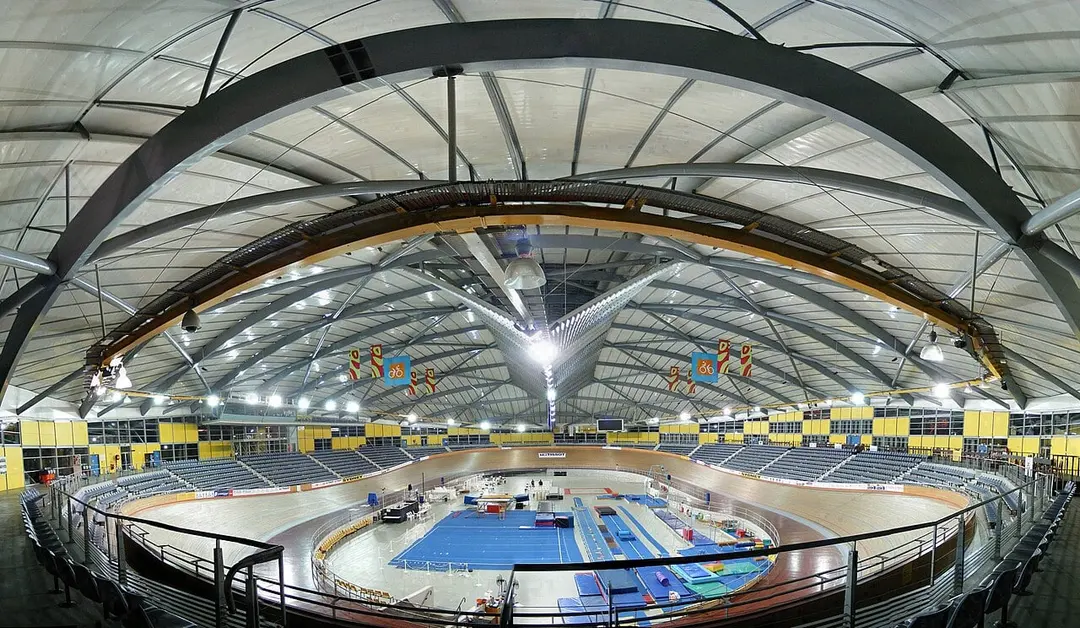
    The Dunc Gray Velodrome in Bankstown City near Sydney was built for the 2000 Olympic Games and has since been one of Australia's leading track cycling facilities. The arena seats more than 3,000 spectators and houses a 250-metre wooden track certified for international track cycling competitions. The velodrome is named after Dunc Gray, the Australian track cyclist who won gold at the 1932 Olympic Games in Los Angeles. Today the velodrome serves as a training and competition venue for professionals and amateurs alike, and is open for guided tours.

  • ENGIE Stadium

    ENGIE Stadium

    Sydney

    architectureculture

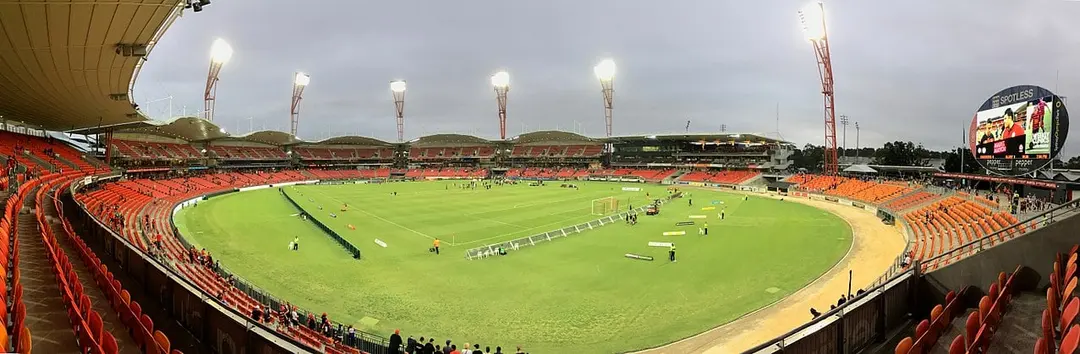
    ENGIE Stadium — also known as Sydney Showground Stadium — sits within the Sydney Olympic Park precinct at Homebush Bay, the sprawling sports complex built for the 2000 Summer Olympics. The venue holds around 24,000 spectators for sporting events and up to 40,000 for concerts when the infield is opened. Since 2019 it carries the name GIANTS Stadium during AFL matches of the Greater Western Sydney Giants, while retaining the Sydney Showground Stadium name for cricket — a naming-rights carousel typical of Australian sport. Built in 1998, the oval has established itself as a flexible multipurpose venue hosting football, cricket, Australian rules football and major concerts throughout the year.

  • Featherdale Wildlife Park

    Featherdale Wildlife Park

    Sydney

    naturefamily outings

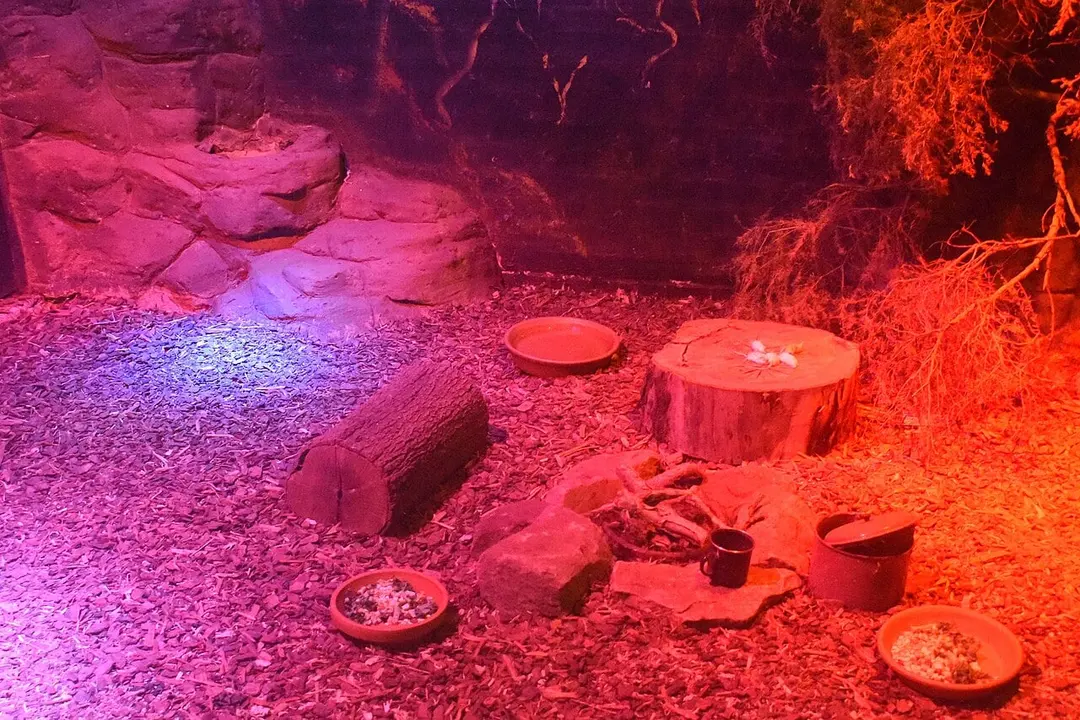
    Featherdale Wildlife Park in Doonside, a western suburb of Sydney, is one of Australia's most popular wildlife parks for hands-on animal encounters. Spread across approximately 3.3 hectares, the park is home to hundreds of native Australian animals including koalas, kangaroos, wombats, emus, and various reptile species. A key feature is direct interaction — visitors can hand-feed kangaroos and get close to koalas. Opened in 1972 and accredited by the Zoo and Aquarium Association Australasia (ZAA), Featherdale is especially suited to families with children and travellers wanting an accessible introduction to Australian wildlife.

  • Garawarra State Conservation Area

    Garawarra State Conservation Area

    Sydney

    nature

    Garawarra State Conservation Area lies south of Sydney, directly adjoining the Royal National Park — together forming one of New South Wales' most significant natural spaces. The reserve encompasses classic Australian bushland, dramatic cliff-top coastline, and quiet walking tracks that lead all the way to the ocean. The Royal National Park itself was established in 1879 as Australia's first national park and the world's second, after Yellowstone. Garawarra complements this heritage as a buffer zone and reserve in its own right, offering visitors memorable coastal hikes away from the noise of the city.

  • Garigal National Park

    Garigal National Park

    Sydney

    naturehistorylocal gems

    Garigal National Park lies just 20 kilometers north of Sydney's center, offering surprisingly wild nature in the middle of one of the Southern Hemisphere's largest metropolises. The elongated nature reserve stretches along Middle Harbour Creek to Mona Vale Road and is named after the Garigal clan, a group of the Guringai, one of the original peoples of this coastal strip. Dense eucalyptus forests, hidden coves, and waterways make the park a destination for hikers, kayakers, and anyone looking to escape urban life. At several sites, Guringai rock engravings tell of thousands of years of habitation in this landscape.

  • Georges River National Park

    Georges River National Park

    Sydney

    naturefamily outings

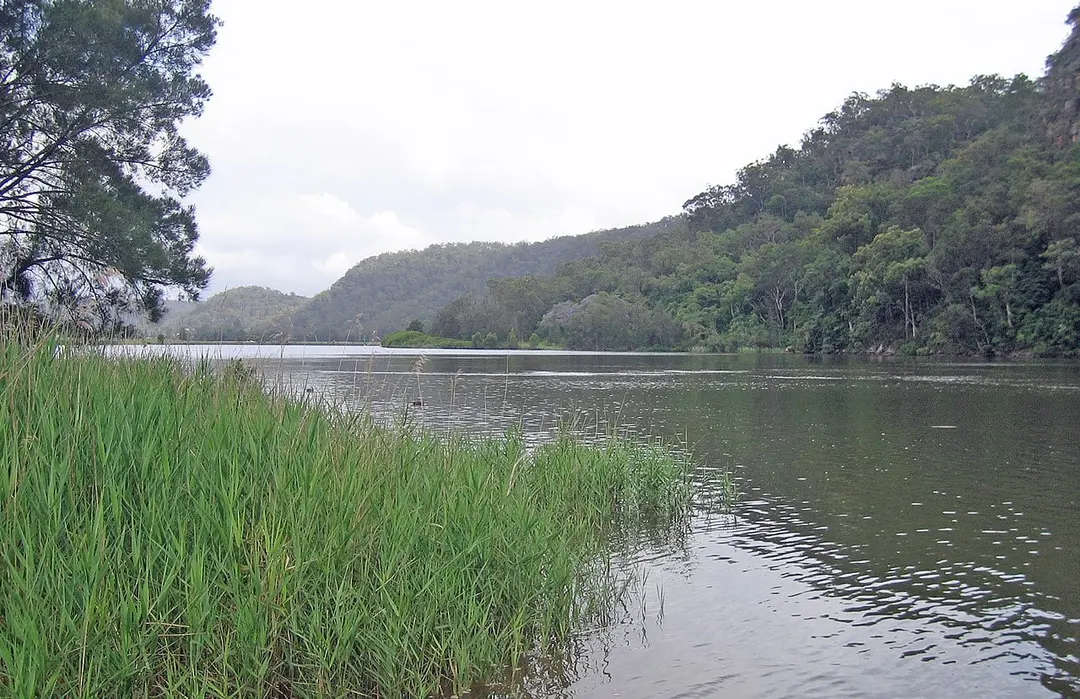
    Georges River National Park is a national park on Sydney's southern fringe, stretching along the scenic banks of the Georges River. Situated around 18 kilometres south-west of the city centre and best accessed from Henry Lawson Drive, the park has protected classic Australian bushland since its establishment in 1992. Eucalypt forests, sandstone outcrops, and diverse wildlife are the park's hallmarks. The river itself is popular for canoeing and kayaking, while flat riverside areas provide well-loved picnic spots. For Sydneysiders, it is an easily accessible slice of genuine wilderness despite its closeness to the urban grid.

  • Marramarra National Park

    Marramarra National Park

    Sydney

    nature

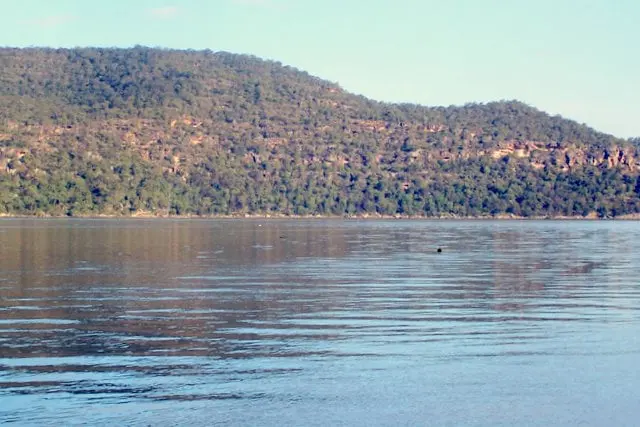
    Marramarra National Park lies about 40 kilometres northwest of Sydney along the southern bank of the Hawkesbury River, and is one of the least developed national parks near the Australian city. Covering around 11,785 hectares of dense eucalyptus bushland, the park is laced with coves and tributaries of the Hawkesbury. It borders Dharug National Park to the north and Ku-ring-gai Chase National Park to the east, forming a continuous wilderness reserve. With few formal trails, the park is especially appealing for canoe trips along the river and remote bush hikes. Those seeking silence and genuine wilderness will find it here.

Keep exploring

These places are just the beginning.

Rate places with a swipe — TravelType learns from your tags what you love and curates your own map. Private until you choose to share.

Create your profile