TravelType

history

History in Sydney

Sydney, on Australia's eastern coast, holds its history across a remarkably varied set of places. Cadman's Cottage is among the city's oldest surviving colonial structures, while the Great Synagogue reflects the long presence of Jewish community life. Cockatoo Island, once a convict establishment and later a working shipyard, layers colonial and industrial heritage in a single site. The Australian Securities Exchange traces Sydney's role as a financial centre. The ANZAC Bridge stands as a memorial to the nation's veterans. Beyond the urban core, Dharug, Dharawal, Garigal, and Brisbane Water national parks preserve landscapes connected to the region's deep Indigenous history.

13 places · Sydney, Australia · Editorially curated

  • Accor Stadium

    Accor Stadium

    Sydney

    cultureoutdoor activities

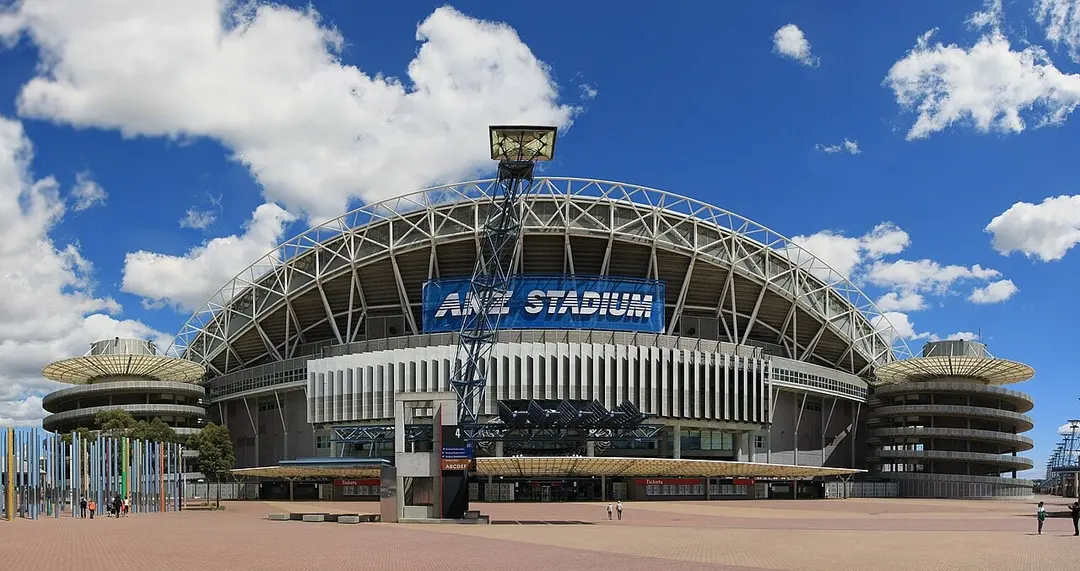
    Accor Stadium, formerly Stadium Australia, is Sydney's largest venue and served as the main stadium for the 2000 Summer Olympics. Completed in 1999 with a capacity over 80,000 for rugby and up to 110,000 for special events, it was the largest Olympic stadium ever built at the time. Home to NRL clubs South Sydney Rabbitohs and Parramatta Eels, it also hosts Australian national football matches. The Accor hotel group became naming sponsor in November 2021.
  • Allianz Stadium Sydney

    Allianz Stadium Sydney

    Sydney

    cultureoutdoor activities

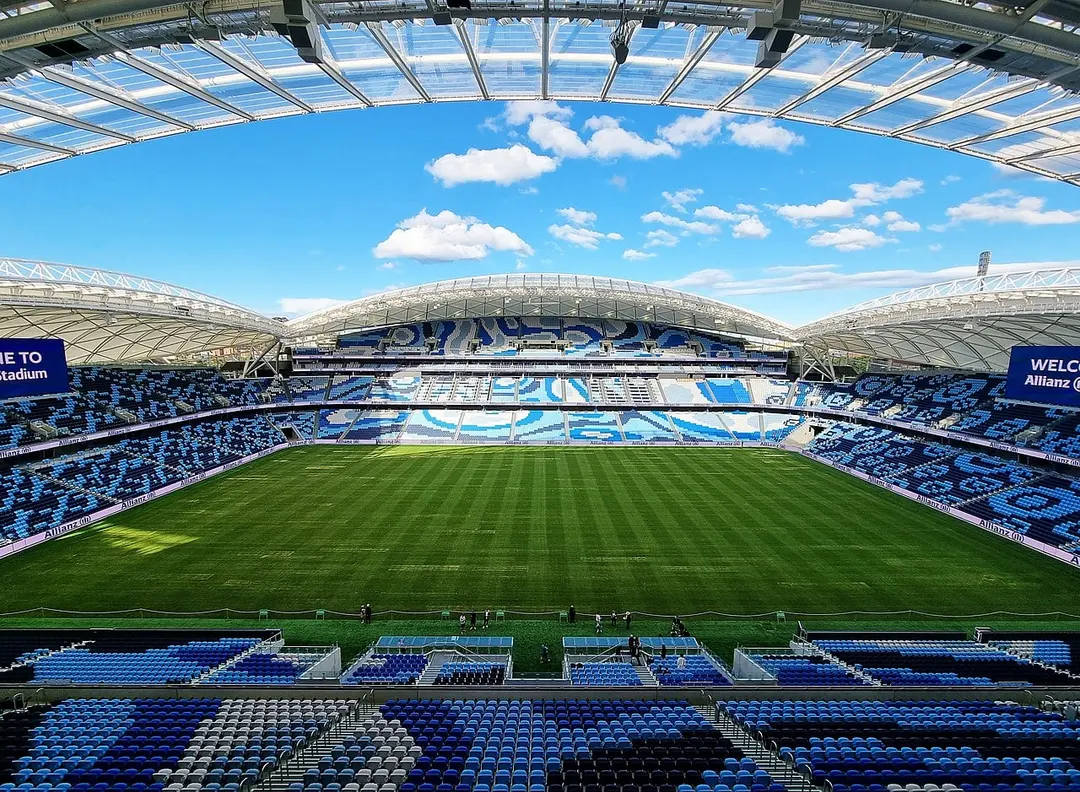
    Allianz Stadium (Sydney Football Stadium) in Moore Park is Sydney's modern rugby and football venue, opened in 2022 as a replacement for the 1988 original. With 42,500 seats, it hosts the Sydney Roosters and South Sydney Rabbitohs (NRL), the Waratahs (Super Rugby), and Sydney FC (A-League Men). It served as a venue for the 2023 FIFA Women's World Cup.

  • ANZAC Bridge

    ANZAC Bridge

    Sydney

    architectureculturenature+1

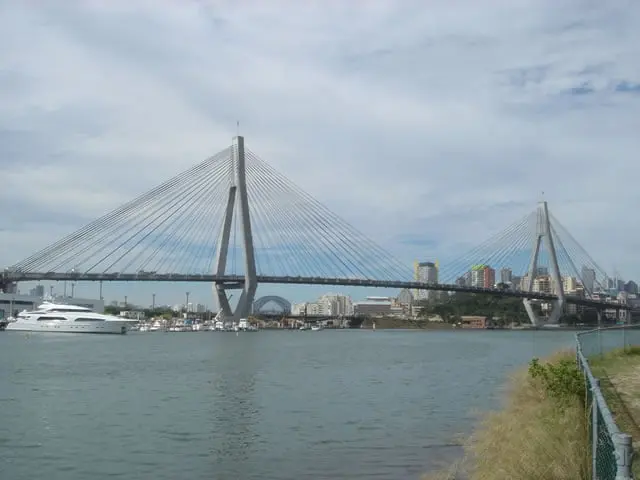
    ANZAC Bridge is a cable-stayed bridge spanning Johnstons Bay west of Sydney city centre, completed in 1995. At 345 metres span, it is one of Australia's longest cable-stayed bridges. Named after the ANZAC soldiers of World War I, it replaced the former Glebe Island Bridge. Its slender pylons and symmetrical cable fans are a defining element of Sydney's western approach.

  • Australian Securities Exchange

    Australian Securities Exchange

    Sydney

    culturelocal gems

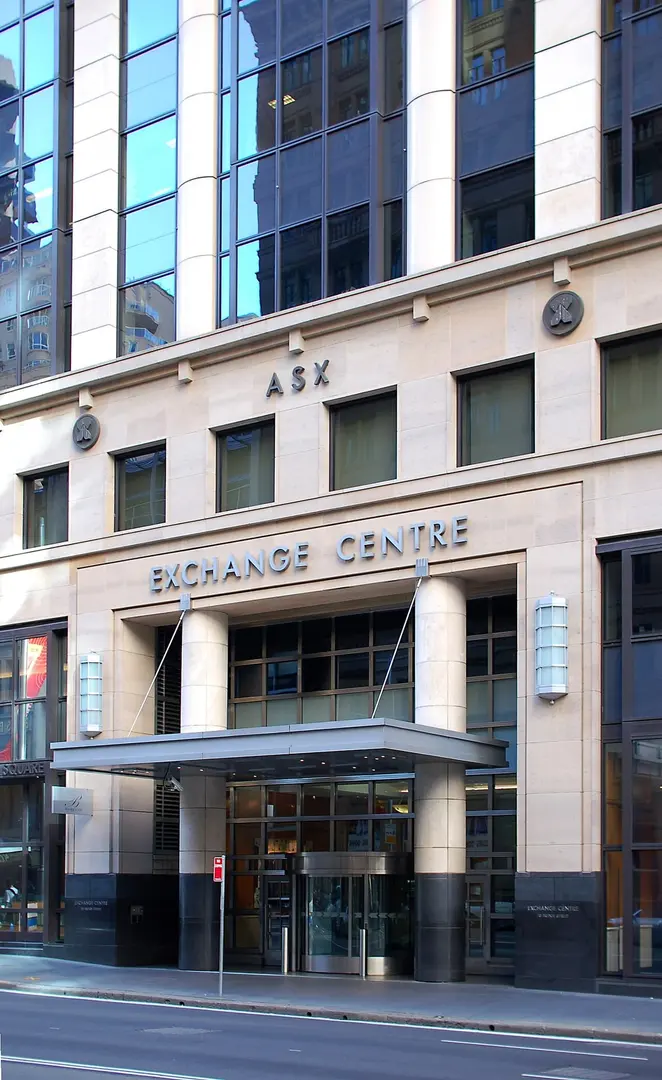
    The Australian Securities Exchange (ASX), headquartered in Sydney, is Australia's primary securities trading platform, founded in 1987 through the merger of the six state stock exchange operators. By market capitalisation, the ASX ranks among the world's largest exchanges.

  • Brisbane Water National Park

    Brisbane Water National Park

    Sydney

    natureoutdoor activities

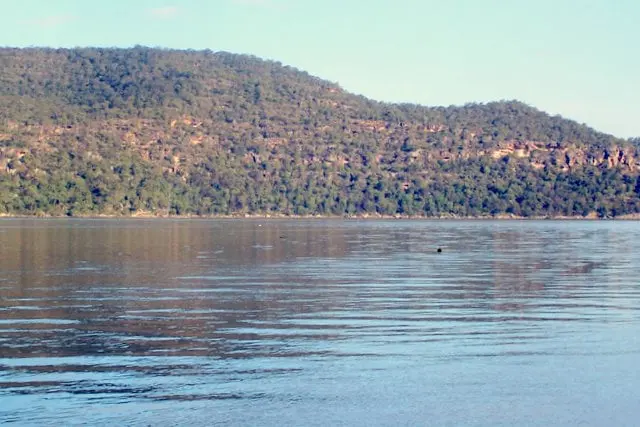
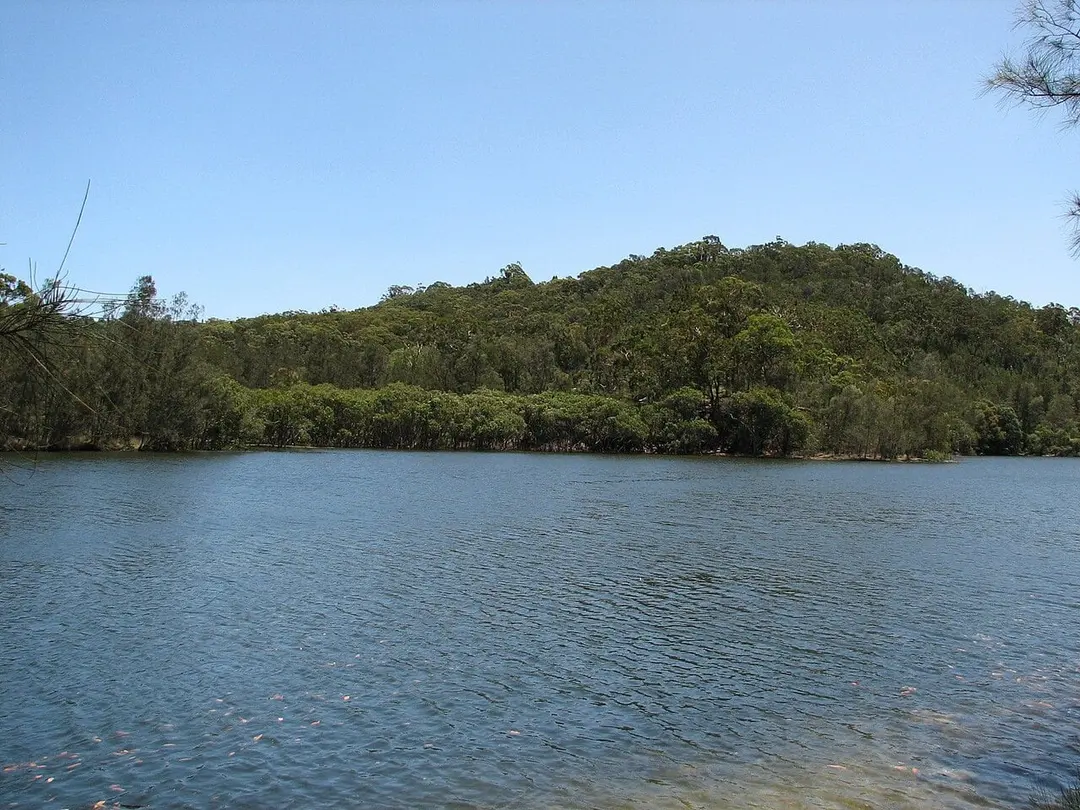
    Brisbane Water National Park sits 47 kilometres north-east of Sydney, established in 1967 as one of New South Wales's early protected areas. The park stretches north of the Hawkesbury River mouth, bounded to the east by the Brisbane Water lagoon near Gosford and Woy Woy. Its particular appeal lies in the combination of intact Australian bushland, dramatic sandstone outcrops, and ancient rock engravings left by the Darkinjung — the Aboriginal people who have inhabited this country for thousands of years. Walking tracks lead to clifftop lookouts over the jagged coastal landscape, while kangaroos, wallabies, and echidnas are regular sightings on the trails. It makes an excellent day trip for anyone wanting to swap Sydney's crowds for quiet bush.

  • Cadman's Cottage

    Cadman's Cottage

    Sydney

    architectureculturelocal gems

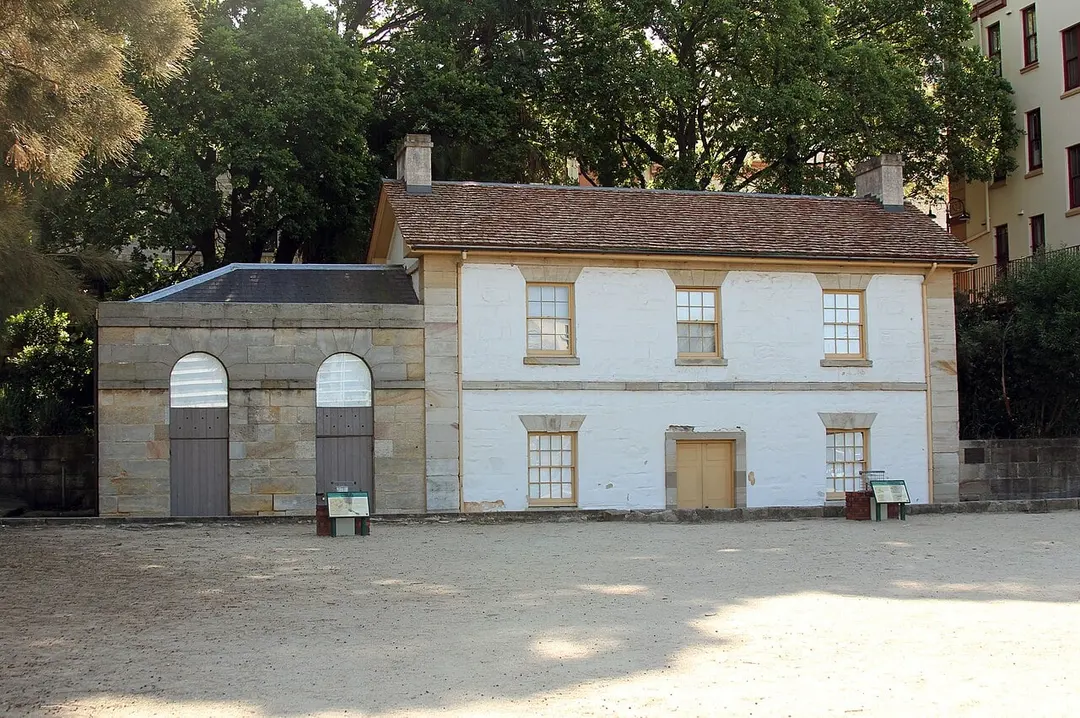
    Cadman's Cottage is the oldest surviving residential building in Sydney and a quiet testament to Australia's early colonial era. The modest sandstone house was built in 1816 in the neighbourhood of The Rocks — originally at the water's edge, now surrounded by modern wharves. John Cadman, government coxswain and freed convict, lived here for decades with his family, using the building as headquarters for the colonial boat fleet. Through the 19th century it served as sailors' quarters and later as a Water Police station. Today it houses a small National Parks visitor centre offering insights into The Rocks and Sydney's formative years.

  • Cockatoo Island

    Cockatoo Island

    Sydney

    culturenatureoutdoor activities

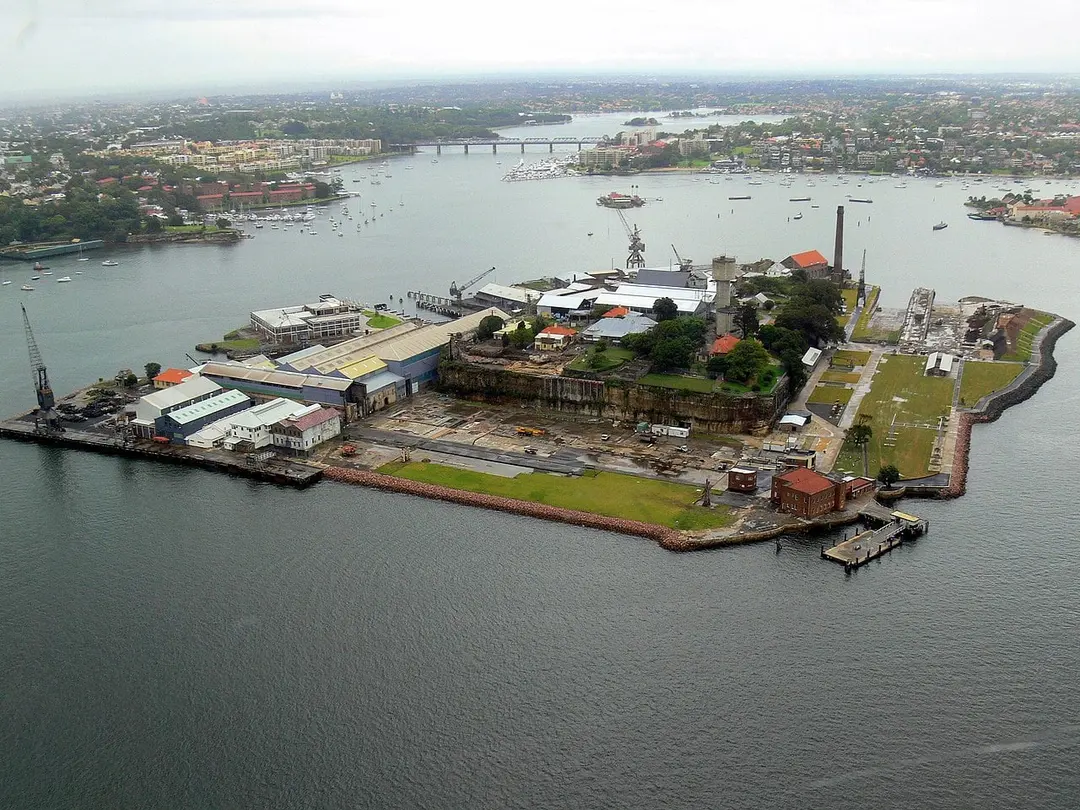
    Cockatoo Island is the largest island in Sydney Harbour and a UNESCO World Heritage Site as part of Australia's Convict Sites network. Located at the confluence of the Lane Cove and Parramatta rivers, it served first as a convict settlement in the 19th century, then as a Royal Australian Navy dockyard, and eventually became one of the country's most important shipbuilding centres. Original machinery, tunnels carved by convict labour, and massive dry docks from this industrial era remain accessible on the island today. Reachable only by ferry, Cockatoo Island offers the unusual experience of camping inside Sydney Harbour — with views of the Harbour Bridge — and hosts regular art events including the Sydney Biennale. Part industrial monument, part cultural venue, part adventure.

  • Dharawal National Park

    Dharawal National Park

    Sydney

    culturenatureoutdoor activities

    Stretching across 65 square kilometres of sandstone ridges and eucalyptus bushland about 65 kilometres south-west of Sydney, Dharawal National Park was the traditional homeland of the Dharawal people for thousands of years. Ancient axe-grinding grooves, rock engravings and paintings scattered across the park testify to that deep connection. The area was formally gazetted as a national park in 2012. Walking trails wind past waterfalls, fern gullies and dramatic sandstone outcrops. Kangaroos, wallabies and over 150 bird species make the park their home.

  • Dharug National Park

    Dharug National Park

    Sydney

    natureoutdoor activities

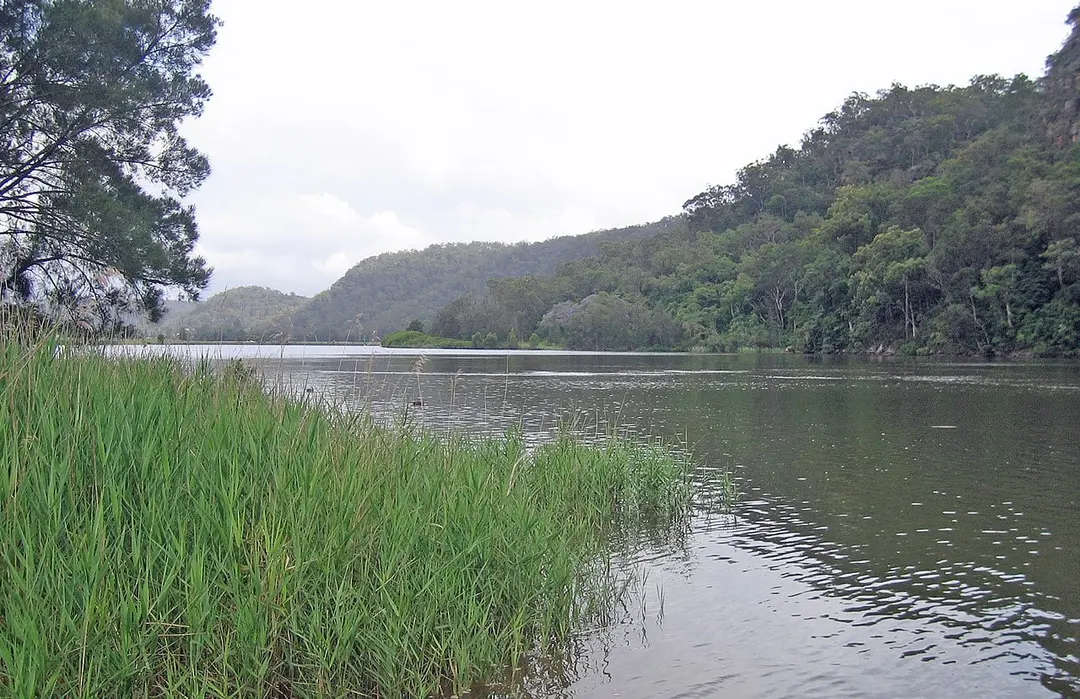
    Dharug National Park lies 58 kilometres north of Sydney and takes its name from the Dharug people, one of the oldest cultures in the region, whose descendants have inhabited this land for tens of thousands of years. Established as a protected area in 1967, the park preserves a striking landscape of sandstone escarpments, dense bushland, and river systems including the Hawkesbury, Macdonald, and Mangrove Creek. Over one hundred Aboriginal rock art sites are found throughout the park, offering a rare and direct connection to indigenous life in the region. Walking tracks wind through quiet valleys and along the rivers, far from the noise of the city. For visitors wanting to experience Australia's wild interior beyond the coast, Dharug National Park is a rewarding discovery.

  • Dunc Gray Velodrome

    Dunc Gray Velodrome

    Sydney

    outdoor activitieslocal gems

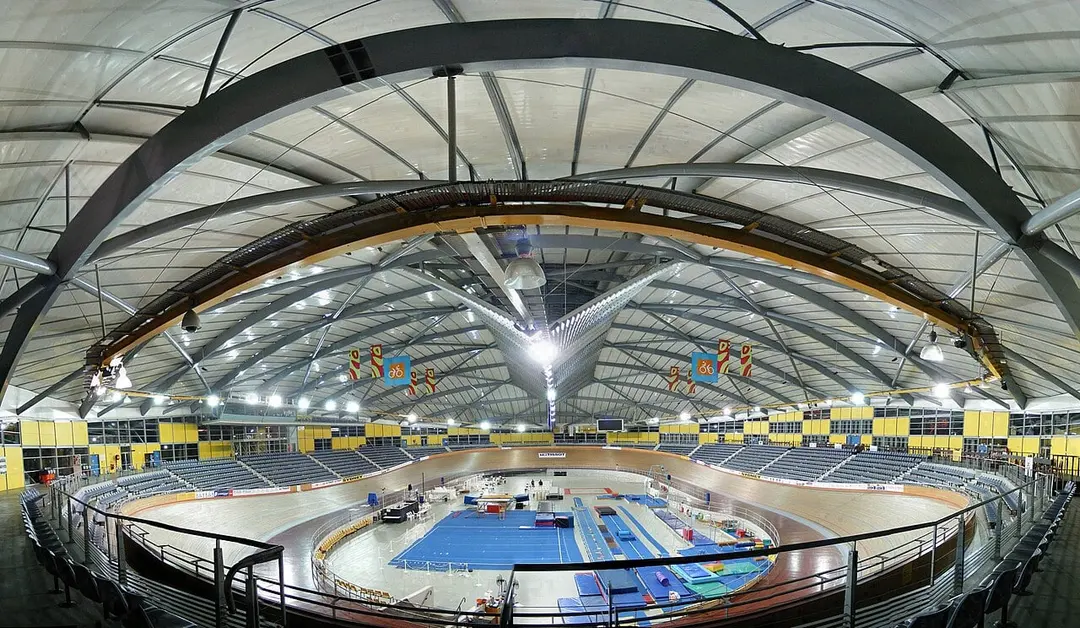
    The Dunc Gray Velodrome in Bankstown City near Sydney was built for the 2000 Olympic Games and has since been one of Australia's leading track cycling facilities. The arena seats more than 3,000 spectators and houses a 250-metre wooden track certified for international track cycling competitions. The velodrome is named after Dunc Gray, the Australian track cyclist who won gold at the 1932 Olympic Games in Los Angeles. Today the velodrome serves as a training and competition venue for professionals and amateurs alike, and is open for guided tours.

  • Garigal National Park

    Garigal National Park

    Sydney

    natureoutdoor activitieslocal gems

    Garigal National Park lies just 20 kilometers north of Sydney's center, offering surprisingly wild nature in the middle of one of the Southern Hemisphere's largest metropolises. The elongated nature reserve stretches along Middle Harbour Creek to Mona Vale Road and is named after the Garigal clan, a group of the Guringai, one of the original peoples of this coastal strip. Dense eucalyptus forests, hidden coves, and waterways make the park a destination for hikers, kayakers, and anyone looking to escape urban life. At several sites, Guringai rock engravings tell of thousands of years of habitation in this landscape.

  • Great Synagogue

    Great Synagogue

    Sydney

    culture

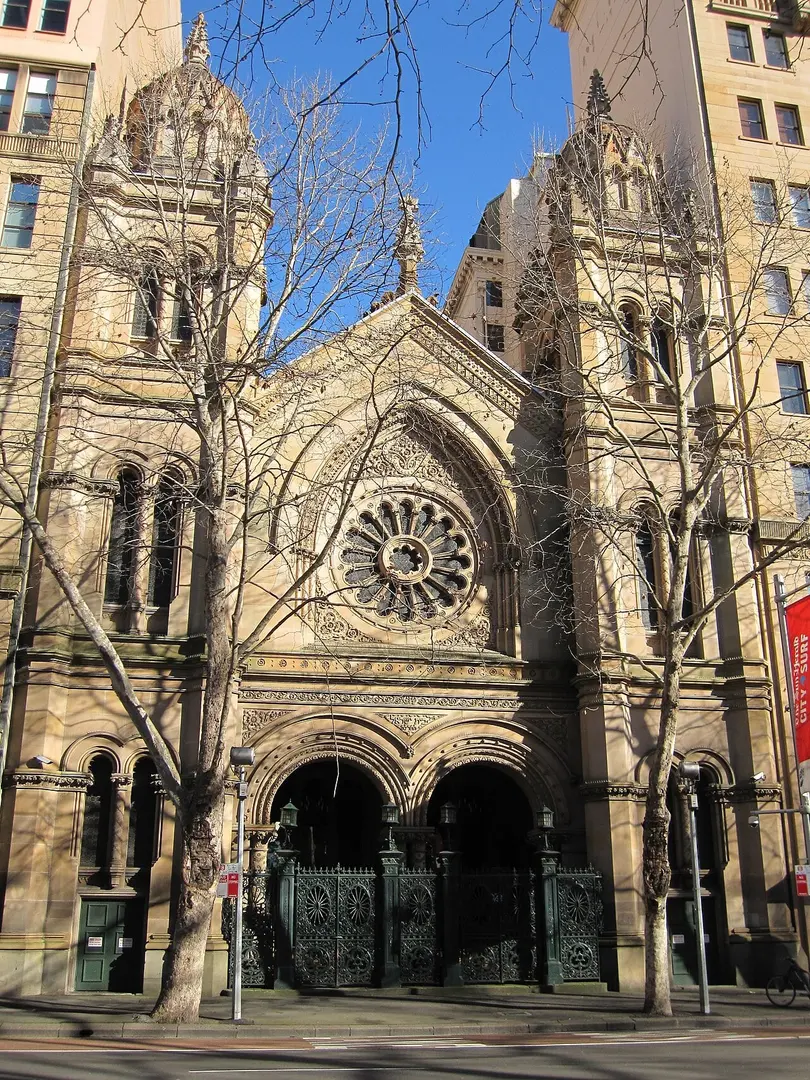
    The Great Synagogue at 187 Elizabeth Street is the oldest and most significant synagogue in Australia. Built between 1875 and 1878 in the Egyptian Revival style, it impresses with its striking towers, grand portico and magnificent interior featuring gilded decorations and sweeping galleries. Plans were drawn up as early as 1874 at the initiative of Sydney's Jewish community, which was then among the wealthiest in the British Empire. The building is heritage-listed and considered one of the most important Victorian-era religious structures in Australia. Guided tours offer visitors a window into the history of the Australian Jewish community.

Keep exploring

These places are just the beginning.

Rate places with a swipe — TravelType learns from your tags what you love and curates your own map. Private until you choose to share.

Create your profile