TravelType

architecture

Architecture in Damascus

Damascus, the Syrian capital, holds an extraordinary layering of architectural history within its built fabric. The Citadel of Damascus and Al-Azm Palace stand as refined examples of Islamic civic architecture, while the Bimaristan of Nur ad-Din illustrates medieval hospital design. The ancient city gates of Bab ash-Sharqi and Bab Tuma still frame the boundaries of the old city, and the Cathedral of Saint George reflects Damascus's enduring Christian building tradition. Ash-Shaab Palace and Abbasiyyin Stadium represent more recent construction phases. Sites such as Ad-Dumair, Aaiha, Joub Jannine, and Kamid al-Lawz extend the architectural picture into the surrounding region.

9 places · Damascus, Syria · Editorially curated

  • Aaiha

    Aaiha

    Damascus

    culturenaturehistory

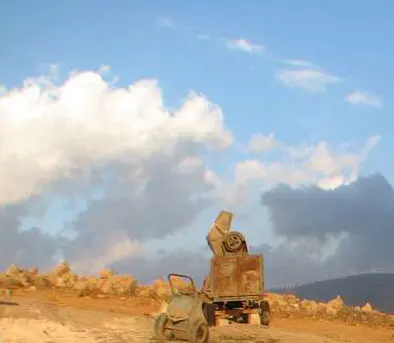
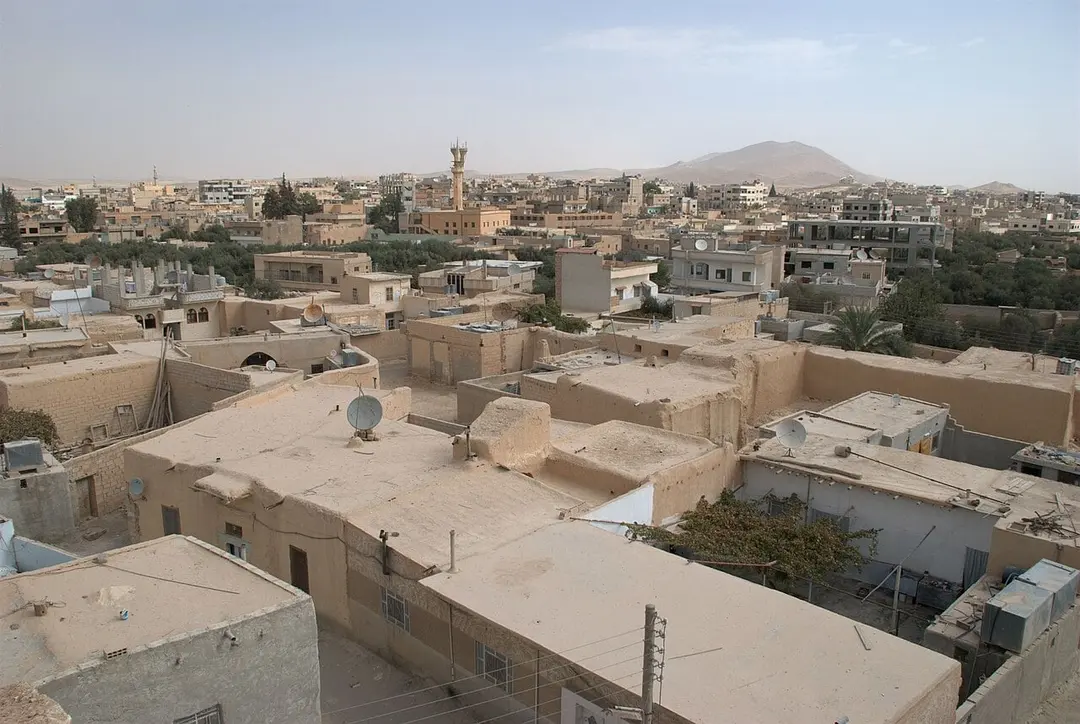
    Aaiha is a small village in Lebanon, near the Syrian border, nestled in an intermontane basin at the foot of Mount Hermon. The village is home to a Roman temple built in 92 AD – a rare witness to ancient construction in this remote border region between the Beqaa Valley and modern Syria. The site overlooks a lake and seasonal wetlands that give the landscape a distinctive character. Today Aaiha is a quiet village that attracts mainly history enthusiasts and nature lovers exploring the lesser-visited corners of Lebanon.
  • Abbasiyyin Stadium

    Abbasiyyin Stadium

    Damascus

    culturehistoryoutdoor activities

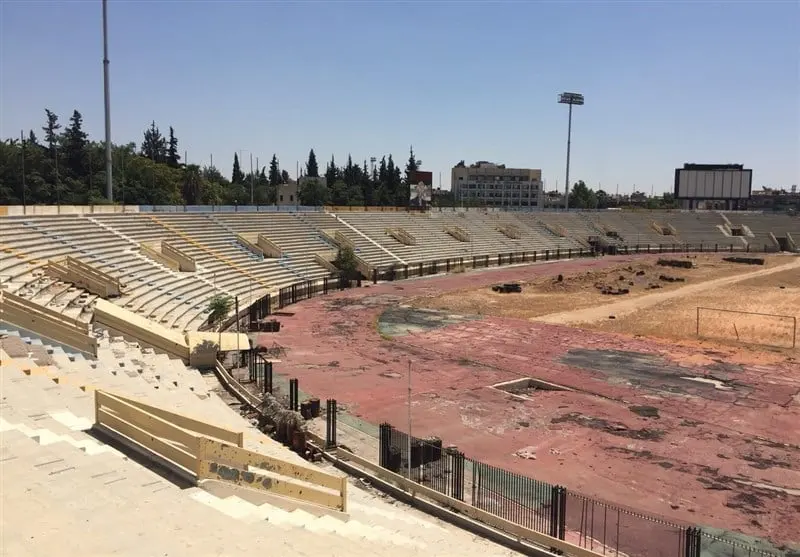
    The Abbasiyyin Stadium in Damascus served for decades as Syria's premier football venue, hosting the national team in front of up to 30,000 spectators. Built in the late 1950s, its utilitarian post-war design reflects the era of pan-Arab nation-building. Named after the Abbasid dynasty, the stadium was a symbol of national pride and communal identity. Due to Syria's prolonged conflict, the venue has been out of use for years. Today it stands empty, a quiet reminder of a time when football united the country.

  • Ad-Dumair

    Ad-Dumair

    Damascus

    culturehistory

    Ad-Dumair is a small town about 45 kilometres north-east of Damascus in the Syrian province of Rif Dimashq. It is known primarily for a well-preserved Roman building from the 2nd or 3rd century AD, regarded as one of the best-preserved examples of Roman-era construction in Syria. The area served in antiquity as a waypoint on trade and military routes between Palmyra and Damascus. Today it remains a quiet, little-visited site for those with an interest in ancient Near Eastern archaeology. Due to the ongoing security situation in Syria, a visit is currently not advisable.

  • Al-Azm Palace Damascus

    Al-Azm Palace Damascus

    Damascus

    culturelocal gemsknowledge

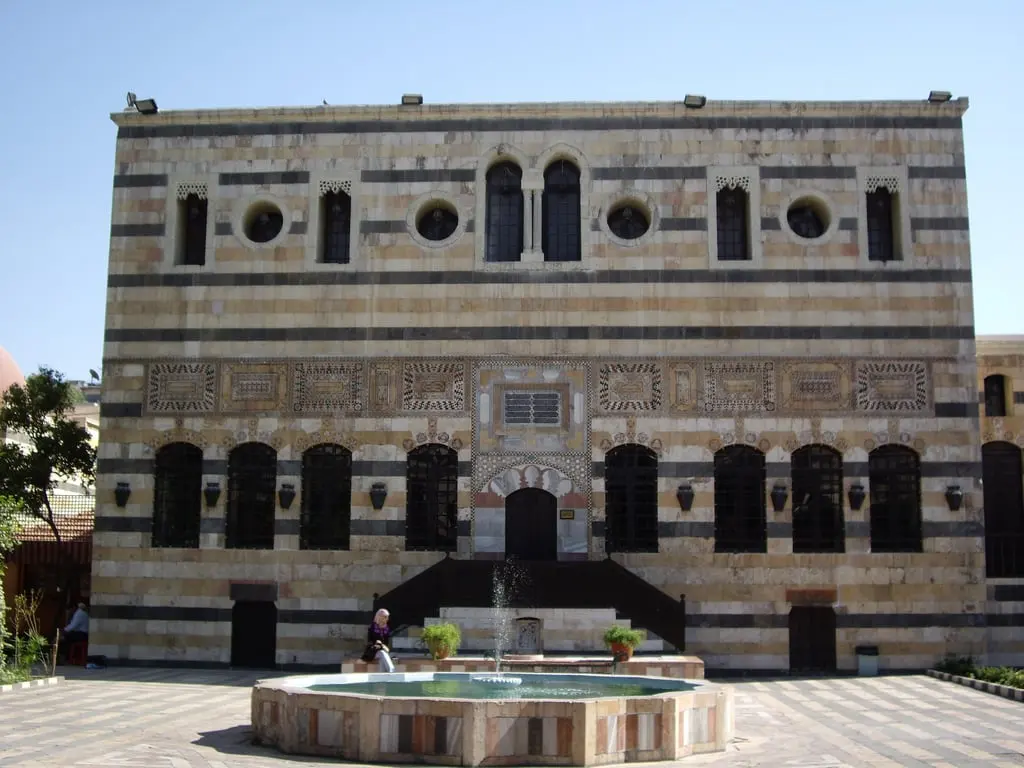
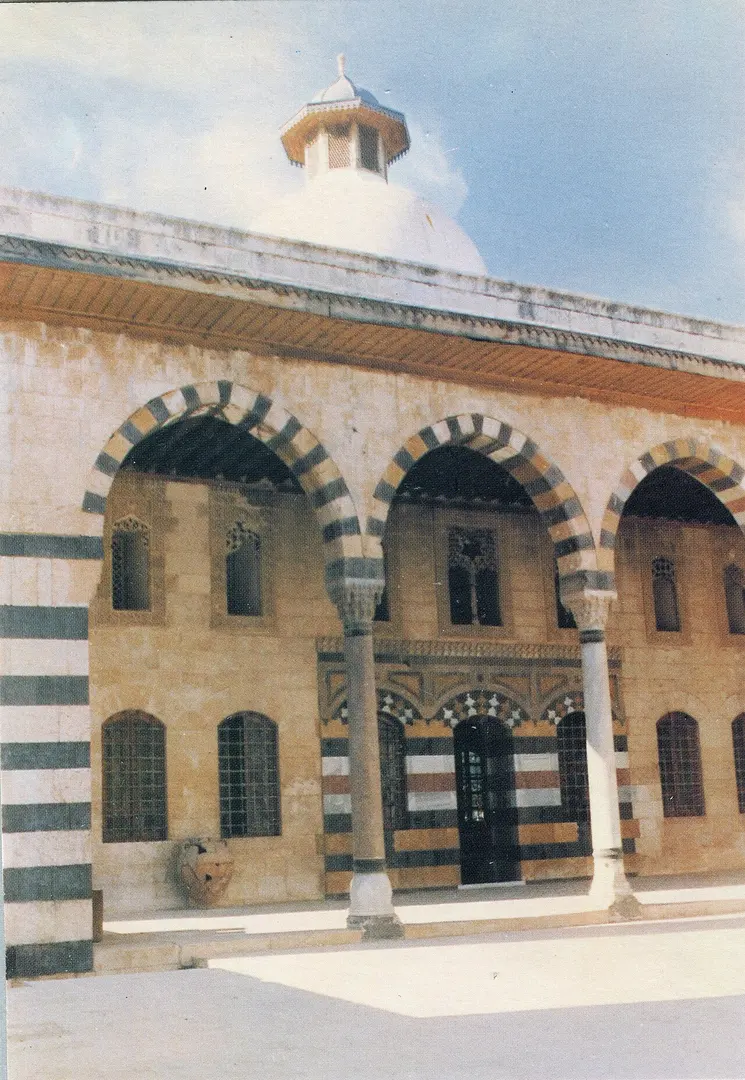
    Al-Azm Palace is an Ottoman mansion built in 1749 by As'ad Pasha al-Azm as his private residence during his tenure as governor of Damascus. It stands in the Old City, north of the historic Al-Buzuriyah Souk and close to the Umayyad Mosque. The palace is a prime example of Syrian-Ottoman courtyard house architecture, featuring elaborate mosaics, painted wooden ceilings, and a central courtyard with a fountain. During the French Mandate period, it served as the French Institute's research center. Today the palace houses the Museum of Syrian Folk Arts and Traditions, and is considered one of the finest surviving private residences from the Ottoman period in the entire Middle East.

  • Ash-Shaab Palace (Damascus)

    Ash-Shaab Palace (Damascus)

    Damascus

    culturehistory

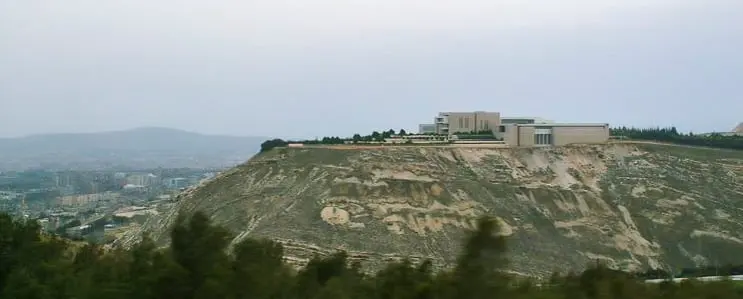
    The Ash-Shaab Palace – known as the Presidential Palace until 2024 – is the official residence of the Syrian head of state. It sits on Mount Mezzeh in western Damascus, adjacent to Mount Qasioun, and overlooks the entire city. The main building covers around 31,500 square metres, largely clad in Carrara marble, and is surrounded by an extensive security compound on the whole plateau. The palace embodies the power architecture of the Assad regime and, since Syria's political upheaval in late 2024, has become a prominent symbol of change in the public consciousness.

  • Bab Tuma

    Bab Tuma

    Damascus

    culturehistorylocal gems

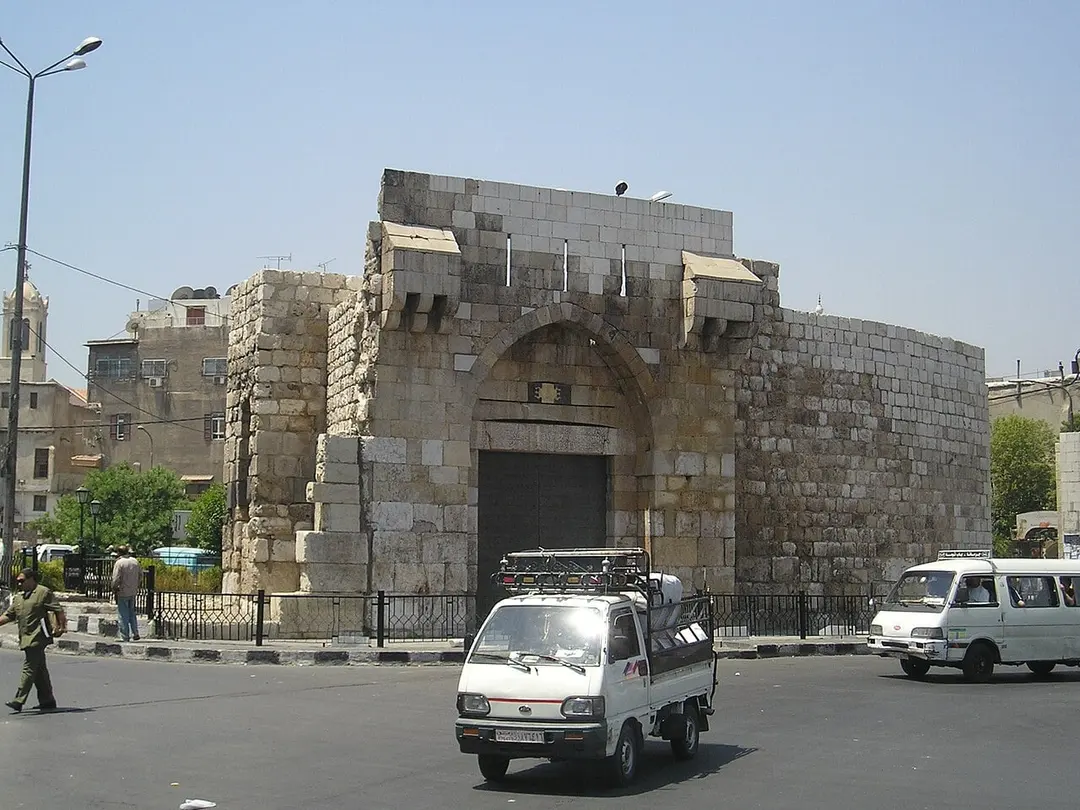
    Bab Tuma — the Gate of Thomas — is one of the seven historic gates in the ancient city walls of Damascus, situated in the northeast of the old city. The gate traces its origins to Roman urban planning, though it was rebuilt and fortified multiple times during the Islamic period. Far more than a crumbling fortification, Bab Tuma is today the name of a living Christian quarter that has been inhabited almost exclusively by Syrian Christians of various denominations for centuries. Between ancient churches, small restaurants, and narrow lanes, the neighborhood offers a glimpse of the coexistence that defined the Levant.

  • Bimaristan of Nur ad-Din

    Bimaristan of Nur ad-Din

    Damascus

    historylocal gems

    The Bimaristan of Nur ad-Din in the heart of Damascus's old city is the oldest surviving medieval hospital in the city and one of the most significant of its kind in the Islamic world. Built in 1154 by the Zengid sultan Nur ad-Din, it served for centuries as an institution treating both physical and mental illness. The building forms part of a religious-social complex alongside a mosque and the founder's mausoleum. Restored in 1975, it now houses the Museum of Medicine and Science in the Arab World. The richly decorated iwans and shaded courtyard still convey the original dignity of the place.

  • Cathedral of Saint George (Damascus)

    Cathedral of Saint George (Damascus)

    Damascus

    culturehistory

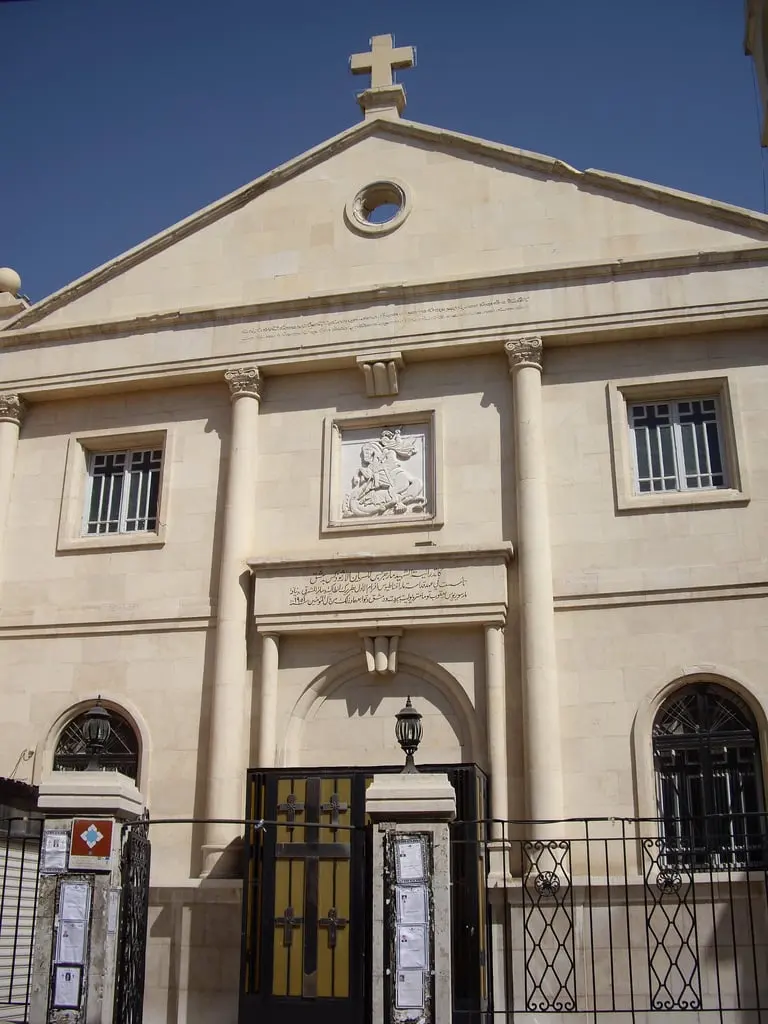
    The Cathedral of Saint George in the Bab Tuma quarter has been the official seat of the Patriarch of the Syriac Orthodox Church of Antioch since 1959. It stands in the northeastern part of the old city of Damascus, in a neighborhood that has been home to Christian communities for centuries. The current patriarch is Ignatius Aphrem II. The cathedral is not only a religious center but also a symbol of the unbroken continuity of Christian life in Damascus — one of the oldest continuously inhabited cities in the world. The building itself is modest; its significance lies in its function.

  • Qubbat al-Khazna (Treasury Dome)

    Qubbat al-Khazna (Treasury Dome)

    Damascus

    history

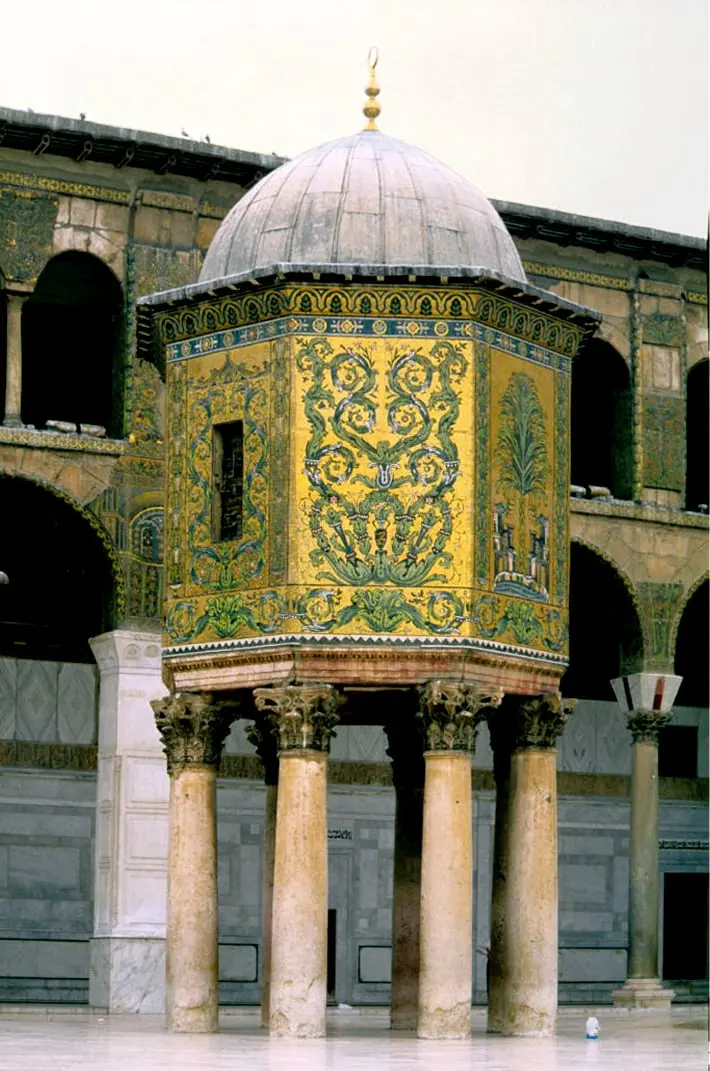
    Qubbat al-Khazna is an octagonal pavilion standing on eight repurposed Roman columns in the courtyard of the Great Umayyad Mosque in Damascus. Built around 789 CE, it served as the mosque treasury – its name literally means "Dome of the Treasury." The dome is richly decorated with mosaics that exemplify the high craftsmanship of early Islamic architecture. A small but captivating architectural detail, it sits within one of the world's great religious complexes and the UNESCO-listed old city of Damascus.

Keep exploring

Other themes in Damascus

architecture in other cities

These places are just the beginning.

Rate places with a swipe — TravelType learns from your tags what you love and curates your own map. Private until you choose to share.

Create your profile