Galleria Vittorio Emanuele Secondo
Milan
culturehistorylocal gems+5
architecture
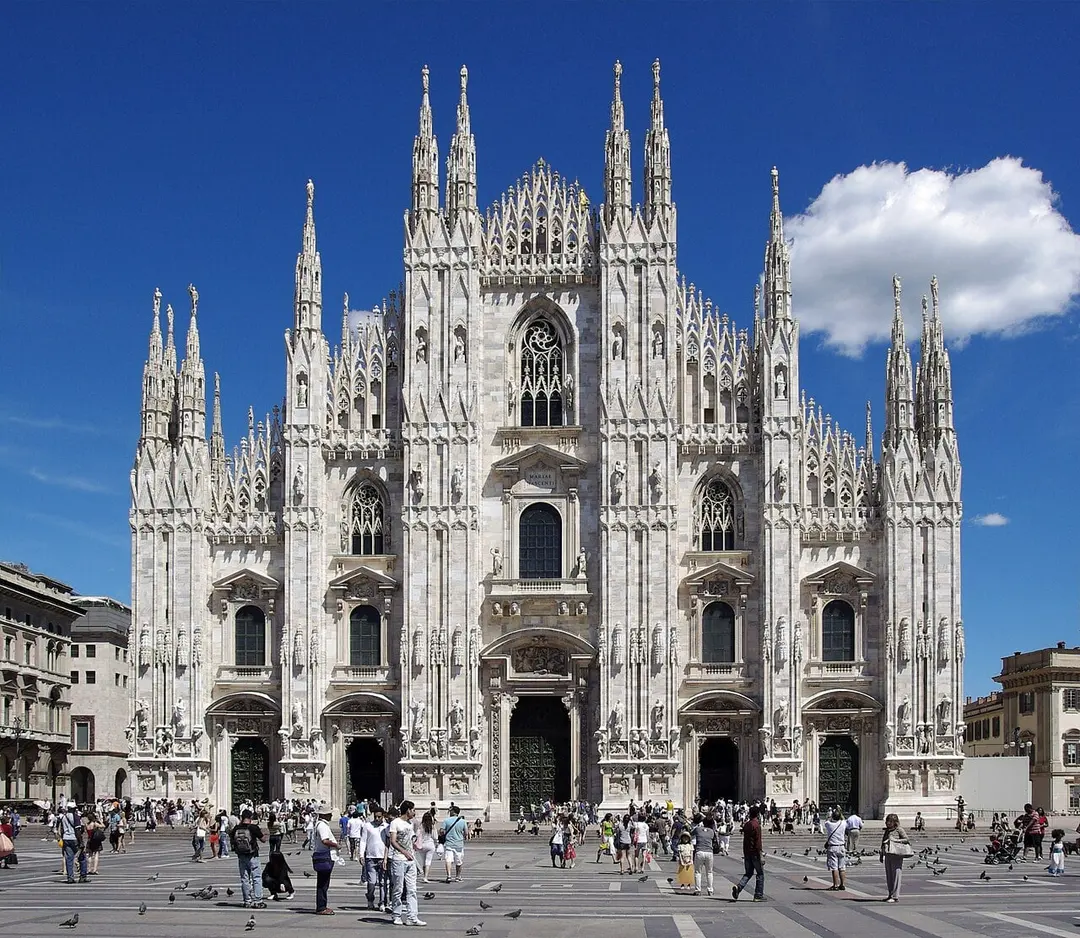
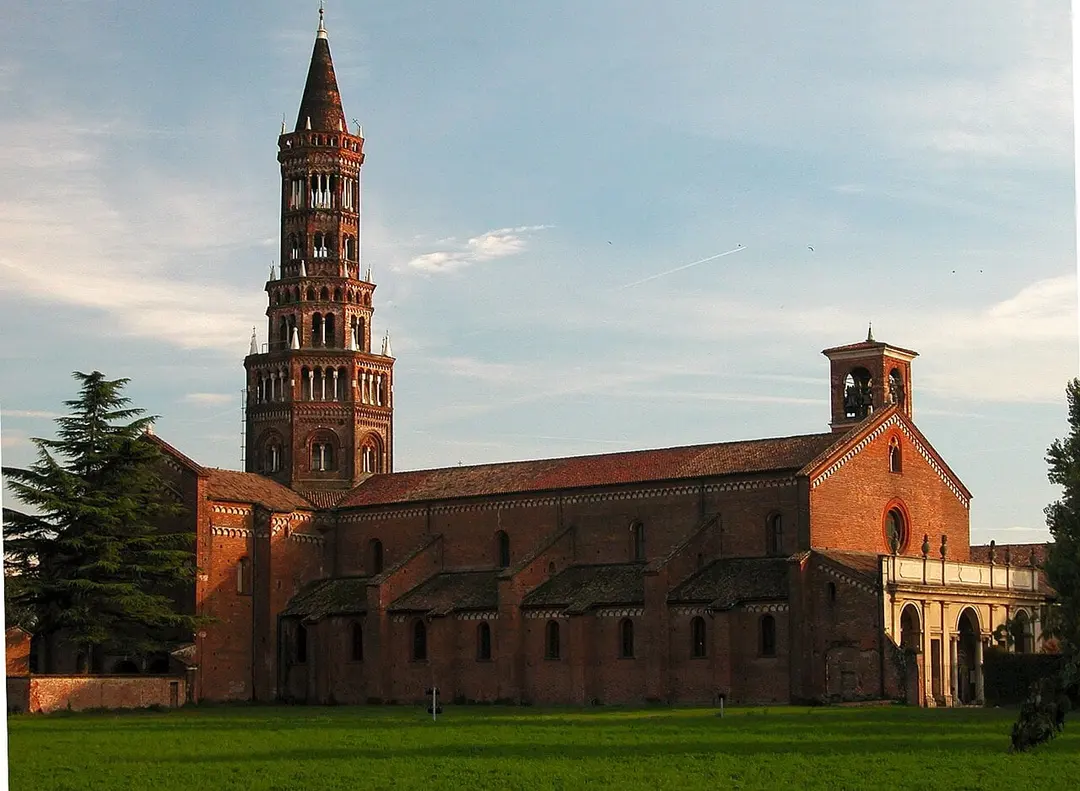
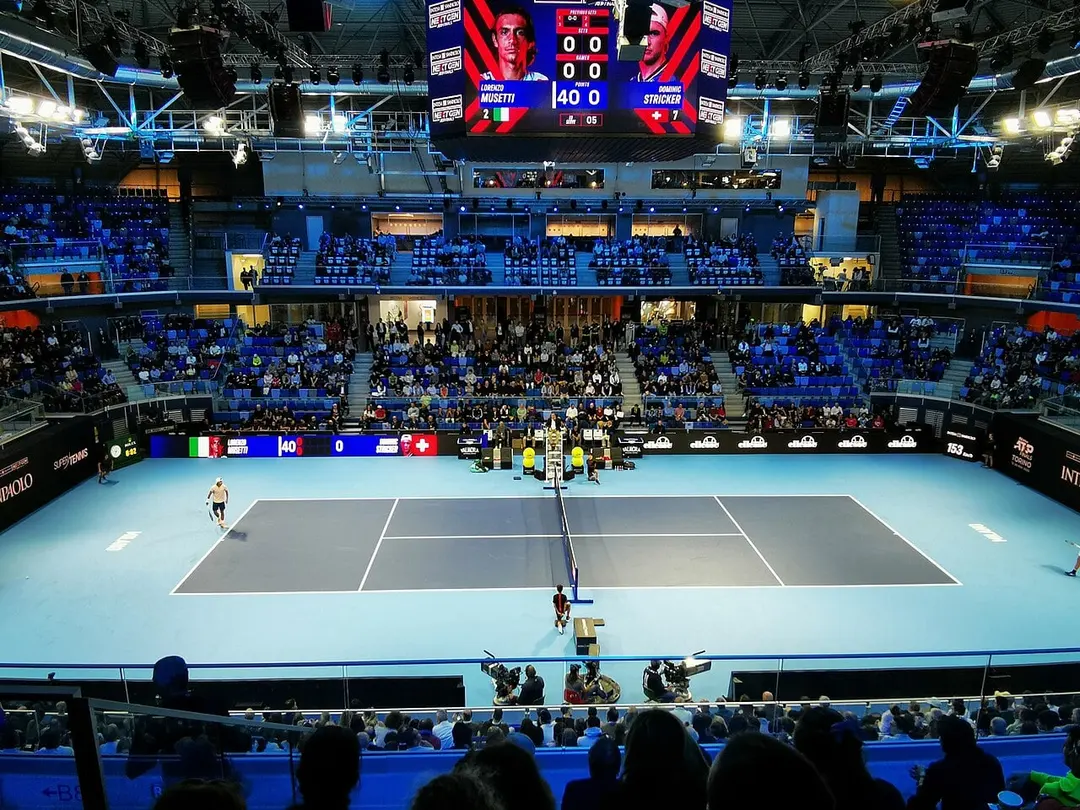
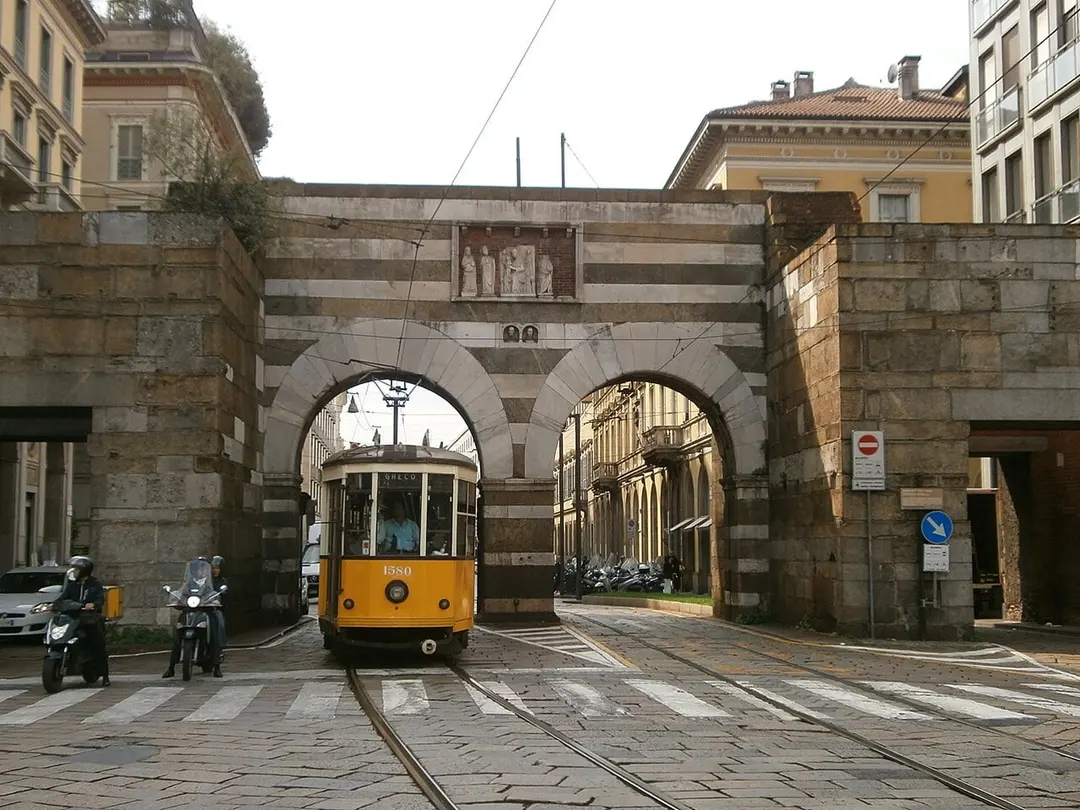
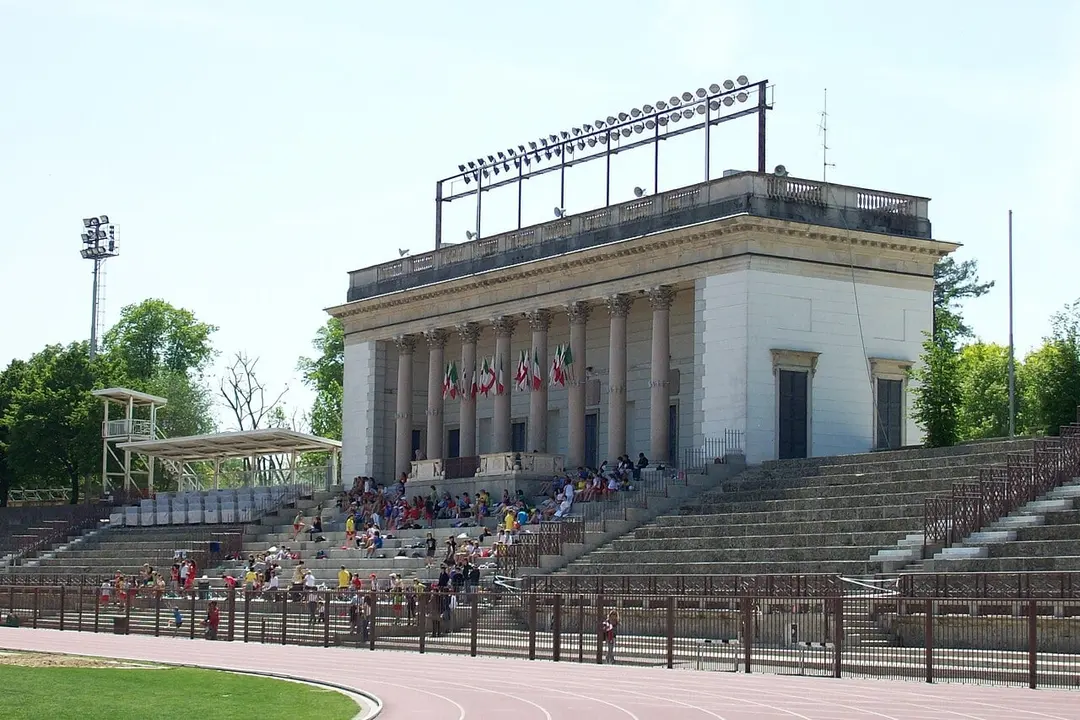
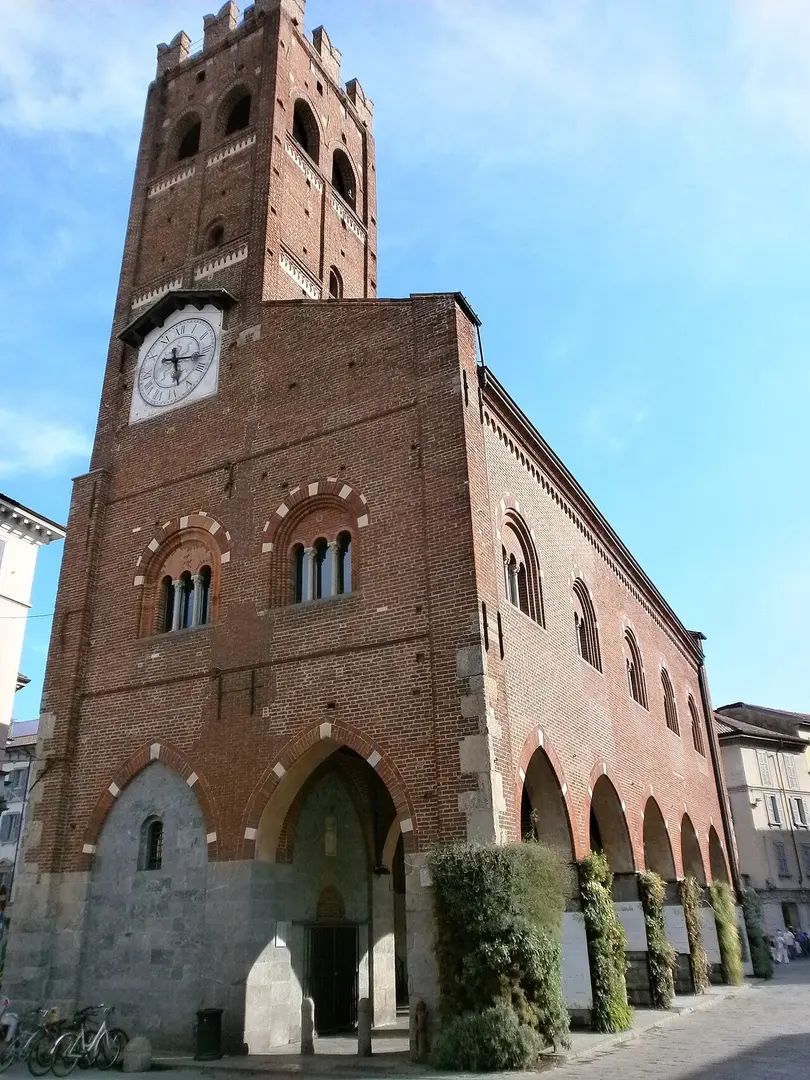
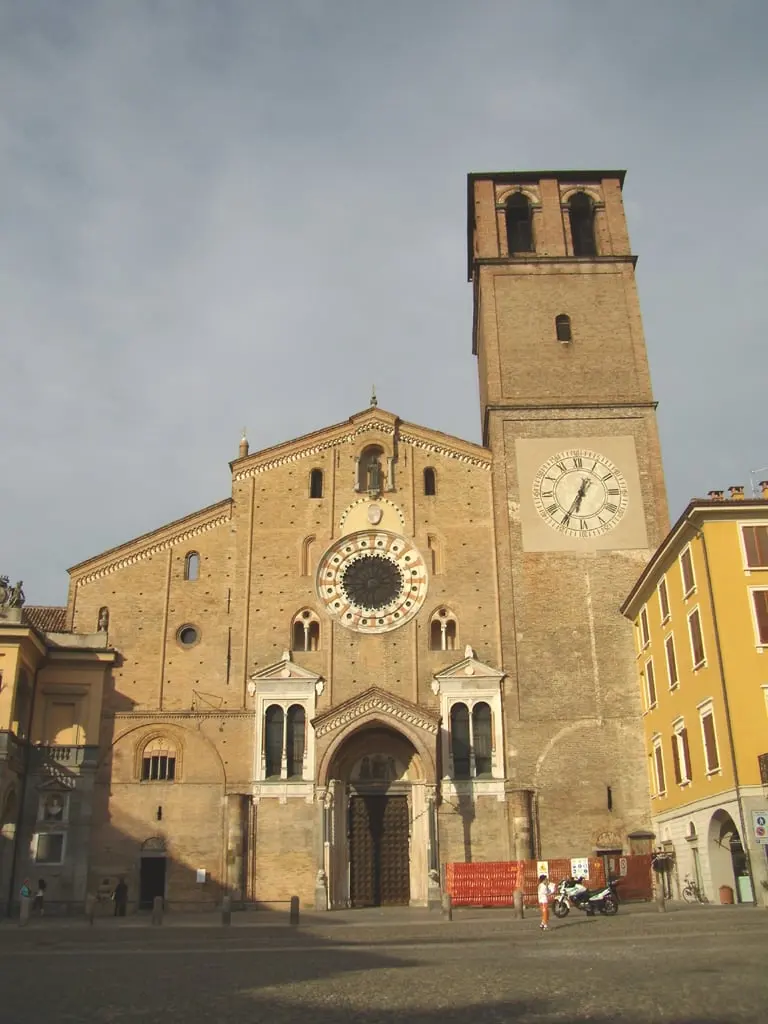
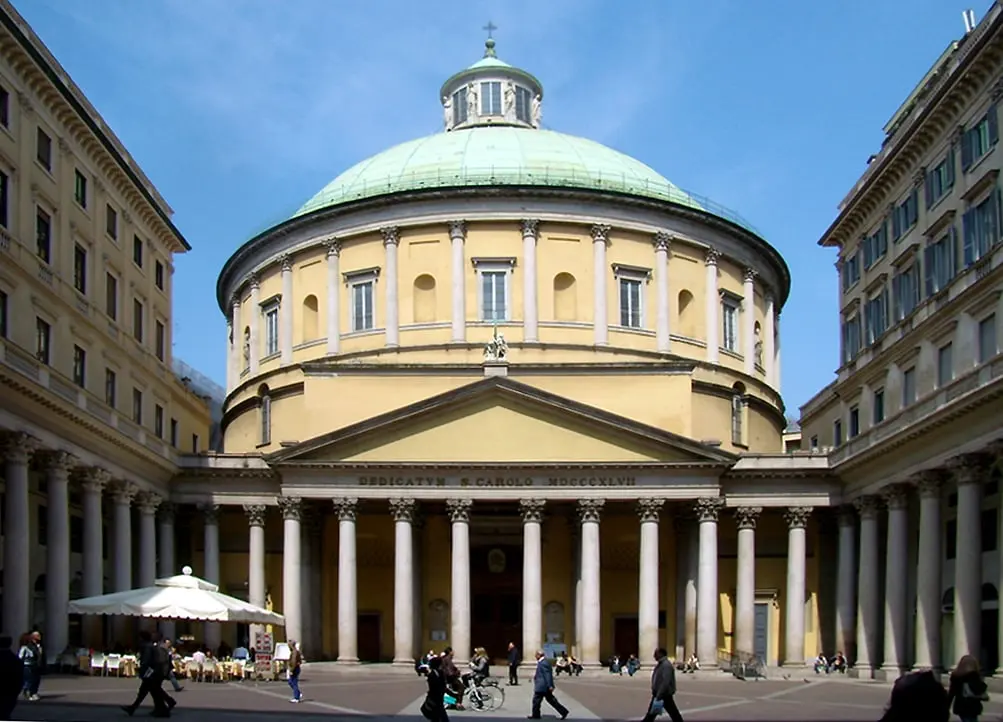
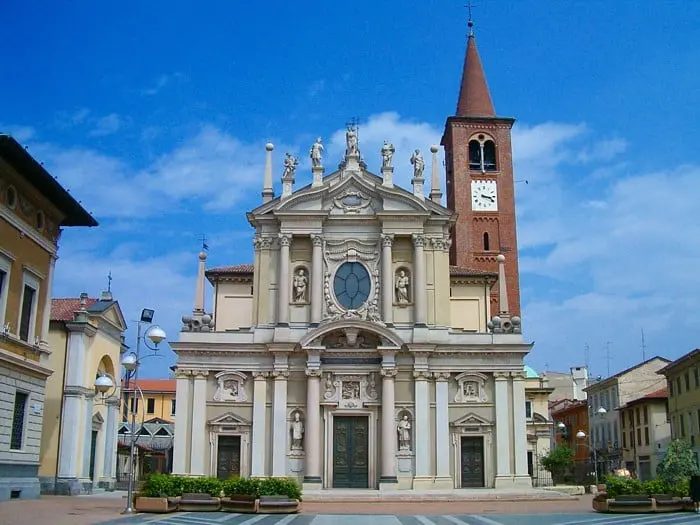
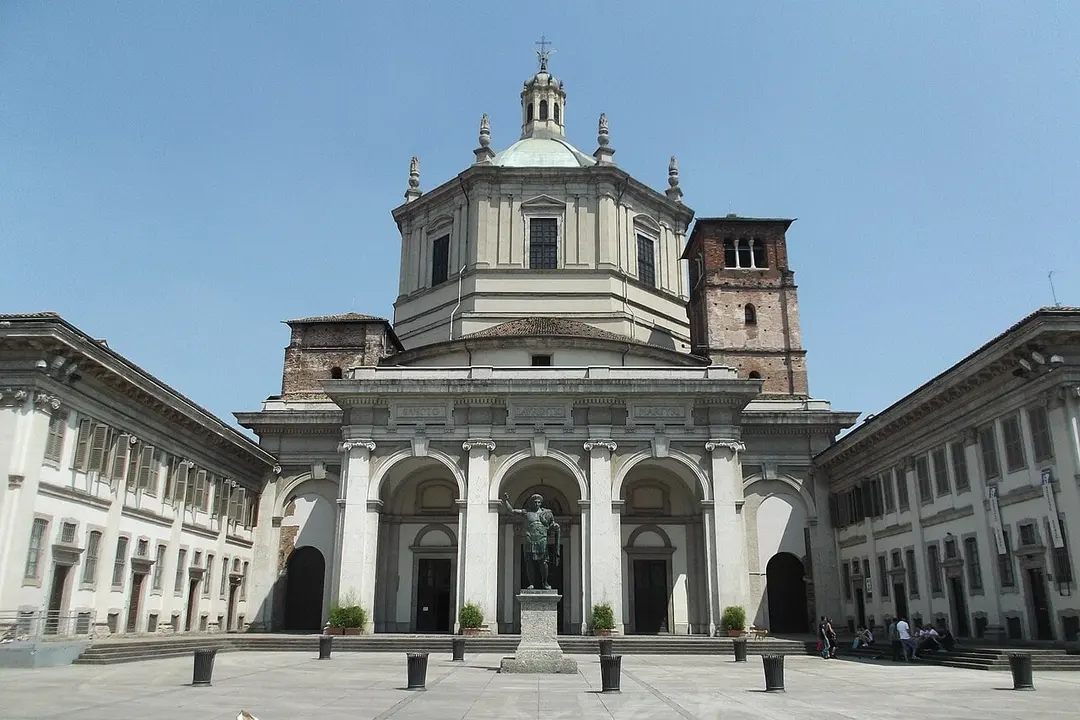
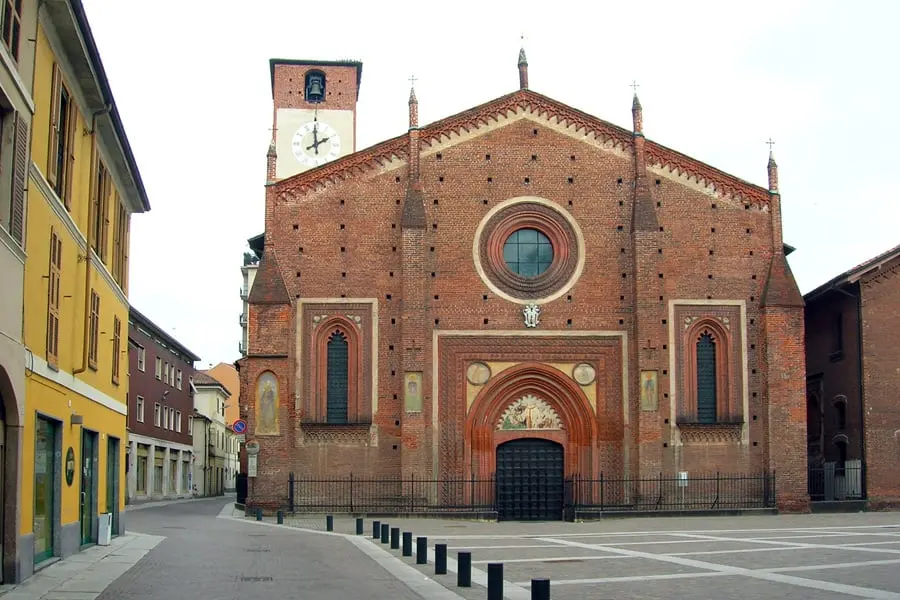
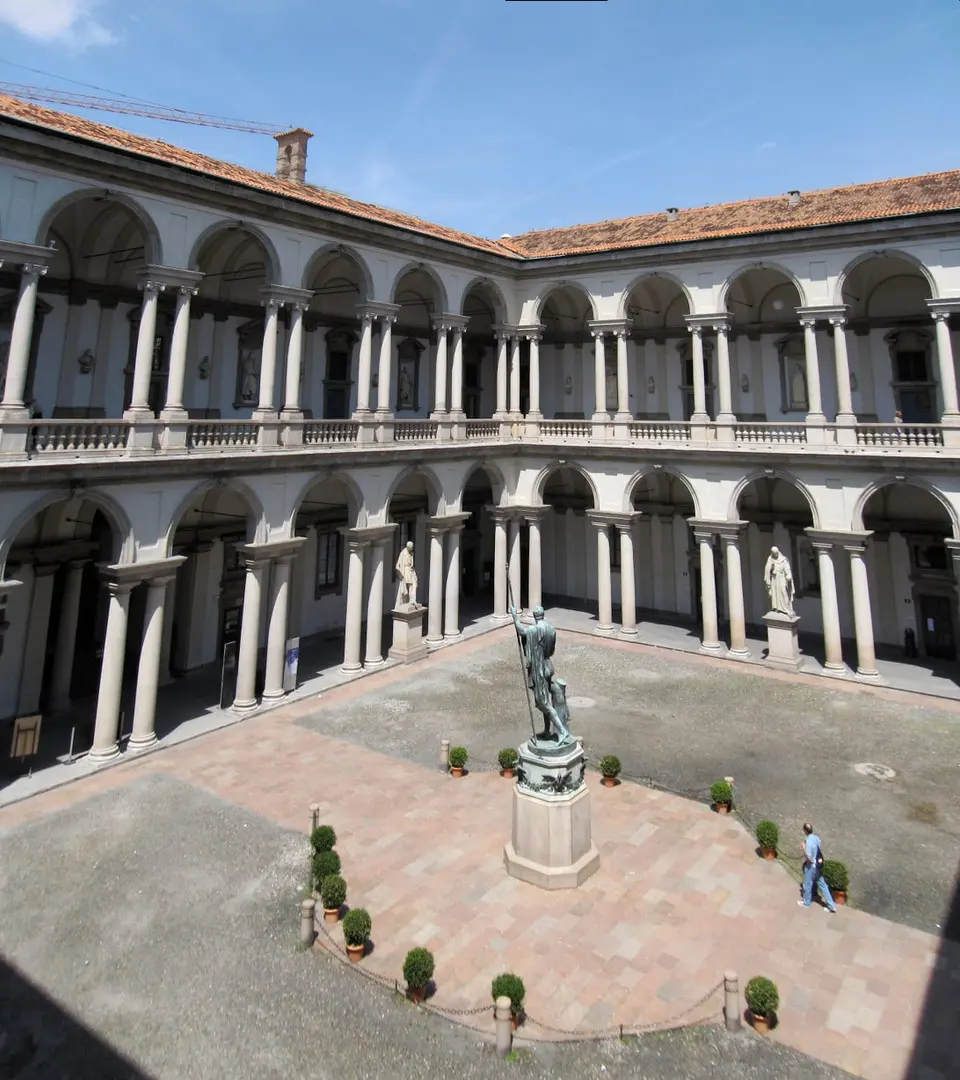
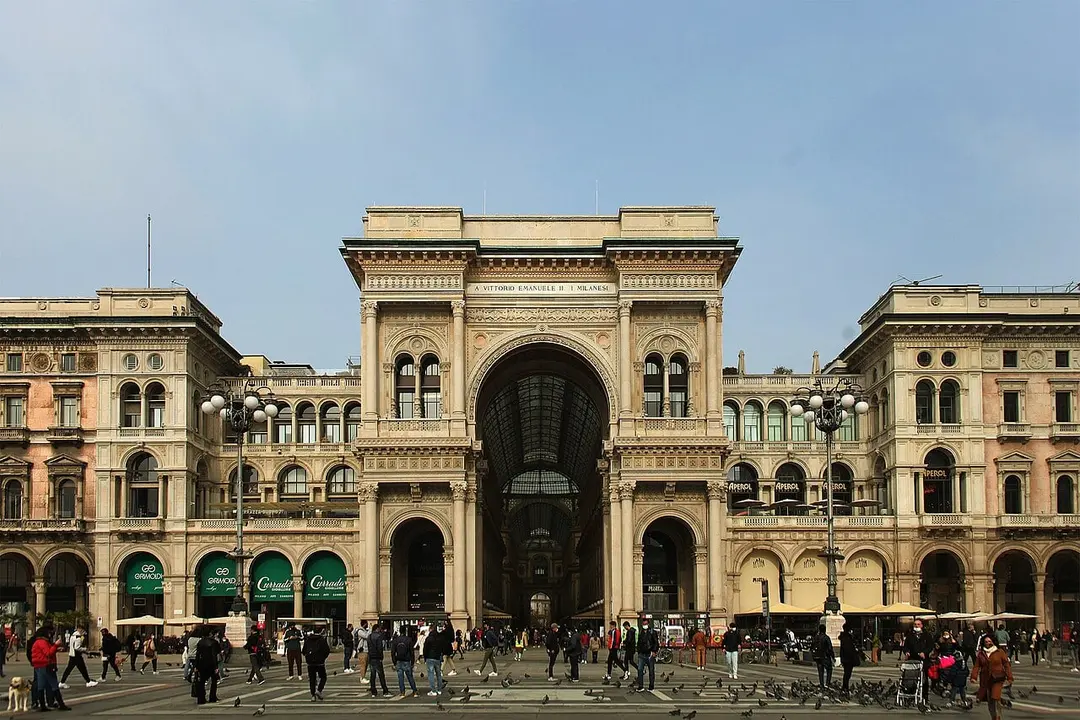
Milan's architecture spans centuries of European building history. The Cathedral, with its Gothic marble facade and forest of spires, defines the city centre alongside the Galleria Vittorio Emanuele Secondo, whose iron-and-glass dome remains a landmark of 19th-century urban design. Just outside the city, the Abbazia di Chiaravalle offers a well-preserved example of Romanesque-Gothic monastic architecture. The neoclassical Arena Civica Gianni Brera contrasts with the contemporary silhouette of the Allianz Cloud, while the Archi di Porta Nuova and the Basilica Cattedrale di Santa Maria Assunta further illustrate the breadth of architectural traditions found across the wider Milan area.
46 places · Milan, Italy · Editorially curated
Milan
Milan
Milan
The Abbey of Chiaravalle is one of the most important Cistercian monasteries in northern Italy, founded in 1101 by Saint Bernard of Clairvaux himself at the edge of the Lombard plain south of Milan. The ensemble of church, cloister, and bell tower is considered a model of Cistercian architecture in Italy — austere, but marked by an unusual stillness. Particularly notable is the octagonal crossing tower, an exceptional feature the Cistercians allowed here despite their usual strictness about ornamentation. The frescoes inside span several centuries, showing how the monastery was repeatedly renewed and reinterpreted over time. Today the abbey sits within the Parco Agricolo Sud Milano and remains home to an active community of monks. Visitors can explore the cloister at designated times and experience a rare combination of living monastic life and suburban Milan landscape.
Milan
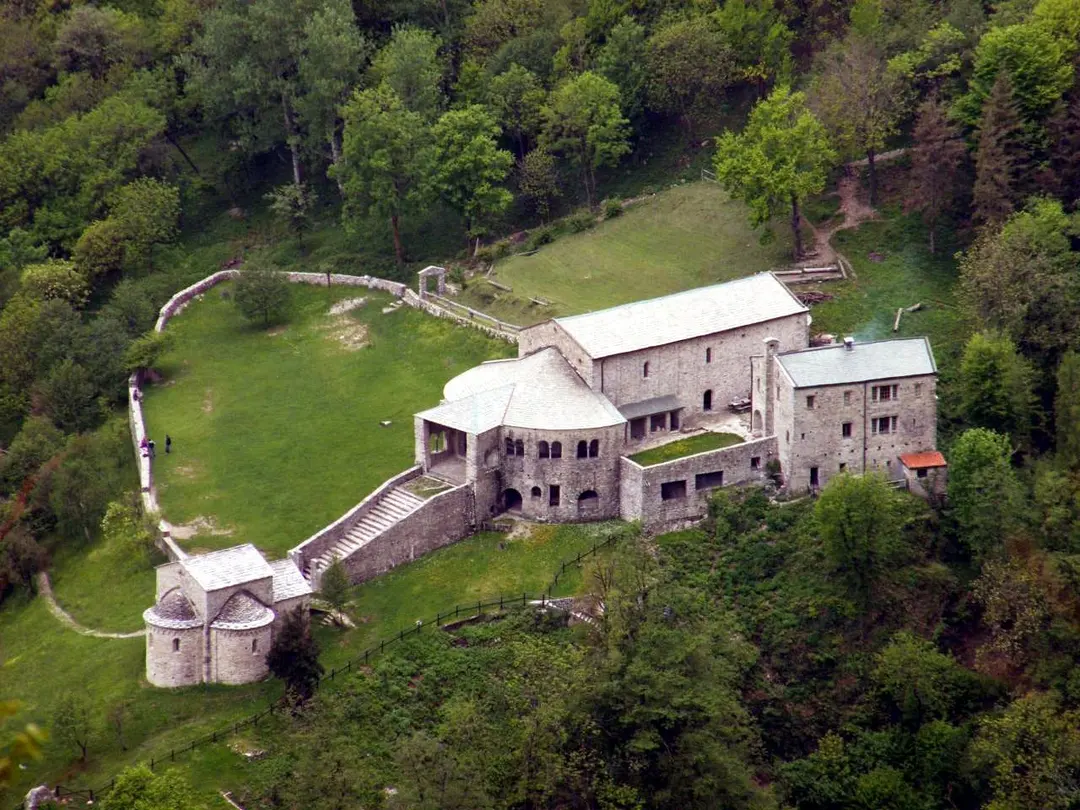
High above the village of Civate in the province of Lecco, reachable only on foot along a mountain path, lies one of the best-preserved pre-Romanesque monastic complexes in Italy. San Pietro al Monte was built around the year 1000 and combines two churches — San Pietro and San Benedetto al Vallone — on a narrow ridge above Lake Annone. Inside San Pietro, 11th-century frescoes and a baldachin baptismal font survive, among the rarest liturgical interior features of the early Middle Ages in northern Italy. The iconographic program of the apse paintings, depicting the Apocalypse, is unusually complete. The complex is now uninhabited but regularly open to visitors. The hike from Civate takes about 45 minutes and is rewarding for the view across the Brianza valley alone — the monastery buildings at the end of the path feel like a genuine discovery.
Milan
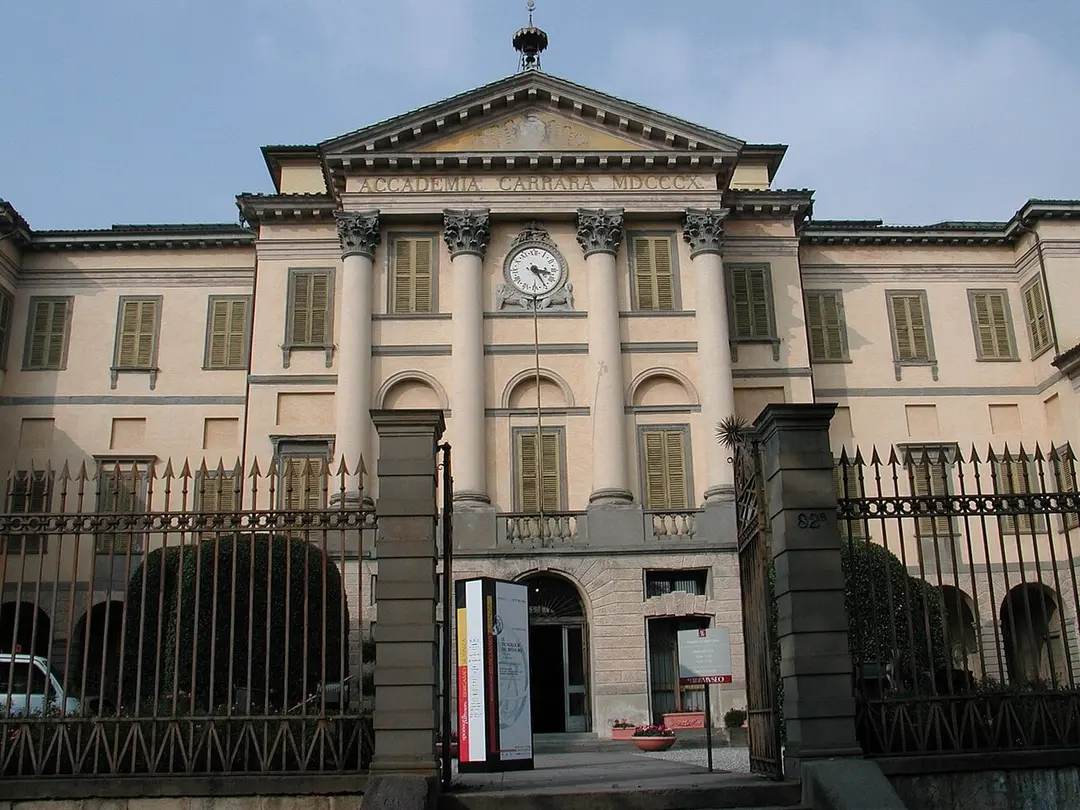
The Accademia Carrara in Bergamo is one of the most significant art museums in northern Italy, founded around 1780 by collector and connoisseur Giacomo Carrara. The collection holds around 1,800 works ranging from Bellini, Botticelli, Raphael, and Titian to Venetian and Lombard masters of the 15th through 19th centuries. Notably, Carrara bequeathed his entire collection to the city of Bergamo – an exceptional act of civic patronage for the 18th century. The complex also houses an art academy, now merged with the local conservatory to form Bergamo's new arts university. The neoclassical building is in the lower city, close to the historic walls of the Città Alta.
Milan
Milan
Milan
Milan
Milan
Milan
Milan
Milan
Milan
Milan
Milan
Milan
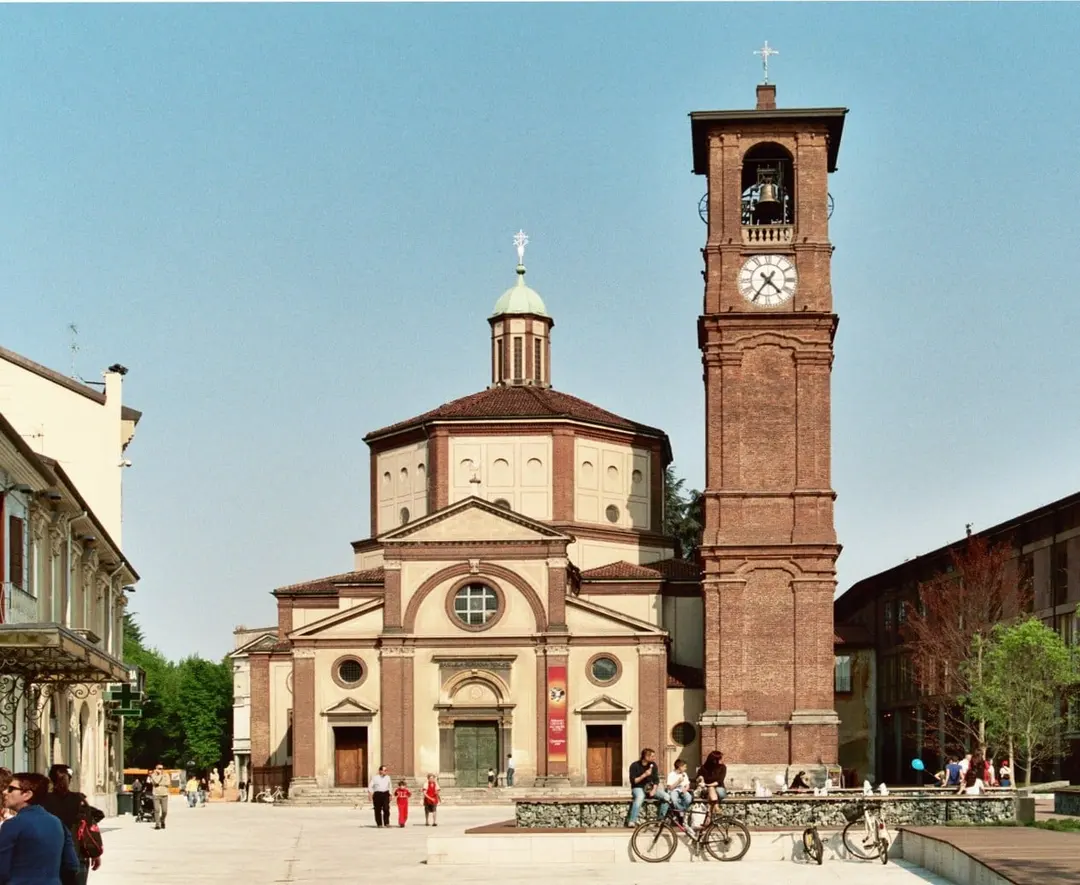
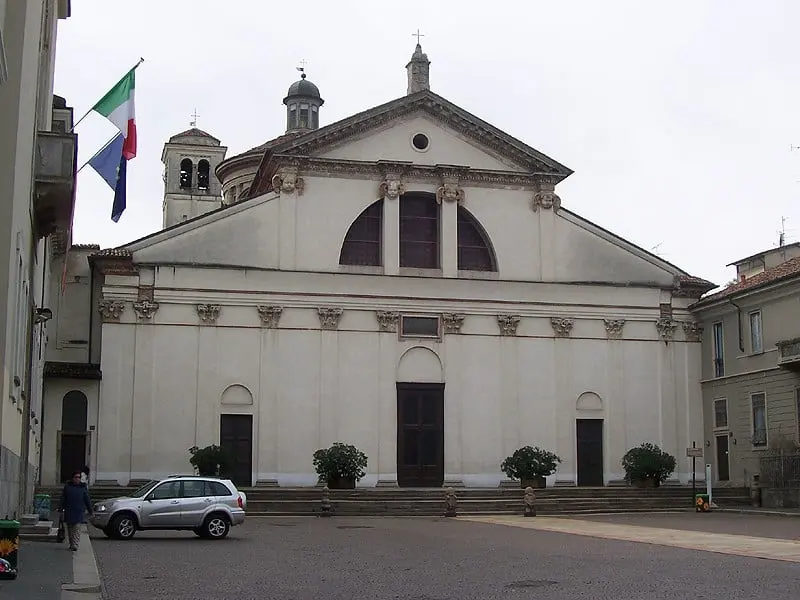
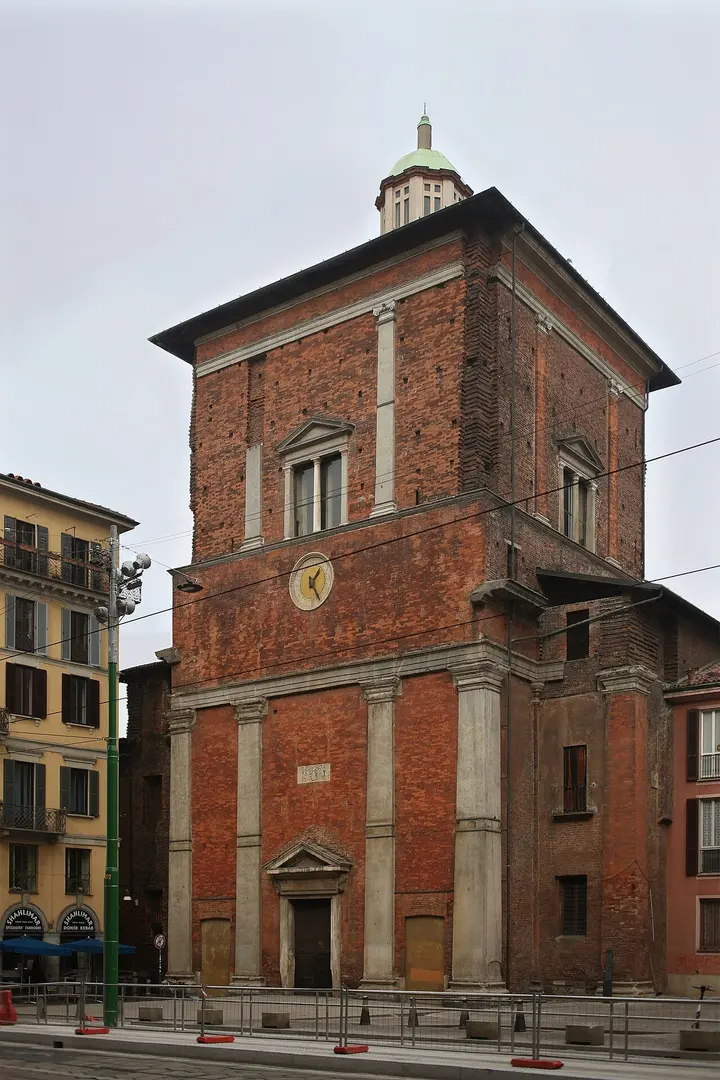
The Basilica di San Magno is the main parish church of Legnano in Lombardy and one of the most significant Renaissance churches in northern Italy. Built between 1504 and 1513 to designs attributed to Donato Bramante, it showcases the refined elegance of the High Renaissance — harmonious proportions, a central plan, and rich frescoes inside. Its freestanding bell tower was a later addition, completed between 1752 and 1791. In 1950, Pope Pius XII granted it the honorary title of minor basilica. The building is protected as an Italian National Monument.
Milan
Milan
Milan
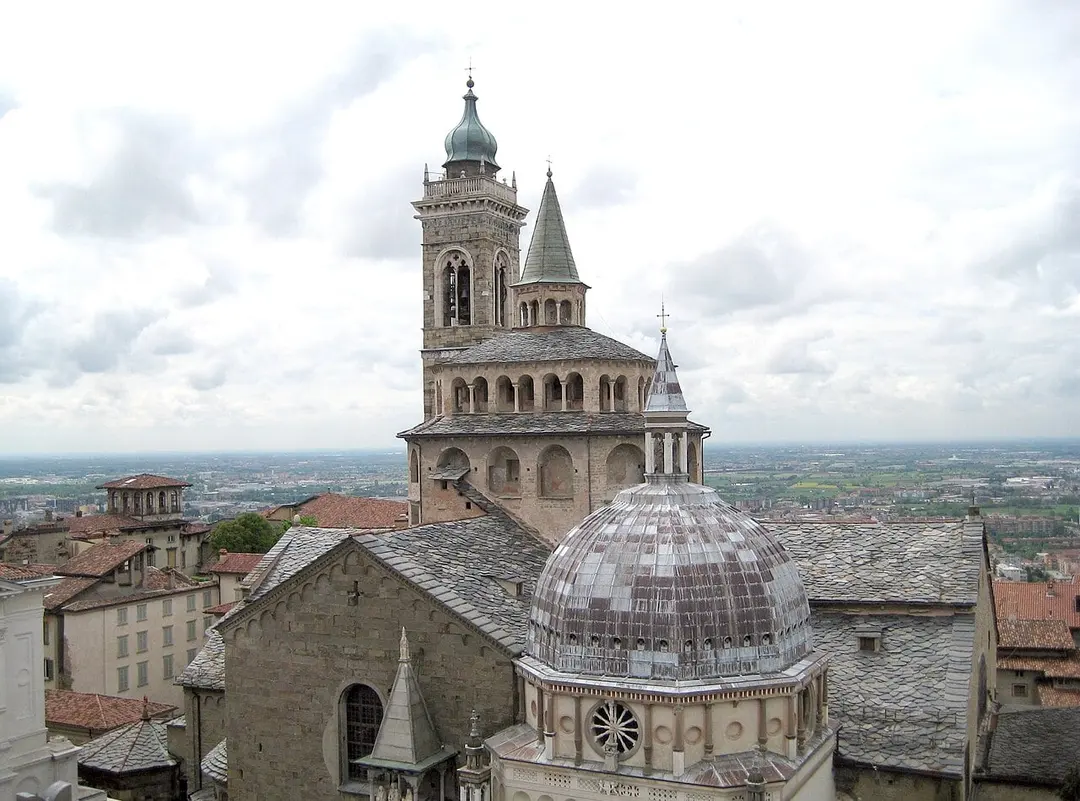
The Basilica di Santa Maria Maggiore is one of the most distinguished churches in the upper town of Bergamo. Construction began in 1137 in Romanesque style but remained architecturally unfinished for centuries. Particularly notable is the northern transept facade with an elegant 14th-century porch. The interior impresses with rich tapestries and ceiling paintings. The church is closely tied to the life of composer Gaetano Donizetti, who was baptised and buried here. It is protected as an Italian National Monument.
Milan
Milan
Milan
Milan
Milan
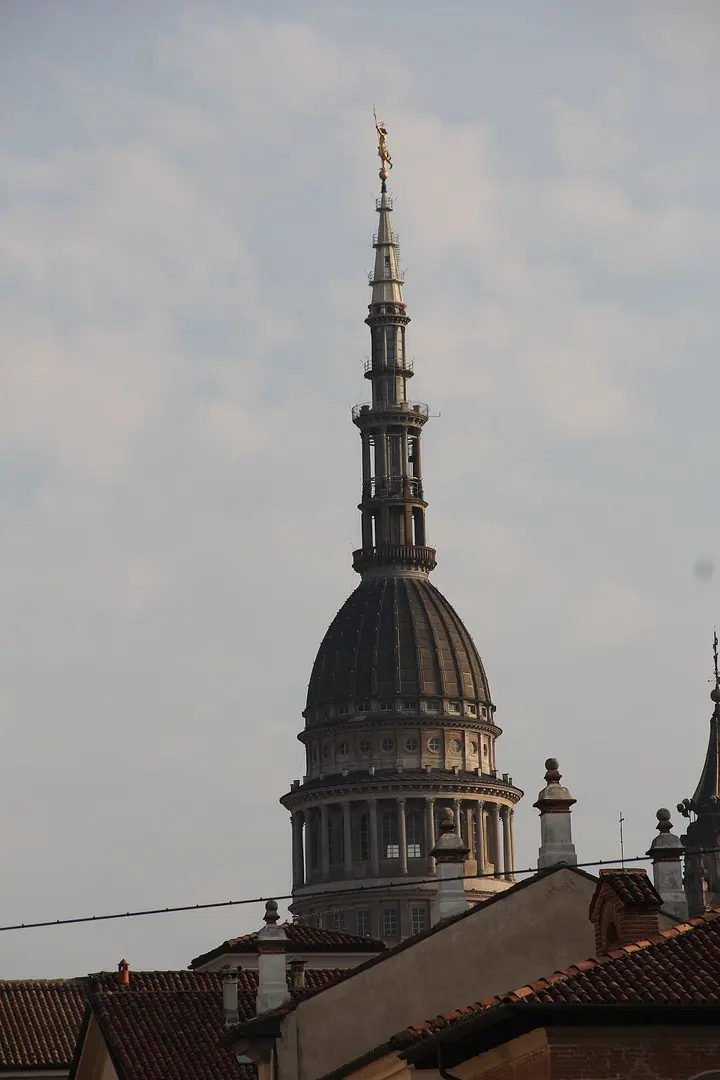
The Basilica of San Gaudenzio is the architectural landmark of Novara in Piedmont. Construction began in 1577 to plans by Pellegrino Tibaldi; the famous dome on a tall drum towers over the entire city. The church is dedicated to Gaudentius of Novara, the first bishop of the city. Inside, rich Baroque furnishings impress, while Alessandro Antonelli completed the slender spire in the late 19th century. As Novara's highest point, the dome is visible all the way to the Alps on clear days.
Milan
Milan
Milan
Milan
Milan
Keep exploring
Rate places with a swipe — TravelType learns from your tags what you love and curates your own map. Private until you choose to share.