TravelType

local gems

Local gems in Kyoto

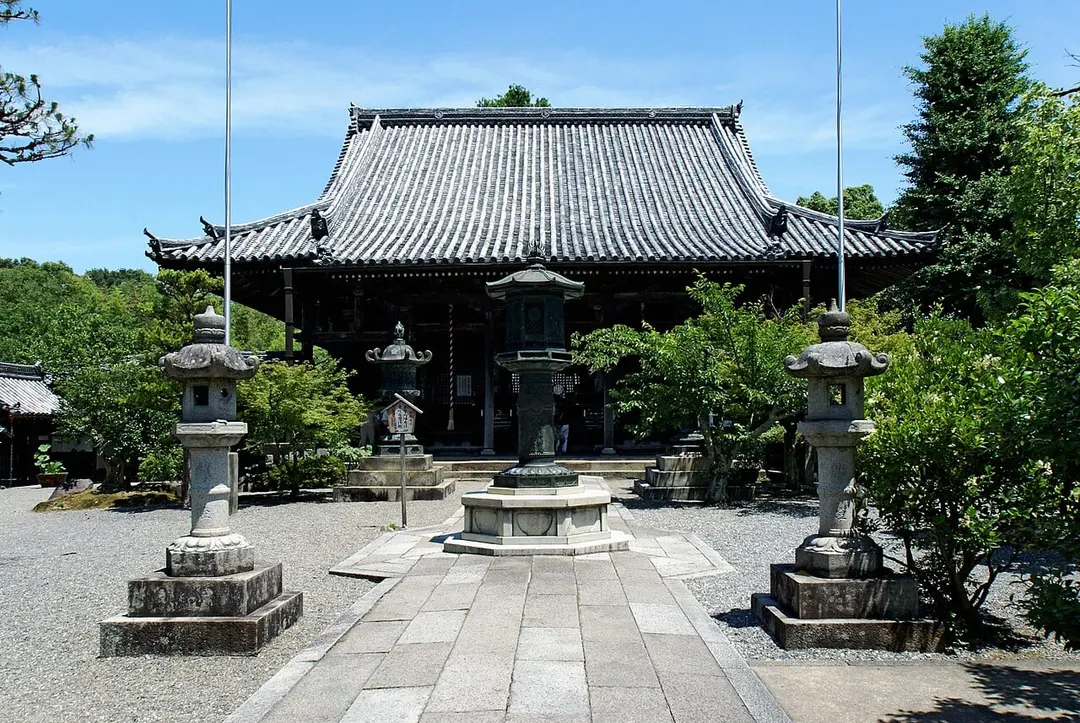
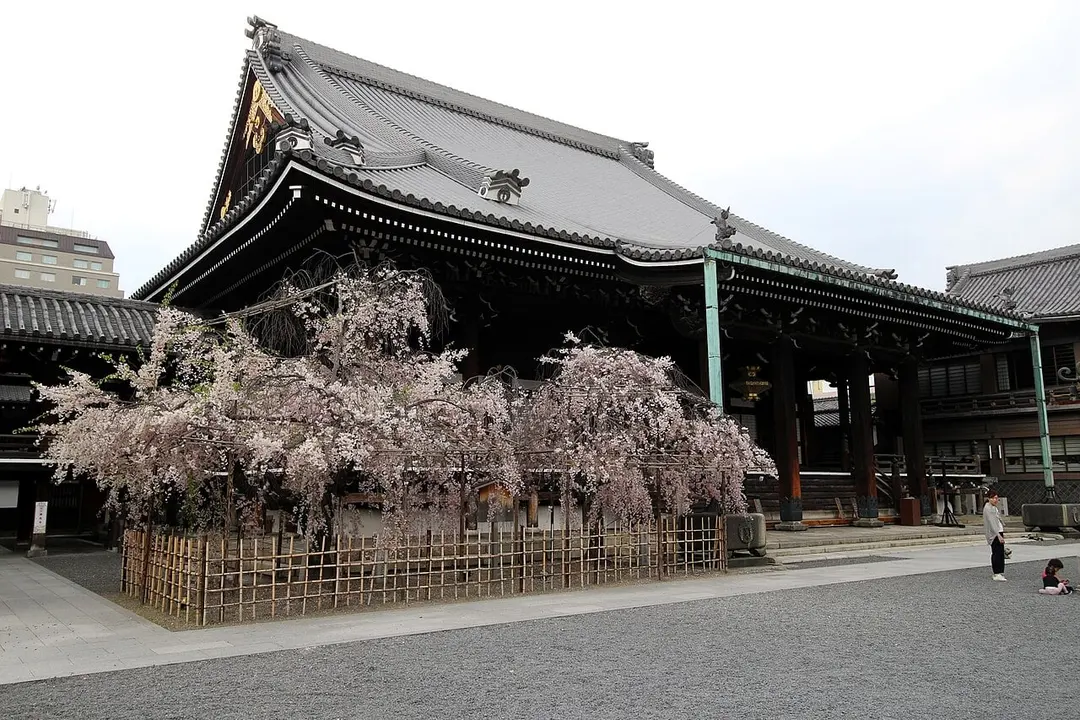
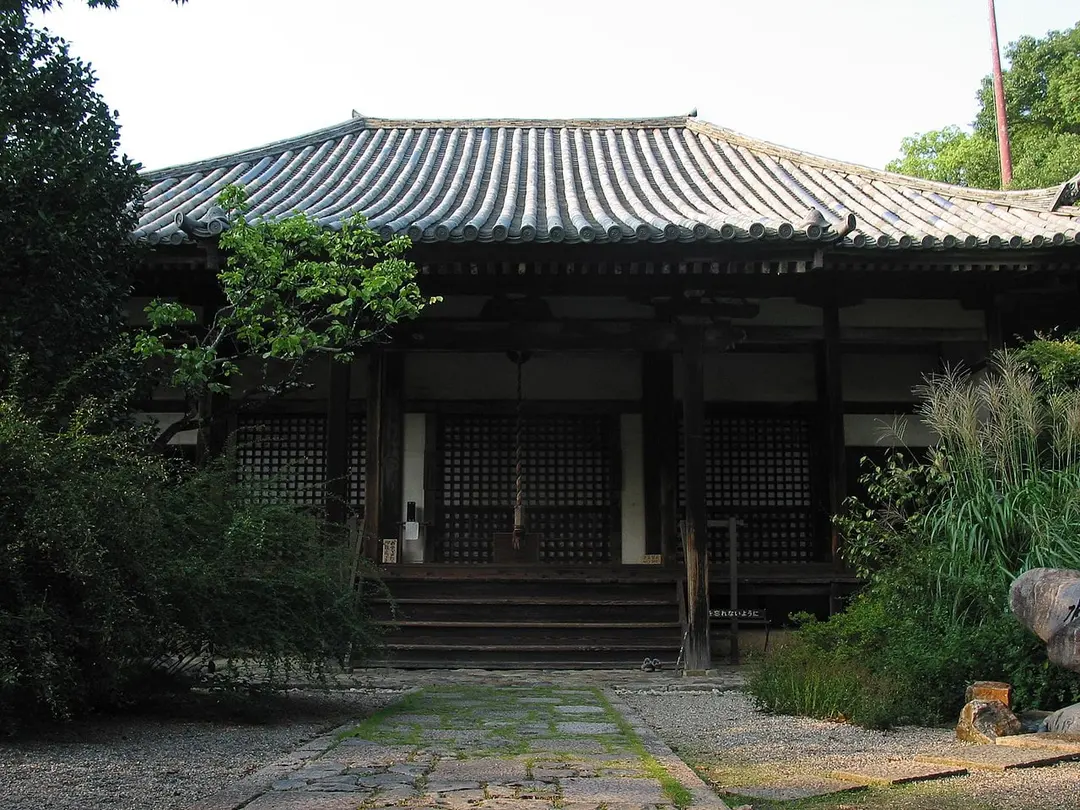
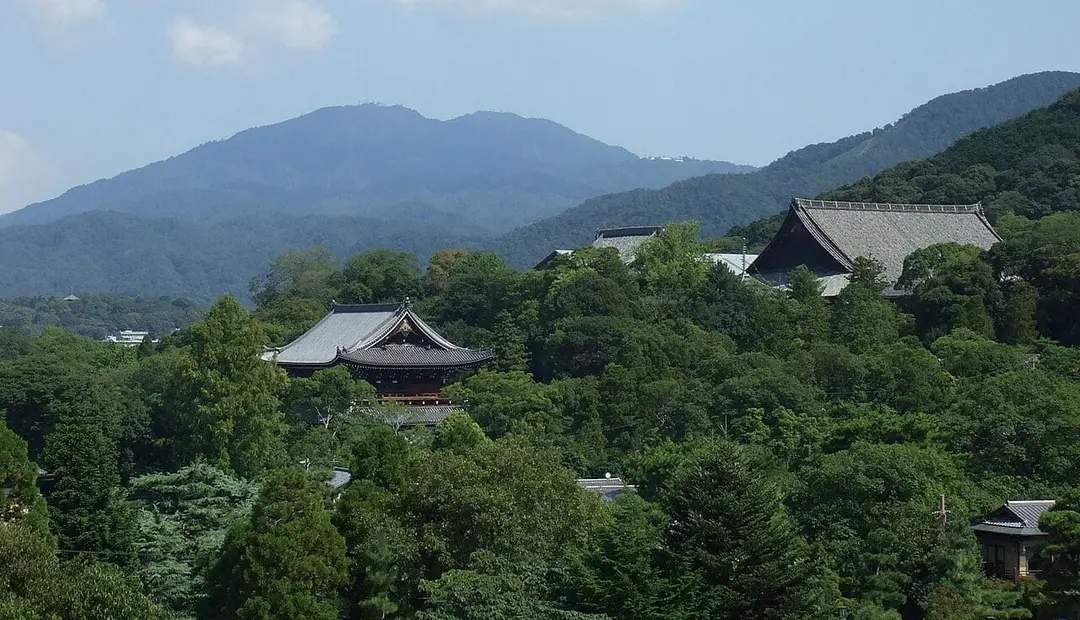
Kyōto rewards those who look beyond the well-trodden routes. Temples such as Anou-ji, Chōhō Temple, and Byakugō-ji offer quiet corners away from the crowds, while Daikaku-ji and Gansenji Temple impress with their atmosphere rather than their fame. Daitoku-ji and Chion-in combine spiritual depth with expansive, unhurried grounds. For something altogether different, the Gate Tower Building — a high-rise through which an elevated highway actually passes — stands as one of the city's more curious landmarks. Alongside Akkishino Temple, Daianji, and Bukkoji Temple, these are the local gems this page brings together.

24 places · Kyoto, Japan · Editorially curated

  • Abeno Harukas

    Abeno Harukas

    Kyoto

    architecturecultureknowledge+2

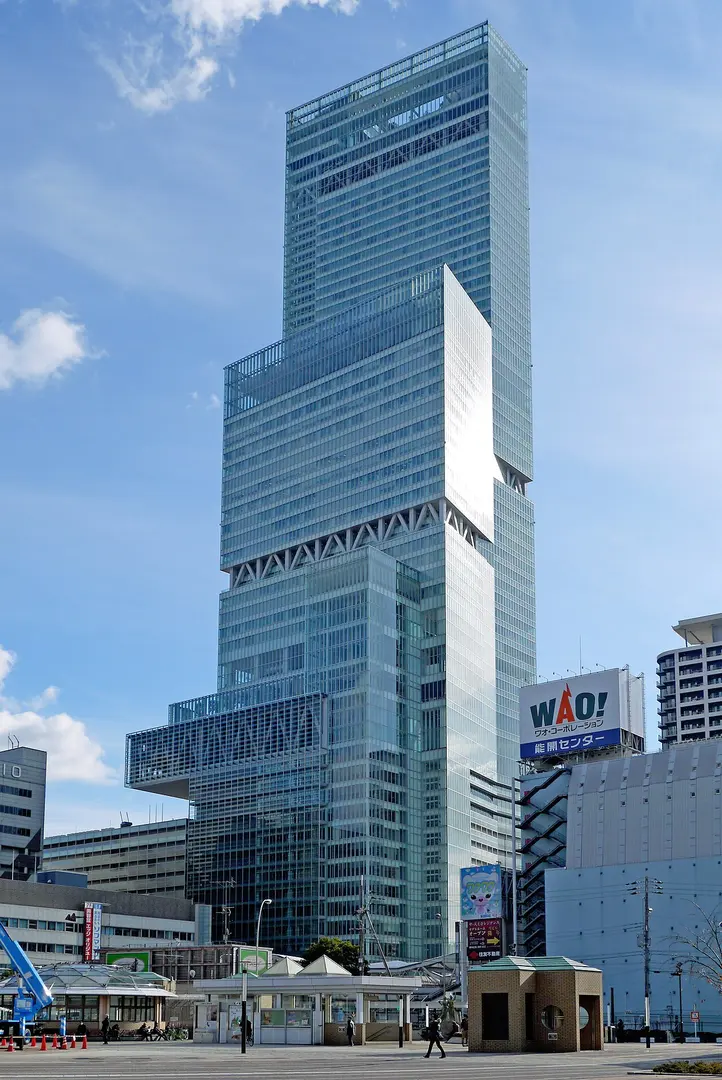
    Abeno Harukas stands 300 metres tall with 62 floors — Japan's tallest building from its 2014 opening until 2023, when Azabudai Hills Mori JP Tower claimed the title. Located in Abeno-ku, Osaka, the building combines the Kintetsu department store, offices, a Marriott hotel, and the Harukas 300 observation deck on the top three floors. The name derives from an archaic Japanese verb meaning 'to radiate afar'. On clear days, the deck offers simultaneous views of Kobe, Kyoto, and Nara.
  • Akishino Temple

    Akishino Temple

    Kyoto

    architectureculturehistory

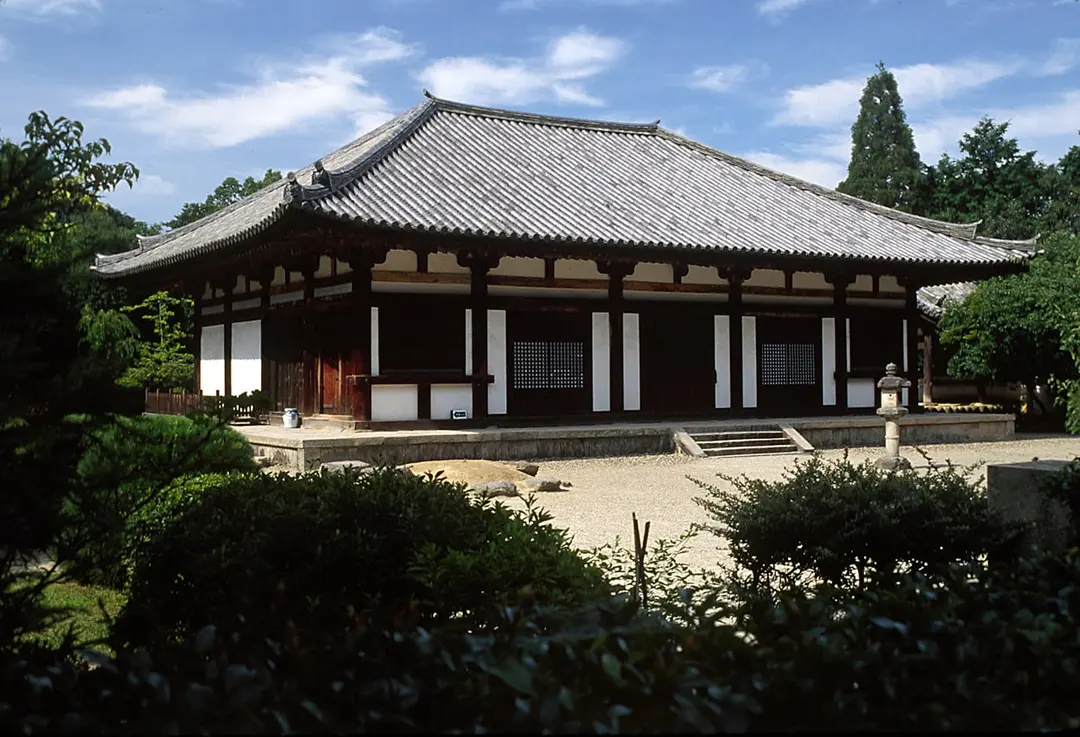
    Akishino-dera is an 8th-century Buddhist temple on the western outskirts of Nara, notable for belonging to no established Buddhist sect — unusual in Japan's rigidly organized temple landscape. Founded in 776, its current main hall (Hondō) is a designated National Treasure from the Kamakura period. The temple is especially known for its sculpture of Gigei-ten, the Buddhist deity of the arts — one of the rarest depictions of this figure in Japan. Off the main tourist circuit, it occupies a tranquil garden setting.

  • Amagasaki Shiyakusho

    Amagasaki Shiyakusho

    Kyoto

    cultureknowledge

    Amagasaki City Hall is the administrative centre of Amagasaki (population approx. 455,000), an industrial city in Hyogo Prefecture between Osaka and Kobe at the mouth of the Yodo River.

  • Anou-ji

    Anou-ji

    Kyoto

    architecturehistory

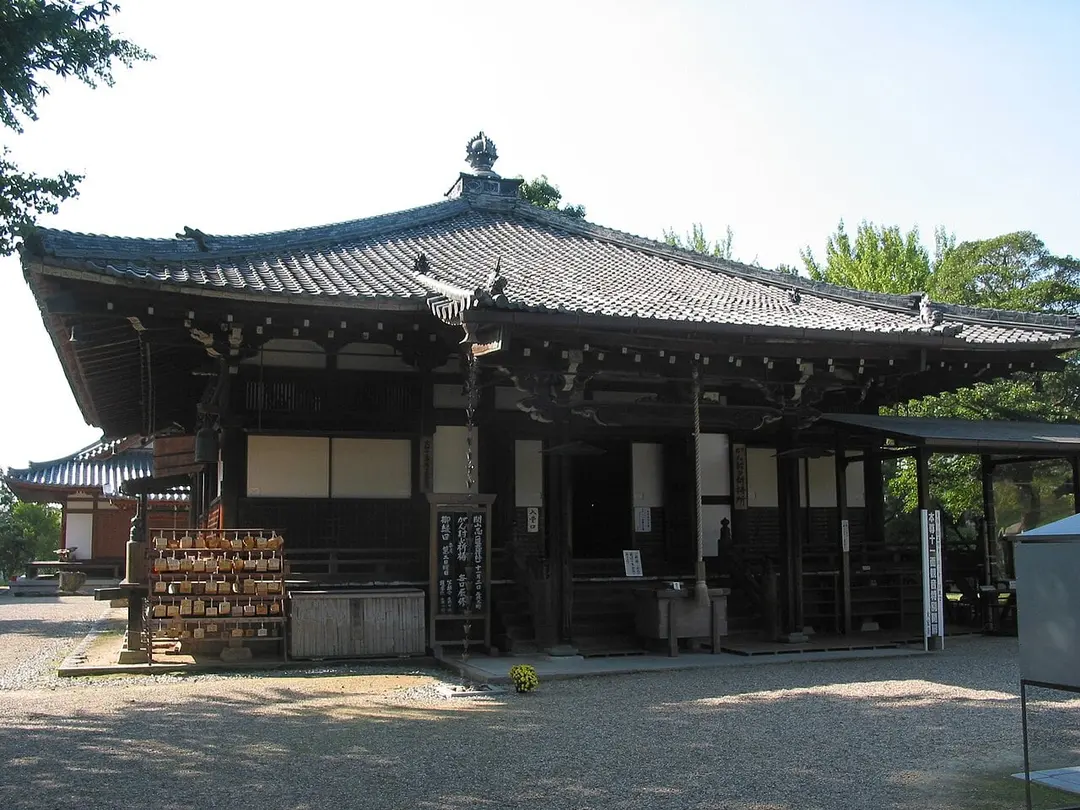
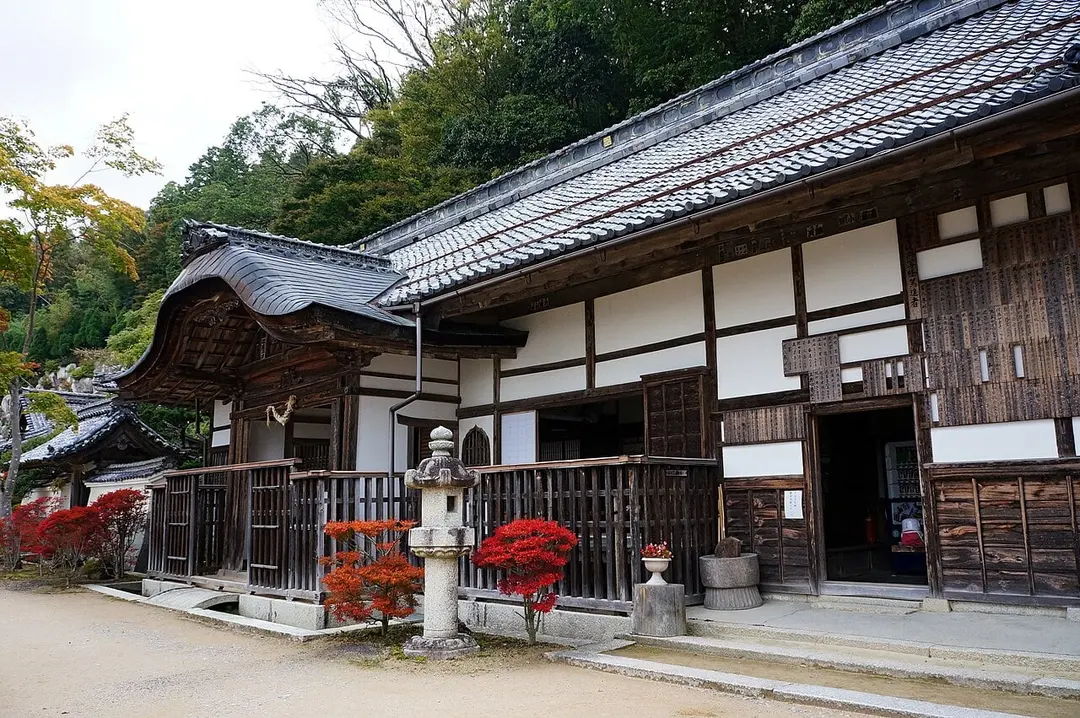
    Anao-ji is a Tendai Buddhist temple in the city of Kameoka, Kyoto Prefecture, and the 21st stop on the Saigoku Kannon Pilgrimage through western Japan. Its principal image is a Sho-Kannon statue. Set in quiet countryside on the edge of the Tamba mountain region, it is one of the less-visited stations on the pilgrimage route, giving it a distinctive atmosphere of solitude.

  • Bukkoji Temple

    Bukkoji Temple

    Kyoto

    history

    Bukkoji is a Buddhist temple of the Shingon denomination, founded in 1212 in the heart of Kyoto. It belongs to the Bukkoji sub-sect and bears the honorific name Jūkoku-san. As one of the oldest surviving temple complexes in the former imperial capital, it sits quietly in the dense southern city centre, where temples and urban life have coexisted for centuries. Unlike Kyoto's grand tourist-facing temples, Bukkoji maintains a calm, understated atmosphere that reflects everyday religious practice rather than spectacle. Visitors willing to step off the main trails encounter an authentic working Shingon temple — a rare window into monastic routine in the middle of a busy modern city.

  • Byakugō-ji Temple

    Byakugō-ji Temple

    Kyoto

    architecturehistory

    Byakugō-ji is a Buddhist temple on the western slope of Mount Takamado in Nara, founded in 715 during the Nara period. Its name refers to the "byakugō" — the white tuft of hair between the Buddha's eyebrows, one of the 32 physical marks of an enlightened being. This naming points to the temple's deep iconographic tradition. Its quiet hillside setting, away from Nara's main tourist routes, makes it a place of genuine stillness. Among ancient stones, moss-covered lanterns, and the rustle of wind through bamboo groves, the spiritual atmosphere of early Japanese Buddhism remains palpable.

  • Chion-in

    Chion-in

    Kyoto

    architecture

    Chion-in in the Higashiyama district is the head temple of the Jōdo-shū, one of the most influential Buddhist schools in Japan. The temple traces its origins to a hermitage established by the monk Hōnen in 1175 and was expanded to its present scale under the Tokugawa shoguns in the 17th century. The Sanmon gate, the largest surviving wooden temple gate in Japan, is visible from a great distance. The temple bell weighs 74 tons — the largest in the complex — and is rung 108 times at New Year. Today Chion-in draws pilgrims, students and travellers in equal measure.

  • Chōhō Temple

    Chōhō Temple

    Kyoto

    architectureculturehistory

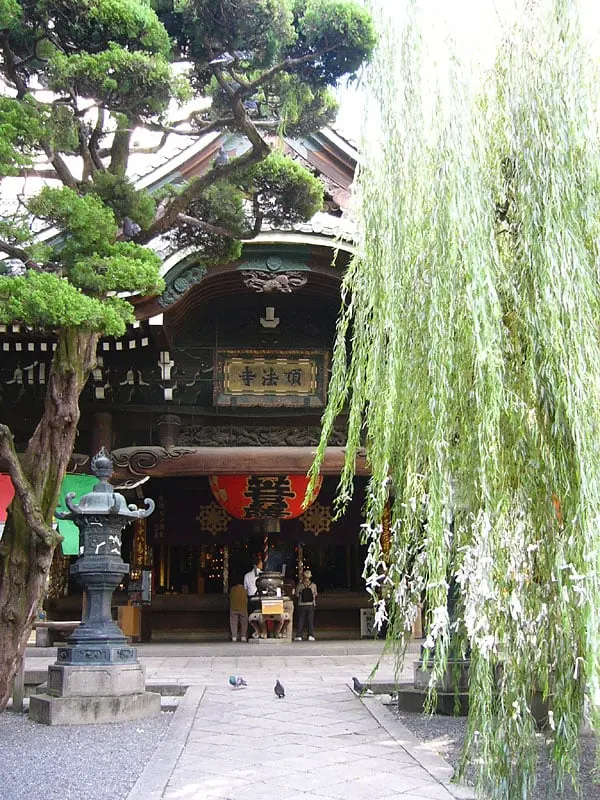
    Rokkaku-dō — officially Chōhō-ji — is a Buddhist temple tucked into Kyōto's busy Nakagyō-ku shopping district, named for its distinctively hexagonal main hall. Associated with the Tendai school of Buddhism, it is the 18th stop on the Saigoku Pilgrimage, one of Japan's oldest pilgrimage routes. The temple is also legendary as the birthplace of ikebana, Japanese flower arranging: Prince Shōtoku is said to have arranged flowers for Buddha here in the 6th century, and the Ikenobo Ikebana school — the oldest in Japan — still has its headquarters on the temple grounds. Surrounded by modern shopping streets, the small temple precinct with its ancient trees and hexagonal pavilion offers a genuinely calm pause in the middle of the city.

  • Daianji

    Daianji

    Kyoto

    history

    Daian-ji is a Buddhist temple in the city of Nara and one of the "Seven Great Temples of the Southern Capital" (Nanto Shichi Daiji). During the Nara period, when the city served as Japan's capital, Daian-ji was among the most important religious sites in the country and received direct imperial patronage. Today only a few original structures survive — but this very stillness and simplicity makes a visit particularly rewarding. The temple lies off Nara's main tourist routes and offers an undisturbed encounter with early Japanese Buddhism.

  • Daikaku-ji Temple

    Daikaku-ji Temple

    Kyoto

    architecturenaturehistory

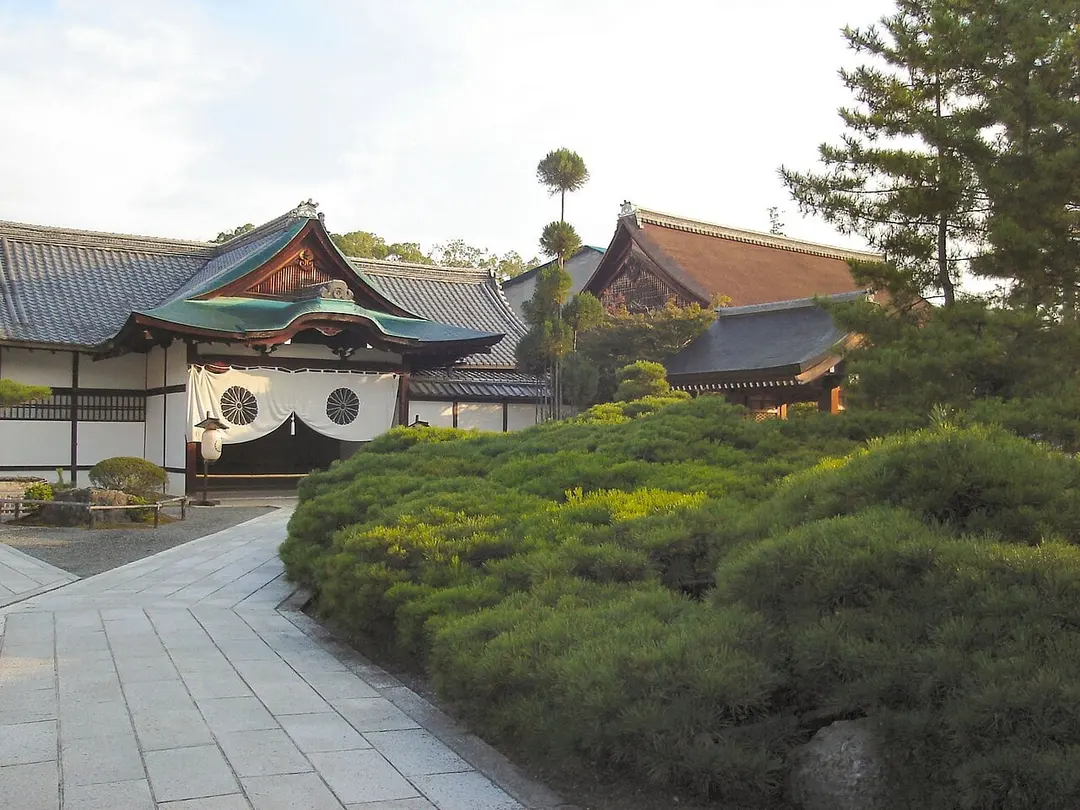
    Daikaku-ji is one of Kyōto's oldest and most revered temples, converted from an imperial villa in 876 and established as the head temple of the Shingon-shū school. For centuries it maintained a direct connection to the Japanese imperial family, serving as both a place of worship and a retreat. The temple's highlight is the Ōsawa Pond, one of the oldest landscaped garden ponds in Japan, still preserved in its original form. Wooden corridors link the various halls across the grounds, offering a serene atmosphere that surprises visitors amid the popular Sagano area. Monks continue daily Shingon rituals here, and autumn brings spectacular foliage that turns the complex gold and red. Located near the Arashiyama bamboo grove, Daikaku-ji makes a perfect start or end to a day in western Kyōto.

  • Daitoku-ji

    Daitoku-ji

    Kyoto

    nature

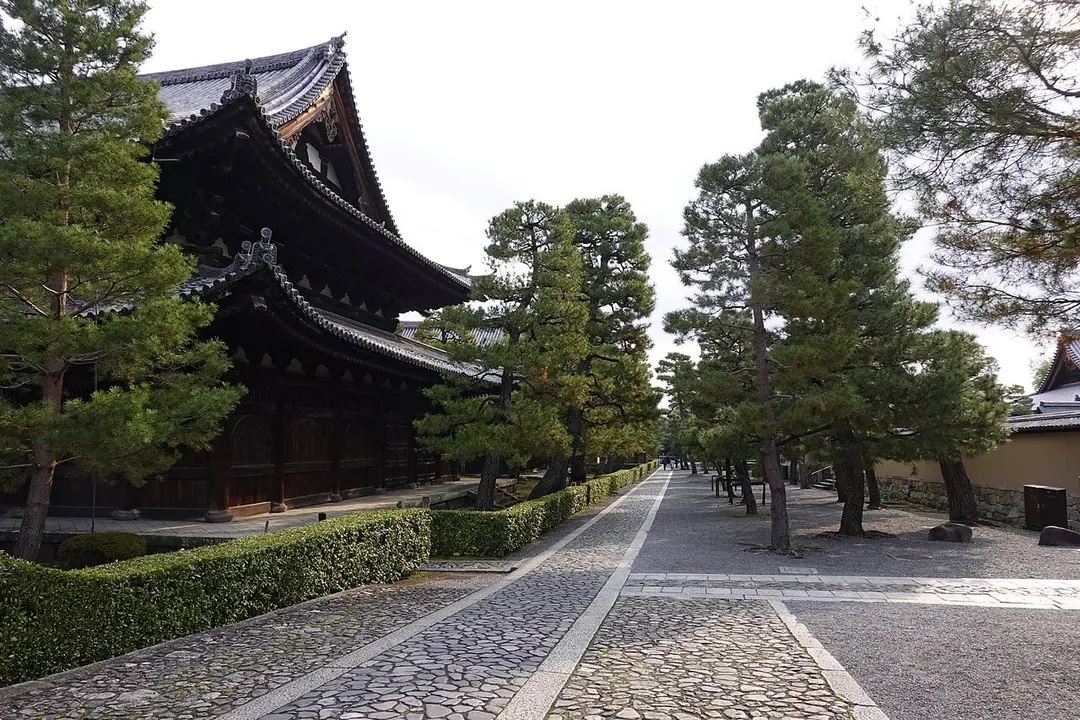
    Daitoku-ji is a sprawling Zen temple complex in the Kita district of Kyoto, founded in 1315 and one of the principal temples of the Rinzai school. The complex contains more than twenty sub-temples, several of which house some of the finest dry gardens (karesansui) in Japan — stone meditation landscapes that invite silence and contemplation. Daitoku-ji was closely linked to Japanese tea culture: Sen no Rikyū, the most influential tea master in Japanese history, lived and worked here. Many sub-temples are only open at certain times, lending each visit a special quality. A site that unites tranquility, aesthetics and depth.

  • Gansenji Temple

    Gansenji Temple

    Kyoto

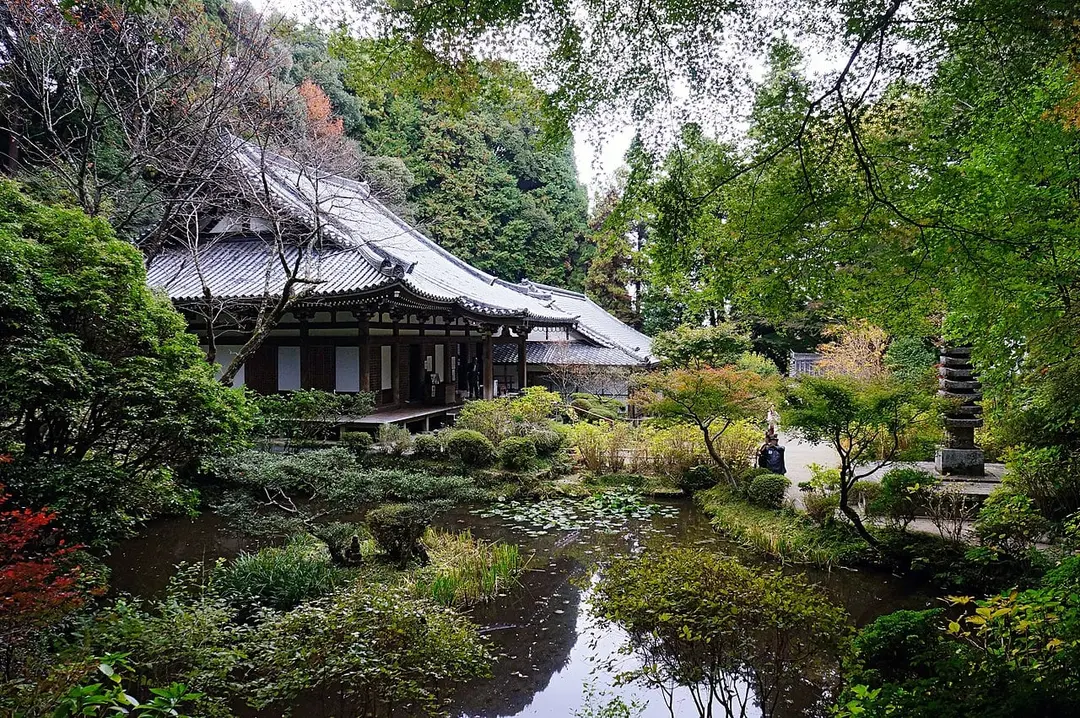
    Gansen-ji is a Shingon Buddhist temple set in the forested mountains on the eastern edge of Kizugawa in Kyōto Prefecture. The compound is known for its serene, woodland atmosphere and houses valuable Buddhist sculptures and a five-storey stone pagoda. It serves as the starting point of a popular pilgrimage route that winds past ancient stone carvings to the neighbouring Jōruri-ji temple. Especially beautiful in autumn when the surrounding forest glows in reds and gold.

  • Gate Tower Building

    Gate Tower Building

    Kyoto

    architecturemystery

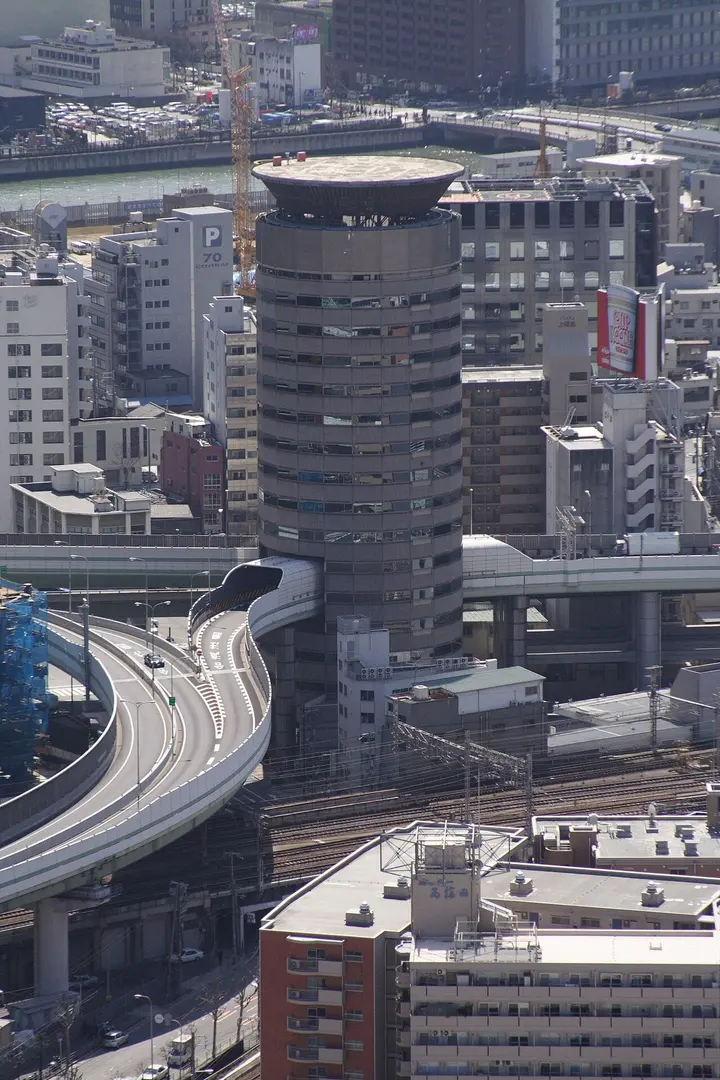
    The Gate Tower Building in Osaka is a 71.9-metre office tower with a globally unique feature: an urban motorway (the Hanshin Expressway Route 11) passes through the middle of the building — through floors 5, 6, and 7. The ramp is legally a separate owner and is acoustically decoupled from the rest of the structure. Completed in 1992, the building is a prime example of Japanese engineering ingenuity in dealing with extreme urban space constraints. Visitors can observe the quirk by riding the elevator past the relevant floors.

  • Hirakata Park

    Hirakata Park

    Kyoto

    historyfamily outings

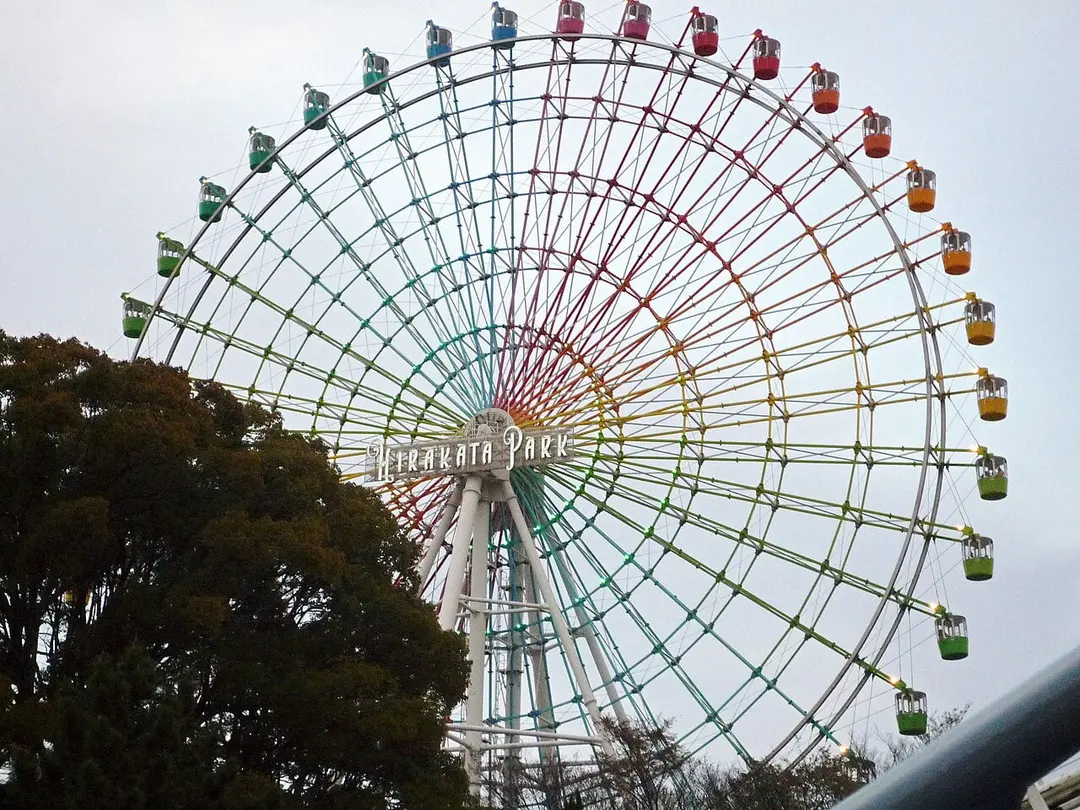
    Hirakata Park in northern Osaka is one of Japan's oldest amusement parks, with a history stretching back more than a century. Founded in 1910 as a botanical garden, it gradually evolved into a full-scale leisure park featuring roller coasters, themed attractions, and lively summer events. Today the park is celebrated for its seasonal highlights — especially cherry blossom events and spectacular dahlia gardens that draw hundreds of thousands of visitors. Hirakata Park is a piece of living Japanese leisure culture, having entertained generations of Kansai families while retaining its warm, unpretentious character.

  • Hōkan Temple

    Hōkan Temple

    Kyoto

    great views

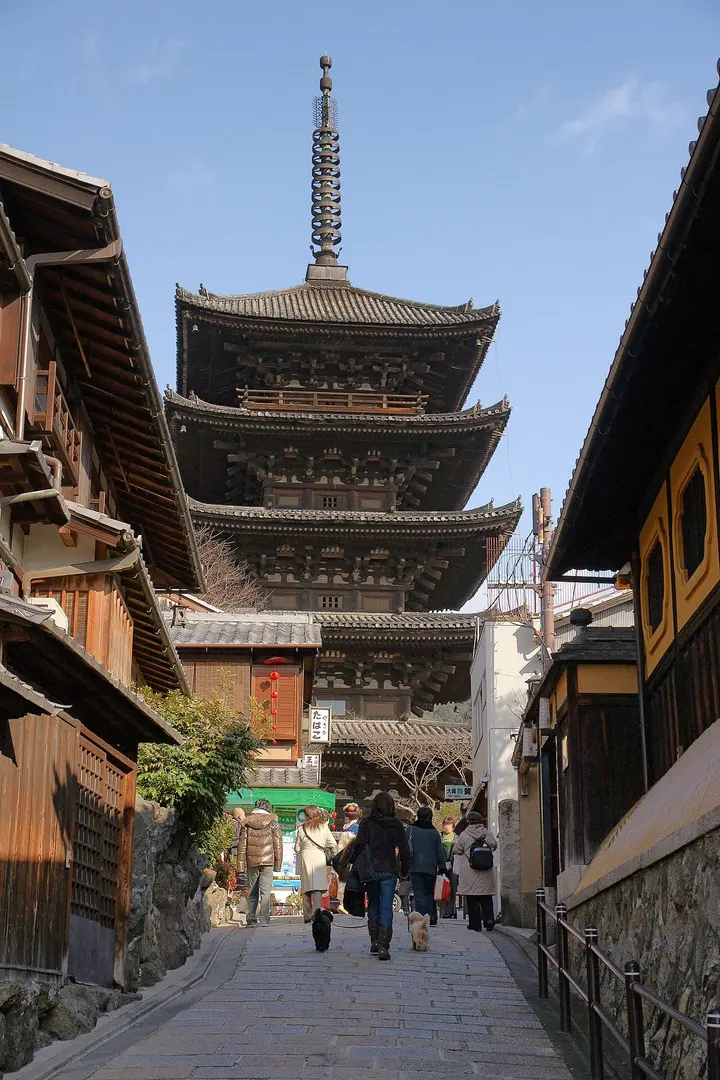
    The Yasaka Pagoda is the defining landmark of Kyoto's Higashiyama district and one of the most recognisable structures in the ancient imperial city. The five-storey pagoda, standing 46 metres tall, dates back to the seventh century and is the last surviving building of the Hōkan-ji temple complex, said to have been founded by Prince Shōtoku. Destroyed repeatedly by earthquakes and fires over the centuries, it was last rebuilt in 1440 under Shogun Ashikaga Yoshinori using earthquake-resistant techniques — a remarkable feat of Muromachi-period engineering. Wandering through the narrow cobblestone lanes of Higashiyama, you encounter the pagoda's unmistakable silhouette at almost every turn — an image that defines Kyoto like no other.

  • Kannonsho-ji Temple

    Kannonsho-ji Temple

    Kyoto

    architectureculturenature+6

    Kannonshō-ji is a Tendai Buddhist temple founded in 605 CE on the wooded slopes of Mount Kinugasayama at 370 metres, overlooking Lake Biwa. As the 32nd stop on the Saigoku Kannon Pilgrimage, it has drawn pilgrims for over a millennium. Its honzon is a statue of Senjū Kannon rebuilt after a 19th-century fire. The elevated views over Japan's largest lake make it one of the pilgrimage's most atmospheric stations.

  • Kyoto Railway Museum

    Kyoto Railway Museum

    Kyoto

    culturehistory

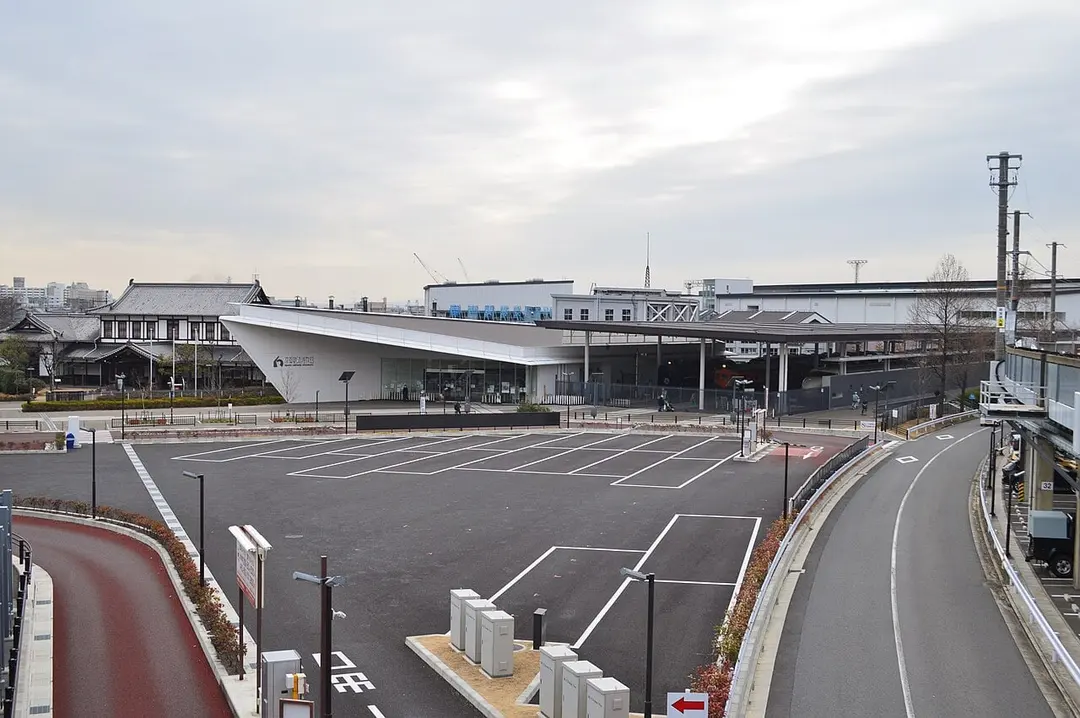
    The Kyoto Railway Museum opened in 1972 as the Umekoji Steam Locomotive Museum and was expanded and reopened under its current name in 2016. Operated by JR West, the collection includes historic steam and electric locomotives, rolling stock, and interactive exhibits on Japanese railway history. A highlight is the roundhouse containing original steam locomotives that are regularly operated. The museum is a popular destination for families and rail enthusiasts alike.

  • The Tale of Genji Museum

    The Tale of Genji Museum

    Kyoto

    culturehistory

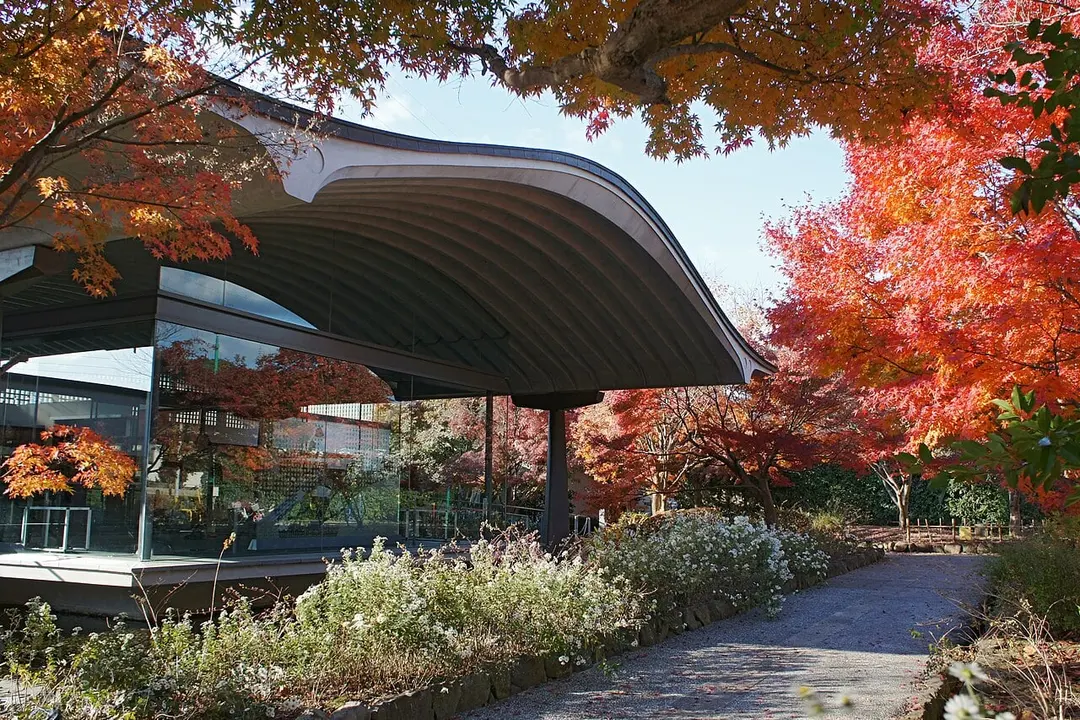
    The Genji Monogatari Museum in Uji near Kyōto is dedicated to the world's oldest novel: The Tale of Genji, written around the year 1000 by court lady Murasaki Shikibu. The story follows the life of Emperor's son Genji and provides a vivid portrait of the refined courtly culture of the Heian period. Opened in 1998, the museum collects manuscripts and materials related to the novel and brings aristocratic life to life through dioramas, period costumes and multimedia displays. Uji itself features prominently in the final chapters of The Tale of Genji, making the city a living backdrop to the story. A quiet but deeply rewarding destination for anyone passionate about literature and Japanese culture.

  • Yasaka Kōshin-dō

    Yasaka Kōshin-dō

    Kyoto

    mystery

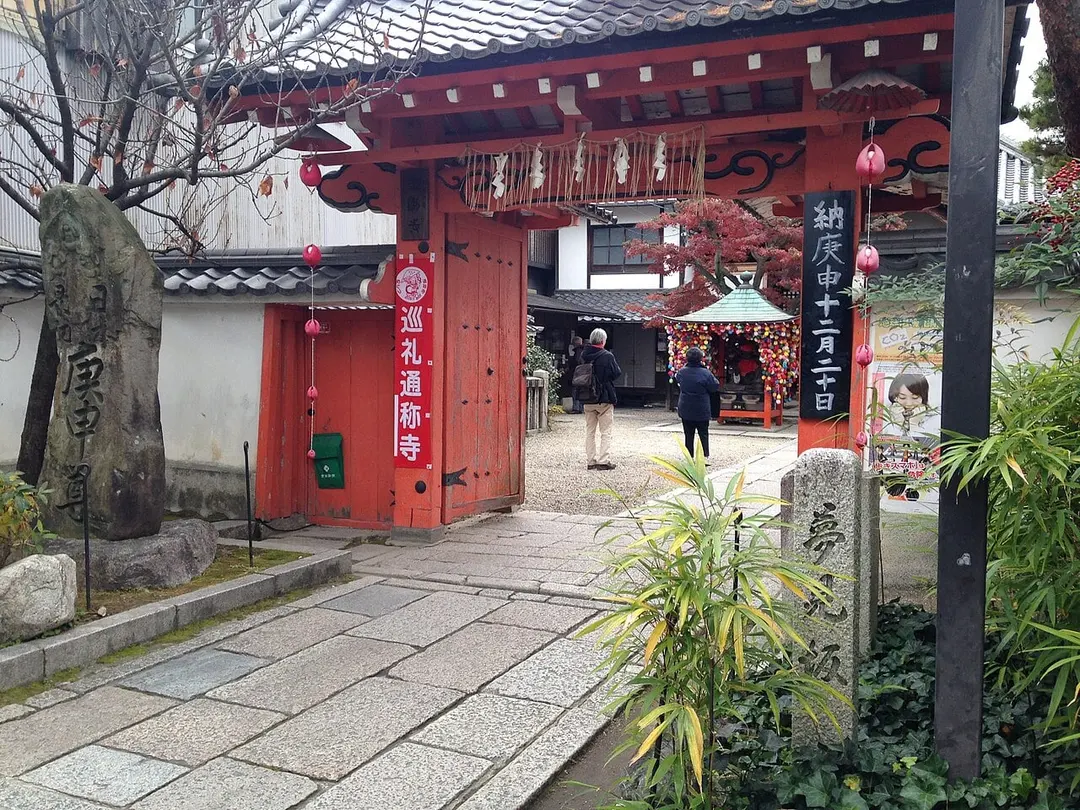
    Yasaka Kōshin-dō, formally Daikoku-san Kongō-ji Kōshin-dō, is a small temple in the Higashiyama district of Kyoto, founded over 1,000 years ago with its current main hall rebuilt in 1679. The temple is dedicated to Kōshin — a Japanese folk belief blending Taoist, Buddhist, and Shinto elements. It is best known for the colourful silk pouches (kukurizaru) that visitors tie to the temple trees, each containing a written wish. Located near Kiyomizu-dera, the temple is a surprisingly lively spot despite its small size.

Keep exploring

These places are just the beginning.

Rate places with a swipe — TravelType learns from your tags what you love and curates your own map. Private until you choose to share.

Create your profile