TravelType

knowledge

Knowledge & learning in Kyoto

Kyōto, in Japan's Kyōto Prefecture, offers a surprisingly varied range of places where knowledge takes tangible form. The Kyoto City Archaeological Museum draws on excavation finds to trace the city's material past, while the Yamato Bunkakan Museum of Japanese Art brings classical Japanese works within reach. Further into the wider region, Kannonsho-ji Temple and Amagasaki Castle invite reflection on local history, and the D51-691 Steam Locomotive speaks to the area's industrial heritage. Abeno Harukas opens up broad perspectives across the surrounding landscape. Together, these sites map a layered picture of culture, history, and technology.

15 places · Kyoto, Japan · Editorially curated

  • Abeno Harukas

    Abeno Harukas

    Kyoto

    architectureculturelocal gems+2

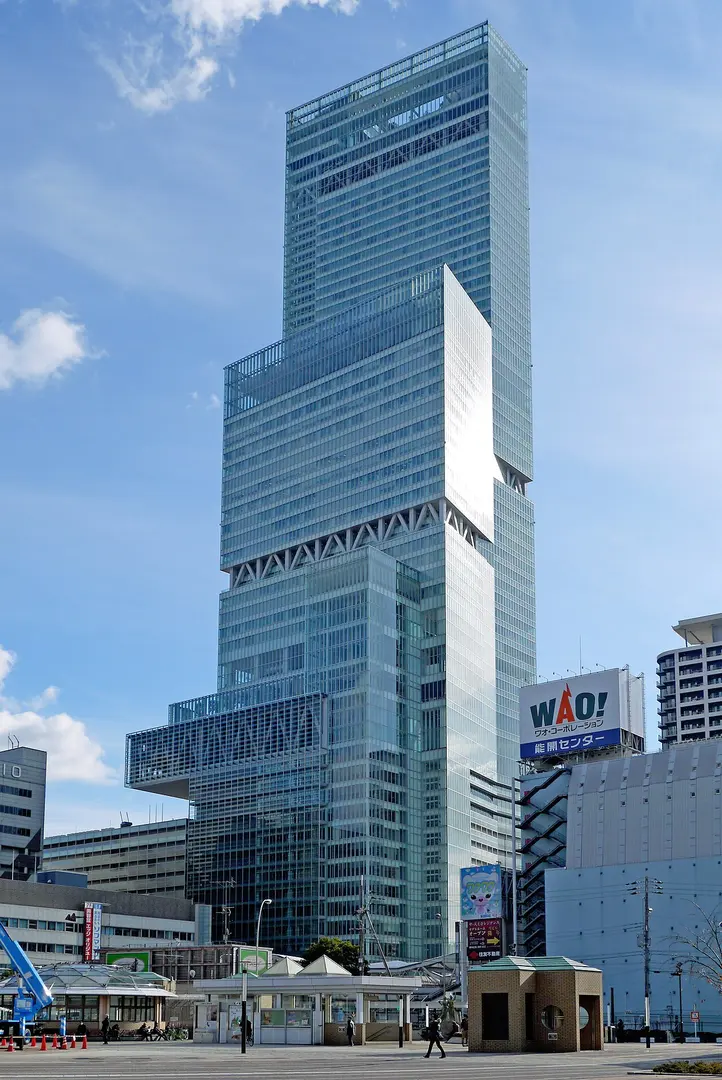
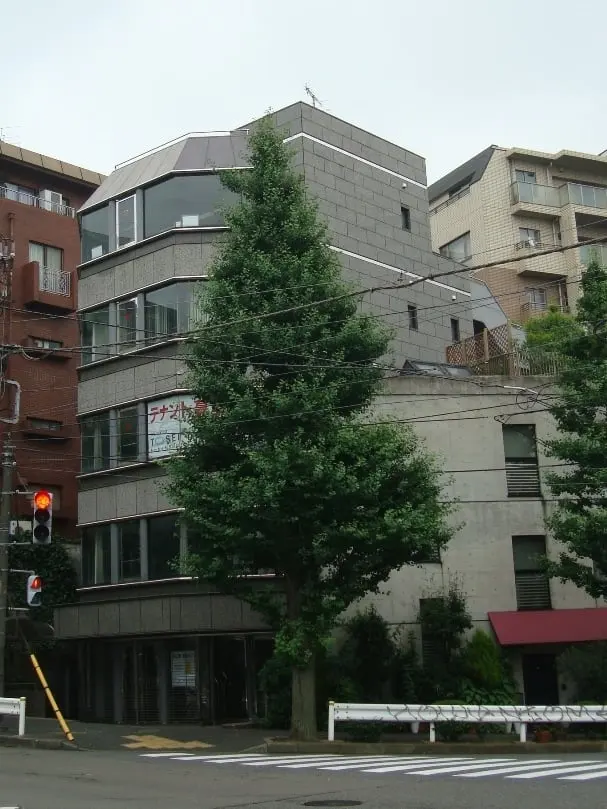
    Abeno Harukas stands 300 metres tall with 62 floors — Japan's tallest building from its 2014 opening until 2023, when Azabudai Hills Mori JP Tower claimed the title. Located in Abeno-ku, Osaka, the building combines the Kintetsu department store, offices, a Marriott hotel, and the Harukas 300 observation deck on the top three floors. The name derives from an archaic Japanese verb meaning 'to radiate afar'. On clear days, the deck offers simultaneous views of Kobe, Kyoto, and Nara.
  • Aleph Osaka Training Center

    Aleph Osaka Training Center

    Kyoto

    historymystery

    This training facility in Osaka belongs to Aleph — successor to Aum Shinrikyo, the Japanese doomsday cult whose sarin attack on the Tokyo subway on 20 March 1995 killed twelve people and injured thousands. Founded in 1987 by Shoko Asahara, executed in 2018, the group is among the most dangerous religious movements of the post-war era. Aleph remains under Japanese government surveillance. This site is not a public venue — it is documented as a contemporary historical record of the group's presence.

  • Amagasaki castle

    Amagasaki castle

    Kyoto

    architecturehistory

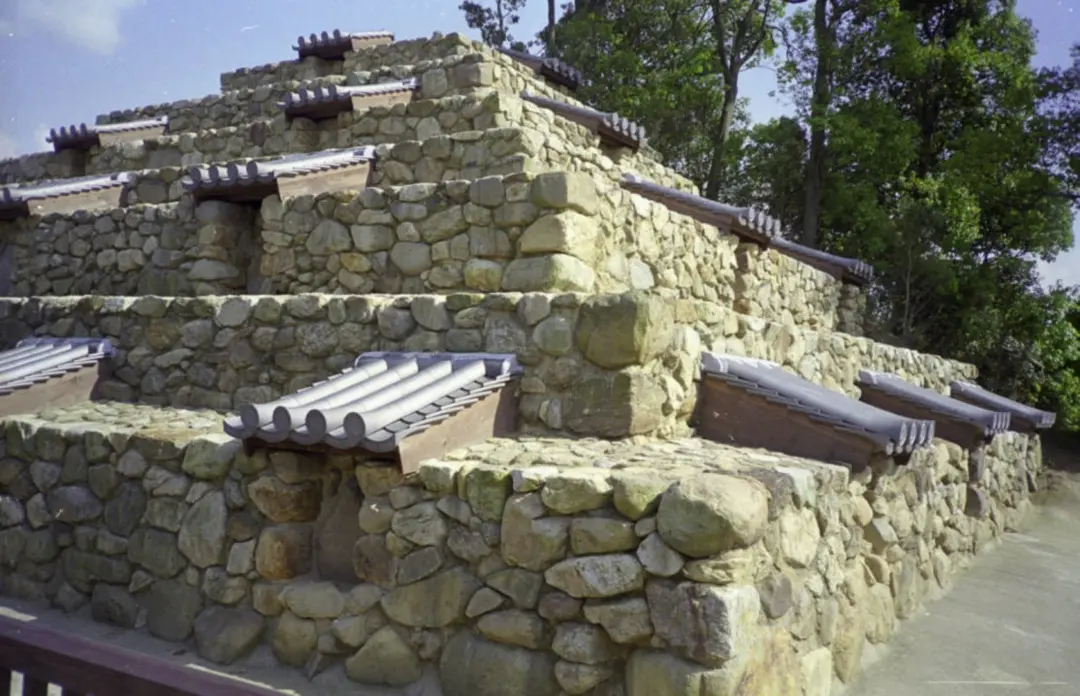
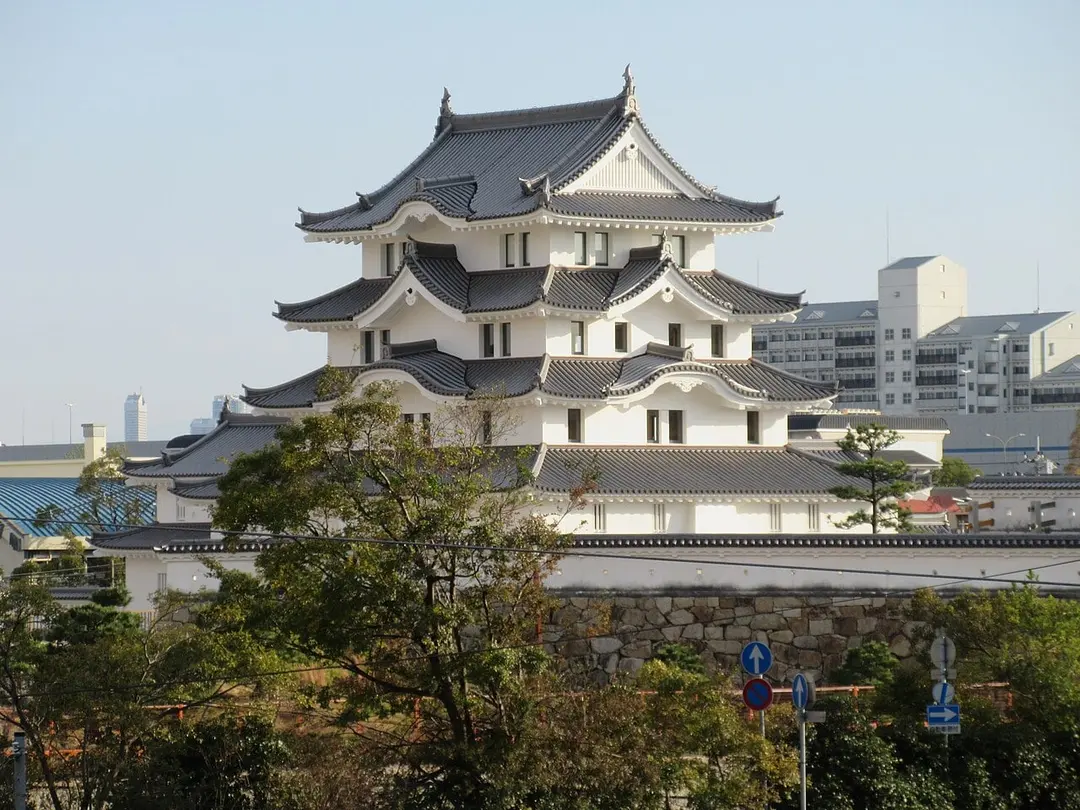
    Amagasaki Castle in Amagasaki City, Hyogo Prefecture, was a flatland-type castle of the Edo Shogunate, seat of the Sakurai-Matsudaira as Fudai-Daimyo. Founded in 1617, it was demolished during the Meiji period. In 2018, a portion of the main tower was reconstructed on private land. Amagasaki sits between Osaka and Kobe in the industrial heart of the Kansai metropolitan area.

  • Amagasaki Shiyakusho

    Amagasaki Shiyakusho

    Kyoto

    culturelocal gems

    Amagasaki City Hall is the administrative centre of Amagasaki (population approx. 455,000), an industrial city in Hyogo Prefecture between Osaka and Kobe at the mouth of the Yodo River.

  • D51-691 Steam Locomotive

    D51-691 Steam Locomotive

    Kyoto

    history

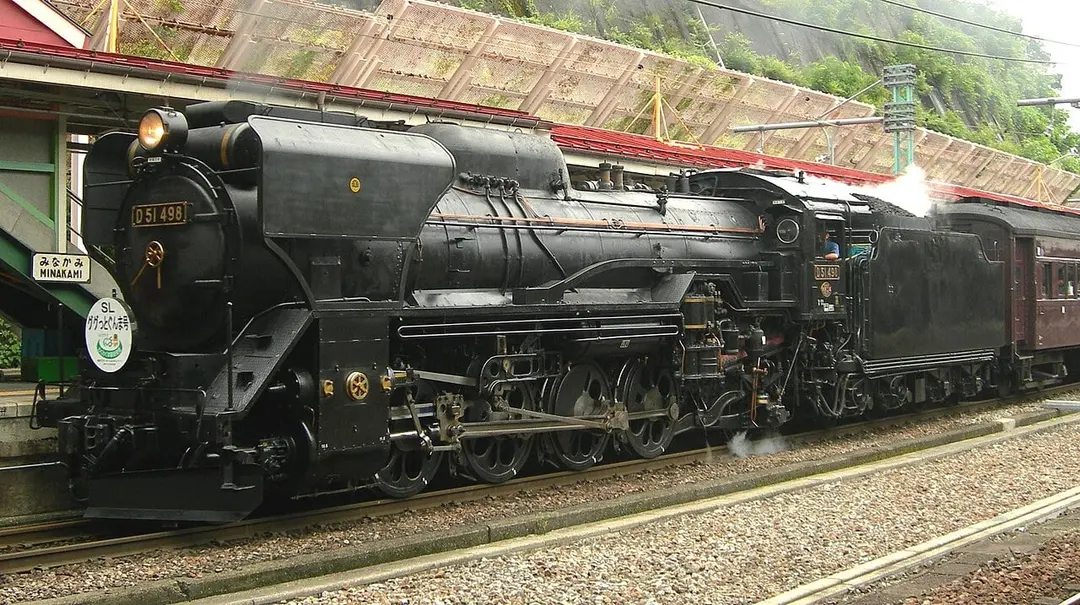
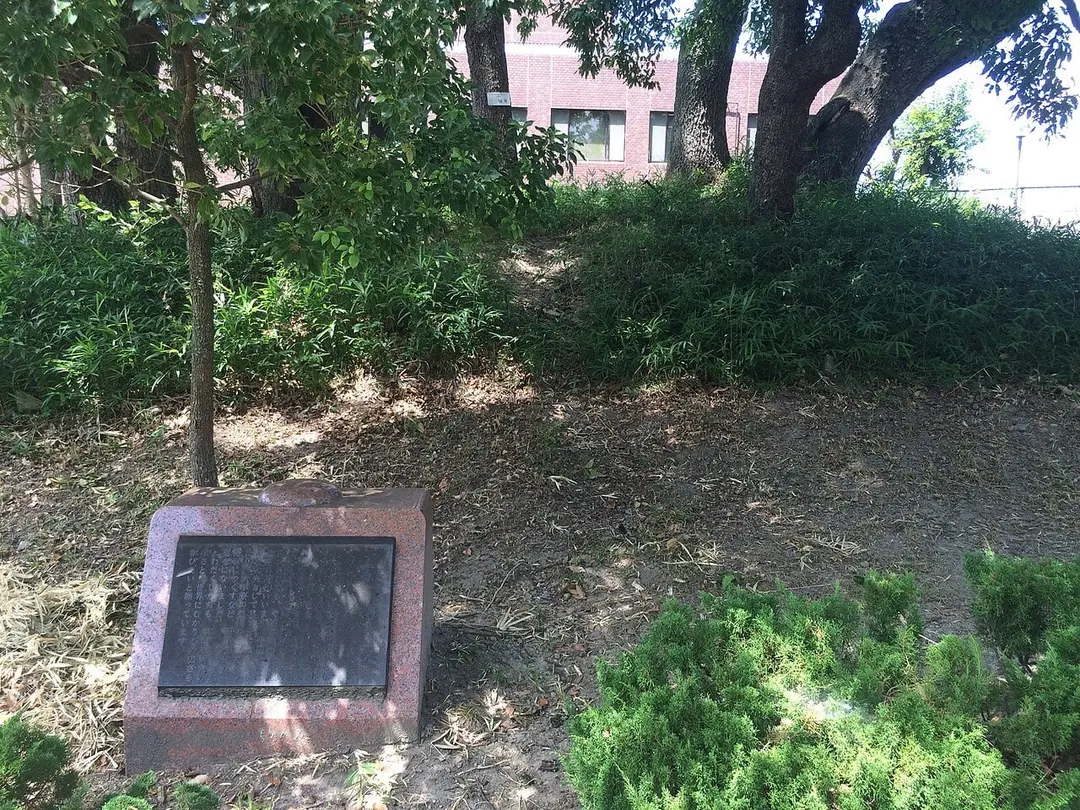
    The D51 class was the most numerous steam locomotive series ever built for Japanese National Railways: 1,115 units were produced between 1936 and 1951 for mixed passenger and freight service on main lines. Affectionately known as Degoichi, the class was a workhorse of Japanese industry and transportation for four decades, with the last examples retired in 1975. This preserved example, D51-691, is displayed outdoors in Kyoto and can be examined up close — a tangible relic of a period when steam power drove Japan's postwar recovery. A quietly fascinating stop for railway history enthusiasts or anyone curious about industrial Japan.

  • Higashiosaka City Hanazono Rugby Stadium

    Higashiosaka City Hanazono Rugby Stadium

    Kyoto

    outdoor activities

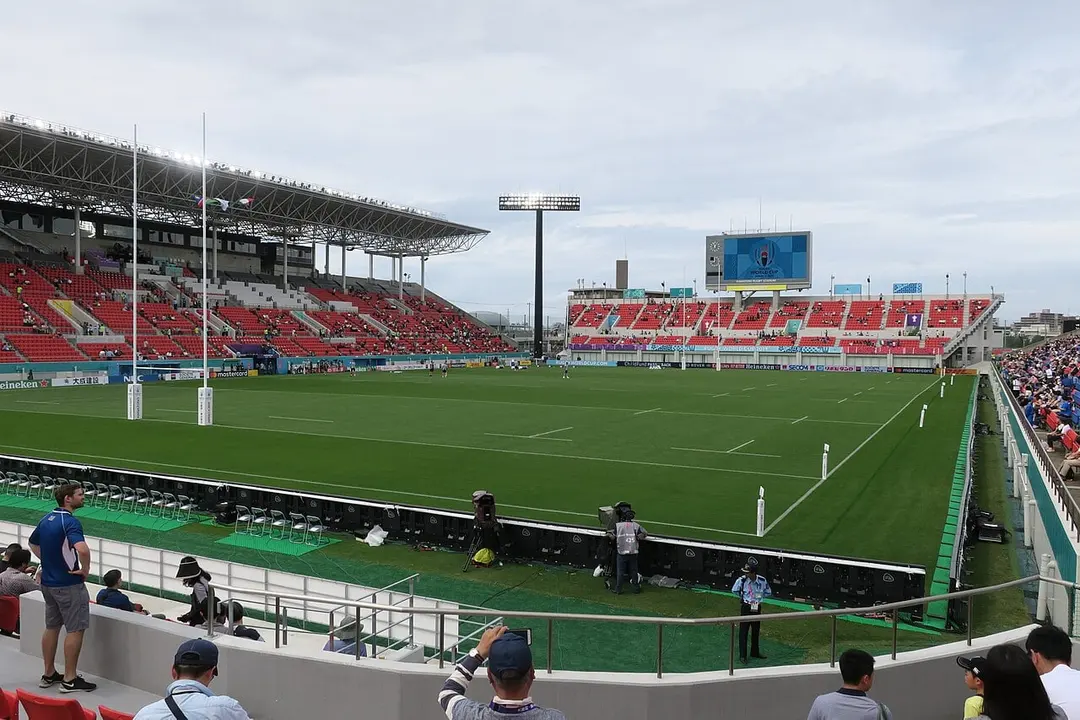
    Hanazono Rugby Stadium in Higashiōsaka is one of Japan's oldest and most storied rugby grounds. Since 1928 it has served as the home of university rugby and the Kintetsu Liners, holding up to 30,000 spectators. The stadium is revered as the temple of Japanese rugby — it hosts the Zenkoku Kōtō Gakkō Rugby Taikai, one of the world's largest high school rugby tournaments. Ahead of the 2019 Rugby World Cup in Japan, the ground underwent a comprehensive renovation. Today, under a naming rights agreement, it is known as Kintetsu Hanazono Rugby Stadium and remains a symbol of rugby's deep roots in the Kansai region.

  • Kannonsho-ji Temple

    Kannonsho-ji Temple

    Kyoto

    architectureculturenature+6

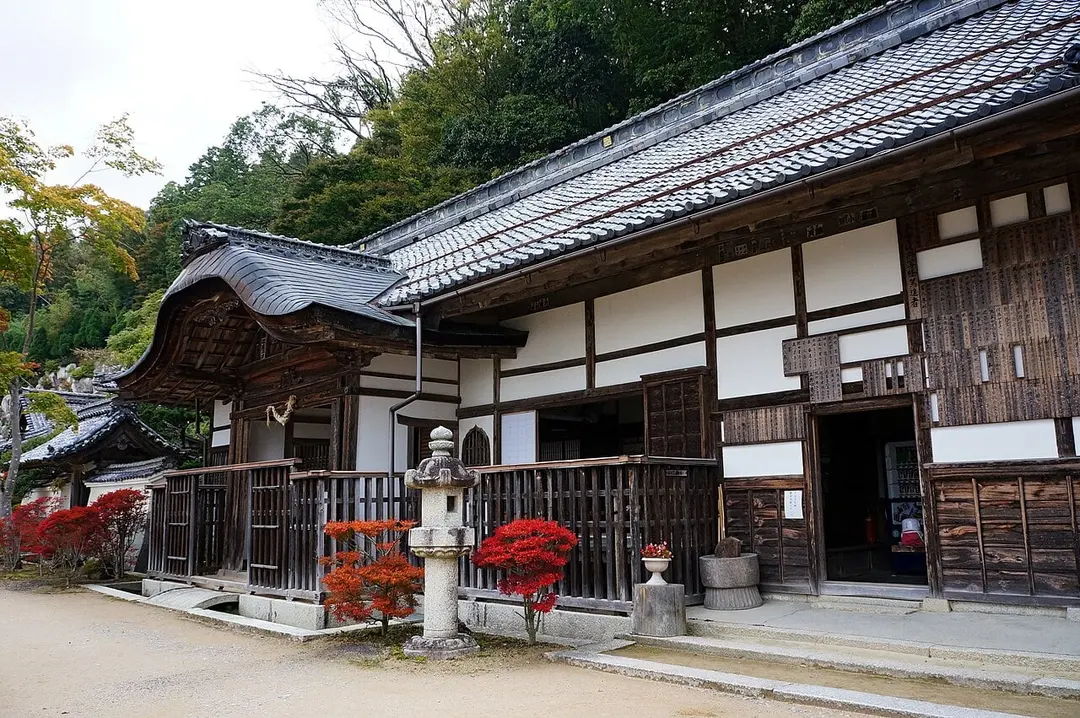
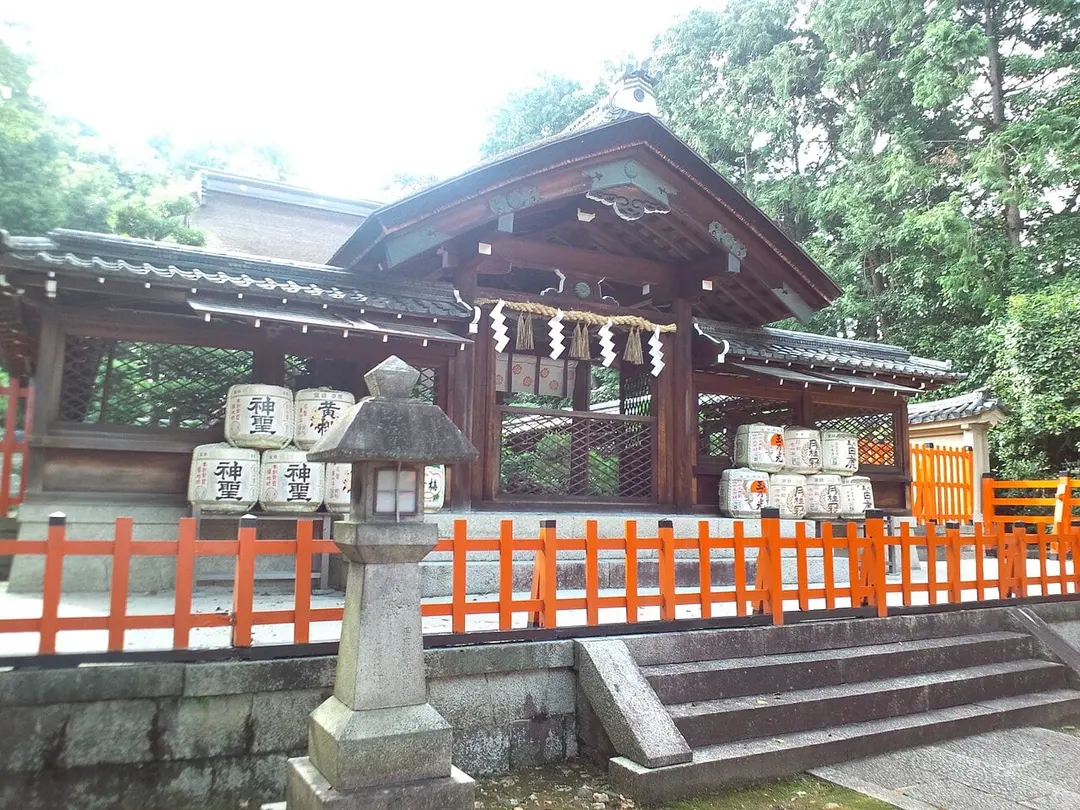
    Kannonshō-ji is a Tendai Buddhist temple founded in 605 CE on the wooded slopes of Mount Kinugasayama at 370 metres, overlooking Lake Biwa. As the 32nd stop on the Saigoku Kannon Pilgrimage, it has drawn pilgrims for over a millennium. Its honzon is a statue of Senjū Kannon rebuilt after a 19th-century fire. The elevated views over Japan's largest lake make it one of the pilgrimage's most atmospheric stations.

  • Kyoto City Archaeological Museum

    Kyoto City Archaeological Museum

    Kyoto

    culturehistory

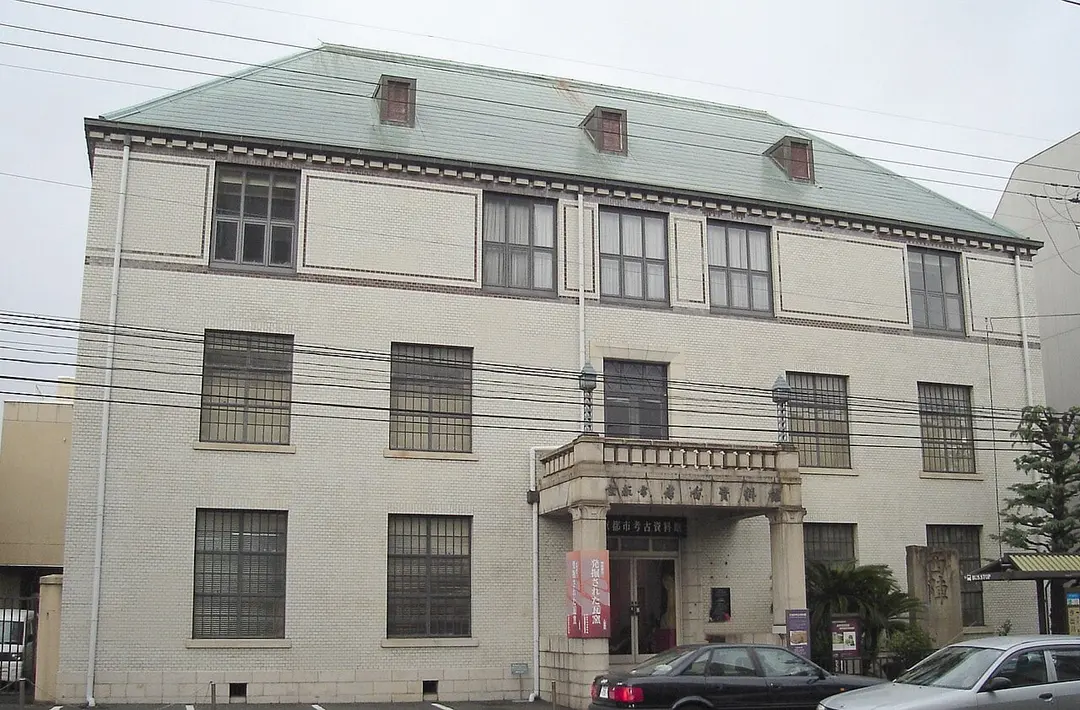
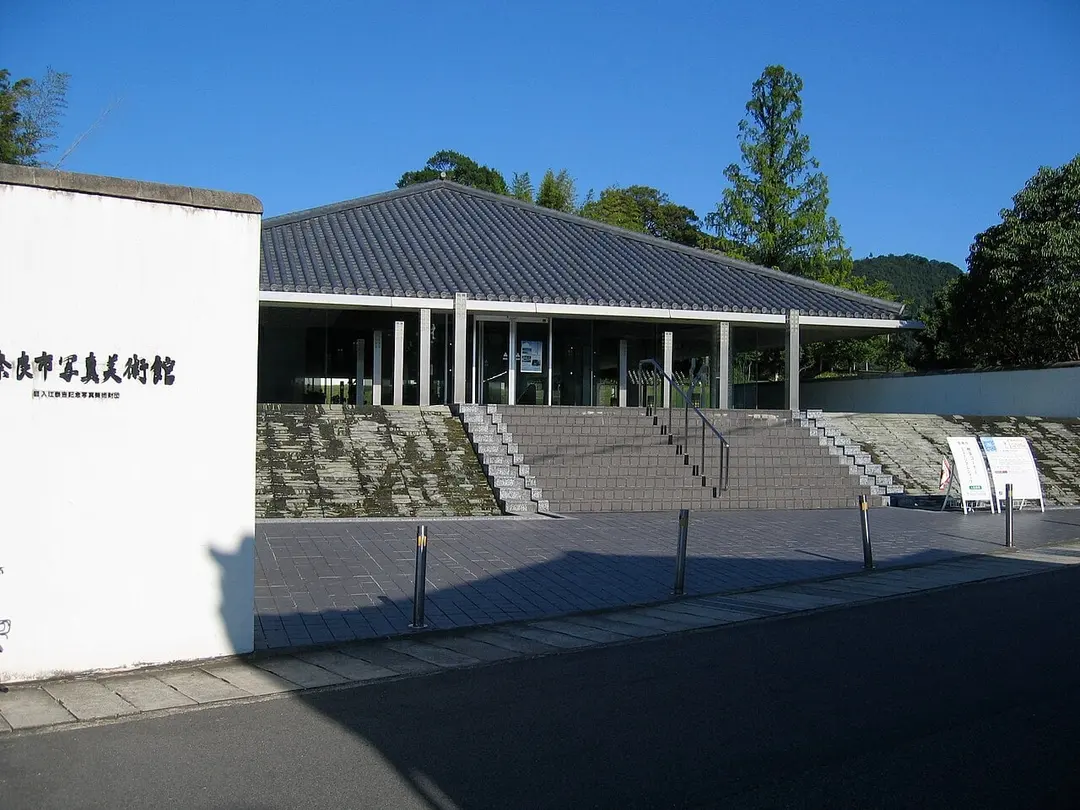
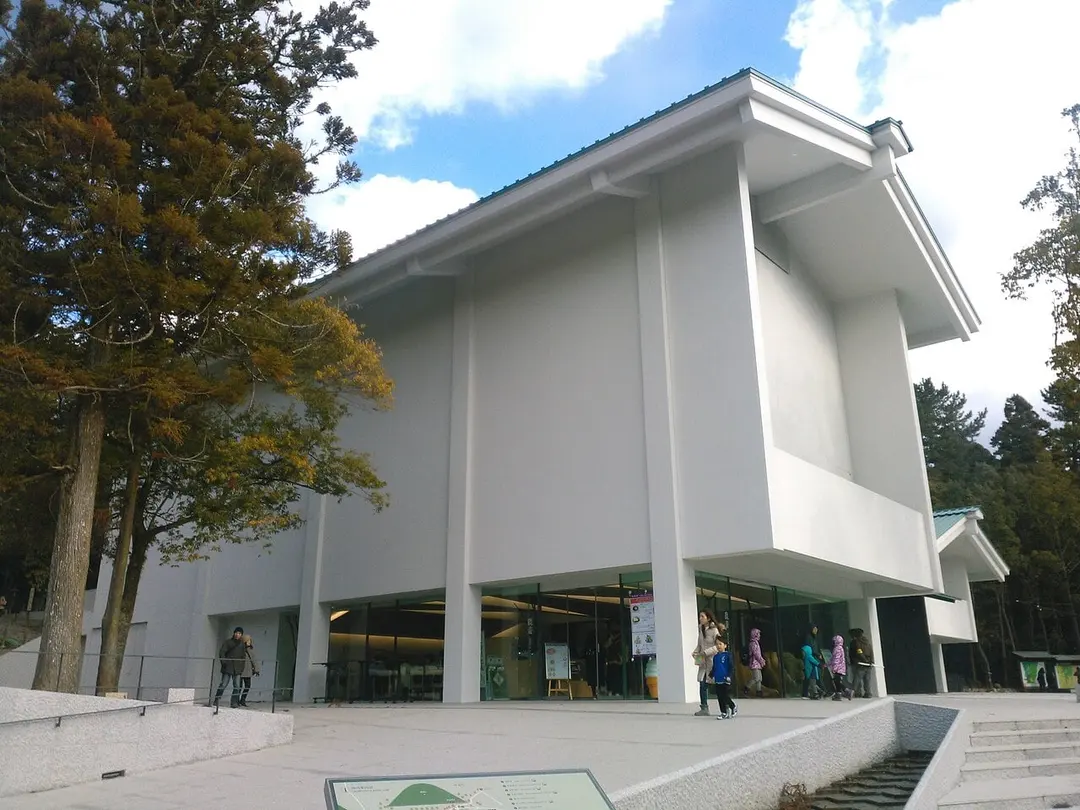
    The Kyoto City Archaeological Museum in Kamigyo-ku preserves and displays archaeological finds from the ancient imperial capital and its surroundings. Founded in 1979, it offers insight into the layered urban history of Kyoto from the Yayoi period through to the Edo era.

  • Yamato Bunkakan Museum of Japanese Art

    Yamato Bunkakan Museum of Japanese Art

    Kyoto

    culture

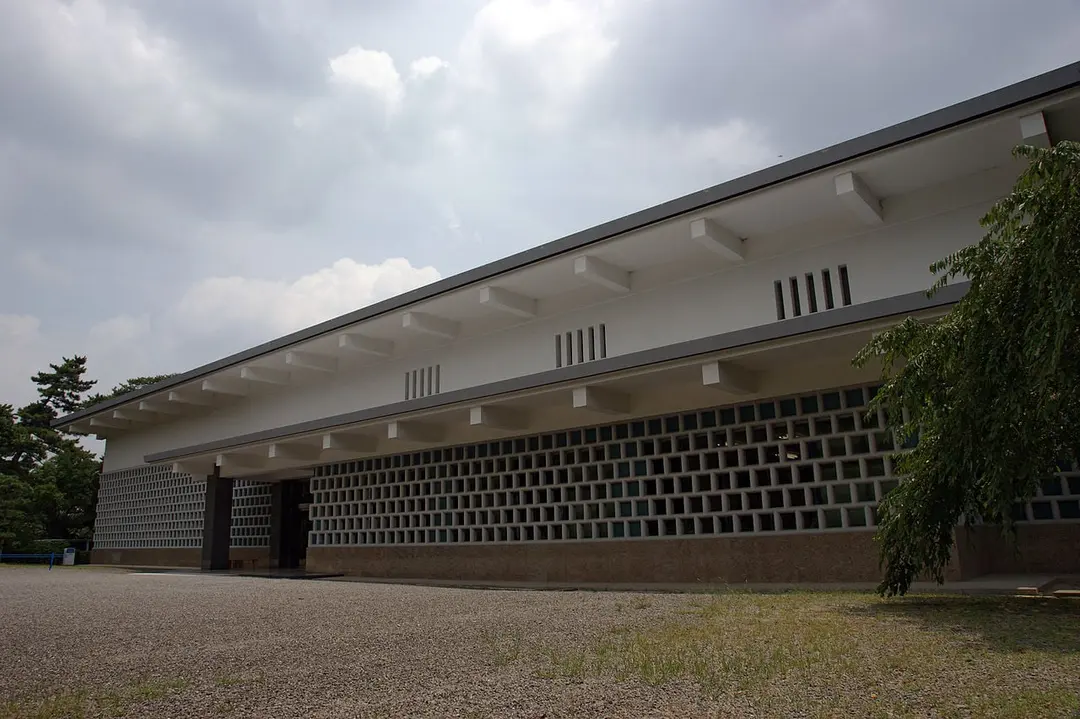
    The Yamato Bunkakan is a private museum of East Asian art in the Japanese city of Nara, housing around 2,000 works from Japan, China, and Korea. Opened in 1960, the museum displays paintings, calligraphy, ceramics, and lacquerware from antiquity through the Edo period. Regarded as one of the most significant private collections of Japanese art, it offers a quiet counterpoint to the major Shinto shrines in the surrounding area.

Keep exploring

These places are just the beginning.

Rate places with a swipe — TravelType learns from your tags what you love and curates your own map. Private until you choose to share.

Create your profile