Abbatiale Sainte-Madeleine
CatholicRomanesqueBenedictine Monastery+2
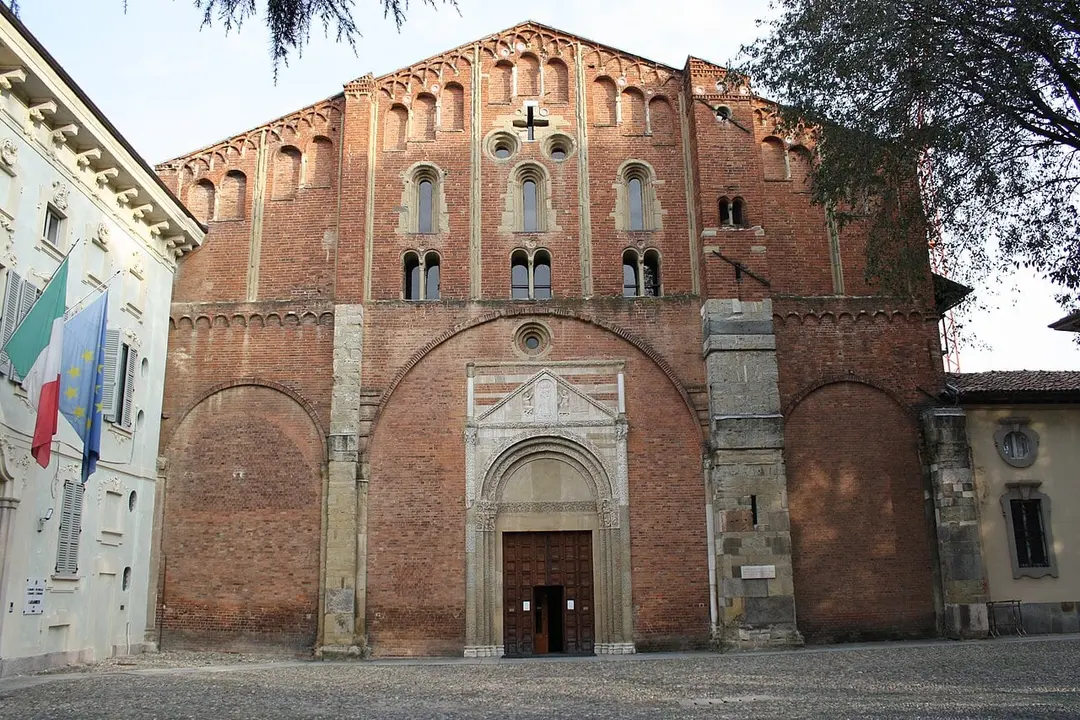
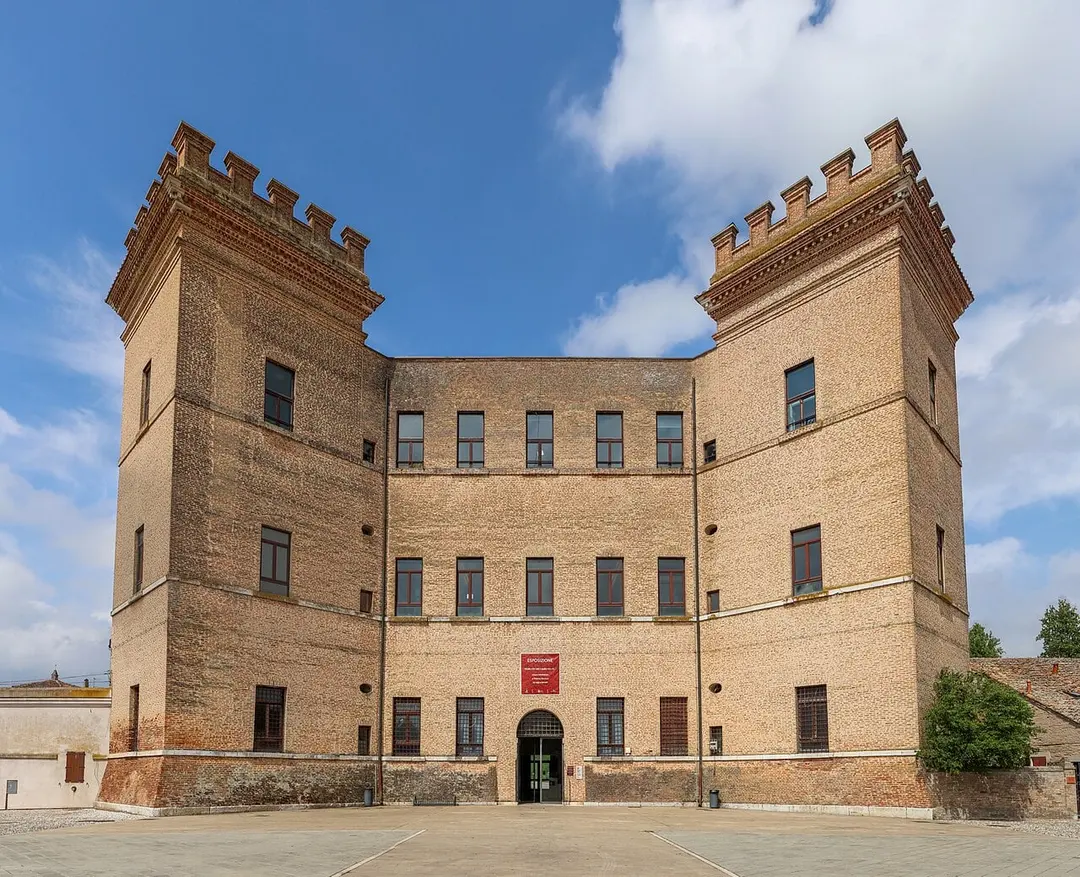
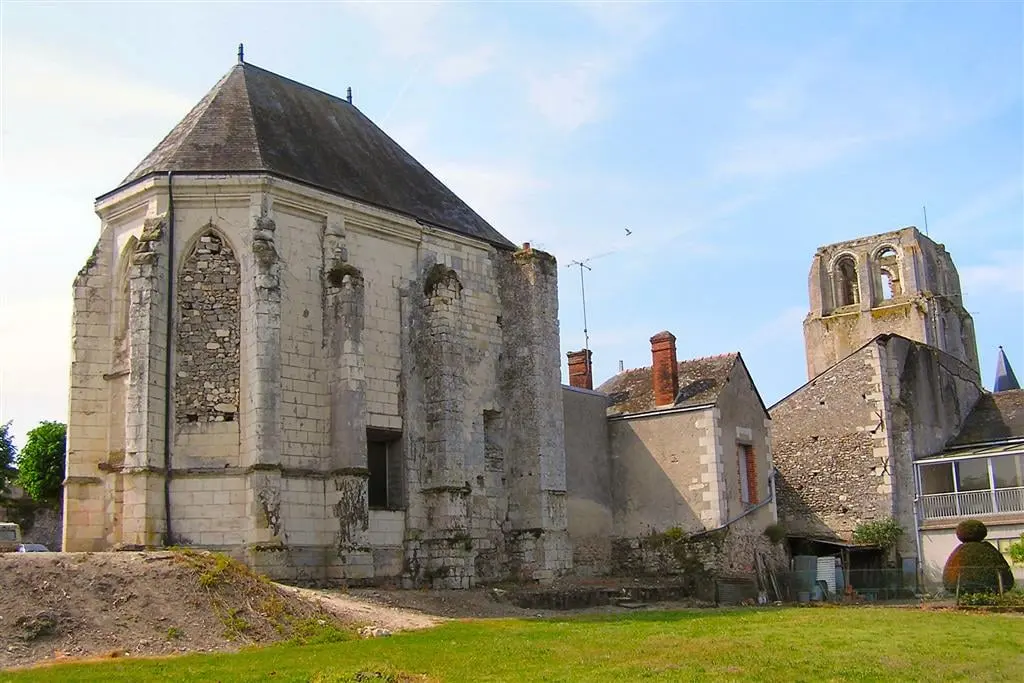
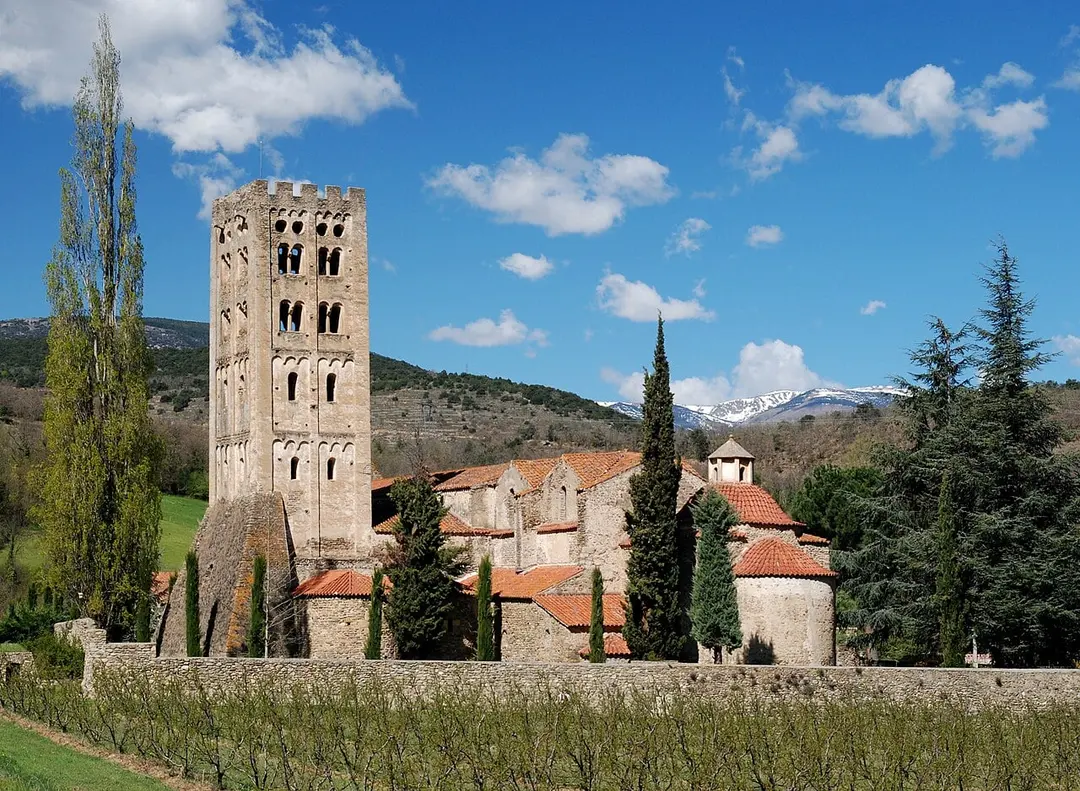
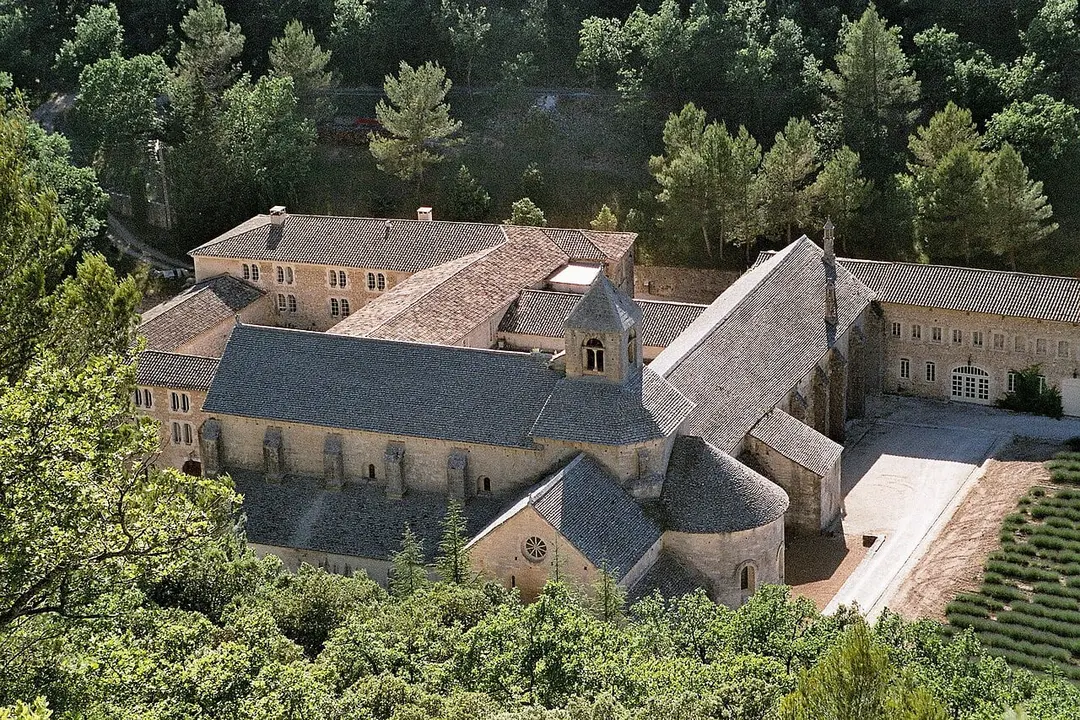
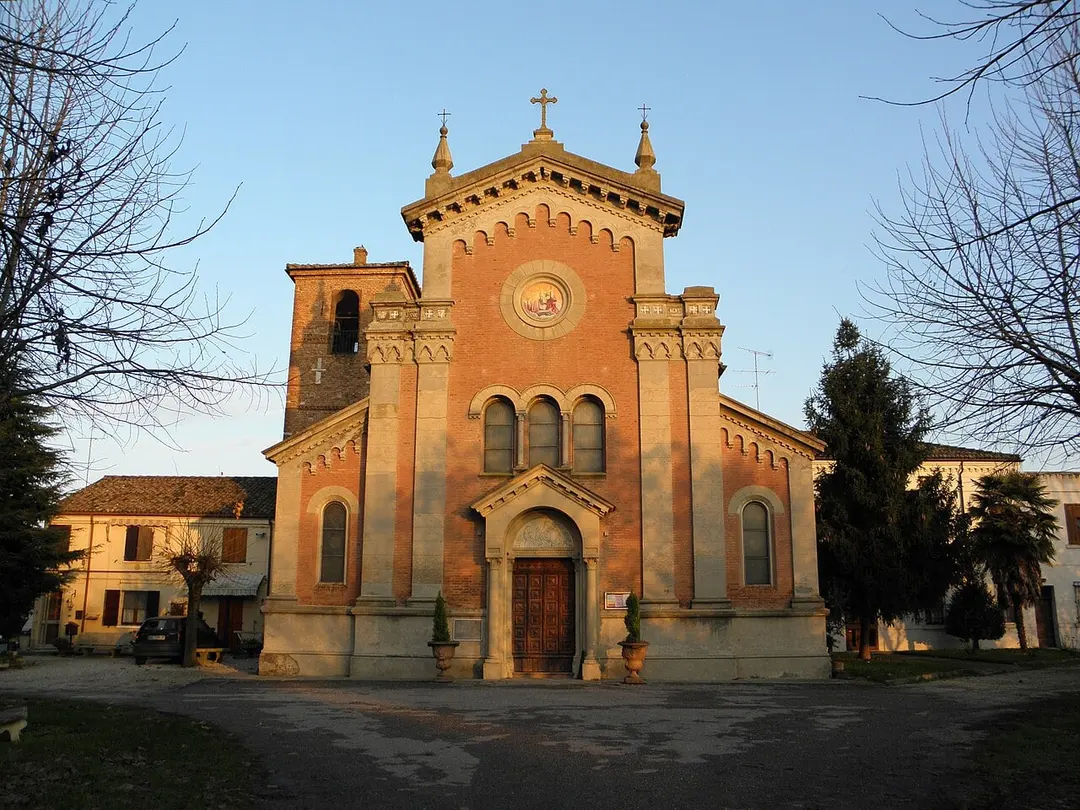
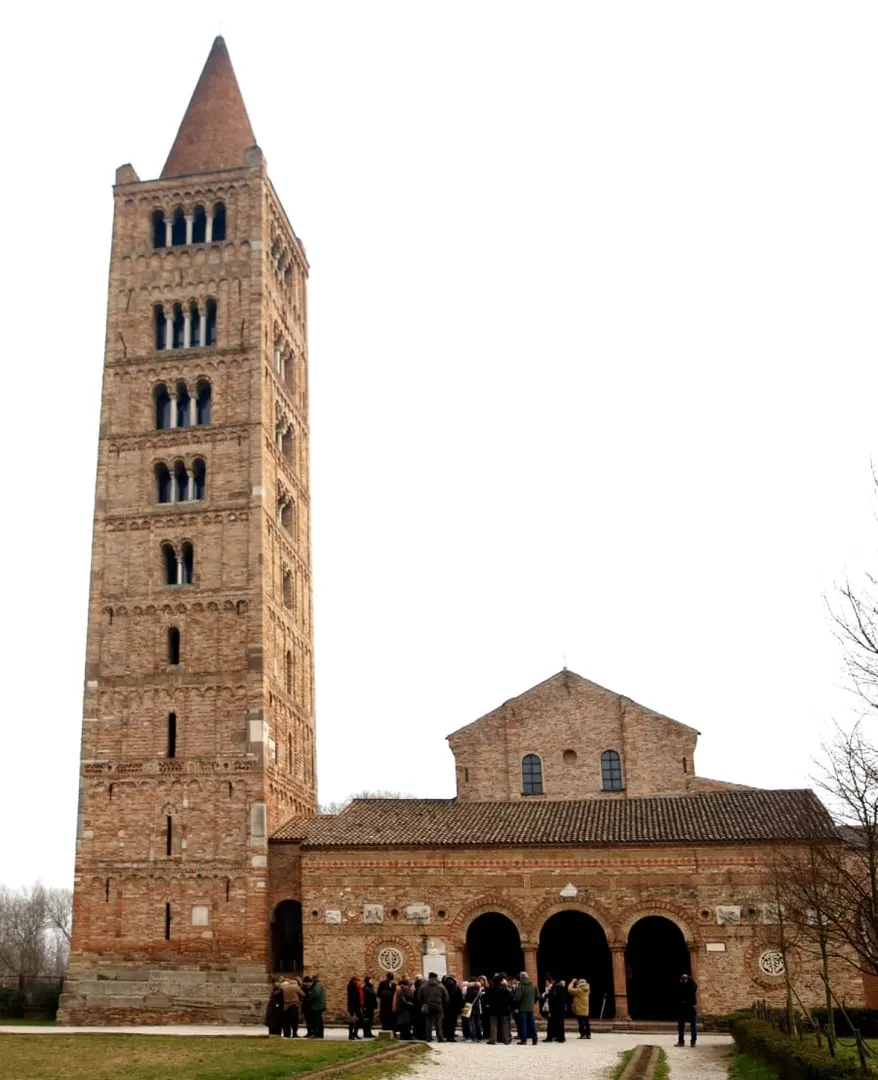
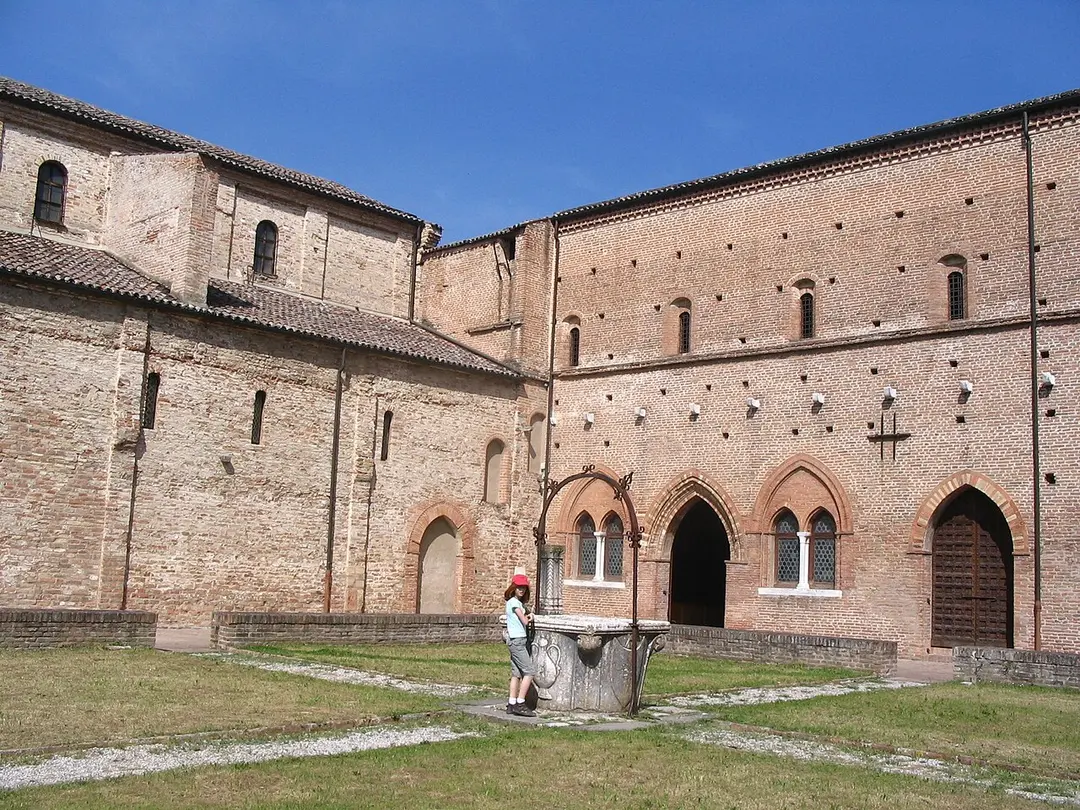
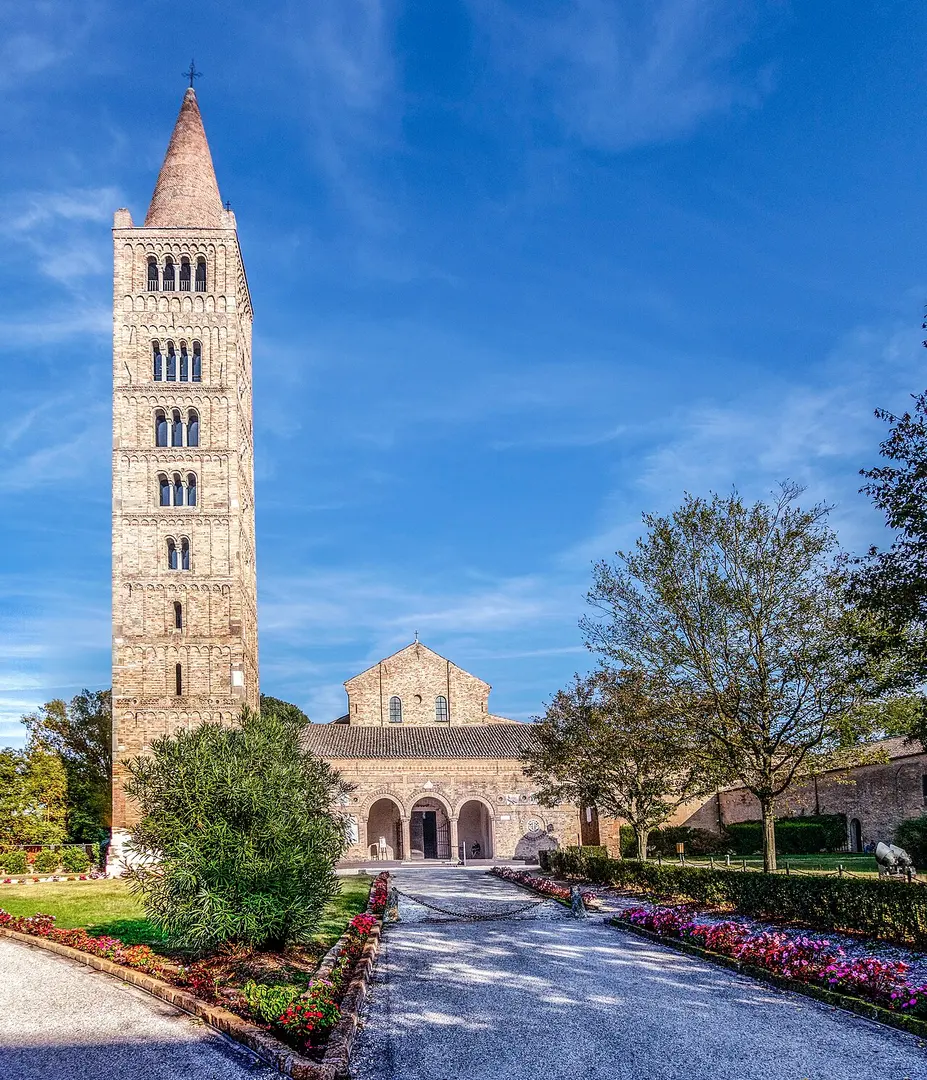
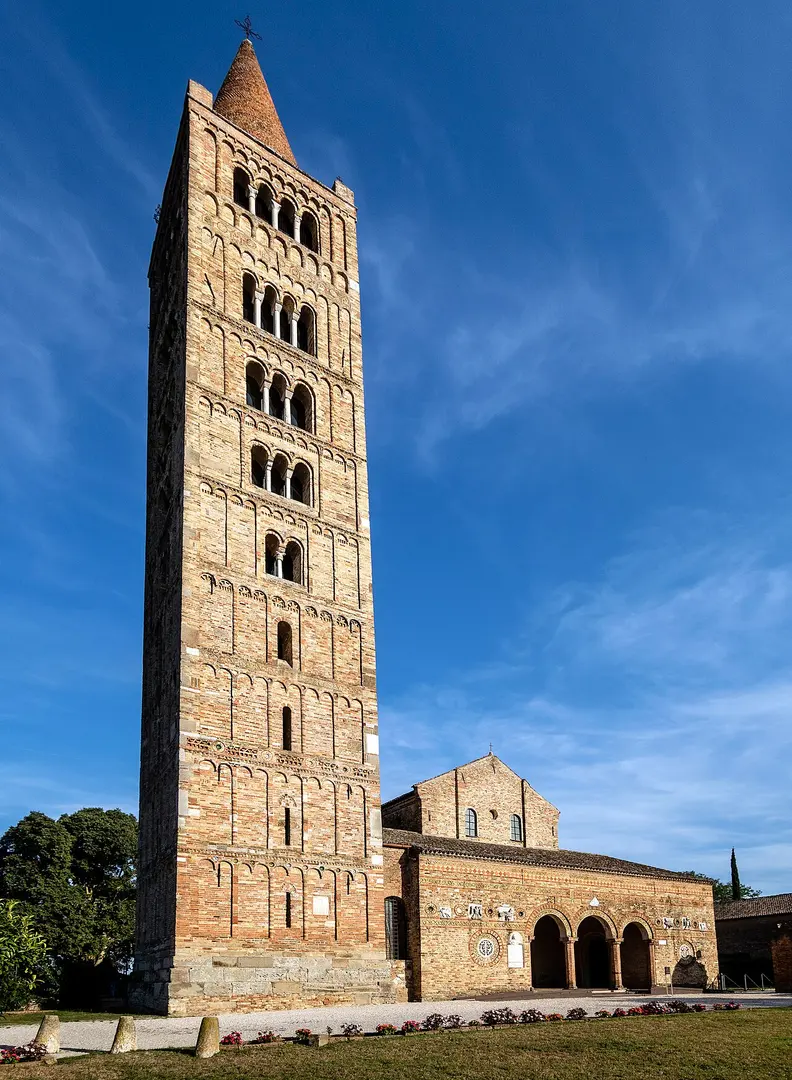
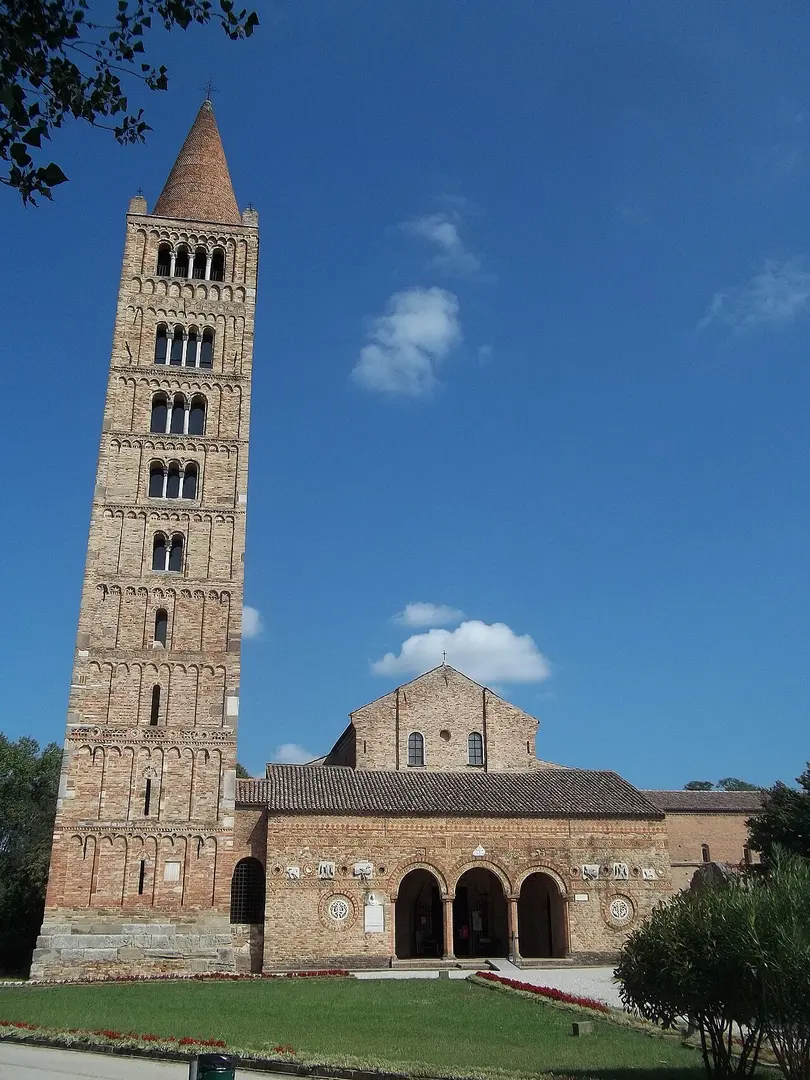
The Abbey of Pomposa is an early 9th-century Benedictine complex set in the marshland of the Po delta, one of the most intact medieval monastic ensembles in northern Italy. Its greatest claim to cultural history is Guido of Arezzo, the 11th-century monk who developed the musical staff notation still used today — he lived and taught here before his ideas spread across medieval Europe. The freestanding campanile, completed in 1063, rises above the flat delta landscape and is visible for miles, while the interior of the Romanesque basilica retains 14th-century frescoes and mosaics with strong Byzantine influence. Designated an Italian national monument, the abbey receives far fewer visitors than its historical significance warrants, lending it an atmosphere of genuine solitude unusual for a site of this importance.
Sign in to rate this place.
Sign inMilan