TravelType

architecture

Architecture in Baghdad

Baghdad, the capital of Iraq, layers thousands of years of architectural history across its urban fabric. The Sasanian arch of Taq-i Kisra at Ctesiphon stands as one of the oldest surviving structures in the region, while the Victory Arch and Baghdad Tower reflect the city's 20th-century ambitions. Landmarks such as the Al-Kadhimiya Mosque, Abu Hanifa Mosque, and AlKhulafa Mosque shape the skyline alongside the Cathedral of Saint Gregory the Illuminator. The 14th of July Bridge and Al-Sarafiya Bridge cross the Tigris, and Firdos Square anchors the city's modern civic landscape.

7 places · Baghdad, Iraq · Editorially curated

  • 14th of July Bridge

    14th of July Bridge

    Baghdad

    naturehistorylocal gems

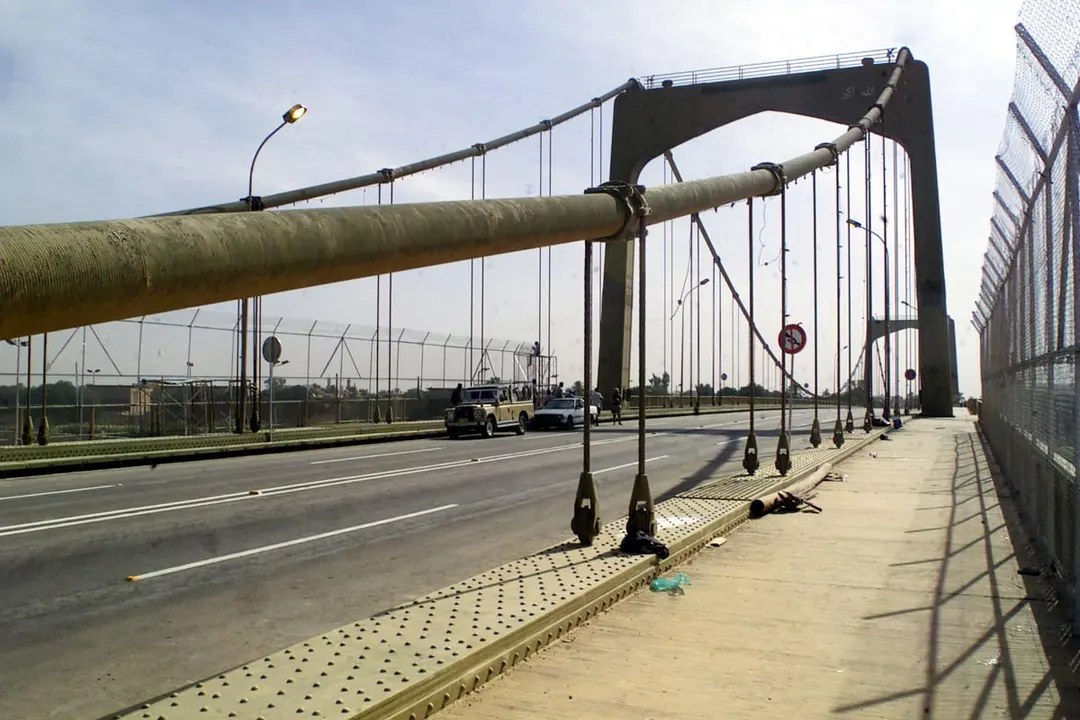
    The 14th of July Bridge spans the Tigris River at the heart of Baghdad, linking the Karch district — once part of the Green Zone — with the Karrada neighbourhood on the river bend. Built in 1961, it takes its name from the date the Iraqi monarchy was overthrown in the July Revolution, a moment that reshaped the country's history. The bridge is one of Baghdad's busiest crossings and stands as a quiet landmark amid the city's ever-changing skyline.
  • Abu Hanifa Mosque

    Abu Hanifa Mosque

    Baghdad

    knowledge

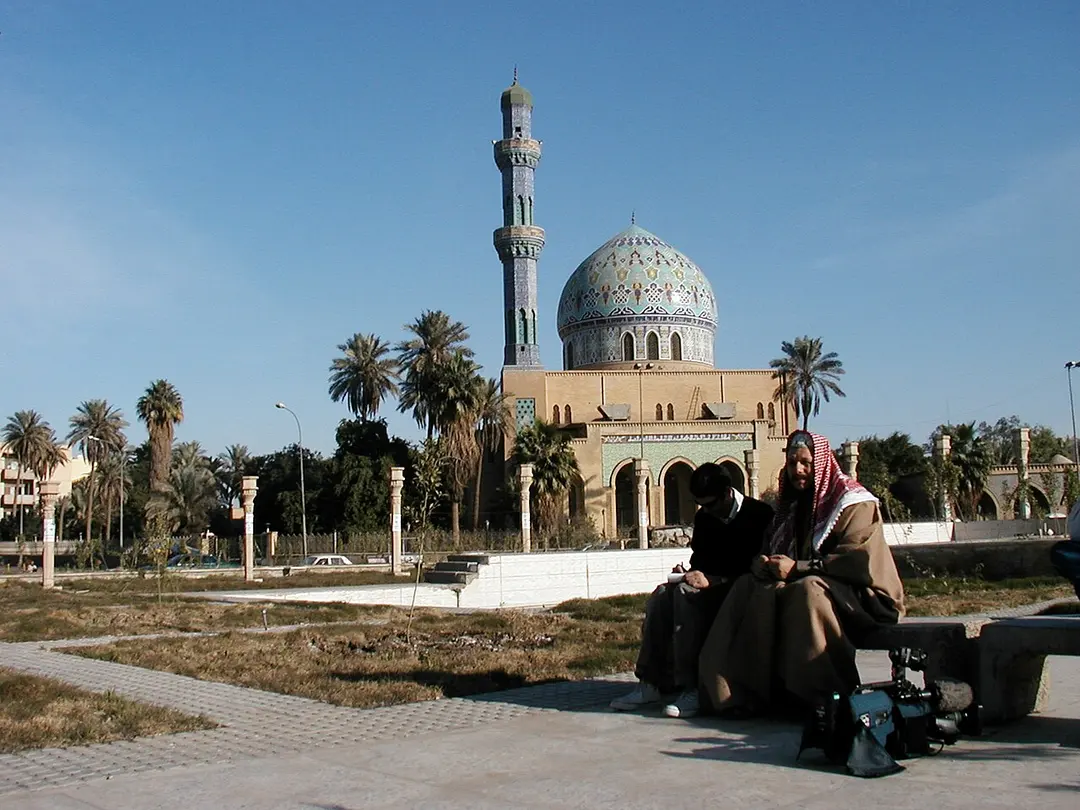
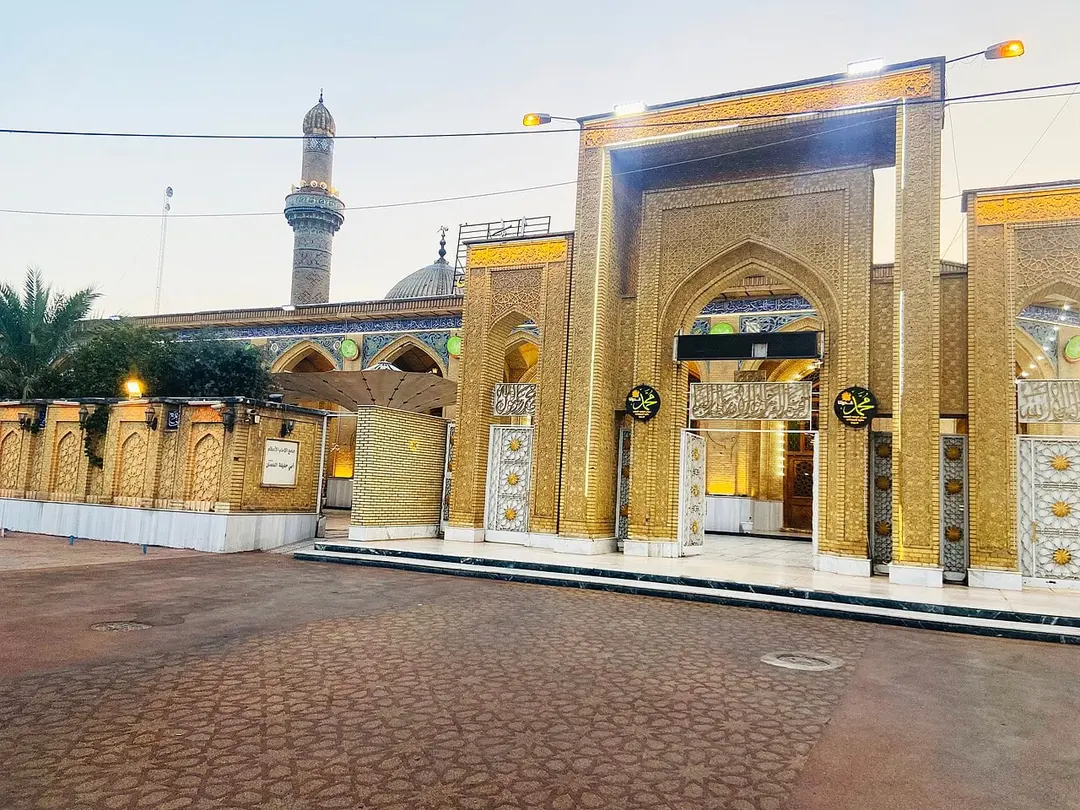
    The Abu Hanifa Mosque — also called the Grand Imam Mosque — is Baghdad's most prominent Sunni mosque, built by the Ottomans during their four-century rule of Iraq around the tomb of Abu Hanifa al-Nu'man, founder of the Hanafi school of Islamic jurisprudence. As the most widely followed legal tradition in Sunni Islam, the mosque draws pilgrims from around the world. Located in the Adhamiyya district, it has been a focal point of sectarian tension and urban combat during the Iraq War.

  • Al-Kadhimiya Mosque

    Al-Kadhimiya Mosque

    Baghdad

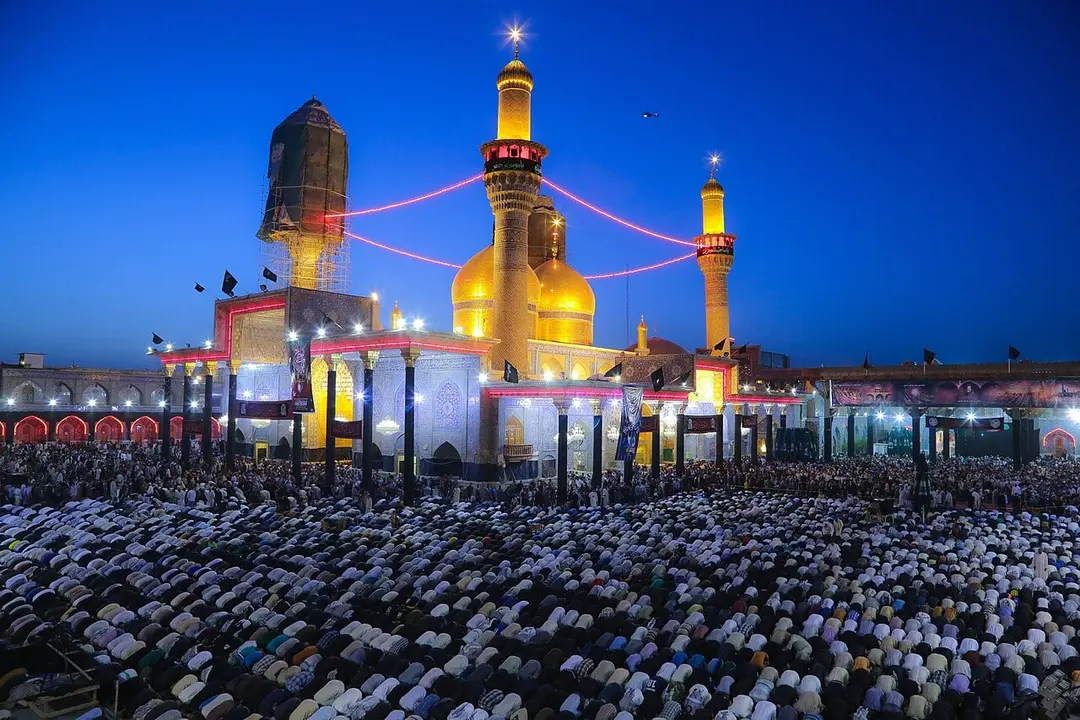
    The Al-Kadhimiya Mosque in the Baghdad suburb of Kadhimiyya is one of the holiest Shia pilgrimage sites in the world. The golden shrine contains the tombs of the seventh and ninth Twelver Shia Imams: Musa al-Kadhim and his grandson Muhammad al-Jawad. Important Islamic scholars including Sheikh Mufid and Nasir ad-Din al-Tusi are also buried on the premises. Thousands of pilgrims visit daily the gleaming golden-domed complex on the banks of the Tigris.

  • AlKhulafa Mosque

    AlKhulafa Mosque

    Baghdad

    history

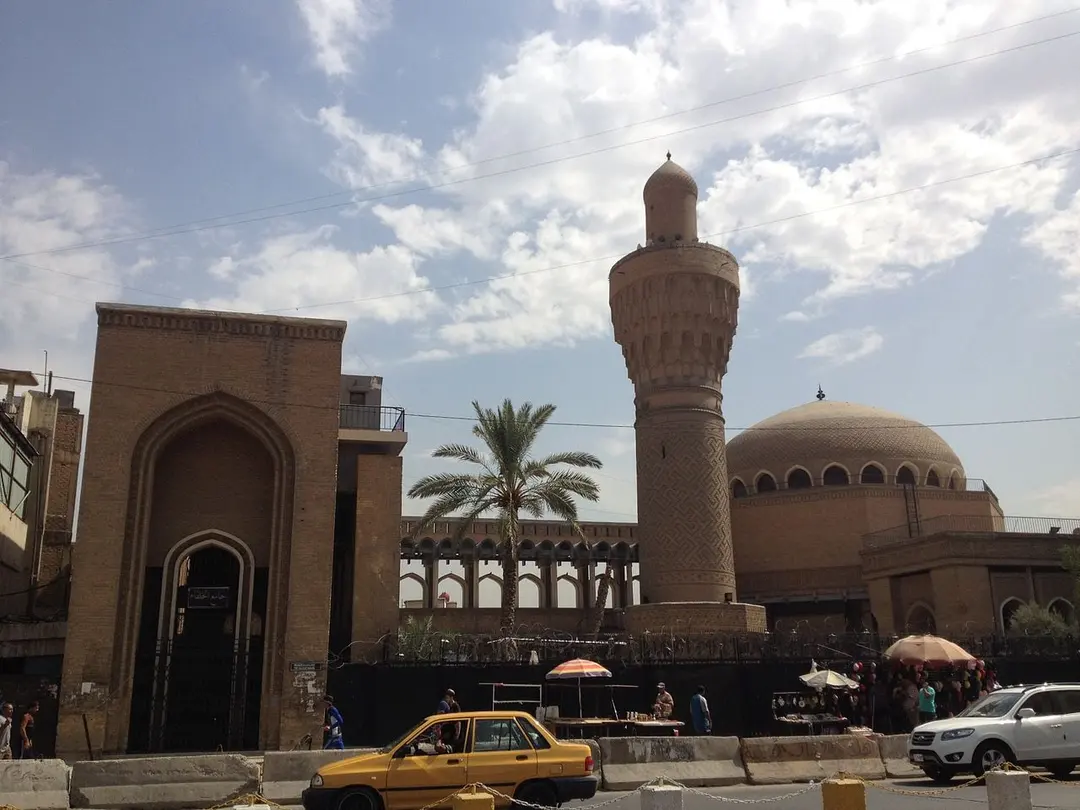
    The Al-Khulafa Mosque is the oldest surviving mosque in Baghdad, first built in 908 CE during the Abbasid era and completely rebuilt in the 1960s. Located in the al-Rusafa district on Jumhuriya Street, it is one of the few built connections to Baghdad's early Islamic history still standing.

  • Al-Sarafiya bridge

    Al-Sarafiya bridge

    Baghdad

    historyknowledge

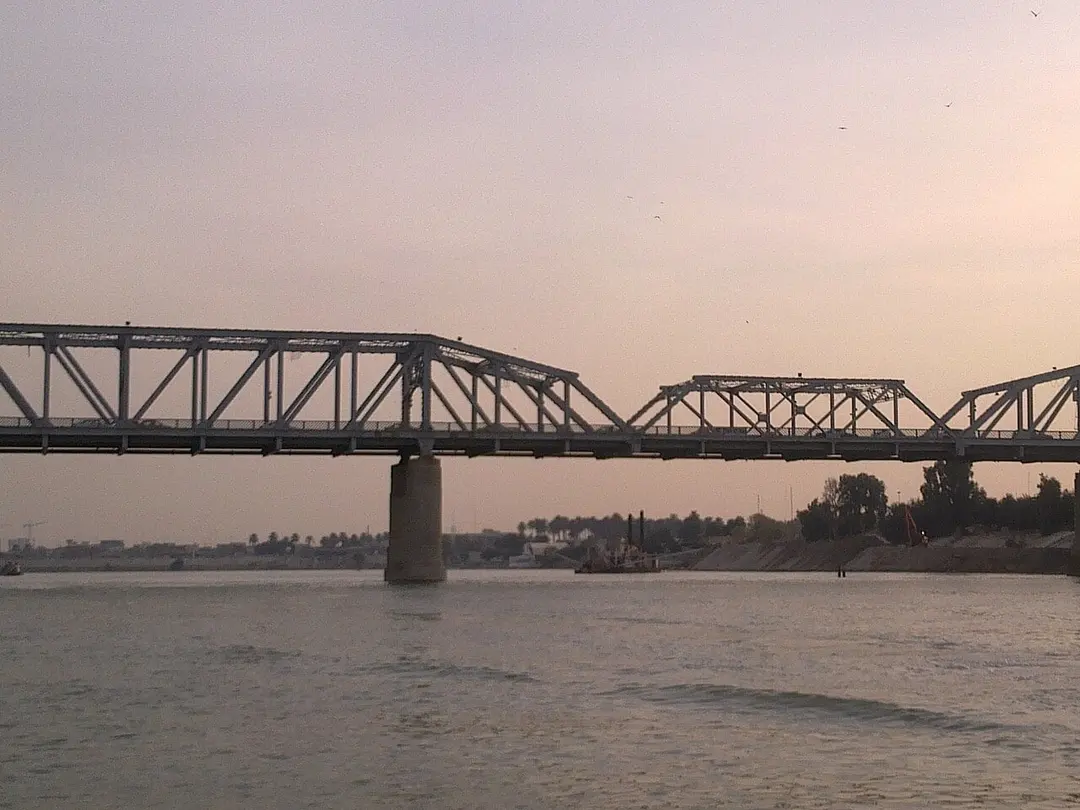
    The As-Sarrafiyah Bridge is a 460-metre span across the Tigris in Baghdad, built by British engineers in 1946 as a combined road and rail bridge and completed in 1951. It connects the Sunni neighbourhood of Waziriyah to the east with the Shia neighbourhood of Utifiyah to the west. In April 2007 a bomb attack partially destroyed it; it was subsequently repaired.

  • Cathedral of Saint Gregory the Illuminator

    Cathedral of Saint Gregory the Illuminator

    Baghdad

    culture

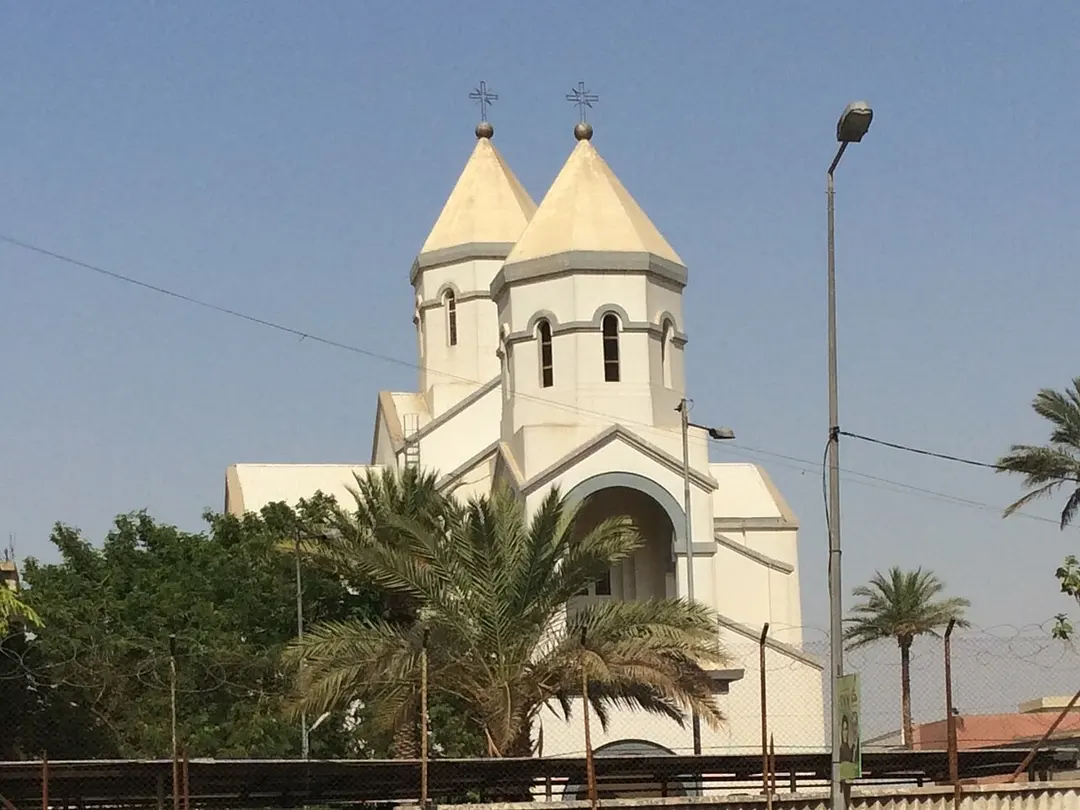
    The Cathedral of Saint Gregory the Illuminator is an Armenian Apostolic church in the heart of Baghdad, consecrated in 1957. It serves as the cathedral of the Armenian Archdiocese of Baghdad, one of the oldest Christian communities in the world that has maintained a presence in Iraq for centuries. Saint Gregory the Illuminator is credited with converting Armenia to Christianity in the 4th century. Located on Tayaran Square in the Bab al-Sharqi district, the church stands as a quiet witness to Armenian history in the Middle East.

  • Firdos Square

    Firdos Square

    Baghdad

    historylocal gemsknowledge

    Firdos Square in central Baghdad is an otherwise ordinary urban space that was thrust into world history by a single event: on 9 April 2003, during the US-led invasion of Iraq, the country's largest statue of Saddam Hussein was toppled here in front of live television cameras. The image of the falling dictator was broadcast worldwide and became the defining symbol of the collapse of the Ba'ath regime. Today the square functions as a normal traffic hub — no statue, no memorial. Its significance rests entirely in that single televised moment, which permanently embedded it in the collective memory of the early 21st century.

Keep exploring

Other themes in Baghdad

architecture in other cities

These places are just the beginning.

Rate places with a swipe — TravelType learns from your tags what you love and curates your own map. Private until you choose to share.

Create your profile