TravelType

history

History in Baghdad

Baghdad, Iraq's capital on the Tigris, holds layers of history spanning thousands of years. The ruins of Ctesiphon and Dur-Kurigalzu point to ancient empires long predating the city itself, while the AlKhulafa Mosque and Sayidat al-Nejat Cathedral reflect its rich religious heritage. The Abu Nuwas Monument honours one of the great poets of the medieval Arab world. More recent chapters unfold at the Al-Shaheed Monument, Firdos Square, Abu Ghraib Prison, and the 14th of July Bridge. Together with the Al-Sarafiya Bridge and Baghdad Tower, these places map a city whose past reaches deep into antiquity.

8 places · Baghdad, Iraq · Editorially curated

  • 14th of July Bridge

    14th of July Bridge

    Baghdad

    architecturenaturelocal gems

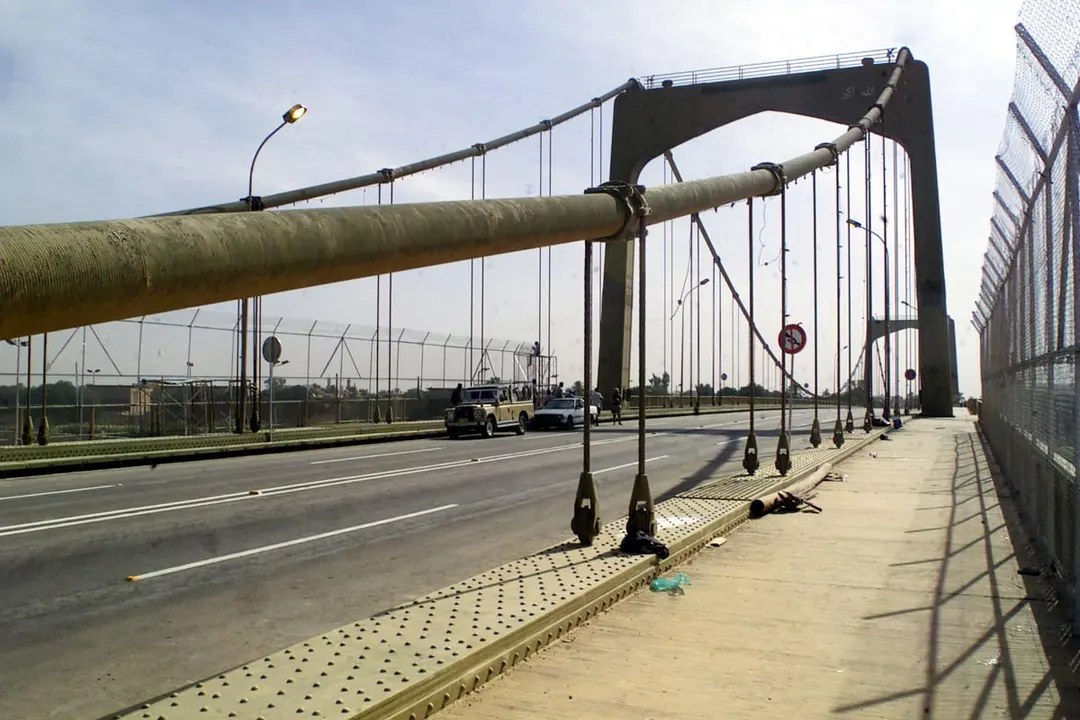
    The 14th of July Bridge spans the Tigris River at the heart of Baghdad, linking the Karch district — once part of the Green Zone — with the Karrada neighbourhood on the river bend. Built in 1961, it takes its name from the date the Iraqi monarchy was overthrown in the July Revolution, a moment that reshaped the country's history. The bridge is one of Baghdad's busiest crossings and stands as a quiet landmark amid the city's ever-changing skyline.
  • Abu Ghraib Prison

    Abu Ghraib Prison

    Baghdad

    knowledge

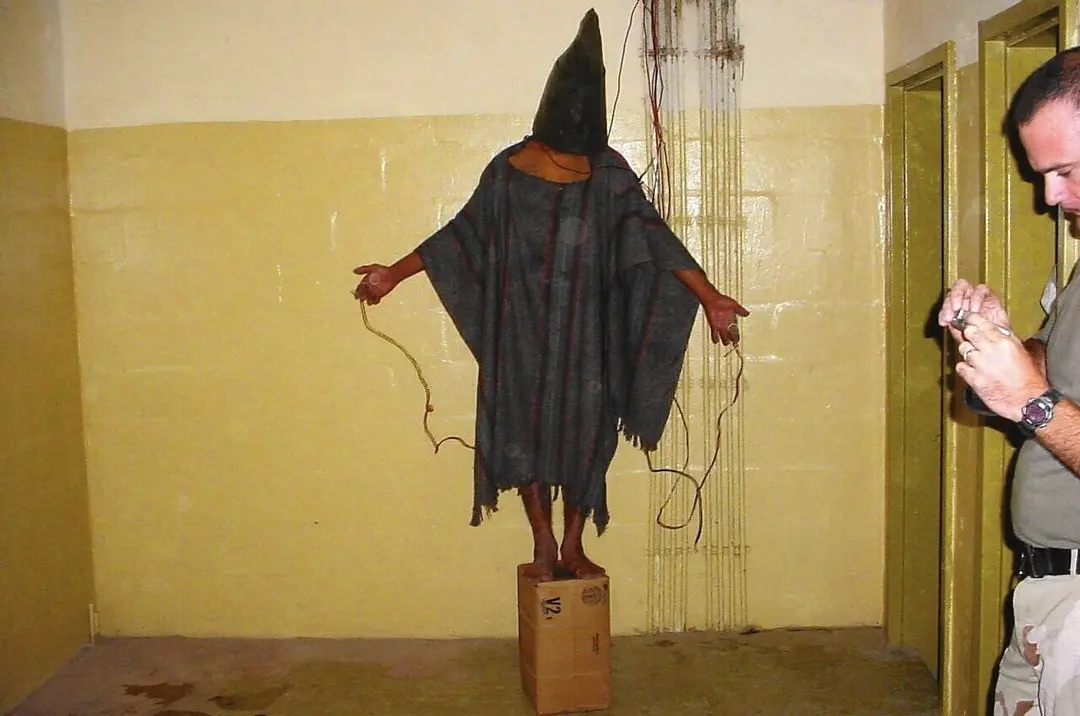
    Abu Ghraib prison in Baghdad became notorious through the 2004 US torture scandal. American soldiers and CIA personnel subjected Iraqi detainees — many of them innocent, as a general later admitted — to physical abuse, sexual humiliation, torture, and in some cases death. CBS News published photographs in April 2004 triggering worldwide condemnation. Whistleblower Joseph Darby had brought the abuses to light. The site stands as one of the defining symbols of war crimes in the 21st century.

  • Abu Nuwas Monument

    Abu Nuwas Monument

    Baghdad

    culture

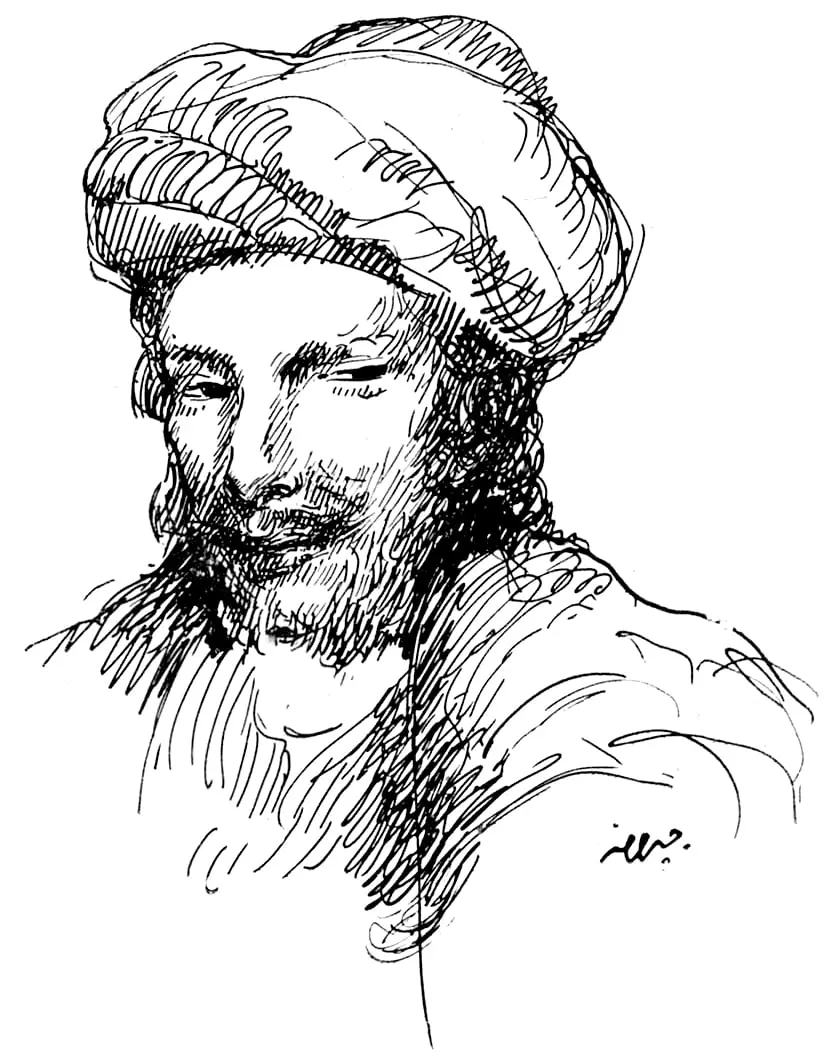
    The Abu Nuwas monument in Baghdad honours one of the greatest poets in Arabic literary history. Abu Nuwas lived in the 8th and 9th centuries and served as court poet to Caliph Harun al-Rashid. He is celebrated as the father of urban Arabic poetry — his verses praised wine, love and the pleasures of city life, a radical departure from the austere Bedouin poetry of his era. His work made its way into One Thousand and One Nights and influenced literary traditions from Arabia to Swahili. The statue stands along the Tigris riverfront, one of Baghdad's main promenades, and is a symbol of the city's deep cultural heritage.

  • AlKhulafa Mosque

    AlKhulafa Mosque

    Baghdad

    architecture

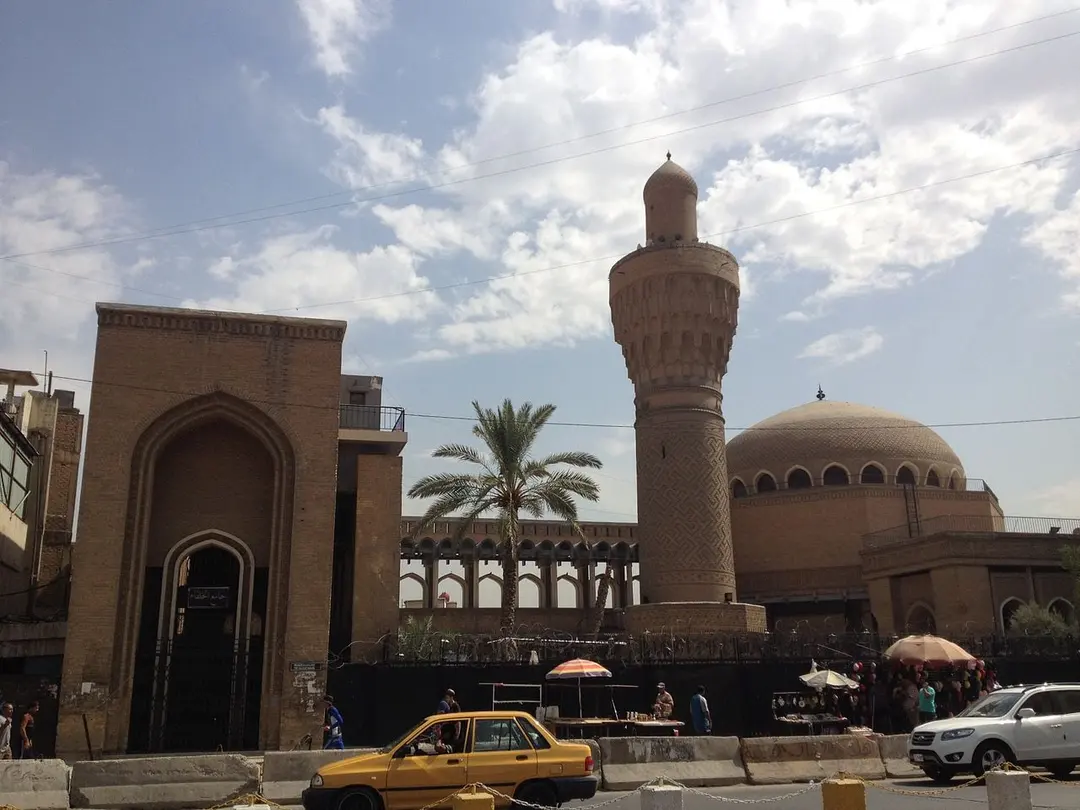
    The Al-Khulafa Mosque is the oldest surviving mosque in Baghdad, first built in 908 CE during the Abbasid era and completely rebuilt in the 1960s. Located in the al-Rusafa district on Jumhuriya Street, it is one of the few built connections to Baghdad's early Islamic history still standing.

  • Al-Sarafiya bridge

    Al-Sarafiya bridge

    Baghdad

    architectureknowledge

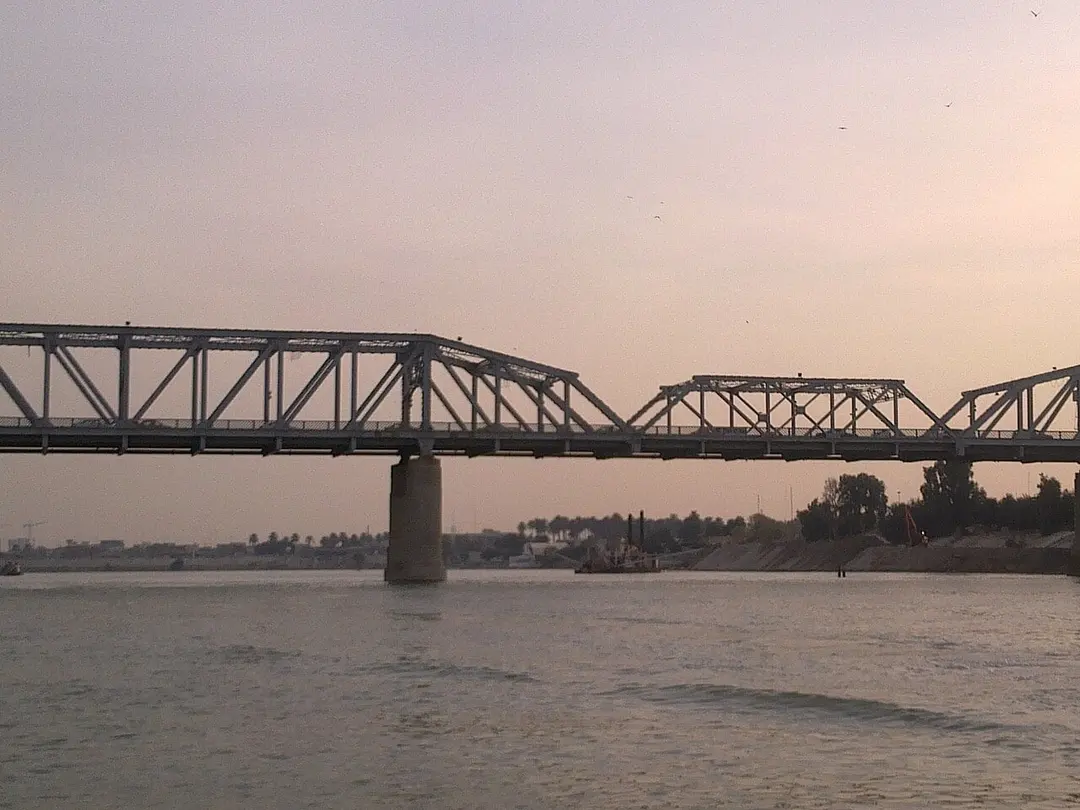
    The As-Sarrafiyah Bridge is a 460-metre span across the Tigris in Baghdad, built by British engineers in 1946 as a combined road and rail bridge and completed in 1951. It connects the Sunni neighbourhood of Waziriyah to the east with the Shia neighbourhood of Utifiyah to the west. In April 2007 a bomb attack partially destroyed it; it was subsequently repaired.

  • Al-Shaheed Monument

    Al-Shaheed Monument

    Baghdad

    cultureknowledge

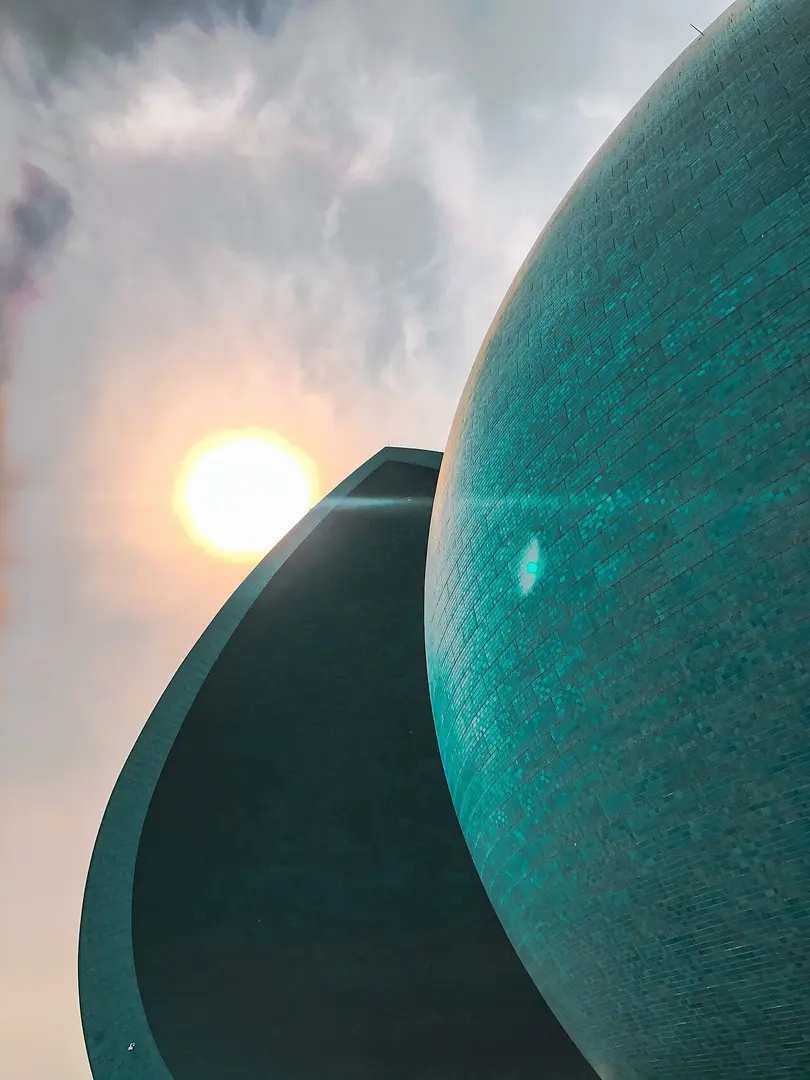
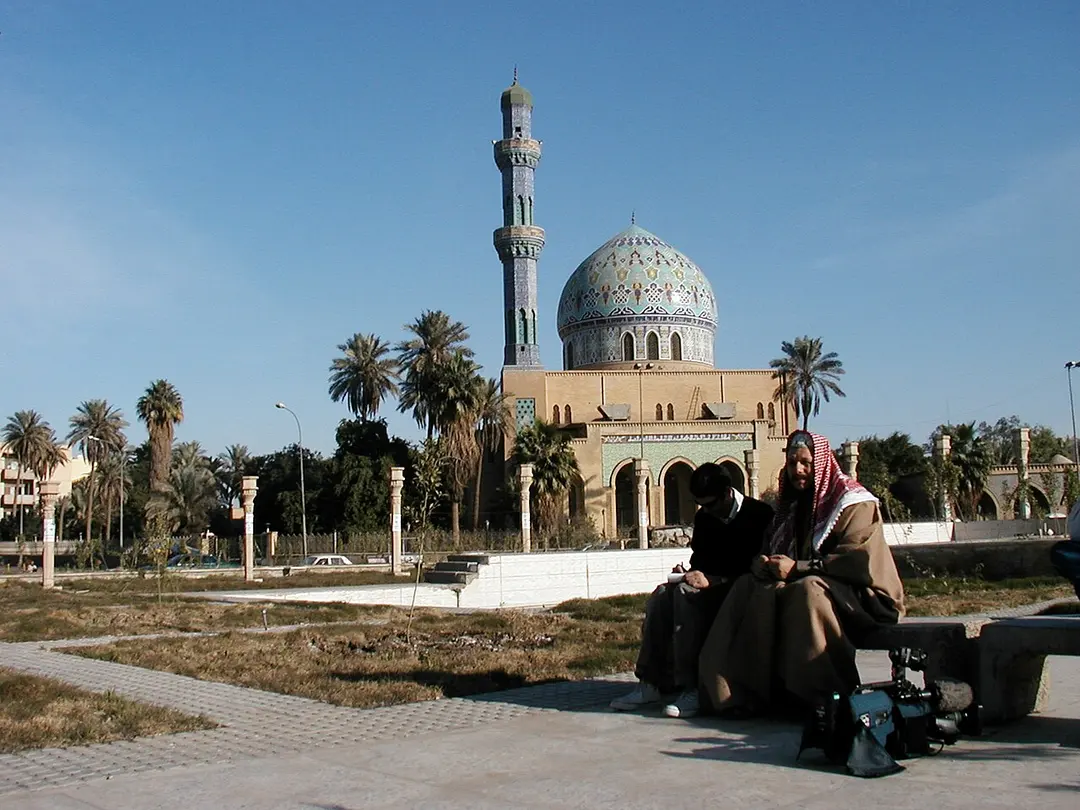
    The Al-Shaheed Monument (Martyr's Memorial) is Baghdad's most striking modern monument, inaugurated in 1983 during the Iran-Iraq War. Designed by Iraqi sculptor Ismail Fatah al-Turk, it consists of a split turquoise dome 40 metres in diameter, symbolising a torn nation, with an underground museum beneath. Originally dedicated to soldiers fallen in the First Gulf War, it is now considered a memorial for all Iraqi martyrs.

  • Dur-Kurigalzu

    Dur-Kurigalzu

    Baghdad

    cultureknowledgemystery

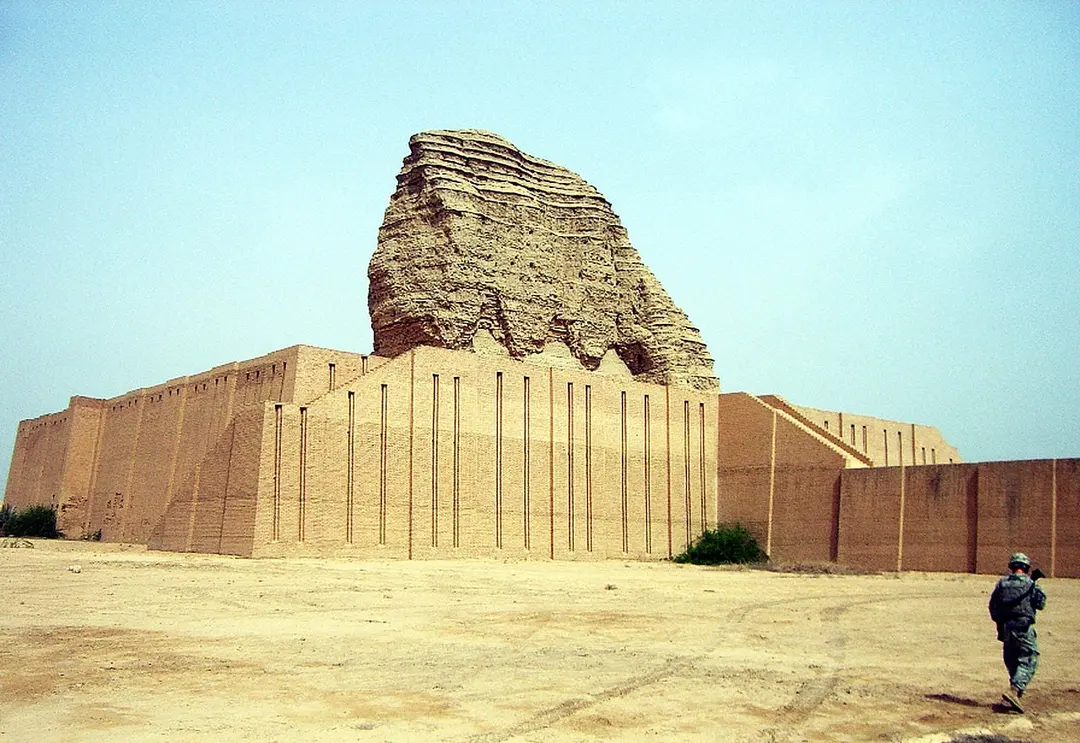
    Aqarquf, 30km west of Baghdad, is the site of ancient Dur-Kurigalzu, the capital of the Kassite kings of Babylonia. Founded by Kurigalzu I in the mid-2nd millennium BCE, the city was a major political and religious centre. Its 57-metre ziggurat temple tower remains visible today and is one of the most impressive surviving remnants of Kassite civilization.

  • Firdos Square

    Firdos Square

    Baghdad

    architecturelocal gemsknowledge

    Firdos Square in central Baghdad is an otherwise ordinary urban space that was thrust into world history by a single event: on 9 April 2003, during the US-led invasion of Iraq, the country's largest statue of Saddam Hussein was toppled here in front of live television cameras. The image of the falling dictator was broadcast worldwide and became the defining symbol of the collapse of the Ba'ath regime. Today the square functions as a normal traffic hub — no statue, no memorial. Its significance rests entirely in that single televised moment, which permanently embedded it in the collective memory of the early 21st century.

Keep exploring

These places are just the beginning.

Rate places with a swipe — TravelType learns from your tags what you love and curates your own map. Private until you choose to share.

Create your profile