TravelType

architecture

Architecture in Baku

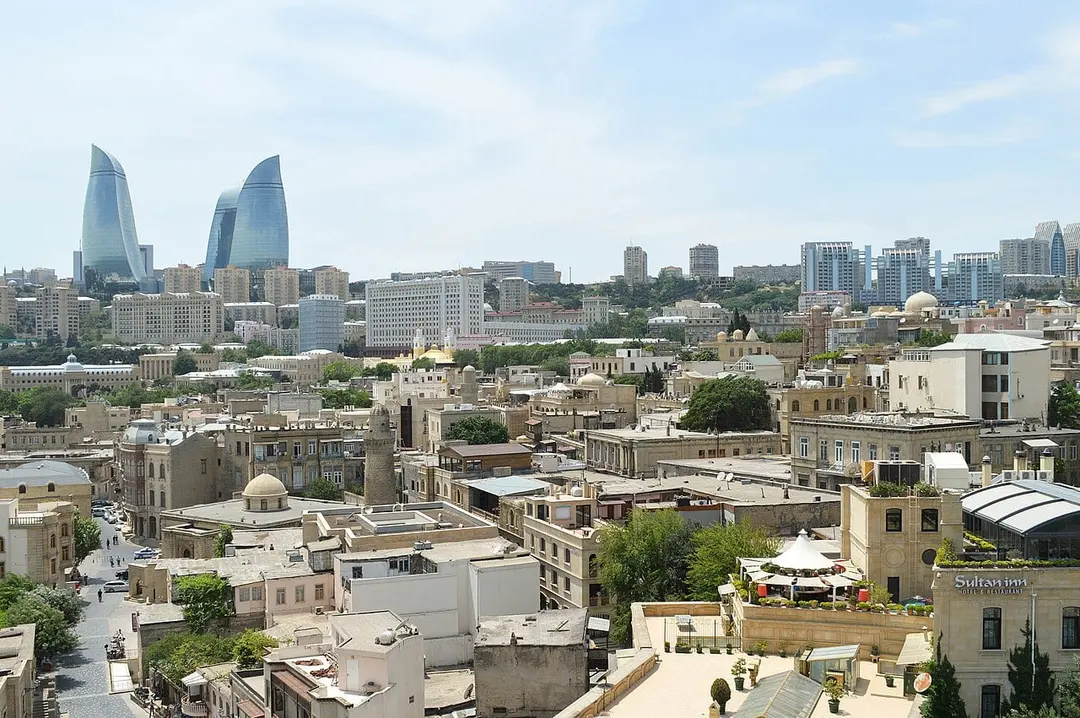
Baku's architecture spans a wide range of eras and styles. The Azerbaijan State Academic Opera and Ballet Theater represents neoclassical grandeur, while the glass-clad Flame Towers define the contemporary skyline. The Bibi-Heybat Mosque and the Church of the Saviour reflect the city's religious diversity in built form. The Baku TV Tower rises visibly above the surrounding districts, and large-scale civic projects such as the Baku Olympic Stadium and Bakcell Arena mark the city's recent urban ambitions. The Empress Alexandra Russian Muslim Boarding School for Girls, Baku railway station, Bayil Stadium, and the Fuzuli statue add further layers to this architecturally varied capital.

14 places · Baku, Azerbaijan · Editorially curated

  • Azerbaijan State Academic Opera and Ballet Theater

    Azerbaijan State Academic Opera and Ballet Theater

    Baku

    culturelocal gems

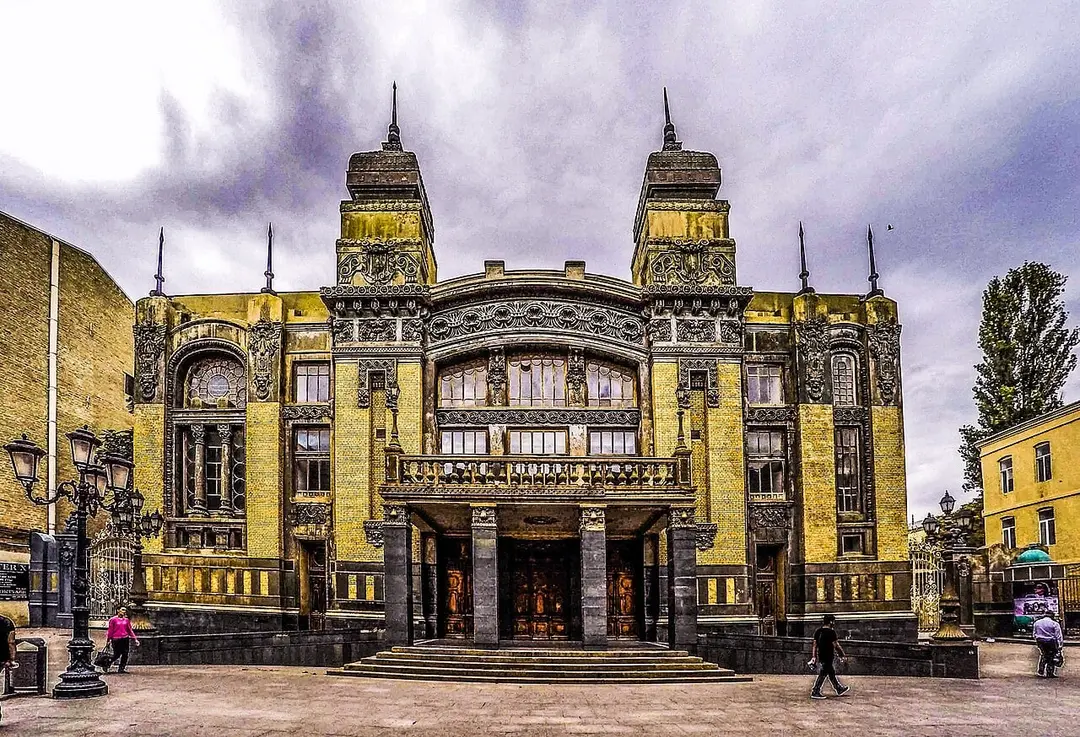
    Baku's Opera and Ballet Theatre (named after poet Mirza Fatali Akhundov) is Azerbaijan's most significant cultural institution, founded in 1920. The Neo-Renaissance building was designed by Polish architects and anchors the cultural heart of Baku's city centre. The theatre performs both Azerbaijani repertoire and classical European opera and ballet.
  • Bakcell Arena

    Bakcell Arena

    Baku

    cultureoutdoor activitiesfamily outings

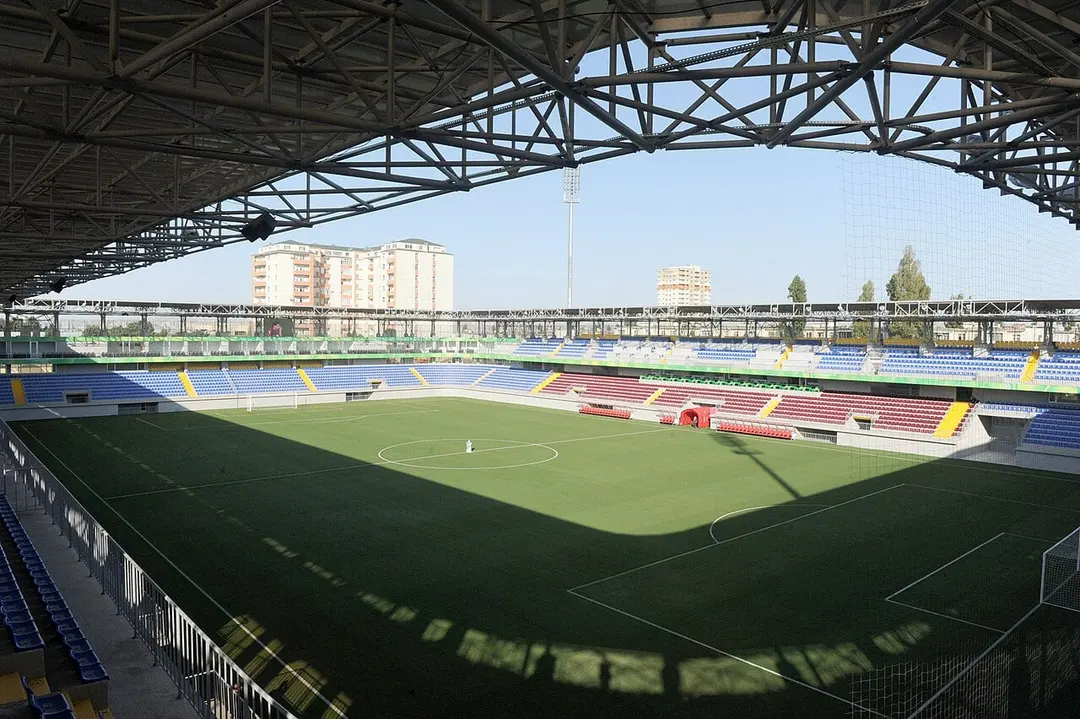
    The Bakcell Arena, also known as the Neftchi Arena or 8 km Stadium, is a 2012-built football ground in western Baku with a capacity of around 11,000 seats. It is the home of Neftchi Baku PFK, one of Azerbaijan's most storied clubs. The stadium was purpose-built for youth football on the international stage, hosting both the 2012 FIFA U-17 Women's World Cup and the 2016 UEFA European Under-17 Championship. Its compact size gives it an intimate, atmospheric feel on matchdays – a contrast to the vast Baku Olympic Stadium nearby.

  • Baku Olympic Stadium

    Baku Olympic Stadium

    Baku

    culturehistoryoutdoor activities

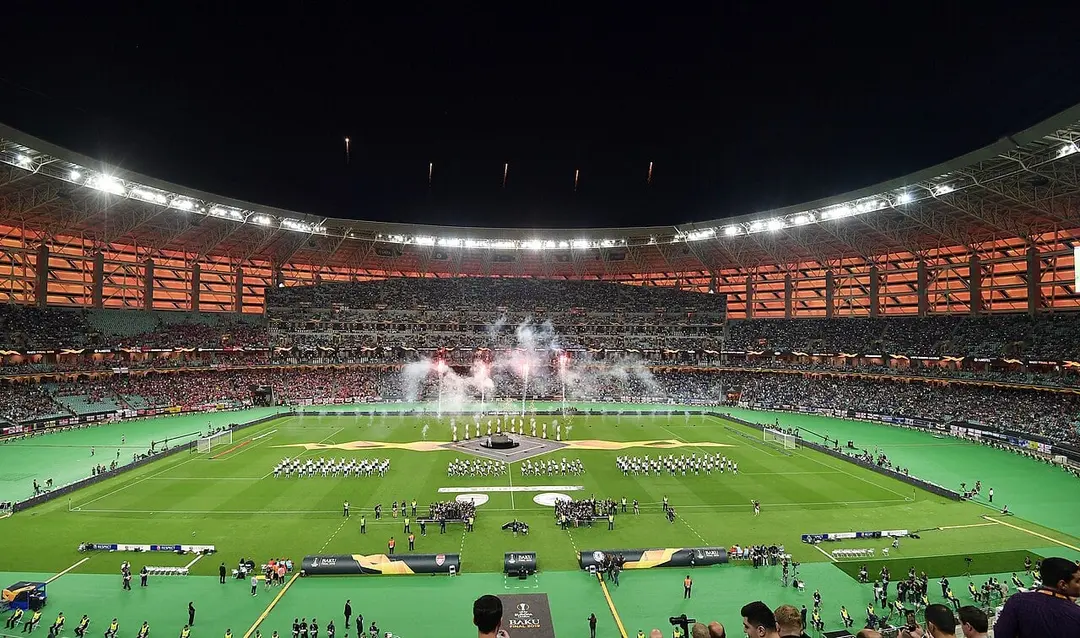
    The Baku Olympic Stadium, completed in 2015, is Azerbaijan's largest sports venue with a capacity of 68,000. It replaced the historic Tofiq Bahramov Stadium as the home of the national football team and made its international debut as the centrepiece of the inaugural European Games 2015, signalling Baku's ambition as a major event destination. Since then it has hosted a UEFA Europa League final and serves as a backdrop to the Formula 1 Azerbaijan Grand Prix festivities. Its sweeping illuminated facade is one of the most visually striking landmarks along Baku's renovated seafront boulevard.

  • Baku railway station

    Baku railway station

    Baku

    culturehistoryoutdoor activities+1

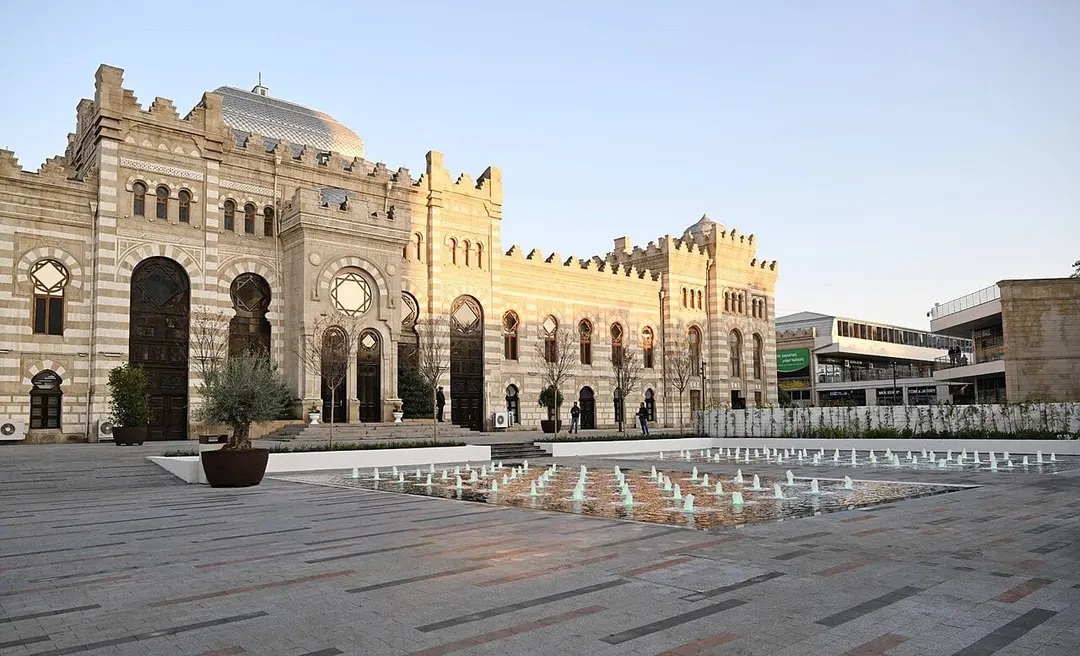
    Baku's central railway station is the city's main gateway for rail travellers, and its architecture tells the story of Soviet urban ambition: grand arches, vast waiting halls and a facade designed to project authority. The station handles long-distance services to destinations across Azerbaijan as well as international routes to Tbilisi and Moscow. It also anchors the suburban ring railway connecting Baku with the industrial city of Sumqayıt. Arriving here by train offers an immediate sense of the Soviet-era neighbourhood that surrounds the building, a striking contrast to the glassy modernity of downtown Baku.

  • Baku TV Tower

    Baku TV Tower

    Baku

    culturegreat views

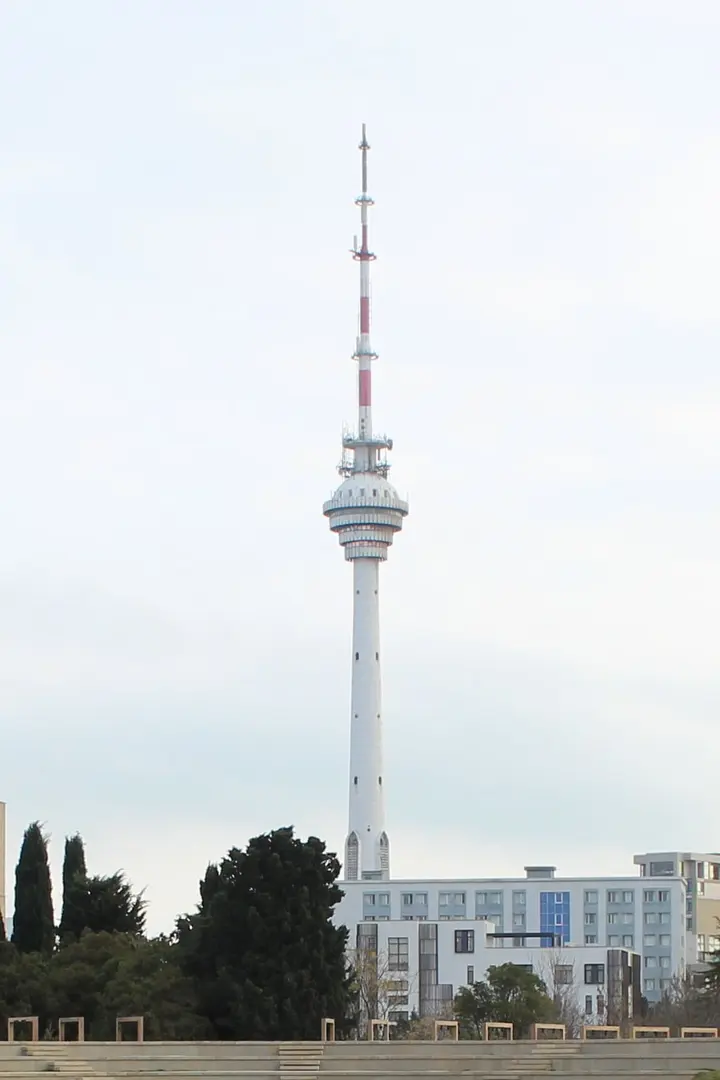
    At 310 metres, the Baku TV Tower is one of the most distinctive structures in the Azerbaijani capital and is considered the city's landmark and most important visual reference point. Completed in 1996, the reinforced concrete tower features an observation deck at 175 metres and a revolving restaurant that opened in 2008 — a place with panoramic views over the Caspian Sea bay and Baku's densely settled old town. Frequently used as an establishing shot in film and television productions about Azerbaijan, the tower is an inseparable part of Baku's skyline. It combines function and symbol: broadcasting technology at the top, and a dining experience with unobstructed views over the Caspian Sea at the bottom.

  • Bayil Stadium

    Bayil Stadium

    Baku

    outdoor activities

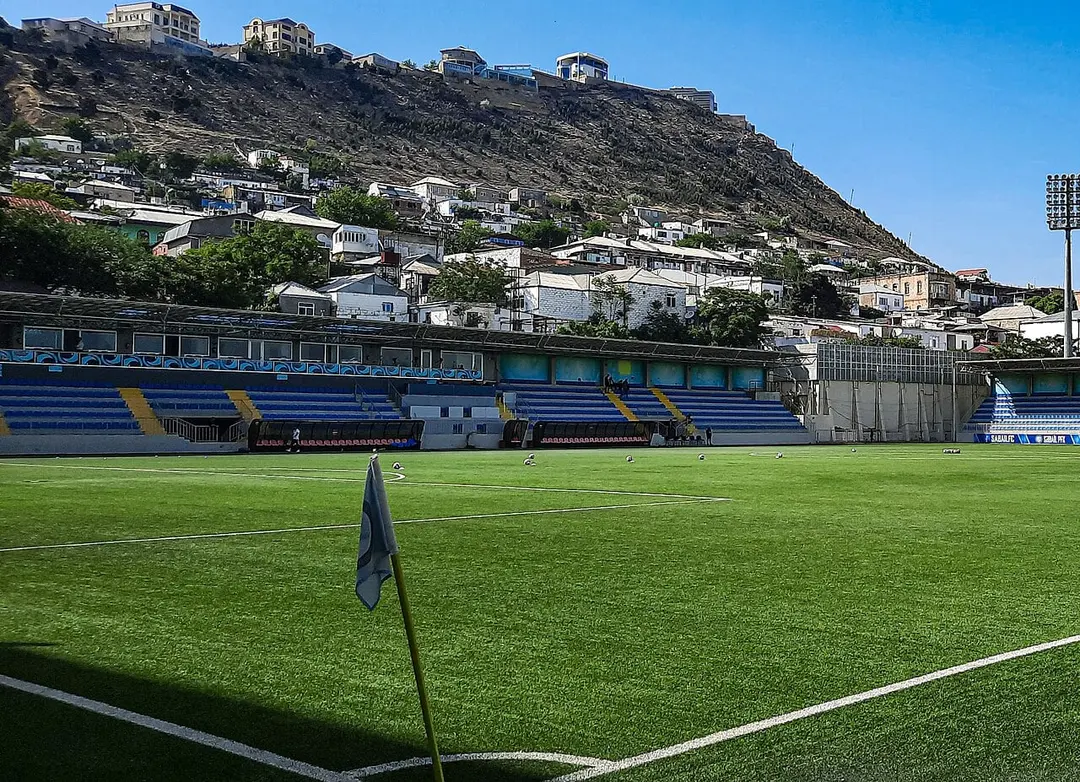
    The Bayil Stadium, also known as ASCO Arena, is located in the coastal district of Bayıl in Baku, the capital of Azerbaijan. Opened in 2012, it is owned by the Azerbaijan Football Federations (AFFA) and serves as a venue for national association football matches. The modern facility provides infrastructure for Azerbaijani club football and sits close to the Caspian Sea near Baku's historic Old City, giving it a distinctive geographic setting.

  • Bibi-Heybat Mosque

    Bibi-Heybat Mosque

    Baku

    culturenaturehistory

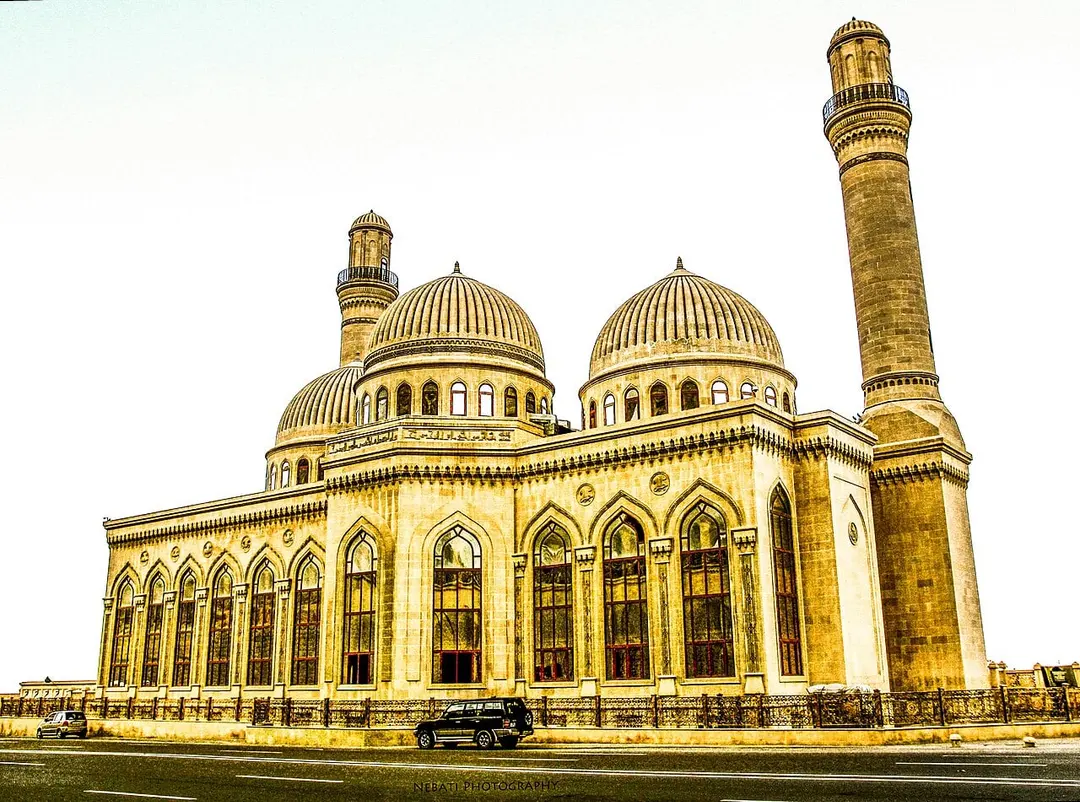
    On the shores of the Caspian Sea at the edge of Baku stands the Bibi-Heybat Mosque, one of the most important Shia pilgrimage sites in the South Caucasus. Originally built in 1281 under the Shirvanshah dynasty, it was named after the sister of the eighth Shia Imam ʿAlī ibn Mūsā ar-Ridā. Its history mirrors the turbulence of the 20th century: demolished by Soviet authorities in 1936, its site was paved over for decades. Following Azerbaijani independence, it was faithfully reconstructed in the 1990s. Today it functions as a living place of worship and a national symbol of religious renewal.

  • Church of the Saviour

    Church of the Saviour

    Baku

    culturehistory

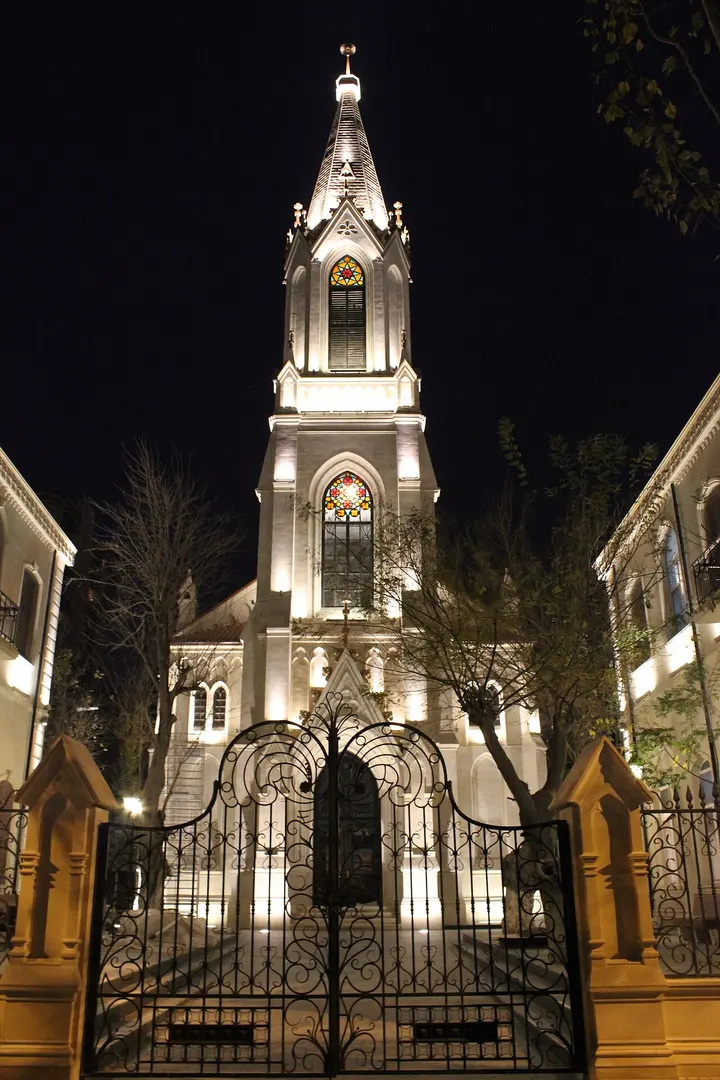
    The Church of the Saviour in Baku is a quiet witness to German history in the Caucasus. In the late 19th century a significant community of Caucasus Germans — descendants of settlers who had come to the Russian Empire under Tsar Alexander I — lived in Baku. They built this Lutheran church with donations from their community, with the businessman Adolf Eichler playing a leading role. It was consecrated on 14 March 1899. The historicist building features a slender tower and a plain but dignified facade. After the Soviet takeover the congregation was dissolved and the building put to other uses. Today it serves as a concert hall of the Azerbaijani Ministry of Culture and occasionally hosts classical concerts — an unusual afterlife for a house of worship.

  • Equestrian Statue Xirdalan

    Equestrian Statue Xirdalan

    Baku

    culturelocal gems

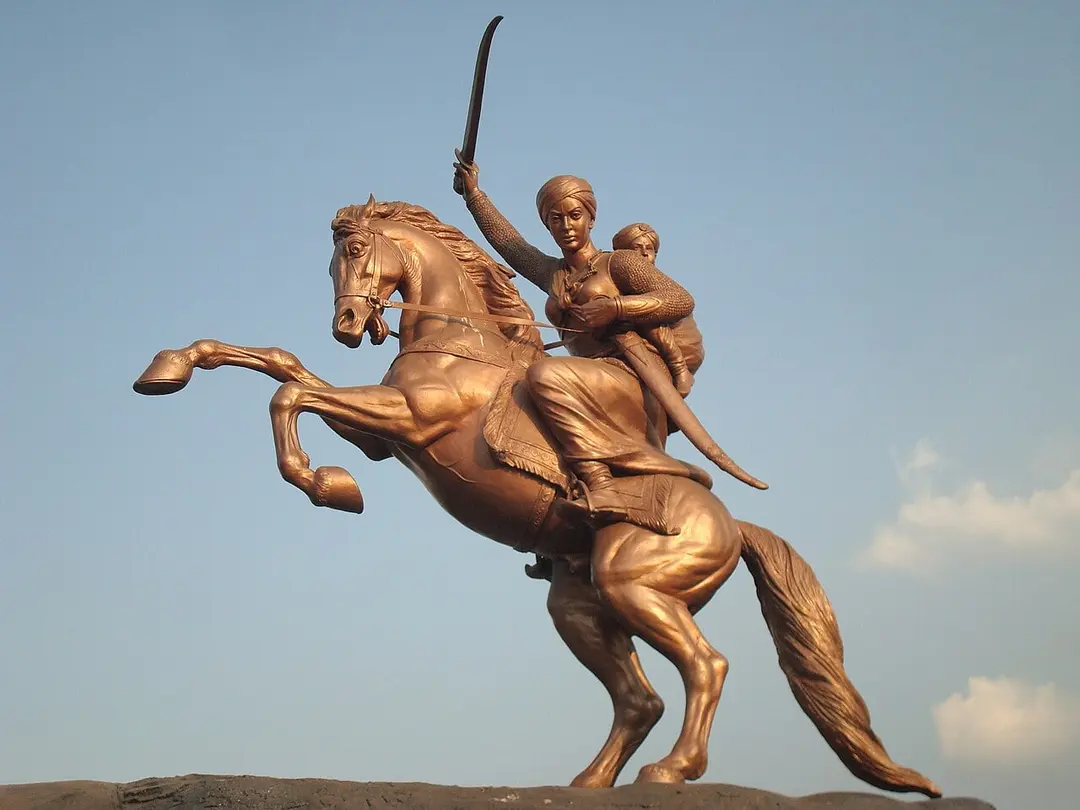
    Equestrian statue in Khirdalan, a settlement near Baku, Azerbaijan. Equestrian monuments are a classical form of public commemoration for historical leaders and military commanders.

  • Flame Towers

    Flame Towers

    Baku

    family outingslocal gemsgreat views

    The Flame Towers are the defining symbol of Baku's modern skyline and one of the most striking high-rise projects of the 21st century. The three-part complex was built between 2007 and 2013, reaching up to 182 metres above the Caspian Strip and the historic Old City. After dark, the flame-shaped glass and LED facade comes alive with spectacular light shows that transform the towers into billowing fire — a deliberate tribute to Azerbaijan's identity as the Land of Fire. Inside are a luxury hotel, apartments, and office space. The towers are most dramatically viewed from the Old City ramparts or the Caspian waterfront promenade.

  • George Enescu

    George Enescu

    Baku

    culture

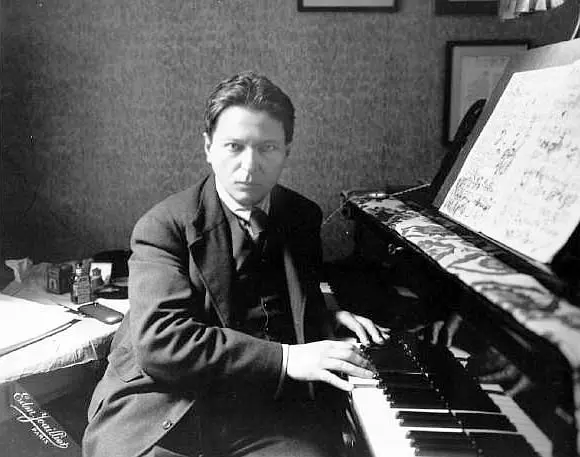
    George Enescu was one of the most important Romanian composers, violinists, and conductors of the 20th century. Born in 1881 in Moldavia, he came to prominence early as a child prodigy in Paris and later became a celebrated teacher — most famously to Yehudi Menuhin. His compositions blend Romanian folk music with late Romantic harmonics, most memorably in his Romanian Rhapsody No. 1 and the opera Oedipe. The monument to Enescu in Baku is striking in its context — a tribute to a Romanian cultural figure in Azerbaijan — and speaks to the broader cultural exchange between Southeastern Europe and the South Caucasus. A quiet, meaningful stop for lovers of classical music.

  • Palace of the Shirvanshahs

    Palace of the Shirvanshahs

    Baku

    culturehistorylocal gems

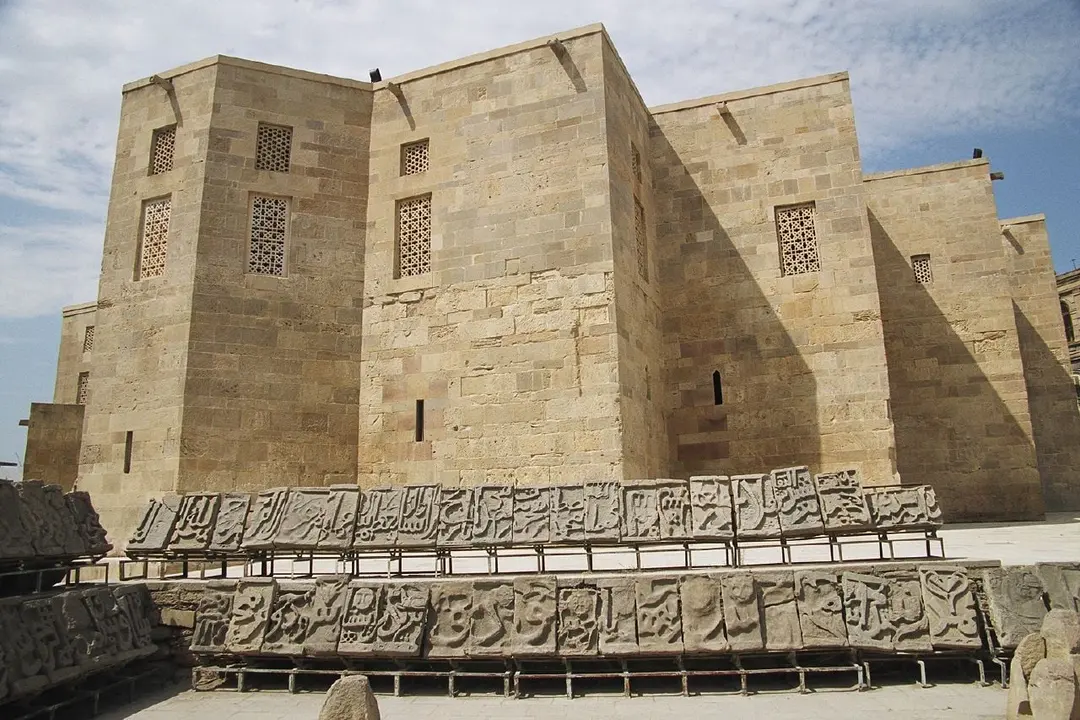
    The Palace of the Shirvanshahs is Azerbaijan's most outstanding architectural monument, described by UNESCO as "one of the pearls of Azerbaijan's architecture." Built in the 15th century, the complex sits on a hill within the walled old city of Baku and comprises multiple buildings: the main palace, the Divanhane (an open audience loggia), the Shah's mosque, mausoleums, a bathhouse, and a water reservoir. Together with the Maiden Tower, it forms the UNESCO World Heritage ensemble of the Historic Centre of Baku. Today it is the country's most visited historic monument.

  • Ramana Tower

    Ramana Tower

    Baku

    culturenaturehistory+1

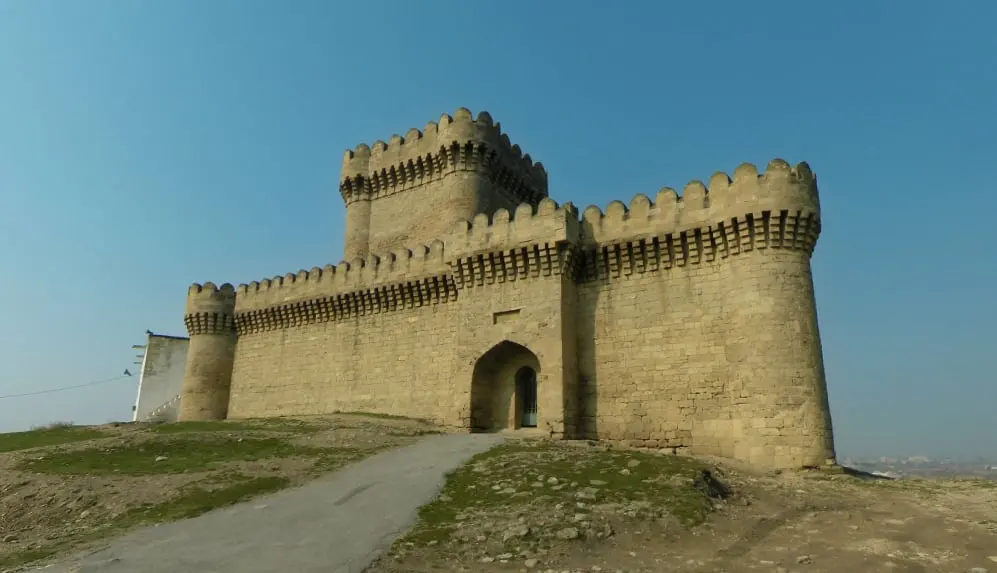
    Ramana Castle is a medieval fortress ruin in the village of Ramana on the Absheron Peninsula, today part of greater Baku. Dating to the 14th and 15th centuries, this hilltop fortress formed part of a defensive ring protecting the strategically vital Caspian peninsula. Registered by Azerbaijan's Ministry of Culture as a monument of world significance, it has been on the UNESCO World Heritage Tentative List since 2001 as part of the "Defensive Structures of the Caspian Sea." From the surviving walls, broad views stretch across the stark landscape of the peninsula — a striking image of transience and history.

  • Sheikh Ibrahim Mosque

    Sheikh Ibrahim Mosque

    Baku

    history

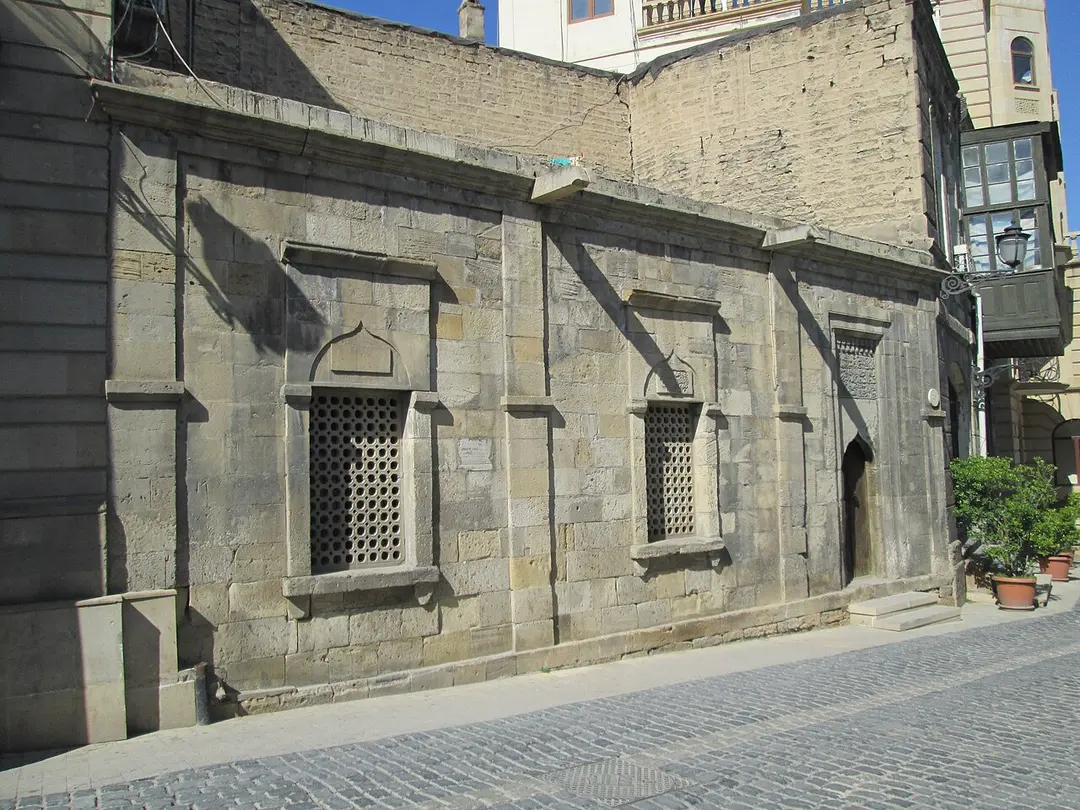
    The Sheikh Ibrahim Mosque in Baku's ancient walled city İçəri Şəhər was built between 1415 and 1416, making it one of the oldest surviving mosques in Azerbaijan. It was commissioned by Haji Amirshah ibn Yagub during the reign of Shirvanshah I Ibrahim, after whom the mosque is named. The dedicatory inscription on the facade is a rare authentic document of early Islamic architecture in this region. Located on Asaf Zeynalli Street within the UNESCO World Heritage İçəri Şəhər, the mosque remains an active place of worship nestled in Baku's living medieval urban fabric.

Keep exploring

These places are just the beginning.

Rate places with a swipe — TravelType learns from your tags what you love and curates your own map. Private until you choose to share.

Create your profile