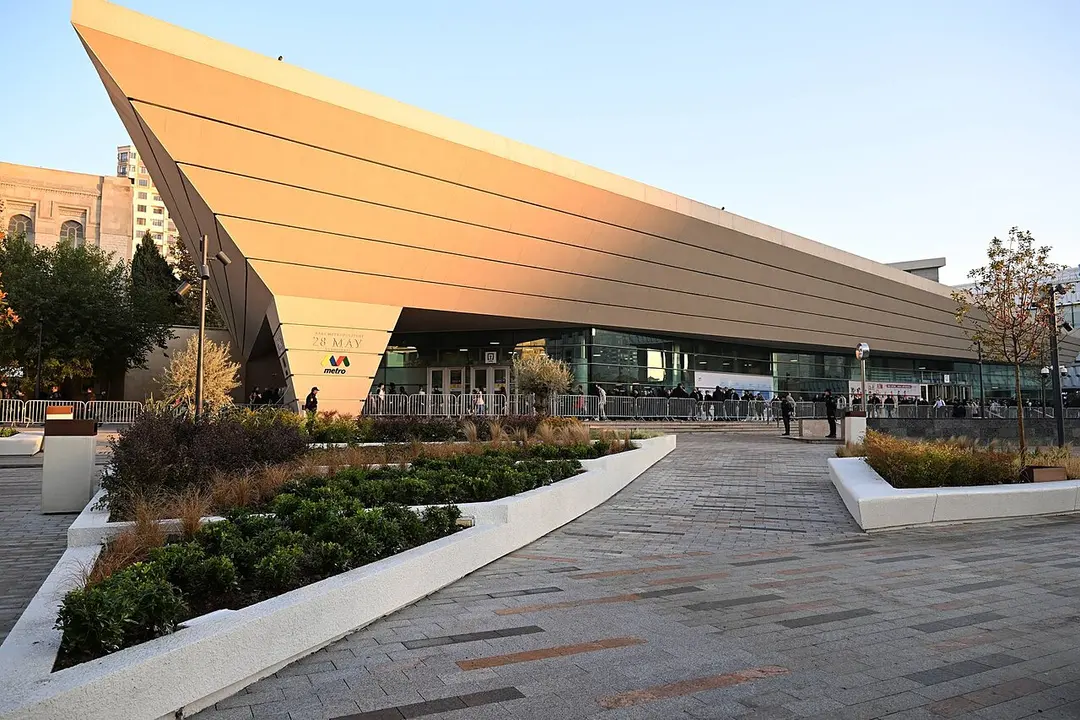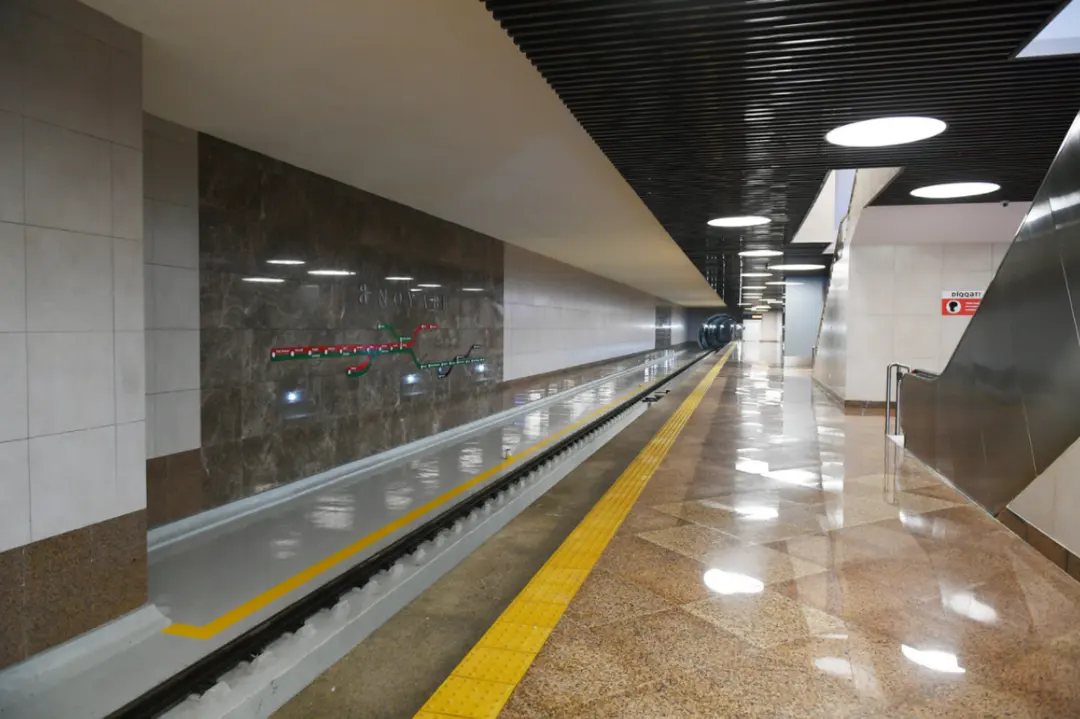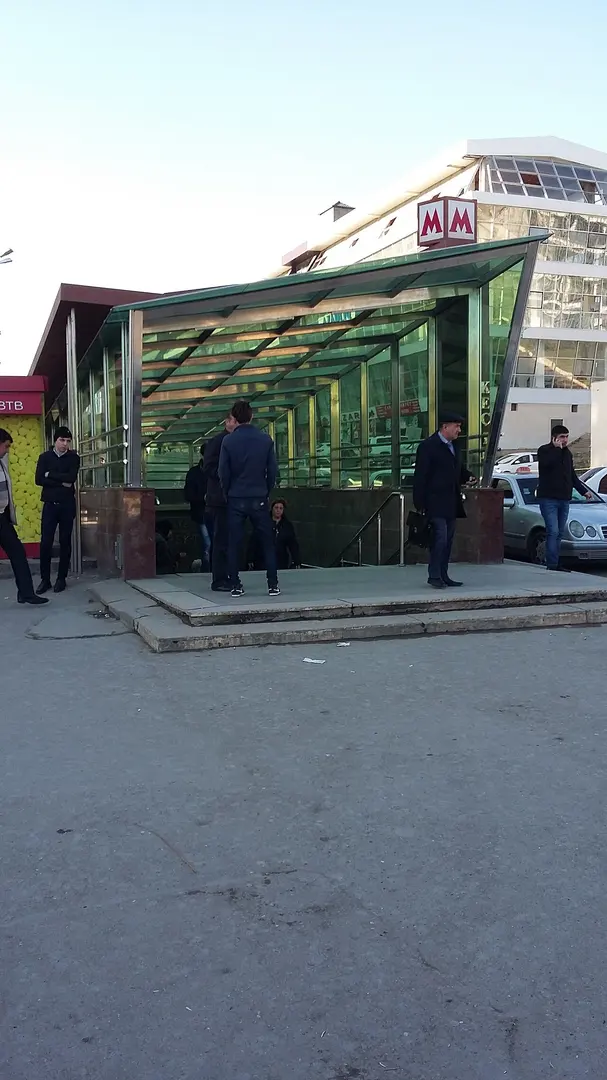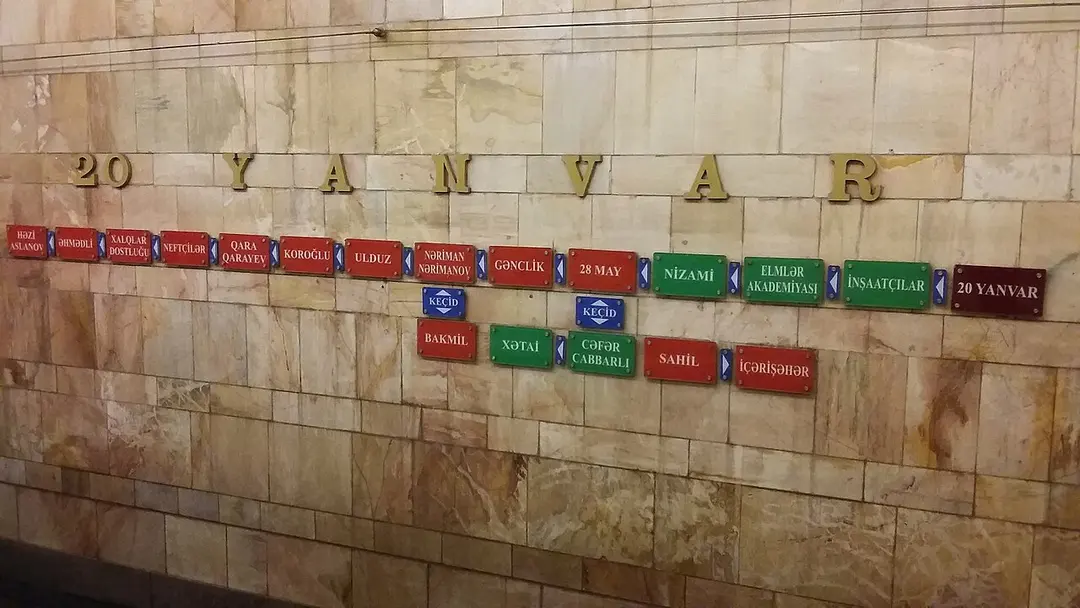
20 Yanvar st.
Baku
history
local gems
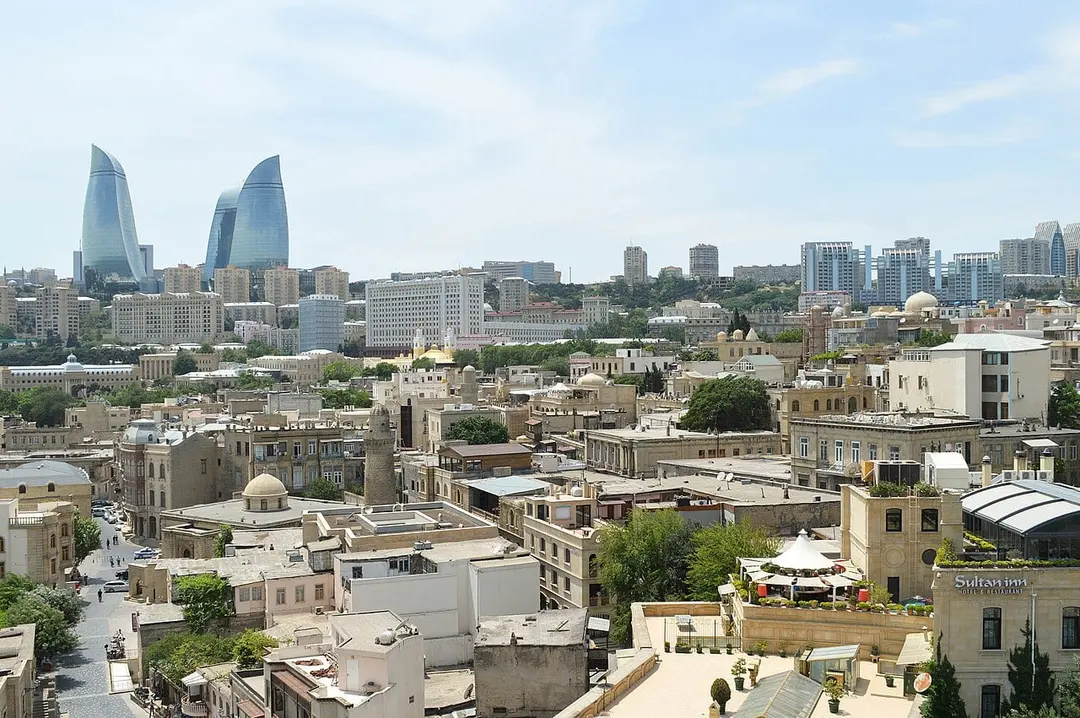
Baku, Azerbaijan's capital on the Caspian Sea, rewards those who look beyond the obvious. The Ateshgah of Baku — a historic fire temple on the city's outskirts — and the Azerbaijan Railway Museum offer glimpses into layers of local history that many visitors pass by. For the arts, the International Mugham Center of Azerbaijan sits alongside the State Academic Opera and Ballet Theater, the State Russian Drama Theatre, and the Theatre of Musical Comedy. Baku Boulevard provides a calm waterfront stretch, while the Flame Towers and the House of Government frame the city's evolving skyline from a distance.
19 places · Baku, Azerbaijan · Editorially curated
Baku
Baku
Baku
Baku
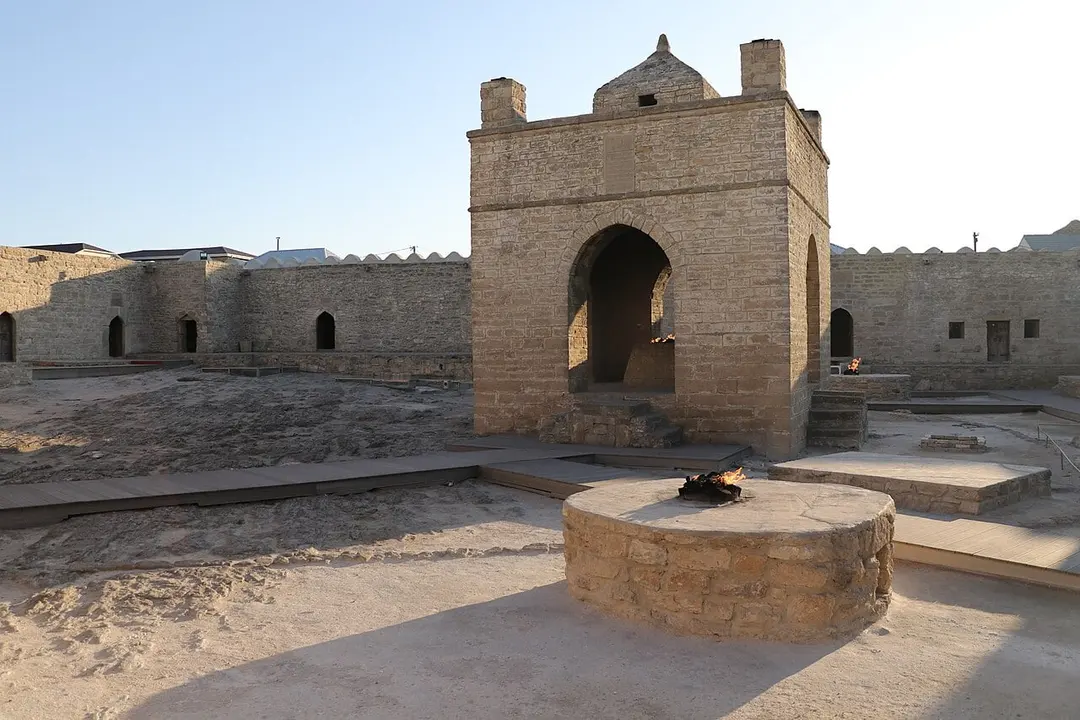
The Ateshgah (House of Fire) in Surakhany near Baku is a former fire temple where Hindu, Zoroastrian, and Sikh pilgrims performed rituals until the 19th century. Built in the 17th and 18th centuries around an eternally burning natural gas flame, it was an important pilgrimage site for Indian merchants active on the Silk Road. When oil fields nearby were opened in 1883, falling gas pressure extinguished the flame. Currently a UNESCO World Heritage candidate.
Baku
Baku
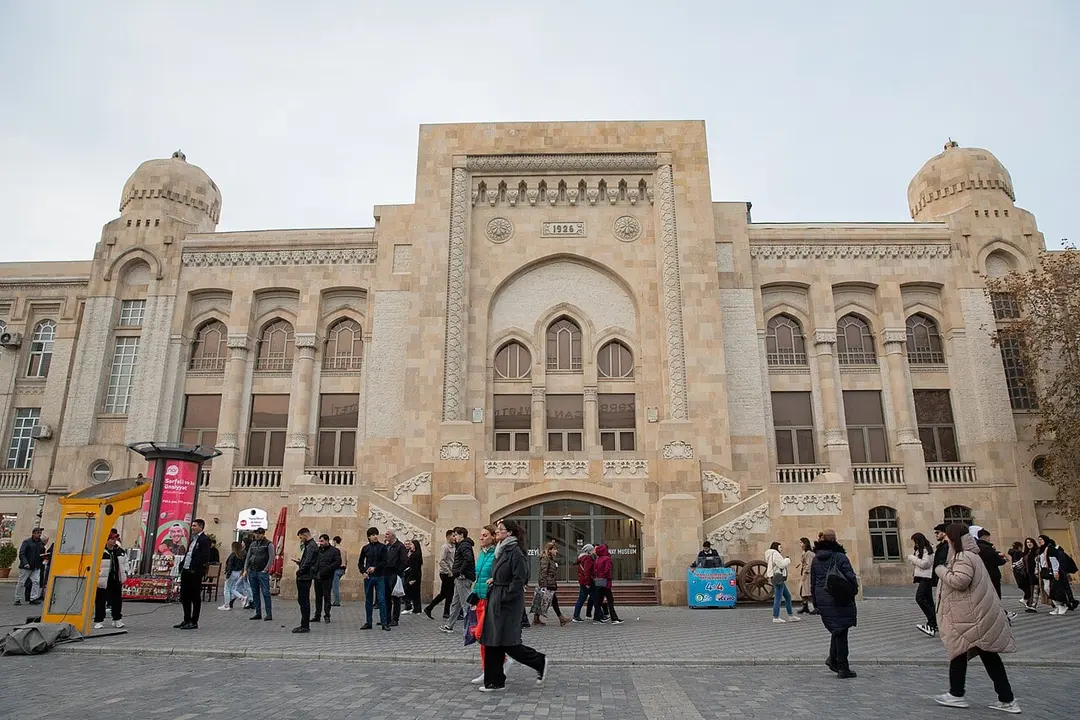
The Azerbaijan Railway Museum in Baku, opened in 2019 by the state railway Azərbaycan Dəmir Yolları, presents the history of railways in Azerbaijan from Tsarist beginnings to the present. Locomotives, carriages, and historical equipment displayed indoors and in the open air.
Baku
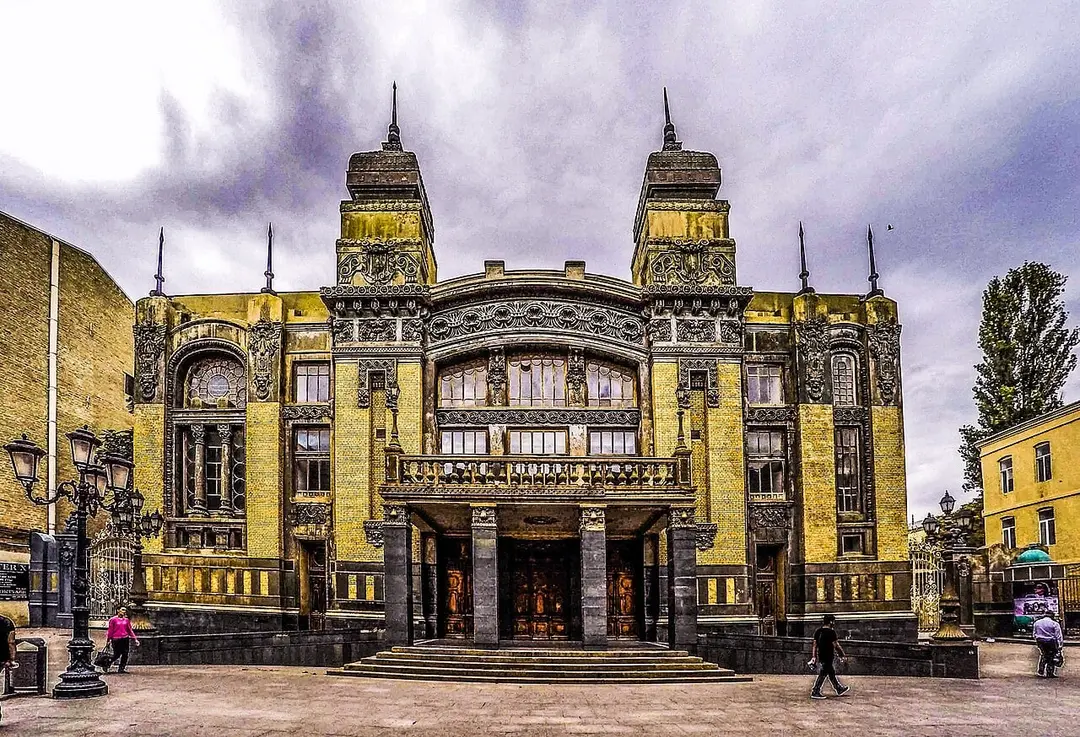
Baku's Opera and Ballet Theatre (named after poet Mirza Fatali Akhundov) is Azerbaijan's most significant cultural institution, founded in 1920. The Neo-Renaissance building was designed by Polish architects and anchors the cultural heart of Baku's city centre. The theatre performs both Azerbaijani repertoire and classical European opera and ballet.
Baku
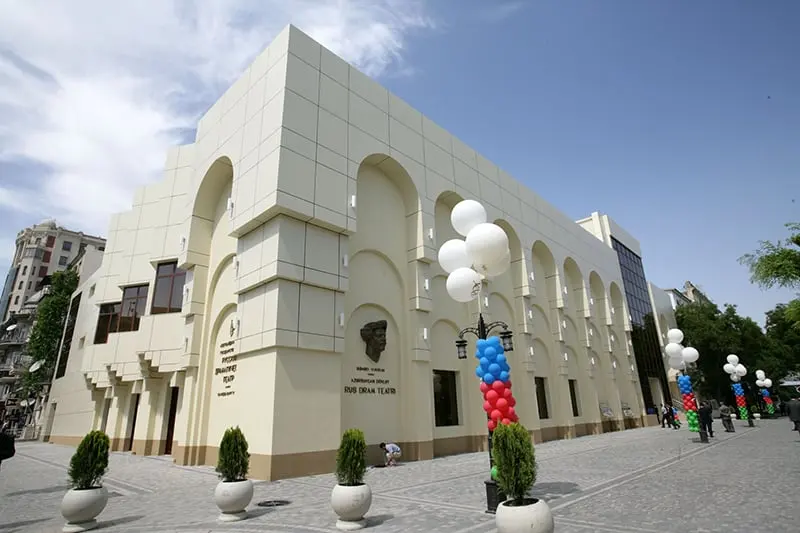
The Samed Vurgun Russian Drama Theatre in Baku is one of Azerbaijan's most significant playhouses, performing exclusively in Russian since its founding in 1920. The repertoire spans classical Russian drama and contemporary productions for Baku's Russian-speaking community.
Baku
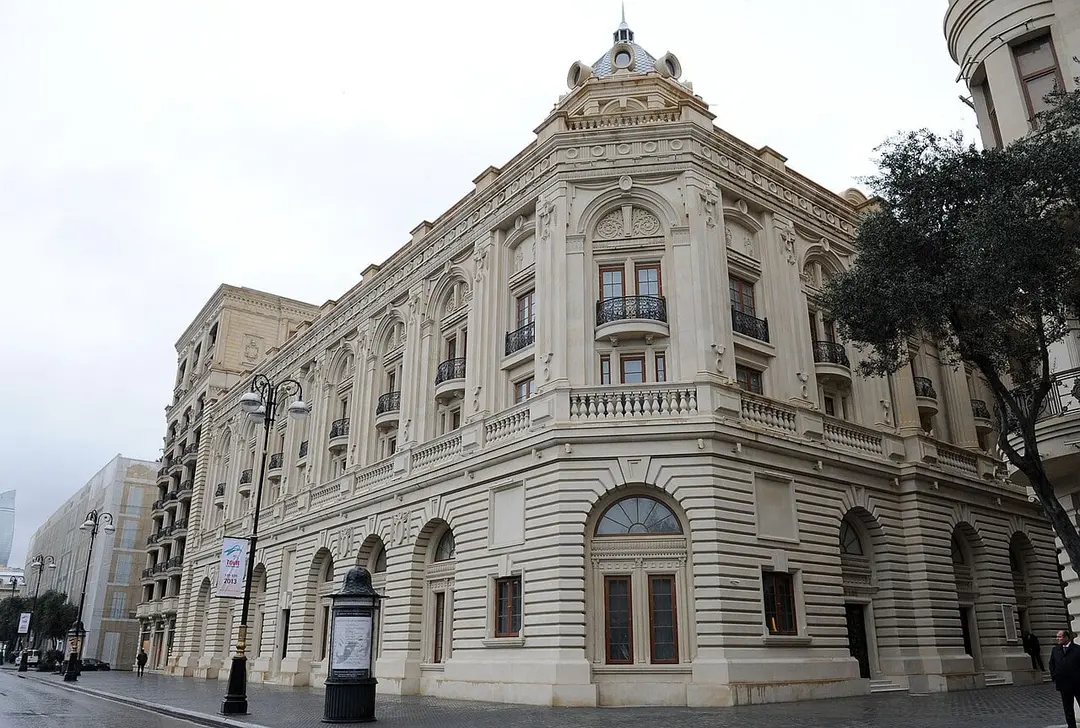
The Azerbaijan State Academic Musical and Comedy Theatre in Baku, founded in 1934, is one of the capital's main theatres focusing on musicals and comedies. The building is located in the city centre on Akademik Zerifä Aliyeva Avenue.
Baku
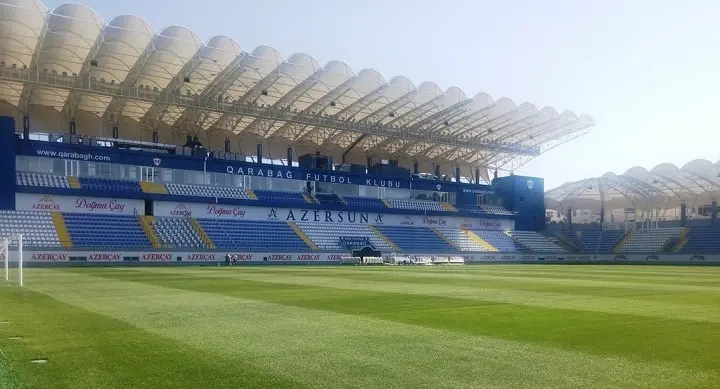
The Azersun Arena is a football stadium in Yeni Surakhany, Baku, Azerbaijan, opened in 2015.
Baku
Baku
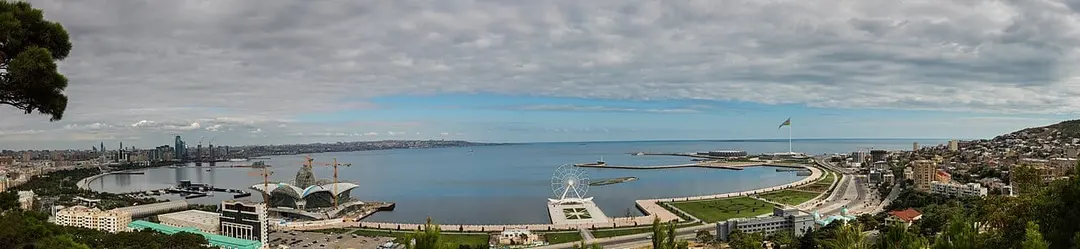
Baku Boulevard stretches along the waterfront of Azerbaijan's capital, hugging the shore of the Caspian Sea and forming the vibrant heart of the city's public life. Established in 1909 during Russian rule, the boulevard has been continuously extended and beautified over the decades — today it spans several kilometres and offers sweeping views across the Caspian Sea and back toward Baku's modern skyline, dominated by the iconic Flame Towers. Benches, pavilions, open-air stages, cafés, and a Ferris wheel line the promenade in succession. In the evenings the boulevard transforms into a lively walking strip where locals and visitors alike enjoy the breeze off the water. It links the Old City, government buildings, and modern shopping districts, making it the connective thread of the entire city.
Baku
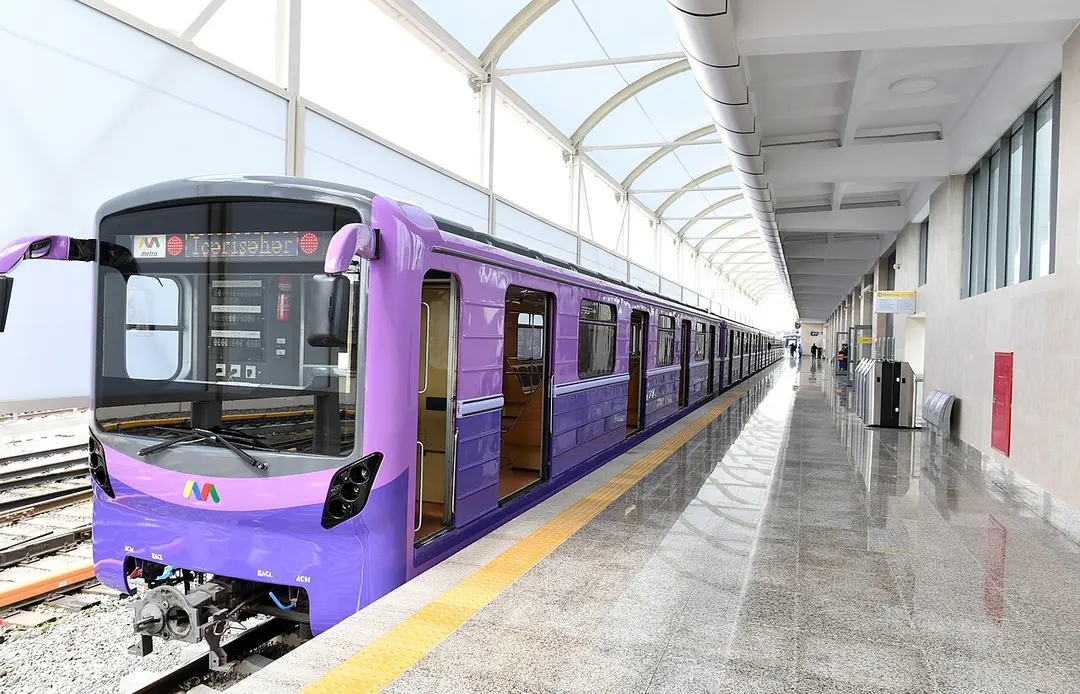
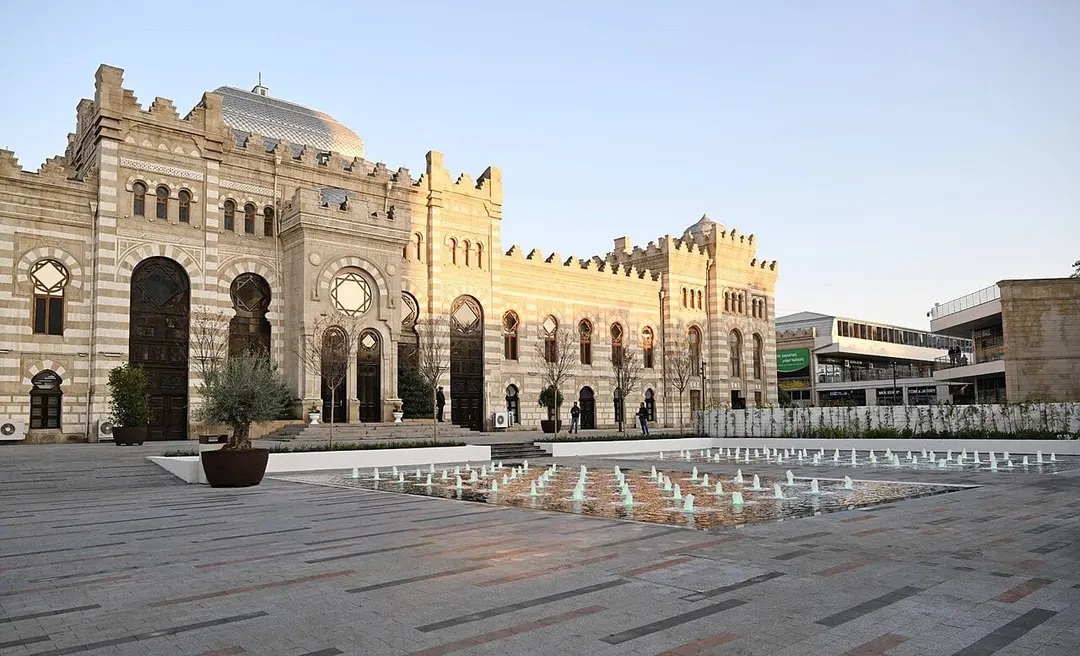
Baku's central railway station is the city's main gateway for rail travellers, and its architecture tells the story of Soviet urban ambition: grand arches, vast waiting halls and a facade designed to project authority. The station handles long-distance services to destinations across Azerbaijan as well as international routes to Tbilisi and Moscow. It also anchors the suburban ring railway connecting Baku with the industrial city of Sumqayıt. Arriving here by train offers an immediate sense of the Soviet-era neighbourhood that surrounds the building, a striking contrast to the glassy modernity of downtown Baku.
Baku
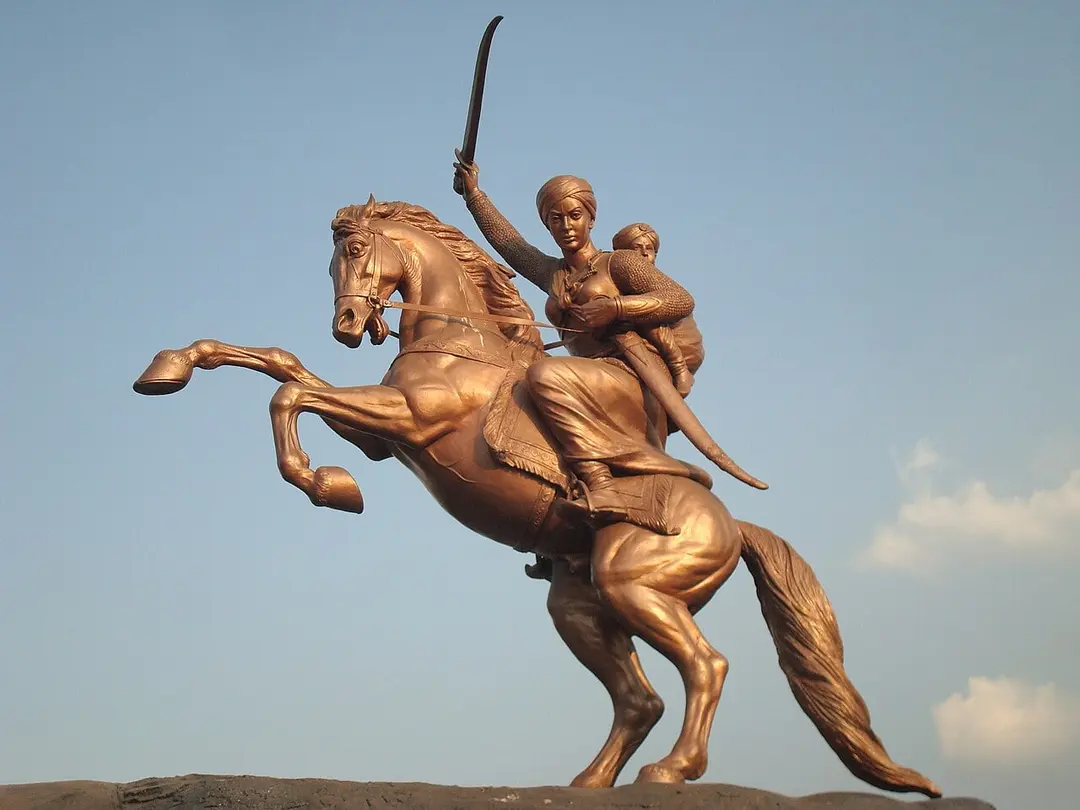
Equestrian statue in Khirdalan, a settlement near Baku, Azerbaijan. Equestrian monuments are a classical form of public commemoration for historical leaders and military commanders.
Baku
The Flame Towers are the defining symbol of Baku's modern skyline and one of the most striking high-rise projects of the 21st century. The three-part complex was built between 2007 and 2013, reaching up to 182 metres above the Caspian Strip and the historic Old City. After dark, the flame-shaped glass and LED facade comes alive with spectacular light shows that transform the towers into billowing fire — a deliberate tribute to Azerbaijan's identity as the Land of Fire. Inside are a luxury hotel, apartments, and office space. The towers are most dramatically viewed from the Old City ramparts or the Caspian waterfront promenade.
Baku
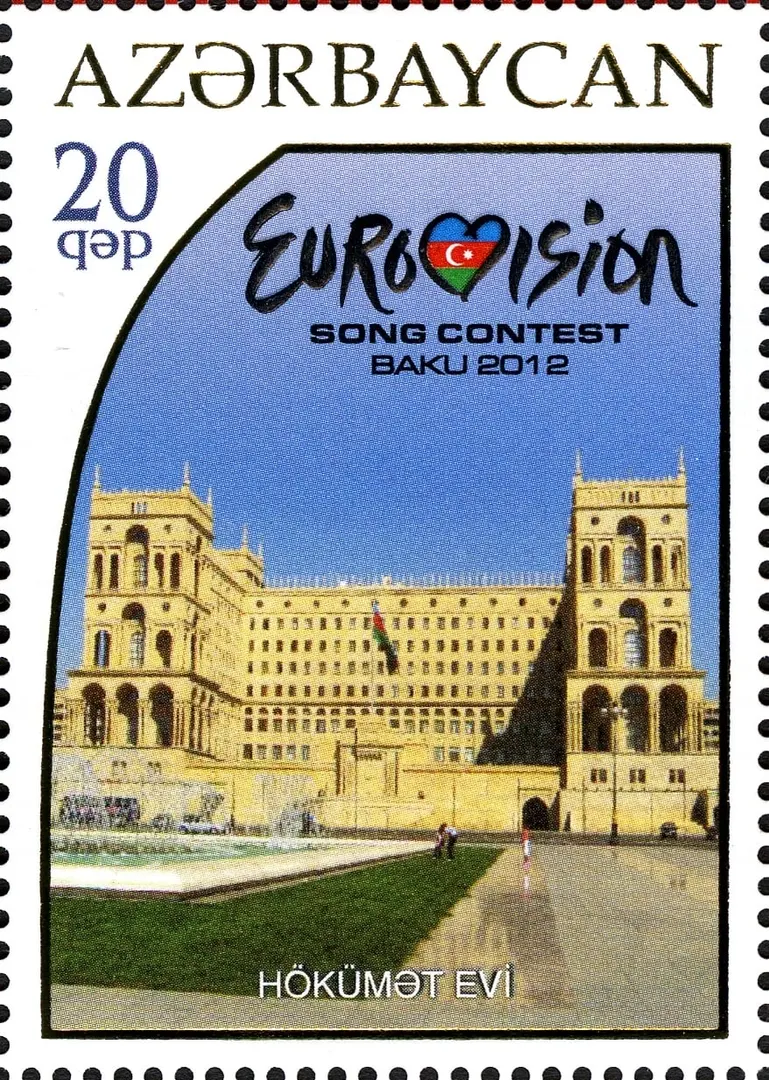
The House of Government in Baku — Azerbaijani: Hökumət Evi — is one of the most imposing buildings in the Azerbaijani capital and a striking example of late-Stalinist architecture. Completed in 1952, it was designed to accommodate 5,500 employees and today houses various Azerbaijani ministries. It stands on Neftchiler Avenue directly opposite the Baku Boulevard, looking out towards the Caspian Sea. The heavy, symmetrical facade with its colonnades and monumental central section is characteristic of socialist classicism of the post-war era. The building is a prominent architectural relic of Azerbaijan's Soviet period — visible to all, yet closed to the public.
Baku
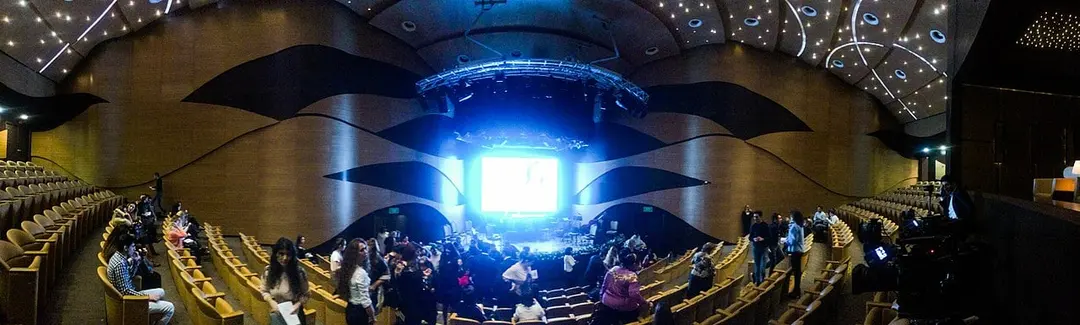
The International Mugham Centre in Baku, opened in 2008, is dedicated to mugham — one of Azerbaijan's oldest musical traditions, recognised by UNESCO as an Intangible Cultural Heritage in 2003. The oval building on Baku Boulevard, the city's beloved seafront promenade along the Caspian, houses a concert hall, a museum tracing the history of mugham, and facilities for education and research. The centre's mission is to preserve and promote this sophisticated improvisational art form, which weaves together Persian, Arabic, and Turkic musical influences, and to bring it to international audiences. Regular concerts offer a genuinely moving encounter with Azerbaijan's musical soul.
Baku
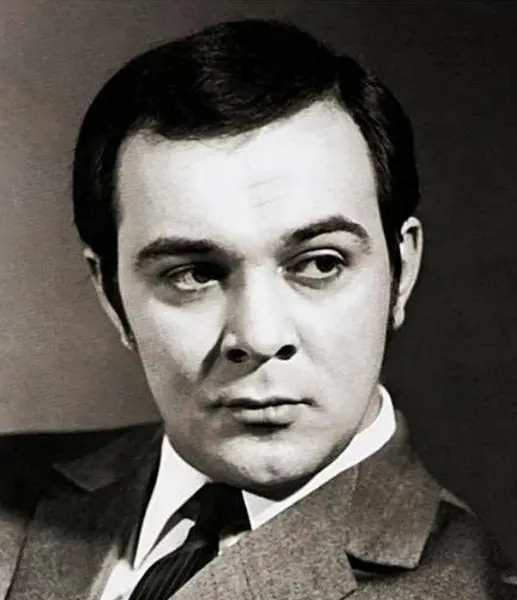
The monument to Müslüm Magomayev in Baku commemorates one of the Soviet Union's most beloved singers. Born in Baku in 1942, Magomayev excelled as both an opera baritone and a pop performer, celebrated across the Soviet world and dubbed the Soviet Sinatra for his charisma and vocal range. He received the title People's Artist of the USSR in 1973. The monument is a popular gathering spot for locals in Baku and reflects the deep pride Azerbaijan takes in its musical legacy. Fans regularly leave flowers at the base.
Baku
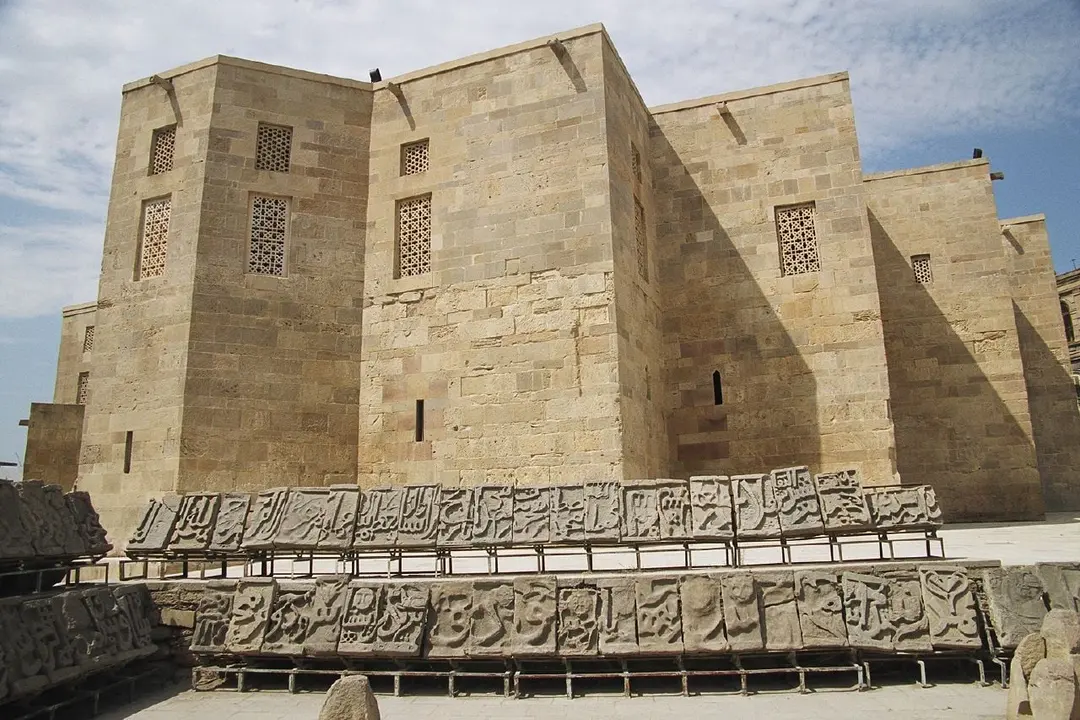
The Palace of the Shirvanshahs is Azerbaijan's most outstanding architectural monument, described by UNESCO as "one of the pearls of Azerbaijan's architecture." Built in the 15th century, the complex sits on a hill within the walled old city of Baku and comprises multiple buildings: the main palace, the Divanhane (an open audience loggia), the Shah's mosque, mausoleums, a bathhouse, and a water reservoir. Together with the Maiden Tower, it forms the UNESCO World Heritage ensemble of the Historic Centre of Baku. Today it is the country's most visited historic monument.
Keep exploring
Rate places with a swipe — TravelType learns from your tags what you love and curates your own map. Private until you choose to share.