TravelType

culture

Culture in Bangkok

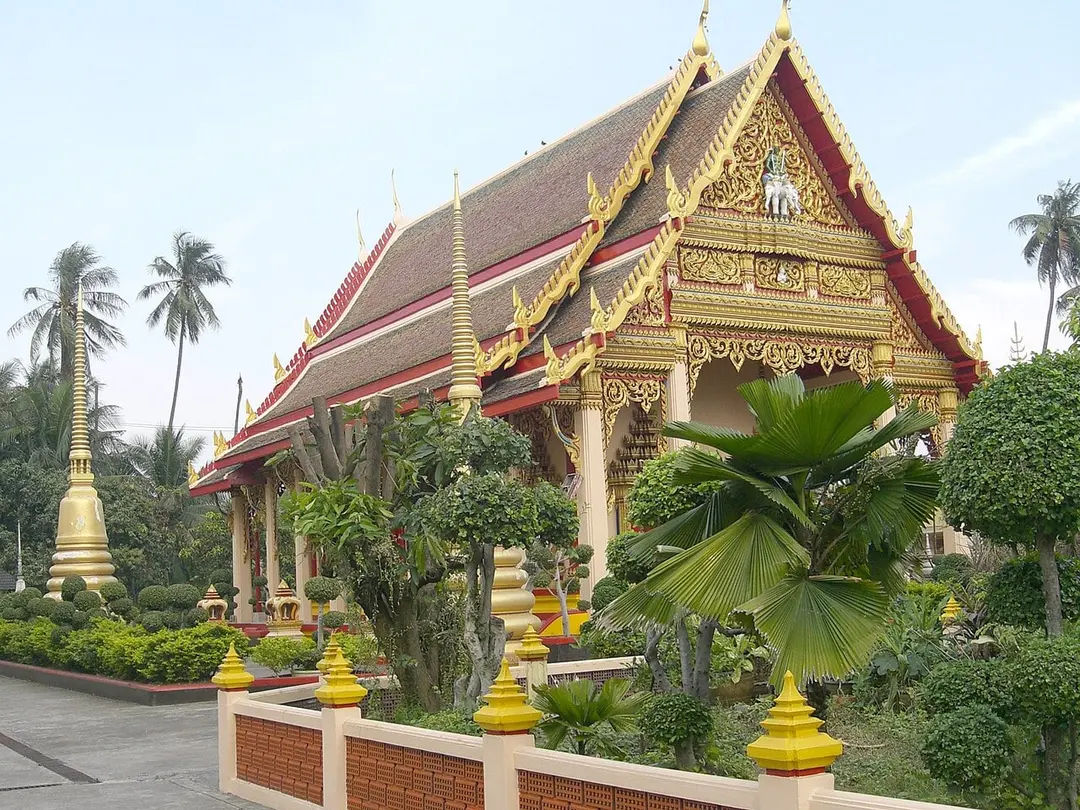
Bangkok, Thailand's capital, brings together royal heritage and contemporary creativity across a wide range of cultural venues. The Ananta Samakhom Throne Hall and Dusit Palace offer a close look at the country's monarchical history, while the Bangkok National Museum and National Art Gallery preserve traditional art and historical artefacts. The Museum of Contemporary Art and the Bangkok Art and Culture Centre reflect the city's active present-day arts scene. Ancient Siam and the Erawan Museum explore Thai cultural identity in distinctive ways. The Hall of Railway Heritage, the National Museum of Royal Barges, the lively Khaosan Road area, and Siam Center round out the picture.

13 places · Bangkok, Thailand · Editorially curated

  • Ananta Samakhom Throne Hall

    Ananta Samakhom Throne Hall

    Bangkok

    architecturehistorylocal gems

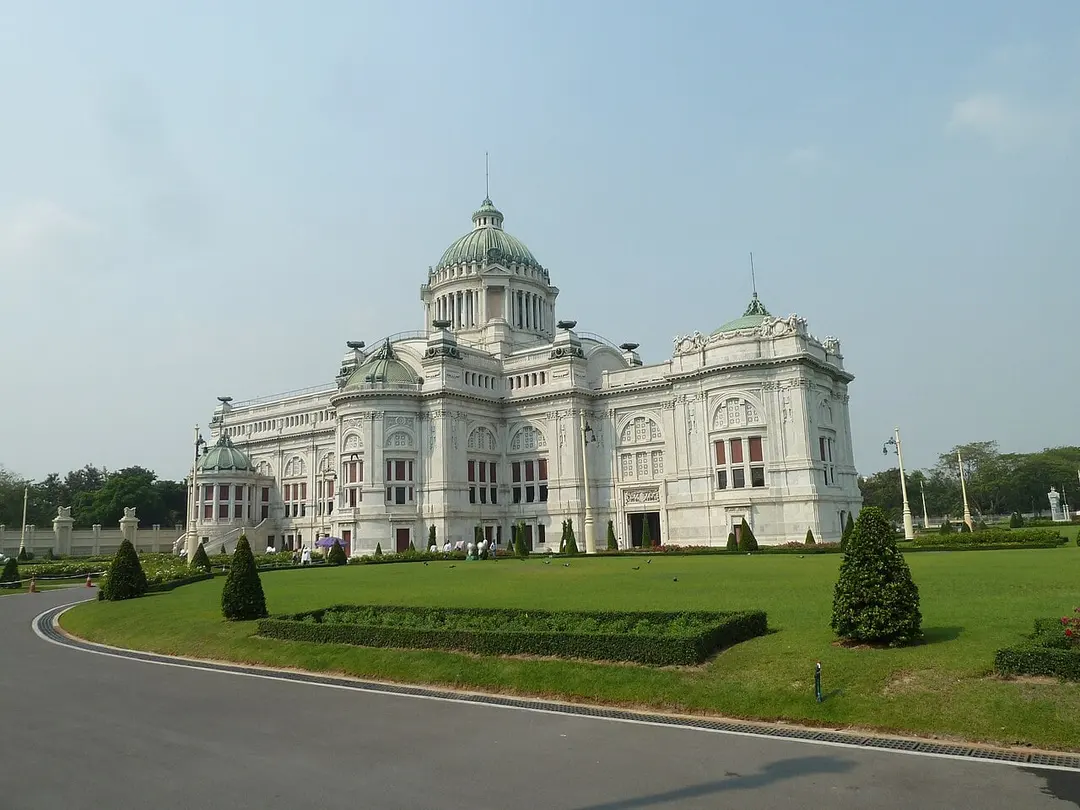
    The Ananta Samakhom Throne Hall in Bangkok's Dusit Palace is one of Southeast Asia's most impressive buildings, built in Italian Neo-Renaissance style by European architects. King Chulalongkorn (Rama V) commissioned it in 1908 as a ceremonial reception hall; completed in 1915, five years after his death. Carrara marble domes and lavish interiors reflect Siam's modernisation ambitions. Today it is occasionally used for state occasions.
  • Ancient Siam

    Ancient Siam

    Bangkok

    architecturehistorylocal gems

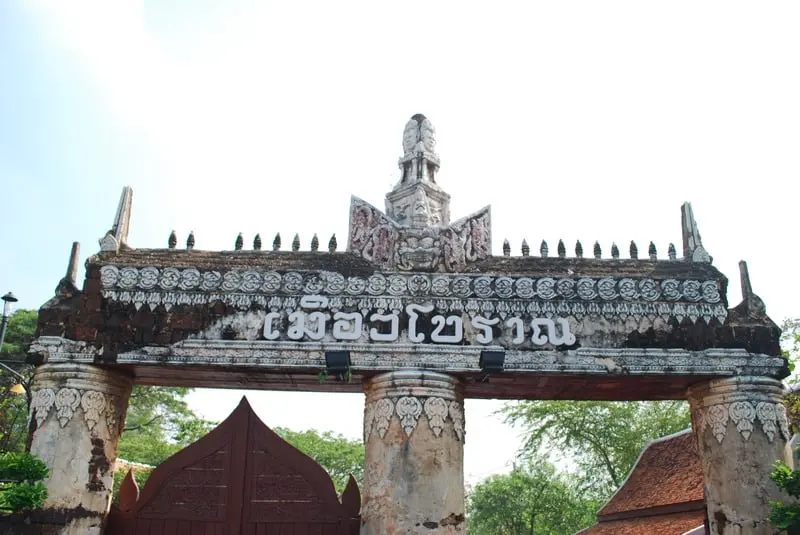
    Ancient Siam, or Mueang Boran, is an open-air museum of Thai architecture and culture in Samut Prakan, 30km south of Bangkok. Said to be the world's largest open-air museum, it covers over 80 hectares laid out in the shape of the map of Thailand. Replicas of famous Siamese structures — temples, palaces, and vernacular buildings from all regions — showcase the country's architectural diversity. Created by Lek Viriyaphan from 1972.

  • Dusit Palace

    Dusit Palace

    Bangkok

    architecturehistory

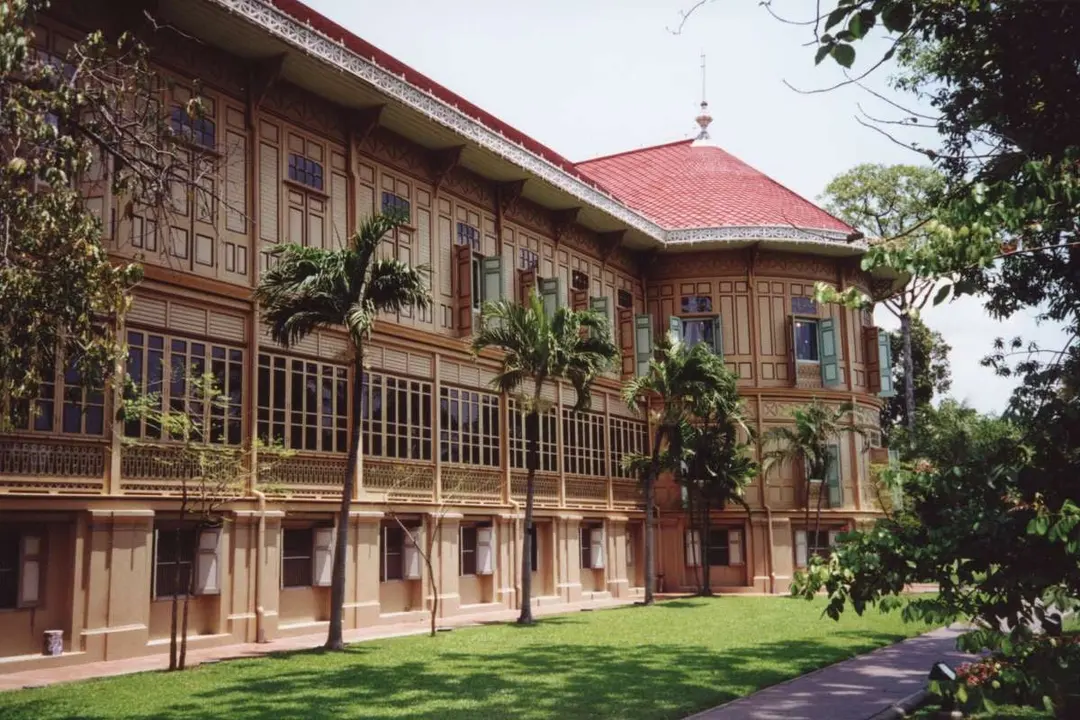
    Dusit Palace is an expansive royal palace complex in Bangkok's Dusit district, commissioned by King Rama V (Chulalongkorn) in the late 19th century. The grounds blend European neo-Renaissance architecture with traditional Thai design. At its heart stands Vimanmek Palace, an intricate three-storey teak structure widely regarded as the world's largest golden teakwood building. The complex also includes several pavilions, throne halls and gardens that offer a rare window into early 20th-century royal court life. Parts of the grounds are open to the public and rank among Bangkok's foremost cultural attractions.

  • Erawan Museum

    Erawan Museum

    Bangkok

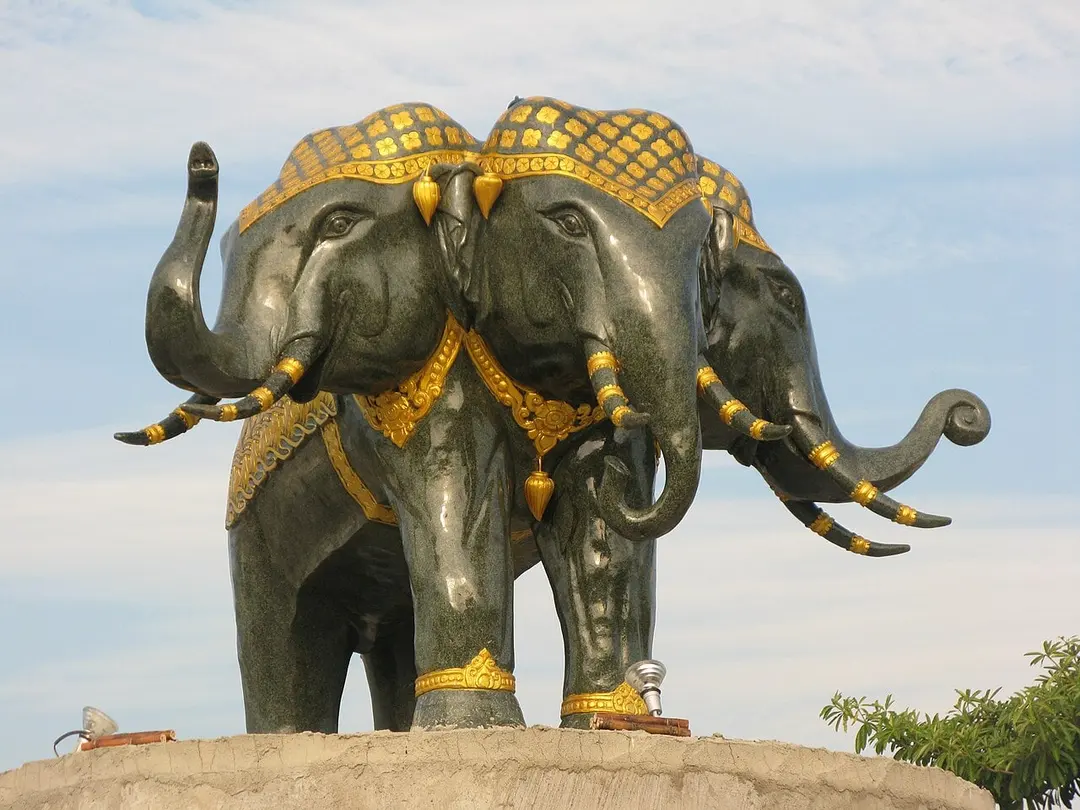
    The Erawan Museum in Samut Prakan, just south of Bangkok, is one of Southeast Asia's most unusual museums. Its centerpiece is a monumental three-headed elephant statue — Erawan, the divine white elephant of Hindu mythology — perched atop a richly decorated European-style building. Inside the base are elaborate exhibition halls featuring antique Chinese porcelain, bronze statuettes, and religious artifacts. Built in 1994 by businessman Lek Viriyaphan, the museum blends Eastern spirituality with Western architecture in a striking way. Visitors can take an elevator up into the interior of the elephant itself.

  • Khaosan Road

    Khaosan Road

    Bangkok

    local gems

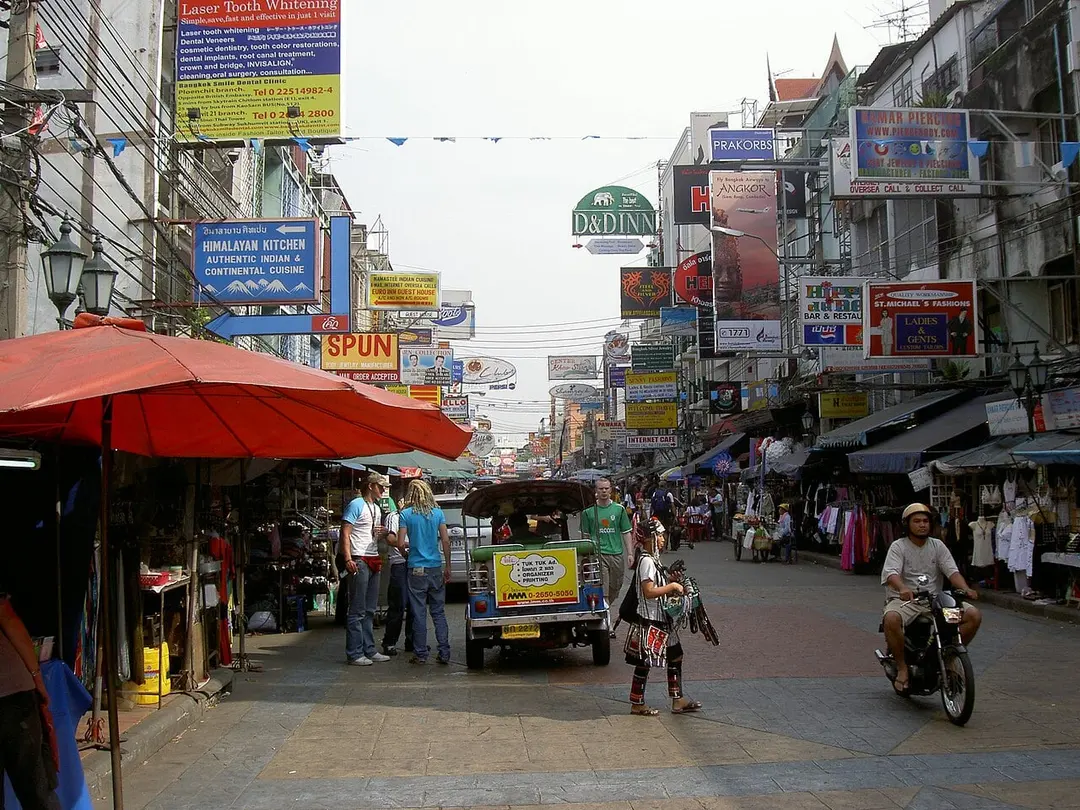
    Khaosan Road is a short but legendary street of about 400 metres in Bangkok's Bang Lamphu district, laid out in 1892 during the reign of King Rama V. Originally a rice market – "khaosan" means "milled rice" in Thai – it transformed from the 1980s into Southeast Asia's most famous backpacker hub. Today budget guesthouses, street food stalls with pad thai and mango sticky rice, bars and souvenir vendors line both sides. First-time visitors to Bangkok almost always end up here – those who know it recognise it as a global traveller phenomenon.

  • National Museum of Royal Barges

    National Museum of Royal Barges

    Bangkok

    historyknowledge

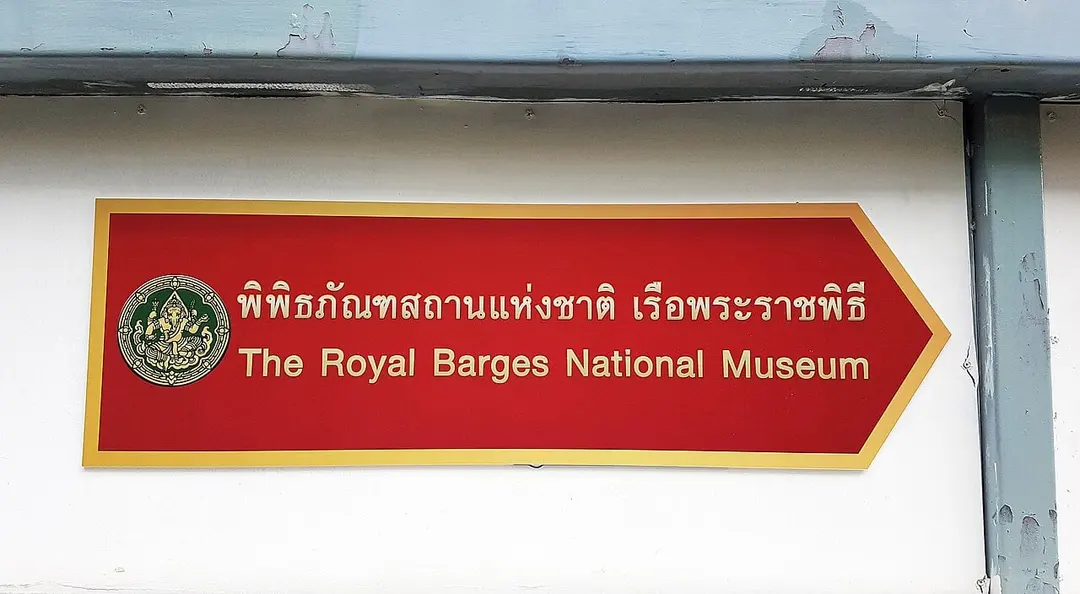
    The National Museum of Royal Barges in Bangkok preserves the magnificent ceremonial vessels of the Thai royal family. The most celebrated barge, the Suphannahong, stretches over 46 meters and is carved from a single teak log, crowned with a gilded fire-breathing swan's head. Located along Bangkok Noi canal, the museum is embedded in the city's historic river life. The barges are still used in rare royal processions on the Chao Phraya River — a spectacle that draws tens of thousands of spectators.

  • Thonburi Railway Station

    Thonburi Railway Station

    Bangkok

    architecturehistory

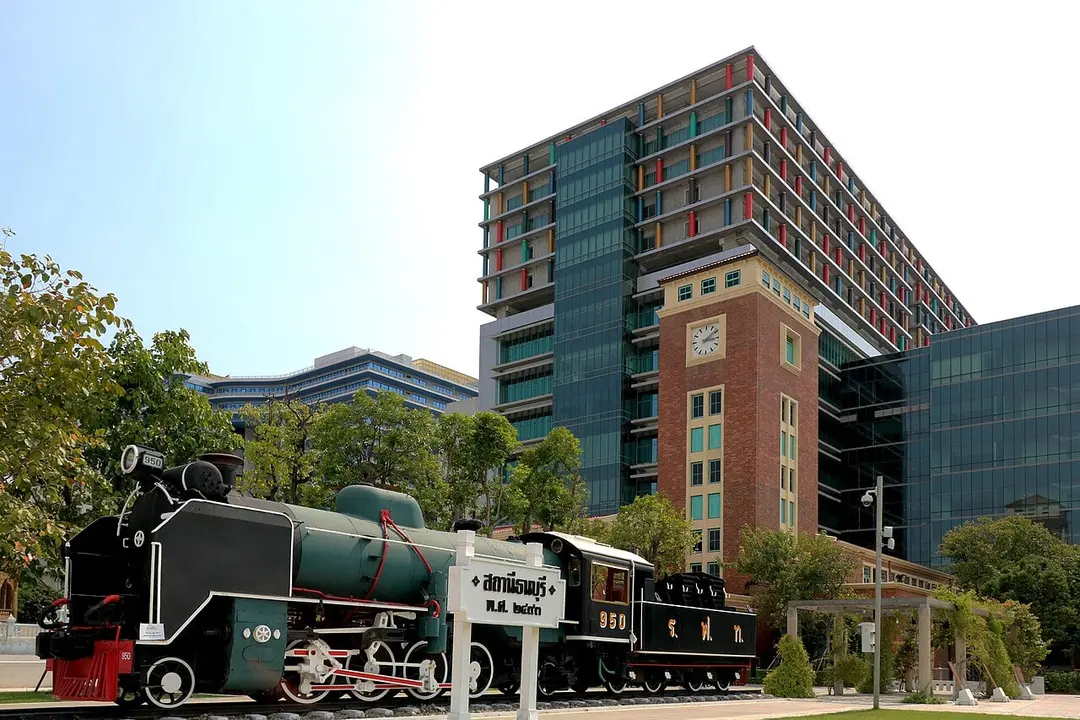
    Thonburi station is one of Bangkok's few surviving historic railway buildings – a modest timber structure in the Bangkok Noi district on the western bank of the Chao Phraya. It was once the terminus of Thailand's southern railway line, and today handles regional services to Kanchanaburi, including trains that continue toward the Death Railway bridge over the River Kwai. Far less visited than the grand Hua Lamphong, Thonburi offers a glimpse of everyday Thai rail travel and is a natural starting point for those exploring the quieter, less touristy west bank of Bangkok.

Keep exploring

These places are just the beginning.

Rate places with a swipe — TravelType learns from your tags what you love and curates your own map. Private until you choose to share.

Create your profile