TravelType

history

History in Bangkok

Bangkok's history takes shape across a remarkably varied set of sites. The Ananta Samakhom Throne Hall and Dusit Palace reflect the capital's royal heritage, while the Democracy Monument and the Constitution Defense Monument mark pivotal moments in Thailand's political history. The Giant Swing is one of the city's older surviving structures. The National Museum of Royal Barges and the Hall of Railway Heritage preserve more specialised collections, and Ancient Siam offers a broad survey of Siamese civilisation. Hua Lamphong railway station and Don Mueang International Airport, meanwhile, trace Bangkok's growth as a regional hub over the past century.

14 places · Bangkok, Thailand · Editorially curated

  • Ananta Samakhom Throne Hall

    Ananta Samakhom Throne Hall

    Bangkok

    architectureculturelocal gems

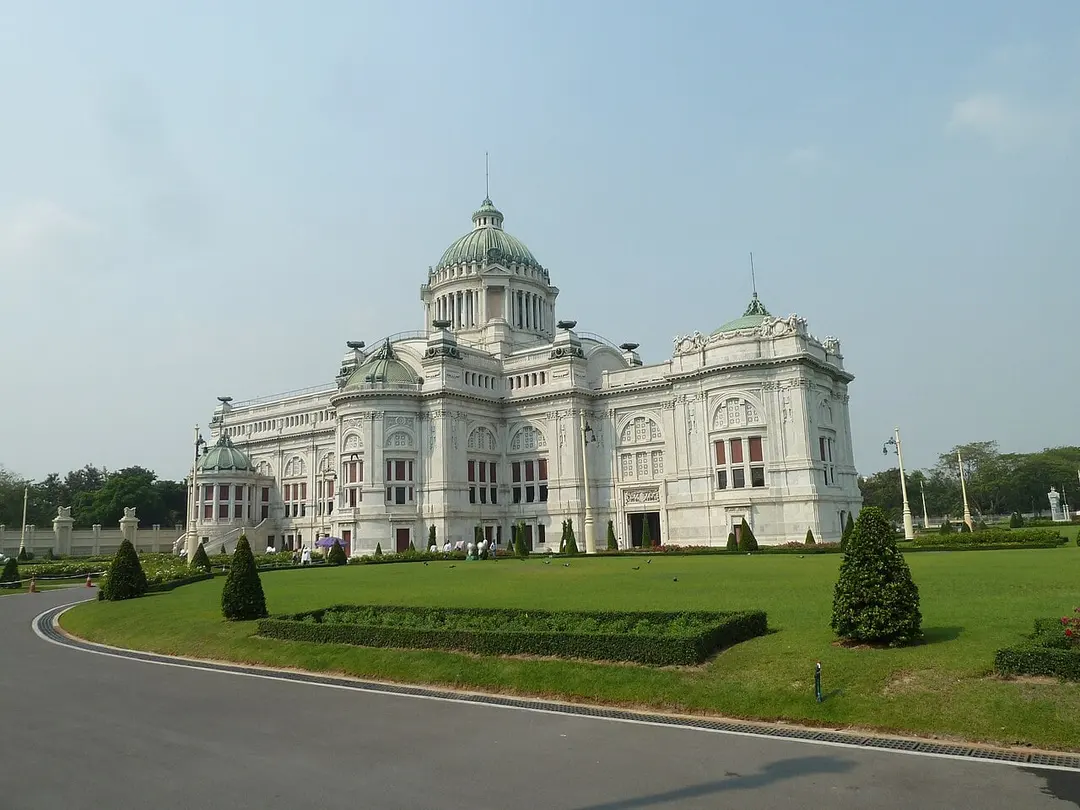
    The Ananta Samakhom Throne Hall in Bangkok's Dusit Palace is one of Southeast Asia's most impressive buildings, built in Italian Neo-Renaissance style by European architects. King Chulalongkorn (Rama V) commissioned it in 1908 as a ceremonial reception hall; completed in 1915, five years after his death. Carrara marble domes and lavish interiors reflect Siam's modernisation ambitions. Today it is occasionally used for state occasions.
  • Ancient Siam

    Ancient Siam

    Bangkok

    architectureculturelocal gems

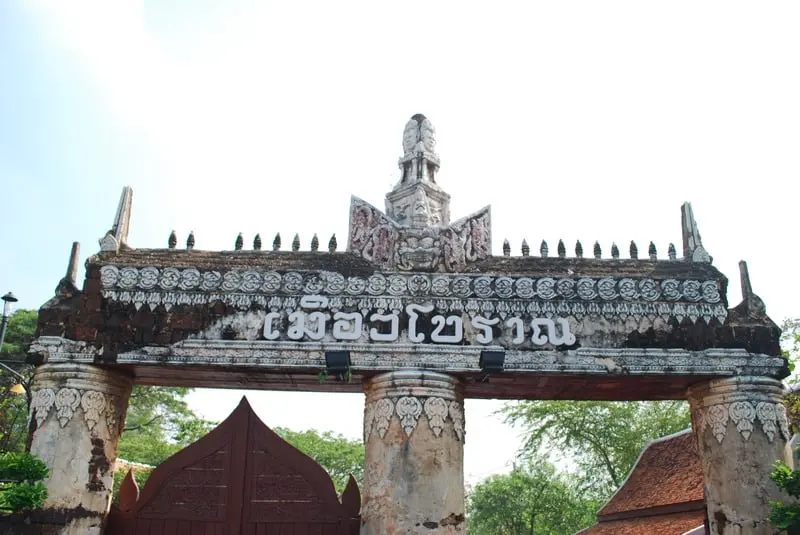
    Ancient Siam, or Mueang Boran, is an open-air museum of Thai architecture and culture in Samut Prakan, 30km south of Bangkok. Said to be the world's largest open-air museum, it covers over 80 hectares laid out in the shape of the map of Thailand. Replicas of famous Siamese structures — temples, palaces, and vernacular buildings from all regions — showcase the country's architectural diversity. Created by Lek Viriyaphan from 1972.

  • Chitralada Royal Villa

    Chitralada Royal Villa

    Bangkok

    architectureromance

    Chitralada Royal Villa sits in Bangkok's Dusit district and has been closely associated with the Thai royal family since the early twentieth century. The complex was originally completed in 1913 for King Rama VI; it was later the long-term residence of King Bhumibol Adulyadej (Rama IX), who shaped much of its character during his reign. Unlike the Grand Palace, Chitralada is not a public tourist attraction — the compound remains closed to visitors. It is, however, well known for the royal agricultural projects King Rama IX conducted within its grounds, researching and promoting sustainable farming techniques for Thailand's rural population. The villa today serves as the residence of Queen Mother Sirikit.

  • Democracy Monument

    Democracy Monument

    Bangkok

    architecturelocal gemsknowledge

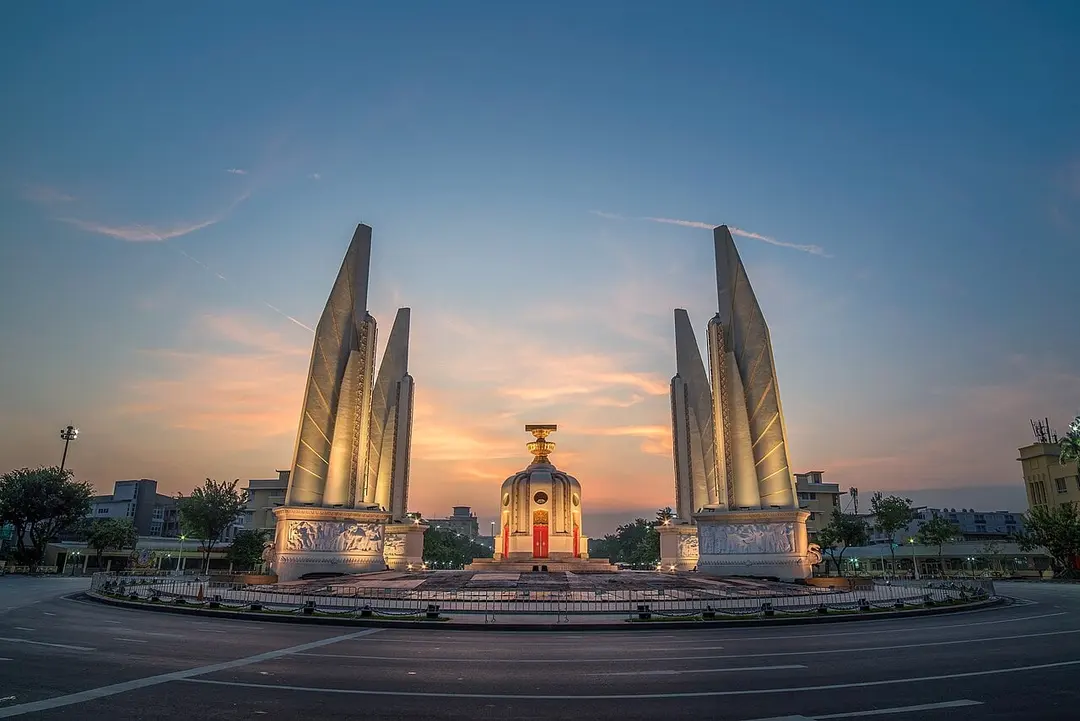
    The Democracy Monument stands at the heart of Bangkok, planted in the middle of Ratchadamnoen Klang Avenue – the city's grand ceremonial boulevard modelled after the Champs-Élysées. Built in 1940, it commemorates Thailand's transition to a constitutional monarchy in 1932. The monument features four curved wings symbolising the wings of the Garuda, surrounding a central pedestal bearing the constitution. Its roundabout location at the intersection with Thanon Dinso makes it both an unmissable landmark and a recurring focal point for political demonstrations throughout Thai modern history.

  • Don Mueang International Airport

    Don Mueang International Airport

    Bangkok

    local gemsknowledge

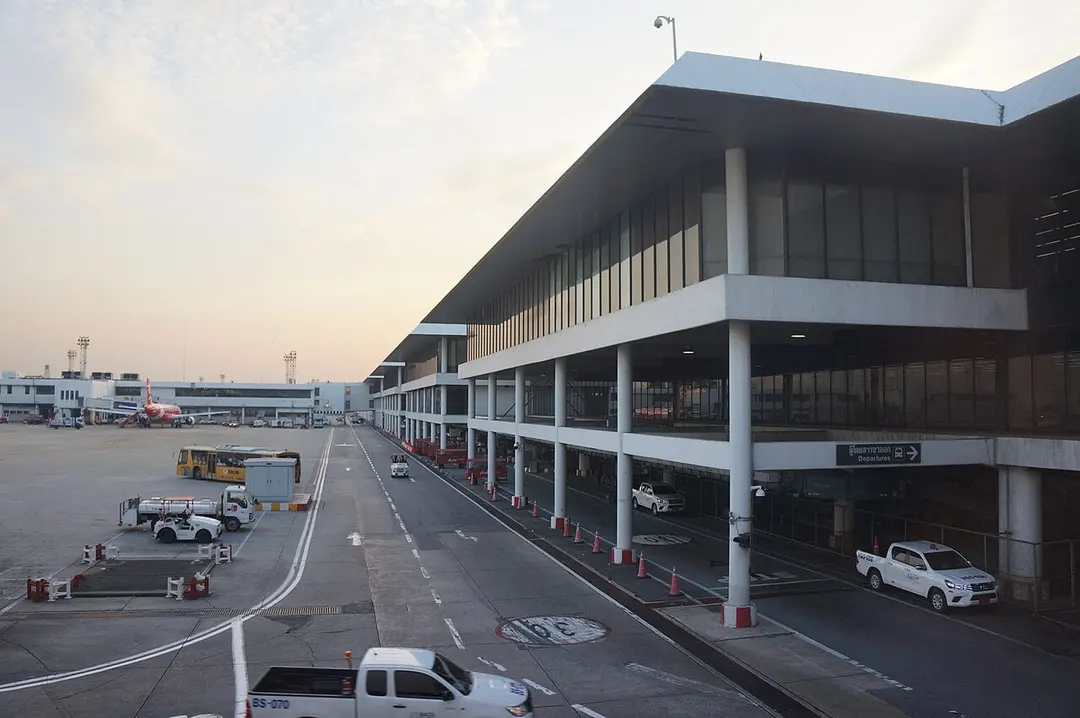
    Don Mueang International Airport is one of the world's oldest commercial airports and is widely regarded as the birthplace of civil aviation in Thailand. Established as a military airfield in 1914, it grew into Bangkok's primary international gateway before Suvarnabhumi Airport took over long-haul operations in 2006. Reopened in 2007, Don Mueang has since developed into Southeast Asia's largest low-cost carrier hub, handling tens of millions of passengers annually. Located in the Don Mueang district, it connects Bangkok primarily to regional destinations across Thailand and Southeast Asia.

  • Dusit Palace

    Dusit Palace

    Bangkok

    architectureculture

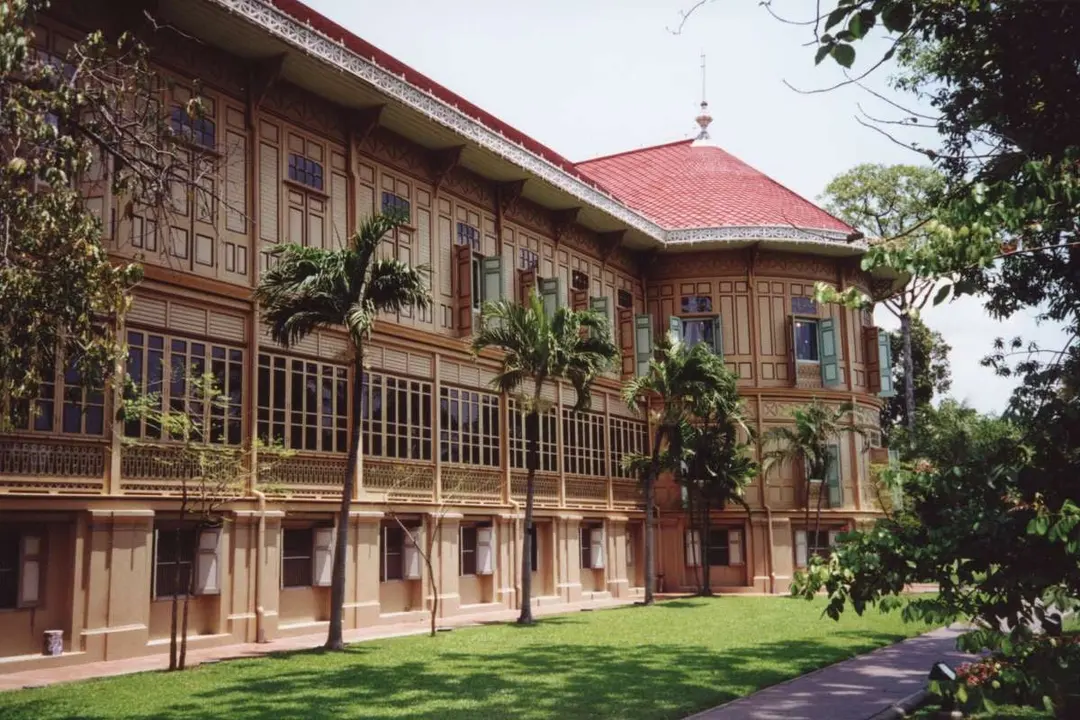
    Dusit Palace is an expansive royal palace complex in Bangkok's Dusit district, commissioned by King Rama V (Chulalongkorn) in the late 19th century. The grounds blend European neo-Renaissance architecture with traditional Thai design. At its heart stands Vimanmek Palace, an intricate three-storey teak structure widely regarded as the world's largest golden teakwood building. The complex also includes several pavilions, throne halls and gardens that offer a rare window into early 20th-century royal court life. Parts of the grounds are open to the public and rank among Bangkok's foremost cultural attractions.

  • Dusit Zoo

    Dusit Zoo

    Bangkok

    naturefamily outingslocal gems

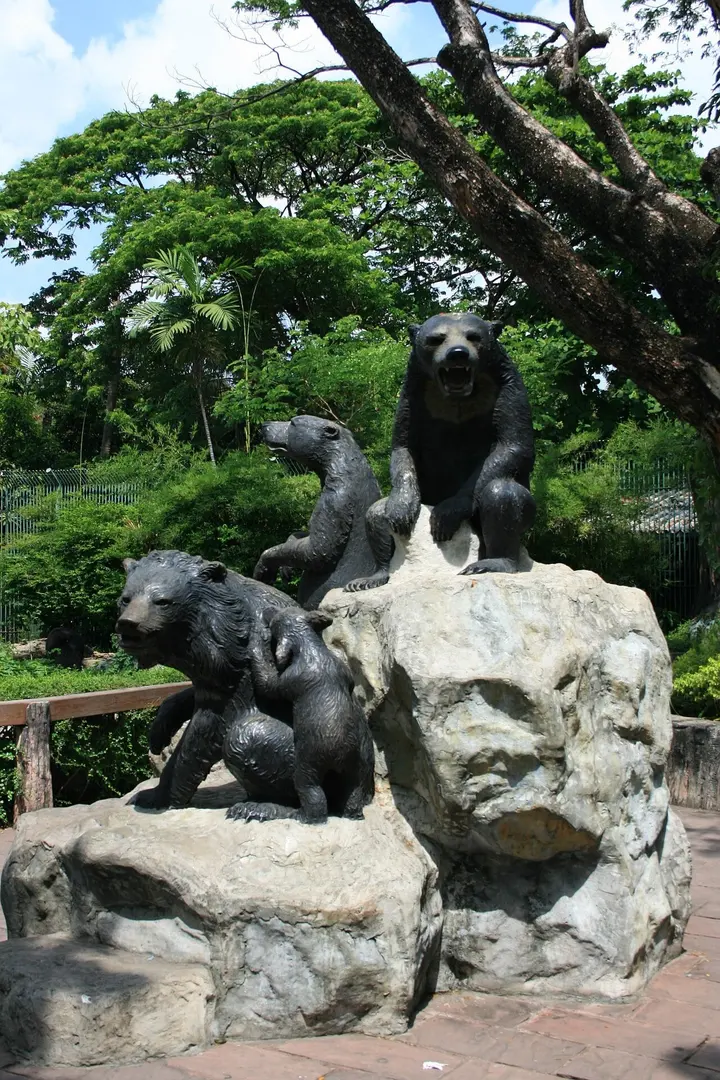
    Dusit Zoo was Bangkok's oldest zoological garden, located in the Dusit district close to the Ananda Samakhom Throne Hall. Founded in 1938 on the grounds of a former royal botanical garden, it housed hundreds of animal species on a park-like site for decades. The zoo was a popular destination for families and school groups from across Thailand. In 2018 Dusit Zoo was closed, with Khao Kheow Open Zoo taking over as the new main zoological facility for Bangkok. The site is no longer accessible as a zoo, but its history remains part of the cultural memory of the Thai capital.

  • Giant Swing

    Giant Swing

    Bangkok

    architecture

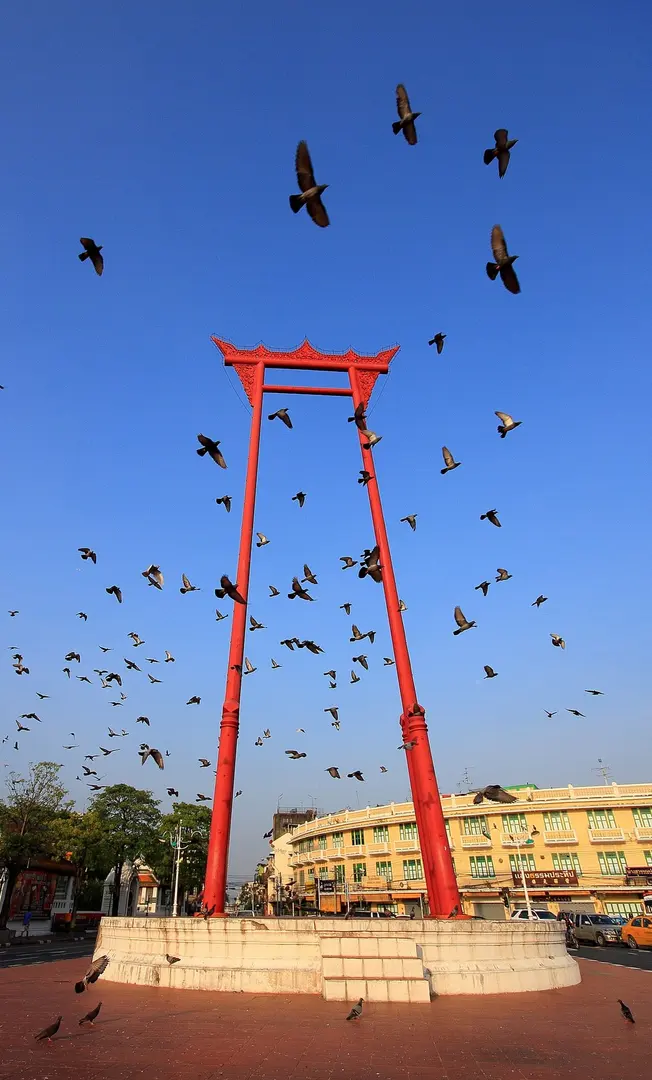
    Sao Ching Cha — the Giant Swing — is one of Bangkok's most recognisable landmarks, standing since 1784 in front of the Brahmin Devasathan temple in the historic Phra Nakhon old town district. The vivid red teak posts supporting a large crossbeam rise over 21 metres and were once the setting for a daring religious ritual: during the Triyampawai festival, men swung to dizzying heights to snatch silver pouches from a bamboo pole — a spectacle banned in 1935 after too many accidents. Today the swing stands as a quiet monument to this ancient Brahmanist tradition and is a popular photo stop in the heart of the old city.

  • Hua Lamphong railway station

    Hua Lamphong railway station

    Bangkok

    architecturelocal gems

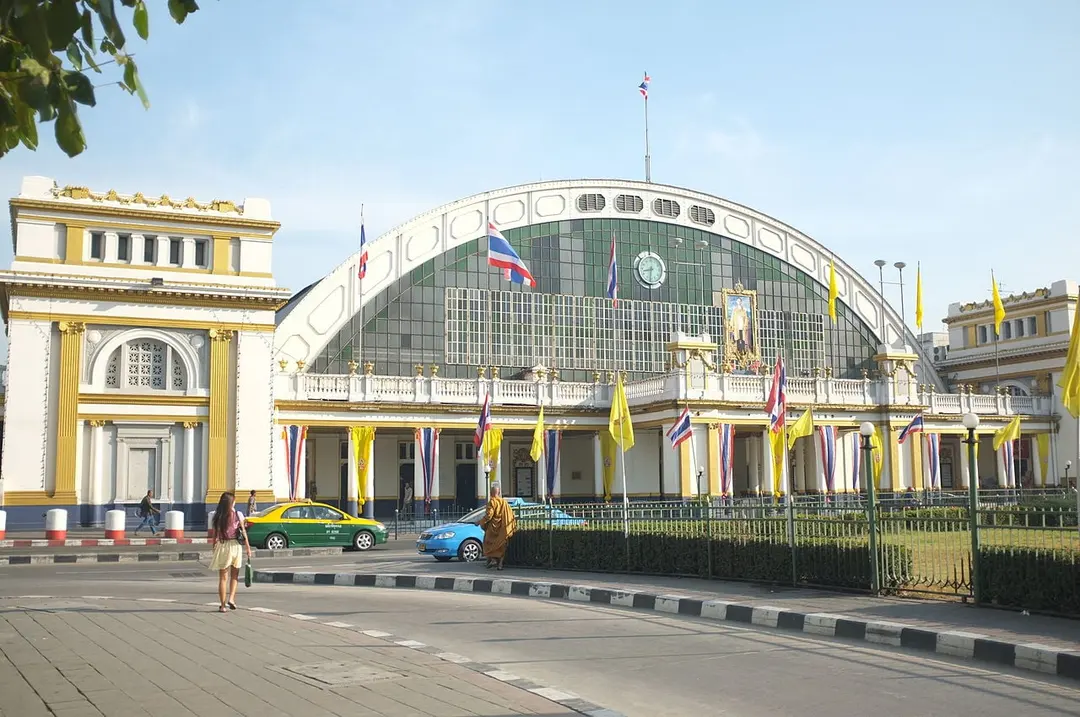
    Hua Lamphong station is one of the most architecturally striking buildings in Bangkok. Completed in 1916 and designed by Italian and German architects, its vaulted steel-and-glass roof, Corinthian columns and stained-glass windows made it a landmark of the early modern Thai state. For decades it was the country's busiest terminus, the starting point for overnight trains to Chiang Mai, the Southern Line and the northeast. Since 2023 the newly opened Bang Sue Grand Station has taken over most services, and Hua Lamphong is gradually being reimagined as a railway museum and cultural venue – making now a good time to visit before the transformation is complete.

  • National Museum of Royal Barges

    National Museum of Royal Barges

    Bangkok

    cultureknowledge

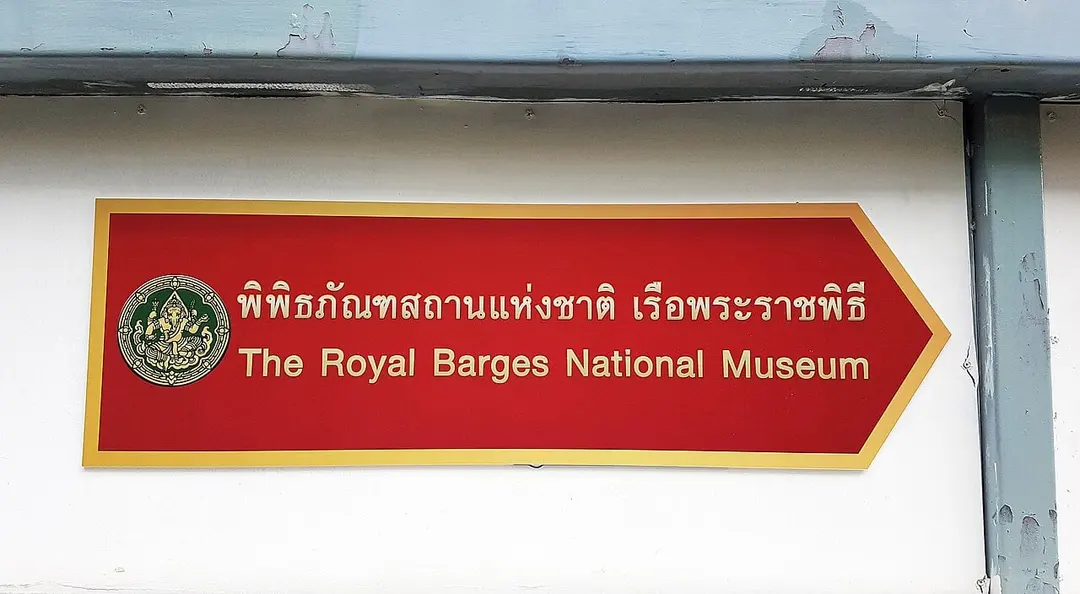
    The National Museum of Royal Barges in Bangkok preserves the magnificent ceremonial vessels of the Thai royal family. The most celebrated barge, the Suphannahong, stretches over 46 meters and is carved from a single teak log, crowned with a gilded fire-breathing swan's head. Located along Bangkok Noi canal, the museum is embedded in the city's historic river life. The barges are still used in rare royal processions on the Chao Phraya River — a spectacle that draws tens of thousands of spectators.

  • Thonburi Railway Station

    Thonburi Railway Station

    Bangkok

    architectureculture

    Thonburi station is one of Bangkok's few surviving historic railway buildings – a modest timber structure in the Bangkok Noi district on the western bank of the Chao Phraya. It was once the terminus of Thailand's southern railway line, and today handles regional services to Kanchanaburi, including trains that continue toward the Death Railway bridge over the River Kwai. Far less visited than the grand Hua Lamphong, Thonburi offers a glimpse of everyday Thai rail travel and is a natural starting point for those exploring the quieter, less touristy west bank of Bangkok.

Keep exploring

These places are just the beginning.

Rate places with a swipe — TravelType learns from your tags what you love and curates your own map. Private until you choose to share.

Create your profile