TravelType

culture

Culture in Seoul

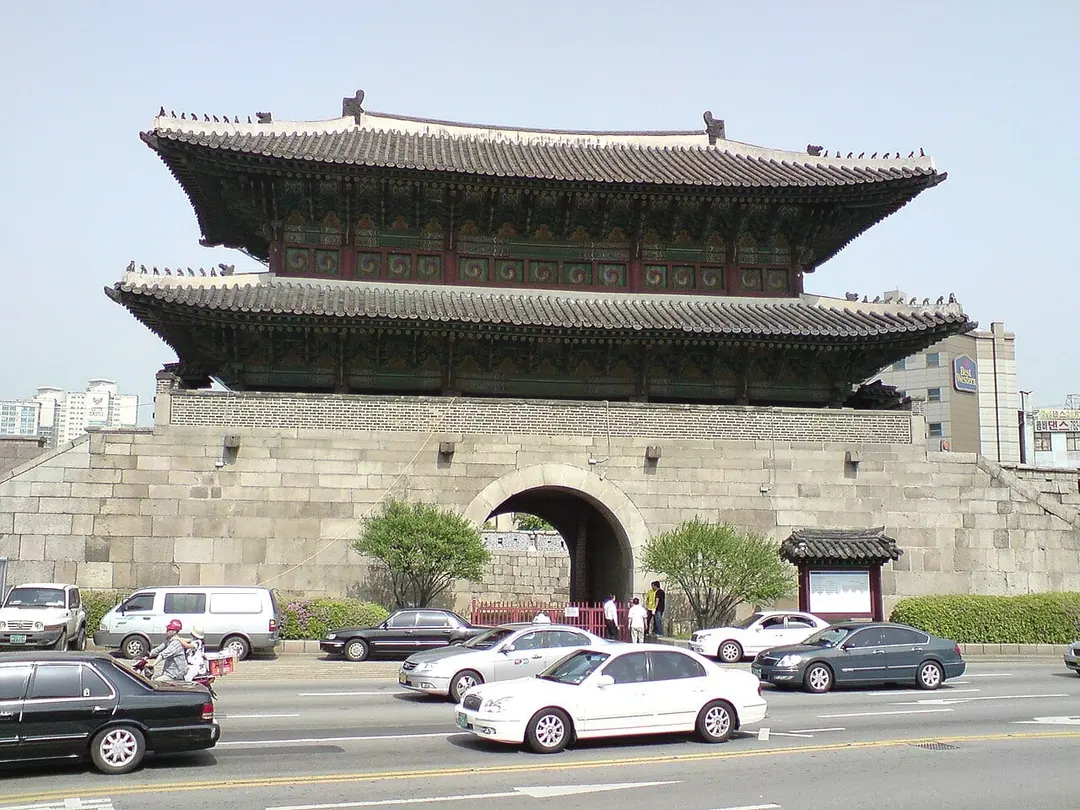
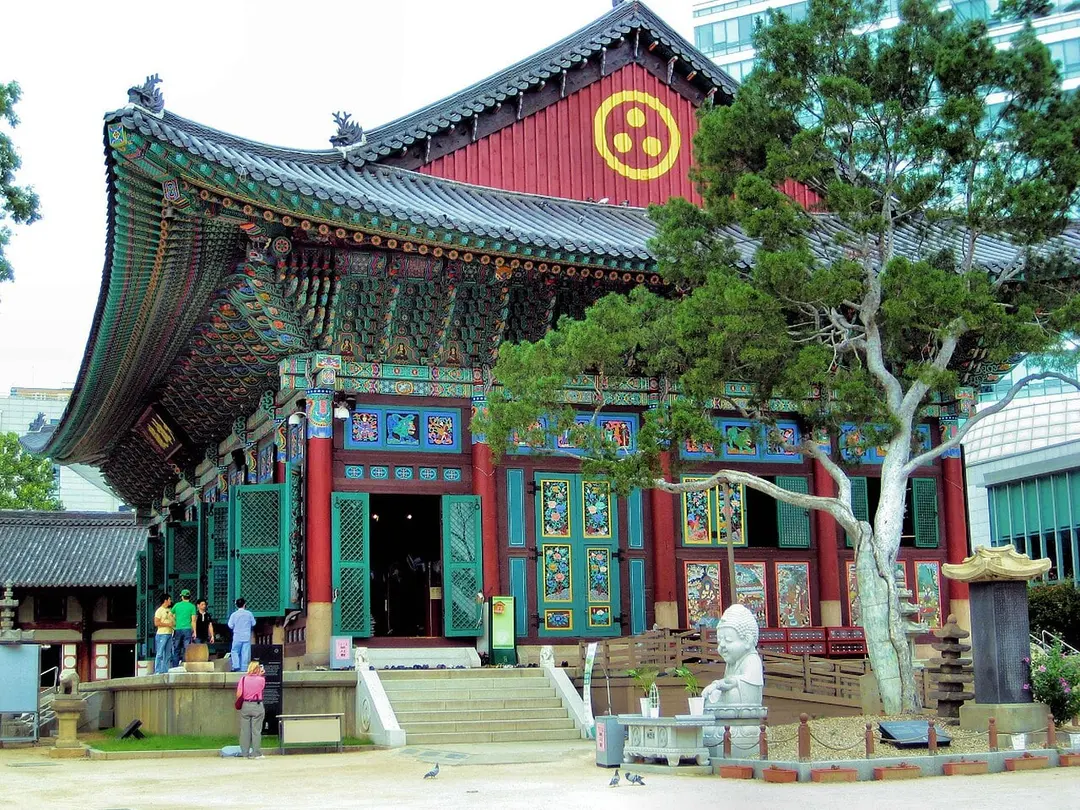
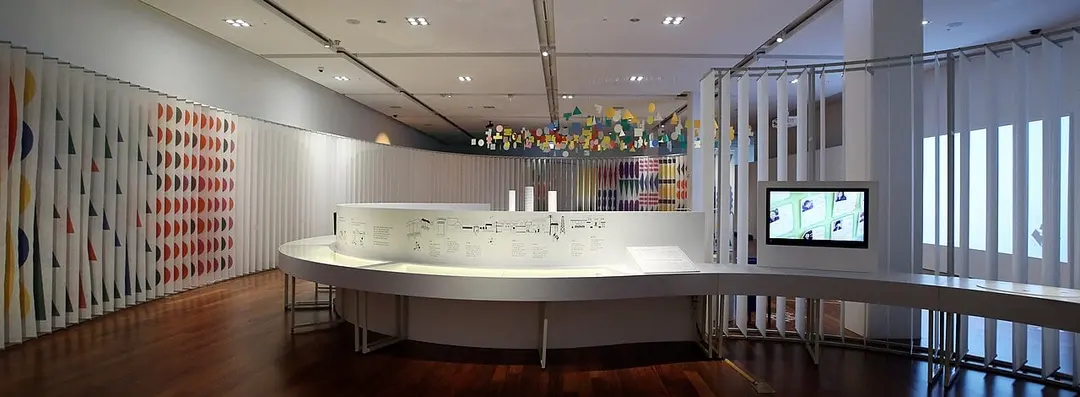
Seoul layers centuries of dynastic history with a diverse contemporary cultural scene. Joseon-era palaces — Gyeongbokgung, Gyeonghuigung Palace, and Deoksugung Palace — anchor the city's historical core near Gwanghwamun Plaza, while Heunginjimun Gate stands as a reminder of the old city wall. Jogyesa Temple offers a quiet counterpoint in the urban fabric. The National Folk Museum of Korea and the National Hangeul Museum explore everyday heritage and the Korean writing system respectively. For visual art, the Chosun Ilbo Gallery and Ilmin Museum of Art present rotating exhibitions, and Jonathan Borofsky's Hammering Man sculpture outside COEX Mall marks a notable point where public art meets city life.

10 places · Seoul, South Korea · Editorially curated

  • Chosun Ilbo Gallery

    Chosun Ilbo Gallery

    Seoul

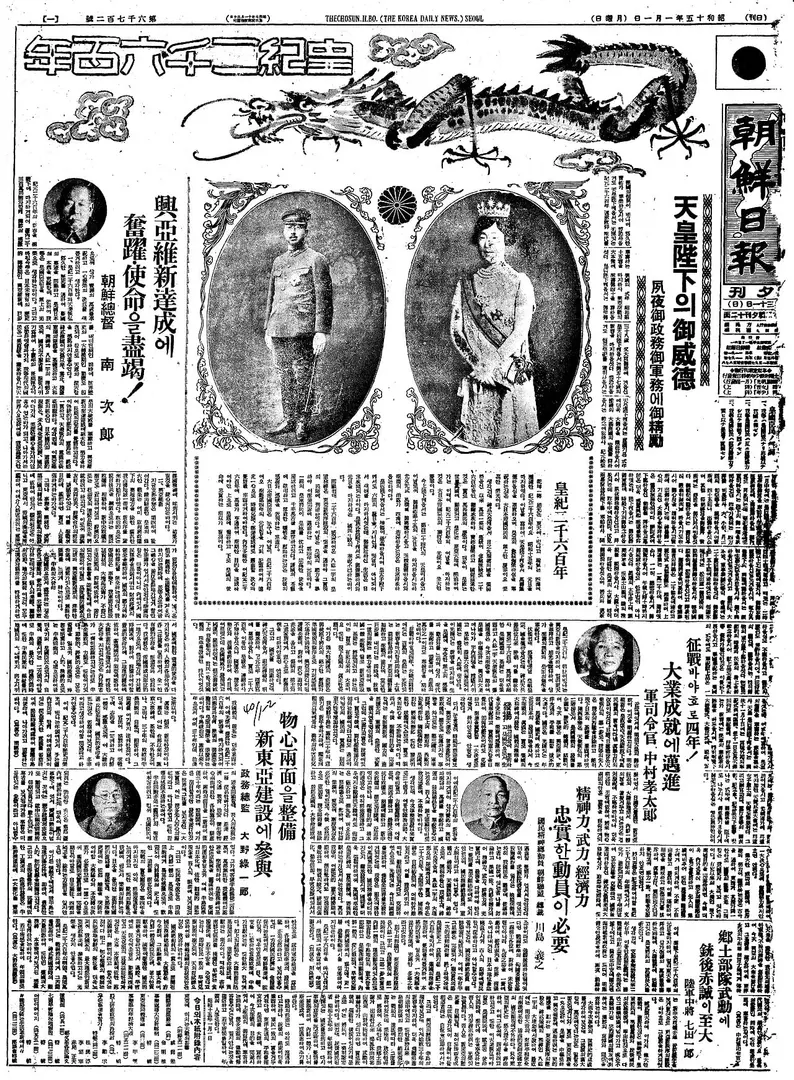
    The Chosun Ilbo Gallery is the exhibition space of Chosun Ilbo, South Korea's largest-circulation daily newspaper and the oldest still-publishing title in the country. The paper was founded in 1920 — initially under the name "Chosen Nippo" during the Japanese colonial period, then forcibly shuttered in 1940 and relaunched under its current name in 1945. The in-house gallery at the Seoul headquarters hosts regularly changing exhibitions featuring Korean and international artists, positioning itself as a cultural forum beyond the paper's newsroom. Its central Seoul location makes it a low-key but substantive stop for art-minded visitors.
  • COEX Mall

    COEX Mall

    Seoul

    naturelocal gemsshopping

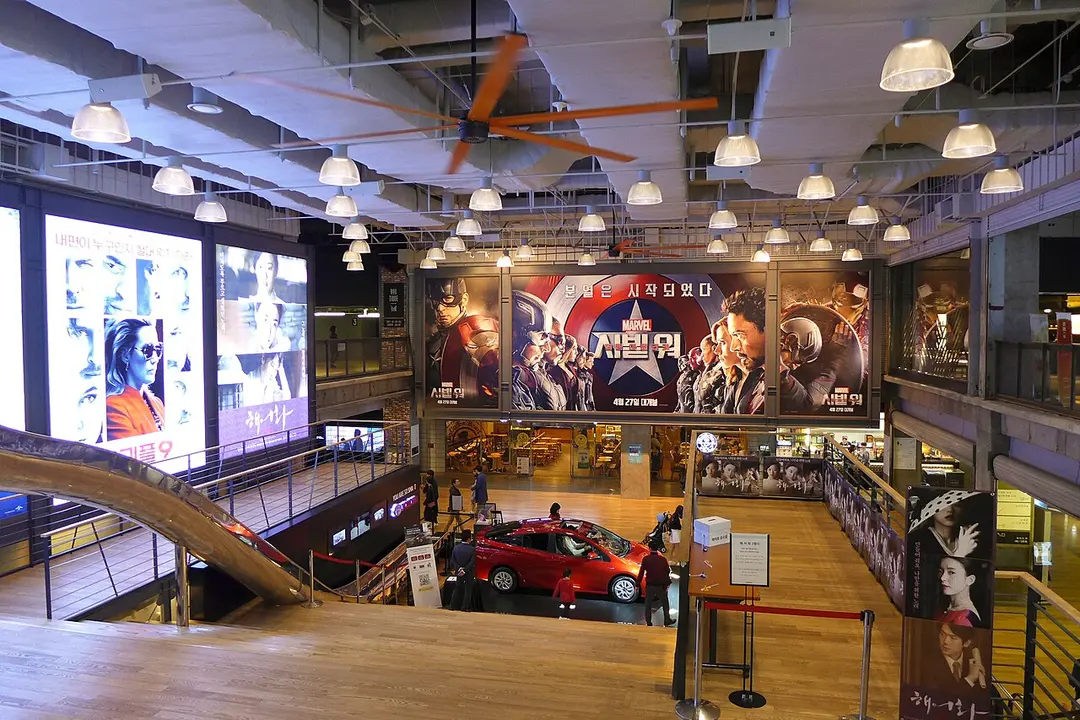
    COEX Mall is Seoul's most famous underground shopping and entertainment center, nestled within the World Trade Center complex in the Gangnam district. With its long subterranean corridors, hundreds of stores, an aquarium, a cinema, and countless restaurants, it forms its own universe beneath the city. After a comprehensive renovation between 2012 and 2014, the mall received a modern facelift. The iconic Starfield Library section with its towering bookshelf wall has become a beloved photo spot. COEX also serves as a venue for international trade fairs and K-Pop events.

  • Deoksugung Palace

    Deoksugung Palace

    Seoul

    architecturehistorylocal gems

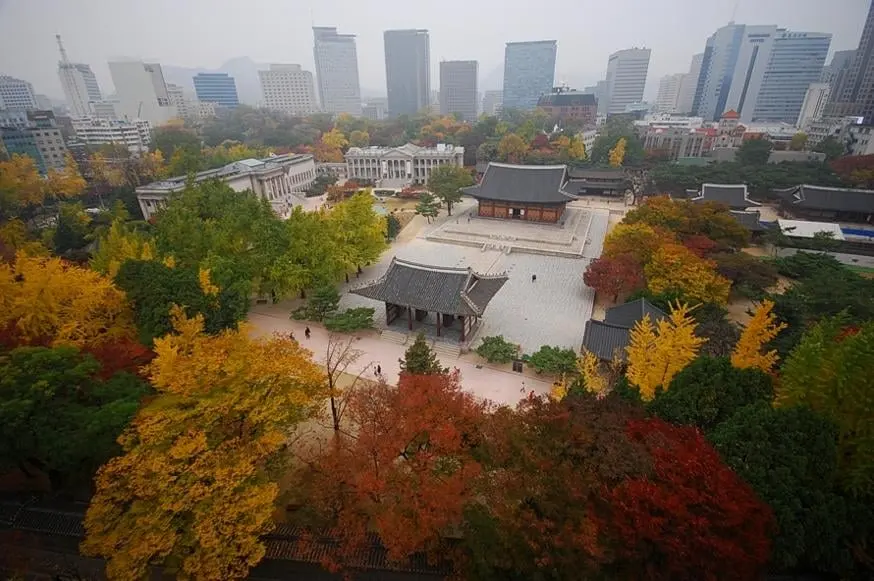
    Deoksugung is one of the five great royal palaces of Seoul from the Joseon dynasty and the only one located in the heart of the modern city centre, surrounded by skyscrapers and city hall. Its name means "Palace of Enduring Virtue." Originally a royal villa, it served as the main royal residence in the late 19th and early 20th century during the turbulent years of the Japanese protectorate. The changing of the guard at the main gate Daehanmun, which takes place daily, is a popular attraction. The palace grounds are also well known as a tree-lined walking path and offer a rare peaceful retreat in the heart of the megacity.

  • Gwanghwamun Plaza

    Gwanghwamun Plaza

    Seoul

    architecture

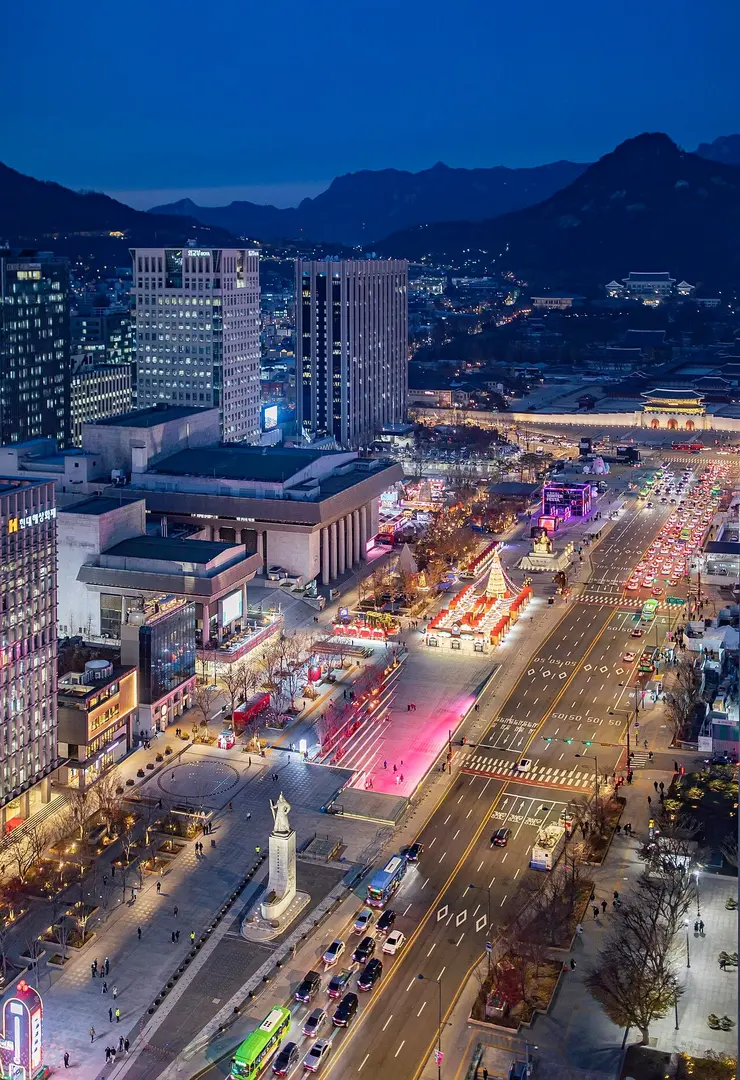
    Gwanghwamun Plaza in the heart of Seoul is South Korea's most symbolically significant public square. Opened in 2009 and comprehensively redesigned in 2021–2022, it stretches in front of the Gwanghwamun Gate, the main entrance to Gyeongbokgung Palace, and is flanked by Sejongdaero Avenue. Two iconic monuments define the space: the statue of King Sejong the Great, creator of the Korean Hangul alphabet, and the statue of Admiral Yi Sunsin, the 16th-century national hero. Beneath the square lies a museum dedicated to King Sejong as well as an installation about the Gwanghwamun Gate itself. The plaza serves simultaneously as a gathering place, a forum for public demonstration and the backdrop for major national celebrations.

  • Gyeongbokgung

    Gyeongbokgung

    Seoul

    architecturehistory

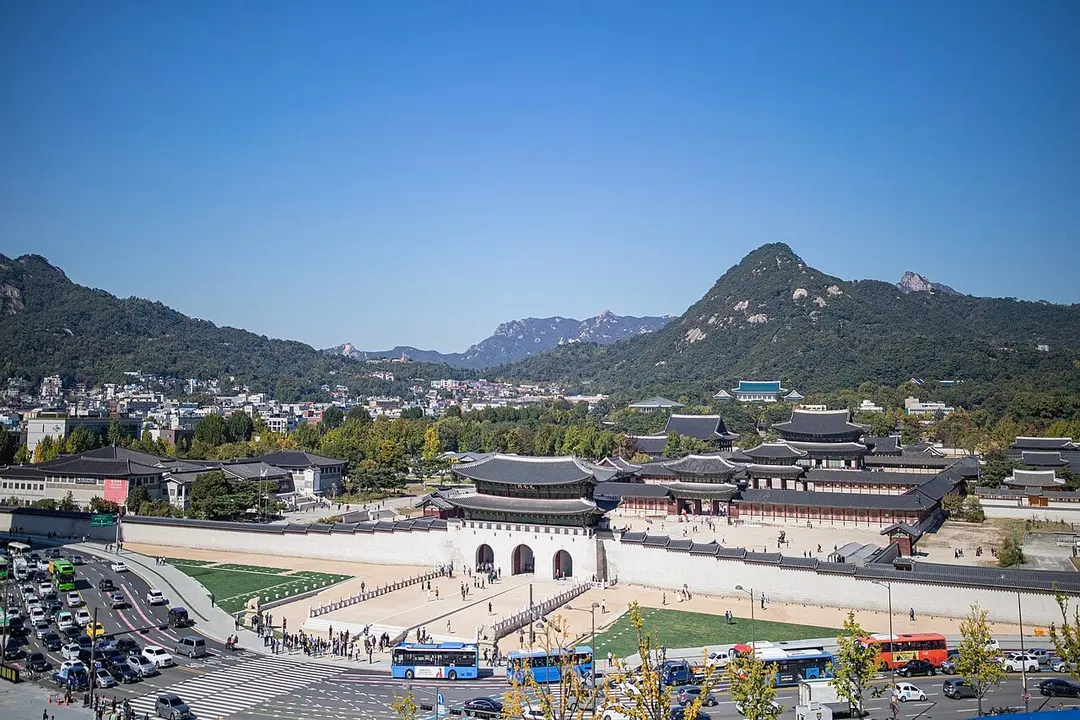
    Gyeongbokgung – the "Palace of Shining Happiness" – is the first and grandest of Seoul's five great royal palaces built during the Joseon Dynasty. Founded in 1395, it served as the primary royal residence for around 200 years before being almost completely burned down by Japanese invaders during the Imjin War (1592–1598). A large-scale reconstruction took place only in the 19th century. The palace complex, with more than 500 buildings and pavilions, ponds and ceremonial gardens, is one of Korea's most significant historic sites. Particularly well known is the hourly changing of the guard at the Gwanghwamun main gate, performed in historical costume. Restoration work continues to bring more and more buildings back to the public.

  • Gyeonghuigung Palace

    Gyeonghuigung Palace

    Seoul

    architecturehistory

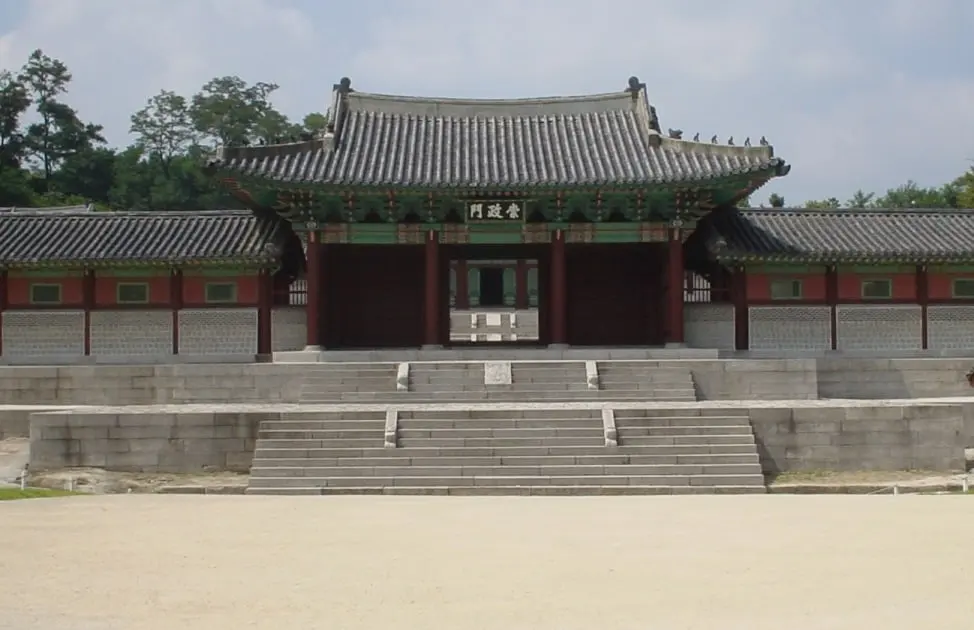
    Gyeonghuigung (경희궁) is one of the five grand royal palaces built in Seoul during the Joseon dynasty. Located in the western inner city, it served as a secondary residence for Korean kings — particularly at times when the main palace, Gyeongbokgung, was unavailable. At its height the complex comprised over 100 buildings; today, after destruction wrought by the Japanese colonial administration (1910–1945) and the Korean War, only a few structures survive. An extensive restoration programme has brought back key pavilions and gates. The grounds now also house the Seoul Museum of History and a tranquil park popular with locals as a recreational destination. Gyeonghuigung is the least visited of Seoul's palaces, offering a far more peaceful experience than the tourist-heavy Gyeongbokgung.

  • Hammering Man

    Hammering Man

    Seoul

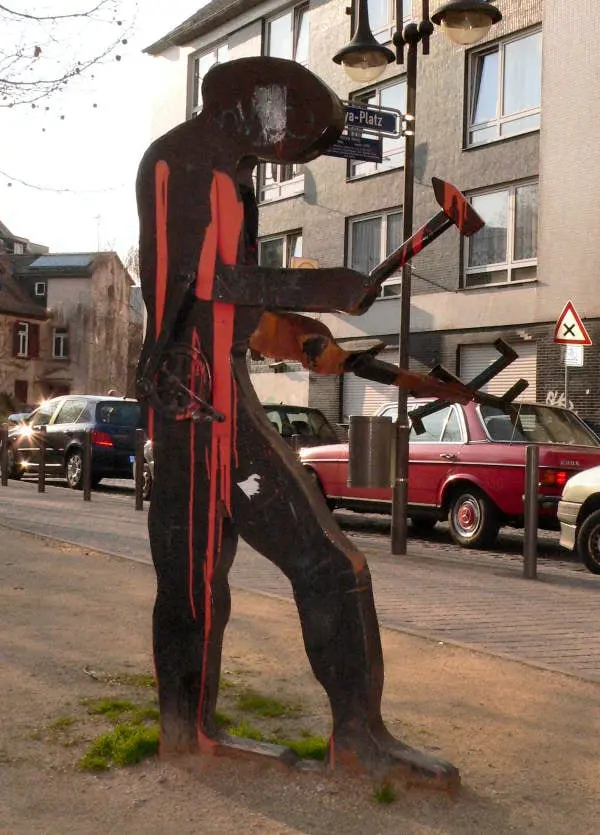
    The Hammering Man is a motor-driven large-scale sculpture by US artist Jonathan Borofsky, installed since 1990 in front of the Leeum, Samsung Museum of Art in Seoul. The almost 22-metre-tall black silhouette of a working figure swings its hammer in a slow, meditative rhythm — not frantically like a machine, but at the pace of a real human worker. Borofsky has installed versions of the Hammering Man in cities around the world — Frankfurt, Seattle, Basel and others — but the Seoul figure is one of the largest. It is a homage to all working people and stands for the universal dignity of physical labour. Morning and evening you can watch the arm rise and fall, a quiet timekeeper in the urban bustle.

  • Heunginjimun Gate

    Heunginjimun Gate

    Seoul

    historylocal gemsmystery

    Heunginjimun, popularly known as Dongdaemun — the Great East Gate — is one of the original four great gates of Seoul's Joseon-era city wall. The first gate was built in the fourteenth century under King Taejo, founder of the Joseon dynasty; the current structure dates from a reconstruction in the late nineteenth century. Unlike the other great gates, Heunginjimun features a semicircular outer defensive wall — an architectural detail that sets it apart from its counterparts. Although Seoul has grown up around it and the gate now stands in the heart of the city centre, it still conveys something of the character of a historic city entrance. It is one of the few fully preserved structures from the Joseon era in modern Seoul.

  • Jogyesa Temple

    Jogyesa Temple

    Seoul

    architecturehistory

    Jogyesa Temple in the heart of Seoul is the spiritual center of Korean Seon Buddhism. Founded in 1395 during the Joseon dynasty, it was designated the chief temple of the Jogye Order in 1936, Korea's largest Buddhist organization. The main hall Daeungjeon houses three gilded Buddha statues and is flanked by ancient white pines and plane trees that predate the buildings by centuries. Set within the busy Jongno-gu district, the temple grounds offer unexpected calm amid the urban bustle. During the spring Lotus Lantern Festival, the courtyard transforms into a sea of colorful light.

  • National Hangeul Museum

    National Hangeul Museum

    Seoul

    knowledge

    The National Hangeul Museum in Seoul, opened in 2014, is the world's only museum entirely dedicated to the Korean Hangul script. It explores the history, linguistic structure, and cultural context of the writing system developed in the 15th century by Joseon King Sejong the Great. Spread across over 11,000 square metres in Yongsan Family Park, directly adjacent to the National Museum of Korea, it presents exhibitions on Hangul's linguistic principles, historical documents, and its significance for Korean identity. The museum appeals to both Korean visitors and international guests curious about one of the world's most systematically designed writing systems.

Keep exploring

These places are just the beginning.

Rate places with a swipe — TravelType learns from your tags what you love and curates your own map. Private until you choose to share.

Create your profile