63 Building
Seoul
history
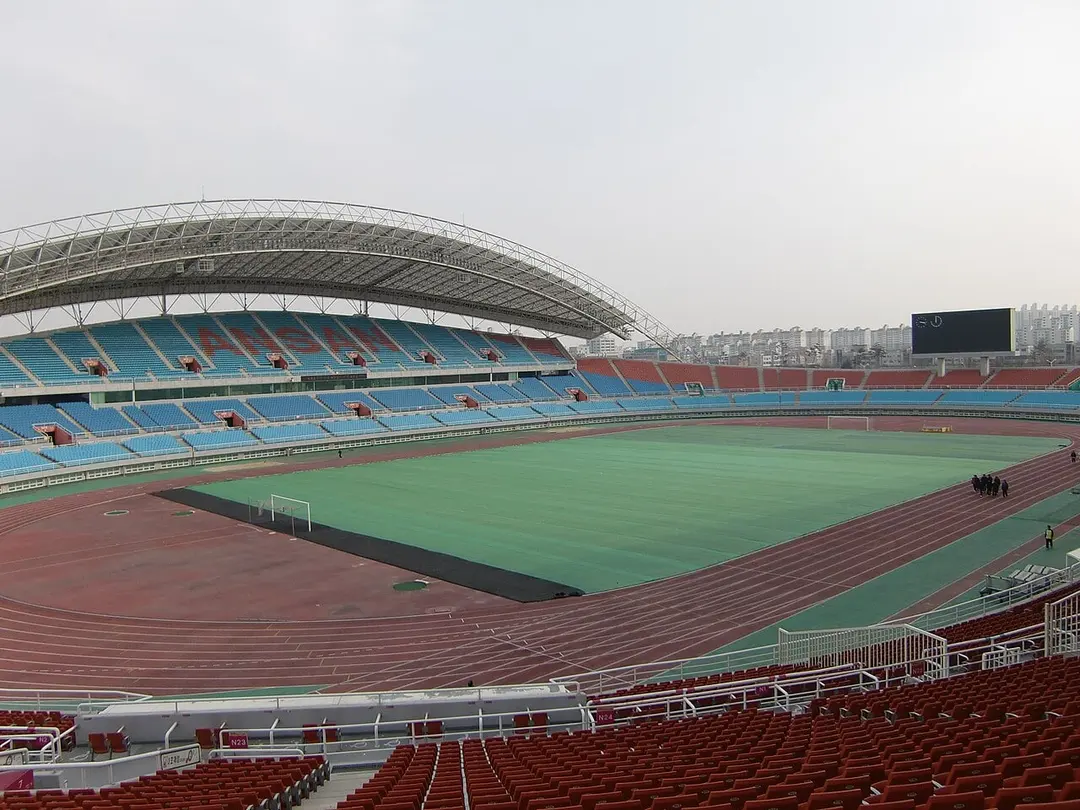
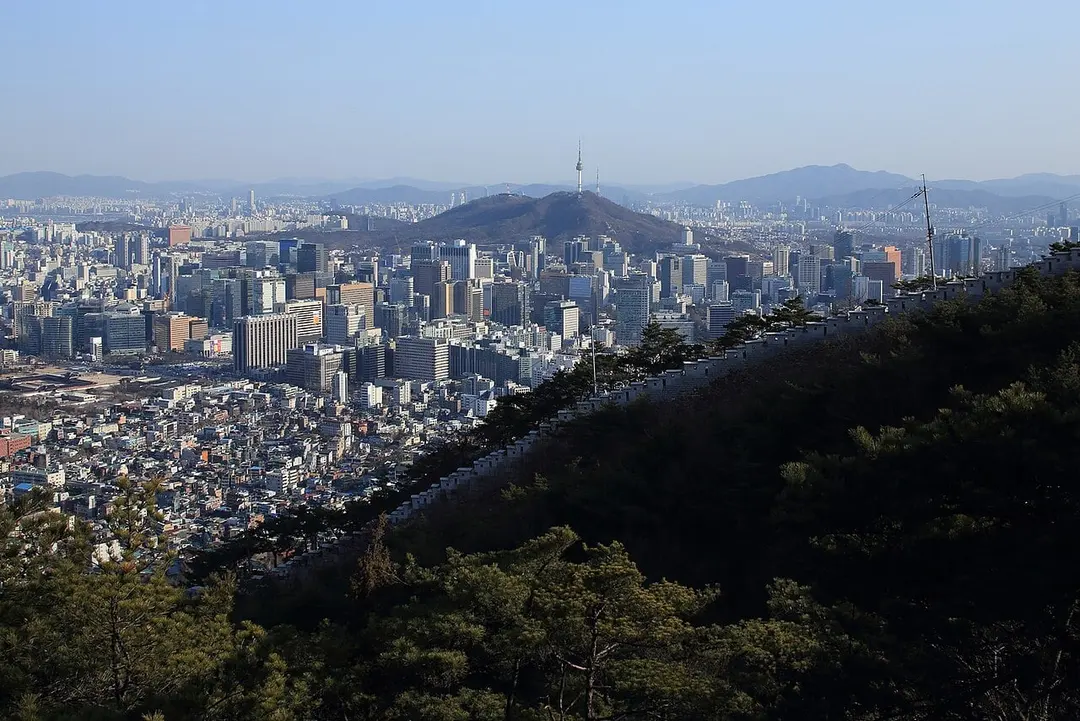
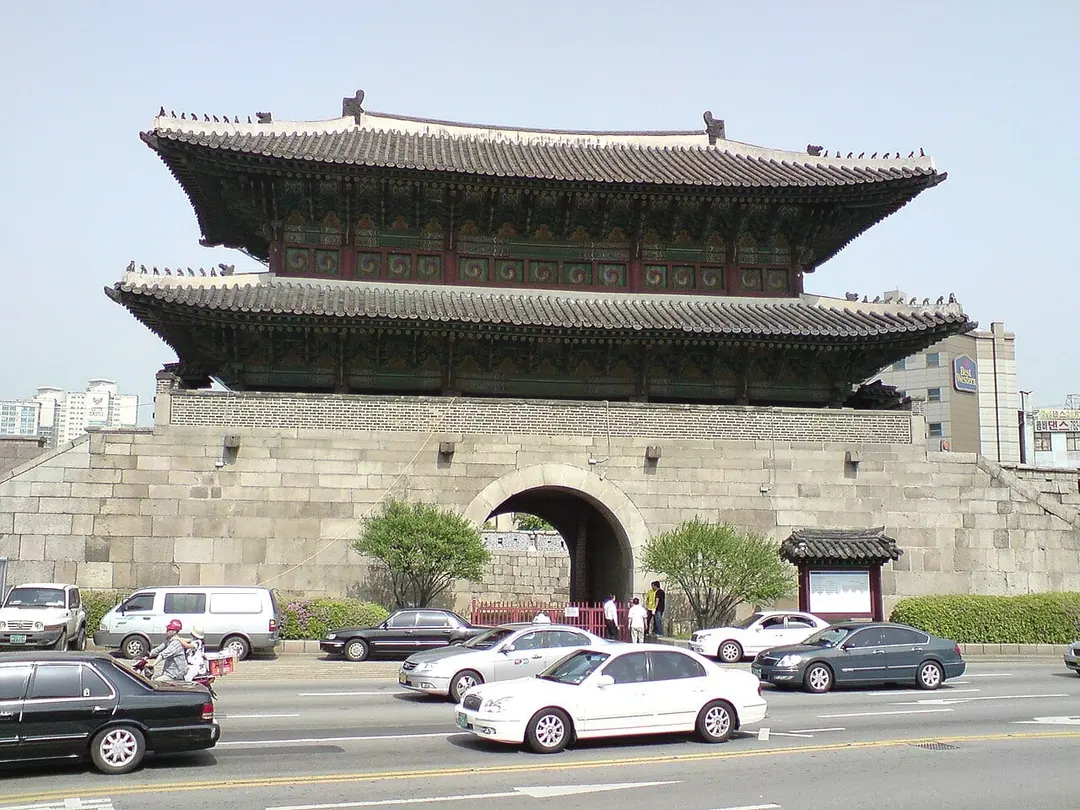
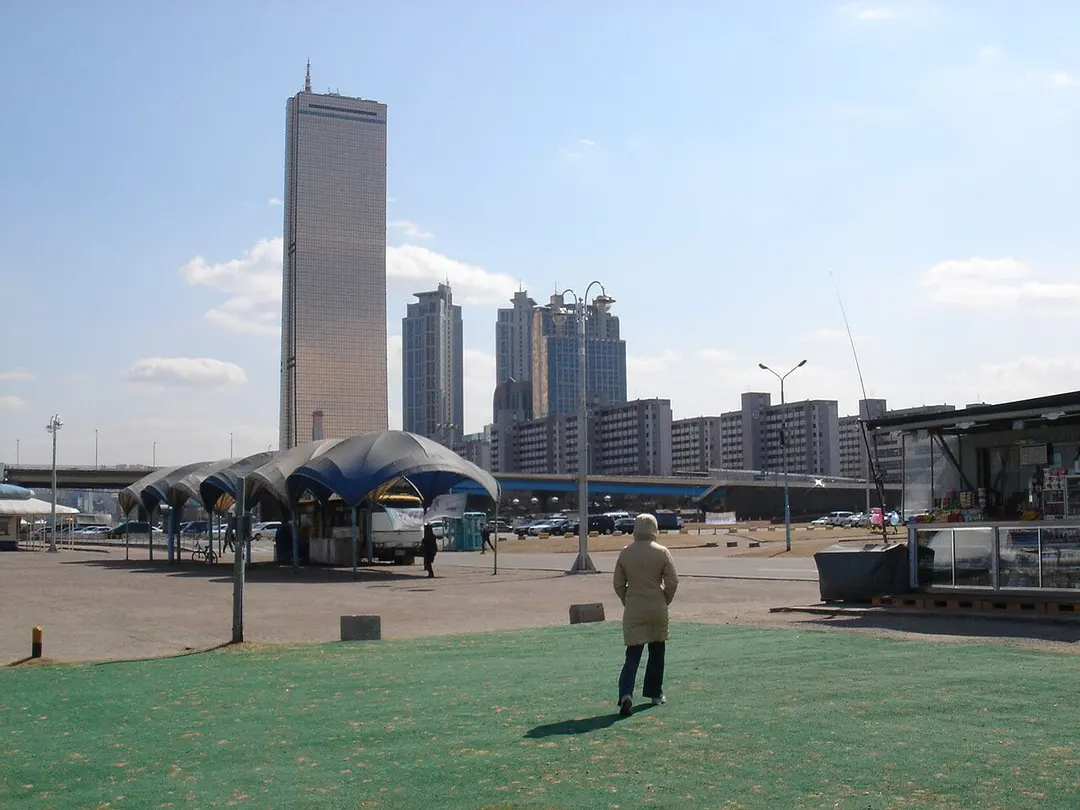
Seoul's history is tangible across the city. The five grand Joseon-era palaces — Gyeongbokgung, Changdeokgung, Changgyeonggung, Deoksugung, and Gyeonghuigung — trace centuries of royal rule at the heart of the Korean peninsula. The Fortress Wall of Seoul, also known as the Hanyang City Wall, once enclosed the entire old capital, and the Heunginjimun Gate remains one of its most recognisable surviving structures. More recent layers of the city's story appear in landmarks such as the 63 Building and in venues like Gocheok Sky Dome, Incheon Football Stadium, Incheon Munhak Stadium, and Ansan Wa~ Stadium.
12 places · Seoul, South Korea · Editorially curated
Seoul
Seoul
Seoul
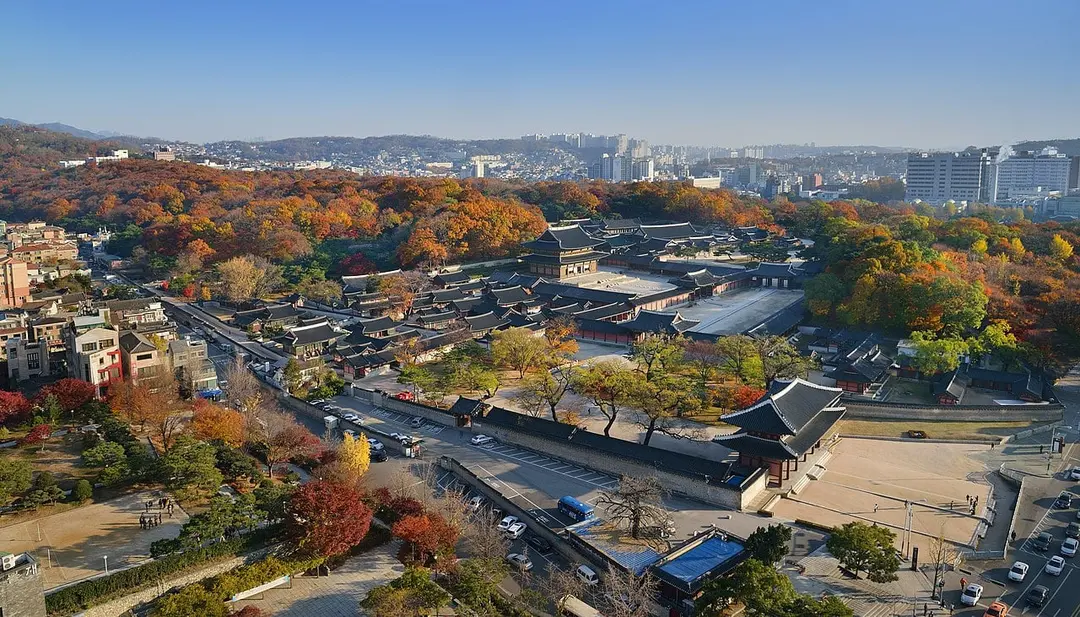
Changdeokgung Palace is one of the Five Grand Palaces of the Joseon Dynasty (1392–1897) and is regarded as one of the most beautiful surviving palaces in Korea. Located in the Jongno district of Seoul, east of Gyeongbokgung, it is known together with Changgyeonggung as the "East Palace." Unlike other palaces built on a strict axis, Changdeokgung follows the natural terrain — pavilions, ponds, and pathways blend harmoniously into the landscape. The centerpiece is the Biwon, the "Secret Garden": a vast, naturalistic garden ensemble with ancient trees, ponds, and pleasure pavilions, reserved for centuries exclusively for the king and his entourage. Since 1997 the palace complex has been a UNESCO World Heritage Site. It is especially popular in autumn, when the Biwon blazes with red and gold foliage.
Seoul
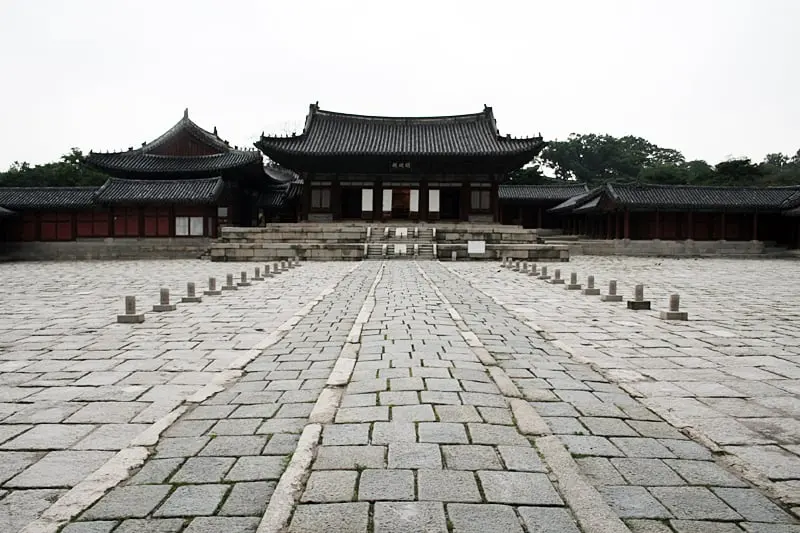
Changgyeonggung is one of Seoul's five grand palaces from the Joseon Dynasty, originally constructed in 1419 under the name Suganggung to house royal relatives. After a major renovation in 1483, it received its current name. The palace served a more domestic role than the ceremonial Gyeongbokgung, housing queen dowagers and royal children in its quieter courtyards and pavilions. Destroyed during the Imjin War in the late 16th century, it was rebuilt in 1616. During Japanese colonial rule, the grounds were humiliatingly converted into a public zoo and botanical garden — a transformation only reversed in 1983 when the site was restored to its historical palace function. Today, Changgyeonggung offers a more peaceful alternative to the crowded Gyeongbokgung nearby, with its lotus ponds, ancient trees, and traditional Korean architecture largely intact and unhurried.
Seoul
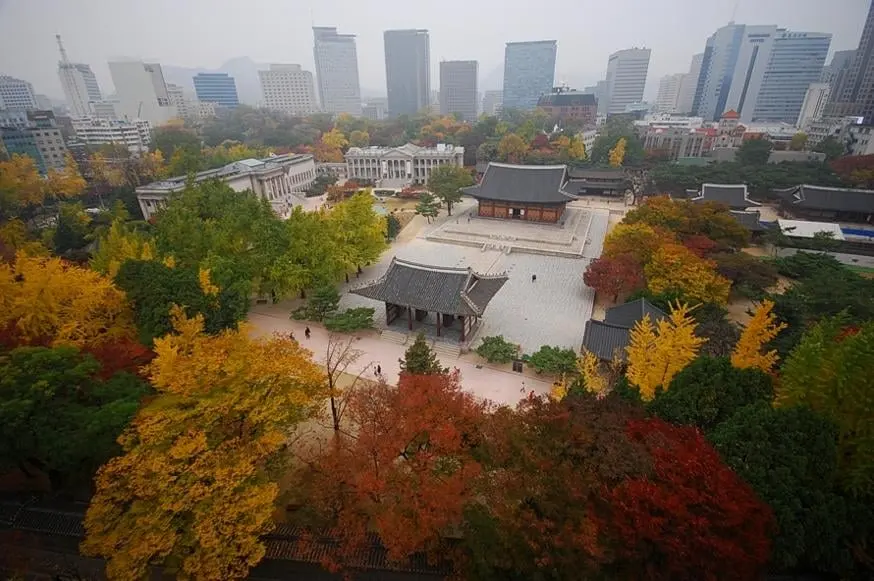
Deoksugung is one of the five great royal palaces of Seoul from the Joseon dynasty and the only one located in the heart of the modern city centre, surrounded by skyscrapers and city hall. Its name means "Palace of Enduring Virtue." Originally a royal villa, it served as the main royal residence in the late 19th and early 20th century during the turbulent years of the Japanese protectorate. The changing of the guard at the main gate Daehanmun, which takes place daily, is a popular attraction. The palace grounds are also well known as a tree-lined walking path and offer a rare peaceful retreat in the heart of the megacity.
Seoul
The Hanyangdoseong — Seoul's Fortress Wall — is the surviving remnant of the city fortifications of Hanyang, the predecessor city of modern Seoul, built during the Joseon Dynasty (1392–1910). The original wall enclosed the entire city and stretched approximately 18 kilometres. Its sections traverse four mountain ridges within the city: Bugaksan, Naksan, Namsan, and Inwangsan. Today, large portions have been restored and opened as hiking trails, offering breathtaking views of modern Seoul framed by ancient wall towers and gates. The wall is a designated Korean national treasure and an ongoing candidate for UNESCO World Heritage status.
Seoul
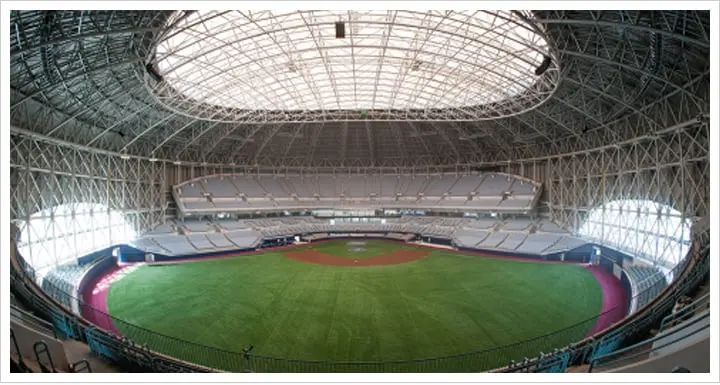
The Gocheok Sky Dome is South Korea's first and only domed baseball stadium — a futuristic structure in Seoul's Gocheok-dong district that opened in 2015. It seats around 16,800 spectators, with capacity rising to 25,000 for concerts and major events. Since 2016 it has been home to the Kiwoom Heroes, one of the most popular teams in the Korean Baseball League. The dome provides shelter from Korea's often unpredictable seasonal weather, making it a venue that combines baseball with a comfortable big-city experience. Even non-fans will find it worth a visit — the architecture, atmosphere and street food scene around the stadium are remarkable.
Seoul
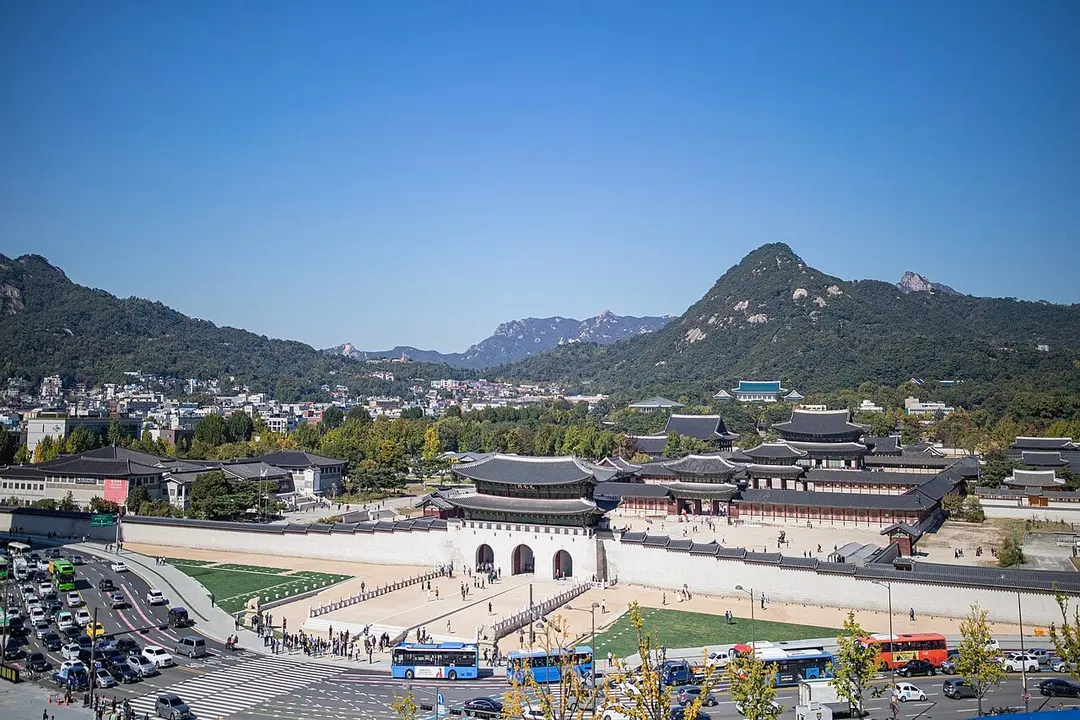
Gyeongbokgung – the "Palace of Shining Happiness" – is the first and grandest of Seoul's five great royal palaces built during the Joseon Dynasty. Founded in 1395, it served as the primary royal residence for around 200 years before being almost completely burned down by Japanese invaders during the Imjin War (1592–1598). A large-scale reconstruction took place only in the 19th century. The palace complex, with more than 500 buildings and pavilions, ponds and ceremonial gardens, is one of Korea's most significant historic sites. Particularly well known is the hourly changing of the guard at the Gwanghwamun main gate, performed in historical costume. Restoration work continues to bring more and more buildings back to the public.
Seoul
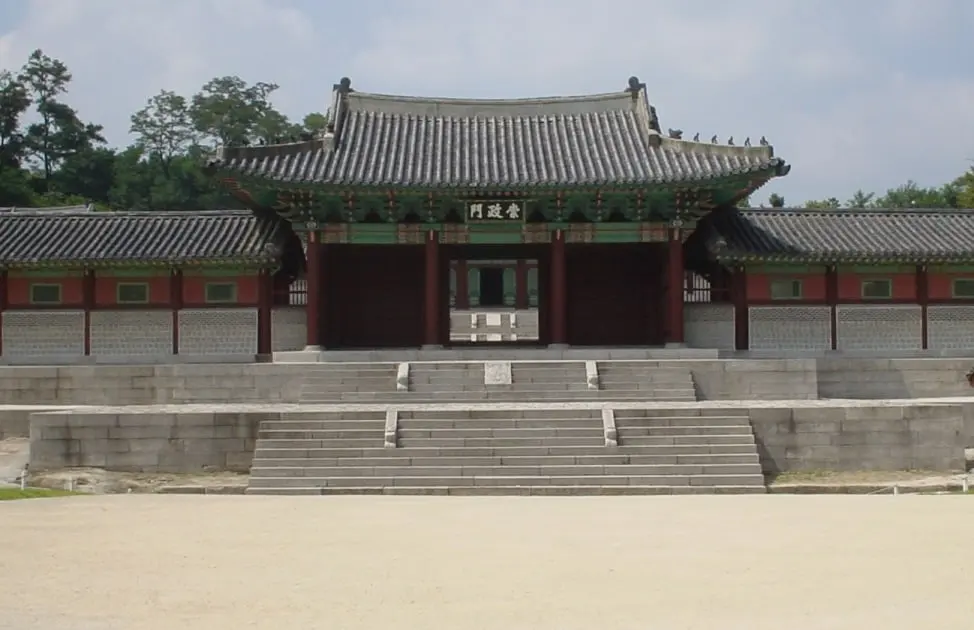
Gyeonghuigung (경희궁) is one of the five grand royal palaces built in Seoul during the Joseon dynasty. Located in the western inner city, it served as a secondary residence for Korean kings — particularly at times when the main palace, Gyeongbokgung, was unavailable. At its height the complex comprised over 100 buildings; today, after destruction wrought by the Japanese colonial administration (1910–1945) and the Korean War, only a few structures survive. An extensive restoration programme has brought back key pavilions and gates. The grounds now also house the Seoul Museum of History and a tranquil park popular with locals as a recreational destination. Gyeonghuigung is the least visited of Seoul's palaces, offering a far more peaceful experience than the tourist-heavy Gyeongbokgung.
Seoul
Heunginjimun, popularly known as Dongdaemun — the Great East Gate — is one of the original four great gates of Seoul's Joseon-era city wall. The first gate was built in the fourteenth century under King Taejo, founder of the Joseon dynasty; the current structure dates from a reconstruction in the late nineteenth century. Unlike the other great gates, Heunginjimun features a semicircular outer defensive wall — an architectural detail that sets it apart from its counterparts. Although Seoul has grown up around it and the gate now stands in the heart of the city centre, it still conveys something of the character of a historic city entrance. It is one of the few fully preserved structures from the Joseon era in modern Seoul.
Seoul
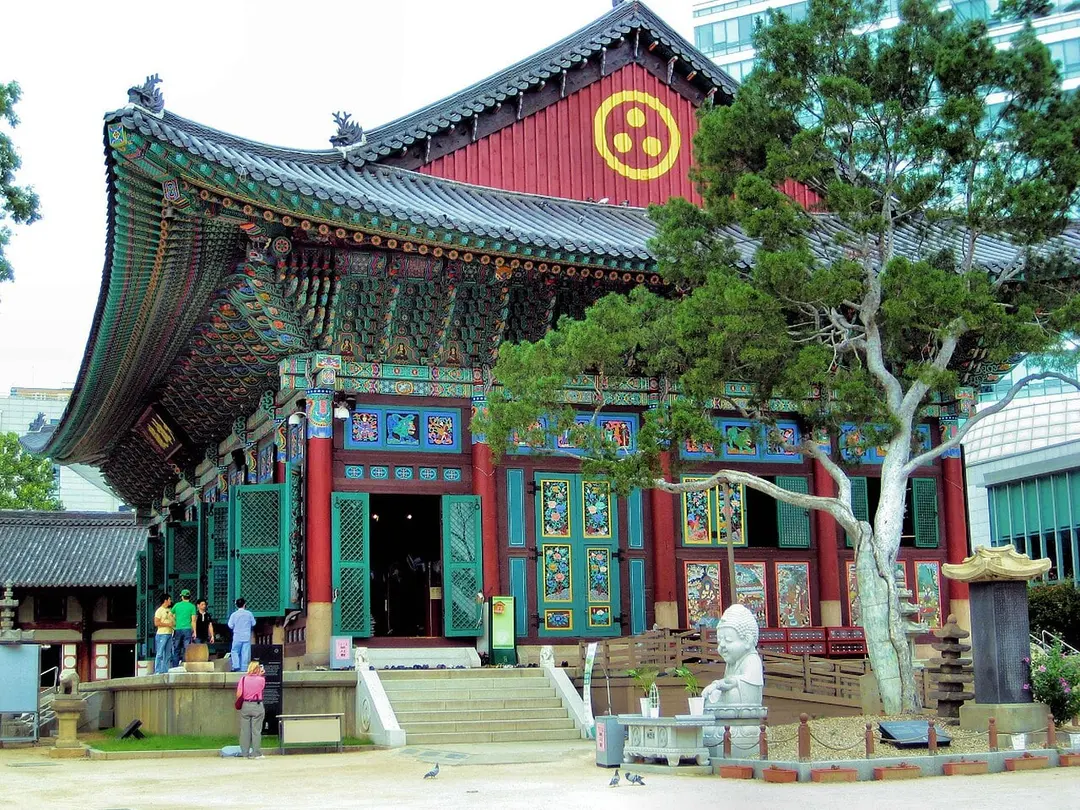
Jogyesa Temple in the heart of Seoul is the spiritual center of Korean Seon Buddhism. Founded in 1395 during the Joseon dynasty, it was designated the chief temple of the Jogye Order in 1936, Korea's largest Buddhist organization. The main hall Daeungjeon houses three gilded Buddha statues and is flanked by ancient white pines and plane trees that predate the buildings by centuries. Set within the busy Jongno-gu district, the temple grounds offer unexpected calm amid the urban bustle. During the spring Lotus Lantern Festival, the courtyard transforms into a sea of colorful light.
Seoul
Keep exploring
Rate places with a swipe — TravelType learns from your tags what you love and curates your own map. Private until you choose to share.