TravelType

history

History in Tallinn

Tallinn's history unfolds across centuries and contested memories. The Church of the Holy Spirit and Charles' Church reflect the city's medieval layers, while the Alexander Nevsky Cathedral and the Danish King Garden mark distinct periods of outside rule. Freedom Square and the Bronze Soldier speak to the turbulent modern era, and the Estonian War Museum – General Laidoner Museum traces the country's 20th-century military past. The Memorial to the Victims of the Kaleva Shootdown and the Klooga concentration camp site bear witness to wartime losses. Kadriorg Palace and the Soviet-era Linnahall complete a remarkably layered historical landscape.

10 places · Tallinn, Estonia · Editorially curated

  • Alexander Nevsky Cathedral (Tallinn)

    Alexander Nevsky Cathedral (Tallinn)

    Tallinn

    architectureculture

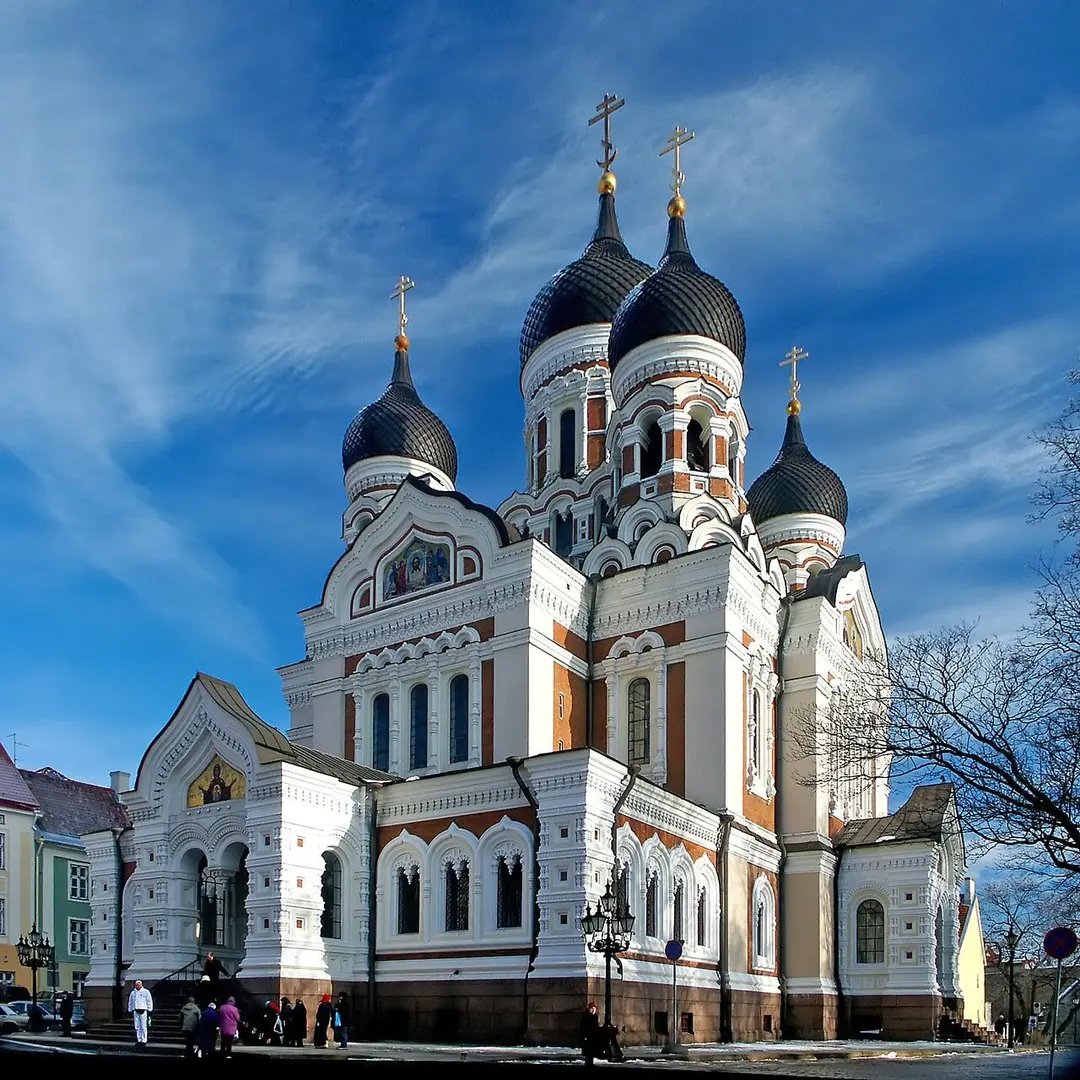
    The Alexander Nevsky Cathedral crowns Toompea Hill in Tallinn and is the largest cupola church in the Estonian capital. Built between 1894 and 1900 on behalf of the Russian Empire, it was intended as a visible statement of Russian authority — a symbolism that still resonates today. Named after the Russian national saint Alexander Nevsky, its gilded onion domes are a defining feature of Tallinn's skyline. The late Patriarch Alexy II began his priestly ministry here. Today it serves as the main cathedral of the Estonian Orthodox Church of the Moscow Patriarchate.
  • Danish King Garden

    Danish King Garden

    Tallinn

    nature

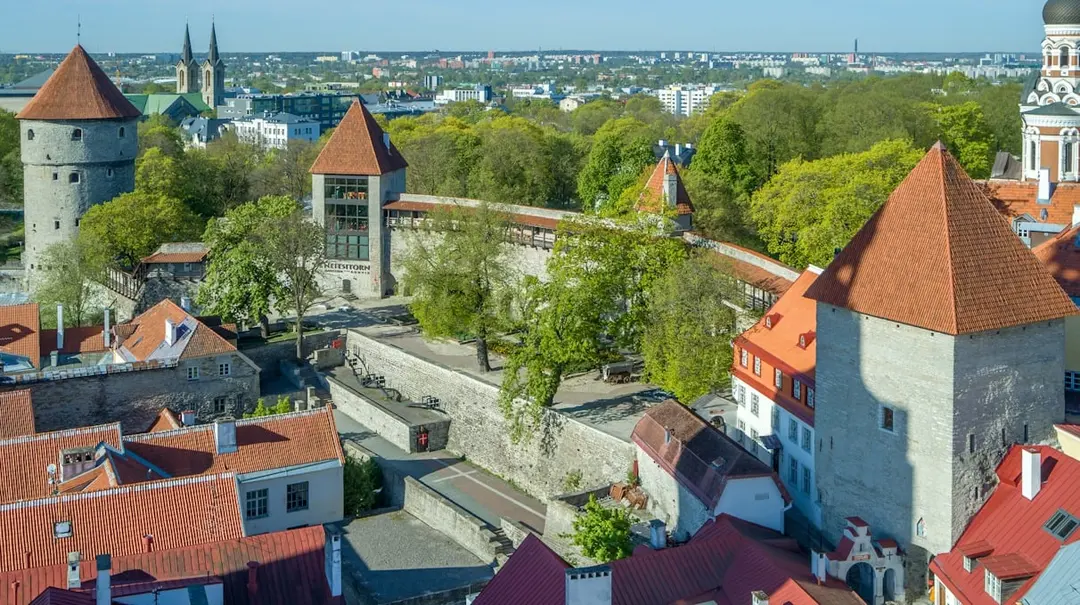
    The Danish King Garden is a quiet small park in Tallinn's medieval Old Town, located west of Rüütli Street. The name recalls Danish rule over Tallinn (Reval), which began in the 13th century when Danish crusaders built the castle on Toompea Hill. A stone commemorative plaque dedicated to the artist brothers Paul and Kristjan Raud has been placed in the park. The garden is a tranquil green retreat within Tallinn's UNESCO-protected Old Town – a small place that reflects the city's long history as a crossroads of Northern European powers.

  • Estonian War Museum - General Laidoner Museum

    Estonian War Museum - General Laidoner Museum

    Tallinn

    knowledge

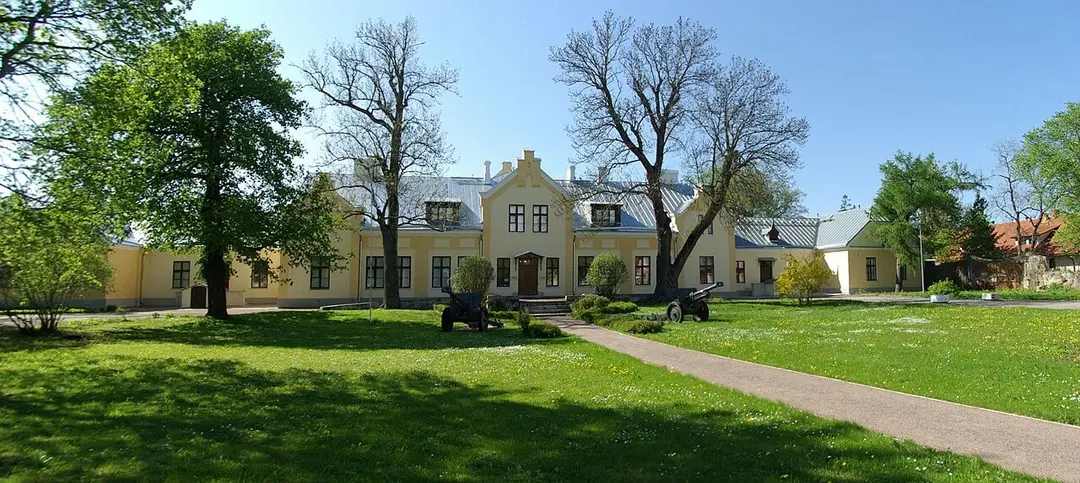
    The Estonian War Museum in Viimsi, north of Tallinn, is dedicated to Estonian military history from the medieval period to the present day. It is named after General Johan Laidoner, who commanded the Estonian forces during the 1918 to 1920 War of Independence. The museum displays weapons, uniforms, vehicles and personal items from different eras, with a particularly strong focus on the War of Independence and the 20th-century occupation periods.

  • Freedom Square (Tallinn)

    Freedom Square (Tallinn)

    Tallinn

    architectureculturelocal gems

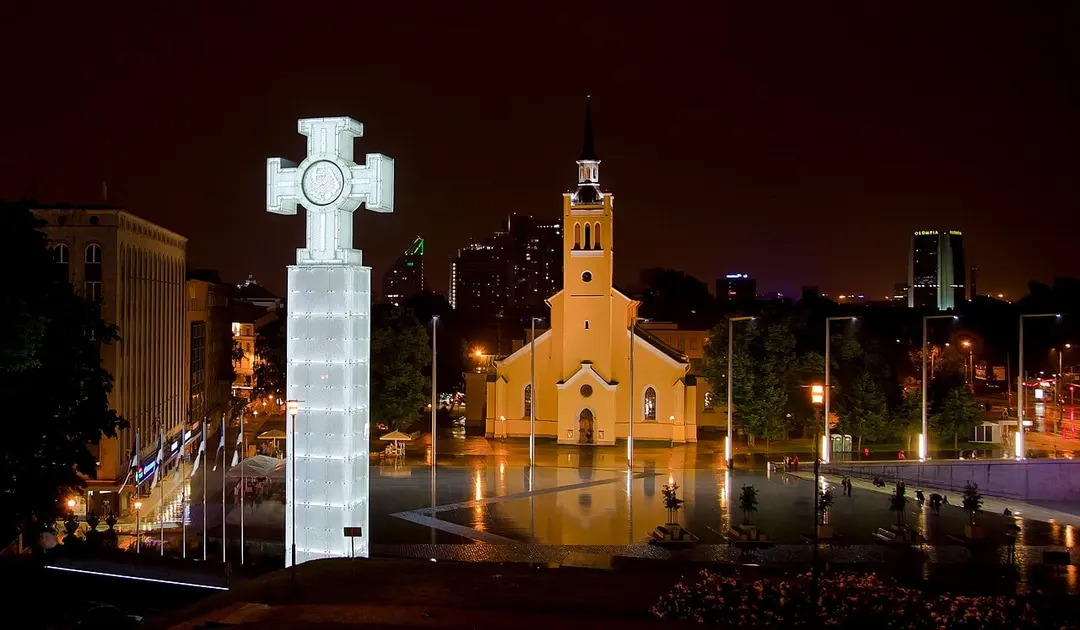
    Freedom Square at the southern edge of Tallinn's Old Town is dedicated to Estonia's hard-won independence — both the War of Independence of 1918–1920 and the restoration of sovereignty from the Soviet Union in 1991. On 20 August 2009, the 18th anniversary of the latter, the square was reopened in its current form. Its most striking feature is the Victory Column for the Estonian War of Independence, a modern glass obelisk unveiled the same year. St. John's Church bounds the square to the east, while an underground shopping center and a Victory Column mark its southern and western edges. Today the square functions as a busy transport hub and as the central stage for state ceremonies, concerts, and public gatherings — a living symbol of Estonian national identity.

  • Memorial to the Victims of the Kaleva Shootdown

    Memorial to the Victims of the Kaleva Shootdown

    Tallinn

    knowledgemystery

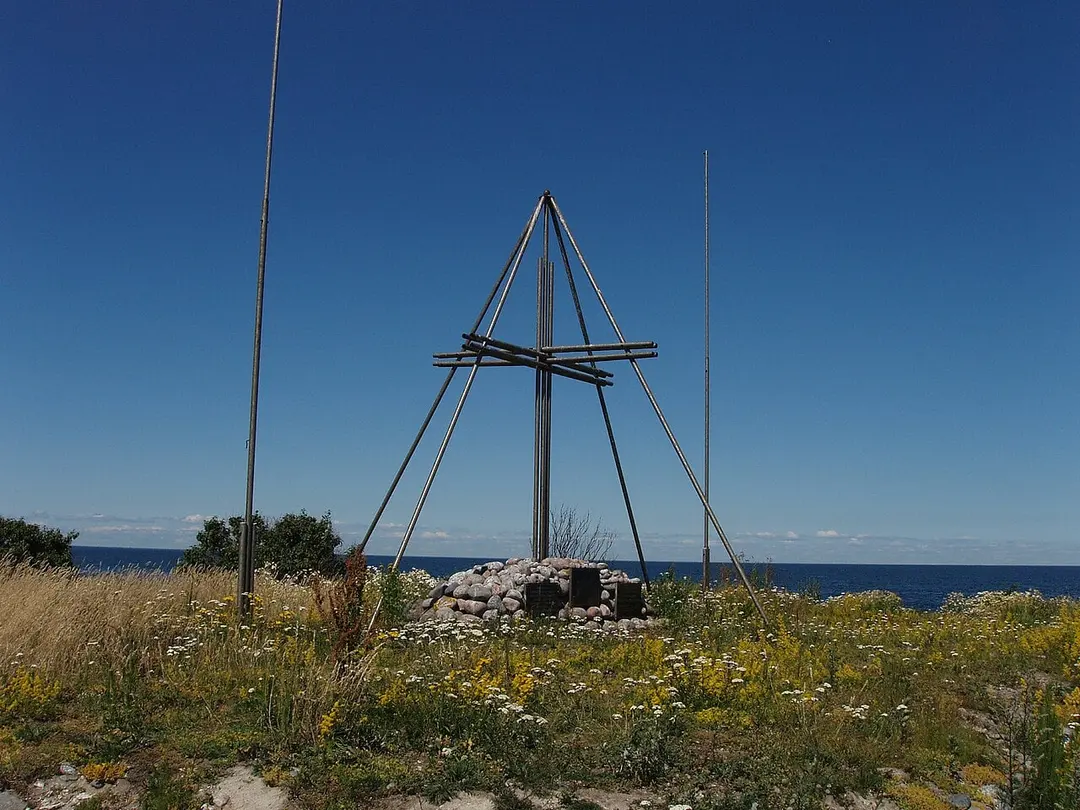
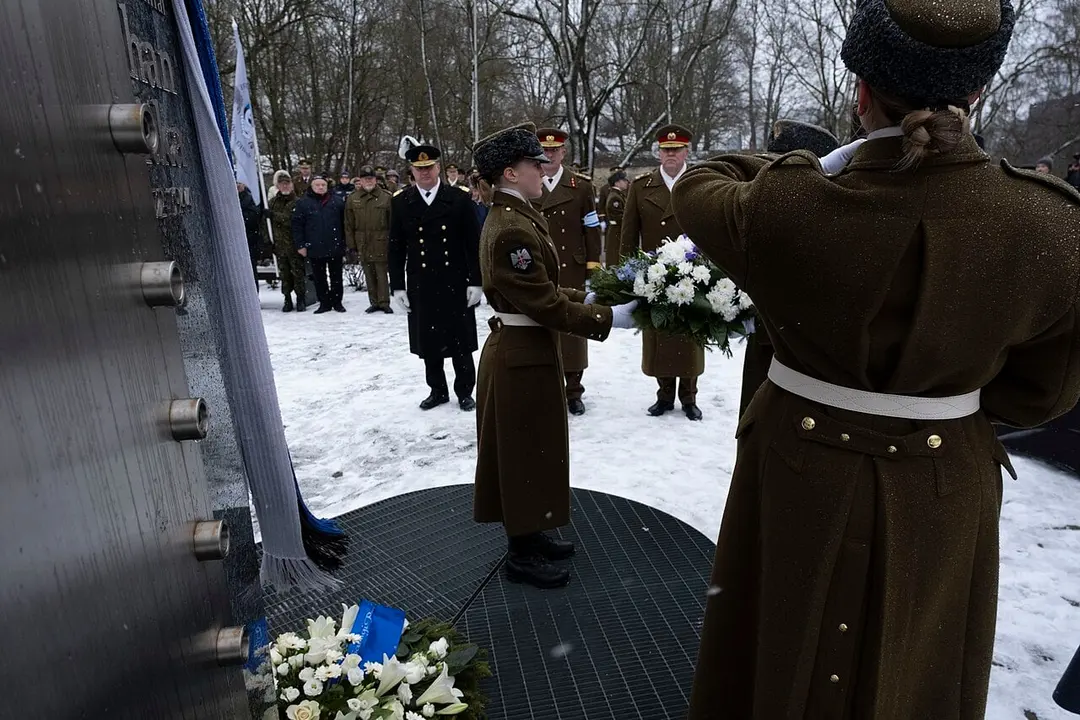
    This memorial commemorates the nine victims of the shootdown of the Kaleva – a Finnish Junkers Ju 52 passenger aircraft shot down on June 14, 1940 by Soviet naval aviation over the Gulf of Finland. The attack occurred while Estonia was under intense Soviet pressure and just days before its official occupation. Among those killed were diplomats from several Western nations. The wreck was only discovered in 2024 near the Estonian island of Keri at a depth of 71-76 metres – a sobering piece of history from the eve of Soviet occupation.

  • St. Michael Church Tallinn

    St. Michael Church Tallinn

    Tallinn

    culture

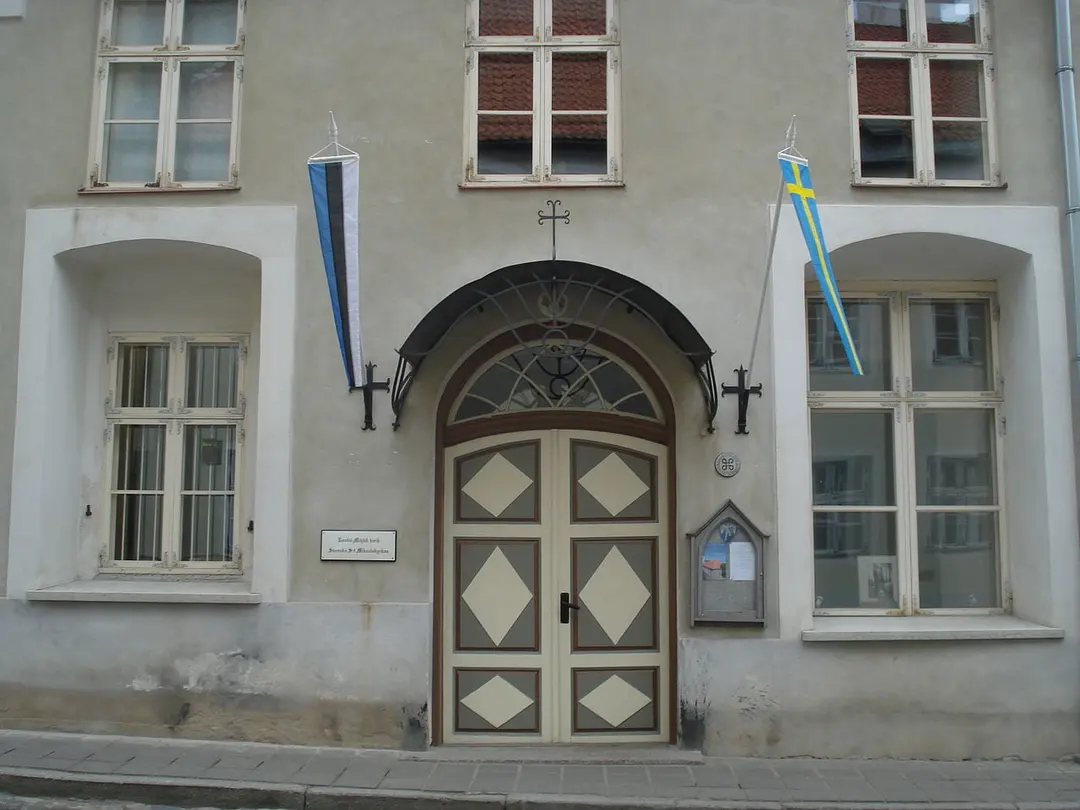
    St. Michael Church in Tallinn Old Town, known in Estonian as Rootsi-Mihkli kirik, is a 16th-century Lutheran church and the home of the Estonian-Swedish congregation. The plain, whitewashed nave sits on Rüütli tänav (Knight Street) and forms part of Tallinn UNESCO World Heritage Old Town. The church is renowned for its excellent acoustics and is regularly used for classical concerts — a lovely way to combine medieval atmosphere with live music. German-speaking and Finnish Lutheran congregations also share the building with the Swedish congregation.

  • Toompea Castle (Castrum Danorum)

    Toompea Castle (Castrum Danorum)

    Tallinn

    architecturelocal gemsmystery

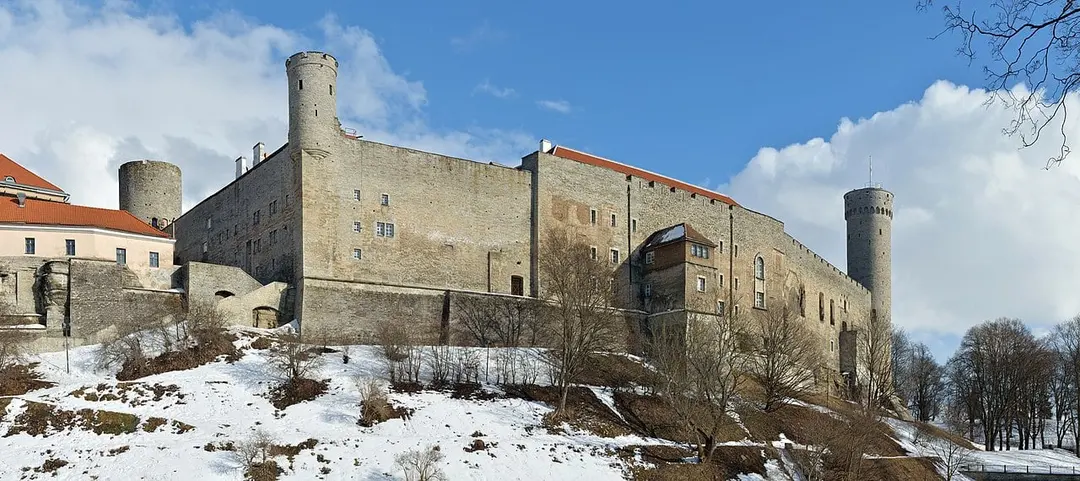
    Toompea Castle on Cathedral Hill in the heart of Tallinn dates back to a Danish foundation in the early 13th century — hence its Latin name Castrum Danorum, Castle of the Danes. It formed the military core of the emerging city of Tallinn and changed hands between Danish, Livonian, Swedish and Russian rule over the centuries. Today the castle houses the Estonian Parliament (Riigikogu), making it one of Europe's most unusual parliament buildings: a medieval fortress as the heart of modern democracy.

Keep exploring

These places are just the beginning.

Rate places with a swipe — TravelType learns from your tags what you love and curates your own map. Private until you choose to share.

Create your profile