1 Mai
Bucharest
local gems
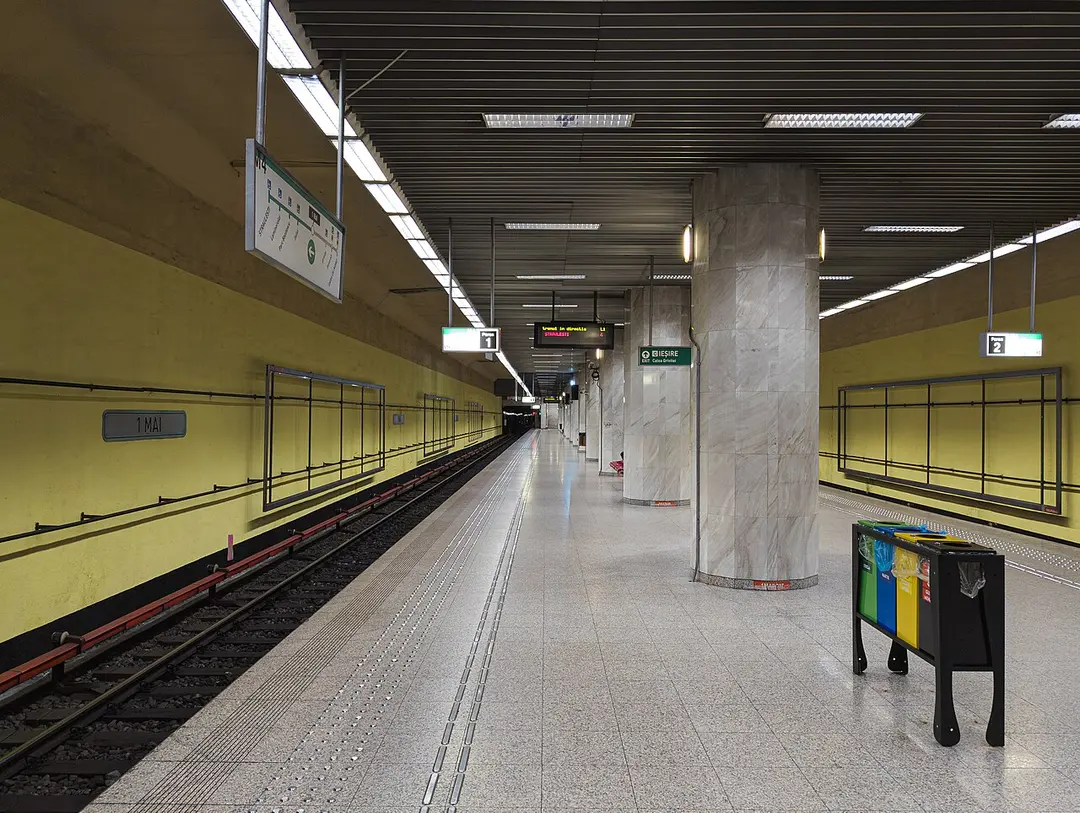
Bucharest rewards those who look beyond the obvious. The Cișmigiu Gardens and their calm lake offer a quiet retreat in the heart of the city, while Strada Covaci, near the old Curtea Veche princely court, captures the neighbourhood's lived-in character. Calea Victoriei blends grand architecture with everyday street life, and the Choral Temple reflects the city's layered past. Carol Park provides green space away from busier areas, and districts like 1 Mai give a feel for how Bucharest's residents actually live — far from the well-worn visitor trail.
9 places · Bucharest, Romania · Editorially curated
Bucharest
Bucharest
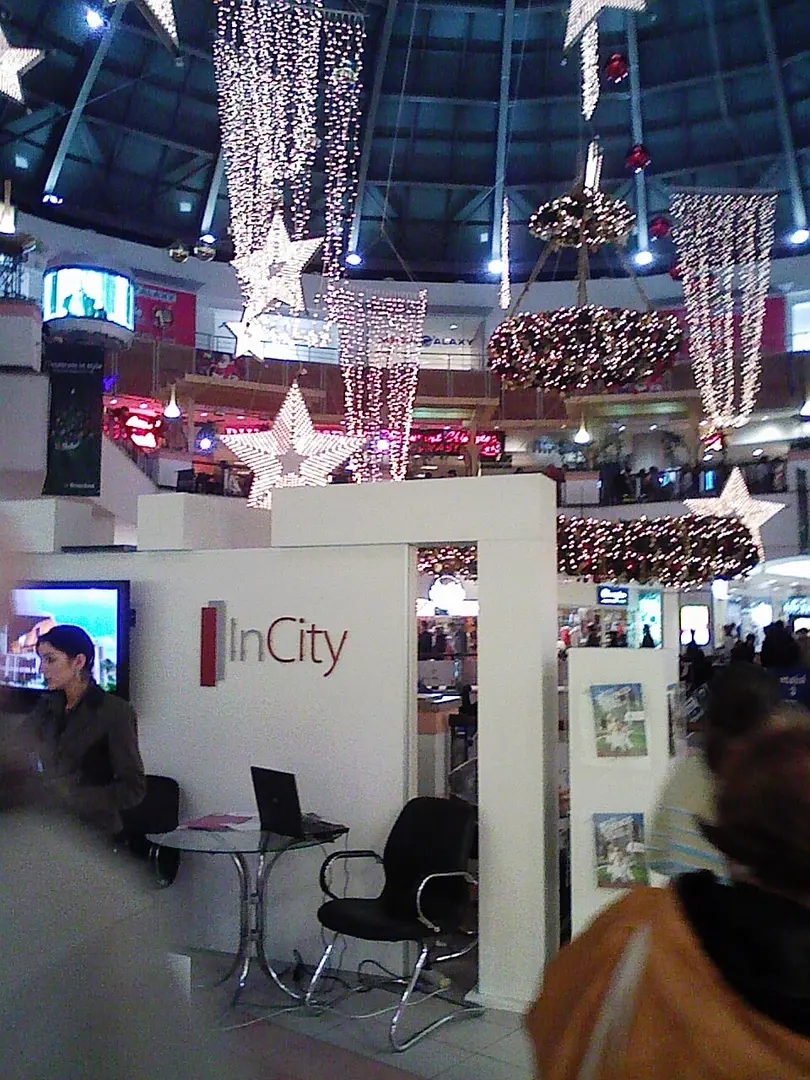
The București Mall in the Vitan neighbourhood was Romania's first modern Western-style shopping mall when it opened in 1999, marking a symbolic moment in the country's post-communist transition. The multi-storey complex near the Dudești and Văcărești districts introduced international fashion chains, a multiplex cinema, and food court culture to Bucharest for the first time. For a generation that had known decades of shortage, it was a significant social gathering point. Today it is one of several large malls in the city, but retains its place as Romania's retail pioneer.
Bucharest
Calea Victoriei is Bucharest's most famous and oldest street, tracing its origins to 1692 when Prince Constantin Brancoveanu ordered a road connecting his residence to the city. Its current name – Street of Victory – was given after the Russo-Turkish War of 1877–78. Stretching 2.7 km from Splaiul Independentei to Piata Victoriei, it lines up palaces, museums including the National History Museum of Romania, and the Cismigiu Garden. Today, the avenue serves as both a historical promenade and an upscale shopping street with elegant boutiques and cafes. Listed as a historic monument, it forms the architectural backbone of central Bucharest.
Bucharest
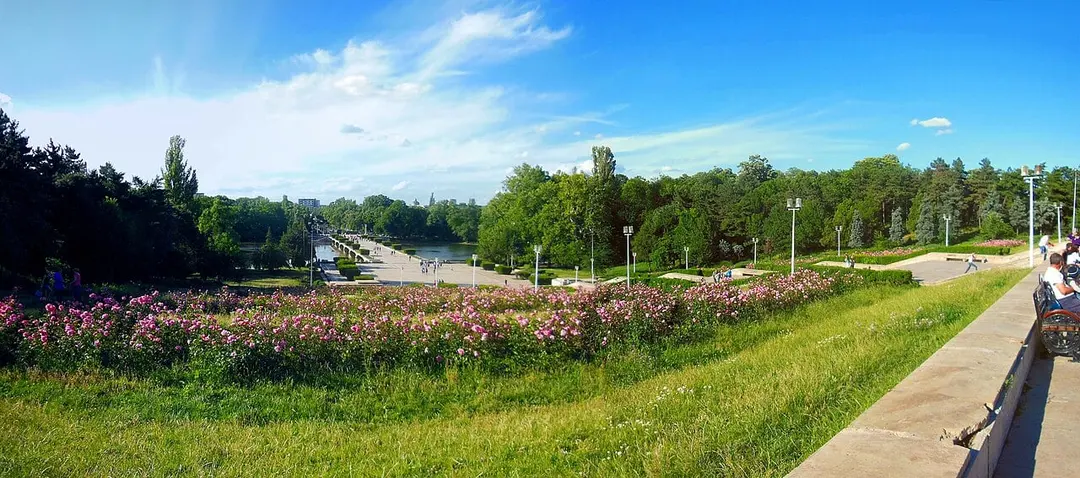
Parcul Carol — or Carol Park — is a historic city park on the Filaret Hill in southern-central Bucharest. It was designed between 1900 and 1906 by French landscape architect Édouard Redont to mark the 40th anniversary of King Carol I's reign. The original layout included a national exhibition with structures from different Romanian regions, a lake, hillocks, and romantic pathways. During communism the park was reshaped and temporarily renamed Parcul Libertatii; a socialist-era mausoleum now occupies part of the historic grounds. Despite these changes, Carol Park remains one of Bucharest's most atmospheric green spaces.
Bucharest
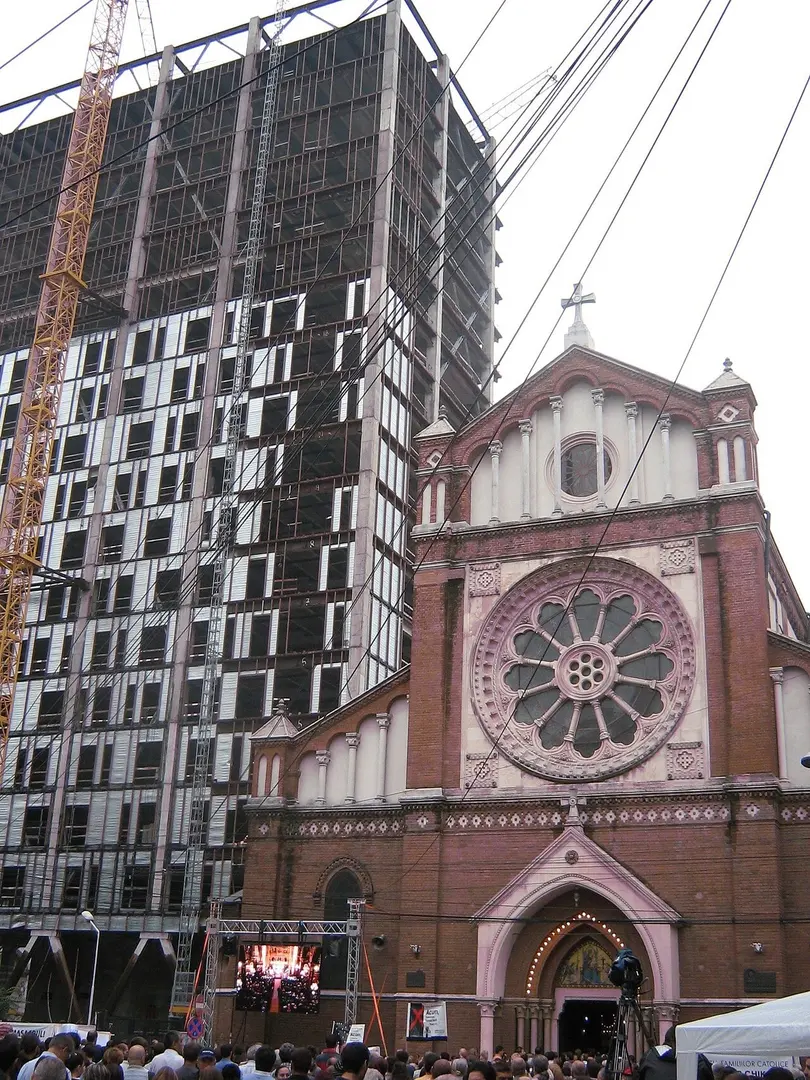
Cathedral Plaza is a 75-metre office tower in the historic centre of Bucharest, close to the Saint Joseph Cathedral. The 19-storey building was completed in 2010 but has never been occupied — allegedly because it still lacks valid planning permits. It stands as a silent colossus in the middle of the city core and is a much-discussed symbol of planning and regulatory failures in the Romanian property market. For urban observers and anyone interested in city development gone wrong, it is a remarkable, if unintentional, monument to Bucharest's post-communist urban history.
Bucharest
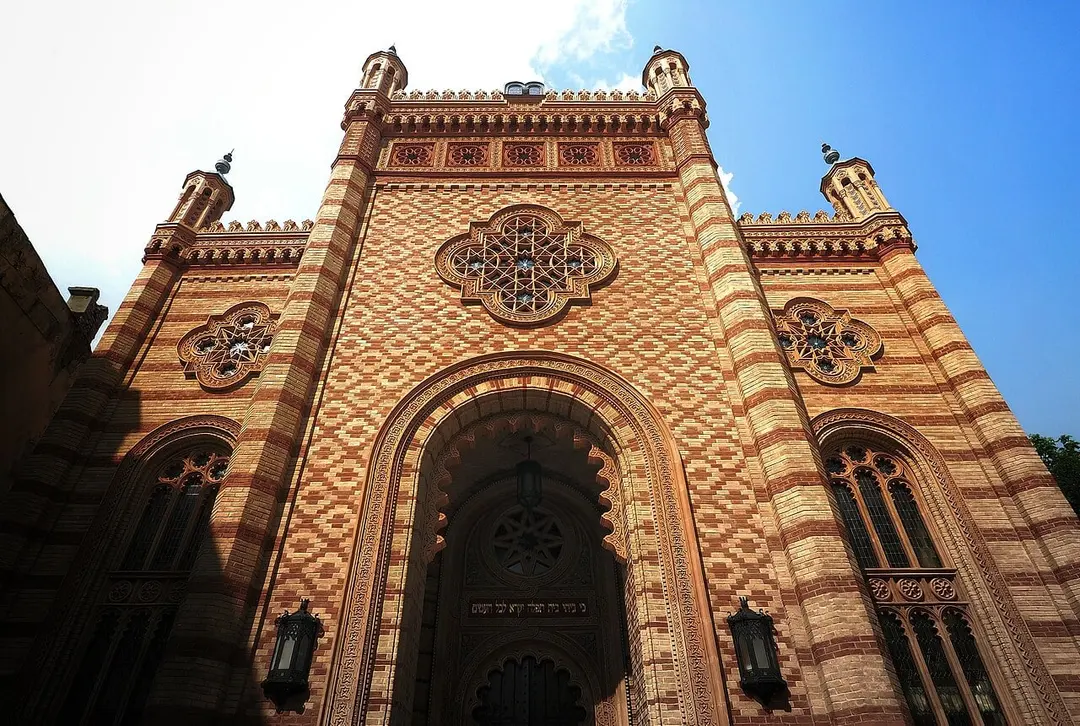
The Choral Temple in Bucharest is Romania's largest synagogue. Located in the 3rd district on Strada Sfânta Vineri, it was built in 1866 in the Moorish Revival style, then fashionable for Jewish houses of worship across Europe. With 300 seats each for men and women, it stands as one of the most imposing Jewish sacred buildings in southeastern Europe. The building survived the turbulent 20th century and remains an active testament to Bucharest's once-vibrant Jewish community.
Bucharest
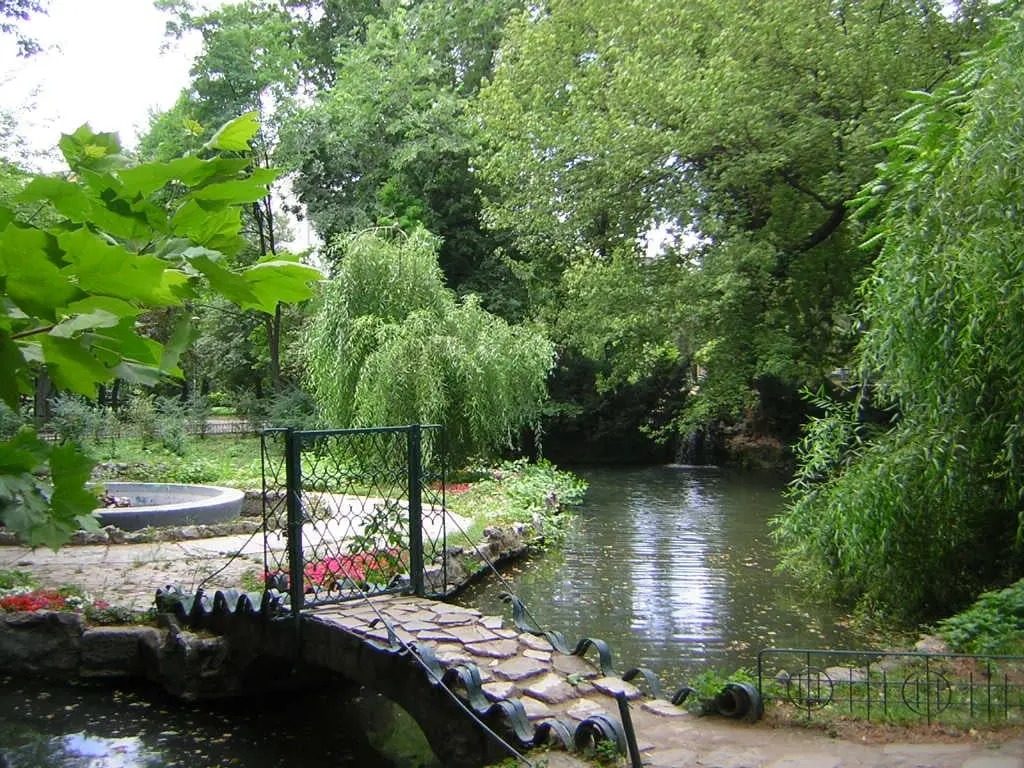
Cișmigiu Gardens is the oldest and largest park in central Bucharest, covering nearly 15 hectares. Laid out in the 19th century in the English landscape garden style, it centres on an artificial lake used for boating in summer and skating in winter. With its tree-lined alleys, monuments and cafés, it has long been a hub of city life. Today it remains a green retreat at the heart of downtown Bucharest.
Bucharest
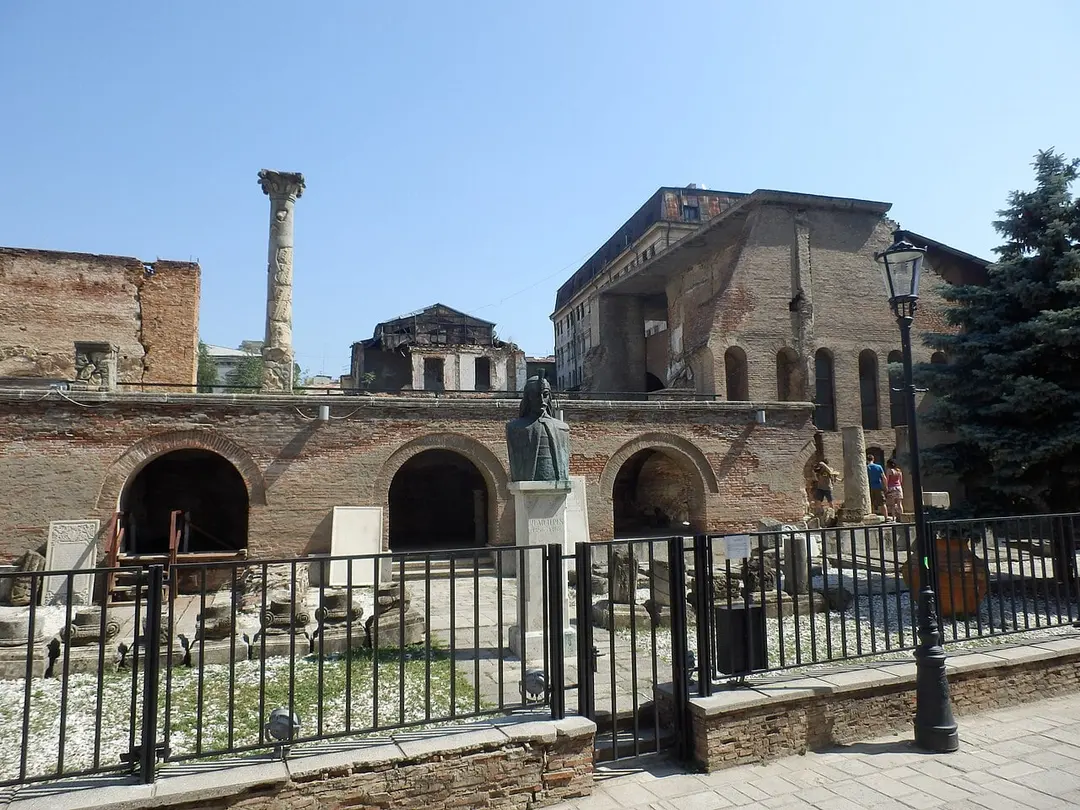
Curtea Veche, the Old Princely Court, was the residence of Vlad III Drăculea – the historical Vlad the Impaler – in the centre of Bucharest. The palace was built around 1459 and served as the seat of Wallachian princes until the 18th century. Archaeological excavations begun in 1953 uncovered walls, floor plans and medieval finds. The ruins are now a public museum of Bucharest city history. For those interested in the real history behind the Dracula myth, this is where it begins.
Bucharest
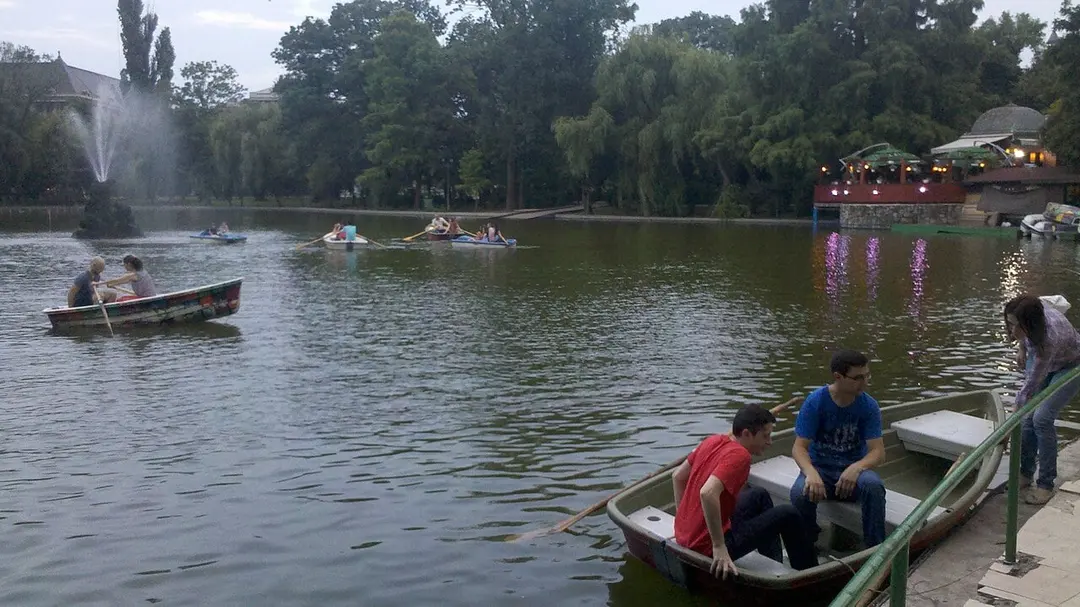
Lake Cișmigiu is an artificial lake at the heart of Bucharest, set within Cișmigiu Gardens. It is roughly 1.3 kilometres long, 50 metres wide and only 1 to 2 metres deep. In winter, the lake is artificially drained and the lake bed becomes a public ice-skating rink. In summer, visitors can take out rowing boats. The adjacent smaller Lake Lebedelor is reserved for water birds. The surrounding park is one of the most popular recreational areas in central Bucharest.
Keep exploring
Rate places with a swipe — TravelType learns from your tags what you love and curates your own map. Private until you choose to share.