TravelType

history

History in Bucharest

Bucharest's history is written across the city in layers. The Curtea Veche — the Old Princely Court — is one of the oldest surviving structures in the city, standing alongside Curtea Veche Church as a reminder of Wallachian princely rule. Bărăția is recognised as Bucharest's oldest Catholic church, while Bellu Cemetery serves as the resting place of many of Romania's notable figures. Calea Victoriei, one of the city's oldest thoroughfares, threads through these historical layers, as does Carol Park. Căldărușani Monastery and the Cathedral of Saint Basil the Great round out a landscape shaped by centuries of religious and civic life.

11 places · Bucharest, Romania · Editorially curated

  • Autostrada A2 – Motorway of the Sun

    Autostrada A2 – Motorway of the Sun

    Bucharest

    outdoor activities

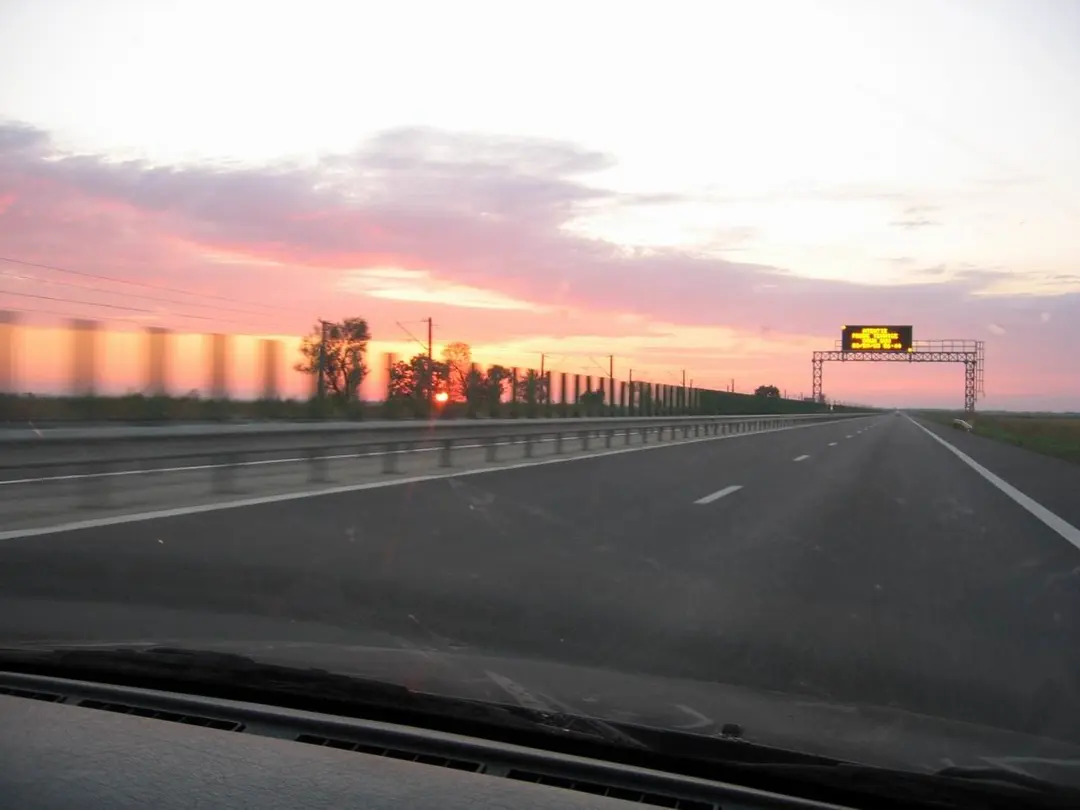
    The Autostrada A2, popularly known as the Motorway of the Sun, connects Bucharest's ring road to the Black Sea port of Constanța over 206 kilometres. It is Romania's main link between the capital and the coast, making it the country's busiest road in summer. First sections opened in 1987; the full route came into service in 2012. Anyone travelling from Bucharest to the Romanian seaside uses this road almost by necessity — it is less a destination in itself than a defining part of the Romanian coastal travel experience, crossing wide plains before the mood lifts as Constanța draws near.
  • Bărăția – Bucharest's Oldest Catholic Church

    Bărăția – Bucharest's Oldest Catholic Church

    Bucharest

    architectureknowledge

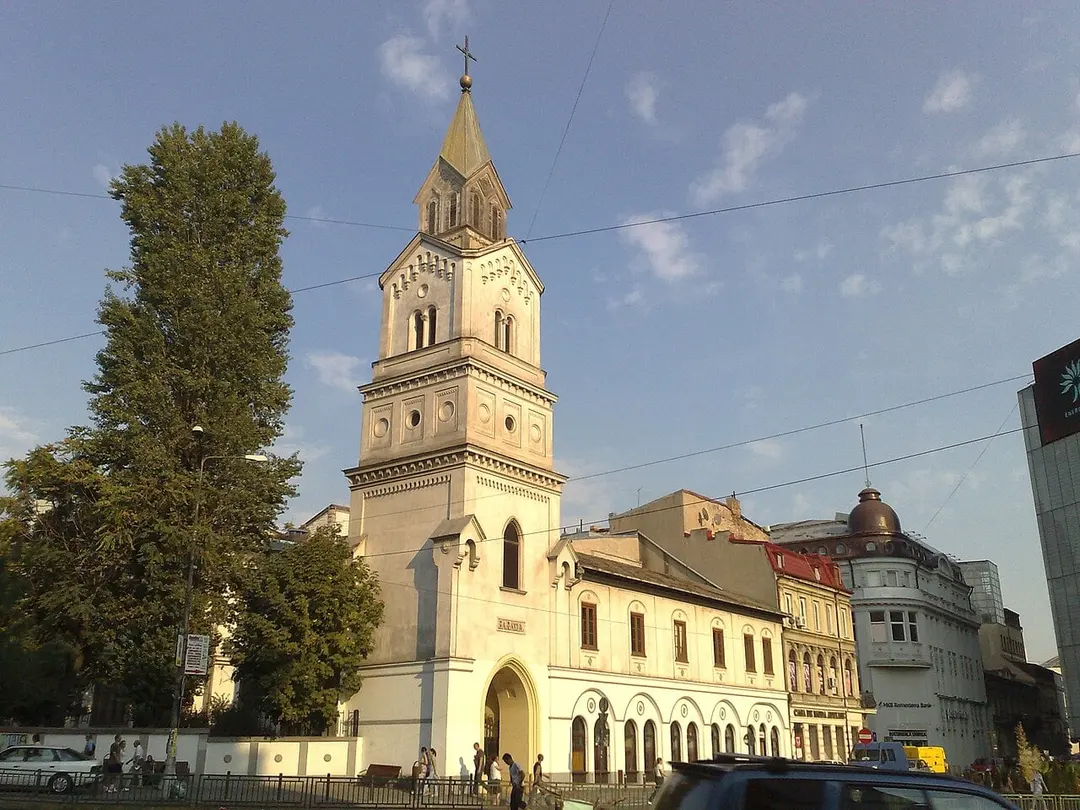
    Bărăția, officially named Sfânta Maria a Darurilor, is the oldest Roman Catholic church in Bucharest, located centrally on I.C. Brătianu Boulevard. Built by Franciscan monks, it dates back to the 14th century. The modest, repeatedly rebuilt structure stands in quiet contrast to the city's larger Orthodox churches. Protected as a historic monument and still active as a parish church, Bărăția is a quiet witness to the Catholic minority tradition in the Romanian capital.

  • București Mall

    București Mall

    Bucharest

    family outingslocal gems

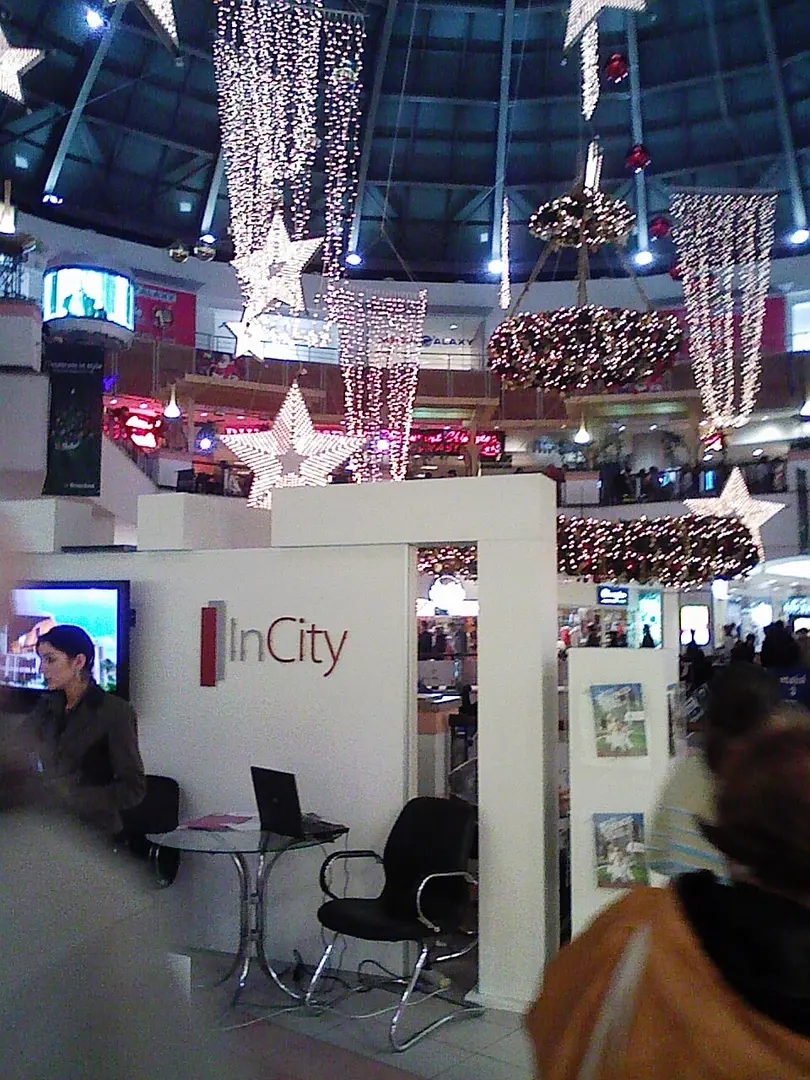
    The București Mall in the Vitan neighbourhood was Romania's first modern Western-style shopping mall when it opened in 1999, marking a symbolic moment in the country's post-communist transition. The multi-storey complex near the Dudești and Văcărești districts introduced international fashion chains, a multiplex cinema, and food court culture to Bucharest for the first time. For a generation that had known decades of shortage, it was a significant social gathering point. Today it is one of several large malls in the city, but retains its place as Romania's retail pioneer.

  • Calea Victoriei

    Calea Victoriei

    Bucharest

    local gemsshopping

    Calea Victoriei is Bucharest's most famous and oldest street, tracing its origins to 1692 when Prince Constantin Brancoveanu ordered a road connecting his residence to the city. Its current name – Street of Victory – was given after the Russo-Turkish War of 1877–78. Stretching 2.7 km from Splaiul Independentei to Piata Victoriei, it lines up palaces, museums including the National History Museum of Romania, and the Cismigiu Garden. Today, the avenue serves as both a historical promenade and an upscale shopping street with elegant boutiques and cafes. Listed as a historic monument, it forms the architectural backbone of central Bucharest.

  • Carol Park

    Carol Park

    Bucharest

    architecturenaturelocal gems

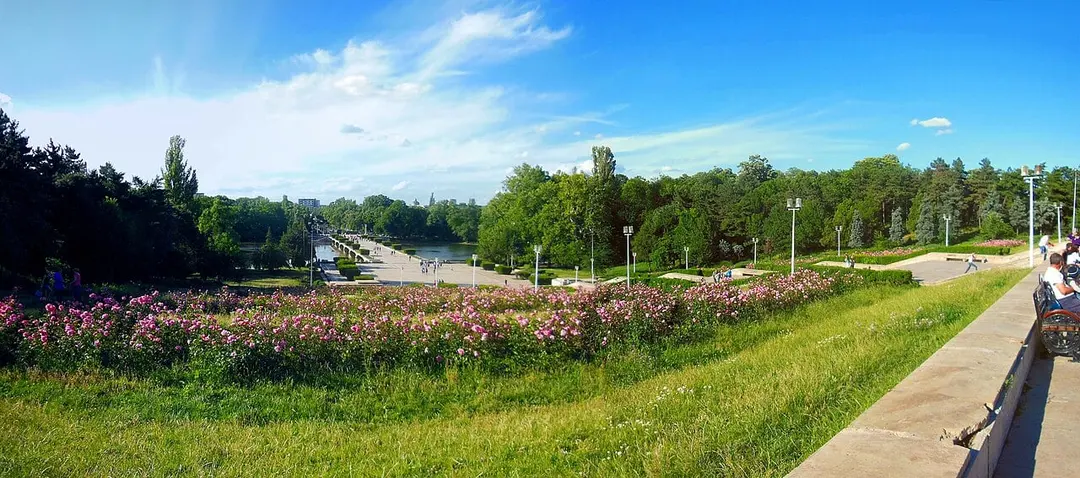
    Parcul Carol — or Carol Park — is a historic city park on the Filaret Hill in southern-central Bucharest. It was designed between 1900 and 1906 by French landscape architect Édouard Redont to mark the 40th anniversary of King Carol I's reign. The original layout included a national exhibition with structures from different Romanian regions, a lake, hillocks, and romantic pathways. During communism the park was reshaped and temporarily renamed Parcul Libertatii; a socialist-era mausoleum now occupies part of the historic grounds. Despite these changes, Carol Park remains one of Bucharest's most atmospheric green spaces.

  • Cathedral of Saint Basil the Great

    Cathedral of Saint Basil the Great

    Bucharest

    architecture

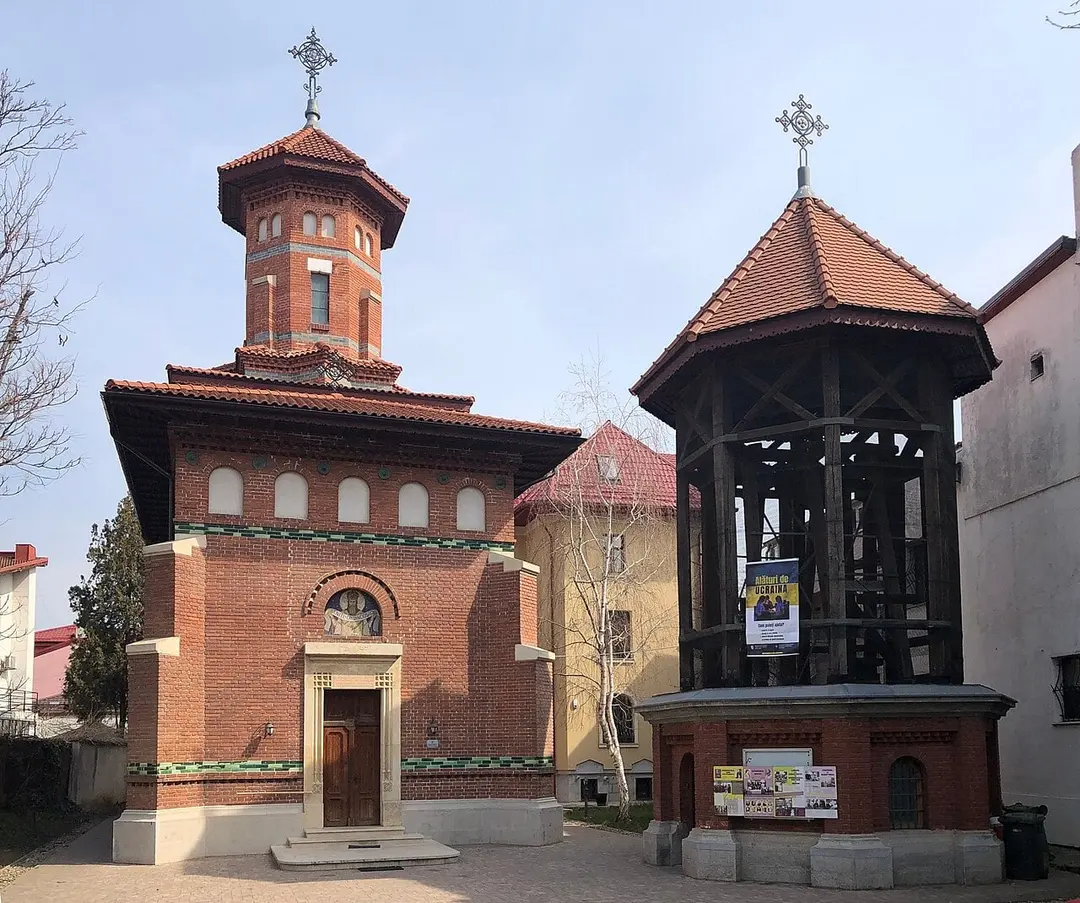
    The Cathedral of Saint Basil the Great on Strada Polona is the first Romanian Greek-Catholic church in Bucharest. It was consecrated in 1909 by Archbishop Raymund Netzhammer and since 2014 has served as the episcopal seat of the Eparchy of Saint Basil the Great in Bucharest. The church's patron, Basil of Caesarea, is celebrated on January 1st. Listed as a historic monument of Romania, the building blends Byzantine and Western ecclesiastical influences. Its founding history is closely tied to the story of Romanian Greek Catholics, a small but historically significant community.

  • Cișmigiu Gardens

    Cișmigiu Gardens

    Bucharest

    naturelocal gemsromance

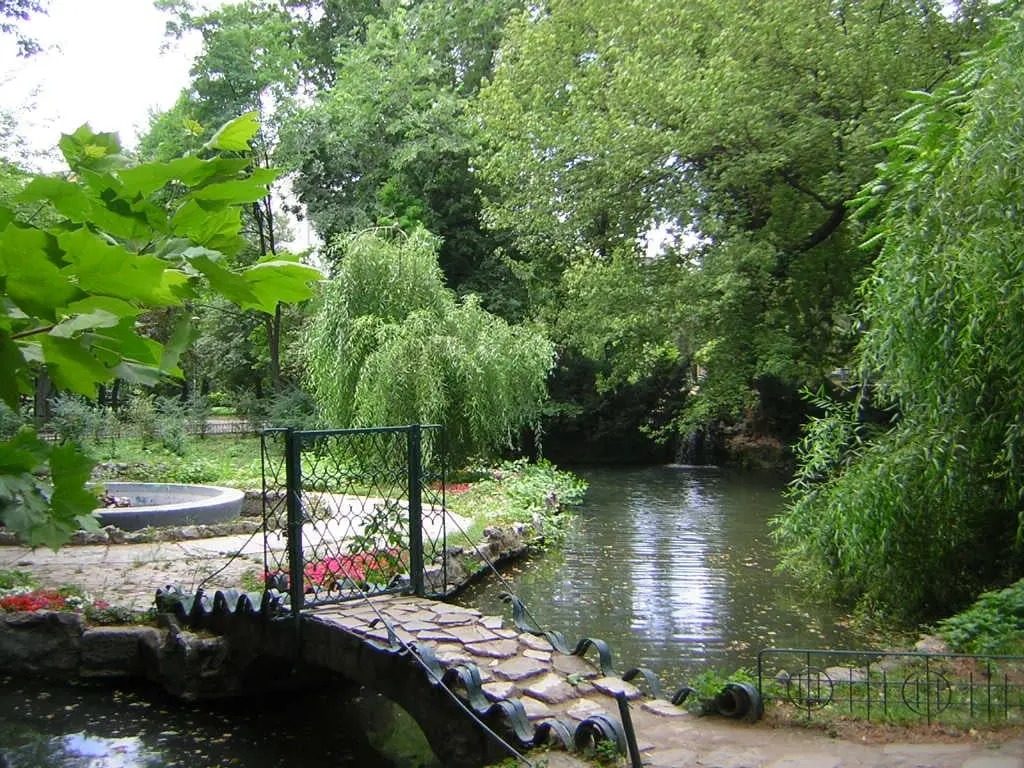
    Cișmigiu Gardens is the oldest and largest park in central Bucharest, covering nearly 15 hectares. Laid out in the 19th century in the English landscape garden style, it centres on an artificial lake used for boating in summer and skating in winter. With its tree-lined alleys, monuments and cafés, it has long been a hub of city life. Today it remains a green retreat at the heart of downtown Bucharest.

  • Curtea Veche Church

    Curtea Veche Church

    Bucharest

    architectureknowledge

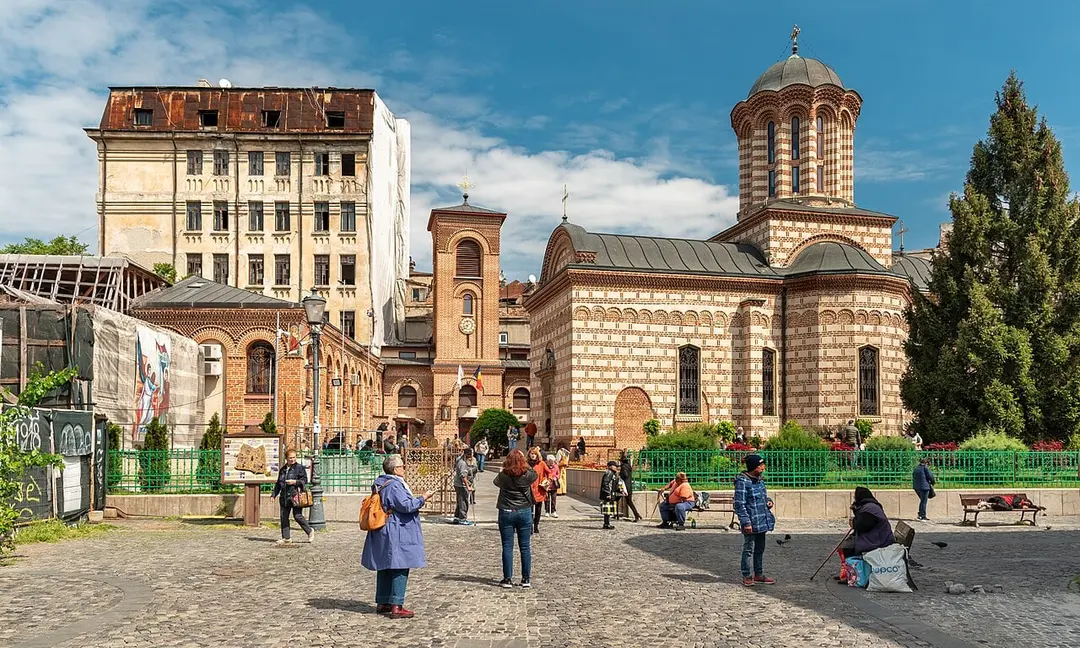
    Curtea Veche is the oldest surviving building in Bucharest, located in the historic Lipscani quarter. This Romanian Orthodox church was built in the 15th and 16th centuries and was closely tied to the princely court of the Wallachian rulers — the name translates literally as Old Court. Repeatedly damaged by earthquakes and fires, its fabric bears visible marks of a turbulent history. Today it functions as an active parish church while drawing visitors who want to understand where Bucharest once began.

  • Curtea Veche – Old Princely Court

    Curtea Veche – Old Princely Court

    Bucharest

    architecturelocal gemsknowledge+1

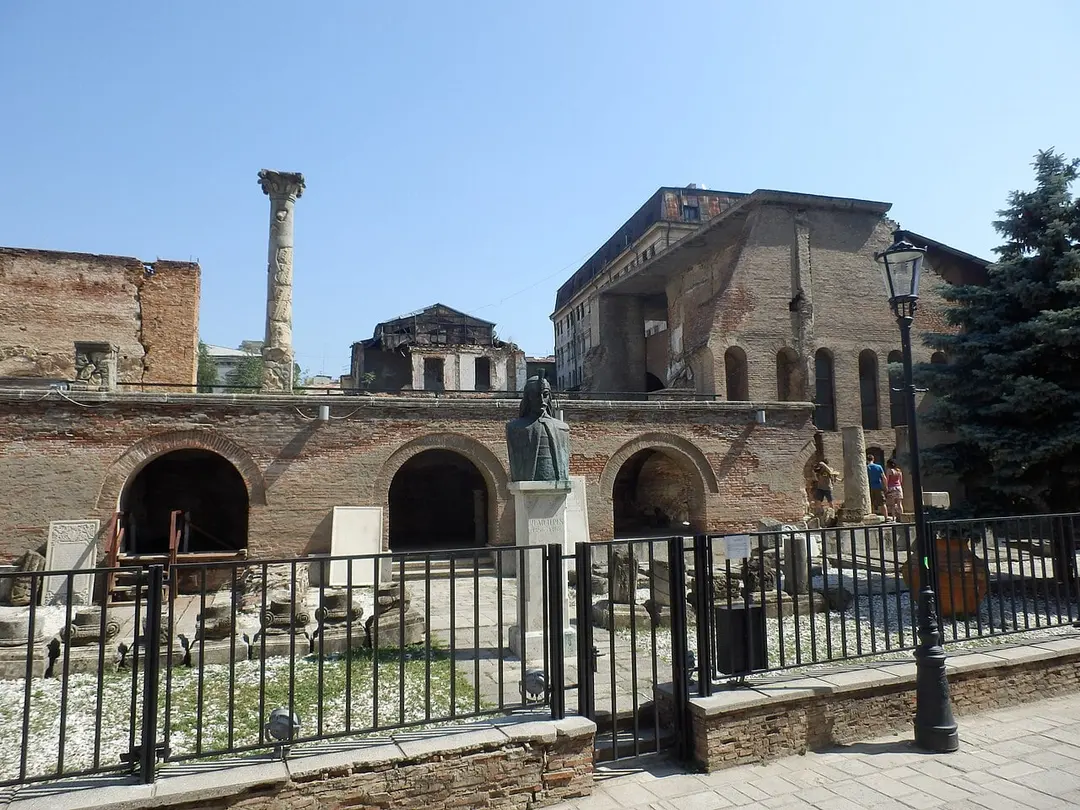
    Curtea Veche, the Old Princely Court, was the residence of Vlad III Drăculea – the historical Vlad the Impaler – in the centre of Bucharest. The palace was built around 1459 and served as the seat of Wallachian princes until the 18th century. Archaeological excavations begun in 1953 uncovered walls, floor plans and medieval finds. The ruins are now a public museum of Bucharest city history. For those interested in the real history behind the Dracula myth, this is where it begins.

  • Saint Joseph Cathedral

    Saint Joseph Cathedral

    Bucharest

    architecture

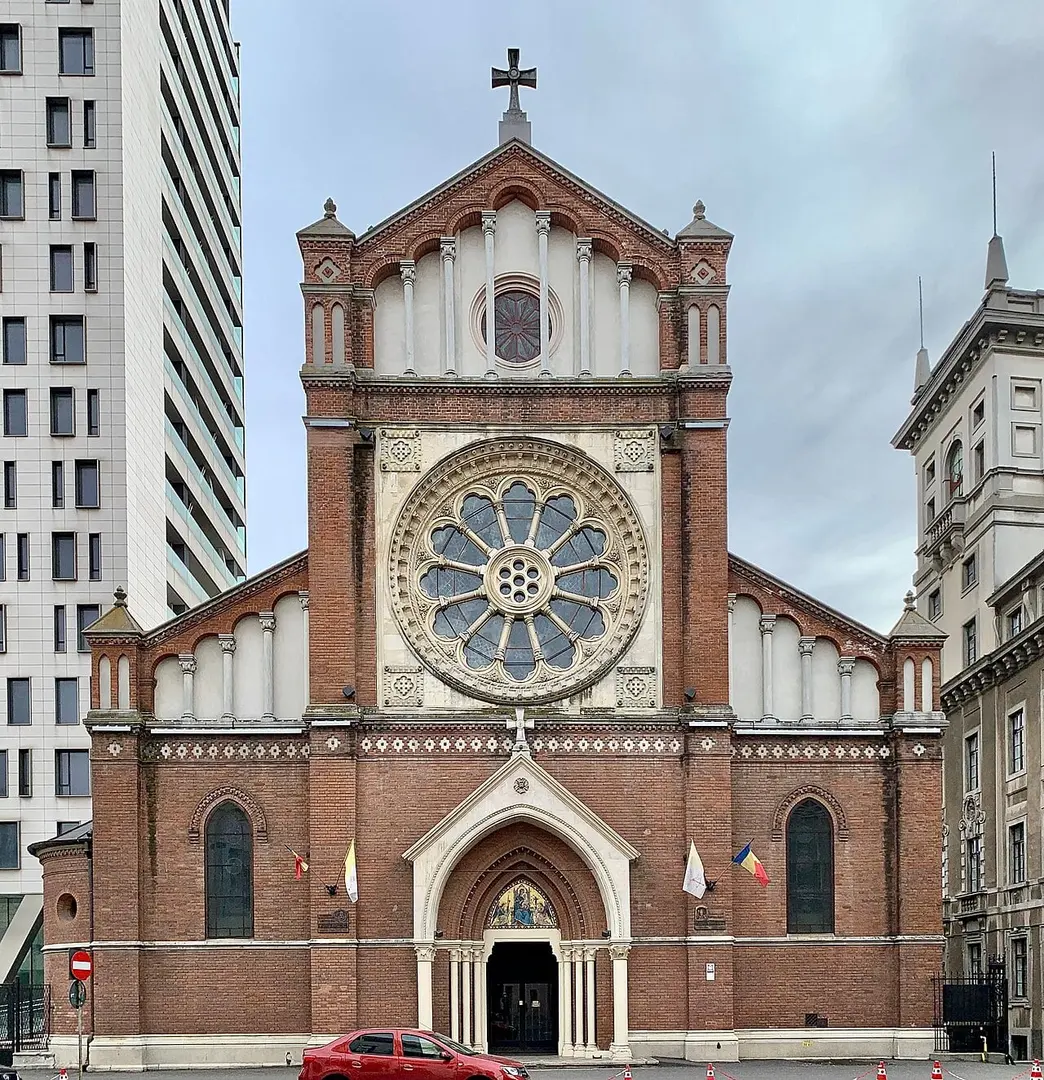
    Saint Joseph Cathedral is the seat of the Roman Catholic Archdiocese of Bucharest and a striking example of Neo-Gothic church architecture in Romania. Designed by the celebrated Viennese architect Friedrich von Schmidt — also known for rebuilding Vienna's city hall — it was constructed between 1875 and 1883 and consecrated in 1884. The twin-towered church integrates into the historic city centre. As the cathedral of a minority community, it reflects the cultural layering of 19th-century Bucharest.

  • Snagov Monastery

    Snagov Monastery

    Bucharest

    mystery

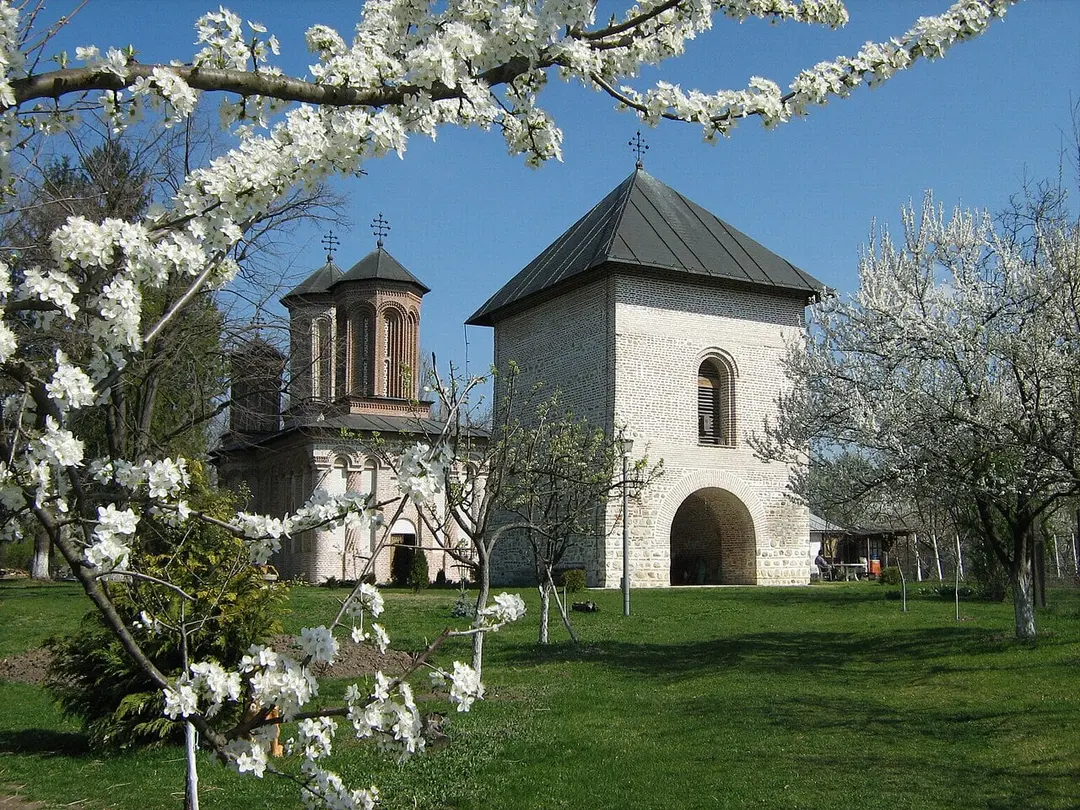
    Snagov Monastery sits on an island in Lake Snagov, about 40 km north of Bucharest. First documented in 1408, this medieval monastery is protected as a Romanian historical monument. It is inextricably linked to the legend of Vlad the Impaler — the historical Dracula — whose tomb is said to lie inside. Today an active Orthodox monastic community inhabits the monastery, which can only be reached by boat.

Keep exploring

These places are just the beginning.

Rate places with a swipe — TravelType learns from your tags what you love and curates your own map. Private until you choose to share.

Create your profile