TravelType

architecture

Architecture in Bucharest

Bucharest's architecture spans a remarkable range of periods and styles. The medieval Curtea Veche — the Old Princely Court — and Curtea Veche Church stand alongside Bărăția, the city's oldest Catholic church. The Kretzulescu Palace and the lakeside Mogoșoaia Palace reflect later aristocratic tastes, while the Choral Temple and the Cathedral of Saint Basil the Great speak to the city's religious diversity. Gara de Nord and the House of Free Press add further layers to the urban fabric, and Carol Park and Cathedral Plaza offer architectural landmarks within open public settings.

9 places · Bucharest, Romania · Editorially curated

  • Bărăția – Bucharest's Oldest Catholic Church

    Bărăția – Bucharest's Oldest Catholic Church

    Bucharest

    historyknowledge

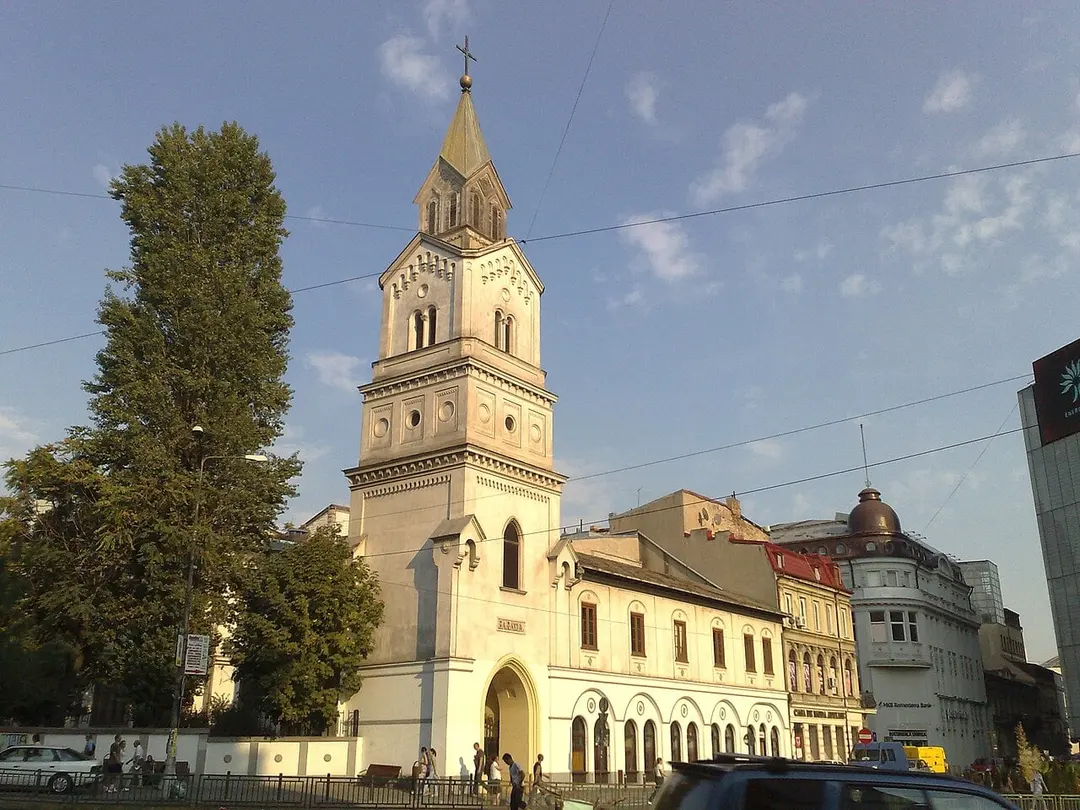
    Bărăția, officially named Sfânta Maria a Darurilor, is the oldest Roman Catholic church in Bucharest, located centrally on I.C. Brătianu Boulevard. Built by Franciscan monks, it dates back to the 14th century. The modest, repeatedly rebuilt structure stands in quiet contrast to the city's larger Orthodox churches. Protected as a historic monument and still active as a parish church, Bărăția is a quiet witness to the Catholic minority tradition in the Romanian capital.
  • Carol Park

    Carol Park

    Bucharest

    naturehistorylocal gems

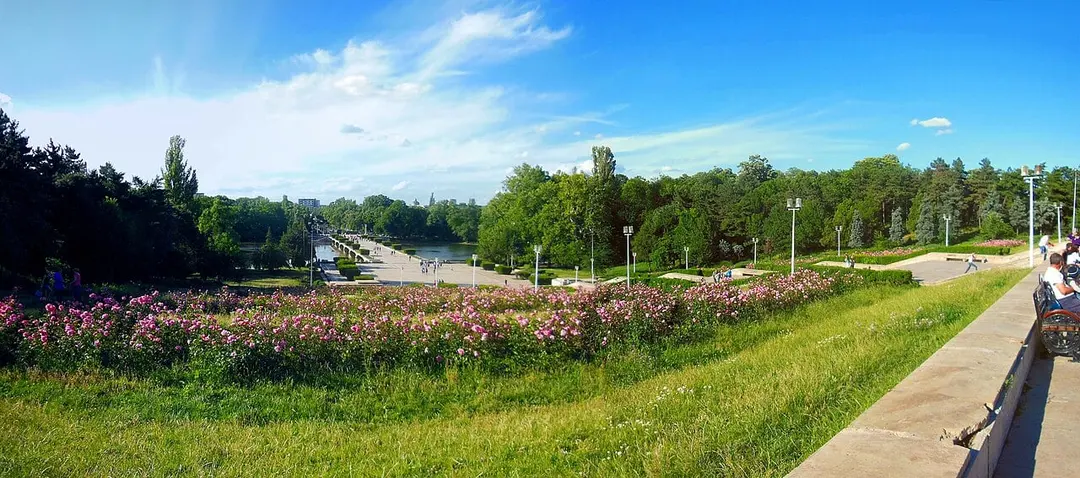
    Parcul Carol — or Carol Park — is a historic city park on the Filaret Hill in southern-central Bucharest. It was designed between 1900 and 1906 by French landscape architect Édouard Redont to mark the 40th anniversary of King Carol I's reign. The original layout included a national exhibition with structures from different Romanian regions, a lake, hillocks, and romantic pathways. During communism the park was reshaped and temporarily renamed Parcul Libertatii; a socialist-era mausoleum now occupies part of the historic grounds. Despite these changes, Carol Park remains one of Bucharest's most atmospheric green spaces.

  • Cathedral of Saint Basil the Great

    Cathedral of Saint Basil the Great

    Bucharest

    history

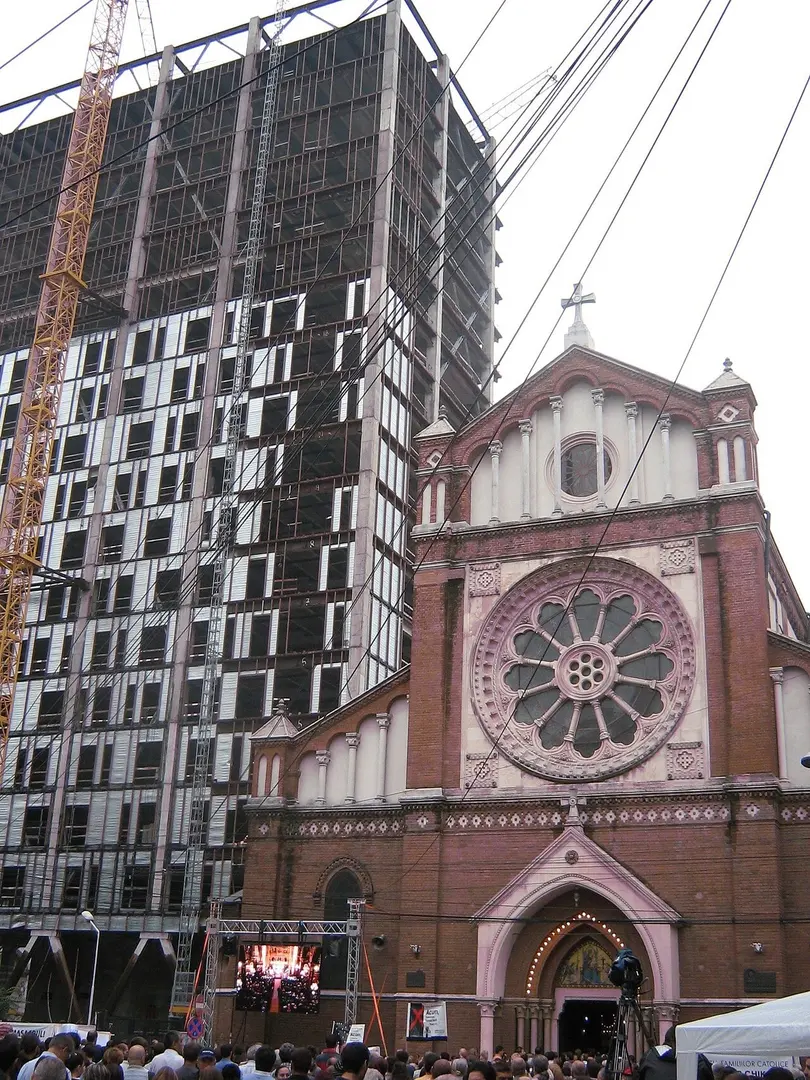
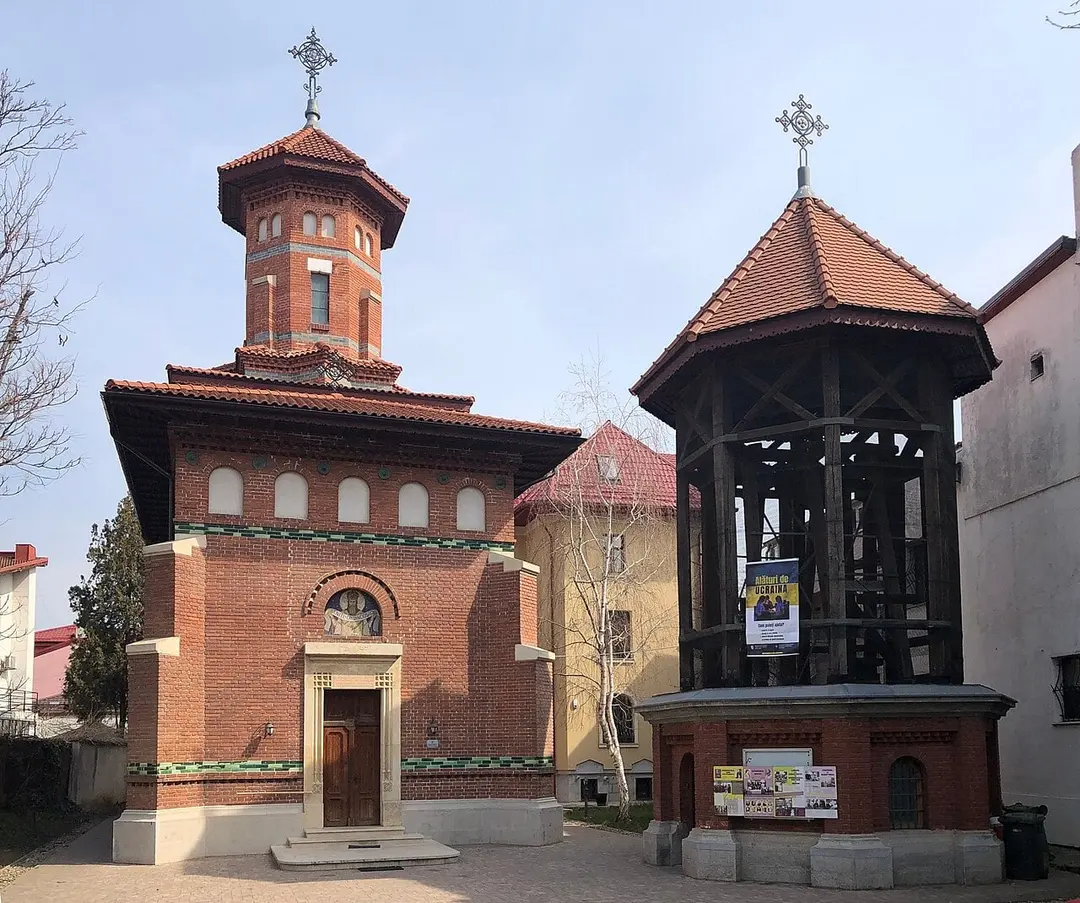
    The Cathedral of Saint Basil the Great on Strada Polona is the first Romanian Greek-Catholic church in Bucharest. It was consecrated in 1909 by Archbishop Raymund Netzhammer and since 2014 has served as the episcopal seat of the Eparchy of Saint Basil the Great in Bucharest. The church's patron, Basil of Caesarea, is celebrated on January 1st. Listed as a historic monument of Romania, the building blends Byzantine and Western ecclesiastical influences. Its founding history is closely tied to the story of Romanian Greek Catholics, a small but historically significant community.

  • Cathedral Plaza

    Cathedral Plaza

    Bucharest

    local gemsmystery

    Cathedral Plaza is a 75-metre office tower in the historic centre of Bucharest, close to the Saint Joseph Cathedral. The 19-storey building was completed in 2010 but has never been occupied — allegedly because it still lacks valid planning permits. It stands as a silent colossus in the middle of the city core and is a much-discussed symbol of planning and regulatory failures in the Romanian property market. For urban observers and anyone interested in city development gone wrong, it is a remarkable, if unintentional, monument to Bucharest's post-communist urban history.

  • Choral Temple

    Choral Temple

    Bucharest

    culturelocal gems

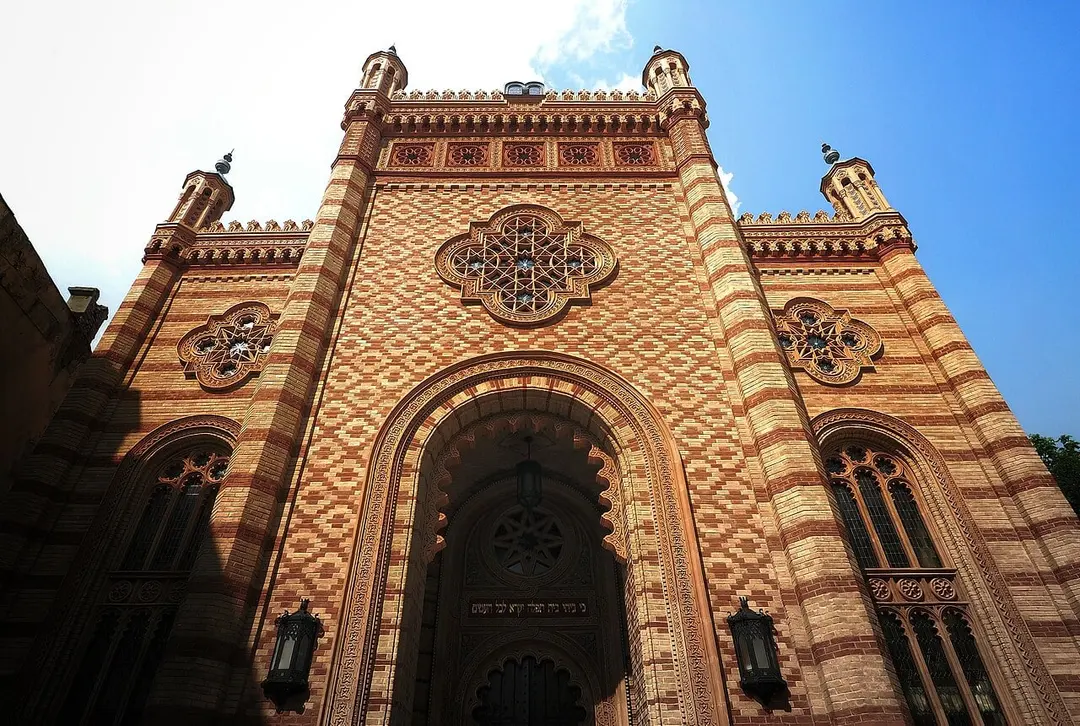
    The Choral Temple in Bucharest is Romania's largest synagogue. Located in the 3rd district on Strada Sfânta Vineri, it was built in 1866 in the Moorish Revival style, then fashionable for Jewish houses of worship across Europe. With 300 seats each for men and women, it stands as one of the most imposing Jewish sacred buildings in southeastern Europe. The building survived the turbulent 20th century and remains an active testament to Bucharest's once-vibrant Jewish community.

  • Curtea Veche Church

    Curtea Veche Church

    Bucharest

    historyknowledge

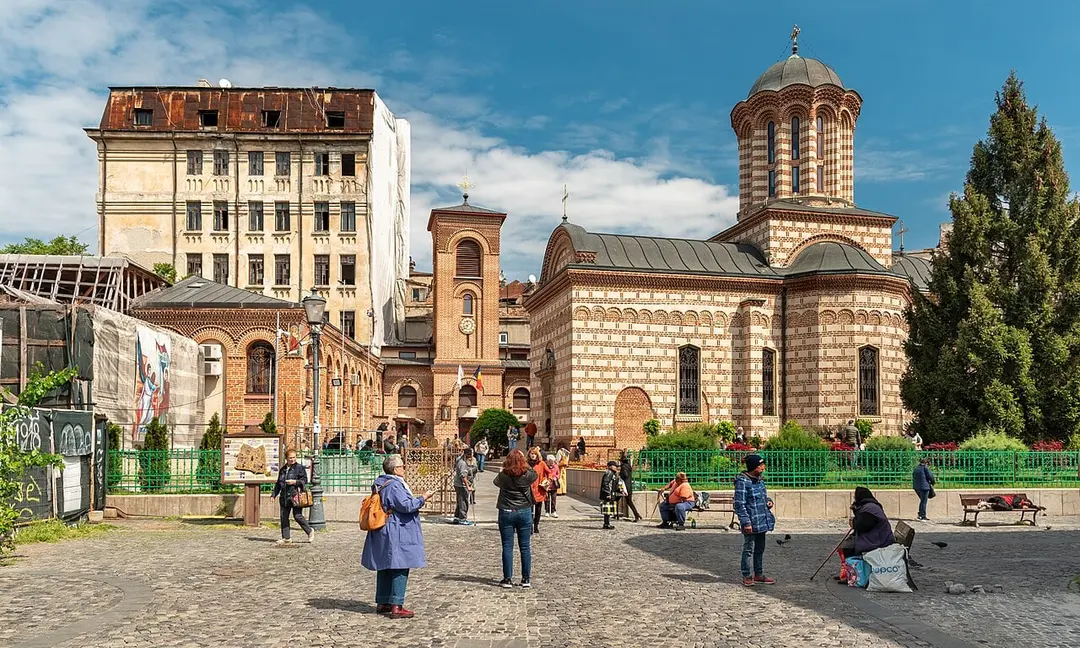
    Curtea Veche is the oldest surviving building in Bucharest, located in the historic Lipscani quarter. This Romanian Orthodox church was built in the 15th and 16th centuries and was closely tied to the princely court of the Wallachian rulers — the name translates literally as Old Court. Repeatedly damaged by earthquakes and fires, its fabric bears visible marks of a turbulent history. Today it functions as an active parish church while drawing visitors who want to understand where Bucharest once began.

  • Curtea Veche – Old Princely Court

    Curtea Veche – Old Princely Court

    Bucharest

    historylocal gemsknowledge+1

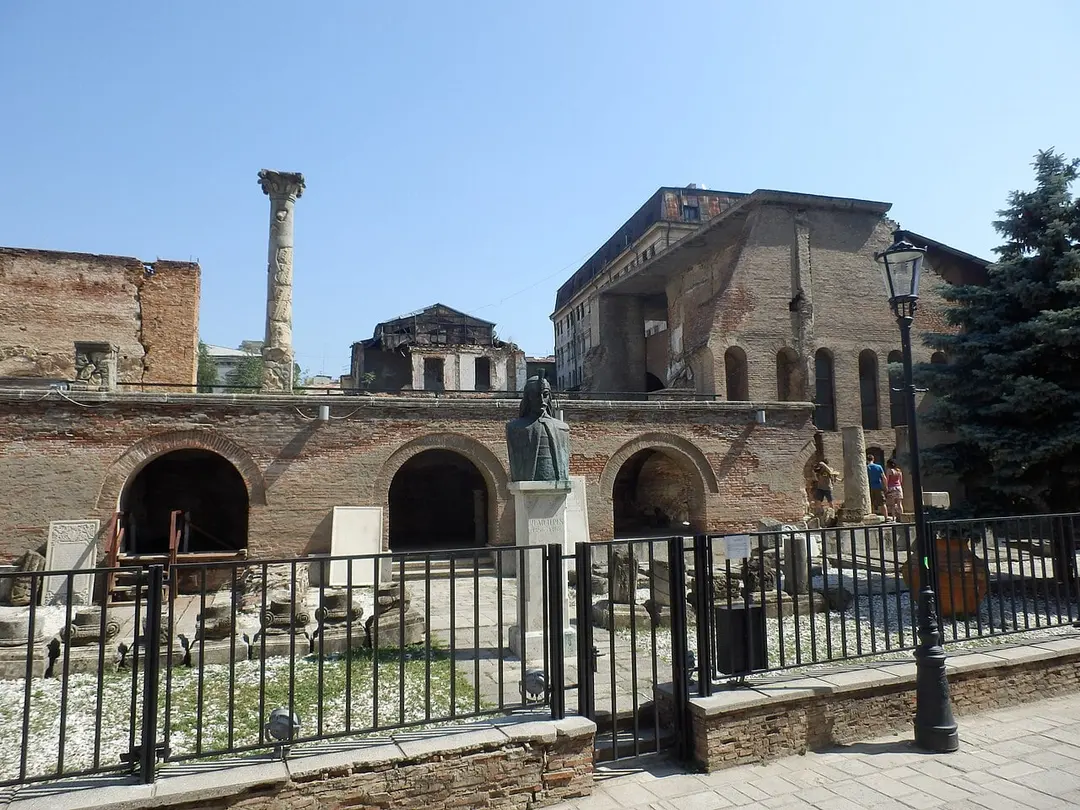
    Curtea Veche, the Old Princely Court, was the residence of Vlad III Drăculea – the historical Vlad the Impaler – in the centre of Bucharest. The palace was built around 1459 and served as the seat of Wallachian princes until the 18th century. Archaeological excavations begun in 1953 uncovered walls, floor plans and medieval finds. The ruins are now a public museum of Bucharest city history. For those interested in the real history behind the Dracula myth, this is where it begins.

  • National Cathedral Bucharest

    National Cathedral Bucharest

    Bucharest

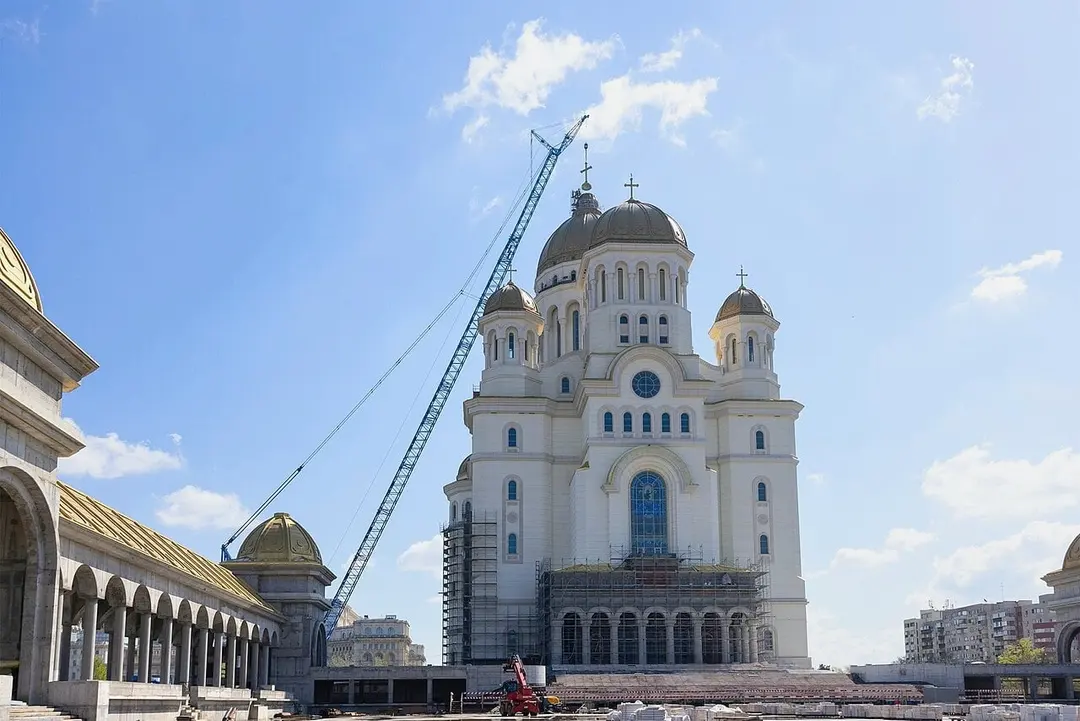
    The National Cathedral, officially the "Cathedral of the Salvation of the People," is the patriarchal cathedral of the Romanian Orthodox Church in Bucharest. At 133 meters tall, it is the largest and tallest Orthodox church building in the world. Situated on Spirea's Hill opposite the Palace of Parliament, its monumental silhouette dominates the city skyline from every direction. The interior blends traditional Byzantine mosaic and fresco techniques with modern execution. The cathedral serves as Romania's spiritual center and draws the faithful and visitors from across the globe.

  • Saint Joseph Cathedral

    Saint Joseph Cathedral

    Bucharest

    history

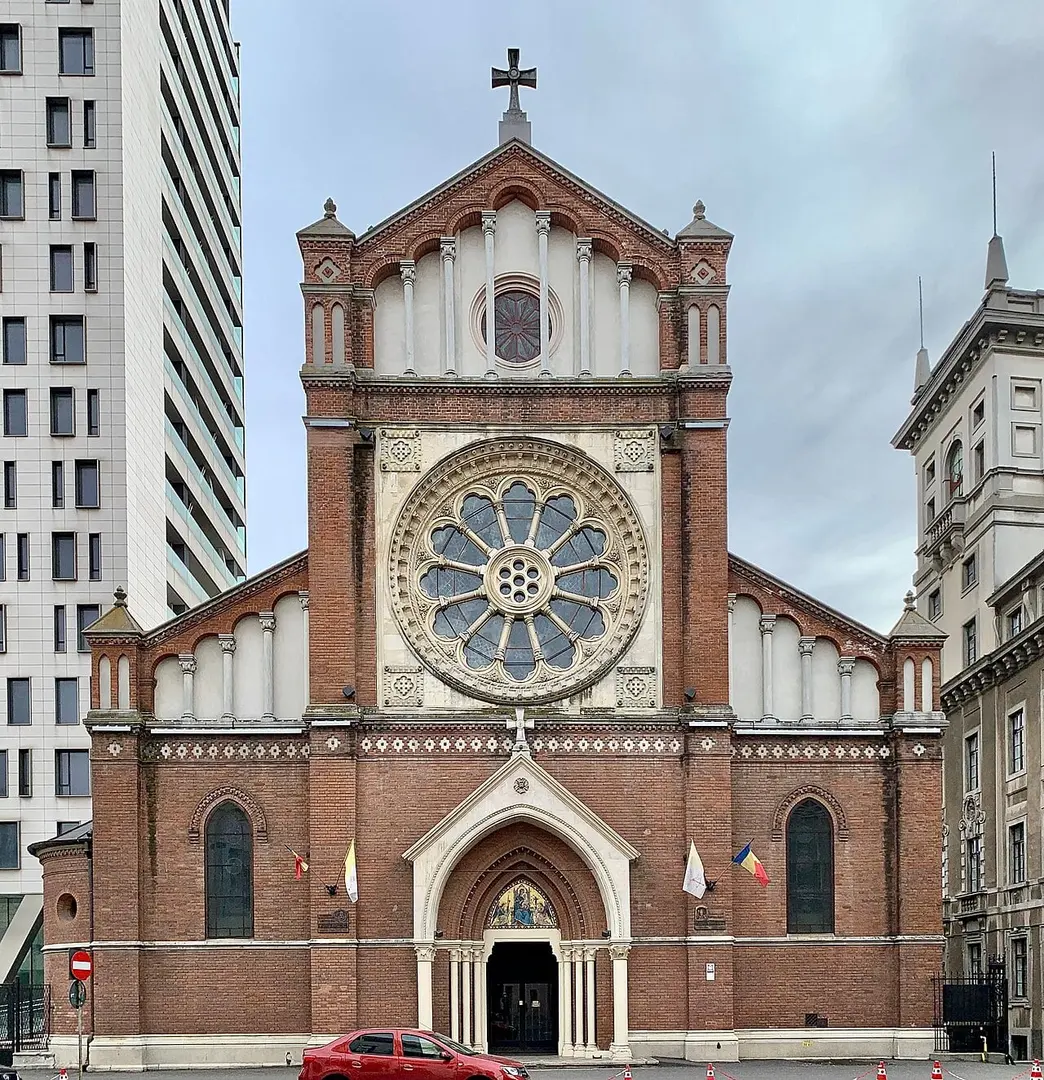
    Saint Joseph Cathedral is the seat of the Roman Catholic Archdiocese of Bucharest and a striking example of Neo-Gothic church architecture in Romania. Designed by the celebrated Viennese architect Friedrich von Schmidt — also known for rebuilding Vienna's city hall — it was constructed between 1875 and 1883 and consecrated in 1884. The twin-towered church integrates into the historic city centre. As the cathedral of a minority community, it reflects the cultural layering of 19th-century Bucharest.

Keep exploring

Other themes in Bucharest

architecture in other cities

These places are just the beginning.

Rate places with a swipe — TravelType learns from your tags what you love and curates your own map. Private until you choose to share.

Create your profile