Anfiteatro laterizio
Naples
AmphitheatreRoman EraArchaeology+3

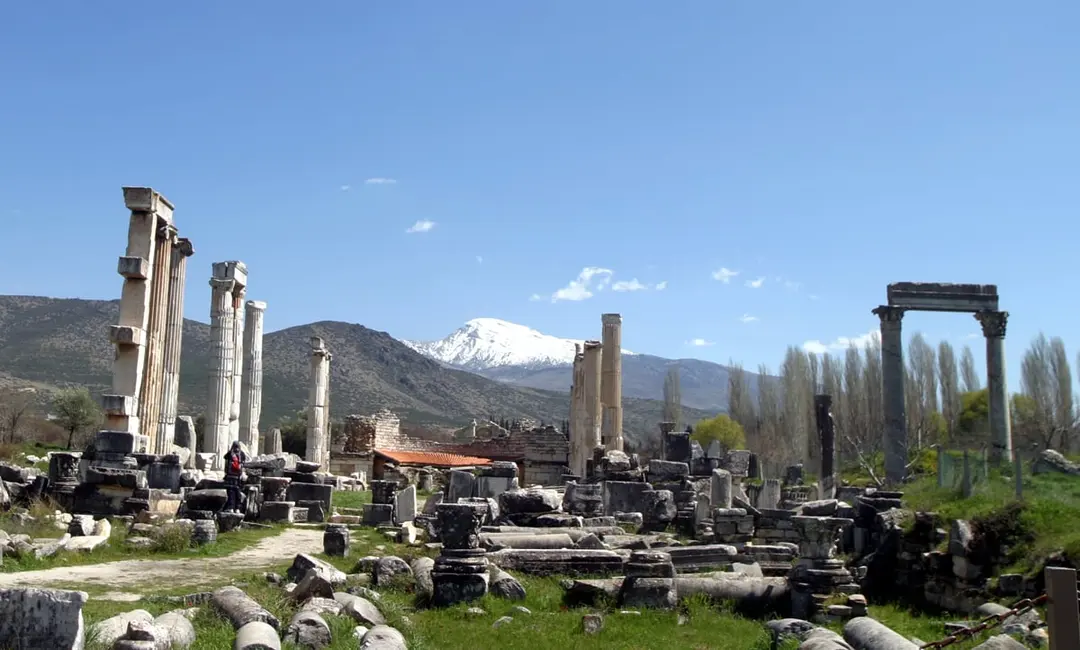
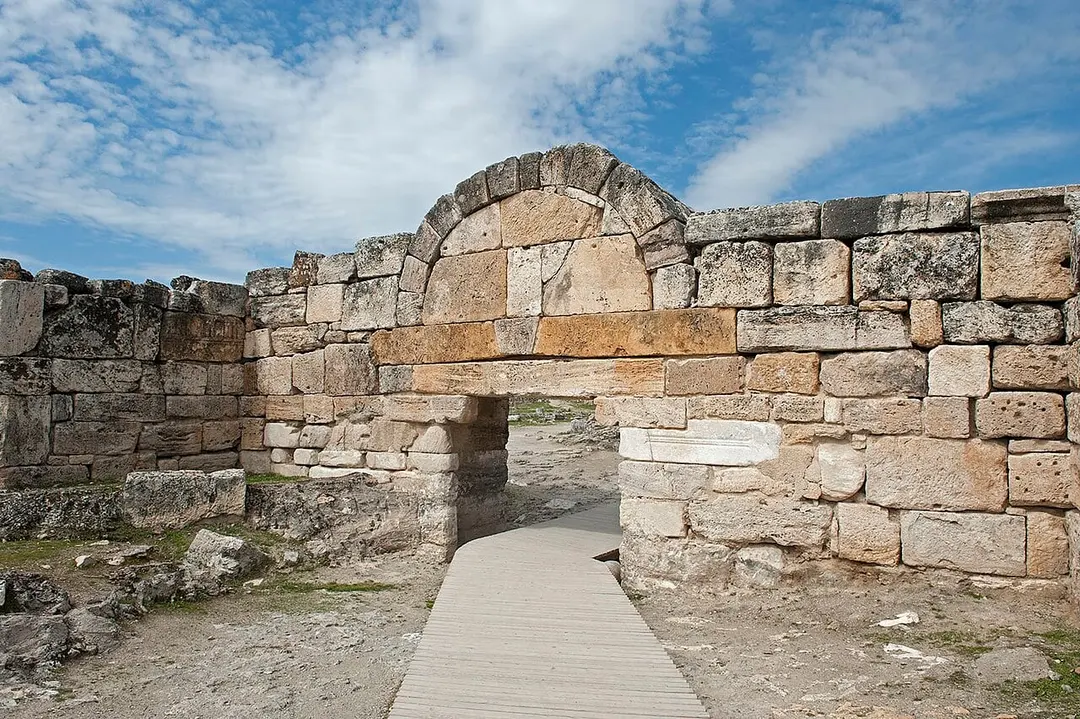
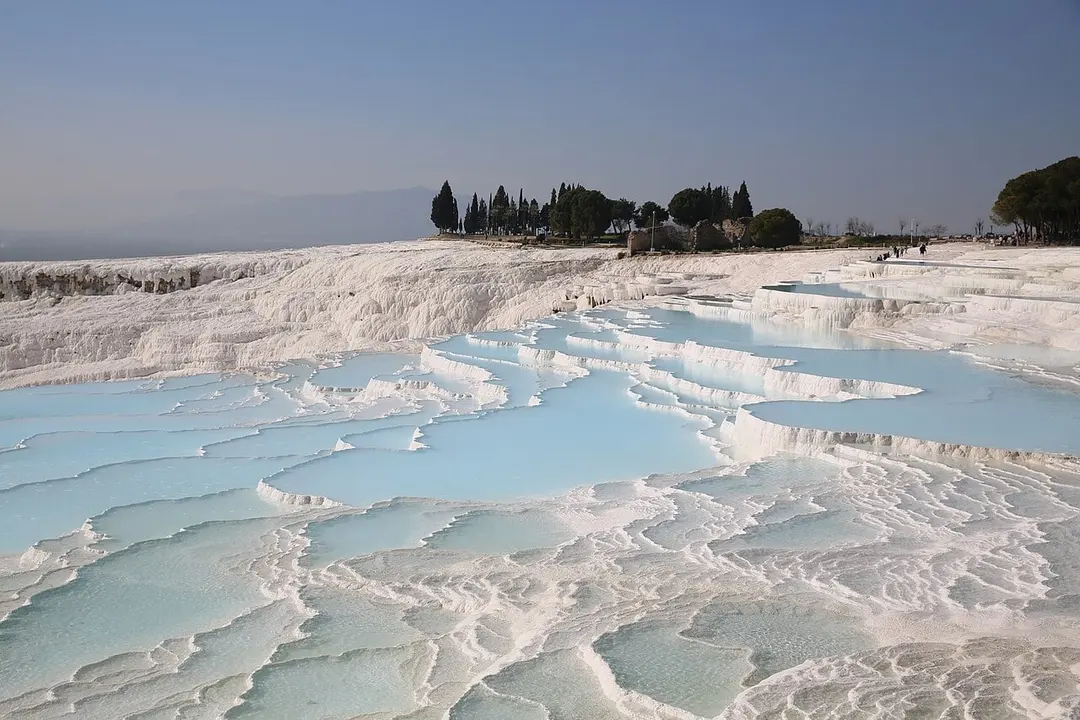
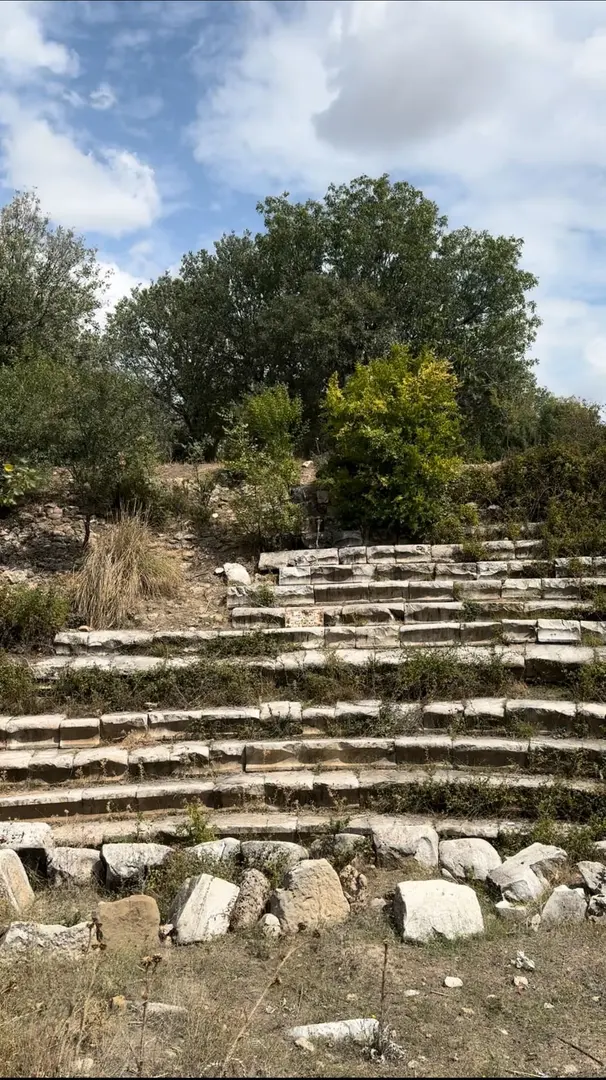
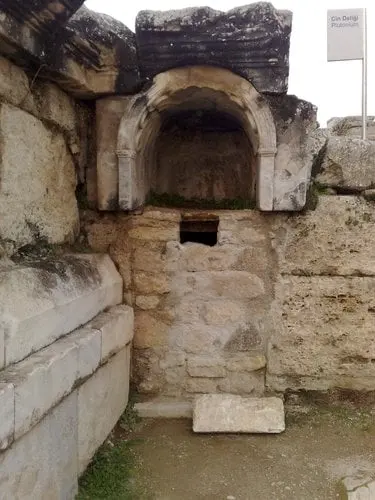
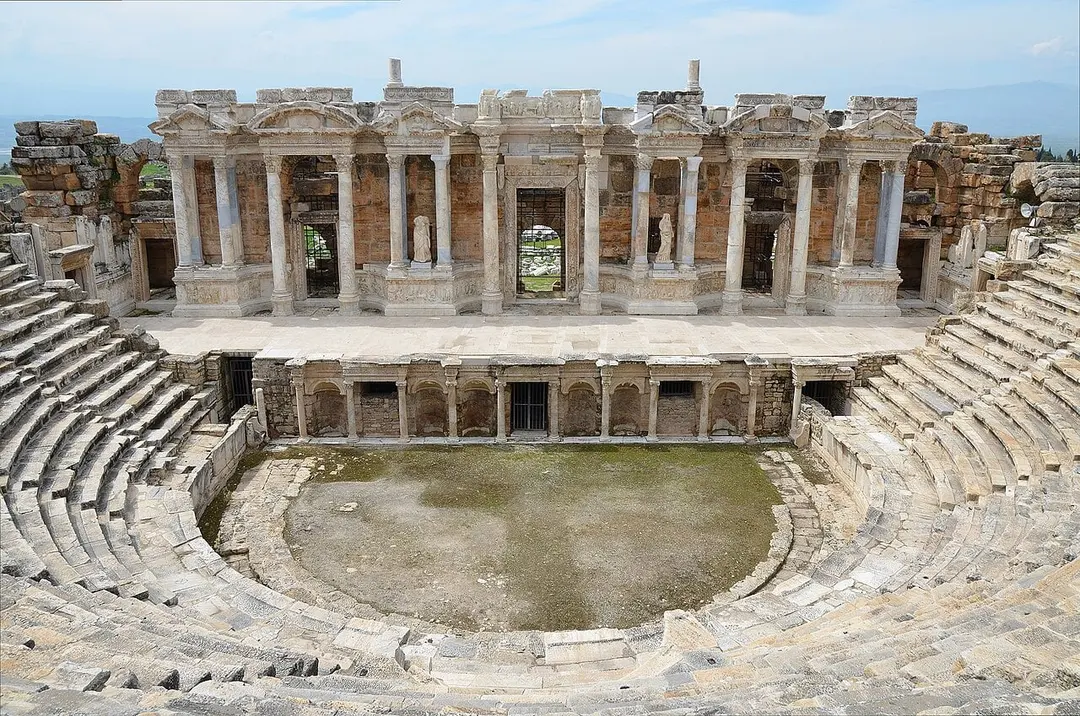
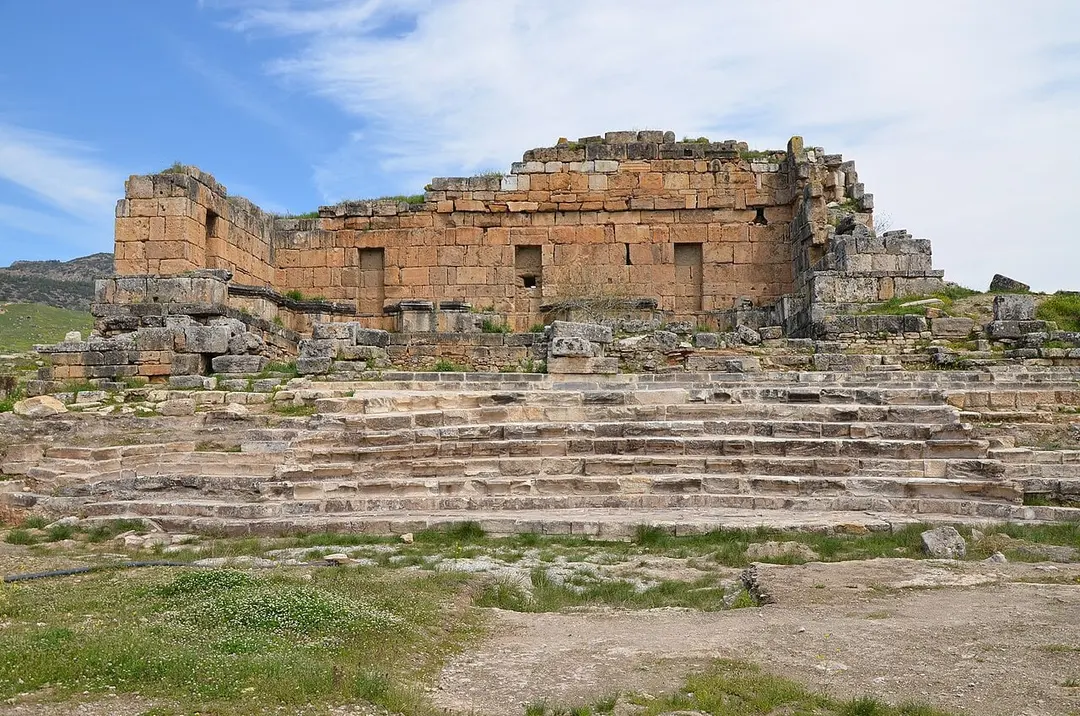
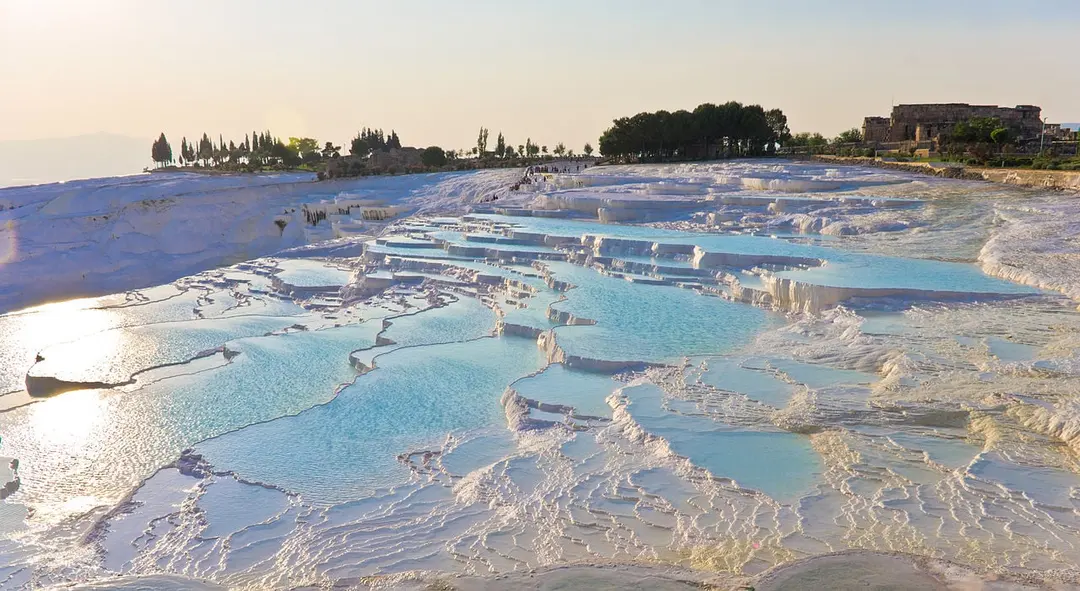
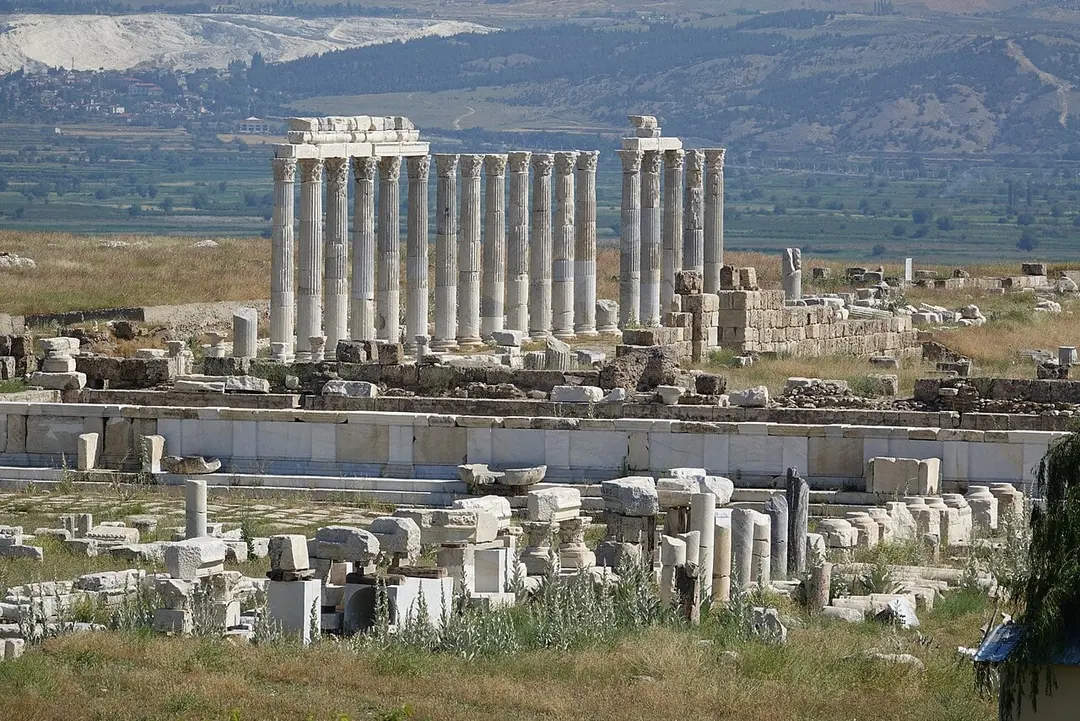
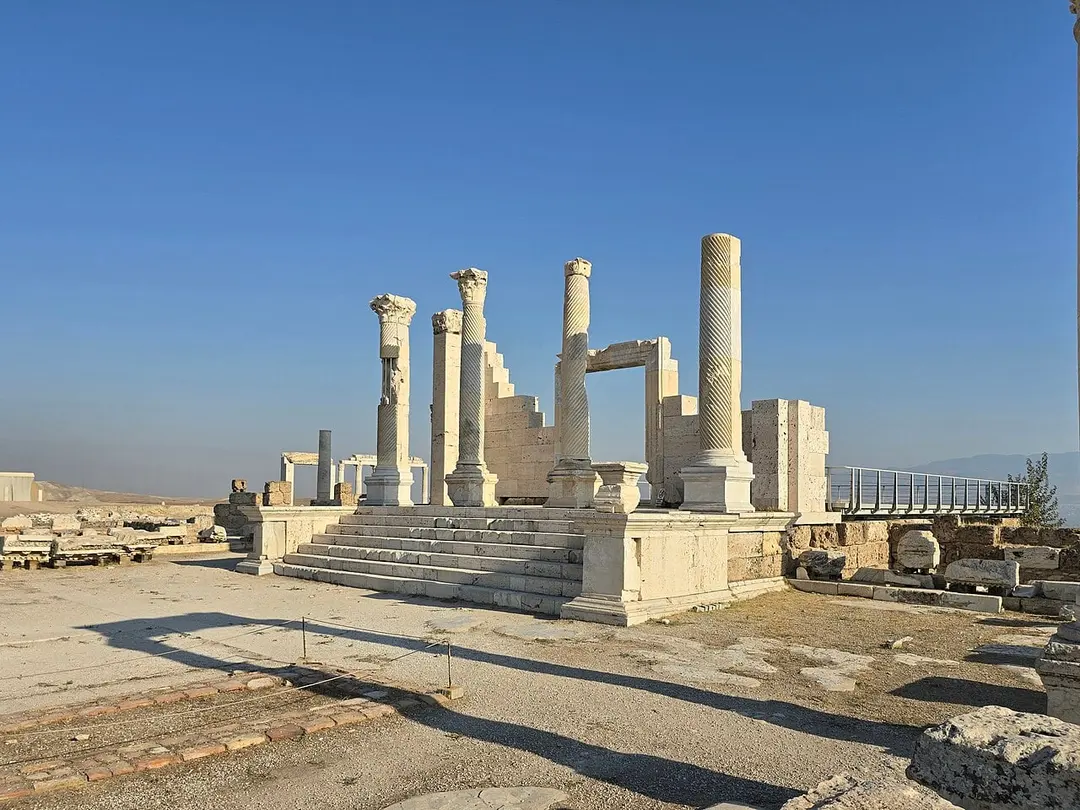
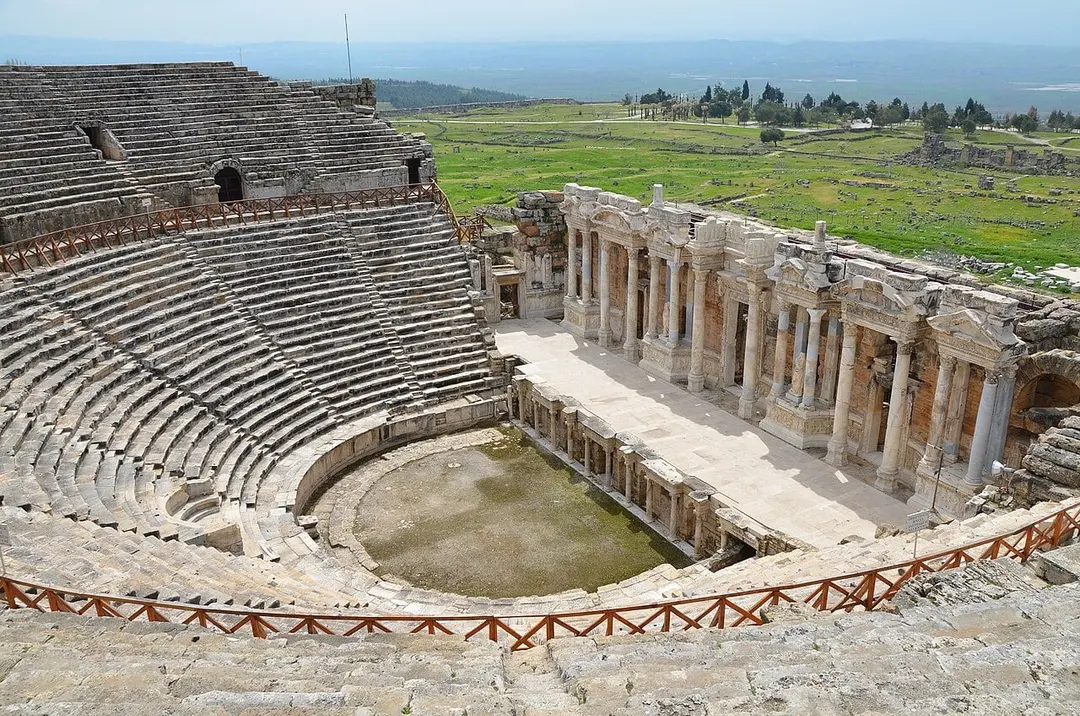
Hierapolis was an ancient Greco-Phrygian city perched above the Lykos Valley in what is now southwestern Turkey, jointly inscribed with the travertine terraces of Pamukkale as a UNESCO World Heritage Site. The city's wealth rested on textile trade: its mineral-rich thermal waters were prized for dyeing wool, making Hierapolis a prosperous commercial hub. Its most uncanny feature was the Plutonium, a fissure at the base of the Apollo temple emitting lethal concentrations of carbon dioxide — ancient priests demonstrated their divine favor by sacrificing animals and emerging unharmed, a trick now explained by the gas pooling at ground level while the priests' heads remained above it. Beyond the mystery of the death cave, the site holds one of Anatolia's largest necropoleis, a 5th-century martyrium believed to mark the tomb of Philip the Apostle, and a well-preserved theater with sweeping views across the valley below.
Sign in to rate this place.
Sign inNaples
Colossae
Colossae
Vatican City
Naples
Colossae
Colossae
Colossae
Colossae
Colossae
Colossae
Colossae
Colossae
Colossae
Merkezefendi district