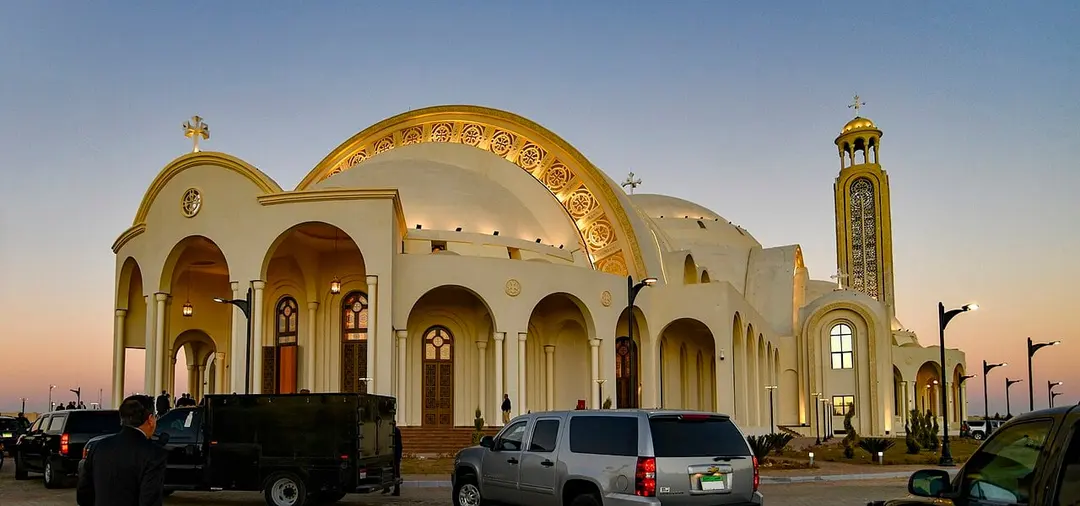
6th of October Panorama
Cairo
history
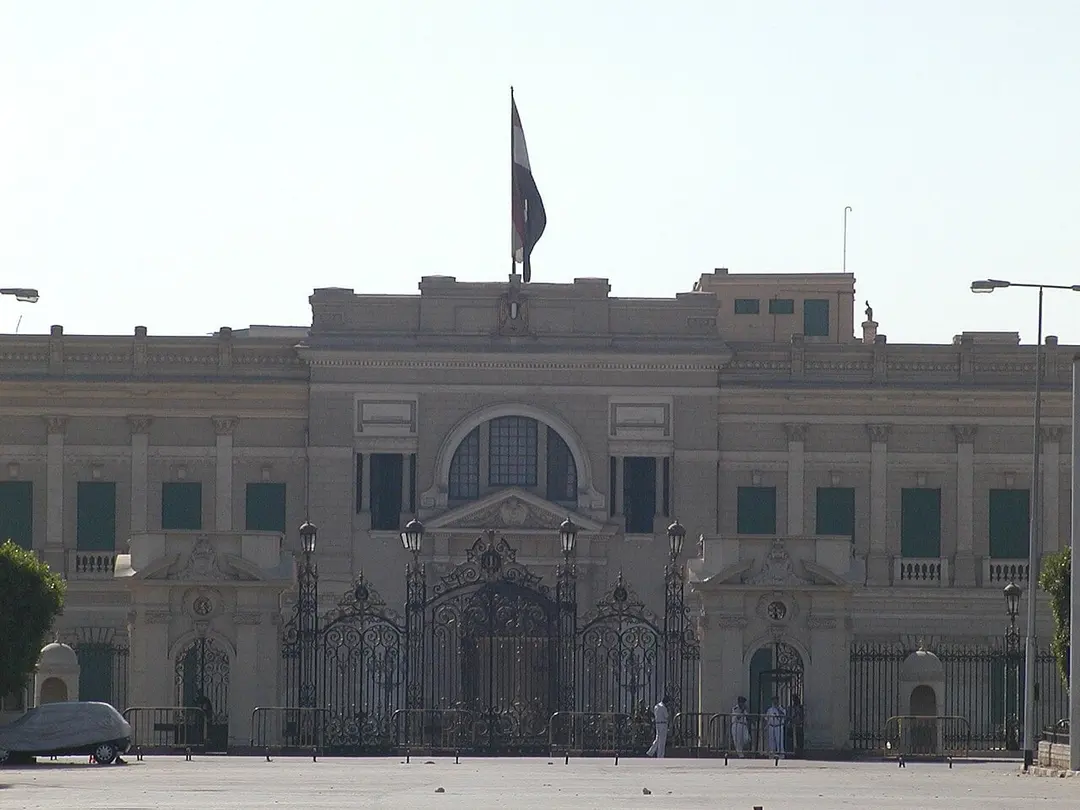
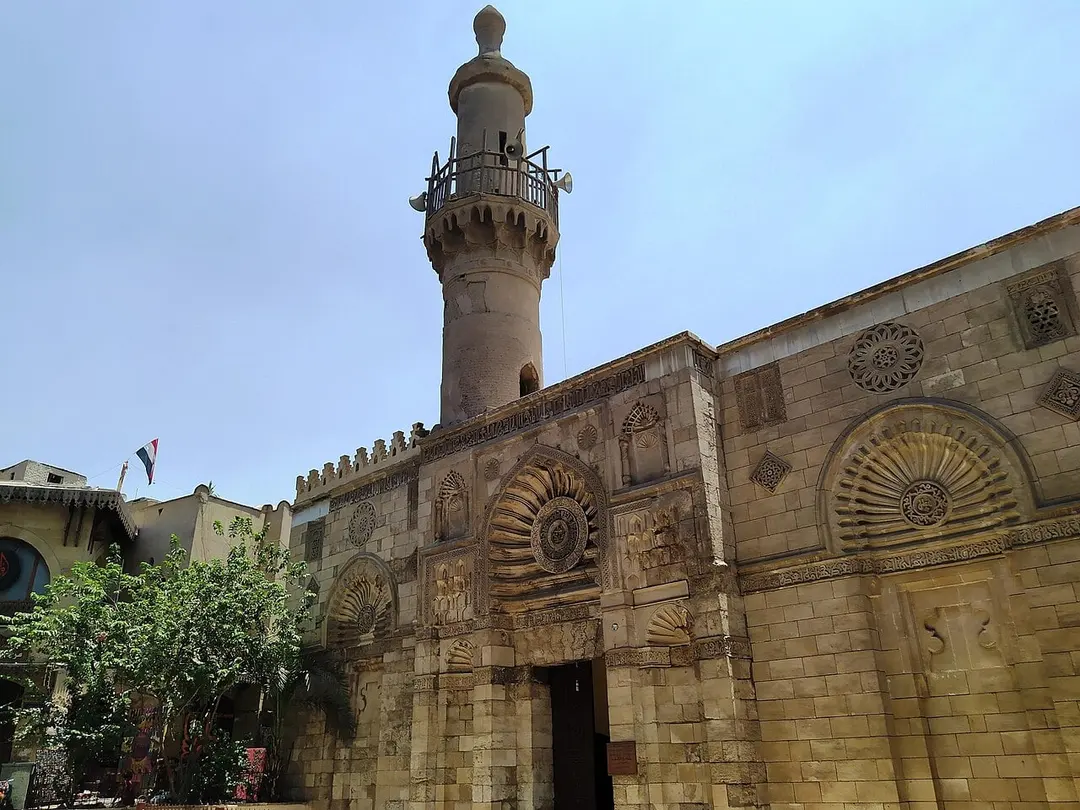
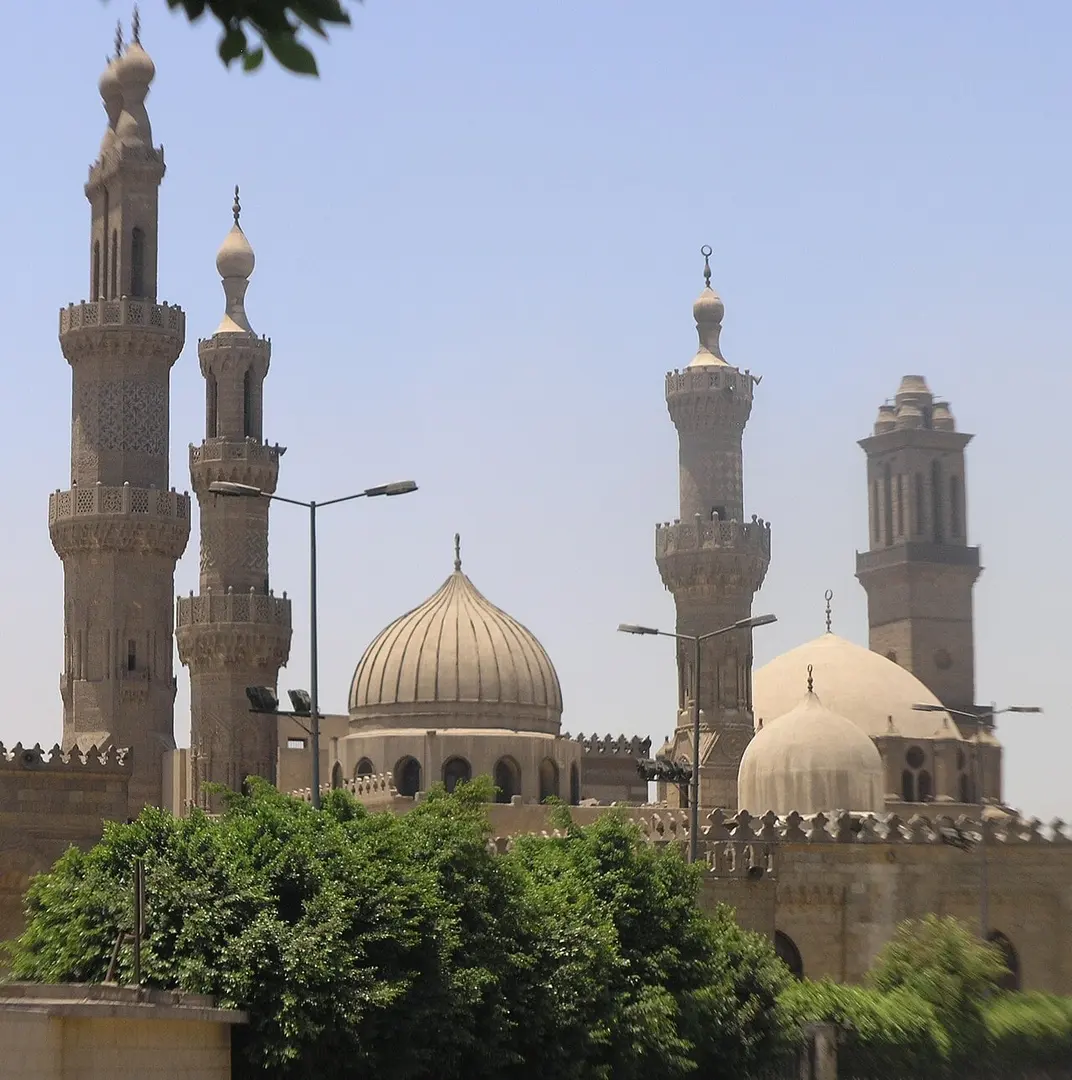
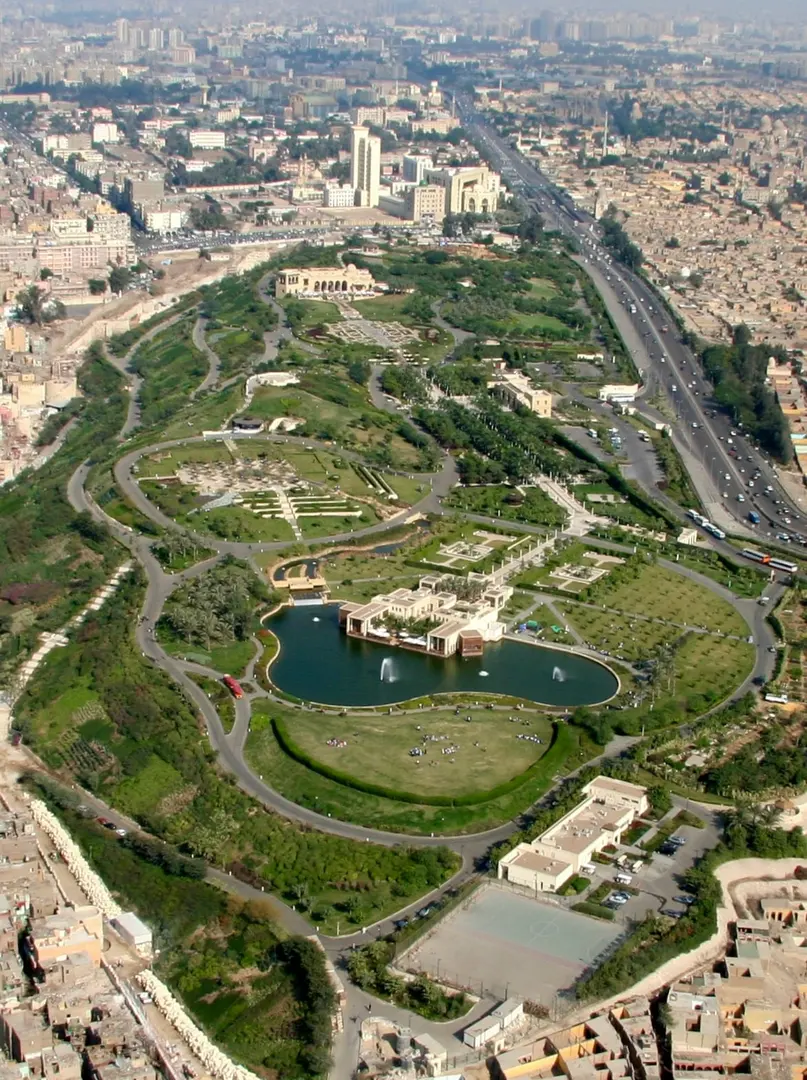
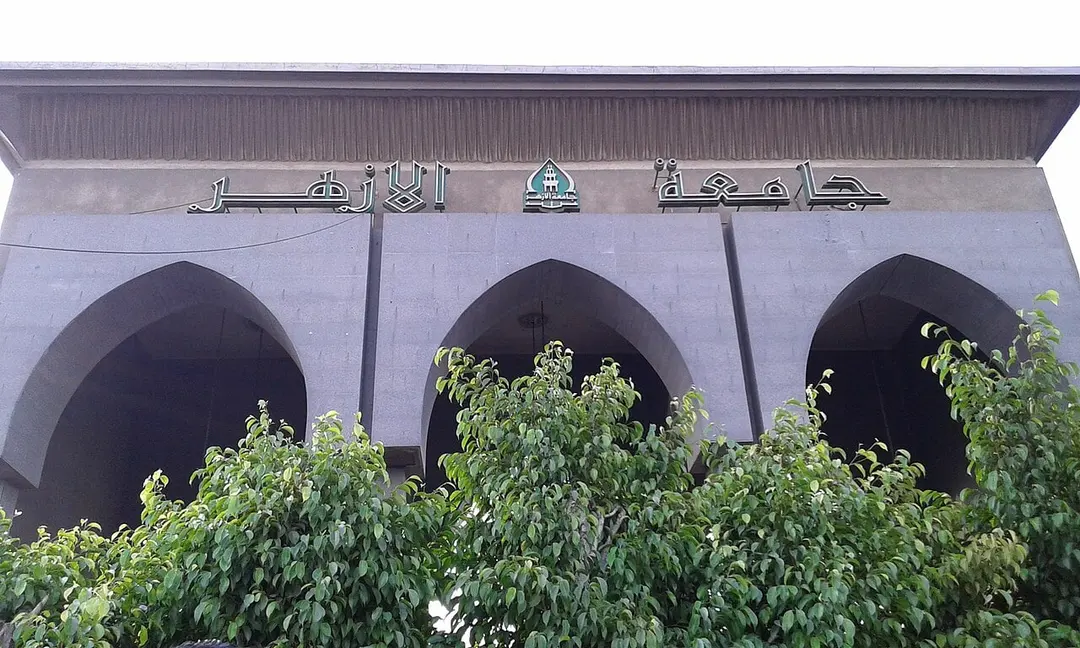
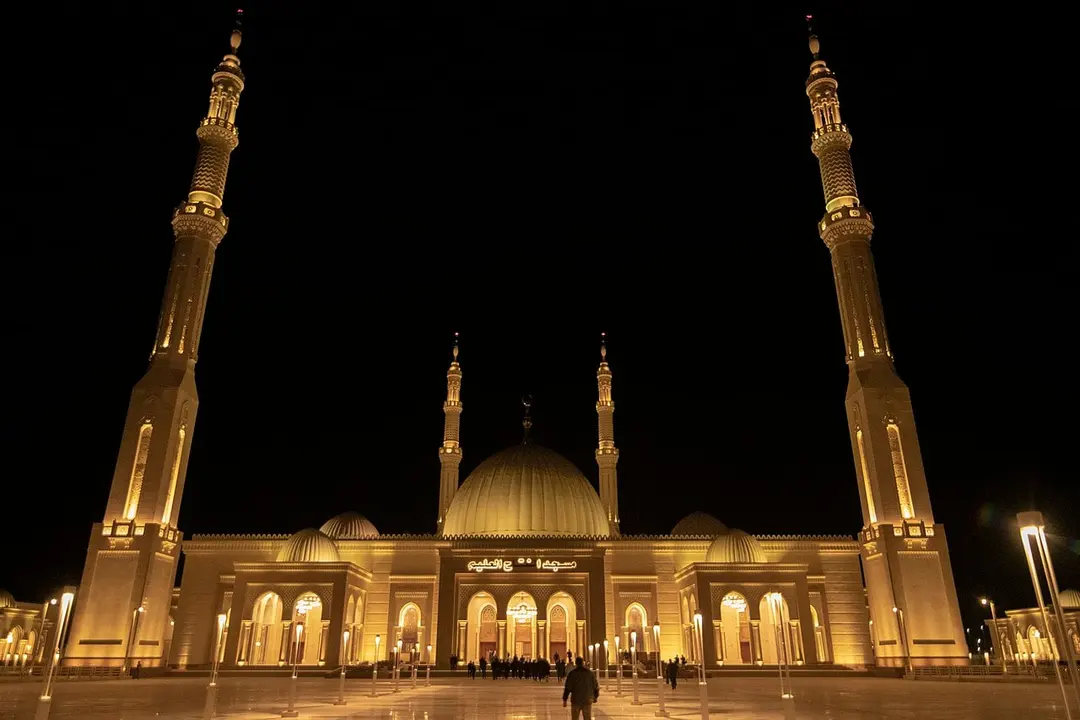
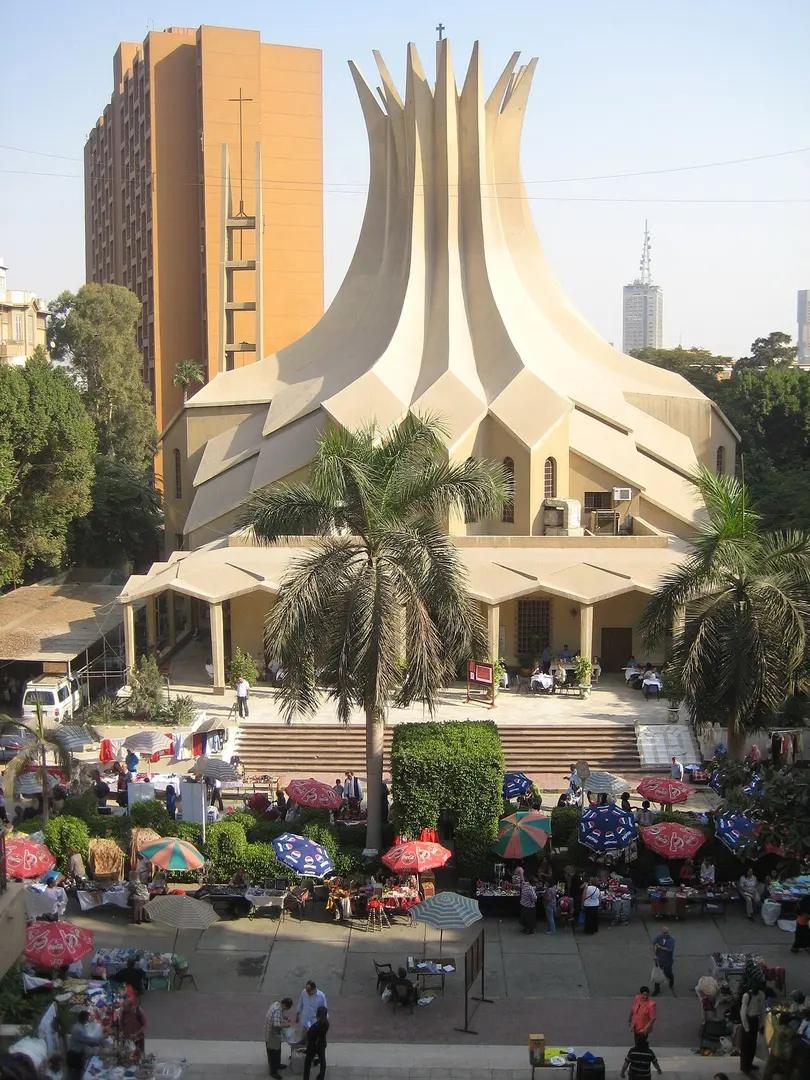
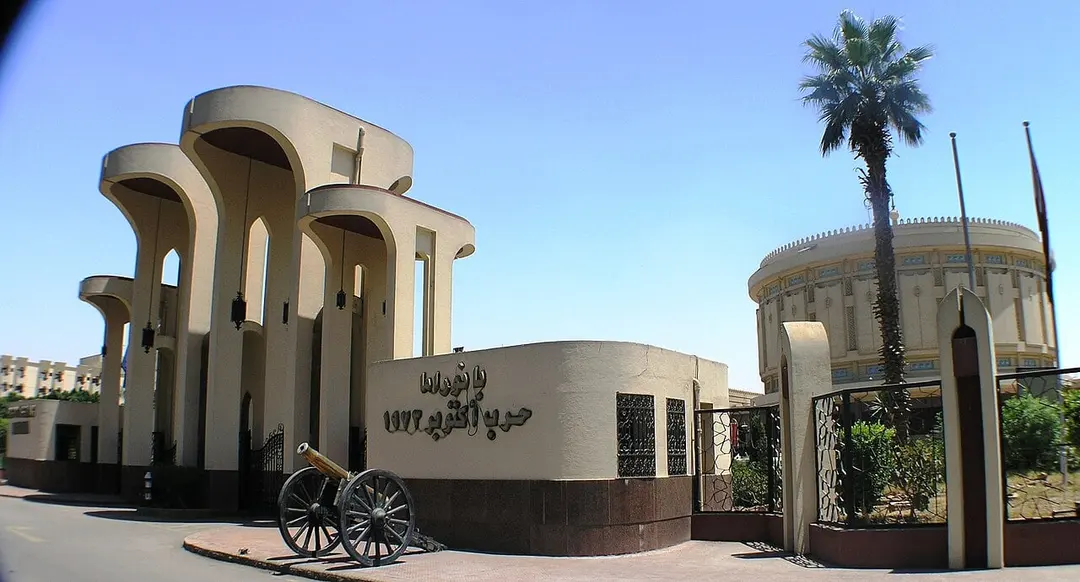
Cairo layers thousands of years of history into a single cityscape. The ancient sites of Abusir and Abu Gorab reach back to pharaonic times, while the Al-Azhar Mosque and the Al-Aqmar Mosque bring the city's Islamic past into view. Abdin Palace reflects the era of Egypt's khedives and kings, and the 6th of October Panorama documents the 1973 war. Al-Rifa'i Mosque, Al-Hussein Mosque, and All Saints church together illustrate the city's layered religious heritage. Al-Azhar University, one of the oldest continuously operating institutions of learning, connects these eras to the present day.
35 places · Cairo, Egypt · Editorially curated
Cairo
Cairo
Cairo
Cairo
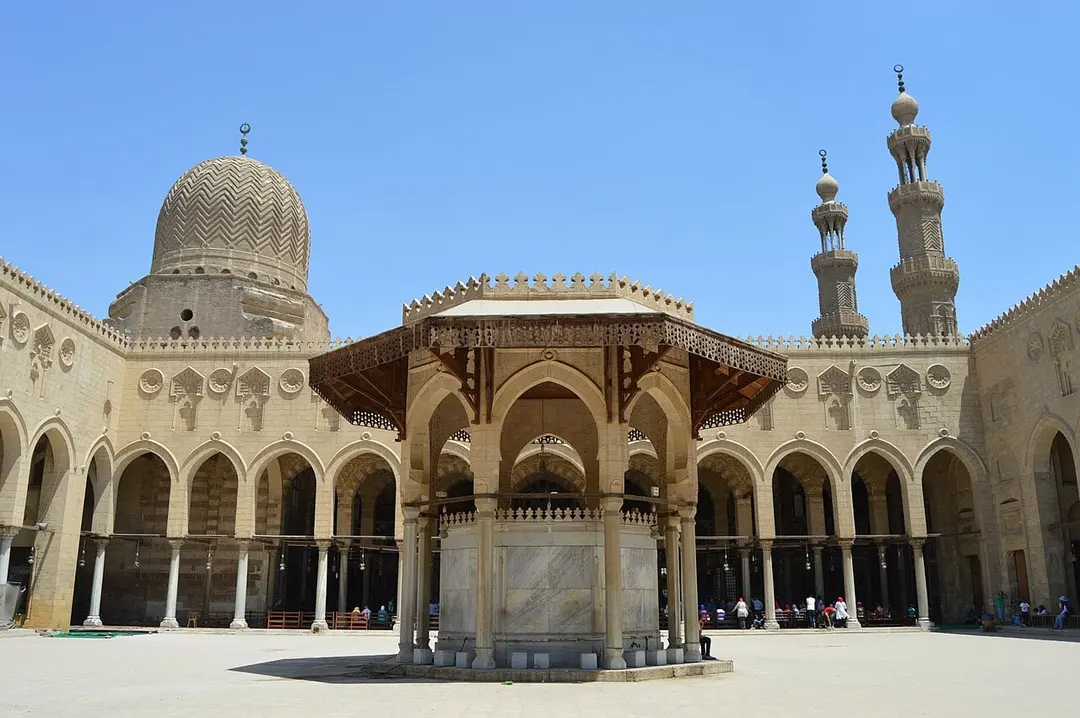
Al-Azhar Mosque stands at the heart of historic Islamic Cairo and is one of the oldest and most revered mosques in the Islamic world. Founded in 970 CE by the Fatimid Caliph al-Mu'izz li-Din Allah, it was the first mosque of the new capital and inspired Cairo's nickname "City of a Thousand Minarets." Its name is thought to derive from az-Zahrā', an honorific for Fatima, the daughter of the Prophet Muhammad. Part of the UNESCO World Heritage site of Islamic Cairo, the complex layers more than a thousand years of architectural history — from original Fatimid arches to later Mamluk and Ottoman additions. It remains an active place of worship and one of Egypt's most powerful historical monuments.
Cairo
Cairo
Cairo
Cairo
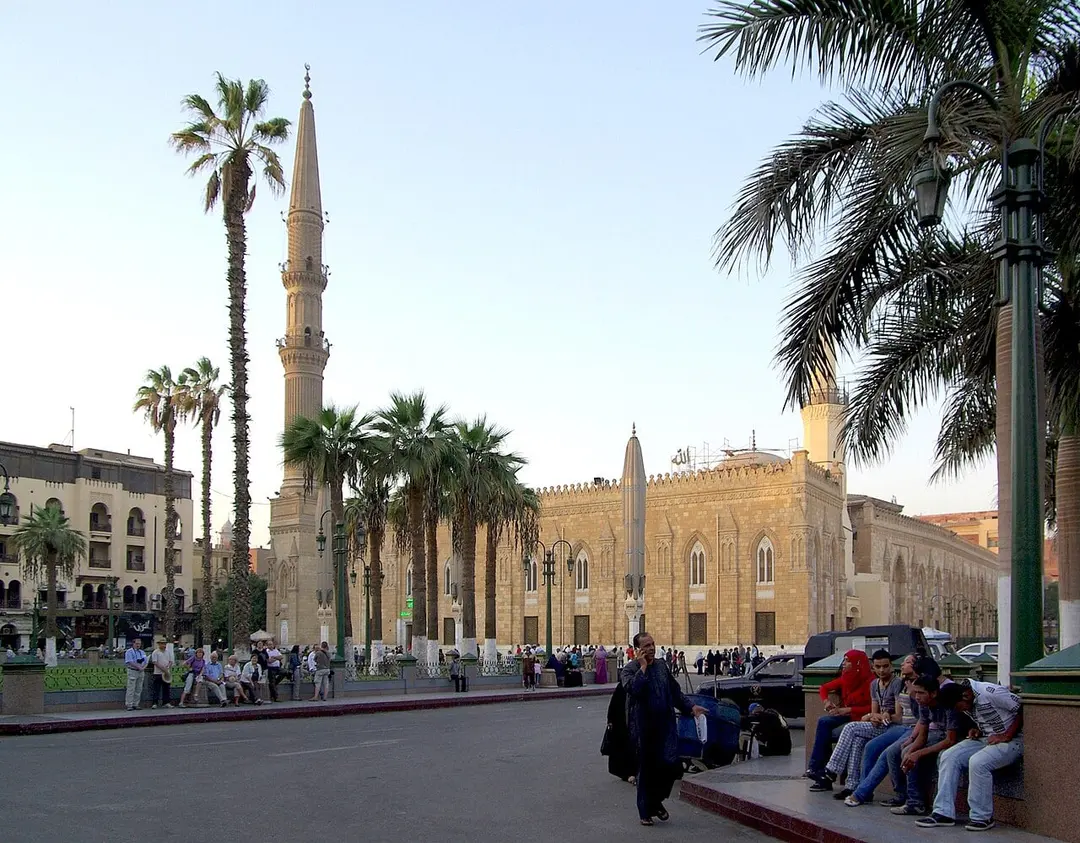
The Al-Hussein Mosque stands in the heart of Old Cairo, adjacent to the famous Khan el-Khalili bazaar and Al-Azhar Mosque. Originally built in 1154 as a shrine for Husayn ibn Ali, the mosque and mausoleum were reconstructed in 1874. It is considered one of the holiest Islamic sites in Egypt, particularly revered by Shia Muslims who believe Husayn's head is buried here. The entire surrounding quarter bears his name and remains a vibrant center of religious life and cultural identity in Cairo.
Cairo
Cairo
Cairo
Cairo
Cairo
Cairo
Cairo
Cairo
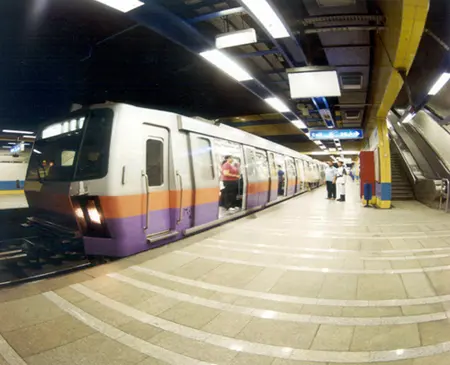
The Cairo Metro is the first fully developed metro system in Africa and the Middle East. It opened in 1987 with Line 1 between Helwan and Ramses Square. Today three lines run through the Egyptian capital, with a fourth under construction. The network carries millions of passengers daily through Greater Cairo and offers travellers a cheap and fast way to reach sights such as the Egyptian Museum, the Citadel, or Coptic Cairo. A notable feature: some trains include carriages reserved exclusively for women.
Cairo
Cairo
Cairo
Cairo
Cairo
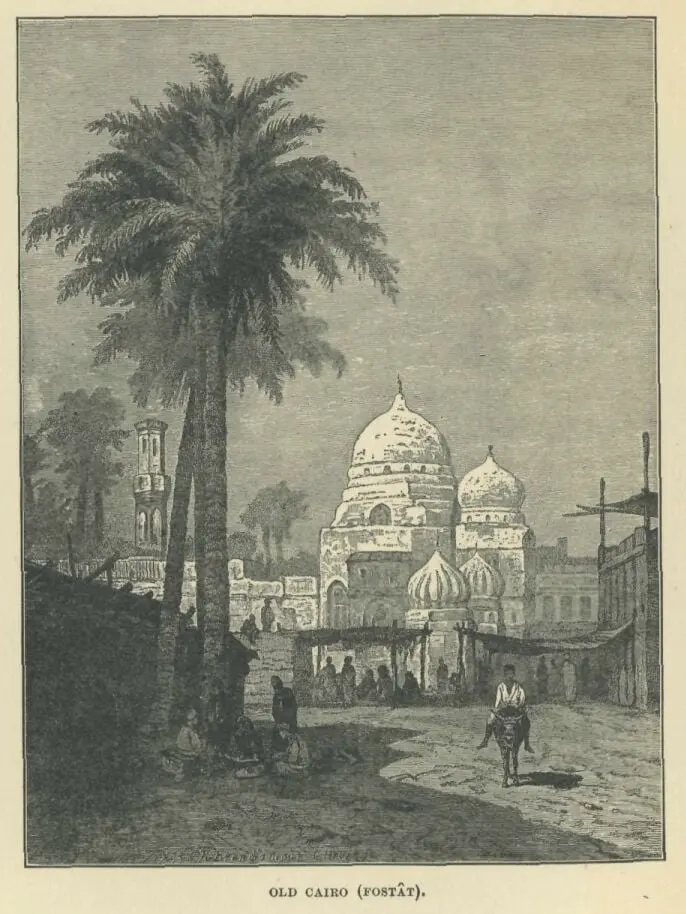
Fustat was Egypt's first Islamic capital, founded in 641 AD following the Arab conquest of the country. The Arab general Amr ibn al-As established a camp here that grew into the first planned Islamic city in North Africa. Until the founding of Cairo in 969, Fustat served as the administrative and commercial center of the country. The city was burned by its own inhabitants in 1168 to prevent the Crusaders from taking it. Today, the ruins of Fustat are accessible in southern Cairo as an archaeological site, surrounded by what is known as Coptic Cairo with its early churches and the Coptic Museum.
Cairo
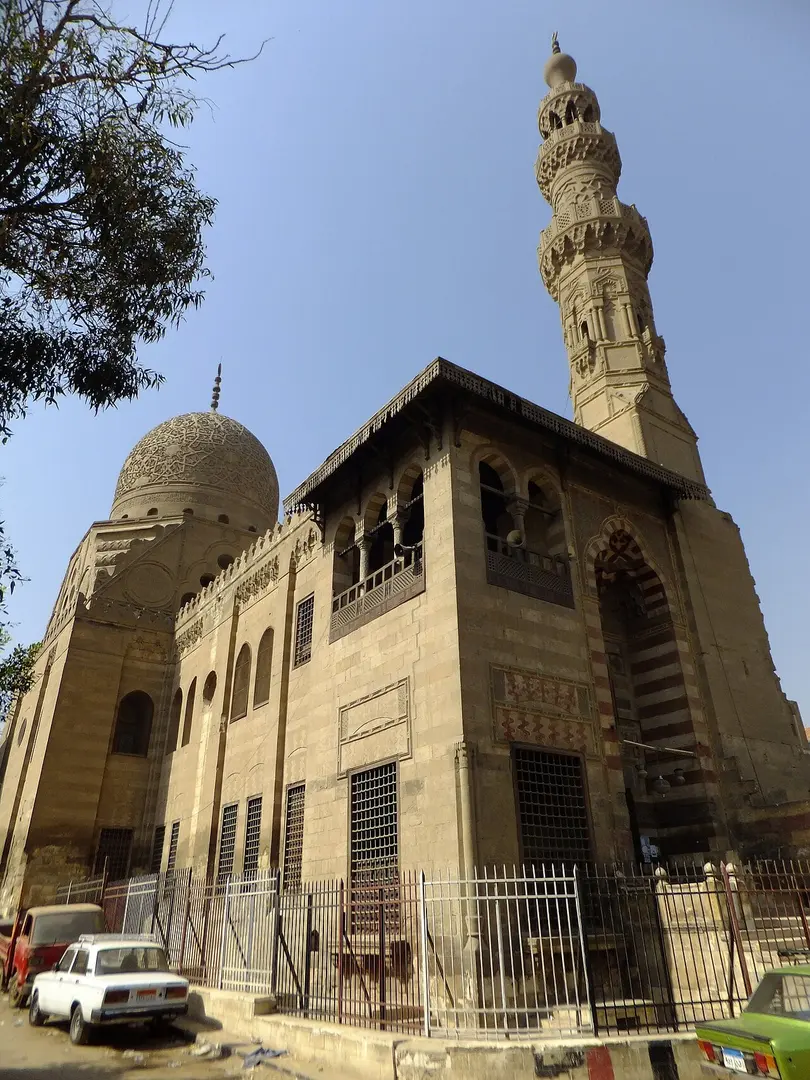
The funerary complex of Sultan Qaytbay was built between 1472 and 1474 by the Mamluk Sultan al-Ashraf Qaytbay in Cairo's Northern Cemetery (the City of the Dead). Art historians regard it as one of the finest masterpieces of Islamic architecture: the slender multi-tiered minaret and the intricately carved stone dome are considered pinnacles of Mamluk craftsmanship. The building is also depicted on the Egyptian one-pound note. The complex combines a mosque, mausoleum, Quran school, and inn, and remains an active mosque today.
Cairo
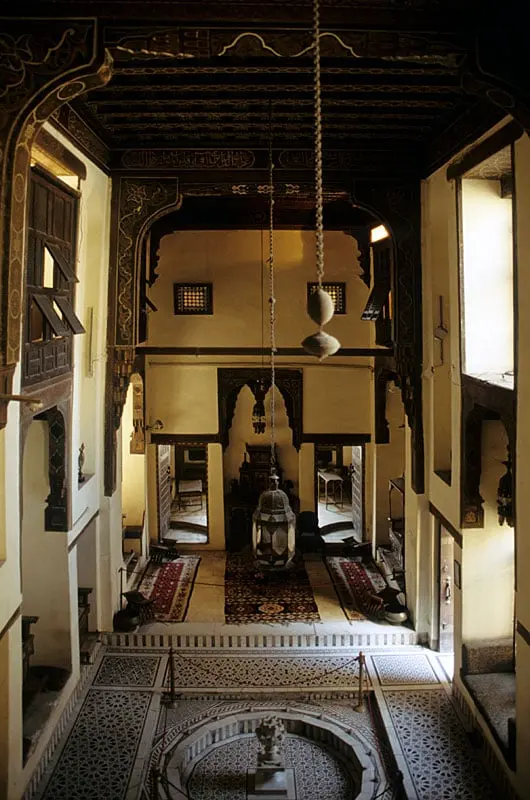
The Gayer-Anderson Museum in Cairo is one of the most captivating house museums in the Middle East. It occupies two adjoining 16th- and 17th-century buildings in Cairo's historic quarter, right next to the famous Ibn Tulun Mosque. British army officer Major Robert Grenville Gayer-Anderson Pasha lived here from 1935 to 1942 with a special permit from the Egyptian government, filling the rooms with carpets, antiques, weapons and curiosities from around the world. Open to visitors since 1945, the museum presents a unique ensemble of Islamic domestic architecture and personal collections. The house was also famously used as a location in the James Bond film "The Spy Who Loved Me".
Cairo
Cairo
Cairo
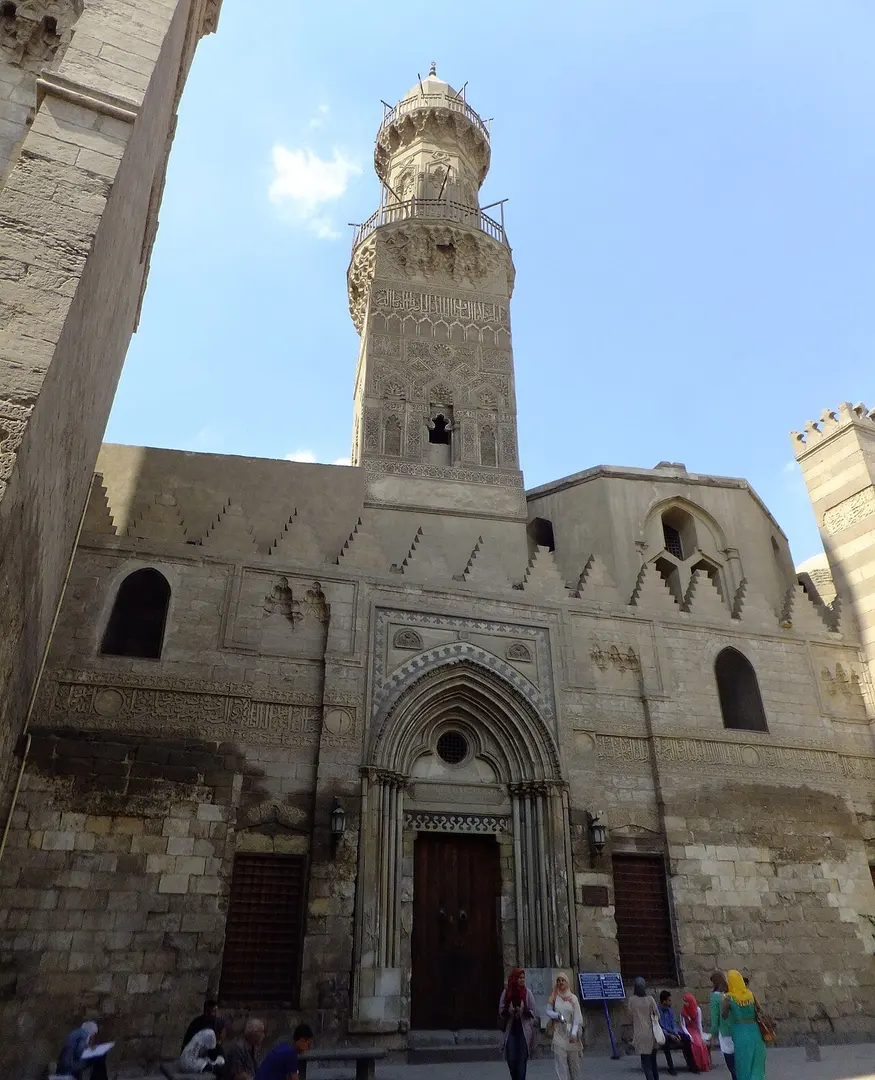
The Madrasa of Sultan al-Nasir Muhammad ibn Qalawun is a medieval Quranic school and mausoleum complex in the historic Bayn al-Qasrayn area along al-Muizz Street in Cairo. Begun under Sultan Kitbugha around 1294 and completed by al-Nasir Muhammad, it was inaugurated in 1303. The building forms part of the UNESCO World Heritage Site of Islamic Cairo and is notable for its striking facade incorporating Gothic elements borrowed from Crusader churches. It stands immediately beside the earlier Qalawun complex and ranks among Egypt's most significant Mamluk structures.
Cairo
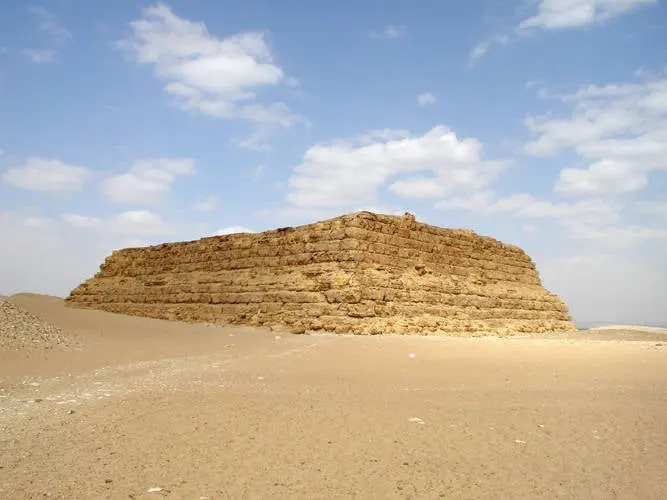
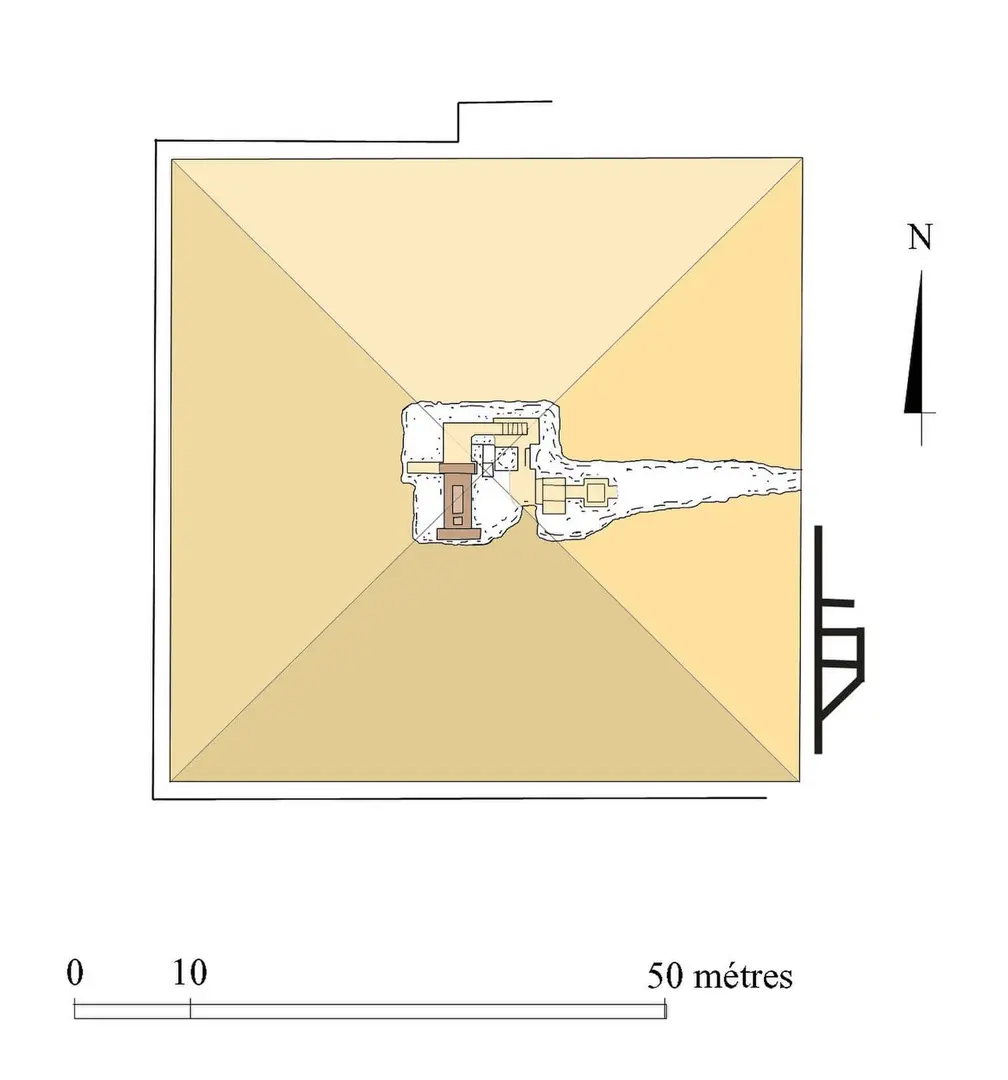
The Mastabat al-Firaun – Arabic for Bench of the Pharaoh – is the funerary monument of ancient Egyptian king Shepseskaf, the last contemporaneously documented ruler of the 4th Dynasty (c. 2510 BC). It lies in South Saqqara, between the Step Pyramid of Djoser and the pyramids of Sneferu at Dahshur. Remarkably, Shepseskaf chose a different form from his predecessors: not a pyramid but a massive rectangular mastaba with rounded ends. Why he preferred this shape remains a subject of scholarly debate. The monument is a rewarding, less crowded alternative to the famous pyramids for those interested in Egyptology.
Cairo
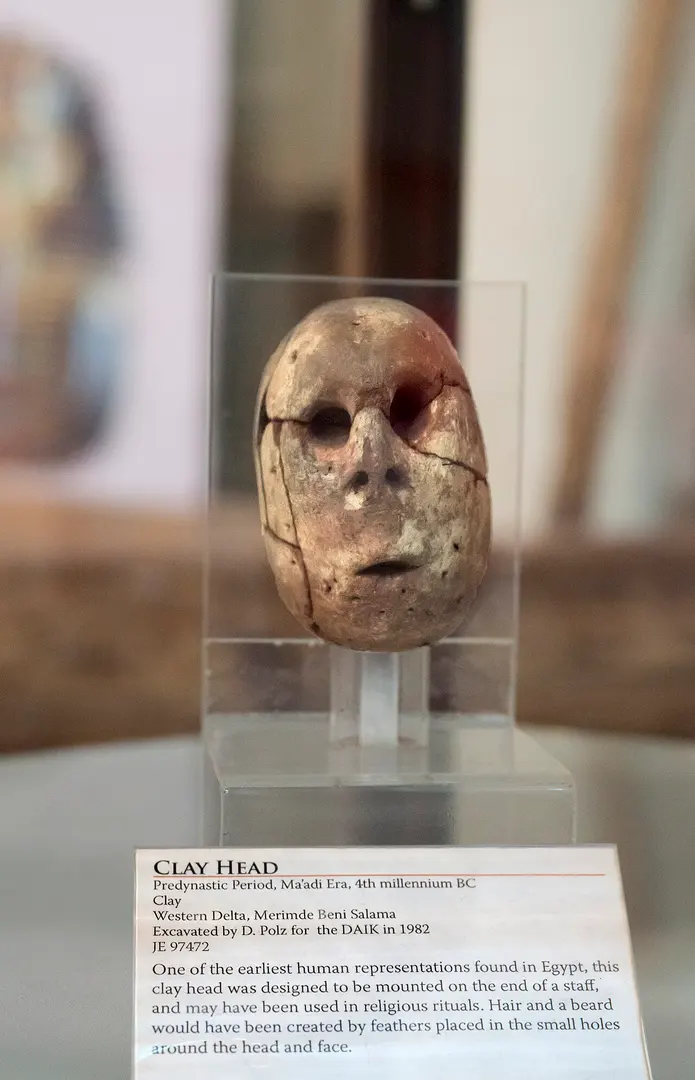
The Merimde culture was one of the earliest farming cultures in the Nile Delta, flourishing in the western Delta from around 4800 BC, roughly 45 km northwest of modern Cairo. The site of Merimde Beni Salame is considered one of the oldest village settlements ever found in Egypt. Excavations revealed evidence of early mud-brick structures, simple pottery, and intramural burials — meaning the dead were buried directly within the settlement area, a distinctive feature setting this culture apart from its successors. The Merimde culture offers crucial insight into the transition from nomadic to sedentary life in predynastic Egypt.
Cairo
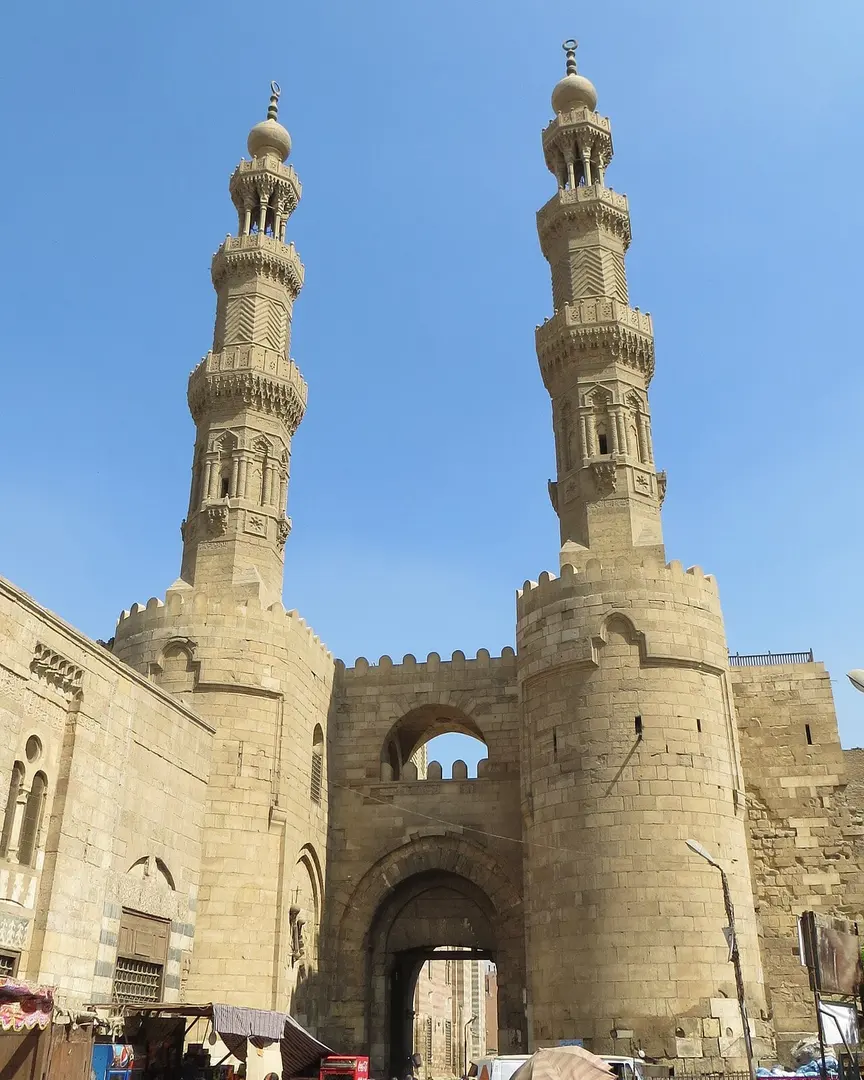
The Mosque of Sultan al-Mu'ayyad stands beside Bab Zuwayla, the southern gate of Fatimid Cairo, and is one of the finest examples of Mamluk architecture in Egypt. Built between 1415 and 1421 by Sultan al-Mu'ayyad Shaykh, it replaced a prison where the sultan himself had once been held. Its most distinctive feature: the two minarets were built not alongside but directly on top of the medieval towers of Bab Zuwayla — unique to this mosque in all of Cairo. The complex includes the Friday mosque, two mausoleums containing the sultan's tomb, and a former madrasa. Part of the UNESCO World Heritage site of Islamic Cairo, it represents the height of Mamluk architectural achievement.
Cairo
Keep exploring
Rate places with a swipe — TravelType learns from your tags what you love and curates your own map. Private until you choose to share.