TravelType

culture

Culture in Cairo

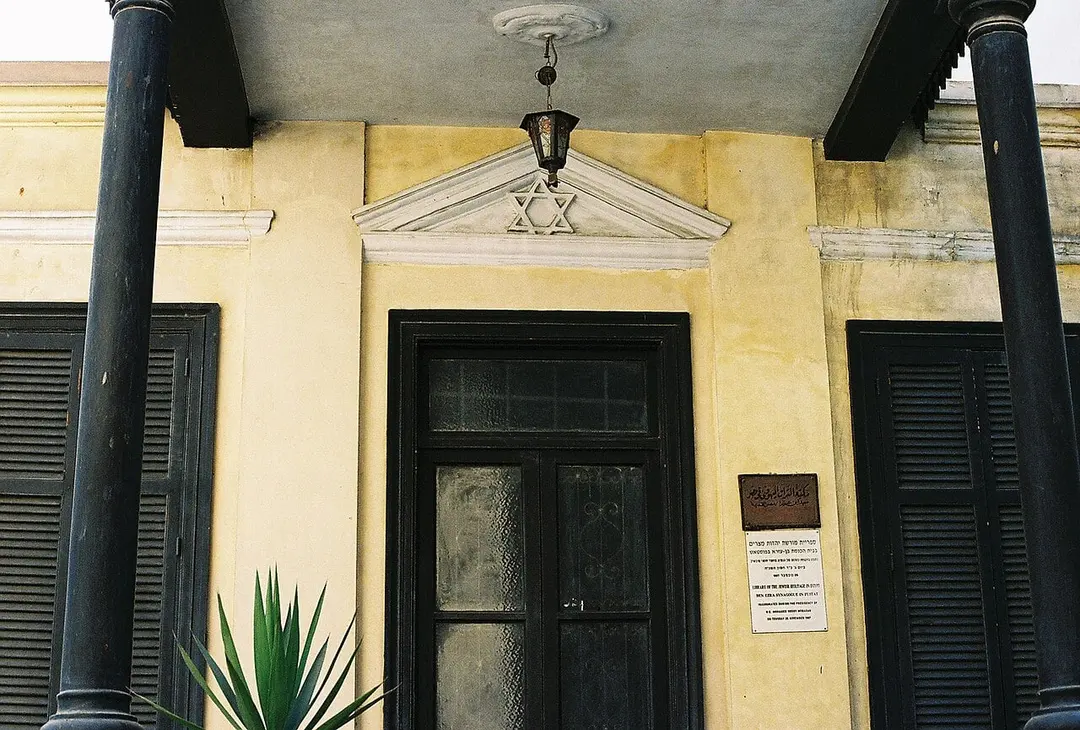
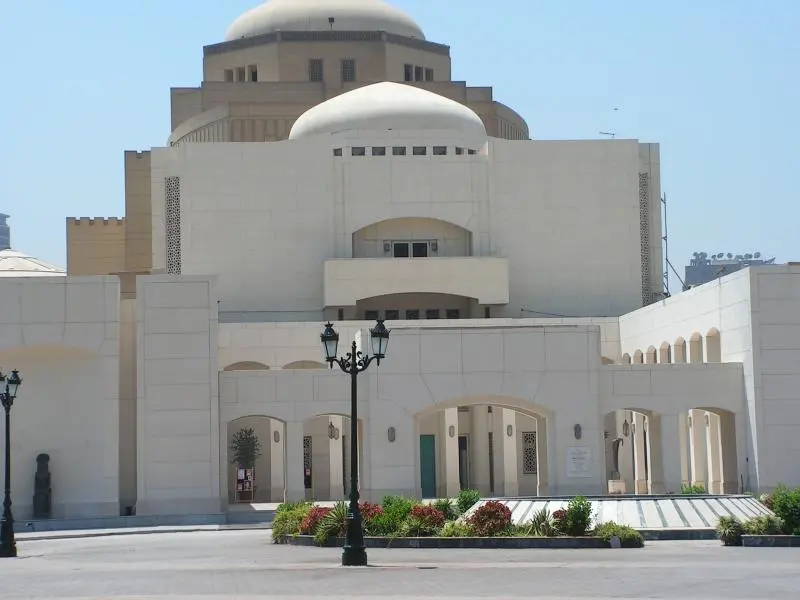
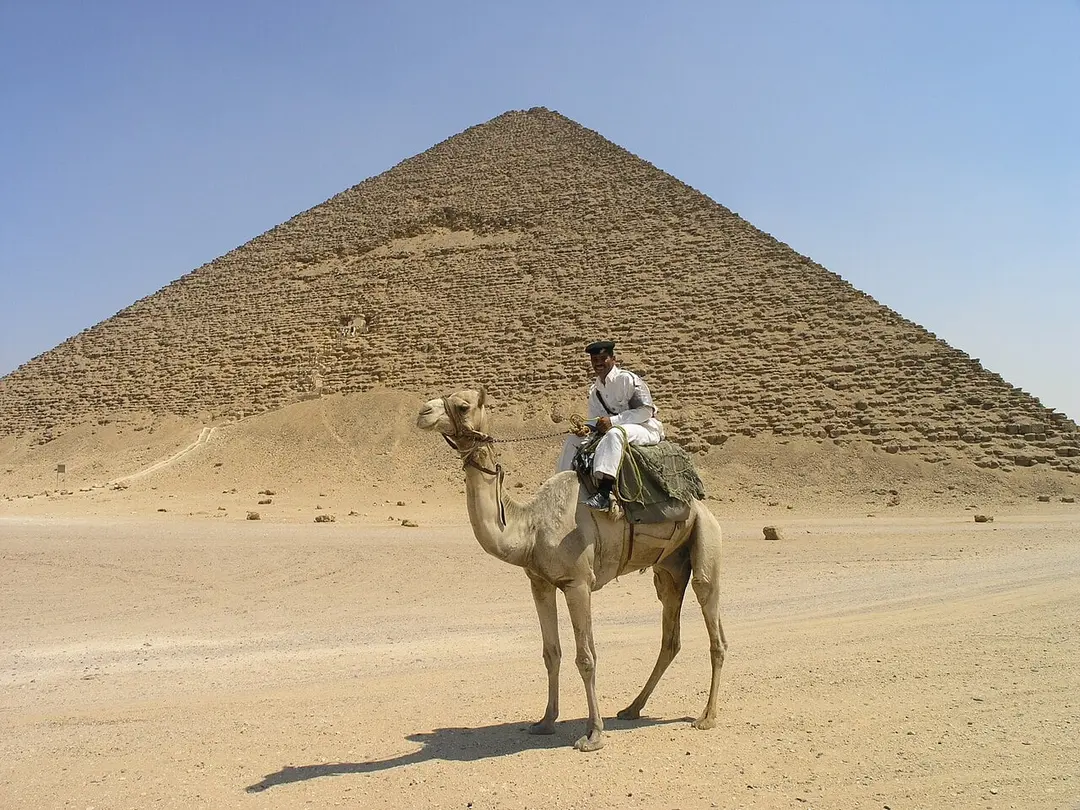
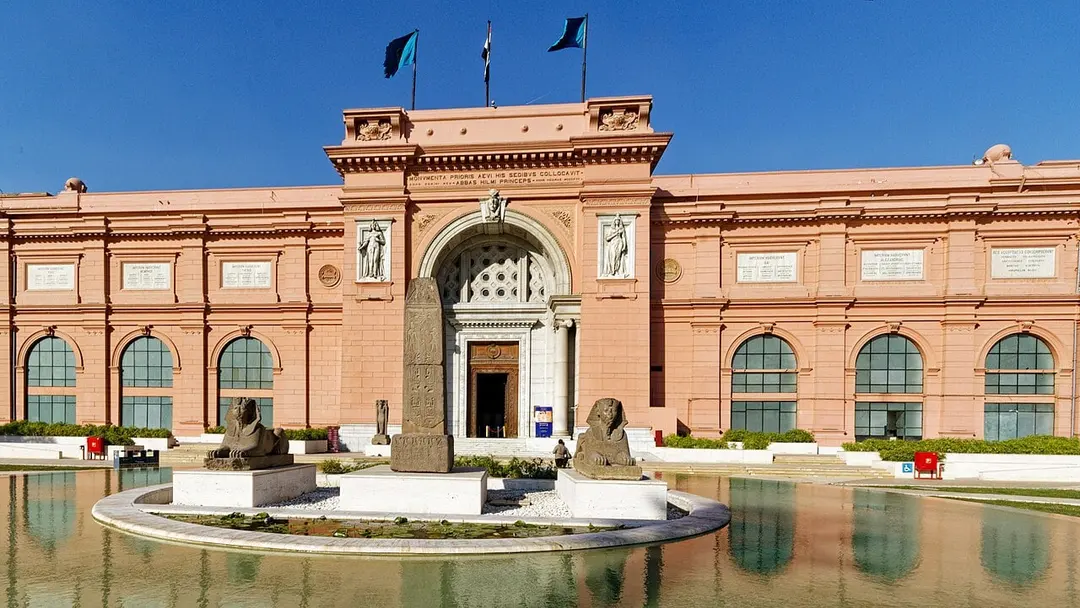
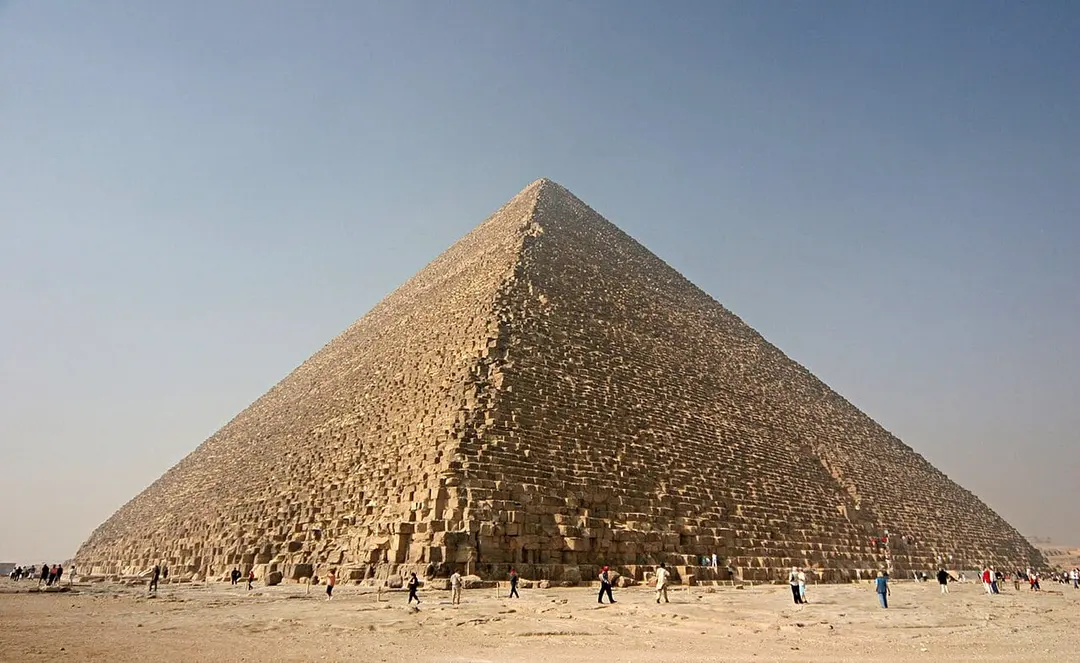
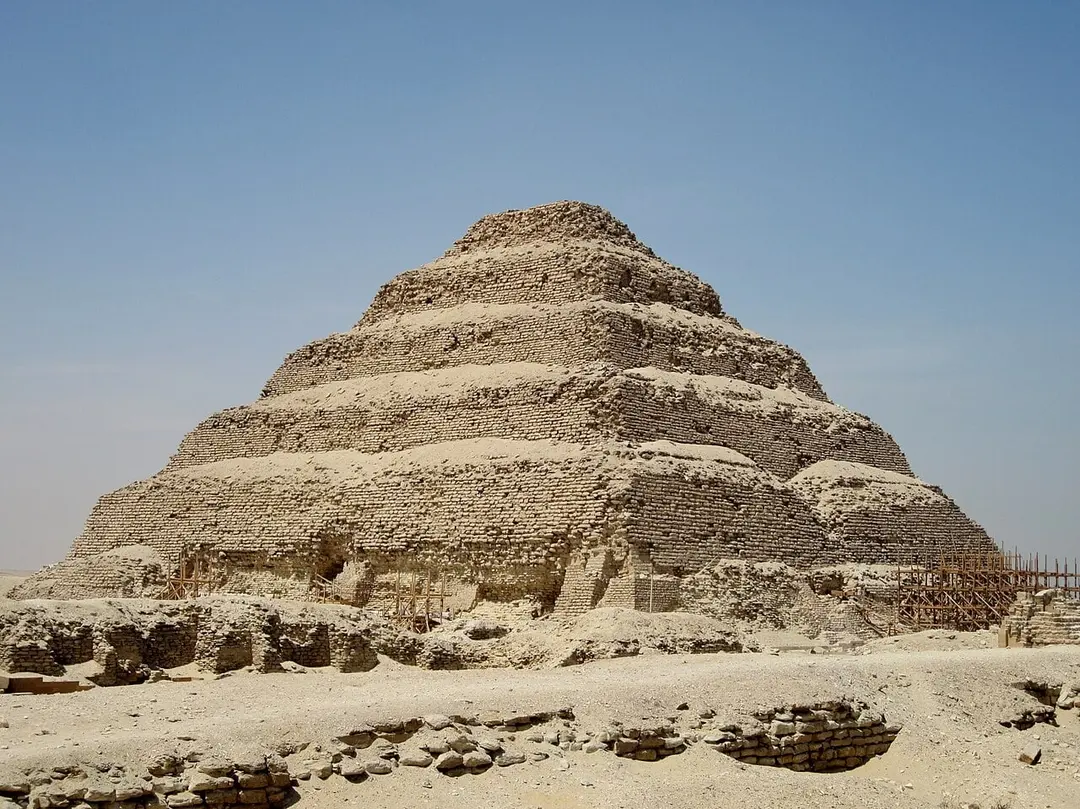
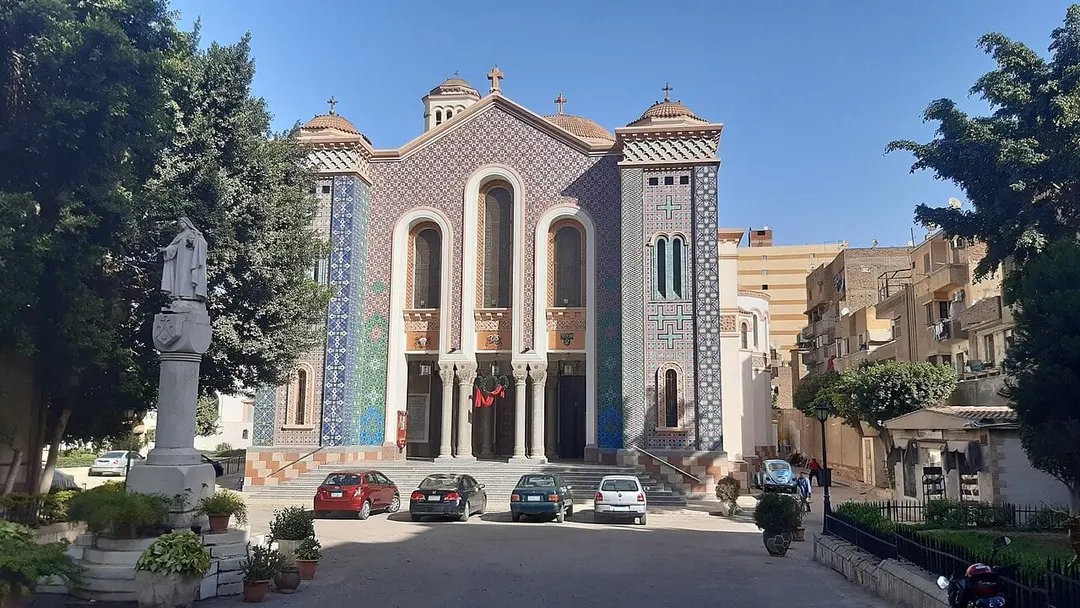
Cairo, Egypt's capital, offers a remarkable cultural depth spanning thousands of years. The Egyptian Museum holds one of the world's great collections of antiquities, while Dahshur speaks to the early ambitions of pyramid building. In the medieval city, Al-Azhar Mosque and the gate of Bab Zuweila anchor a living Islamic heritage. The Coptic Museum and Ben Ezra Synagogue trace the city's Christian and Jewish histories, alongside the Basilica of St Therese of the Child Jesus. The Gayer-Anderson Museum and the Agricultural Museum add further layers to everyday life across the centuries. In the evenings, the Egyptian Royal Opera House presents a broad programme of performing arts.

17 places · Cairo, Egypt · Editorially curated

  • Al-Azhar Mosque

    Al-Azhar Mosque

    Cairo

    architecturehistory

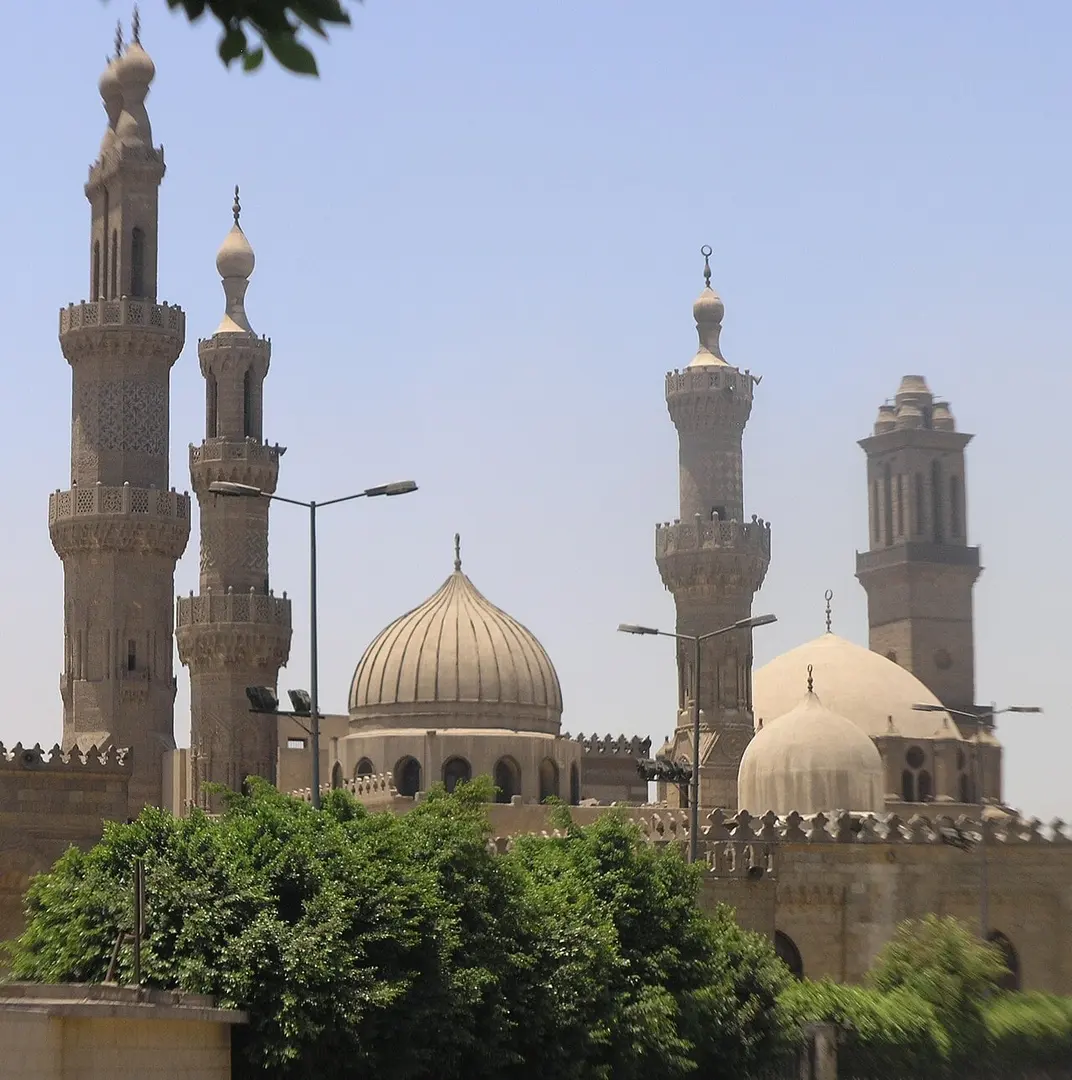
    Al-Azhar Mosque stands at the heart of historic Islamic Cairo and is one of the oldest and most revered mosques in the Islamic world. Founded in 970 CE by the Fatimid Caliph al-Mu'izz li-Din Allah, it was the first mosque of the new capital and inspired Cairo's nickname "City of a Thousand Minarets." Its name is thought to derive from az-Zahrā', an honorific for Fatima, the daughter of the Prophet Muhammad. Part of the UNESCO World Heritage site of Islamic Cairo, the complex layers more than a thousand years of architectural history — from original Fatimid arches to later Mamluk and Ottoman additions. It remains an active place of worship and one of Egypt's most powerful historical monuments.
  • Cairo International Airport

    Cairo International Airport

    Cairo

    architectureoutdoor activitieslocal gems

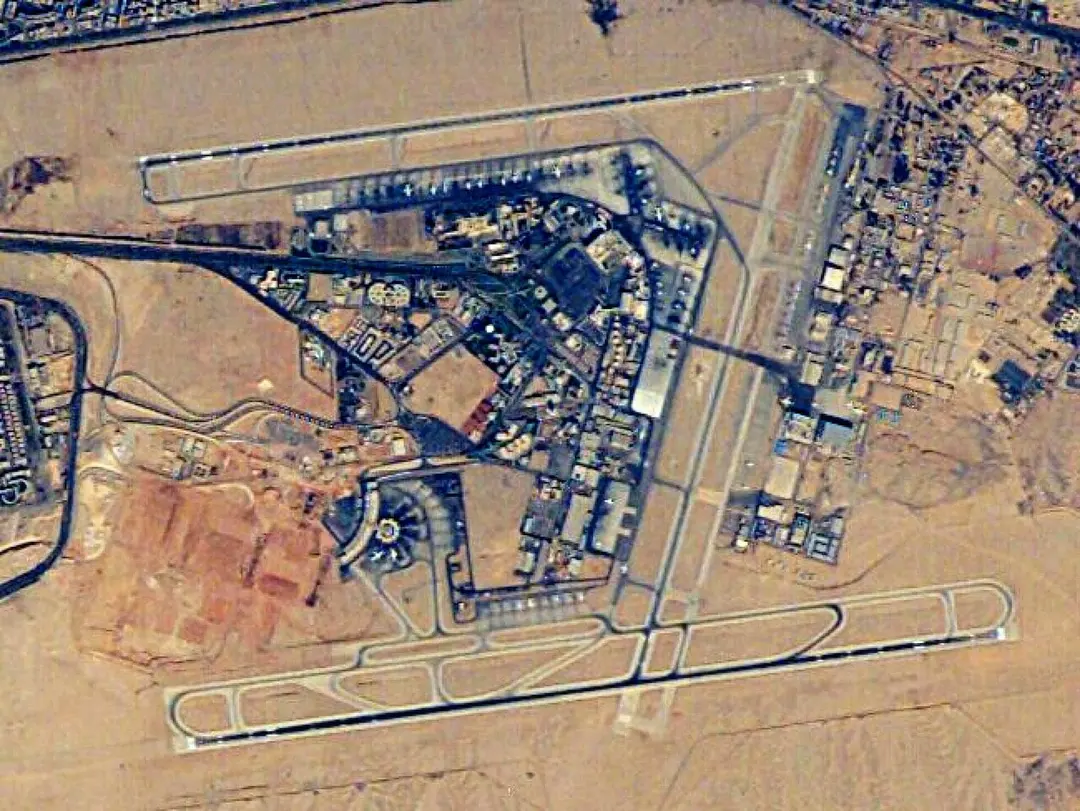
    Cairo International Airport is Egypt's primary aviation hub and one of the busiest on the African continent. Located in the northeast of the capital, it serves as the home base for state carrier EgyptAir and offers direct connections to all major continents. The airport acts as a key bridge between Europe, the Middle East, and Africa. For most travellers, it provides the first impression of Cairo — characterised by its busy energy, heat, and the hazy horizon that hangs over the Nile metropolis.

  • Gayer-Anderson Museum

    Gayer-Anderson Museum

    Cairo

    history

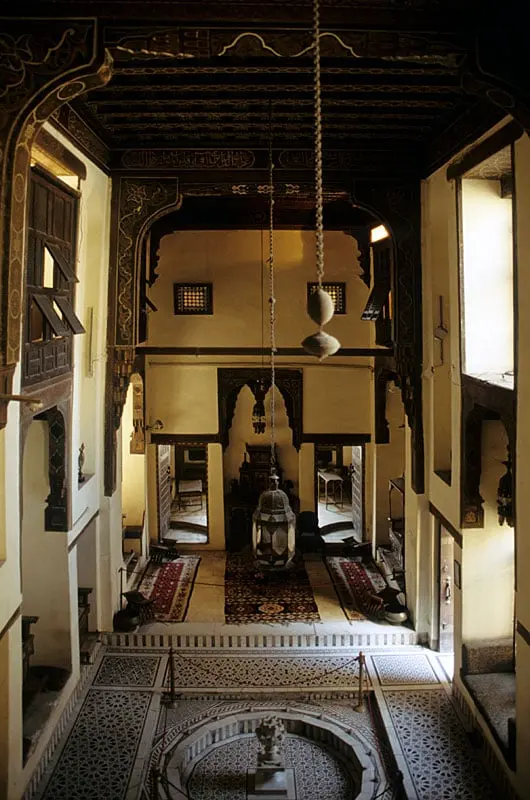
    The Gayer-Anderson Museum in Cairo is one of the most captivating house museums in the Middle East. It occupies two adjoining 16th- and 17th-century buildings in Cairo's historic quarter, right next to the famous Ibn Tulun Mosque. British army officer Major Robert Grenville Gayer-Anderson Pasha lived here from 1935 to 1942 with a special permit from the Egyptian government, filling the rooms with carpets, antiques, weapons and curiosities from around the world. Open to visitors since 1945, the museum presents a unique ensemble of Islamic domestic architecture and personal collections. The house was also famously used as a location in the James Bond film "The Spy Who Loved Me".

  • Madrasa of Sultan al-Nasir Muhammad ibn Qalawun

    Madrasa of Sultan al-Nasir Muhammad ibn Qalawun

    Cairo

    architecturehistory

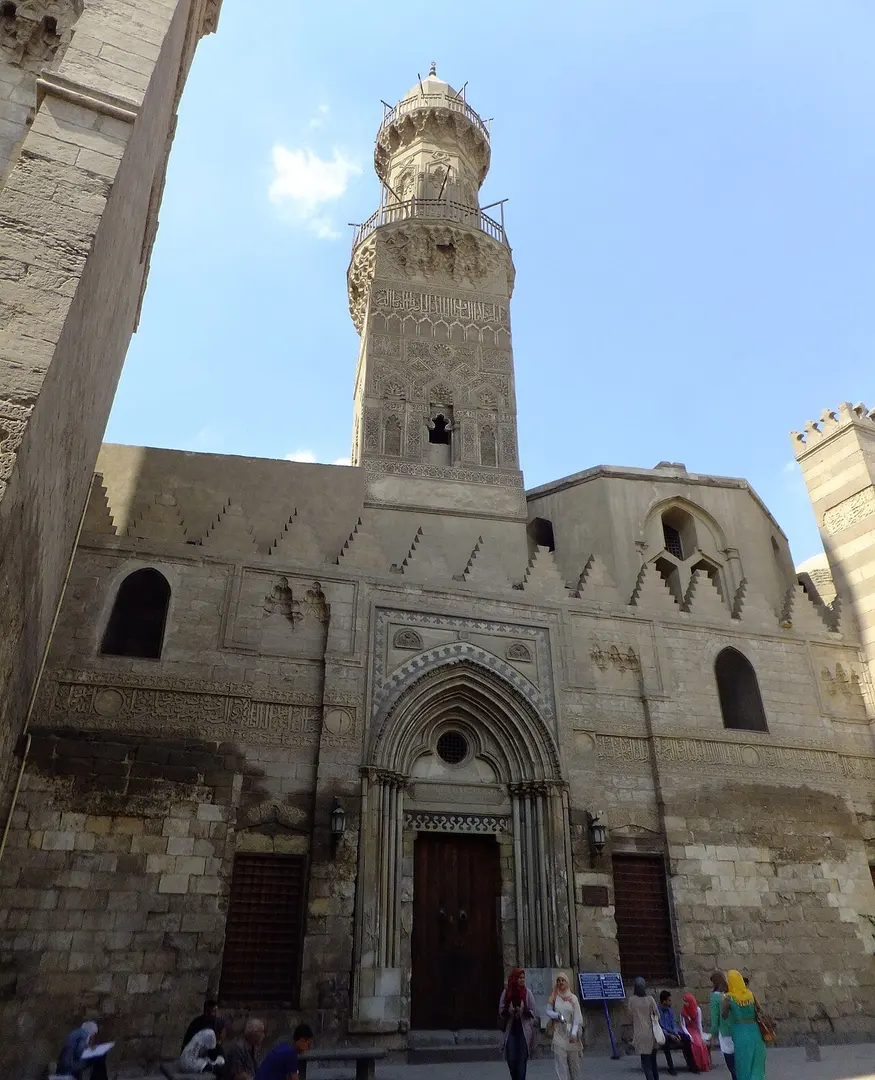
    The Madrasa of Sultan al-Nasir Muhammad ibn Qalawun is a medieval Quranic school and mausoleum complex in the historic Bayn al-Qasrayn area along al-Muizz Street in Cairo. Begun under Sultan Kitbugha around 1294 and completed by al-Nasir Muhammad, it was inaugurated in 1303. The building forms part of the UNESCO World Heritage Site of Islamic Cairo and is notable for its striking facade incorporating Gothic elements borrowed from Crusader churches. It stands immediately beside the earlier Qalawun complex and ranks among Egypt's most significant Mamluk structures.

  • Mahmoud Khalil Museum

    Mahmoud Khalil Museum

    Cairo

    architecture

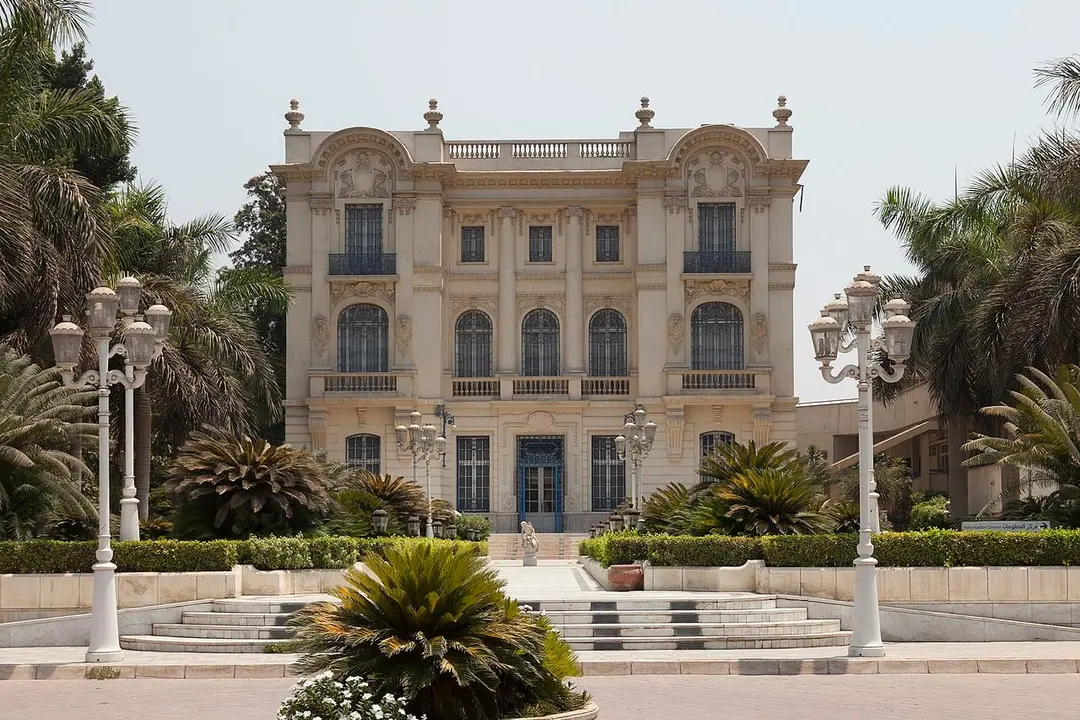
    The Mohamed Mahmoud Khalil Museum in Giza is housed in a grand early 20th-century palace. It holds an important private collection of European art assembled by Mohamed Mahmoud Khalil and his French wife – including works of Impressionism and Post-Impressionism. Opened in 1962, it is one of the rare museums in the Arab world focused primarily on Western painting. The palace's elegant architecture forms a striking backdrop for the collection.

  • Mosque of Sultan al-Muayyad

    Mosque of Sultan al-Muayyad

    Cairo

    architecturehistory

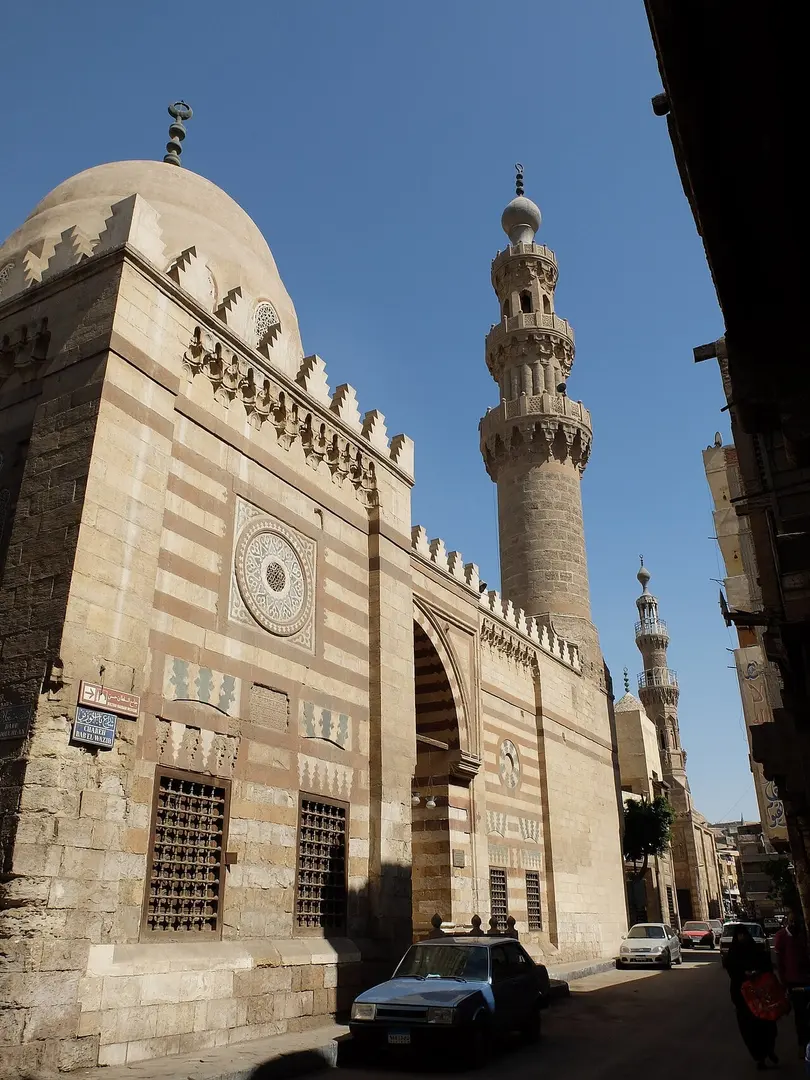
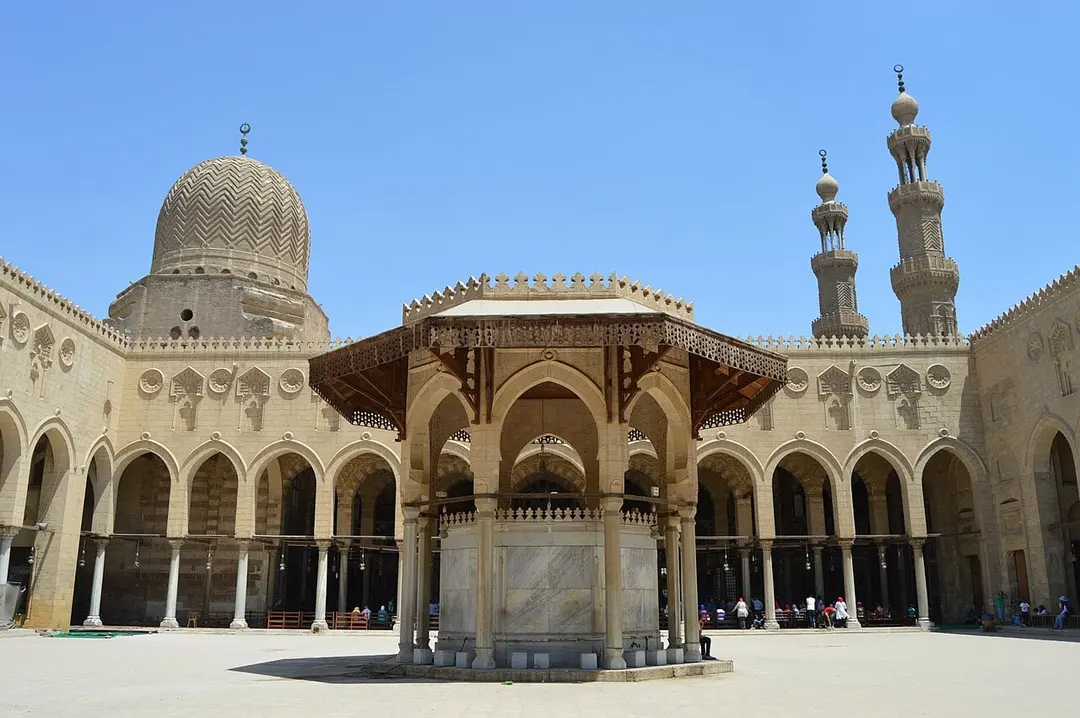
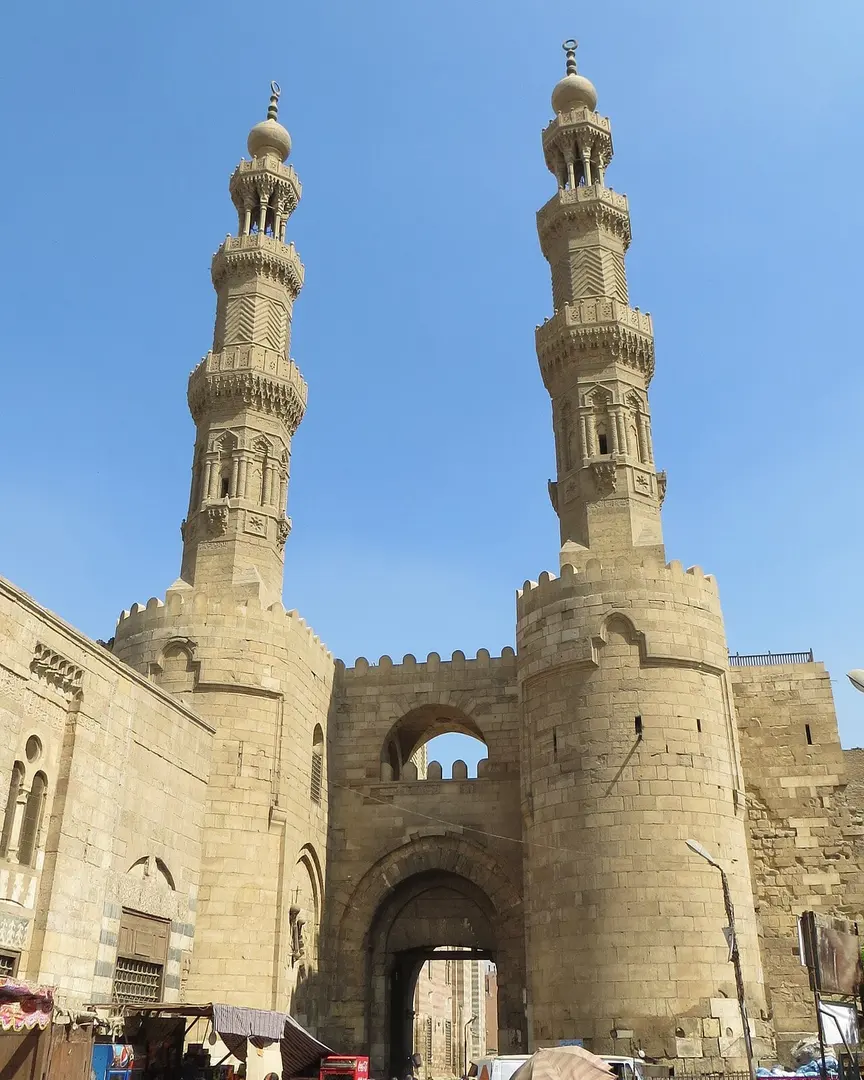
    The Mosque of Sultan al-Mu'ayyad stands beside Bab Zuwayla, the southern gate of Fatimid Cairo, and is one of the finest examples of Mamluk architecture in Egypt. Built between 1415 and 1421 by Sultan al-Mu'ayyad Shaykh, it replaced a prison where the sultan himself had once been held. Its most distinctive feature: the two minarets were built not alongside but directly on top of the medieval towers of Bab Zuwayla — unique to this mosque in all of Cairo. The complex includes the Friday mosque, two mausoleums containing the sultan's tomb, and a former madrasa. Part of the UNESCO World Heritage site of Islamic Cairo, it represents the height of Mamluk architectural achievement.

  • Museum of Modern Egyptian Art

    Museum of Modern Egyptian Art

    Cairo

    local gems

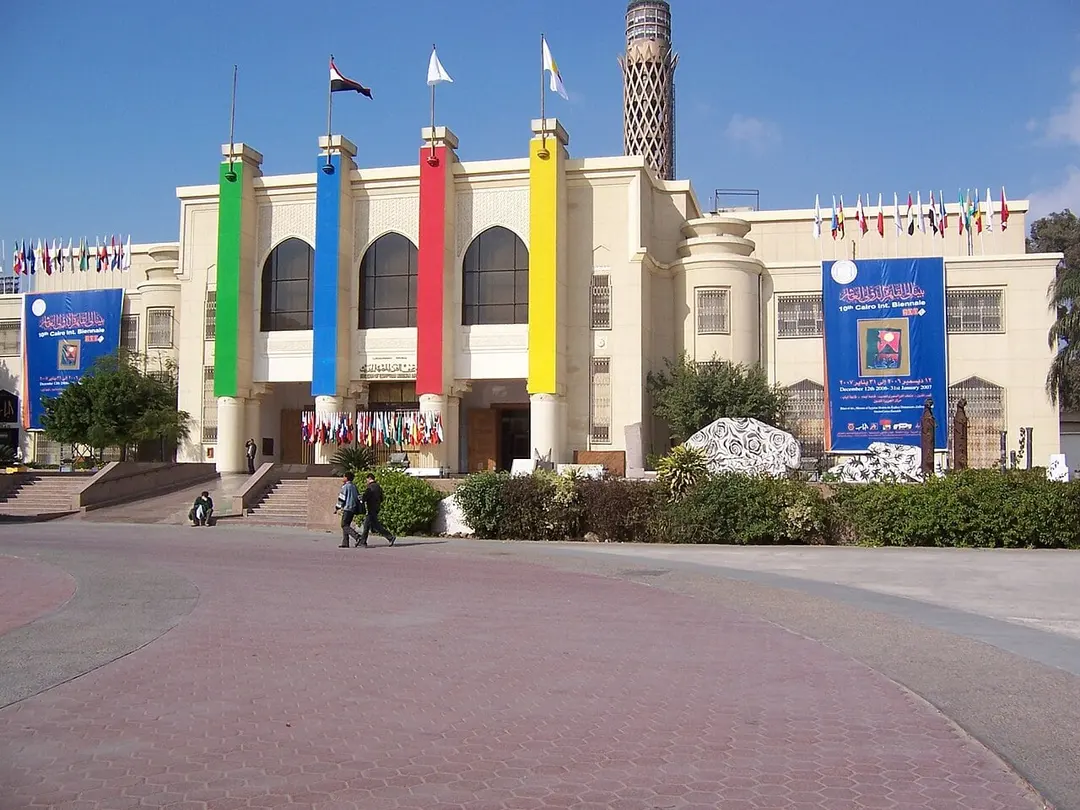
    The Gezira Center for Modern Art — also known as the Museum of Modern Egyptian Art — sits on the Nile island of Gezira in the Zamalek district, forming part of the National Cultural Centre that also includes the Cairo Opera House. Founded in 1936, the museum holds an extensive collection of modern and contemporary Egyptian painting and sculpture from the early 20th century to the present. It offers a rare window into the development of Egyptian fine art beyond pharaonic clichés — from Impressionism-influenced early works to contemporary abstract positions.

Keep exploring

These places are just the beginning.

Rate places with a swipe — TravelType learns from your tags what you love and curates your own map. Private until you choose to share.

Create your profile