Al-Azhar University
Cairo
history
knowledge
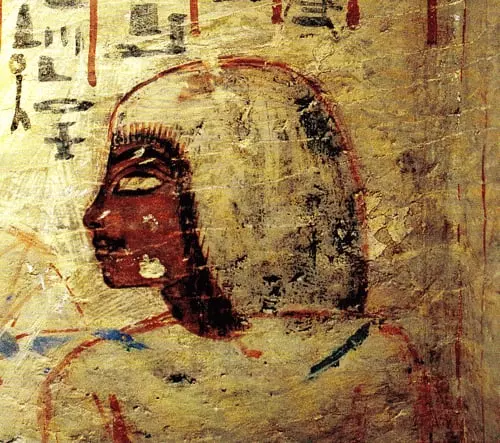
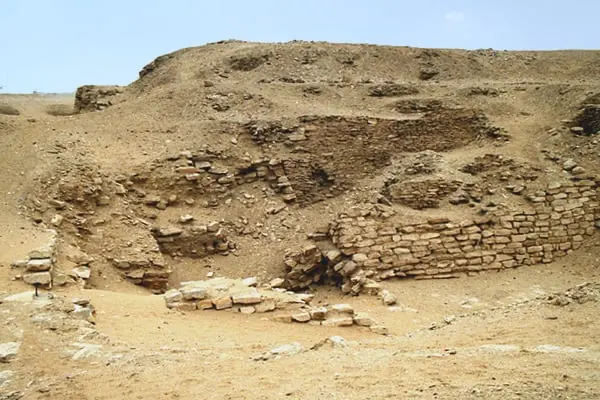
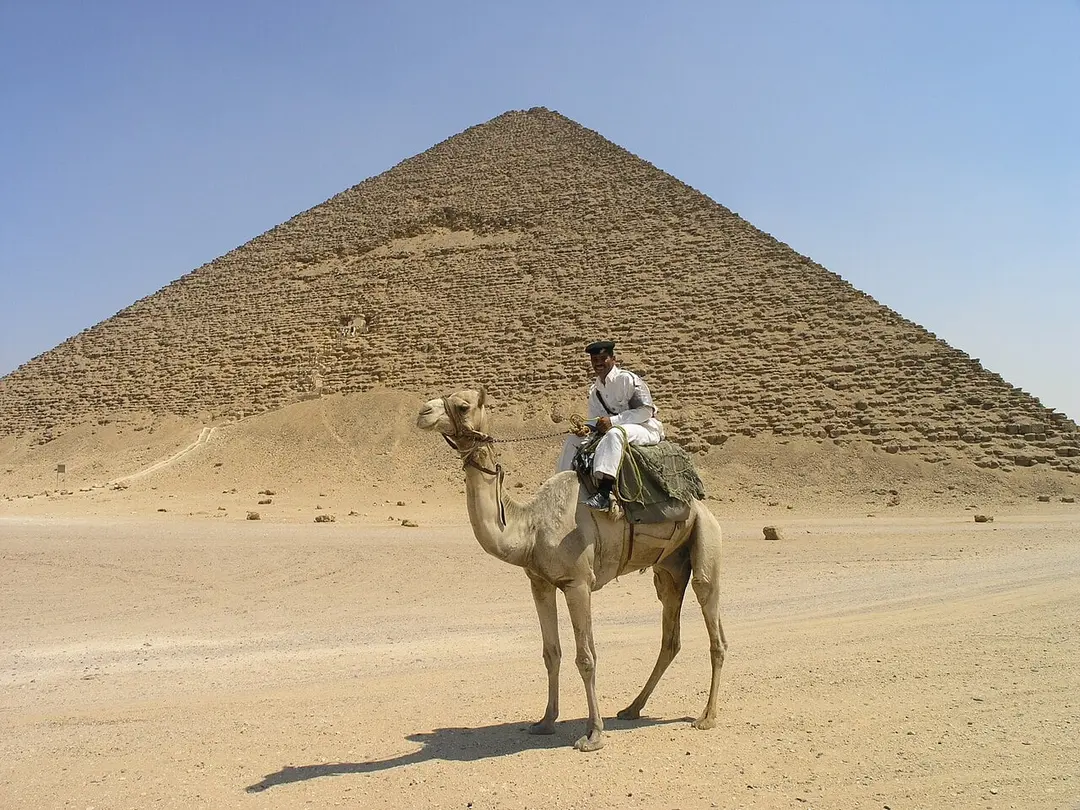
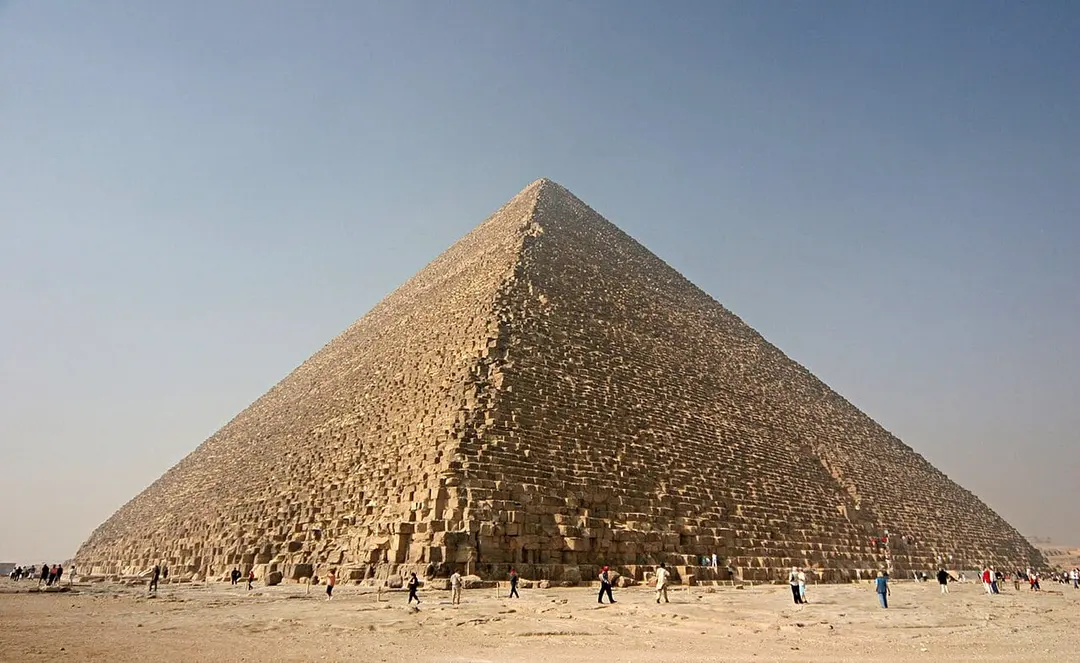
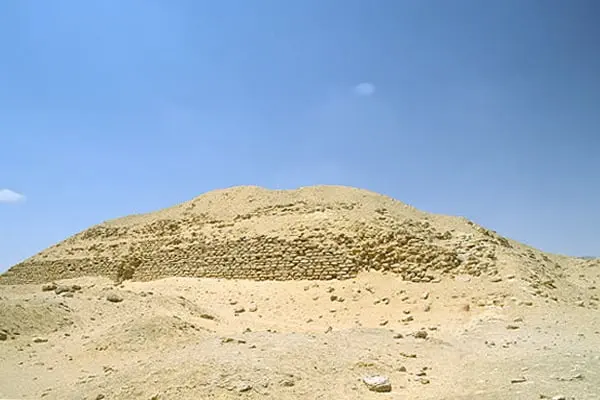
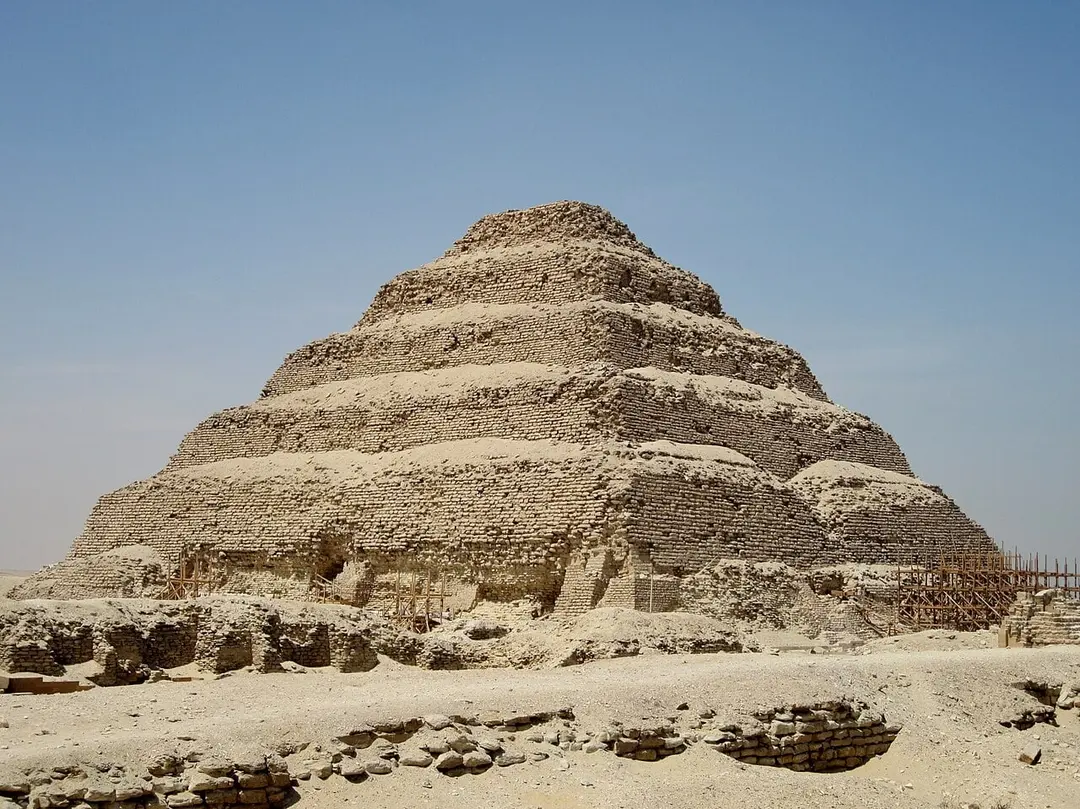
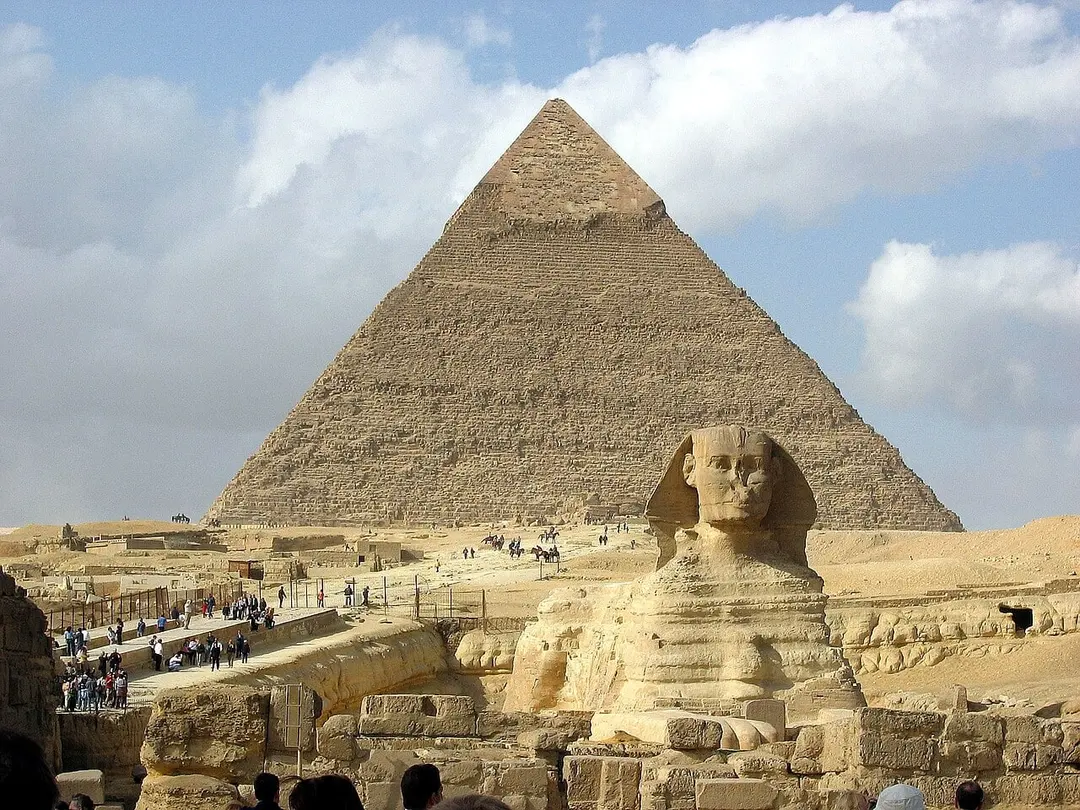
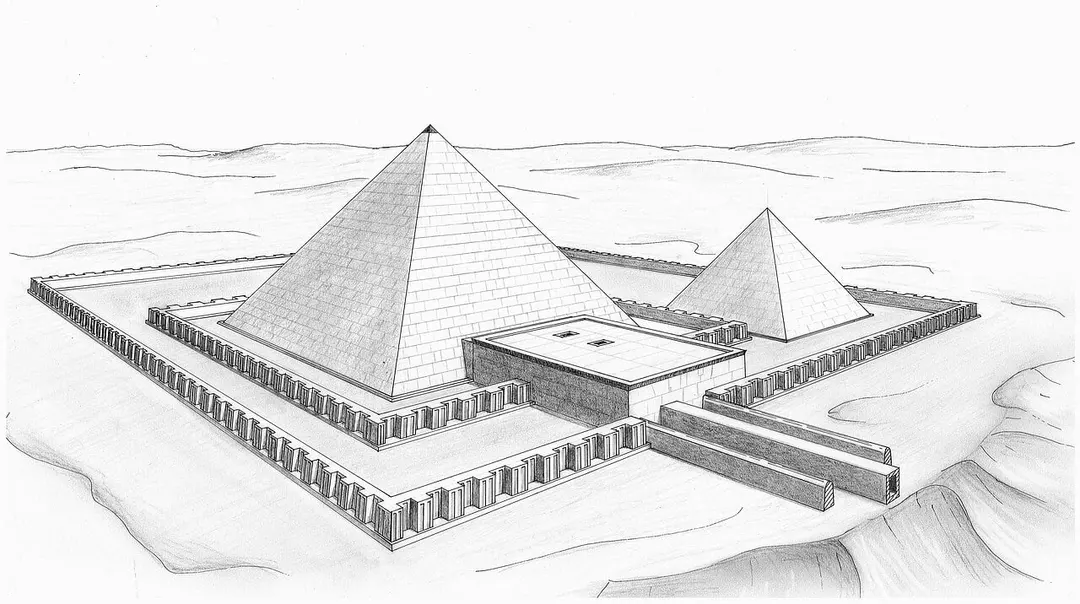
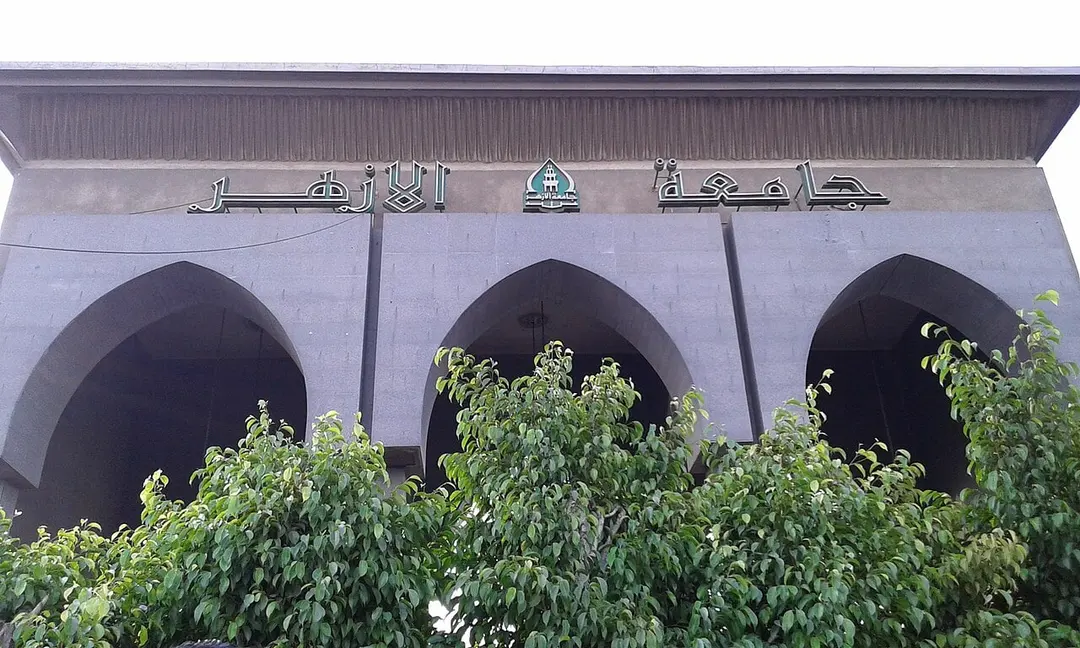
Cairo offers a remarkable depth of knowledge for those drawn to history and human civilisation. Al-Azhar University, one of the world's oldest centres of learning, stands alongside archaeological sites spanning thousands of years. At Saqqara and Dahshur, the Bubasteion, the Pyramid of Djoser, the Buried Pyramid, the Layer Pyramid, and the Mastabat al-Firaun illuminate early Egyptian society. The Great Pyramid of Giza, the Pyramid of Khafre, the Pyramid of Khendjer, the early Islamic settlement of El-Fustat, and finds related to the Merimde Culture together trace a broad arc of human knowledge and development.
12 places · Cairo, Egypt · Editorially curated
Cairo
Cairo
Cairo
Cairo
Cairo
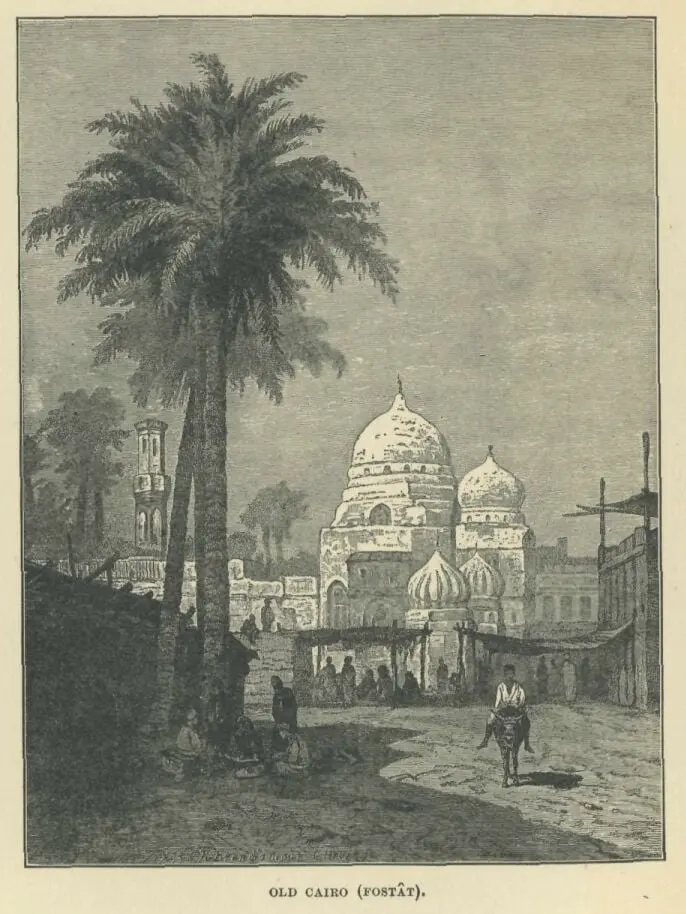
Fustat was Egypt's first Islamic capital, founded in 641 AD following the Arab conquest of the country. The Arab general Amr ibn al-As established a camp here that grew into the first planned Islamic city in North Africa. Until the founding of Cairo in 969, Fustat served as the administrative and commercial center of the country. The city was burned by its own inhabitants in 1168 to prevent the Crusaders from taking it. Today, the ruins of Fustat are accessible in southern Cairo as an archaeological site, surrounded by what is known as Coptic Cairo with its early churches and the Coptic Museum.
Cairo
Cairo
Cairo
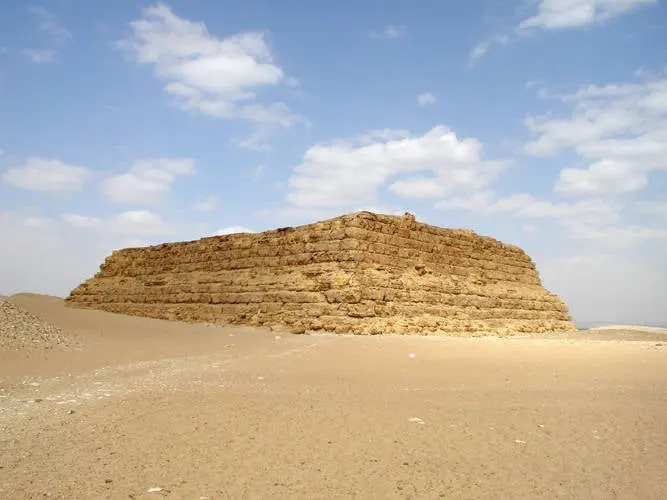
The Mastabat al-Firaun – Arabic for Bench of the Pharaoh – is the funerary monument of ancient Egyptian king Shepseskaf, the last contemporaneously documented ruler of the 4th Dynasty (c. 2510 BC). It lies in South Saqqara, between the Step Pyramid of Djoser and the pyramids of Sneferu at Dahshur. Remarkably, Shepseskaf chose a different form from his predecessors: not a pyramid but a massive rectangular mastaba with rounded ends. Why he preferred this shape remains a subject of scholarly debate. The monument is a rewarding, less crowded alternative to the famous pyramids for those interested in Egyptology.
Cairo
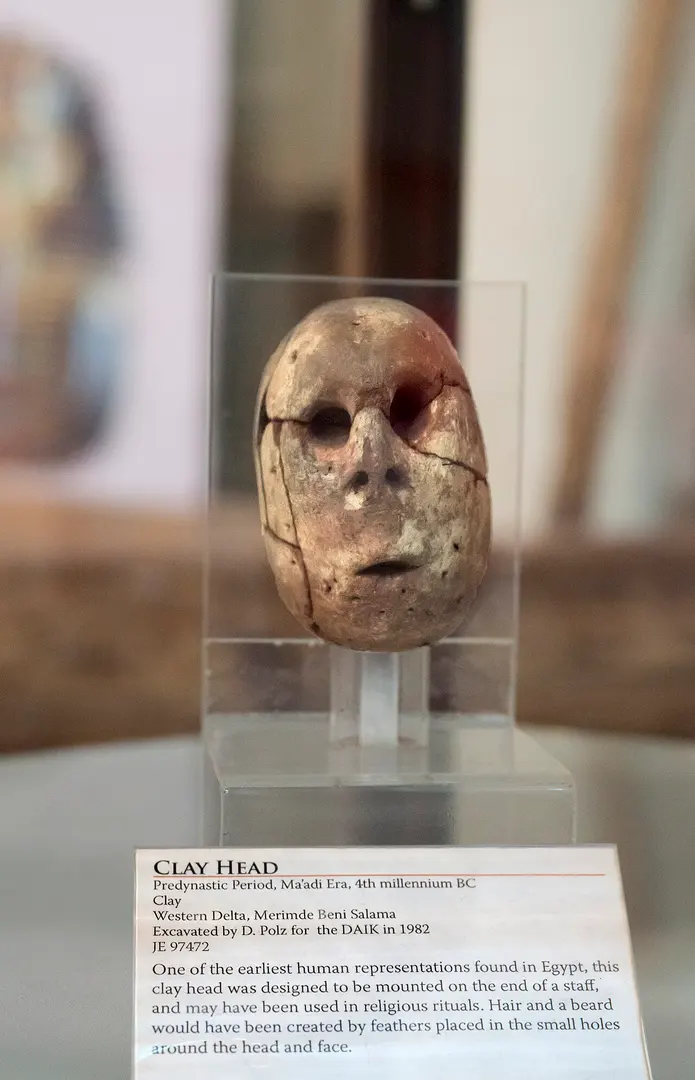
The Merimde culture was one of the earliest farming cultures in the Nile Delta, flourishing in the western Delta from around 4800 BC, roughly 45 km northwest of modern Cairo. The site of Merimde Beni Salame is considered one of the oldest village settlements ever found in Egypt. Excavations revealed evidence of early mud-brick structures, simple pottery, and intramural burials — meaning the dead were buried directly within the settlement area, a distinctive feature setting this culture apart from its successors. The Merimde culture offers crucial insight into the transition from nomadic to sedentary life in predynastic Egypt.
Cairo
Cairo
Cairo
Keep exploring
Rate places with a swipe — TravelType learns from your tags what you love and curates your own map. Private until you choose to share.