TravelType

history

History in São Paulo

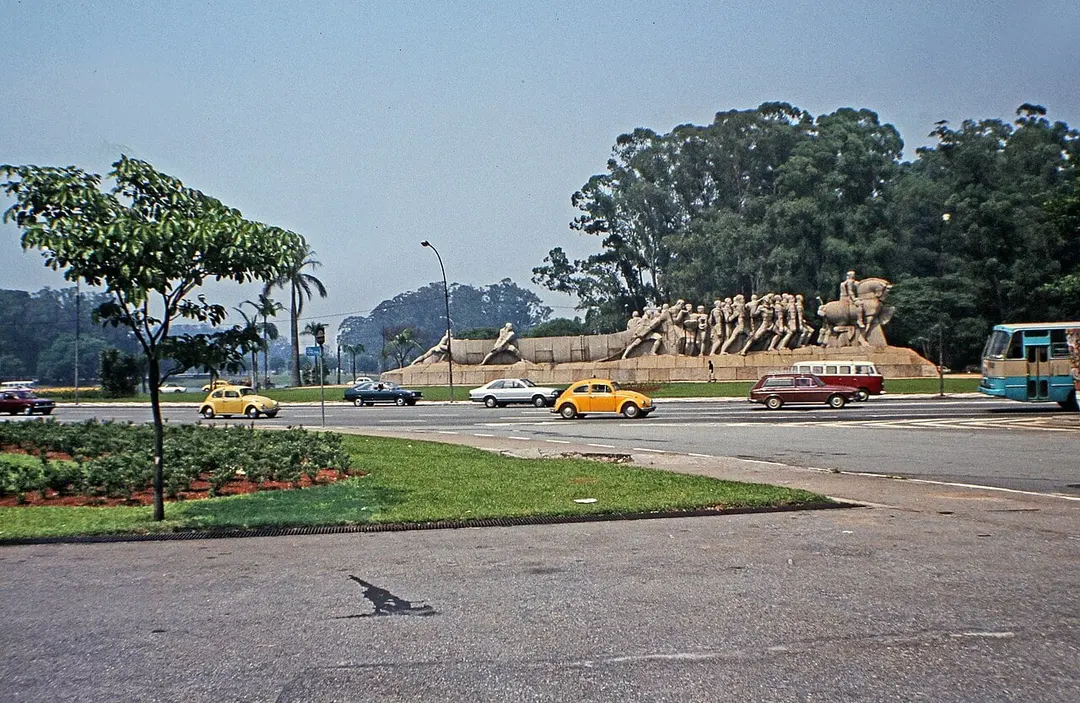
São Paulo, Brazil's largest metropolis, layers its history across a wide range of sites. The Mosteiro de São Bento points to the city's colonial origins, while the Altino Arantes Building and Edifício Itália capture its 20th-century growth into a vertical skyline. The Museu Paulista holds collections central to Brazilian national history, and the Monument to the Bandeiras commemorates the inland expeditions that shaped the country. The Instituto Butantan reflects São Paulo's role in science and public health. Football stadiums — Mercado Livre Arena Pacaembu, Estádio Parque São Jorge, Neo Química Arena, and Allianz Parque — trace the social history of the sport, while Campo de Marte Airport stands as an early landmark of Brazilian aviation.

9 places · São Paulo, Brazil · Editorially curated

  • Allianz Parque

    Allianz Parque

    São Paulo

    cultureoutdoor activitieslocal gems

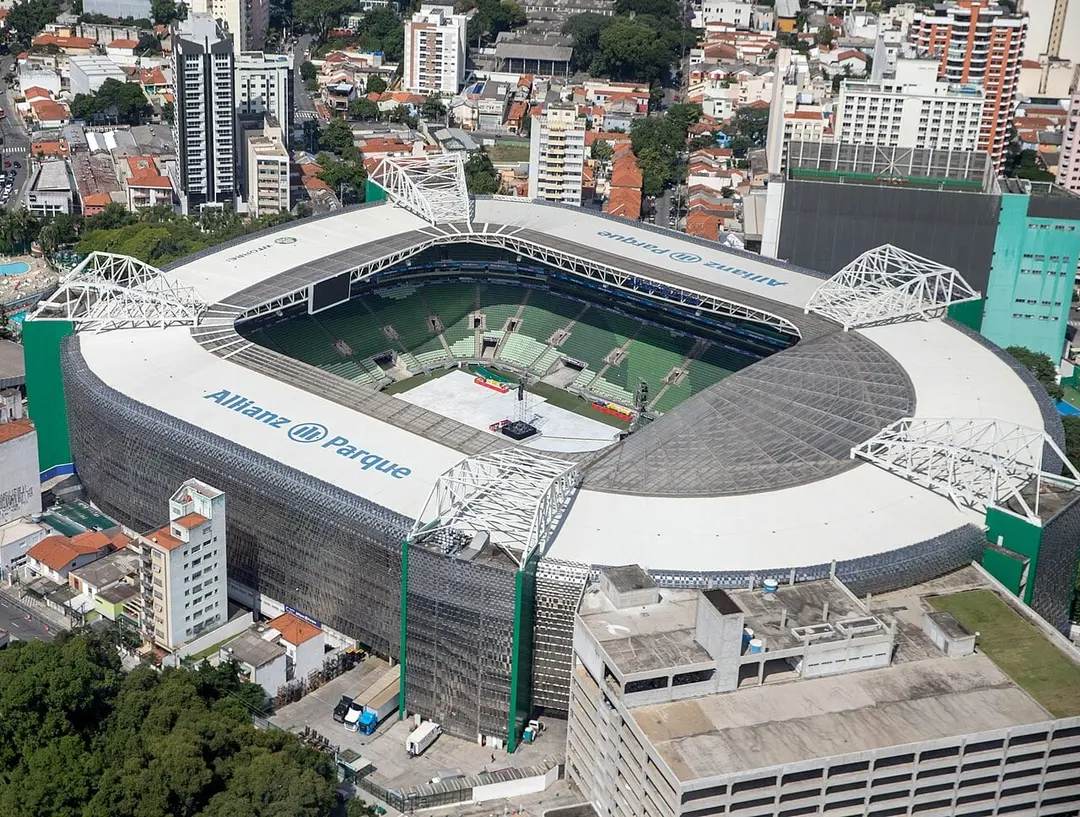
    Allianz Parque (now Nubank Parque) is SE Palmeiras's purpose-built home stadium, opened in 2014 on the grounds of the historic Estadio Palestra Italia. With 43,713 seats for football and up to 55,000 for concerts, it is one of the most modern multipurpose stadiums in South America and meets all FIFA standards. The stadium replaced the previous ground where Palmeiras played from 1917 to 2010.
  • Altino Arantes Building

    Altino Arantes Building

    São Paulo

    architecturegreat views

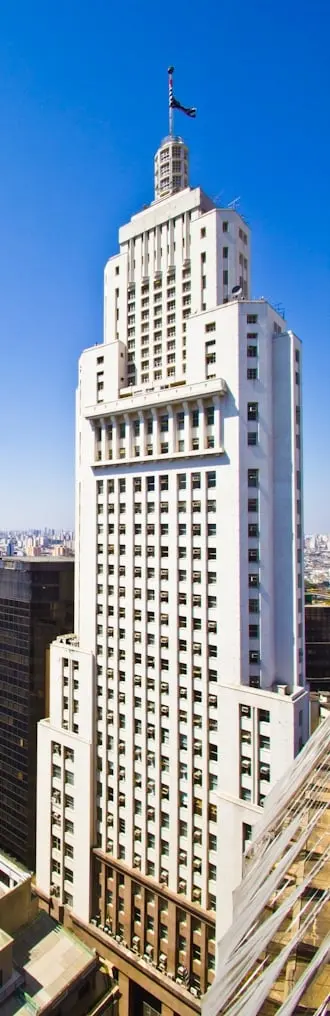
    The Edifício Altino Arantes — also known as the Banespa Building — is a 160-meter skyscraper in the heart of São Paulo. Built between 1939 and 1947 and modelled on the Empire State Building, it was for decades the tallest building in South America. Its 40 floors and distinctive Art Deco facade details continue to define the skyline of the Paulistano city centre. Originally the headquarters of Banco do Estado de São Paulo (Banespa), the tower is now a listed heritage building. From the observation deck on the top floor, visitors enjoy an exceptional 360-degree view across São Paulo's endless urban landscape.

  • Campo de Marte Airport

    Campo de Marte Airport

    São Paulo

    outdoor activitieslocal gemsknowledge

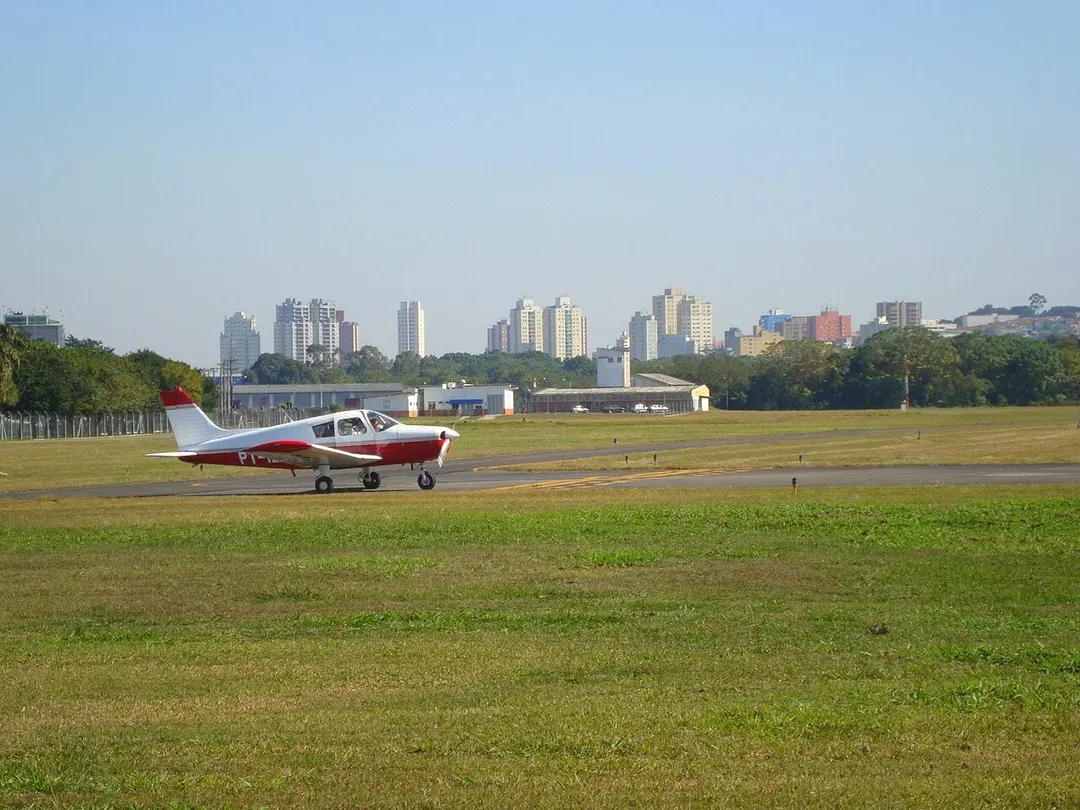
    Campo de Marte Airport is one of the oldest operating airports in South America, opened in 1929 just 8 kilometres north of central São Paulo at an elevation of 722 metres. Its 1,600-metre asphalt runway now serves general aviation, helicopter operations, and small private aircraft rather than commercial flights. The 211-hectare site shares its name with the surrounding neighbourhood and is deeply woven into Brazil's aviation history. For aviation enthusiasts, it offers a rare chance to experience active airfield operations with a strong sense of historical atmosphere.

  • Edifício Itália

    Edifício Itália

    São Paulo

    architecturegreat views

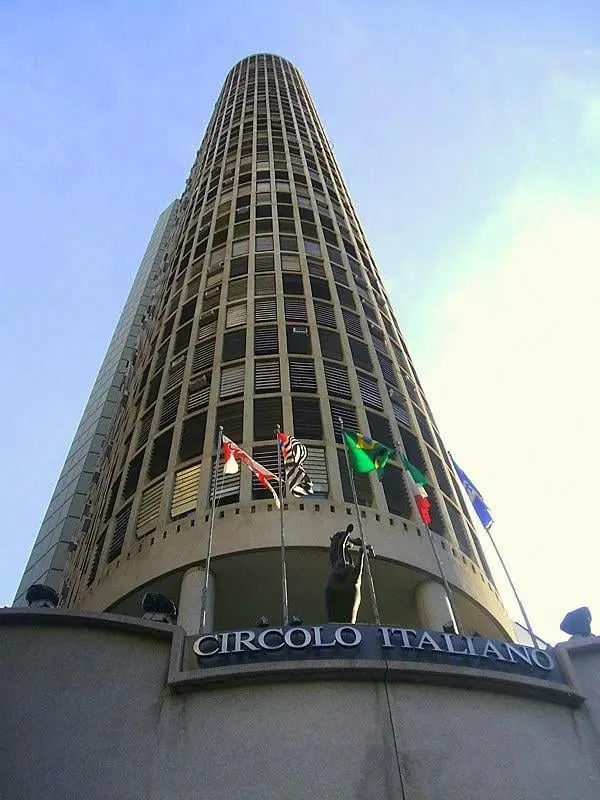
    The Edifício Itália, officially the Circolo Italiano, is at 165 meters the second tallest building in São Paulo. Designed by German-born architect Franz Heep and built between 1953 and 1965 at the busy intersection of Avenida São Luís and Avenida Ipiranga, the tower was funded by and named for São Paulo's large Italian-immigrant community, reflecting the city's strong European heritage. Today it is best known for the Restaurante Terraço Itália on the 41st floor, whose terrace offers one of the finest panoramic views over the city, impressive both by day and after dark.

  • Estádio Parque São Jorge

    Estádio Parque São Jorge

    São Paulo

    outdoor activities

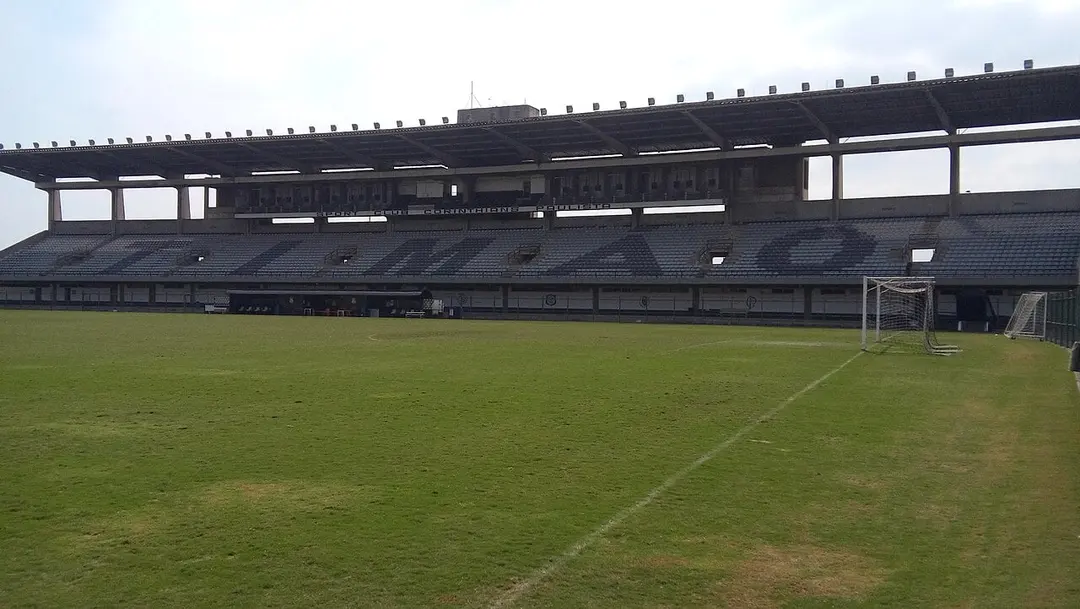
    The Estádio Alfredo Schürig — also known as Fazendinha or Parque São Jorge — is the historic home ground of Sport Club Corinthians Paulista, one of the most widely supported football clubs in Brazil and South America. Opened in 1926, it sits inside a 158,000-square-meter park that includes numerous additional sports facilities and one of the largest swimming pools in São Paulo. Since Corinthians moved their main matches to the modern Arena Corinthians in Itaquera, Parque São Jorge serves primarily as a training ground and for youth competitions. For football fans, it is a place steeped in history — generations of Corinthianos were shaped here.

  • Museu Paulista

    Museu Paulista

    São Paulo

    culture

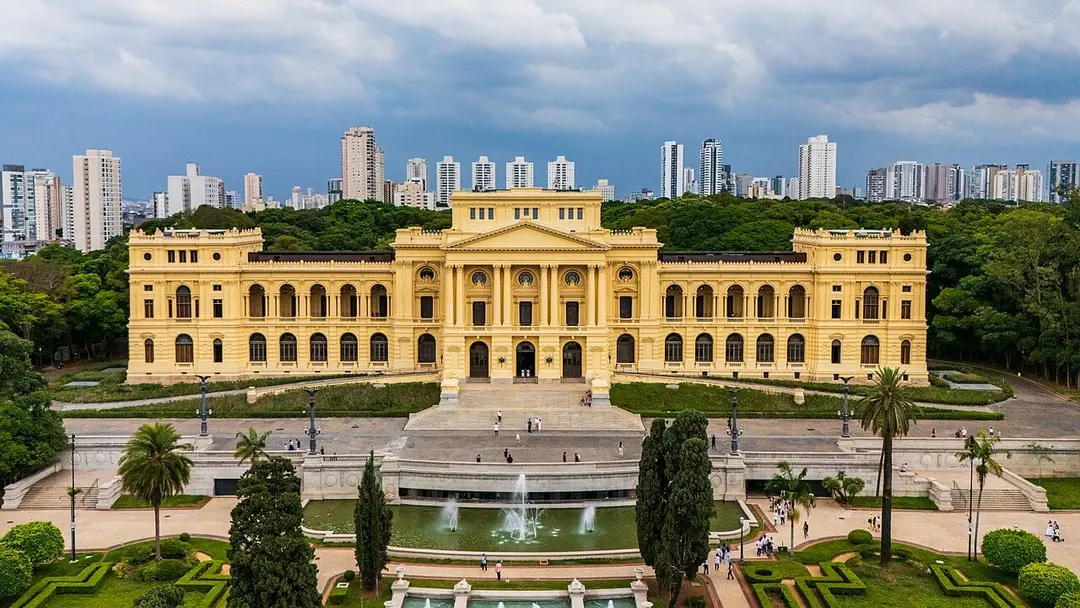
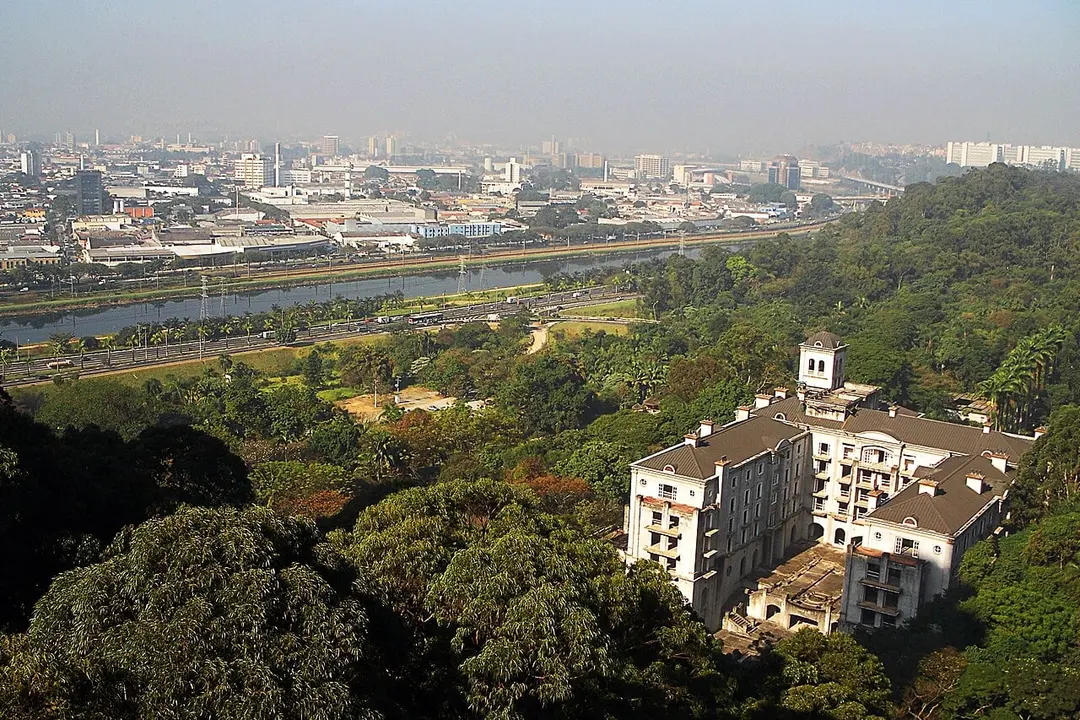
    The Museu Paulista of the University of São Paulo — popularly known as the Museu do Ipiranga — stands at the site where Emperor Pedro I proclaimed Brazil's independence on 7 September 1822. Opened in 1895 in a grand neoclassical palace, it holds one of Brazil's most important historical collections: furniture, documents, paintings, and objects from the imperial era. Affiliated with the University of São Paulo, the museum underwent extensive renovation and reopened in 2022 — exactly 200 years after independence. It connects historical heritage with the symbolic birthplace of independent Brazil.

  • São Paulo Art Biennial

    São Paulo Art Biennial

    São Paulo

    architectureculture

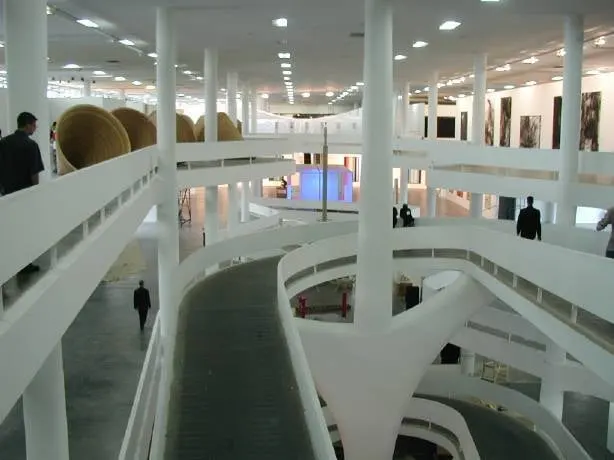
    The São Paulo Art Biennial is the world's second-largest art biennial after Venice and the most important art festival in Latin America. Since 1951, it has brought together artists from over 100 countries every two years at the modernist Ciccillo Matarazzo Pavilion in Ibirapuera Park. Founded by industrialist Francisco Matarazzo Sobrinho, the Bienal set out to place Brazil on the international art map — and succeeded: legends like Calder and Picasso showed works here early on. Today it blends international contemporary art with Brazilian and Latin American perspectives into a singular cultural dialogue.

Keep exploring

These places are just the beginning.

Rate places with a swipe — TravelType learns from your tags what you love and curates your own map. Private until you choose to share.

Create your profile