TravelType

culture

Culture in São Paulo

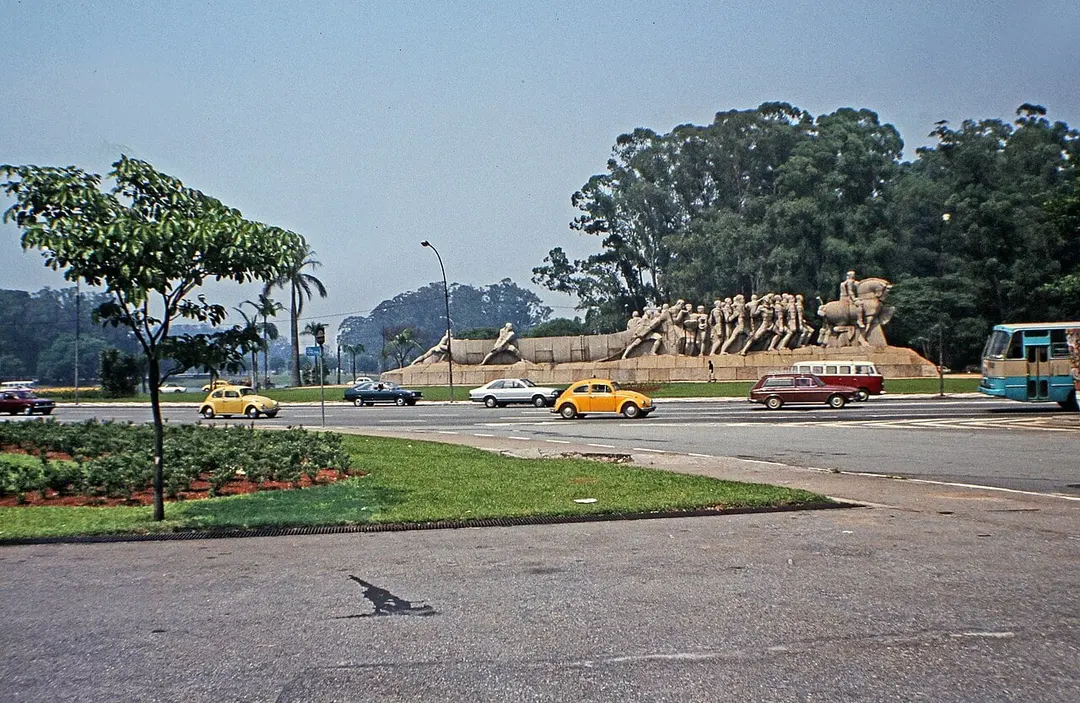
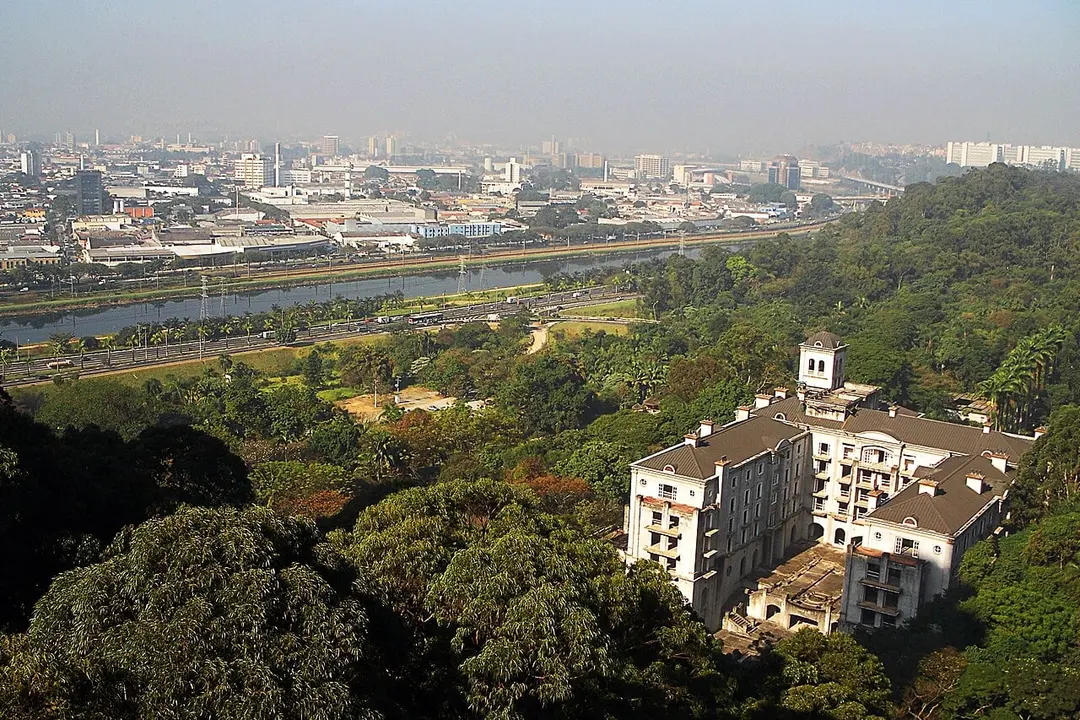
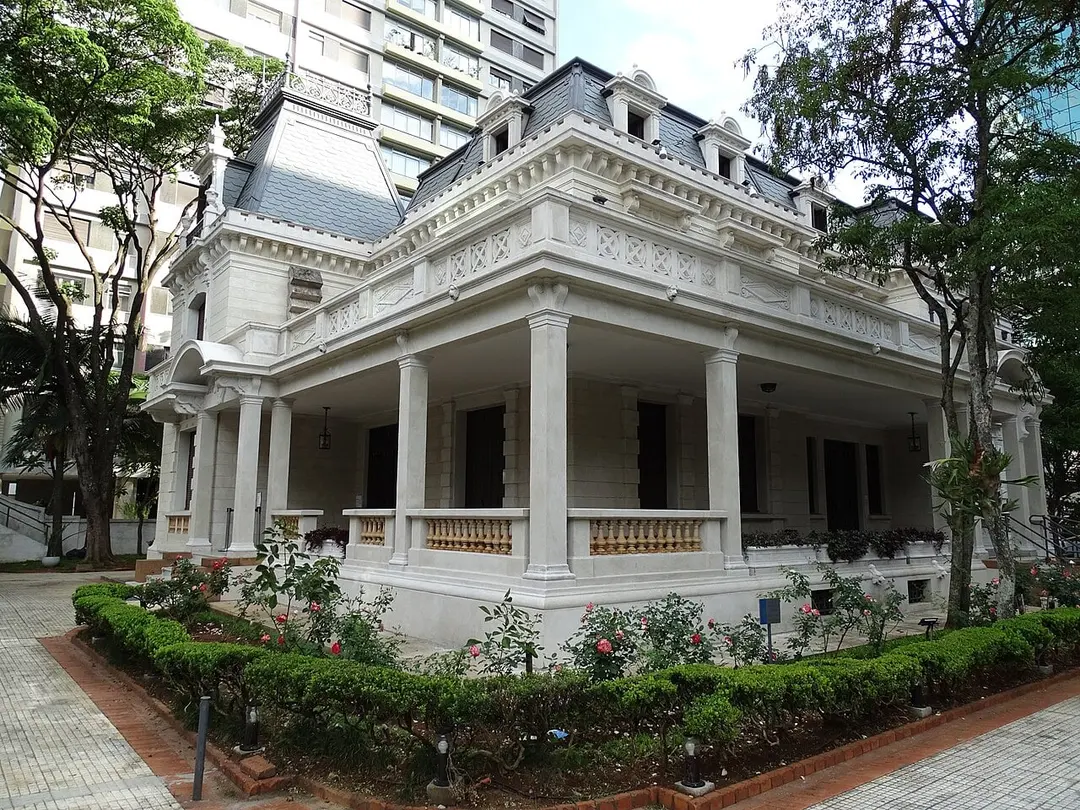
São Paulo, Brazil's sprawling southeastern metropolis, holds a cultural scene spread across strikingly varied venues. The Auditório Ibirapuera and Itaú Cultural anchor music and contemporary art, while the Lasar Segall Museum and Casa das Rosas bring fine art and literature into focus. The Immigration Museum of the State of São Paulo traces the city's layered history of migration. Landmarks such as the Copan Building, the Latin America Memorial, and the Monument to the Bandeiras reflect the city's architectural and civic identity. Even Allianz Parque and MorumBIS demonstrate how deeply culture runs through everyday São Paulo life.

12 places · São Paulo, Brazil · Editorially curated

  • Allianz Parque

    Allianz Parque

    São Paulo

    historyoutdoor activitieslocal gems

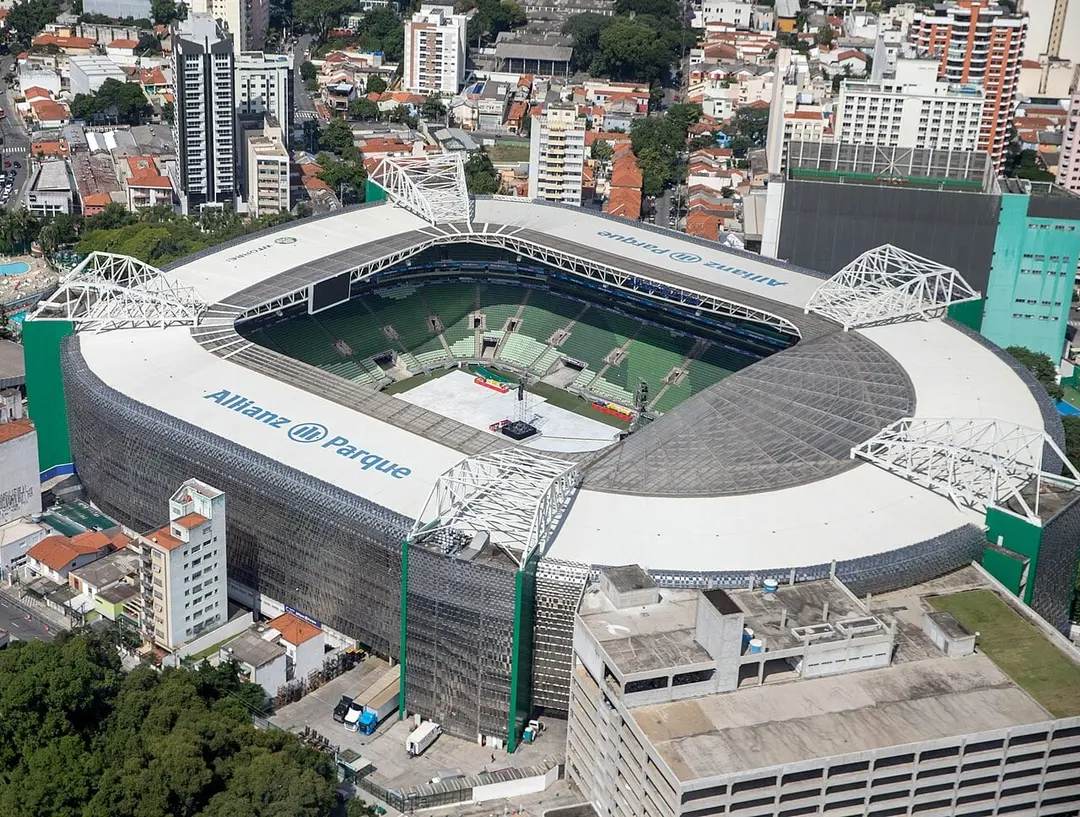
    Allianz Parque (now Nubank Parque) is SE Palmeiras's purpose-built home stadium, opened in 2014 on the grounds of the historic Estadio Palestra Italia. With 43,713 seats for football and up to 55,000 for concerts, it is one of the most modern multipurpose stadiums in South America and meets all FIFA standards. The stadium replaced the previous ground where Palmeiras played from 1917 to 2010.
  • Auditorio Ibirapuera

    Auditorio Ibirapuera

    São Paulo

    architecturelocal gems

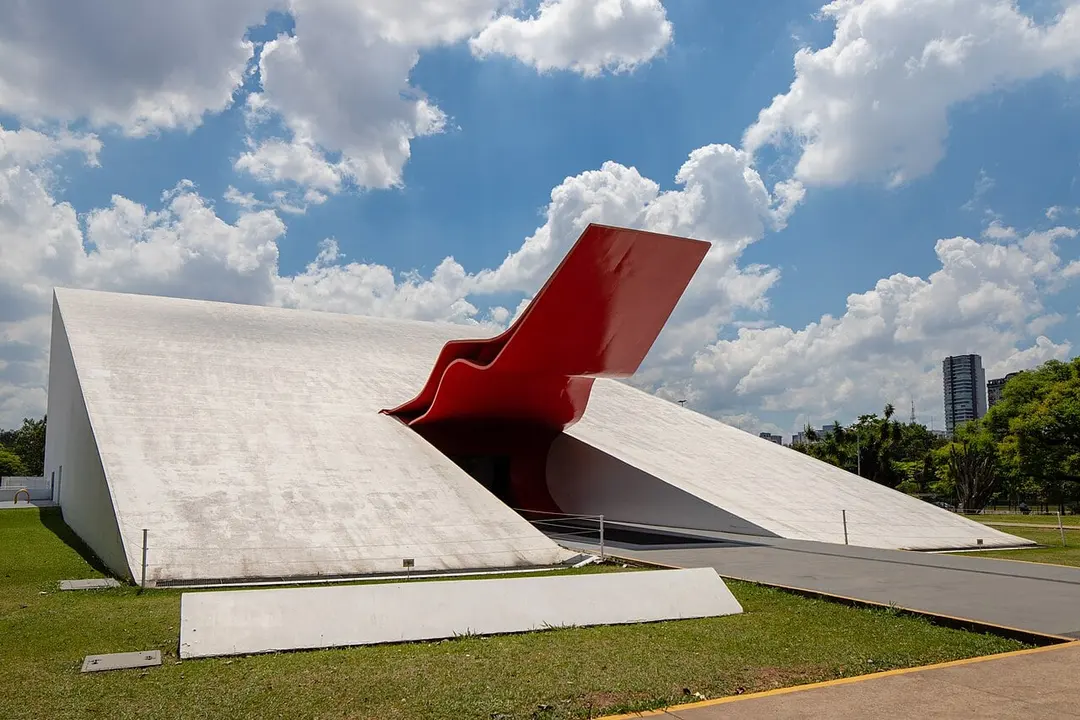
    The Auditorio Ibirapuera is a concert hall by Oscar Niemeyer in Sao Paulo's Parque do Ibirapuera, completed in 2005. It completes the ensemble of Niemeyer buildings in the park that the architect originally conceived in the 1950s — the structure itself was only realised decades later. The distinctive curved canopy and red ramp are Niemeyer trademarks. The venue is one of Brazil's leading classical music stages.

  • Copan Building

    Copan Building

    São Paulo

    architecture

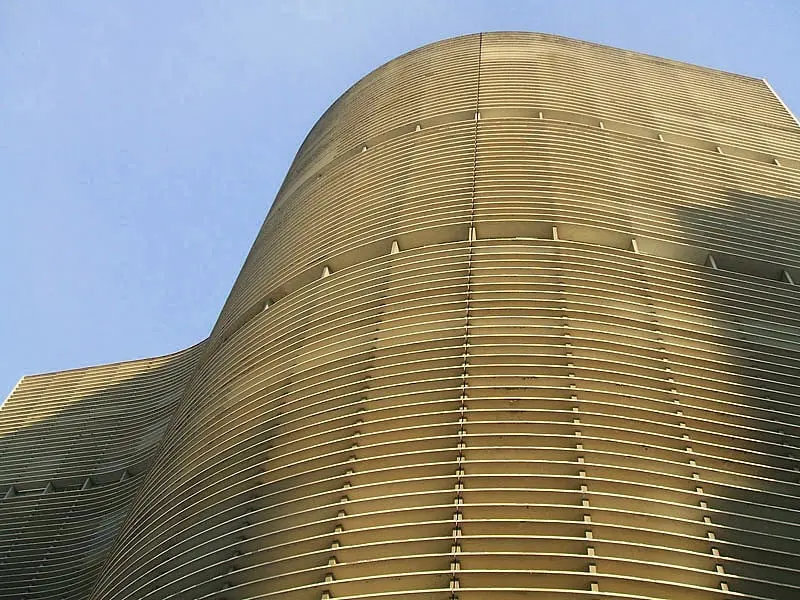
    The Edifício Copan is Oscar Niemeyer's most urban masterpiece: a 32-storey residential building with a sinuous curved form rising from the heart of São Paulo. The design dates to 1951, construction ran from 1957 to 1966 with several pauses — Brazil was relocating its capital from Rio to Brasília and resources flowed elsewhere. The building contains over 1,160 apartments, making it the world's largest residential building by floor area. At ground level, arcades of shops, galleries, restaurants and bars create a city within the city. Though considered run-down in the 1980s, the Copan has undergone significant gentrification in recent years. Today its undulating facade is one of the most recognisable urban images in Brazil.

  • Igreja Pentecostal Deus é Amor

    Igreja Pentecostal Deus é Amor

    São Paulo

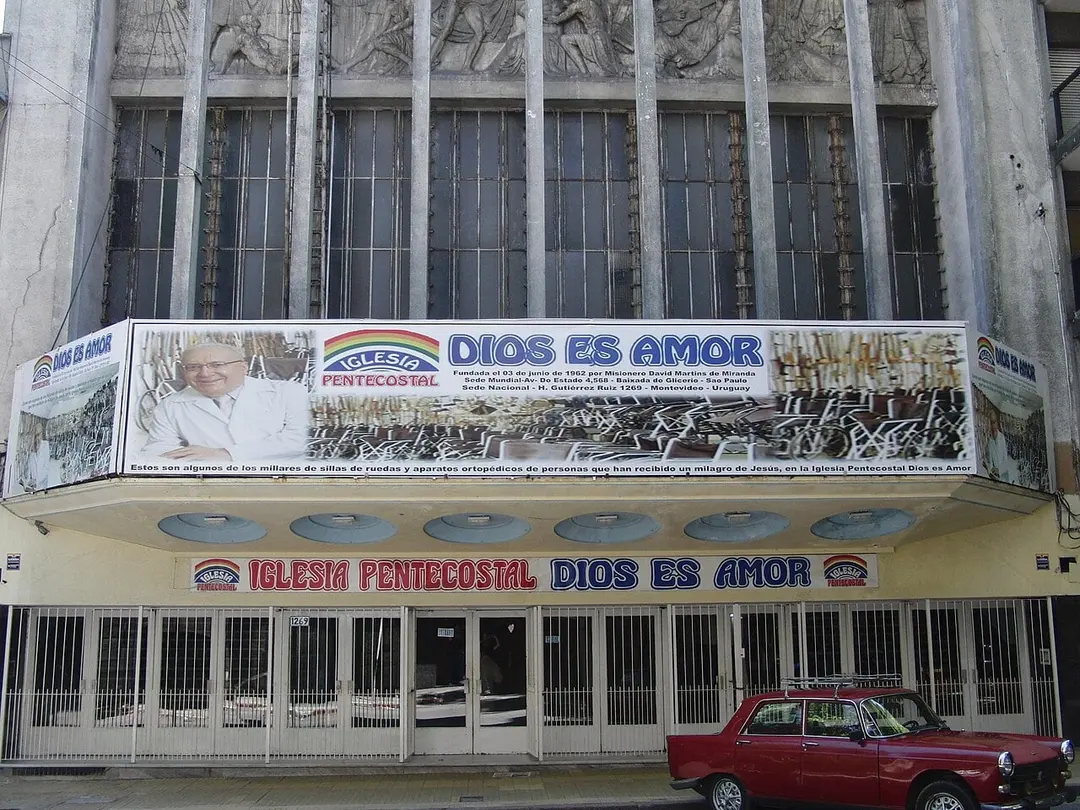
    The Igreja Pentecostal Deus é Amor (IPDA, "God Is Love Pentecostal Church") is a neo-charismatic Pentecostal denomination founded in São Paulo, Brazil in 1962. It was among the first neo-Pentecostal groups in Brazil to develop strong organizational structures, and has since expanded internationally. The church is known for intense services featuring prayer, music, and healing, and appeals particularly to lower-income communities.

  • MorumBIS

    MorumBIS

    São Paulo

    architectureoutdoor activities

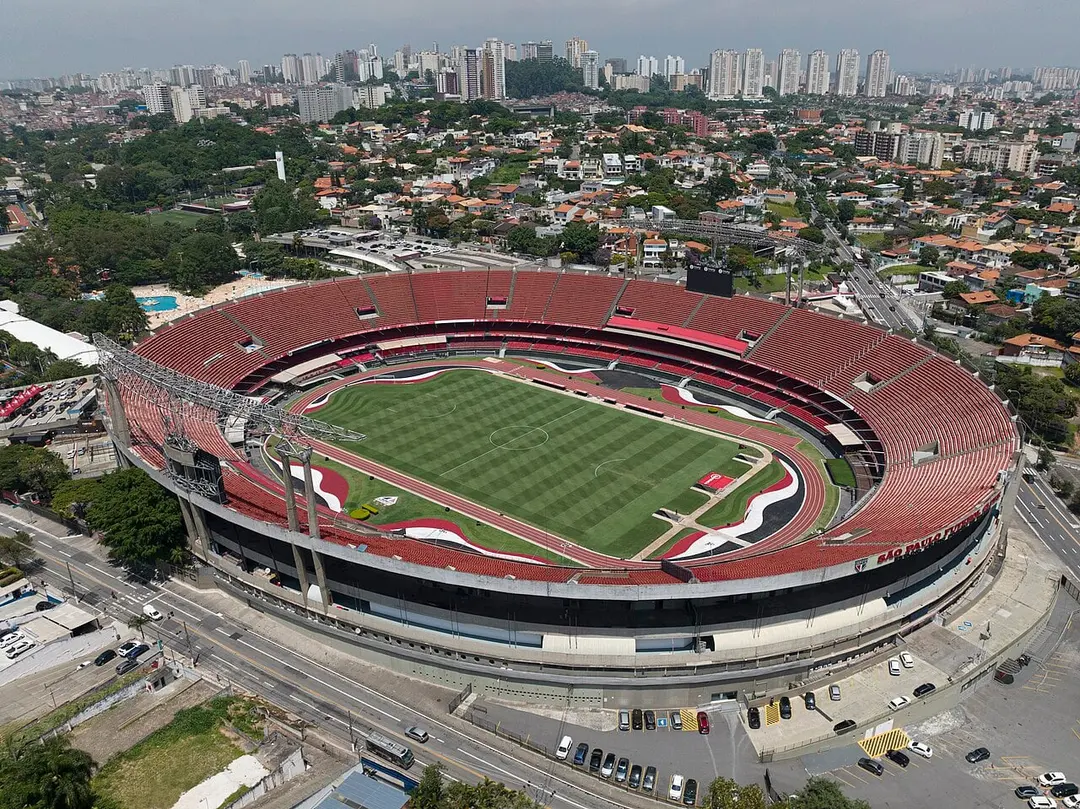
    The Estádio do Morumbi — now MorumBIS — is São Paulo's iconic football ground and a landmark of Brazilian modernism. Opened in 1960 and designed by architect João Batista Vilanova Artigas, its cantilevered concrete stands on three sides hold over 72,000 spectators, making it the largest privately owned stadium in Brazil. Home to São Paulo FC, the stadium carried its original name for over six decades before adopting the MorumBIS sponsorship title in 2024 — named after a Mondelez Brasil biscuit brand. The city of São Paulo formally recognized it as a cultural heritage building in 2018.

  • Museu Paulista

    Museu Paulista

    São Paulo

    history

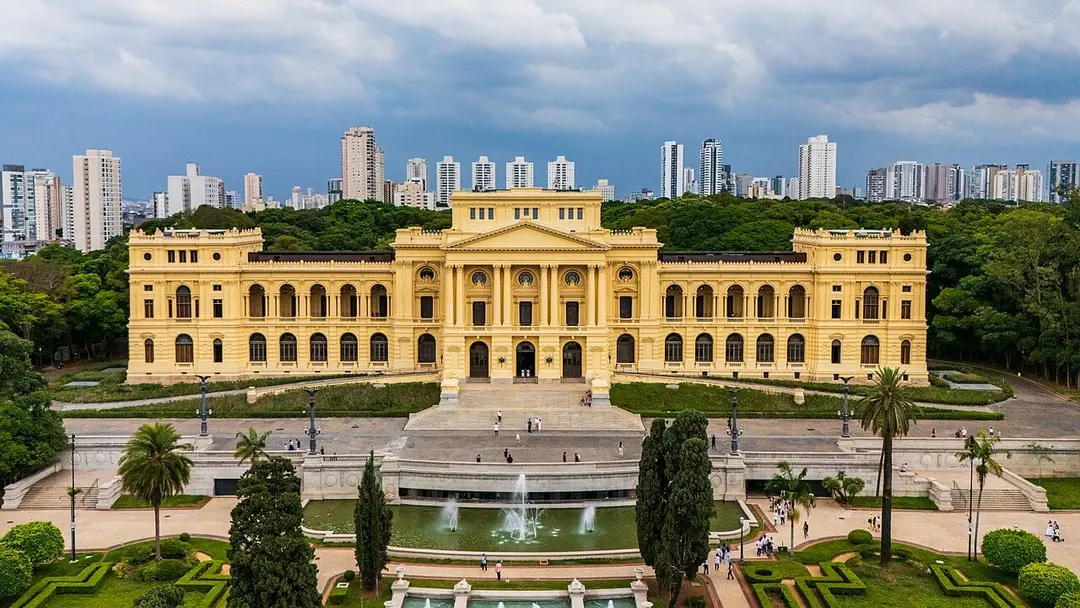
    The Museu Paulista of the University of São Paulo — popularly known as the Museu do Ipiranga — stands at the site where Emperor Pedro I proclaimed Brazil's independence on 7 September 1822. Opened in 1895 in a grand neoclassical palace, it holds one of Brazil's most important historical collections: furniture, documents, paintings, and objects from the imperial era. Affiliated with the University of São Paulo, the museum underwent extensive renovation and reopened in 2022 — exactly 200 years after independence. It connects historical heritage with the symbolic birthplace of independent Brazil.

  • Orthodox Metropolitan Cathedral of São Paulo

    Orthodox Metropolitan Cathedral of São Paulo

    São Paulo

    architecture

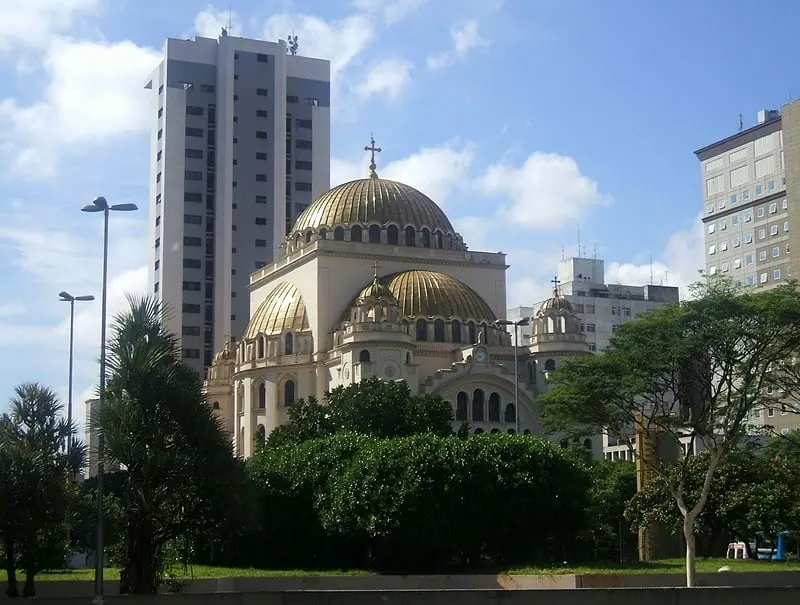
    The Orthodox Metropolitan Cathedral of São Paulo is the principal church of the Antiochian Orthodox Archdiocese for Brazil, located in the city center of São Paulo. Built in the neo-Byzantine style, it ranks among the largest Orthodox cathedrals in the world. Its domes, mosaics, and golden interior bear witness to the rich liturgical tradition of the Syriac Antiochian Church. Brazil's Arab-origin diaspora, one of the largest worldwide, has built a spiritual center here across generations, weaving together faith, culture, and community.

  • São Paulo Art Biennial

    São Paulo Art Biennial

    São Paulo

    architecturehistory

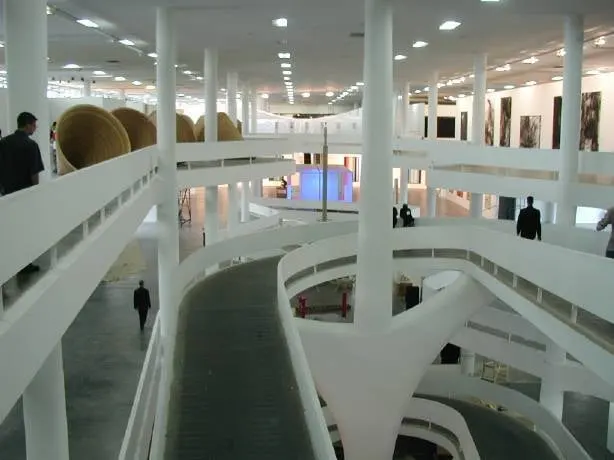
    The São Paulo Art Biennial is the world's second-largest art biennial after Venice and the most important art festival in Latin America. Since 1951, it has brought together artists from over 100 countries every two years at the modernist Ciccillo Matarazzo Pavilion in Ibirapuera Park. Founded by industrialist Francisco Matarazzo Sobrinho, the Bienal set out to place Brazil on the international art map — and succeeded: legends like Calder and Picasso showed works here early on. Today it blends international contemporary art with Brazilian and Latin American perspectives into a singular cultural dialogue.

  • São Paulo Cathedral

    São Paulo Cathedral

    São Paulo

    architecture

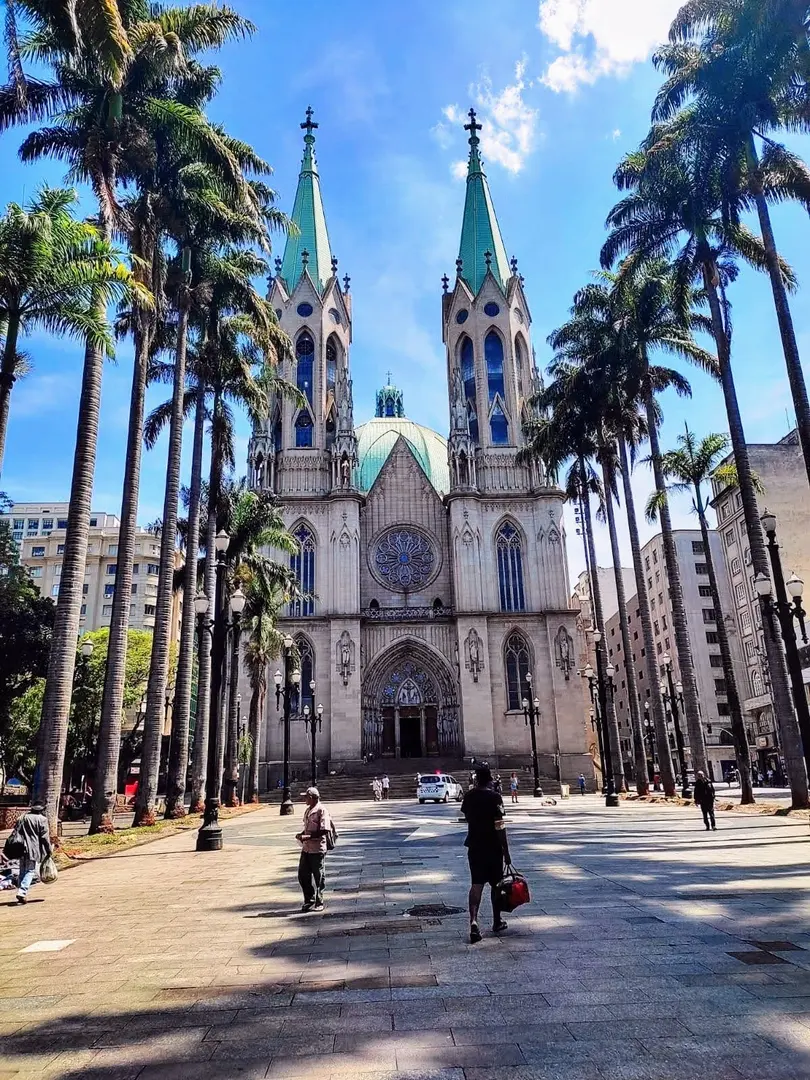
    The Catedral Metropolitana de São Paulo — known simply as Catedral da Sé — rises over Praça da Sé, the historic heart of Brazil's largest city, with its twin towers and neo-Gothic pinnacles. The foundation stone for the current building was laid in 1913, but the cathedral was only consecrated in 1954, during São Paulo's four-hundredth anniversary celebrations. With seating for around 8,000 worshippers and one of the largest pipe-organ installations in South America, it ranks among the world's biggest neo-Gothic cathedrals. Despite a Renaissance dome that hints at a different style, the interior is unmistakably Gothic: soaring pointed arches, vivid stained-glass windows, and an extensive crypt housing the remains of earlier churches on the site. Outside, the square pulses with the full energy of São Paulo's street life.

Keep exploring

These places are just the beginning.

Rate places with a swipe — TravelType learns from your tags what you love and curates your own map. Private until you choose to share.

Create your profile