TravelType

local gems

Local gems in Ankara

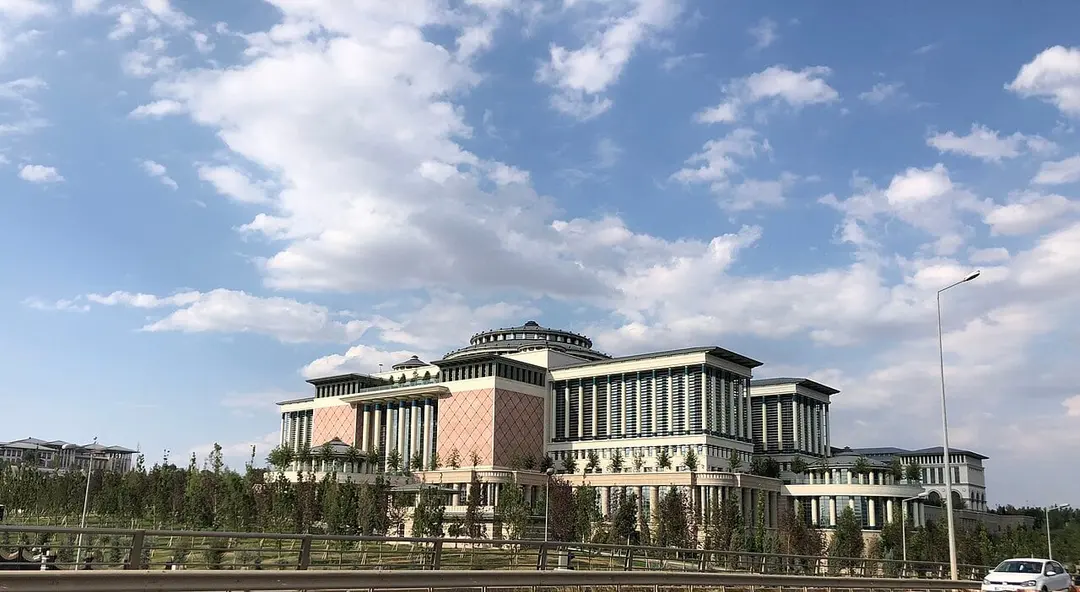
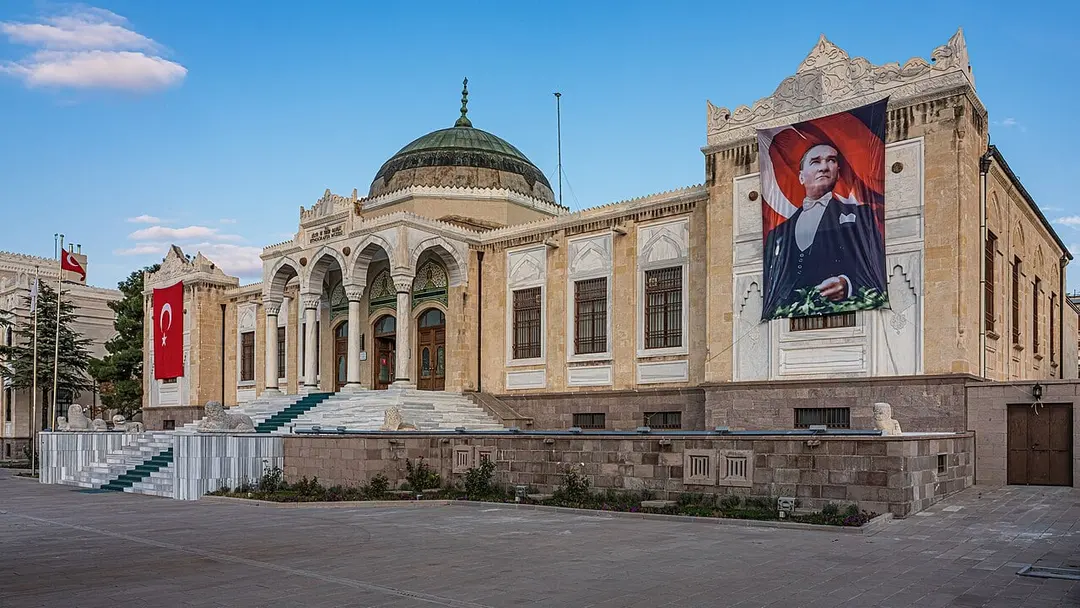
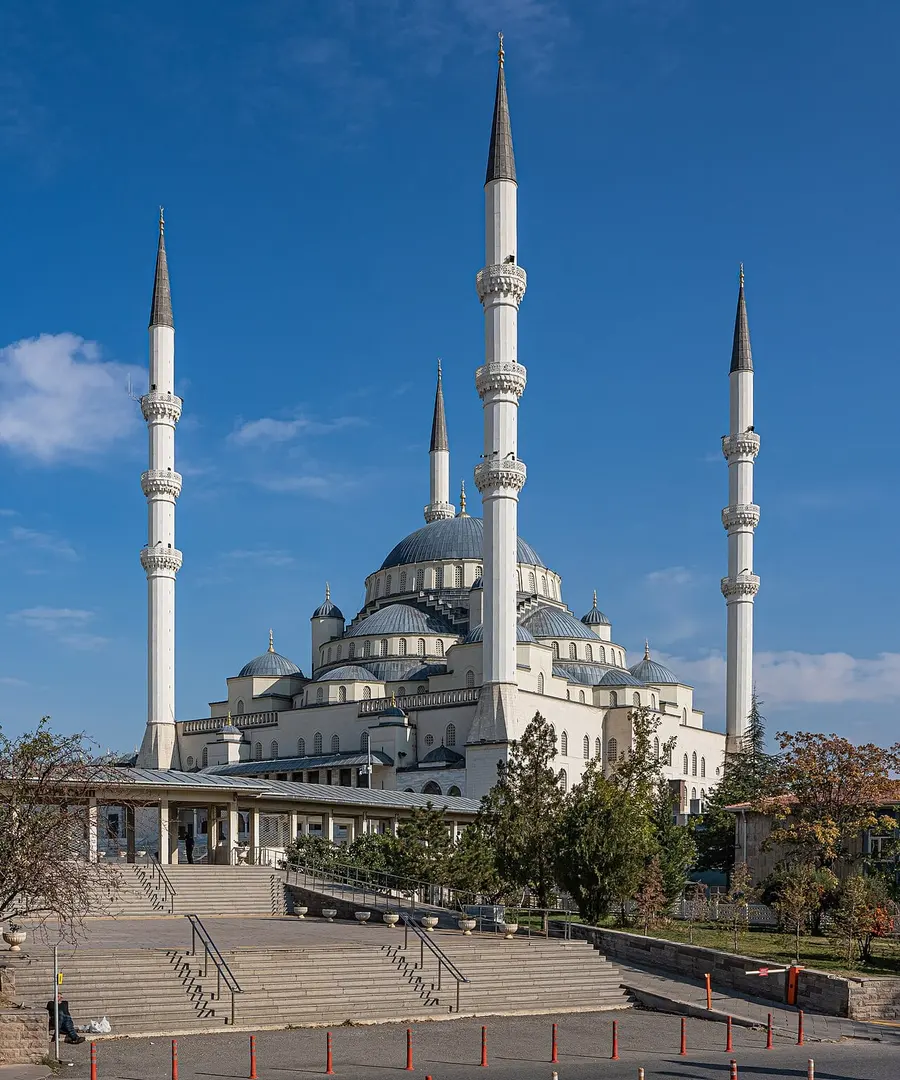
Ankara, Turkey's capital on the Anatolian plateau, rewards curiosity beyond its main thoroughfares. The Roman-era Column of Julian stands quietly amid everyday city life, and the Ethnography Museum of Ankara preserves regional material culture without fanfare. The Museum of Anatolian Civilizations holds finds from across the region. Atakule Tower offers sweeping city views, while Çankaya Köşkü sits within a calm park setting. The Zafer Anıtı anchors a central square, and Kocatepe Mosque defines the skyline. Ankara's character also comes through at the Railway Station, the AŞTI intercity bus terminal, and Cebeci İnönü Stadium — places where the city's daily rhythm is easy to feel.

11 places · Ankara, Türkiye · Editorially curated

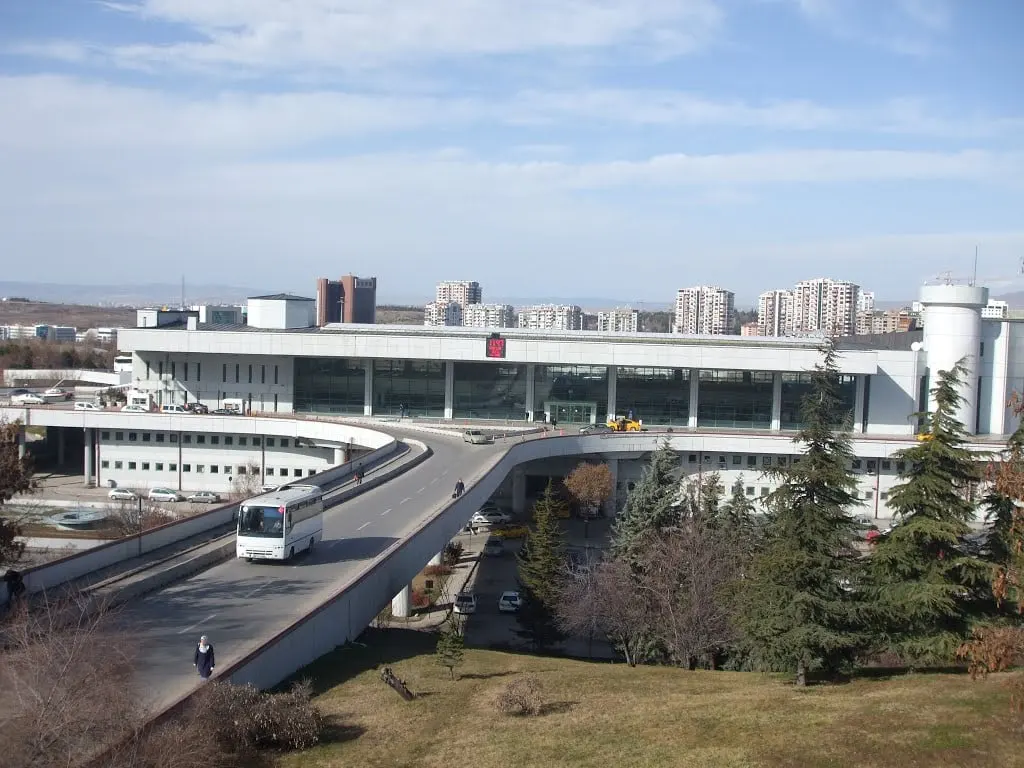
  • Ankara Intercity Bus Terminal (ASTI)

    Ankara Intercity Bus Terminal (ASTI)

    Ankara

    The Ankara Intercity Bus Terminal, known as ASTI, is the main long-distance bus hub of the Turkish capital, located in the Yenimahalle district. As one of Turkey's largest bus stations, ASTI connects Ankara to destinations across the country. Turkish intercity bus travel is known for its comfortable, service-oriented coaches, and ASTI serves dozens of competing operators. For travellers without a car, the terminal is often the starting point for exploring Turkey by bus.
  • Ankara Railway Station

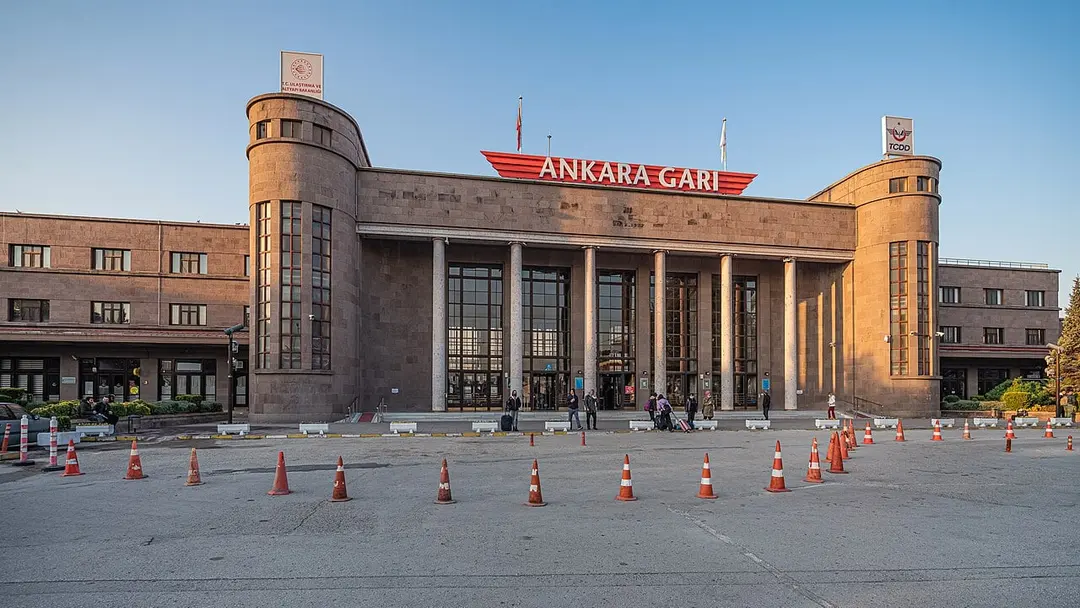
    Ankara Railway Station

    Ankara

    architecture

    Ankara railway station on Talatpaşa Bulvarı is the Turkish capital's main rail hub. First built in 1892 during the Ottoman era and expanded several times since, it now serves as the intersection point for intercity trains traversing east and west Anatolia as well as the high-speed rail corridor connecting Istanbul and Sivas. Dedicated platforms and a modern concourse handle the YHT high-speed services. The historic station building sits alongside modern infrastructure, making it a place where two eras of Turkish railway history meet.

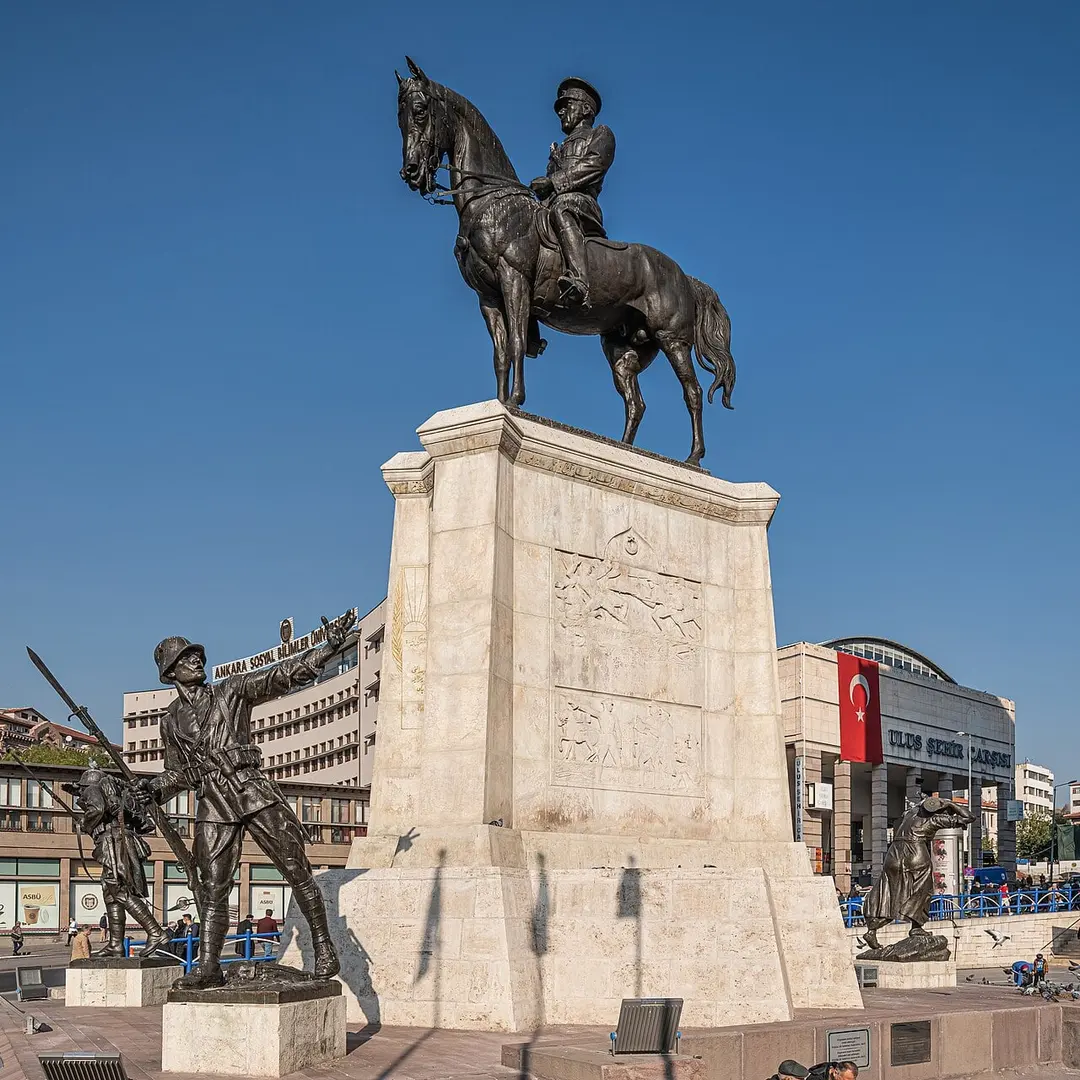
  • Ankara Zafer Anıtı

    Ankara Zafer Anıtı

    Ankara

    history

    The Zafer Anıtı (Victory Monument) stands at Ulus Square in the historic centre of Ankara, commemorating the Turkish War of Independence. Inaugurated in 1927, four years after the founding of the Republic, it bears the inscription "Hakimiyet-i Milliye" — national sovereignty. The monument is one of the earliest symbols of the Kemalist nation-state and stands near the Ethnographic Museum of Ankara. Ulus Square itself was the political heart of the city for decades before the government district expanded westward.

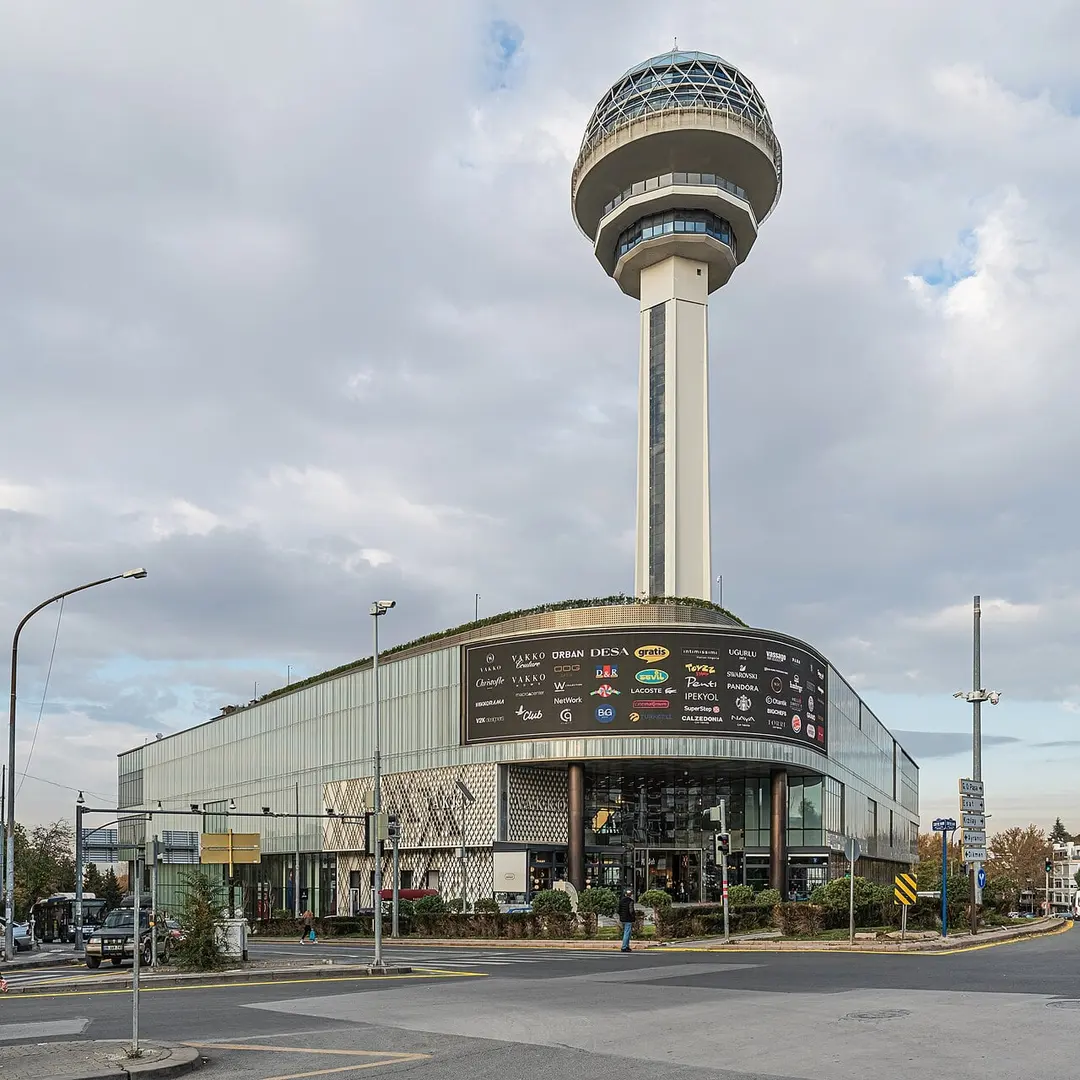
  • Atakule Tower Ankara

    Atakule Tower Ankara

    Ankara

    architecturegreat views

    Atakule is a 125-metre communications and observation tower in Ankara's Çankaya district, opened on 13 October 1989 by Prime Minister Turgut Özal. It is one of the most recognisable landmarks of the Turkish capital. Because Çankaya itself sits on a hill, the tower can be seen from almost anywhere in the city on clear days. At the top, a slowly rotating restaurant offers a 360-degree panorama of Ankara — particularly dramatic at night when the city lights spread across the basin below.

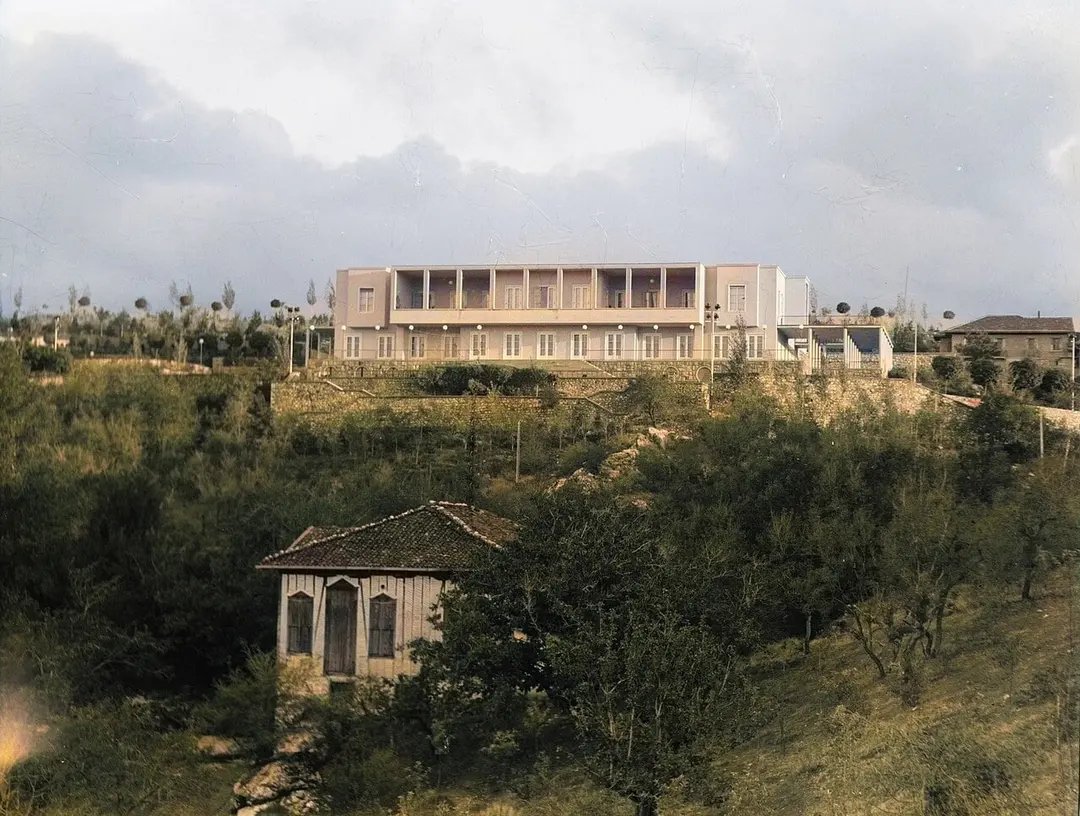
  • Çankaya Köşkü

    Çankaya Köşkü

    Ankara

    architecturenaturehistory

    The Çankaya Mansion is a historic hilltop residence in Ankara that served as the official seat of the Turkish president from 1923 to 2014, and is now the residence of the vice president. Mustafa Kemal Atatürk personally chose the property in 1921 and used it as a governing base during the founding years of the Turkish Republic. The köşk — Turkish for pavilion or manor — was built in its current form in 1932 and sits within extensive gardens overlooking the city. The grounds are not open to the general public, but the building stands as one of the most significant historical symbols of the modern Turkish state.

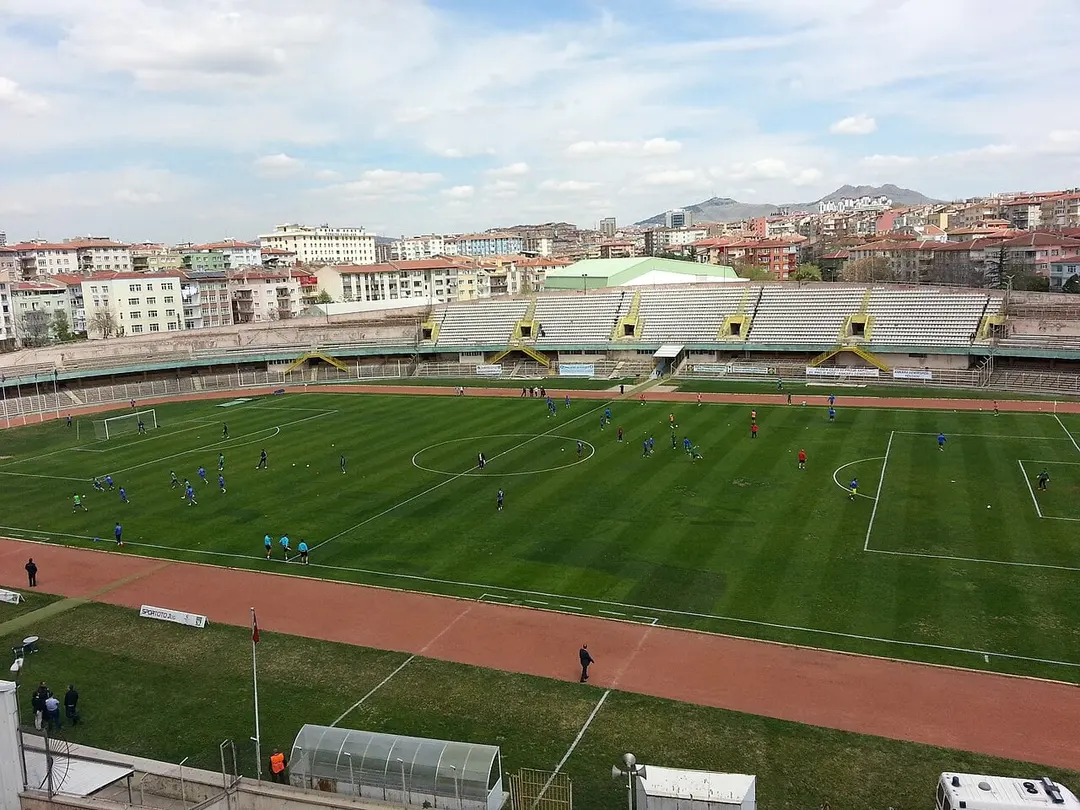
  • Cebeci İnönü Stadium

    Cebeci İnönü Stadium

    Ankara

    historyoutdoor activities

    Cebeci İnönü Stadium was a multi-purpose stadium with an athletics track in the Çankaya district of Ankara. Built in 1967 with a capacity of 15,000, it was named after İsmet İnönü, Turkey's second president. For decades it served as home ground for Hacettepespor and smaller Ankara clubs like Ankara Demirspor. The stadium was a functional post-war structure rather than a showpiece venue — a typical example of mid-century municipal sports infrastructure in Turkey. It was demolished in 2022.

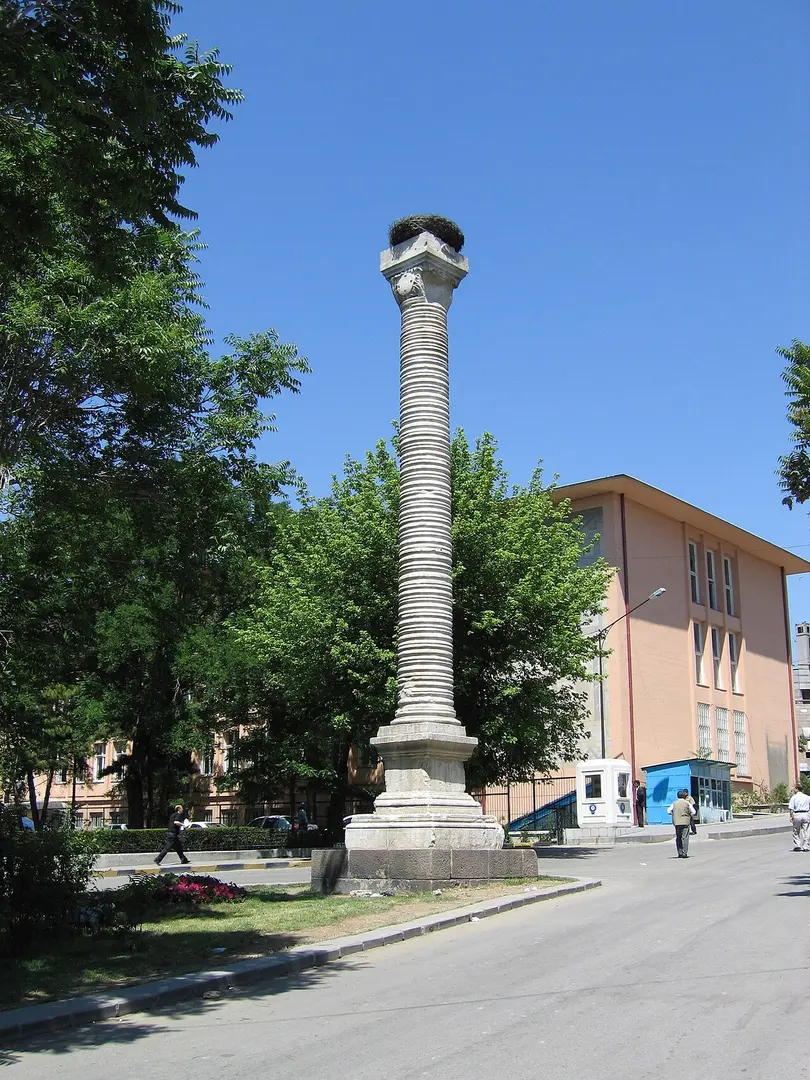
  • Column of Julian

    Column of Julian

    Ankara

    architecturehistory

    The Column of Julian in the Ulus district of Ankara is a well-preserved Roman victory column from late antiquity. It stands in Hükümet Meydani park and was erected to mark the visit of Emperor Julian in 362 AD. Carved from limestone, it rises to an impressive height and is locally known as Belkis Minaresi. The column testifies to the importance of ancient Ancyra as a key stop on the Roman road network. Today it stands freely accessible in the city centre, one of the few visible ancient remains in the Turkish capital.

  • Museum of Anatolian Civilizations

    Museum of Anatolian Civilizations

    Ankara

    architecturehistoryknowledge

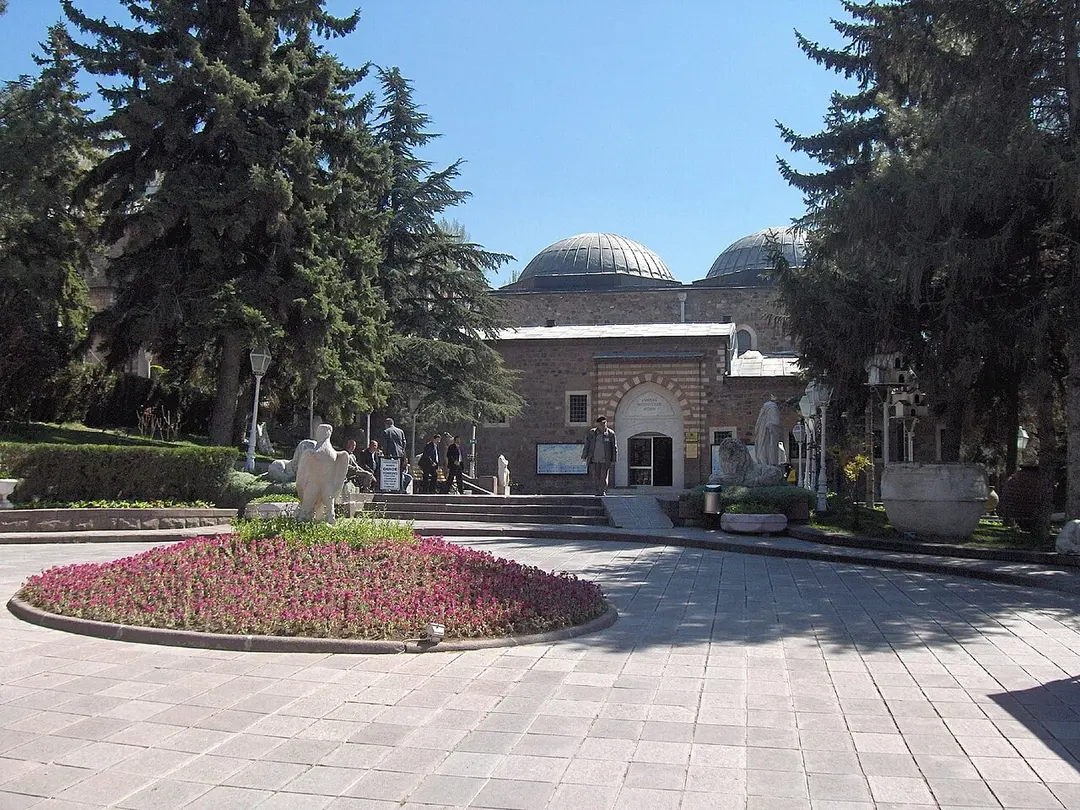
    The Museum of Anatolian Civilizations in Ankara is Turkey's most important archaeological museum, displaying finds spanning virtually every era of Anatolian history from the Palaeolithic to the Ottoman period. It is housed in a restored 15th-century Ottoman caravanserai complex — the former Mahmut Paşa bazaar storage building — at the foot of Ankara Castle. The museum is world-renowned for its extraordinary Hittite collection, making it an essential destination for anyone interested in Bronze Age civilisations. The museum was created at Atatürk's personal request to establish a national Hittite museum, a mission that still defines it today.

Keep exploring

These places are just the beginning.

Rate places with a swipe — TravelType learns from your tags what you love and curates your own map. Private until you choose to share.

Create your profile