TravelType

architecture

Architecture in Ankara

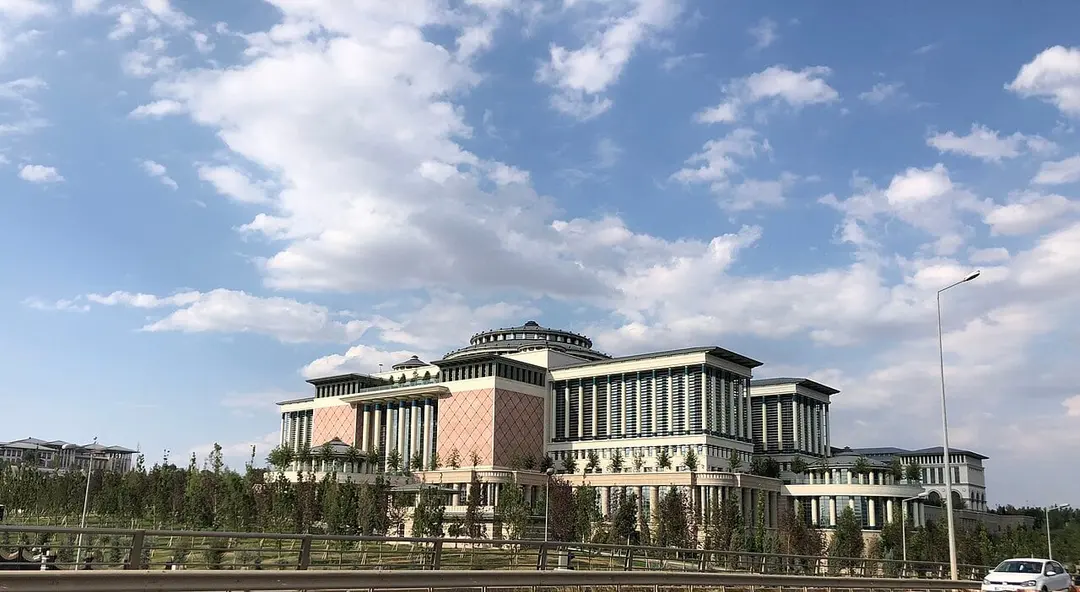
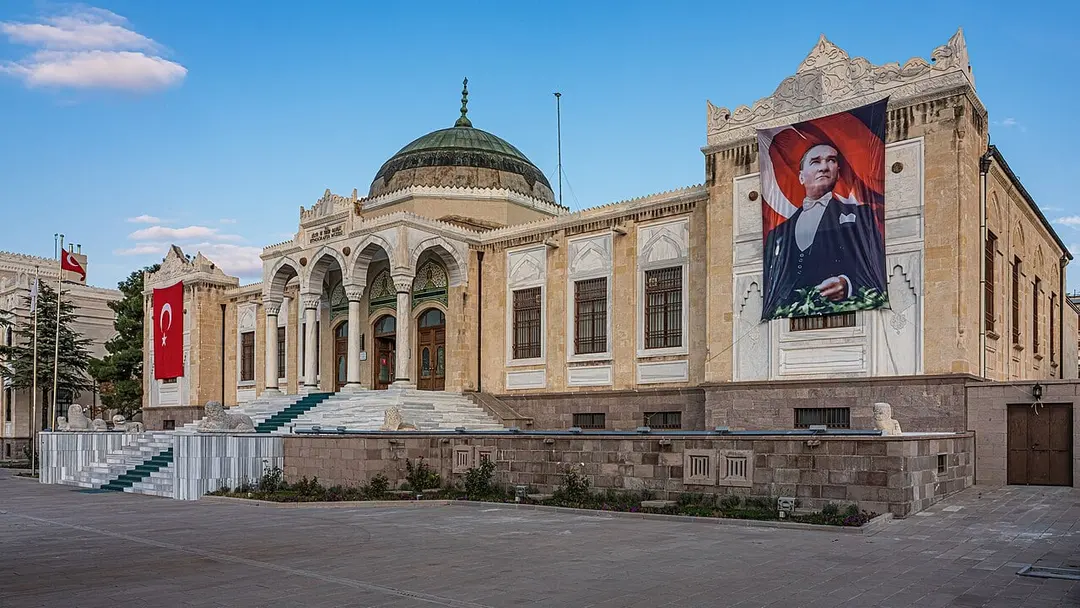
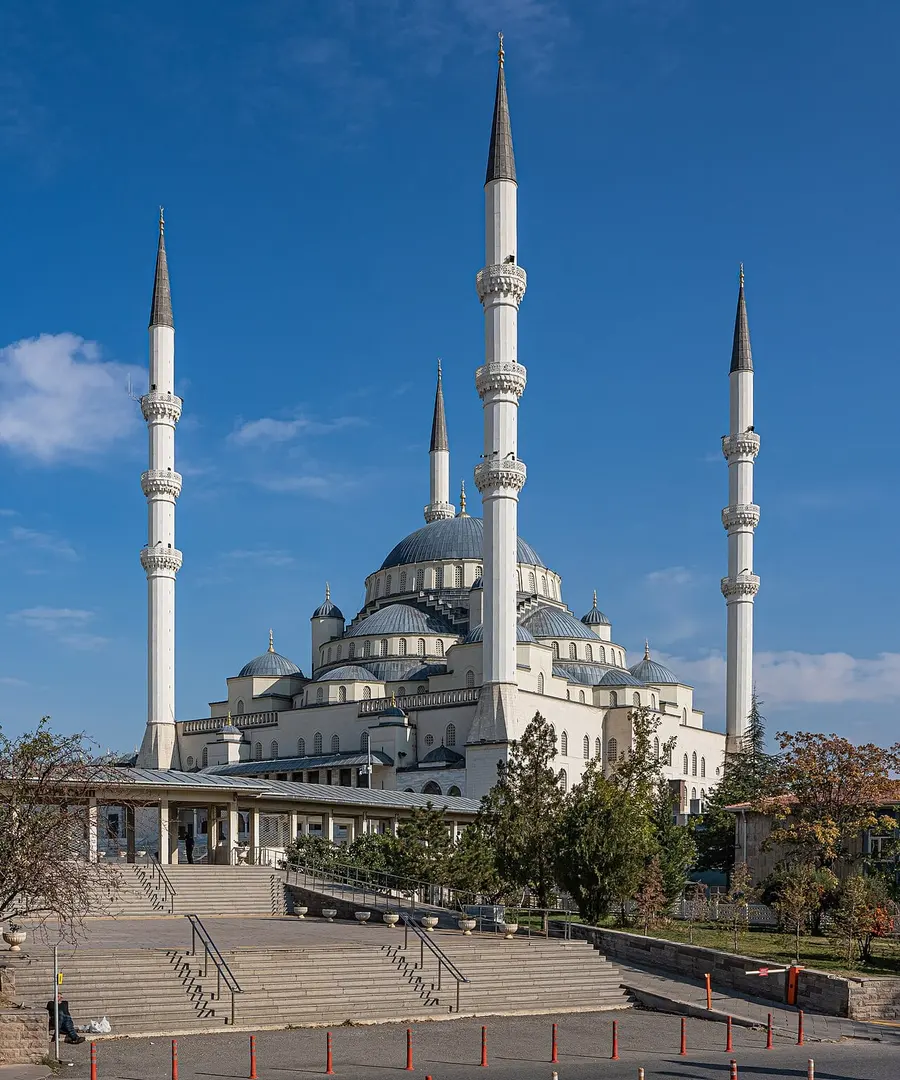
Ankara's architecture spans a remarkable range of periods and styles. The Column of Julian and the Hacı Bayram Mosque represent late-antique and Ottoman layers, while Ankara Castle has watched over the city for centuries. The early Republican era left a distinct imprint through buildings such as Ankara Palas, Ankara Railway Station, Gazi Eğitim Enstitüsü, and the Ethnography Museum. Anıtkabir and Çankaya Köşkü reflect the monumental ambitions of the young Turkish state. More recent additions — Atakule Tower, the Cumhurbaşkanlığı Millet Kütüphanesi, and the Ankara–Sivas high-speed railway station — show how the capital continues to build on that legacy.

12 places · Ankara, Türkiye · Editorially curated

  • Anıtkabir

    Anıtkabir

    Ankara

    culturehistory

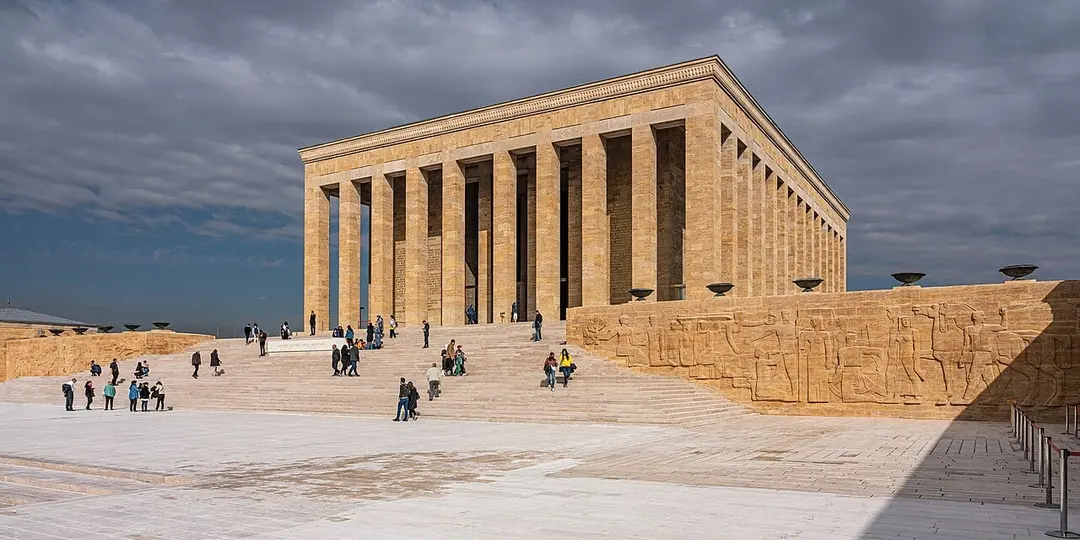
    Anıtkabir in Ankara's Çankaya district is the mausoleum of Mustafa Kemal Atatürk, founder of the Turkish Republic. Designed by architects Emin Onat and Orhan Arda, construction ran from 1944 to 1953. The monumental complex blends ancient ceremonial forms with modernist restraint: a lion-lined road leads to the Hall of Honor where Atatürk's sarcophagus rests. The grounds also contain the grave of Turkey's first Prime Minister İsmet İnönü and an extensive museum on Atatürk's life and the founding of the republic. With millions of visitors each year, it is Turkey's most frequented monument.
  • Ankara Palas

    Ankara Palas

    Ankara

    history

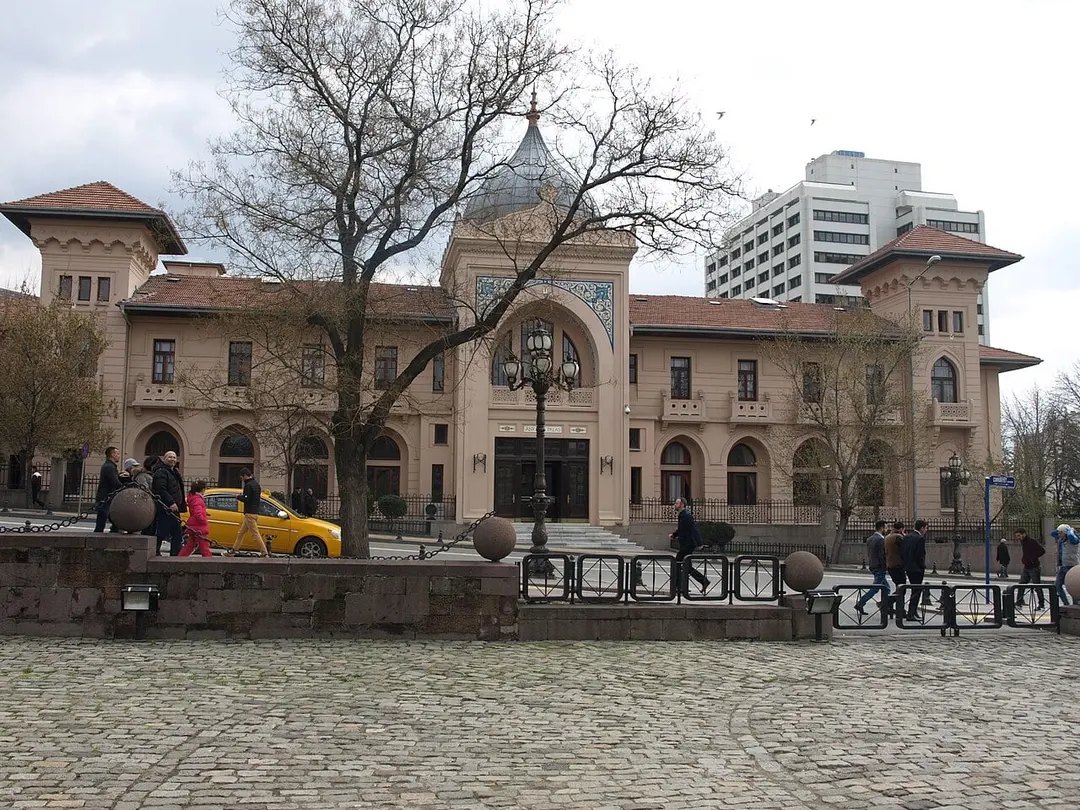
    Ankara Palas is a historic guest house and hotel in Ankara, managed by the Turkish Ministry of Foreign Affairs. Originally designed as a Ministry of Health building, it was completed in 1928 and repurposed as a hotel for members of the Grand National Assembly. The building embodies the founding energy of the early Turkish Republic under Atatürk, when Ankara was being developed as the new capital and required representative public buildings. Its neoclassical façade reflects the architectural sensibility of the 1920s, blending modernity with state formality. Today it functions as an official protocol building.

  • Ankara Railway Station

    Ankara Railway Station

    Ankara

    local gems

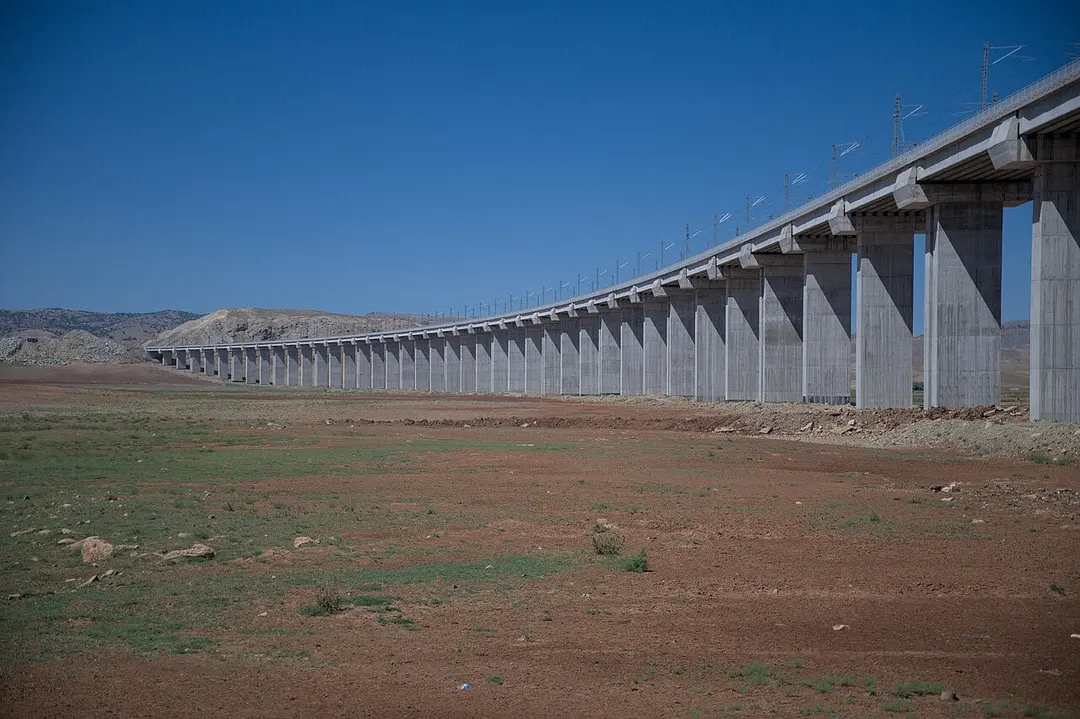
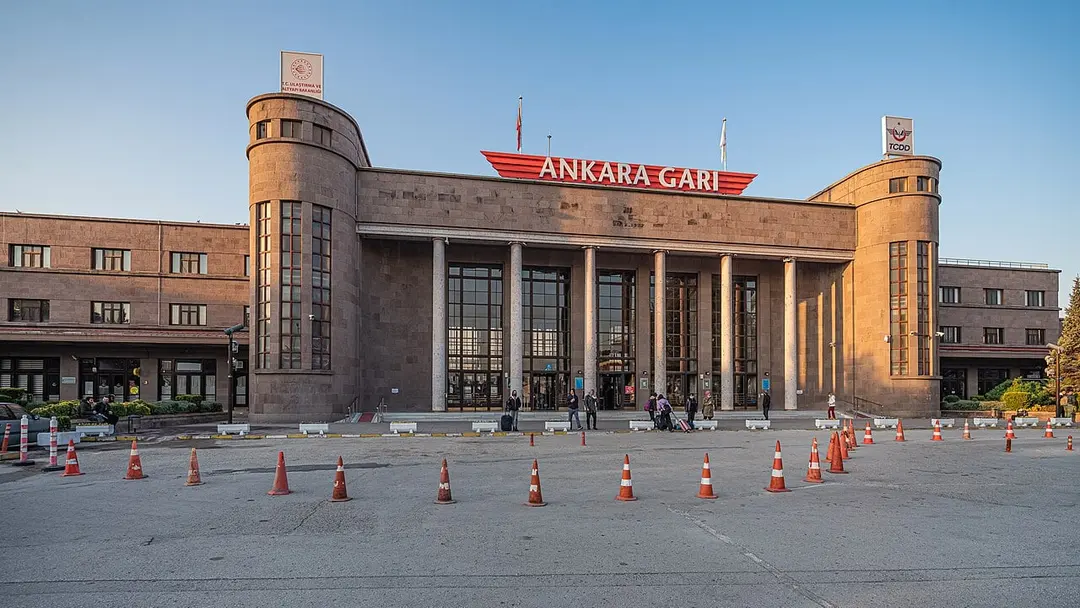
    Ankara railway station on Talatpaşa Bulvarı is the Turkish capital's main rail hub. First built in 1892 during the Ottoman era and expanded several times since, it now serves as the intersection point for intercity trains traversing east and west Anatolia as well as the high-speed rail corridor connecting Istanbul and Sivas. Dedicated platforms and a modern concourse handle the YHT high-speed services. The historic station building sits alongside modern infrastructure, making it a place where two eras of Turkish railway history meet.

  • Atakule Tower Ankara

    Atakule Tower Ankara

    Ankara

    local gemsgreat views

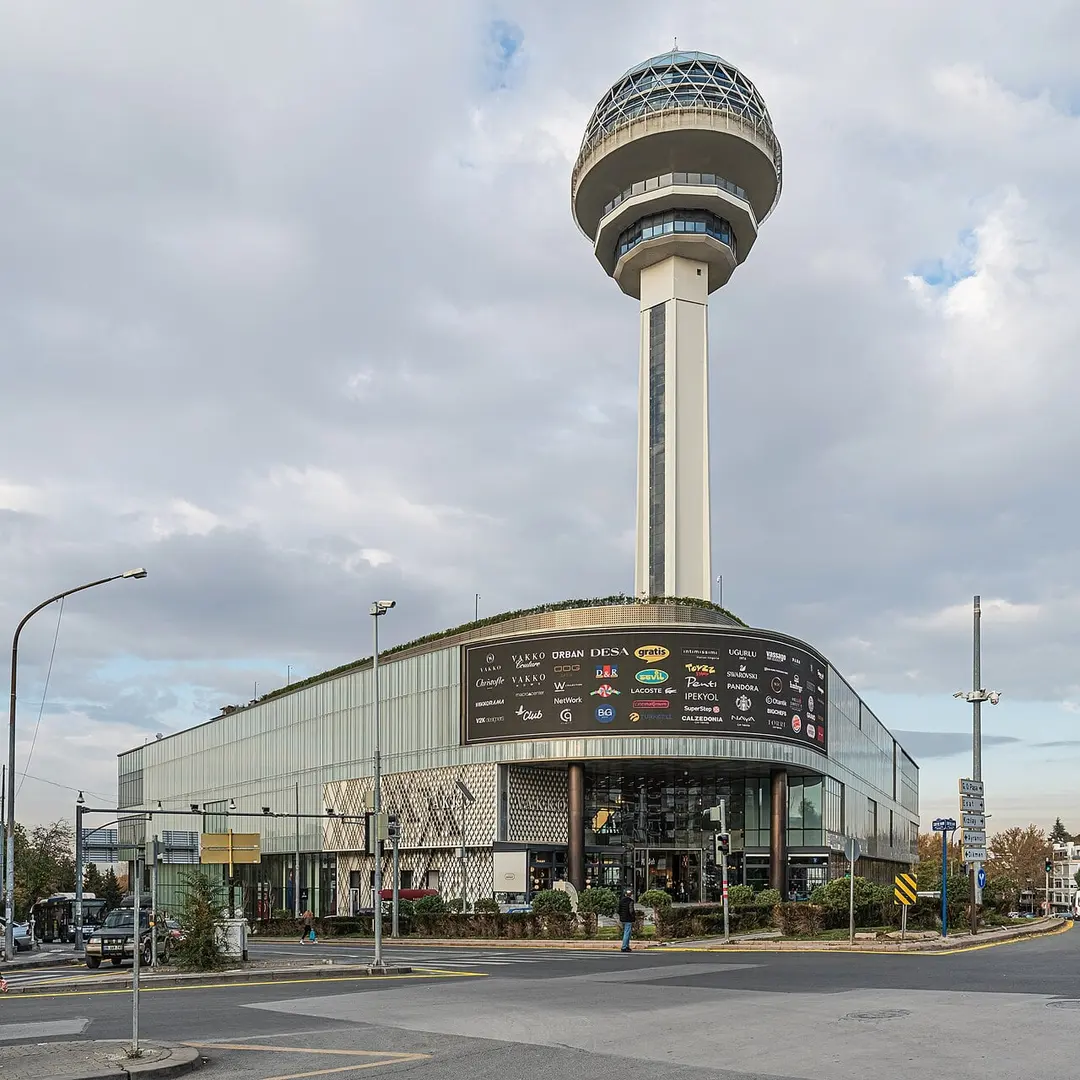
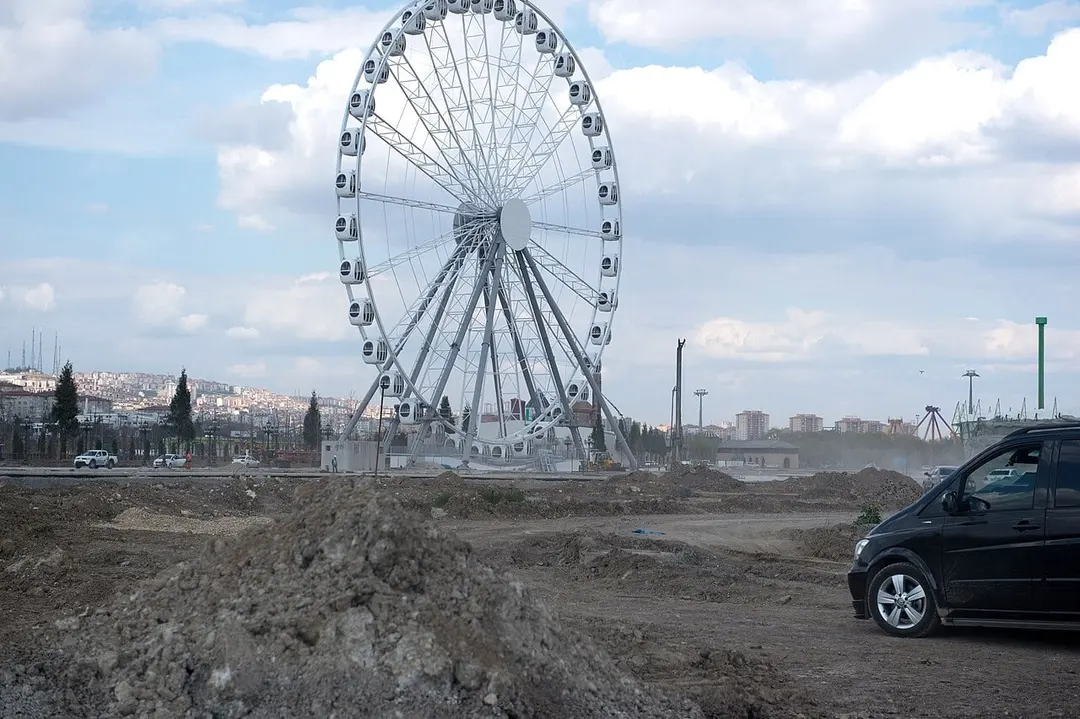
    Atakule is a 125-metre communications and observation tower in Ankara's Çankaya district, opened on 13 October 1989 by Prime Minister Turgut Özal. It is one of the most recognisable landmarks of the Turkish capital. Because Çankaya itself sits on a hill, the tower can be seen from almost anywhere in the city on clear days. At the top, a slowly rotating restaurant offers a 360-degree panorama of Ankara — particularly dramatic at night when the city lights spread across the basin below.

  • Çankaya Köşkü

    Çankaya Köşkü

    Ankara

    naturehistorylocal gems

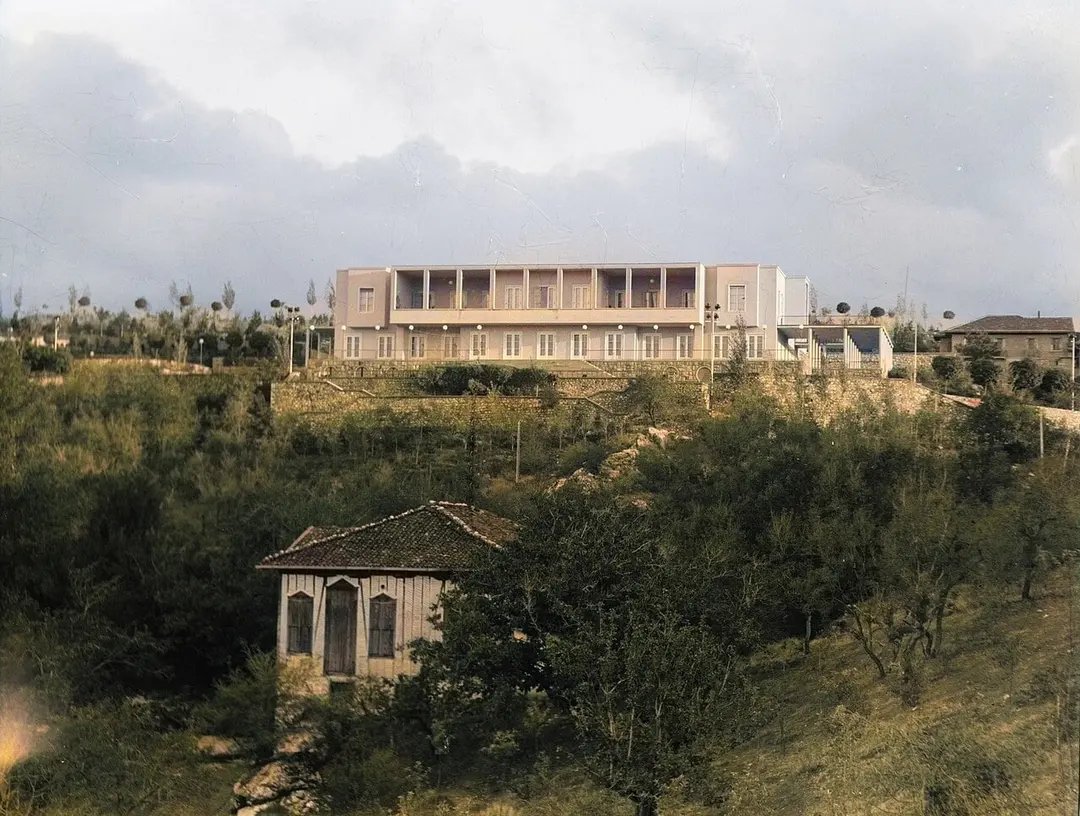
    The Çankaya Mansion is a historic hilltop residence in Ankara that served as the official seat of the Turkish president from 1923 to 2014, and is now the residence of the vice president. Mustafa Kemal Atatürk personally chose the property in 1921 and used it as a governing base during the founding years of the Turkish Republic. The köşk — Turkish for pavilion or manor — was built in its current form in 1932 and sits within extensive gardens overlooking the city. The grounds are not open to the general public, but the building stands as one of the most significant historical symbols of the modern Turkish state.

  • Column of Julian

    Column of Julian

    Ankara

    historylocal gems

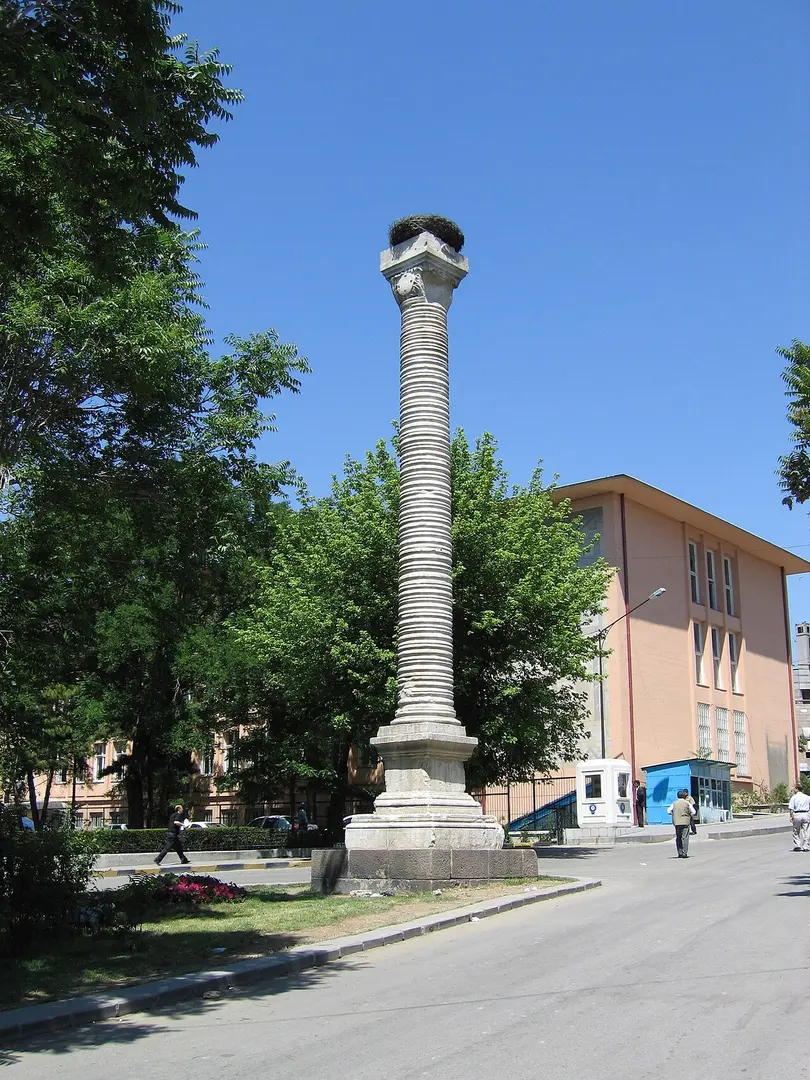
    The Column of Julian in the Ulus district of Ankara is a well-preserved Roman victory column from late antiquity. It stands in Hükümet Meydani park and was erected to mark the visit of Emperor Julian in 362 AD. Carved from limestone, it rises to an impressive height and is locally known as Belkis Minaresi. The column testifies to the importance of ancient Ancyra as a key stop on the Roman road network. Today it stands freely accessible in the city centre, one of the few visible ancient remains in the Turkish capital.

  • Museum of Anatolian Civilizations

    Museum of Anatolian Civilizations

    Ankara

    historylocal gemsknowledge

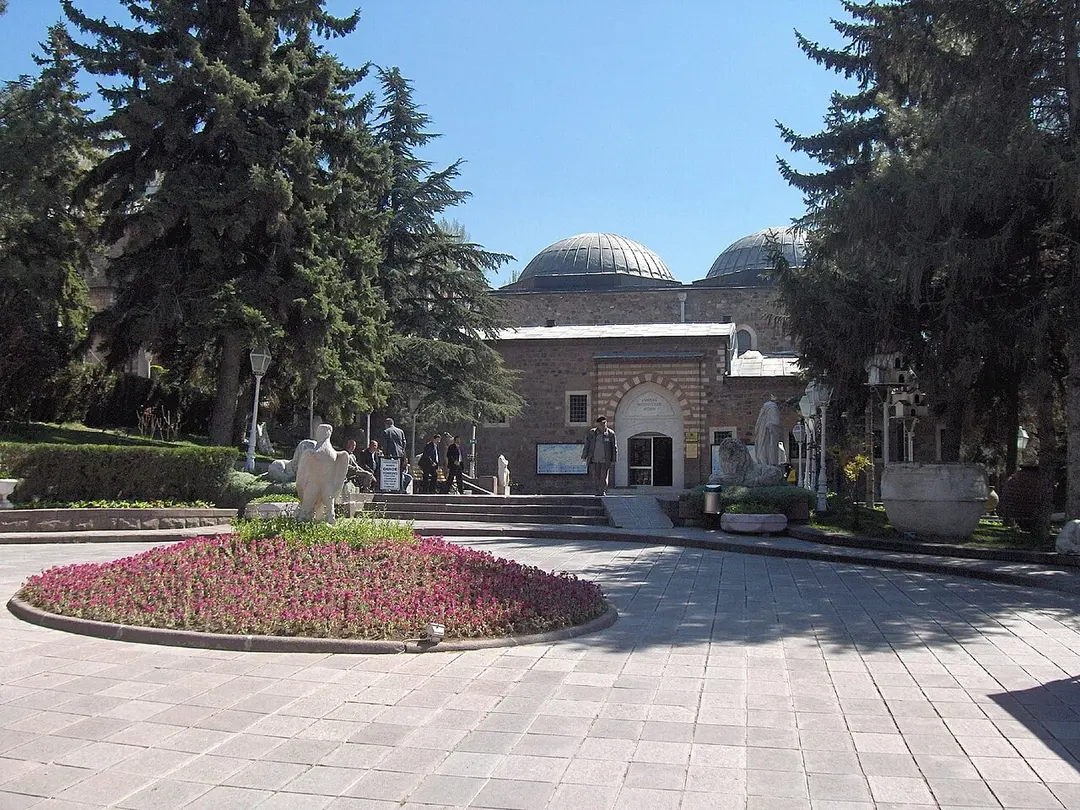
    The Museum of Anatolian Civilizations in Ankara is Turkey's most important archaeological museum, displaying finds spanning virtually every era of Anatolian history from the Palaeolithic to the Ottoman period. It is housed in a restored 15th-century Ottoman caravanserai complex — the former Mahmut Paşa bazaar storage building — at the foot of Ankara Castle. The museum is world-renowned for its extraordinary Hittite collection, making it an essential destination for anyone interested in Bronze Age civilisations. The museum was created at Atatürk's personal request to establish a national Hittite museum, a mission that still defines it today.

Keep exploring

These places are just the beginning.

Rate places with a swipe — TravelType learns from your tags what you love and curates your own map. Private until you choose to share.

Create your profile