TravelType

history

History in Ankara

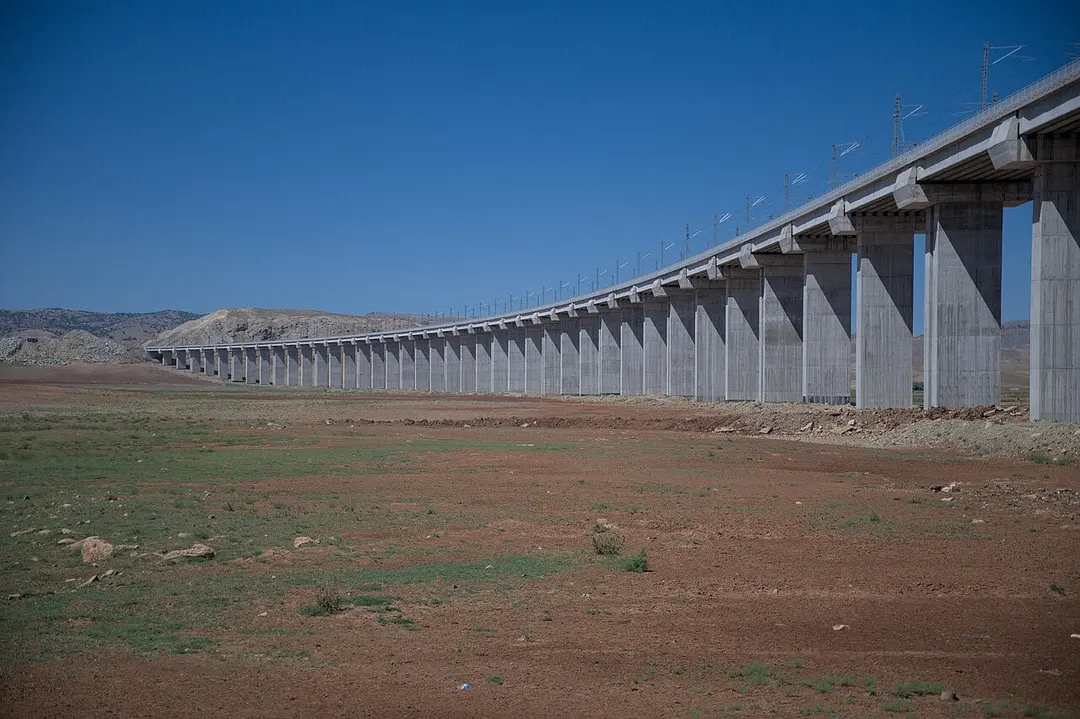
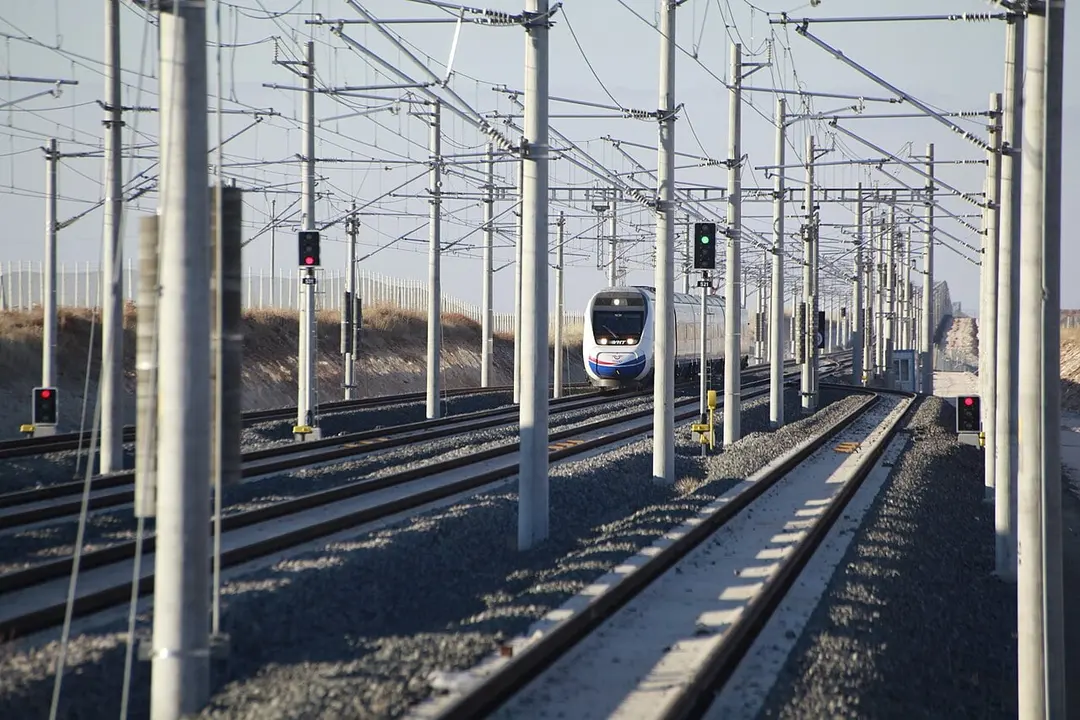
Ankara, Turkey's capital, layers its history across centuries of stone and steel. The Ankara Castle has watched over the city since antiquity, and the Column of Julian stands as a quiet remnant of Roman rule. Anıtkabir, the mausoleum of the republic's founder Atatürk, and the Ankara Zafer Anıtı mark the birth of the modern state. The Ankara Palas and Çankaya Köşkü reflect the early republican era, while the Ankara Synagogue and Cebeci Asri Cemetery speak to the city's diverse communities. The high-speed rail lines to Istanbul and Sivas add a more recent chapter to this layered story.

17 places · Ankara, Türkiye · Editorially curated

  • Anıtkabir

    Anıtkabir

    Ankara

    architectureculture

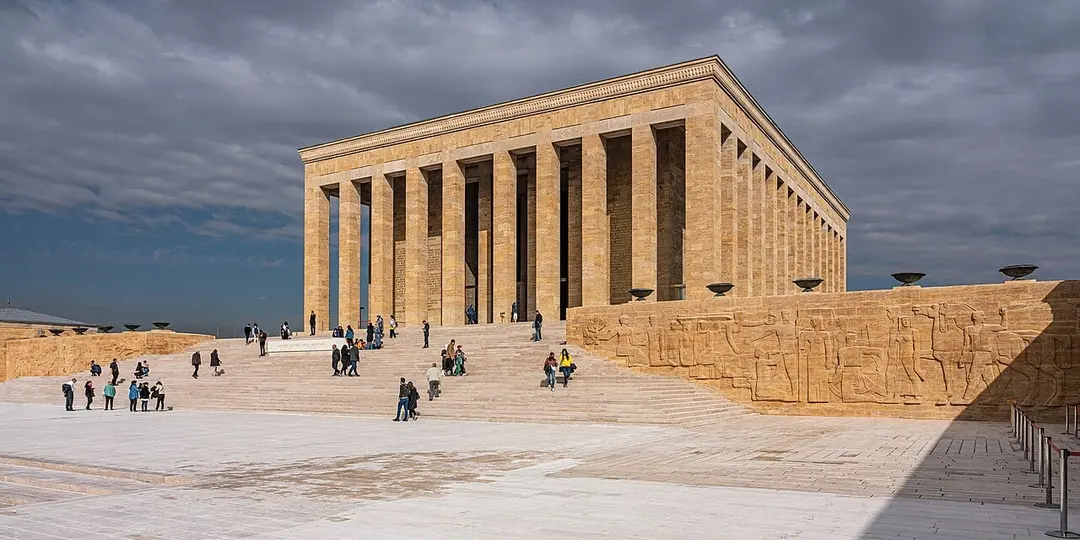
    Anıtkabir in Ankara's Çankaya district is the mausoleum of Mustafa Kemal Atatürk, founder of the Turkish Republic. Designed by architects Emin Onat and Orhan Arda, construction ran from 1944 to 1953. The monumental complex blends ancient ceremonial forms with modernist restraint: a lion-lined road leads to the Hall of Honor where Atatürk's sarcophagus rests. The grounds also contain the grave of Turkey's first Prime Minister İsmet İnönü and an extensive museum on Atatürk's life and the founding of the republic. With millions of visitors each year, it is Turkey's most frequented monument.

  • Ankara 19 Mayıs Stadı

    Ankara 19 Mayıs Stadı

    Ankara

    outdoor activities

    The Ankara 19 Mayıs Stadium was the main football venue of the Turkish capital, part of the 19 Mayıs Sports Complex in the Ulus district. Built in 1930, it seated around 19,200 spectators and served as the home ground for Gençlerbirliği and Ankaragücü. Its name commemorates 19 May 1919, the date Atatürk began the Turkish War of Independence. After nearly nine decades of use, the stadium closed in 2018 and has since been demolished as part of urban redevelopment.

  • Ankara Palas

    Ankara Palas

    Ankara

    architecture

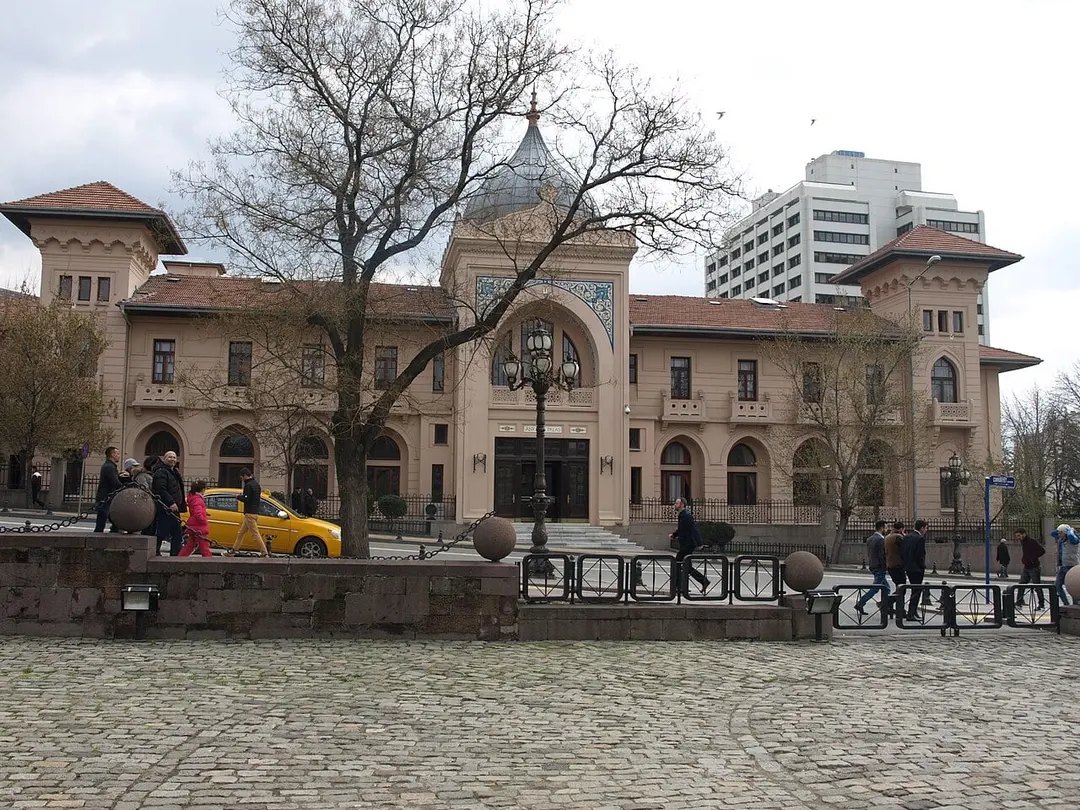
    Ankara Palas is a historic guest house and hotel in Ankara, managed by the Turkish Ministry of Foreign Affairs. Originally designed as a Ministry of Health building, it was completed in 1928 and repurposed as a hotel for members of the Grand National Assembly. The building embodies the founding energy of the early Turkish Republic under Atatürk, when Ankara was being developed as the new capital and required representative public buildings. Its neoclassical façade reflects the architectural sensibility of the 1920s, blending modernity with state formality. Today it functions as an official protocol building.

  • Ankara Synagogue

    Ankara Synagogue

    Ankara

    culture

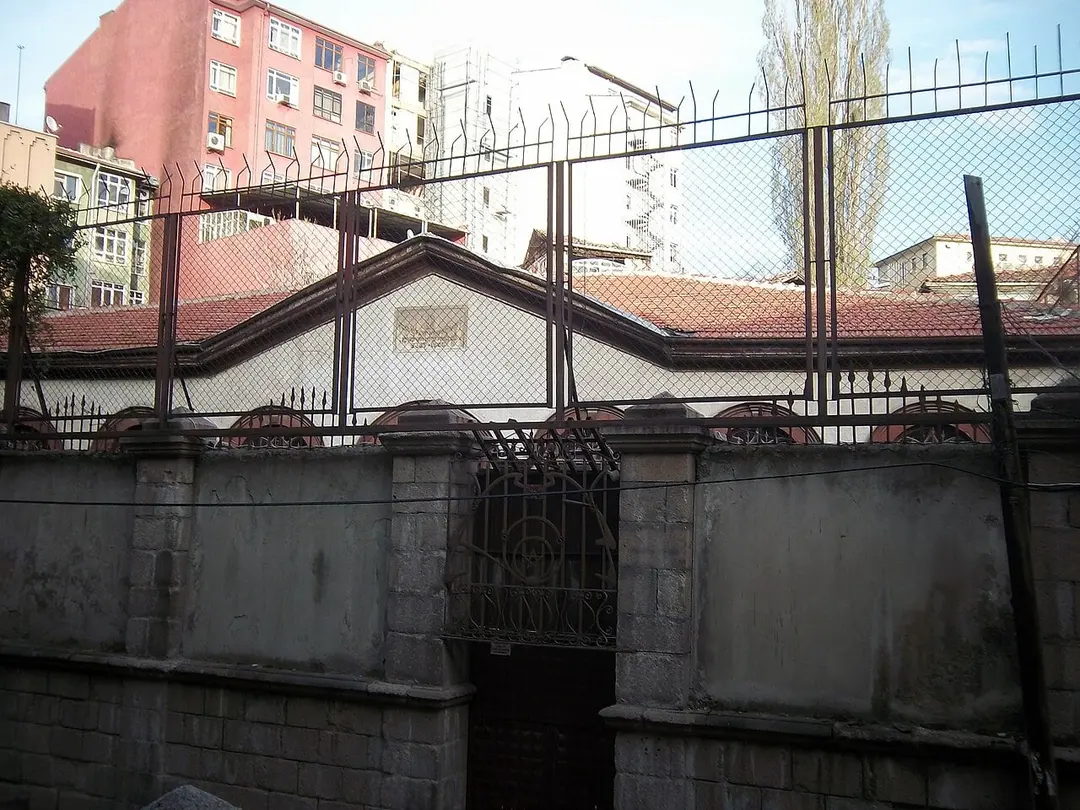
    The Ankara Synagogue is the last remaining synagogue in the Turkish capital and a testament to a Jewish community with roots stretching back to Roman times. The present stone building was erected in 1834 in the old Ulus quarter and substantially renovated by an Italian architect in 1906. Because the Jewish community is now very small, the historic building opens only on major religious holidays. It stands on a street in old Ankara and is one of the few visible reminders of the city's once cosmopolitan population.

  • Ankara Zafer Anıtı

    Ankara Zafer Anıtı

    Ankara

    local gems

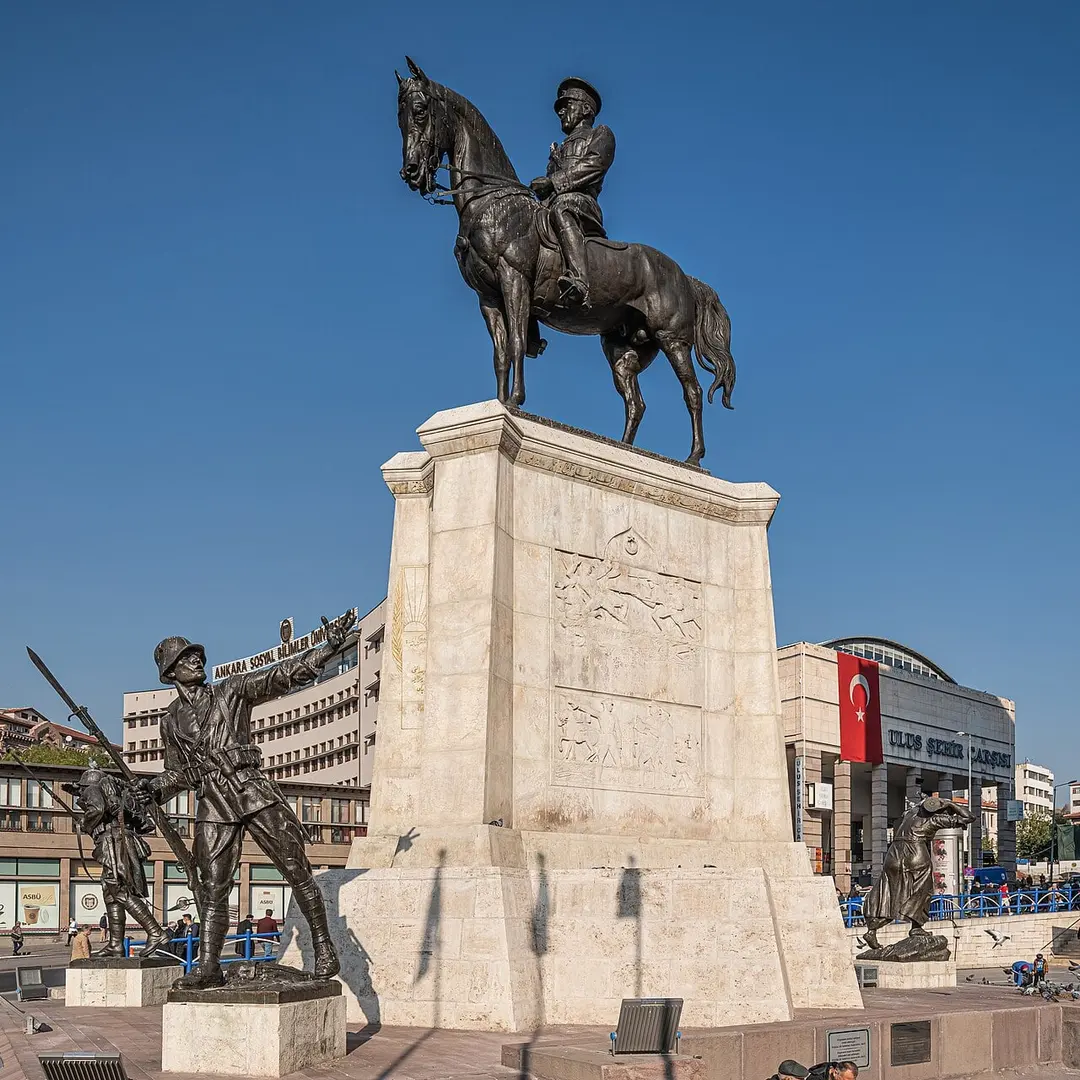
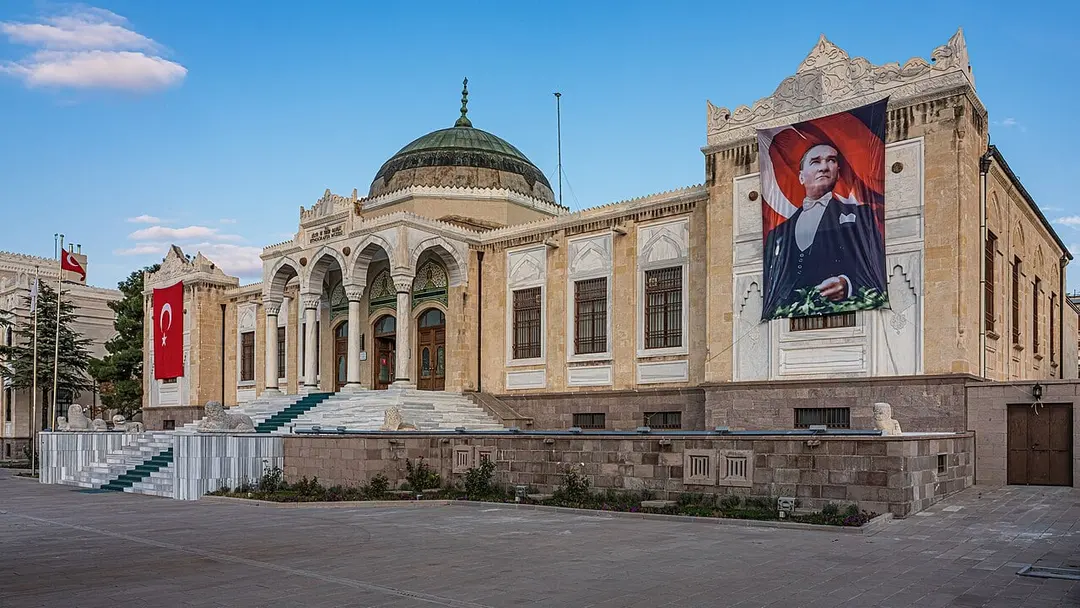
    The Zafer Anıtı (Victory Monument) stands at Ulus Square in the historic centre of Ankara, commemorating the Turkish War of Independence. Inaugurated in 1927, four years after the founding of the Republic, it bears the inscription "Hakimiyet-i Milliye" — national sovereignty. The monument is one of the earliest symbols of the Kemalist nation-state and stands near the Ethnographic Museum of Ankara. Ulus Square itself was the political heart of the city for decades before the government district expanded westward.

  • Çankaya Köşkü

    Çankaya Köşkü

    Ankara

    architecturenaturelocal gems

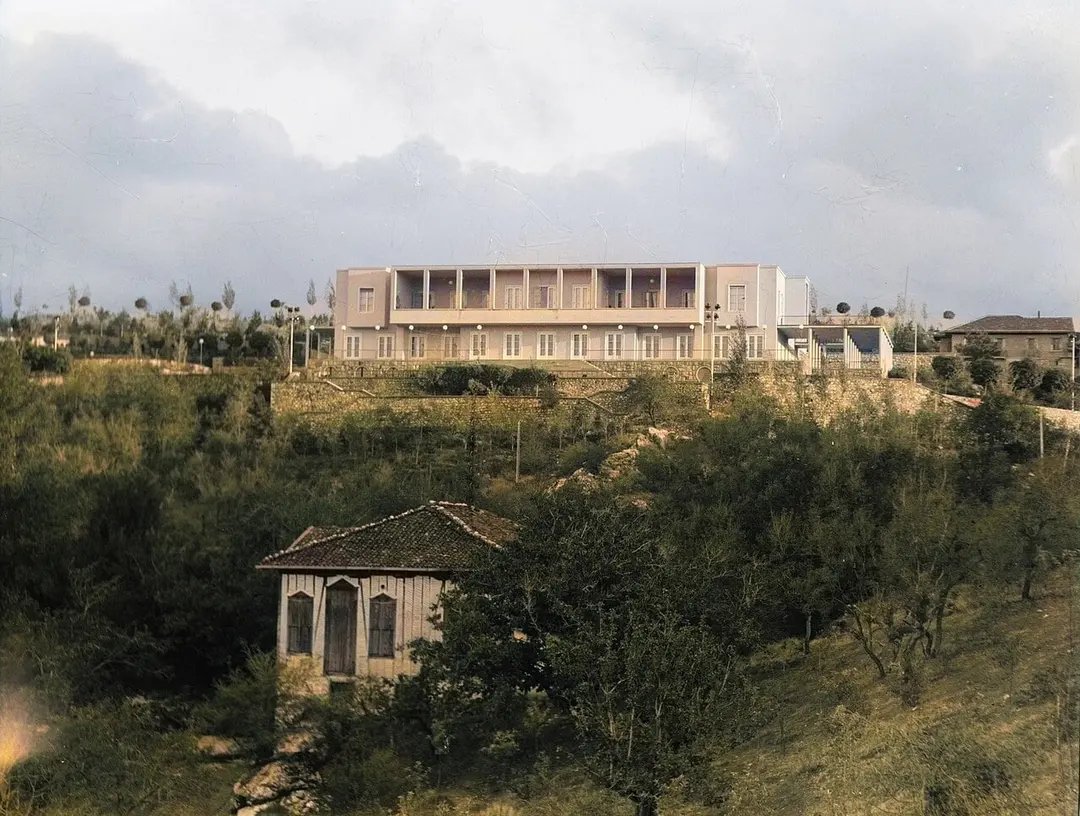
    The Çankaya Mansion is a historic hilltop residence in Ankara that served as the official seat of the Turkish president from 1923 to 2014, and is now the residence of the vice president. Mustafa Kemal Atatürk personally chose the property in 1921 and used it as a governing base during the founding years of the Turkish Republic. The köşk — Turkish for pavilion or manor — was built in its current form in 1932 and sits within extensive gardens overlooking the city. The grounds are not open to the general public, but the building stands as one of the most significant historical symbols of the modern Turkish state.

  • Cebeci İnönü Stadium

    Cebeci İnönü Stadium

    Ankara

    outdoor activitieslocal gems

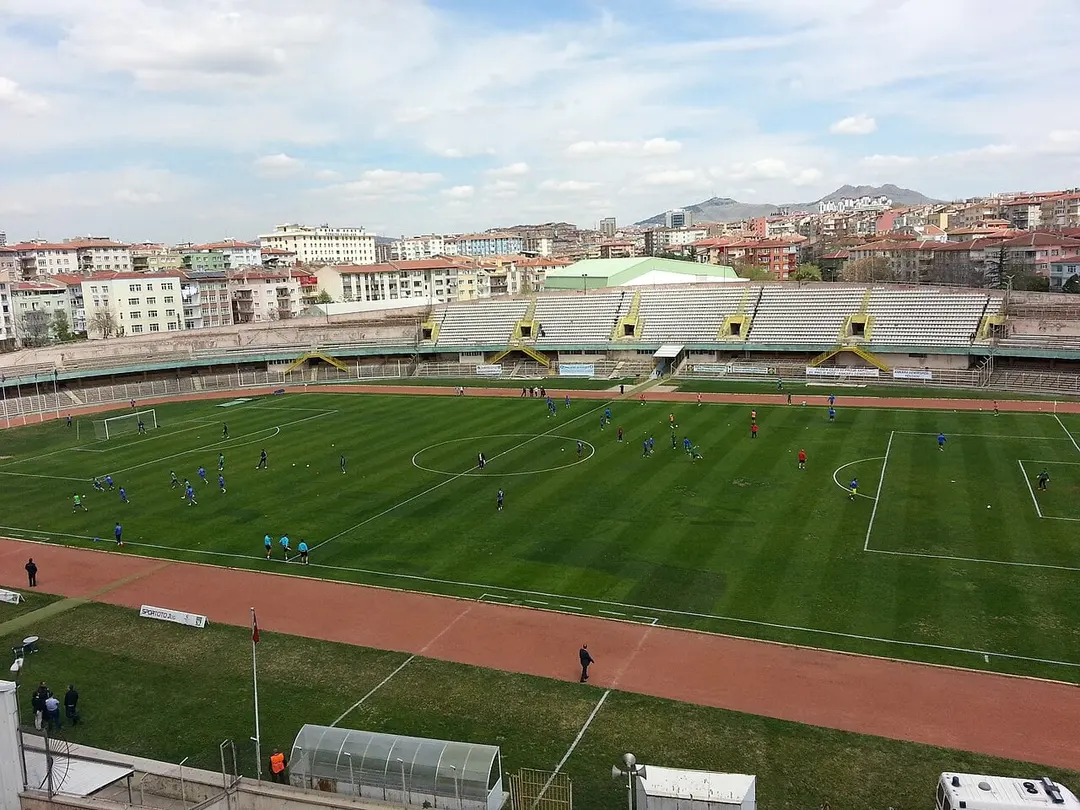
    Cebeci İnönü Stadium was a multi-purpose stadium with an athletics track in the Çankaya district of Ankara. Built in 1967 with a capacity of 15,000, it was named after İsmet İnönü, Turkey's second president. For decades it served as home ground for Hacettepespor and smaller Ankara clubs like Ankara Demirspor. The stadium was a functional post-war structure rather than a showpiece venue — a typical example of mid-century municipal sports infrastructure in Turkey. It was demolished in 2022.

  • Column of Julian

    Column of Julian

    Ankara

    architecturelocal gems

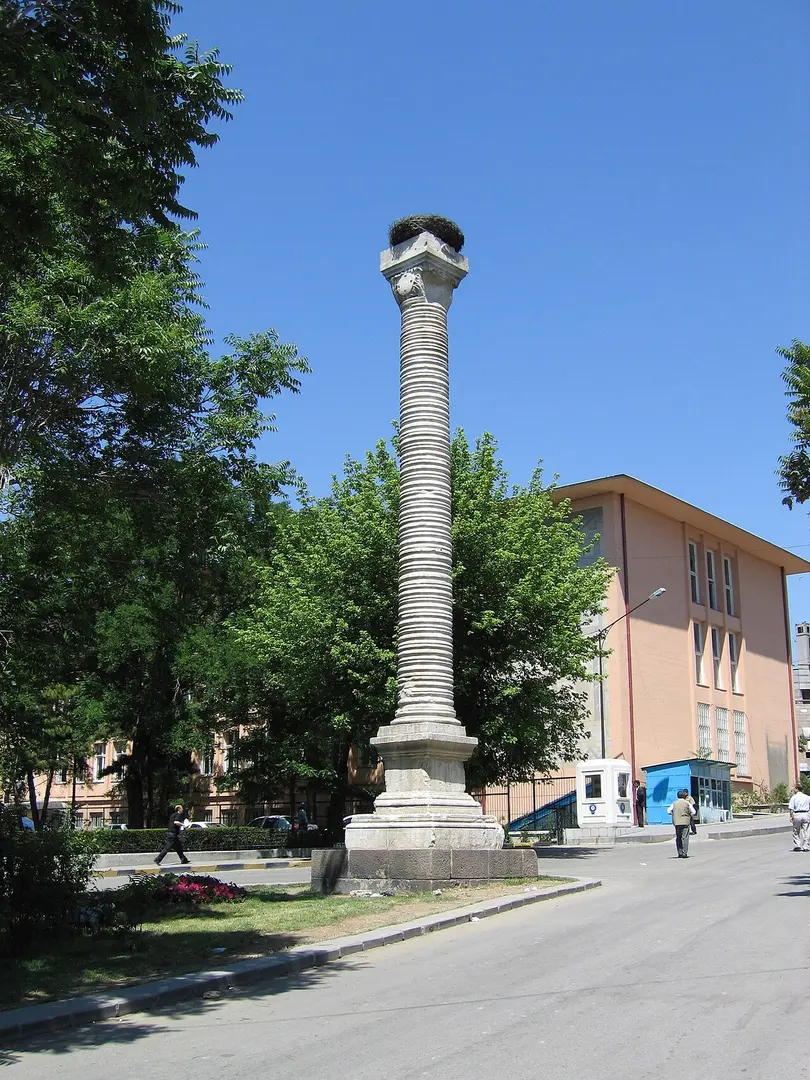
    The Column of Julian in the Ulus district of Ankara is a well-preserved Roman victory column from late antiquity. It stands in Hükümet Meydani park and was erected to mark the visit of Emperor Julian in 362 AD. Carved from limestone, it rises to an impressive height and is locally known as Belkis Minaresi. The column testifies to the importance of ancient Ancyra as a key stop on the Roman road network. Today it stands freely accessible in the city centre, one of the few visible ancient remains in the Turkish capital.

  • Museum of Anatolian Civilizations

    Museum of Anatolian Civilizations

    Ankara

    architecturelocal gemsknowledge

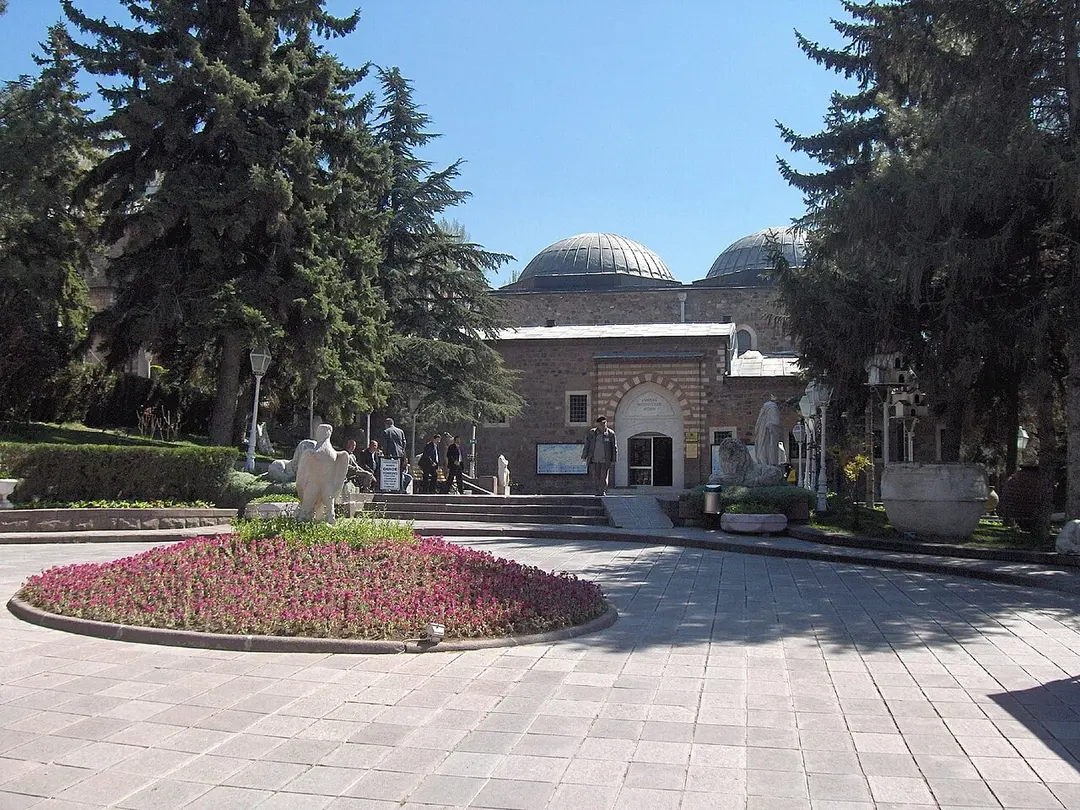
    The Museum of Anatolian Civilizations in Ankara is Turkey's most important archaeological museum, displaying finds spanning virtually every era of Anatolian history from the Palaeolithic to the Ottoman period. It is housed in a restored 15th-century Ottoman caravanserai complex — the former Mahmut Paşa bazaar storage building — at the foot of Ankara Castle. The museum is world-renowned for its extraordinary Hittite collection, making it an essential destination for anyone interested in Bronze Age civilisations. The museum was created at Atatürk's personal request to establish a national Hittite museum, a mission that still defines it today.

  • Roman Baths of Ankara

    Roman Baths of Ankara

    Ankara

    culture

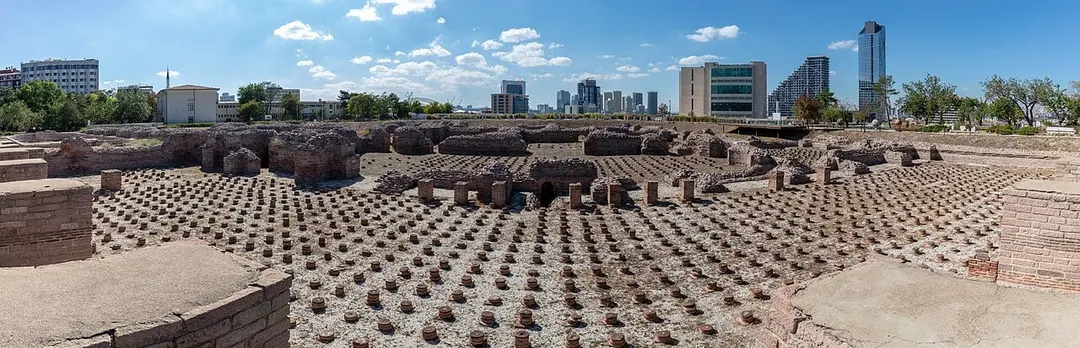
    The Roman Baths of Ankara are the remains of a large bathing complex from the 3rd century AD, located in ancient Ancyra — the capital of the Roman province of Galatia, now the site of modern Ankara. Excavations carried out between 1937 and 1944 uncovered the ruins, which are today open to visitors as an open-air museum. Well-preserved are massive column stumps, hypocaust floors, and thick walls that convey the original scale of the facility. The name refers to Emperor Caracalla, whose reign was associated with the construction of grand thermae across the Roman Empire.

Keep exploring

These places are just the beginning.

Rate places with a swipe — TravelType learns from your tags what you love and curates your own map. Private until you choose to share.

Create your profile