TravelType

local gems

Local gems in Belgrade

Belgrade reveals a different side beyond its well-known landmarks, through places that reflect everyday city life. The district of Zemun has its own distinct character, with narrow streets and views over the Danube. The Beograđanka tower is a striking presence on the skyline, while Kneza Miloša Street offers a sense of the city's layered architecture. The Museum of Yugoslavia, the Svetozar Marković University Library, and the Monument to Dositej Obradović reward those who look beyond the obvious. The Bajrakli Mosque and the Church of the Ascension speak to the city's religious diversity. The Obilić Stadium, Belgrade Bus Station, and Knez Mihailova Street round out a portrait of an unfiltered, lived-in city.

13 places · Belgrade, Serbia · Editorially curated

  • Bajrakli Mosque Belgrade

    Bajrakli Mosque Belgrade

    Belgrade

    architecturehistorymystery

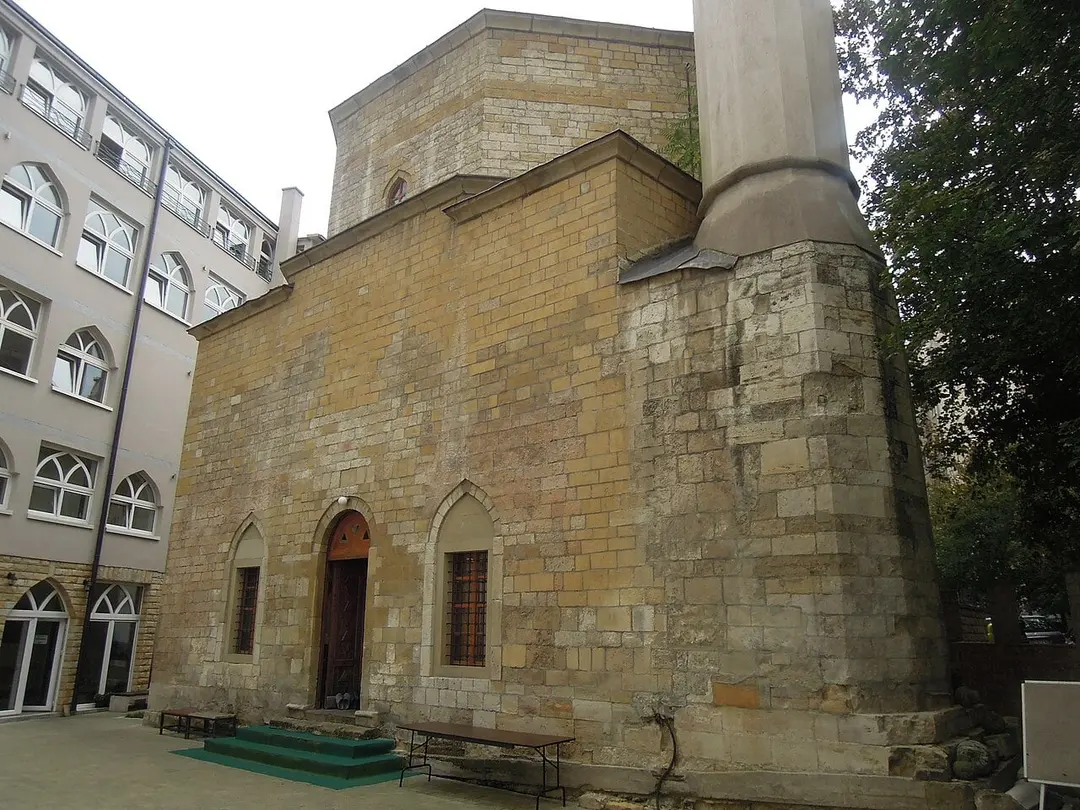
    The Bajrakli Mosque is the only one of what were once over 270 Ottoman mosques in Belgrade to have survived to the present day. Built around 1575, it stands in the Stari Grad district, the old core of Belgrade. Its unusual name – bajrakli meaning roughly "with a flag" in Turkish – dates from the late 18th century, when a flag hoisted on it signalled the start of simultaneous prayers in all other city mosques. As a protected Serbian cultural heritage site, it is a rare architectural witness to 150 years of Ottoman rule over the Serbian capital.
  • Belgrade Bus Station (BAS Beograd)

    Belgrade Bus Station (BAS Beograd)

    Belgrade

    history

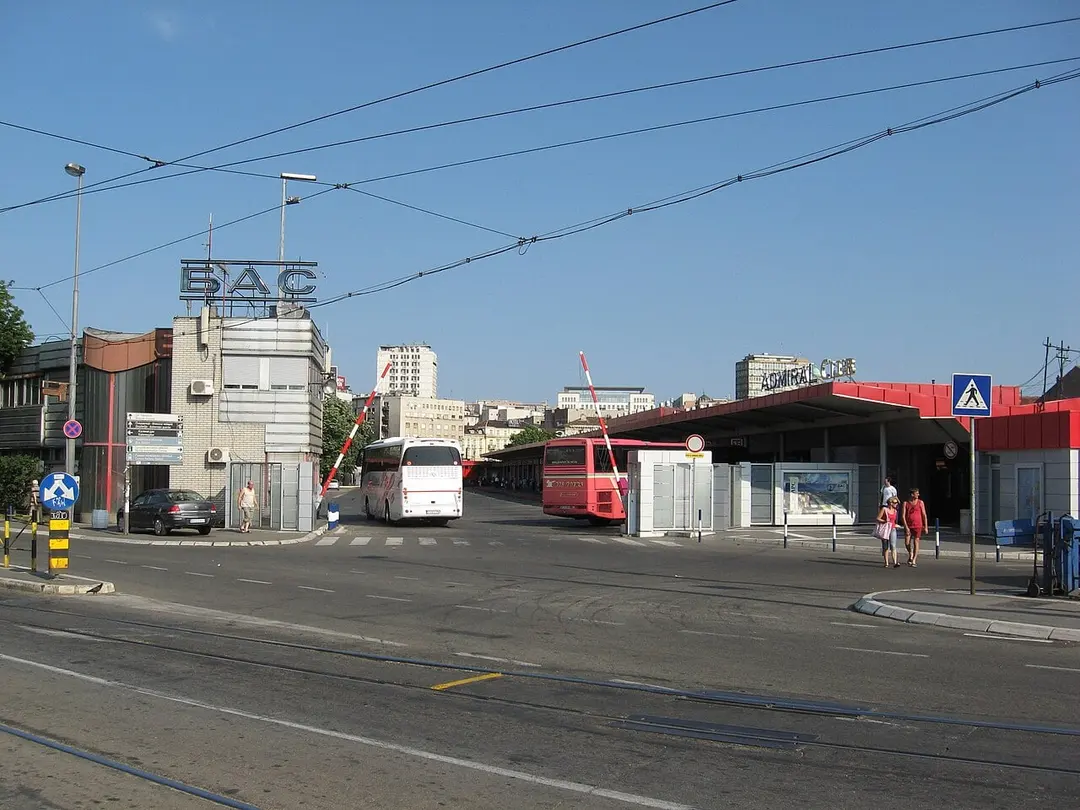
    Belgrade Bus Station, BAS Beograd, was the main long-distance bus hub of the Serbian capital. Situated in the Savski Venac district near the main railway station, it concentrated intercity connections across Serbia and to destinations across Europe. The building from the 1960s is representative of functional post-war modernism from the socialist Yugoslav era. The station in its original form is no longer operating, having been restructured as part of the Beograd na vodi (Belgrade Waterfront) urban development project.

  • Beograđanka

    Beograđanka

    Belgrade

    architecturehistorygreat views

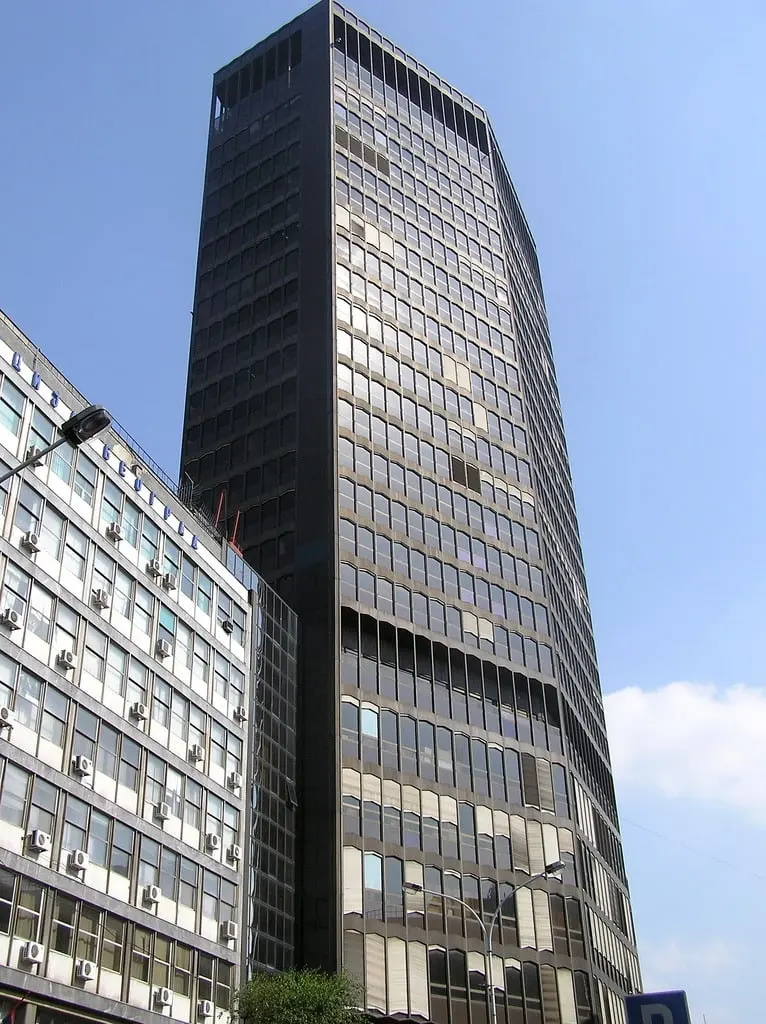
    The Beograđanka, officially also known as Belgrade Palace, is one of the most distinctive high-rise buildings in the Serbian capital. The office tower stands on Kralja Milana Street in the heart of Belgrade and is the third-tallest building in Serbia. Completed in 1974, it is a characteristic example of socialist modernism from the Yugoslav era — functional in form but impossible to miss in the cityscape. The building visually anchors the commercial core of old Belgrade and serves as a landmark for orientation in the city centre. For admirers of postwar modern architecture, the Beograđanka is a quiet but compelling monument to Yugoslav urban planning.

  • Beška Bridge

    Beška Bridge

    Belgrade

    architectureoutdoor activities

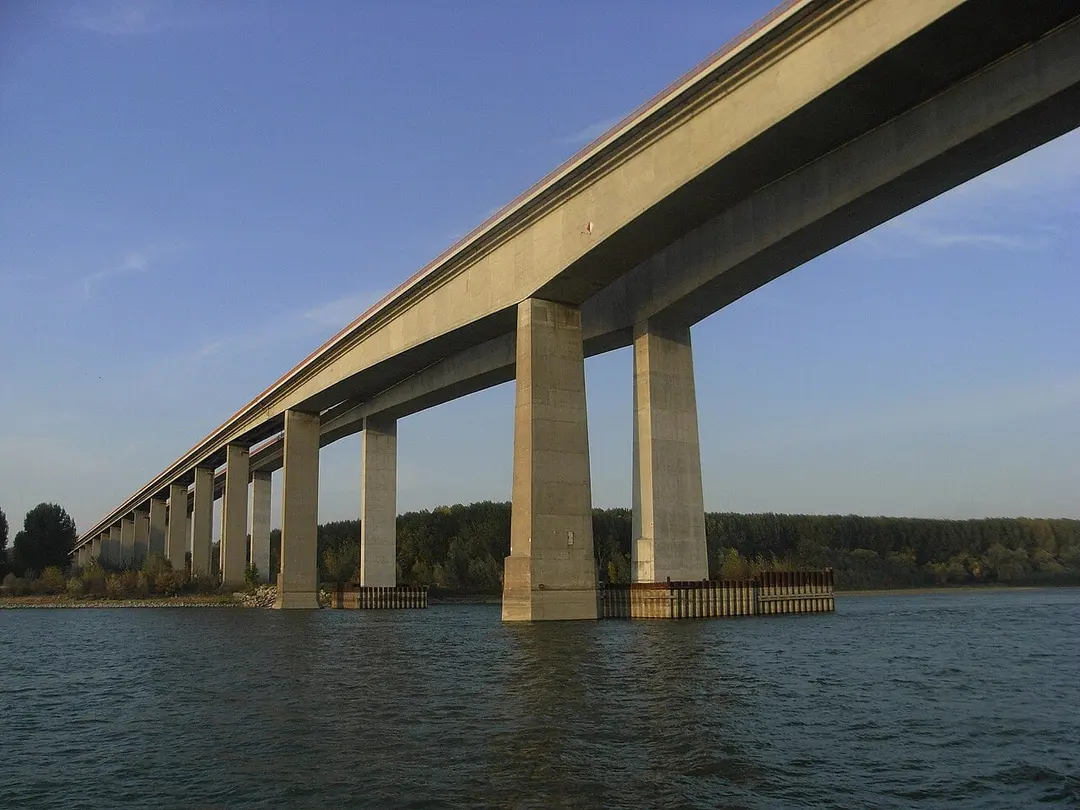
    Beška Bridge crosses the Danube near Beška in Serbia's Vojvodina province, carrying the E75 European route and the Serbian A1 motorway. It consists of two near-identical prestressed concrete structures: the first completed in 1975, the second added alongside it in 2011 to handle growing traffic. At 2,205 metres in total length, it was for a long time the longest bridge over the Danube. The flat Vojvodina plain makes crossing the Danube on this route particularly striking — the wide river valley opens up before the bridge spans the current.

  • Church of the Ascension Belgrade

    Church of the Ascension Belgrade

    Belgrade

    architecturehistory

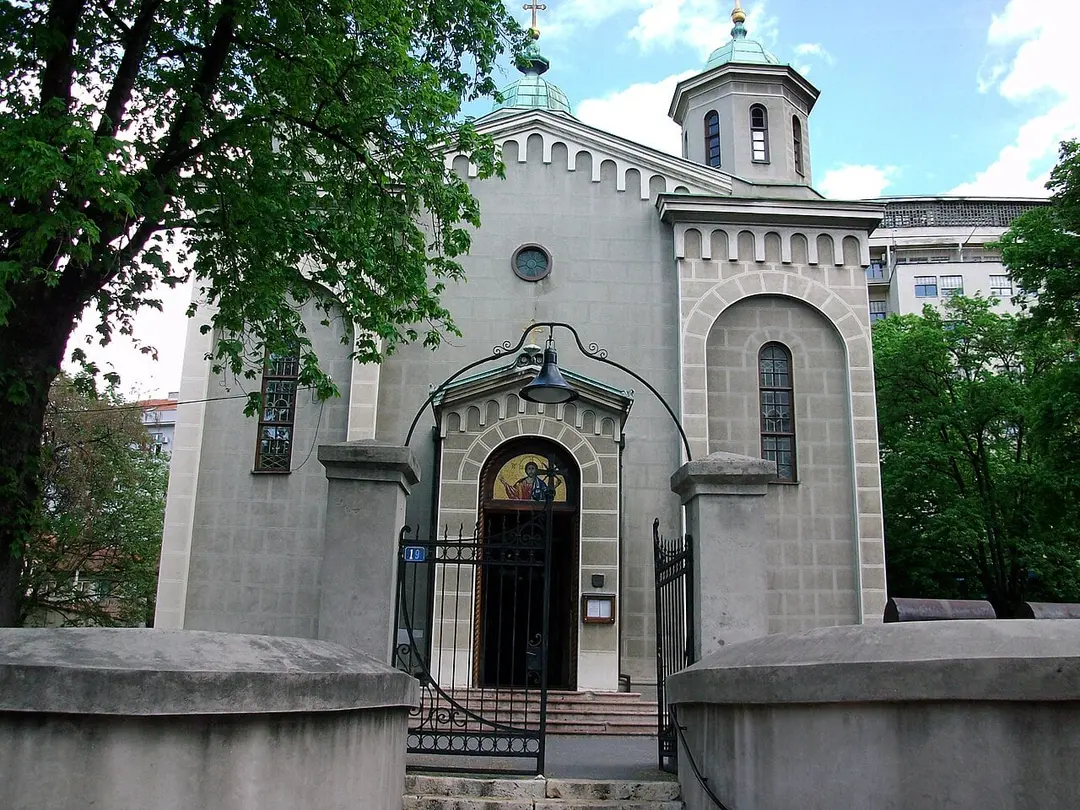
    The Church of the Ascension in central Belgrade is the city church of Belgrade – the Ascension of Christ is Belgrade's patron feast (Slava). The Serbian Orthodox church was built in 1863 and belongs to the Archeparchy of Belgrade and Karlovci. It still preserves the bell under which the Ottoman Hatisheriff was read aloud in 1830, granting autonomy to Serbia. The church was declared a cultural monument in 1969. It is a place where Serbian urban history and Orthodox devotion converge directly.

  • Knez Mihailova Street

    Knez Mihailova Street

    Belgrade

    architecturecultureoutdoor activities+1

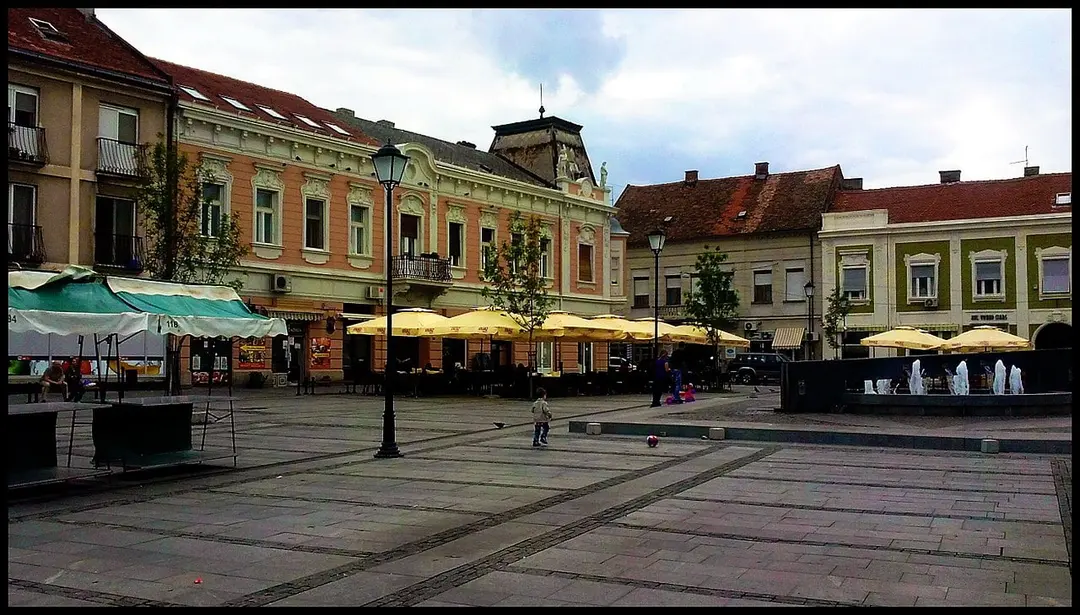
    Knez Mihailova Street is Belgrade's most famous street and the vibrant heart of public life in Serbia's capital. A pedestrian zone lined with grand palaces from the 1870s to 1920s, it offers cafes, international shops, and street music. Named after Prince Mihailo Obrenovic III, the entire street is heritage-protected and connects Kalemegdan Fortress with the central Republic Square.

  • Monument to Dositej Obradović

    Monument to Dositej Obradović

    Belgrade

    culturehistoryknowledge

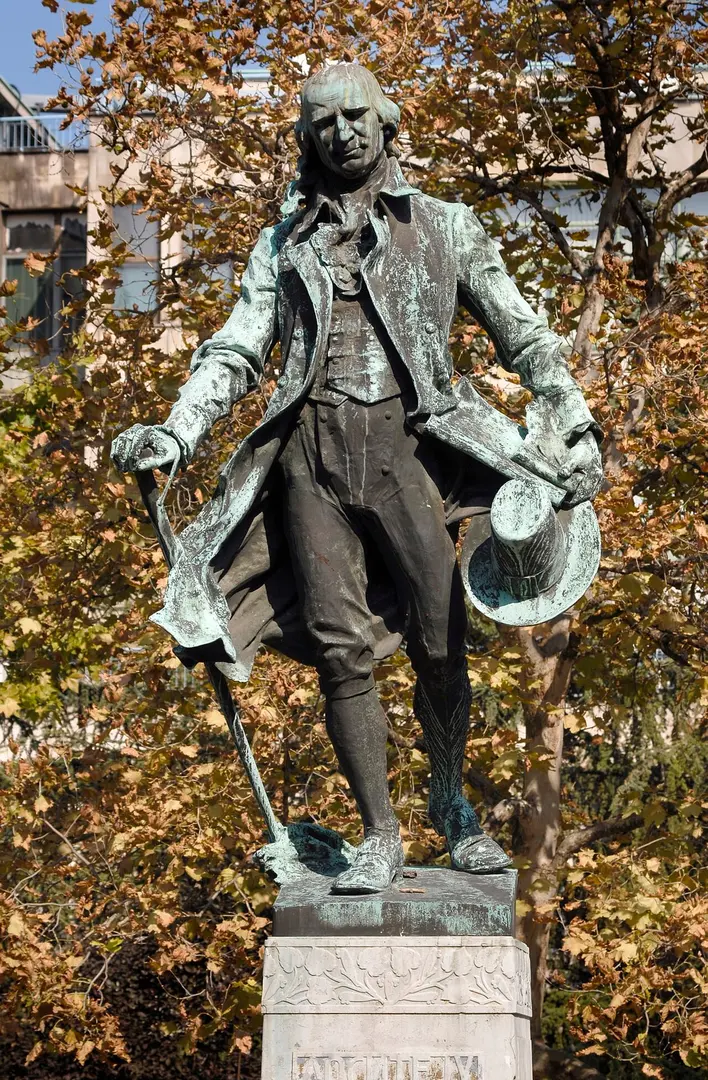
    The monument to Dositej Obradović stands in the Academy Park in Belgrade, surrounded by the buildings of Belgrade University. Obradović (1739–1811) is regarded as the greatest figure of the Serbian Enlightenment: he traveled across Europe, translated classical and modern texts into Serbian, and championed rational, secular education for ordinary people — decades before the Serbian national renaissance. He later became Serbia's first Minister of Education. The sculpture sits alongside monuments to scientists Josif Pančić and Jovan Cvijić, forming an informal hall of honor for Serbian intellectual history. It is listed as a protected cultural monument of Serbia.

  • Museum of Yugoslavia

    Museum of Yugoslavia

    Belgrade

    historyknowledge

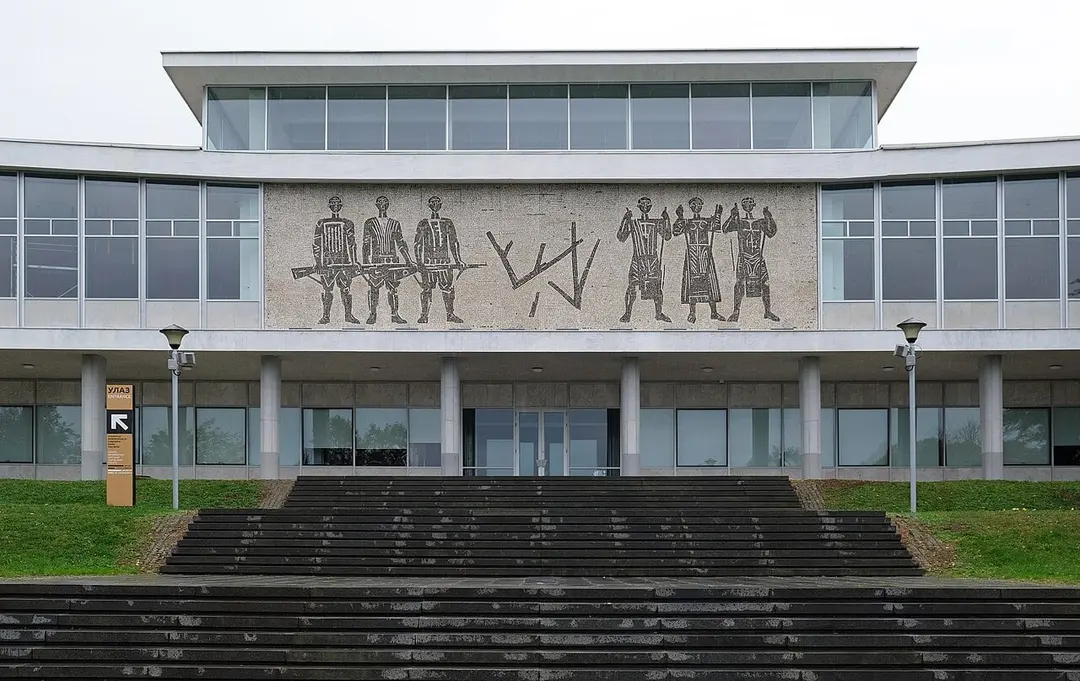
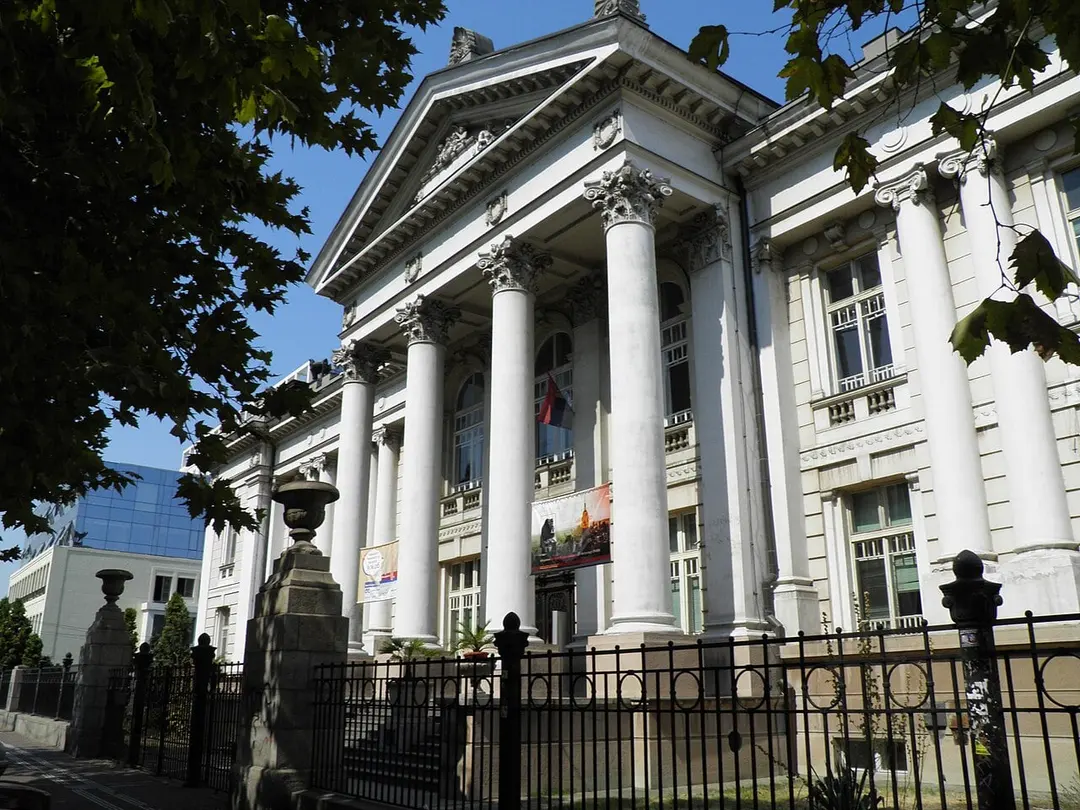
    The Museum of Yugoslavia is located in the Dedinje district of Belgrade and is dedicated to both the Kingdom and Socialist Yugoslavia – and especially to the life and legacy of Josip Broz Tito. It was established in 1996 through the merger of the Museum of the Revolution and the Tito Memorial Centre. One of its buildings houses Tito's grave, the so-called House of Flowers, which continues to attract visitors. The collection includes photographs, documents, state gifts and personal objects that shed light on Yugoslavia's complex legacy between nationalism, socialism and nostalgia.

  • Obilić Stadium Belgrade

    Obilić Stadium Belgrade

    Belgrade

    historyoutdoor activitiesmystery

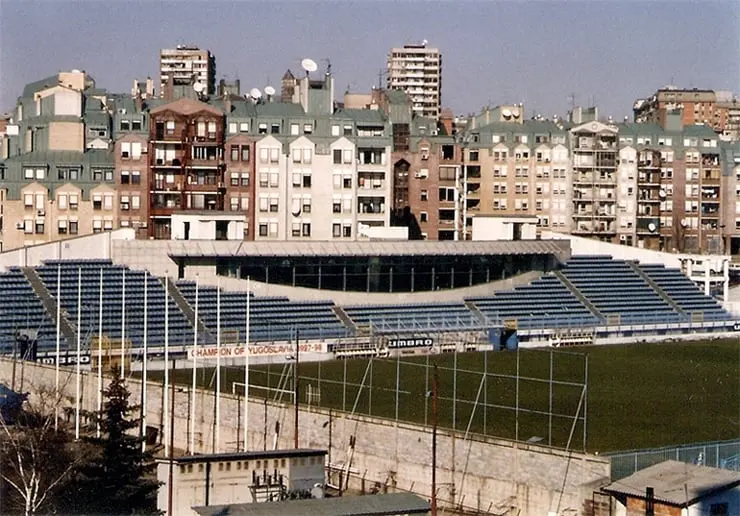
    Obilić Stadium is located in the Vračar municipality of Belgrade, with seating for around 4,500. It is named after the Serbian knight Miloš Obilić and was the home ground of FK Obilić – a club that won the Yugoslav championship in 1998 under owner Željko Ražnatović in one of the most controversial title wins in football history. The club withdrew from competition in 2015 and exists only on paper; the stadium is now rented out. It was also used during the 2011 UEFA European Under-17 Championship. The ground is a quiet relic of a politically charged era in Serbian football.

  • Zemun

    Zemun

    Belgrade

    culturenaturehistory

    Zemun is a district of Belgrade that was its own independent town until 1934 and still retains a distinctive character. Situated on a peninsula at the confluence of the Sava and Danube rivers, it was once separated from Belgrade proper by fields and waterways. Its historic centre, with narrow streets, riverside cafés, and the Gardoš hill viewpoint overlooking the Danube, feels markedly different from central Belgrade. The rapid construction of New Belgrade in the late 20th century merged the two urban areas physically, but Zemun's old core has kept much of its pre-war atmosphere.

  • Gradski Stadium Smederevo

    Gradski Stadium Smederevo

    Belgrade

    outdoor activities

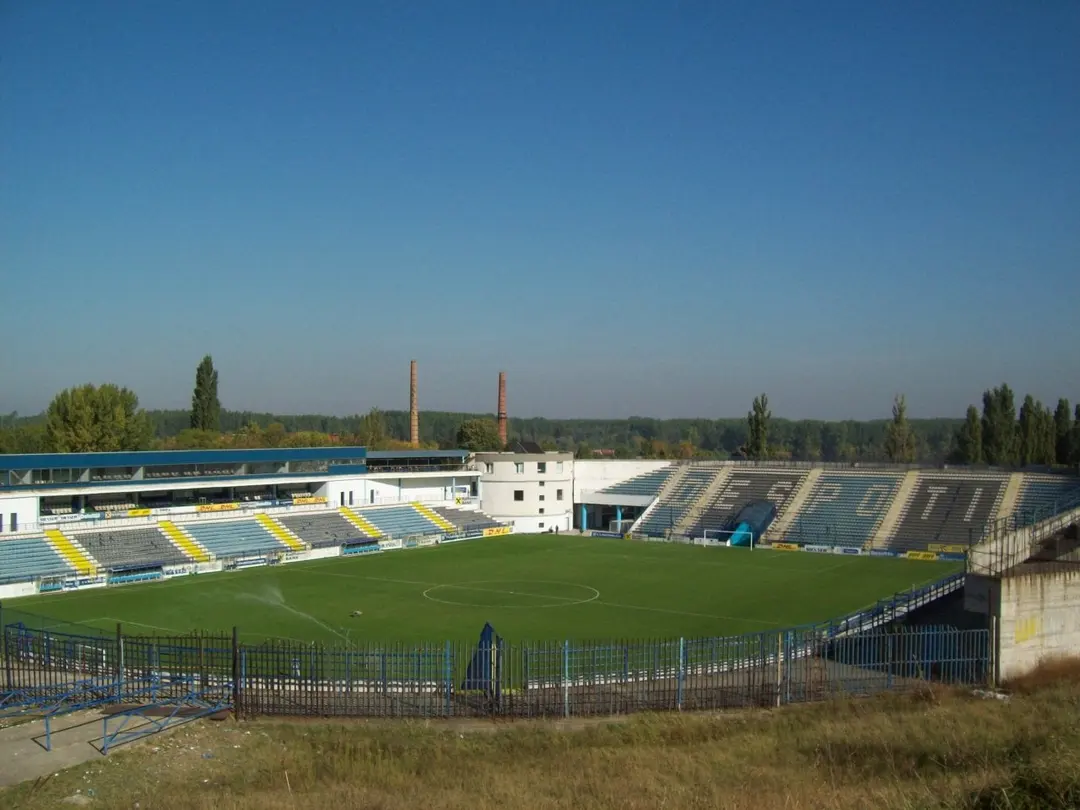
    Gradski Stadium in Smederevo is the home ground of FK Smederevo 1924, a football club from the Serbian Danube city of Smederevo. The stadium holds 17,200 spectators and is informally known as the "Stadion kraj Stare železare" (Stadium by the old ironworks). Its proximity to the former steel plant and to the medieval Smederevo Fortress gives the venue a distinctive industrial and historical character.

Keep exploring

These places are just the beginning.

Rate places with a swipe — TravelType learns from your tags what you love and curates your own map. Private until you choose to share.

Create your profile