TravelType

history

History in Belgrade

Belgrade layers its history across the cityscape in remarkable variety. The Kraljevski dvor recalls the era of Serbian royalty, while the Bajrakli Mosque stands as the city's enduring trace of Ottoman rule. The Belgrade Synagogue and the Cathedral Church of St. Michael the Archangel reflect the city's diverse religious heritage, joined by the churches of St. Alexander Nevsky, St. Basil of Ostrog, and the Ascension. Brankov most crosses the Sava as a mid-twentieth-century landmark, and the Beograđanka tower marks the socialist period. Avala mountain and Belgrade New Cemetery each hold their own place in the city's long collective memory.

18 places · Belgrade, Serbia · Editorially curated

  • Avala – Mountain near Belgrade

    Avala – Mountain near Belgrade

    Belgrade

    architecturenatureoutdoor activities+1

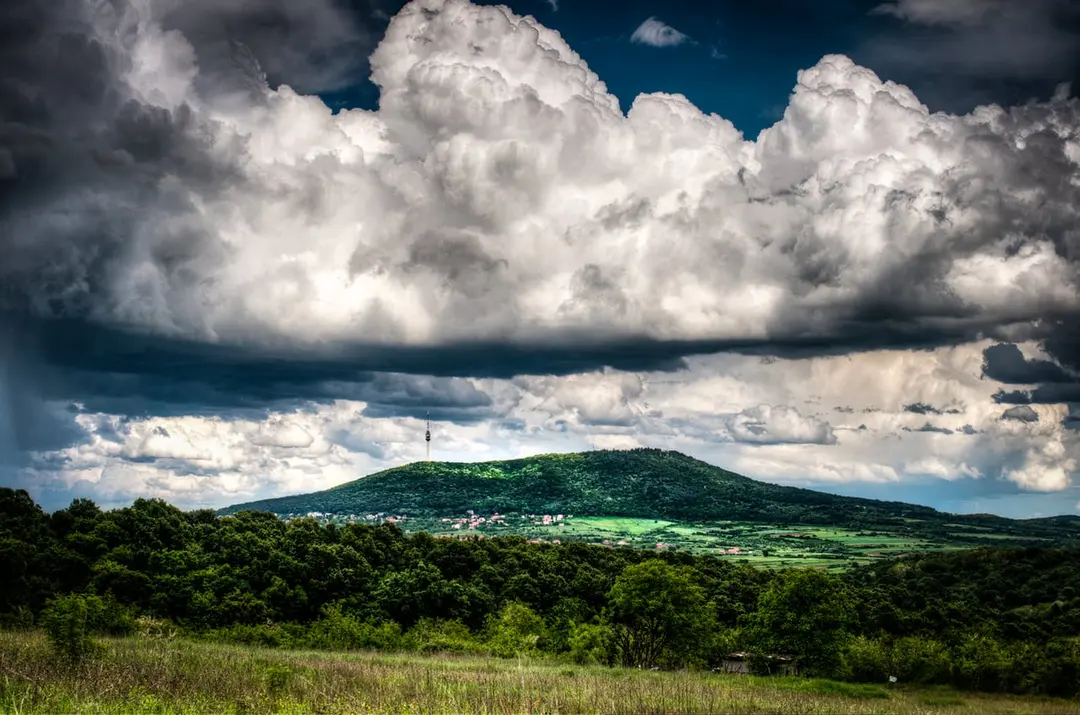
    Avala is a 511 m hill about 18 km south of central Belgrade and has been a nature reserve since 1859. In the Middle Ages a fortress on its summit controlled the approach to the city. In 1938 the Tomb of the Unknown Soldier was built here – a work by sculptor Ivan Meštrović commemorating Serbian fallen of the First World War. The distinctive Avala Tower, destroyed by NATO in 1999 and rebuilt in 2009, now offers a panoramic viewing platform. From the summit you can see Belgrade, the Vojvodina plains, and on clear days deep into Šumadija.
  • Bajrakli Mosque Belgrade

    Bajrakli Mosque Belgrade

    Belgrade

    architecturelocal gemsmystery

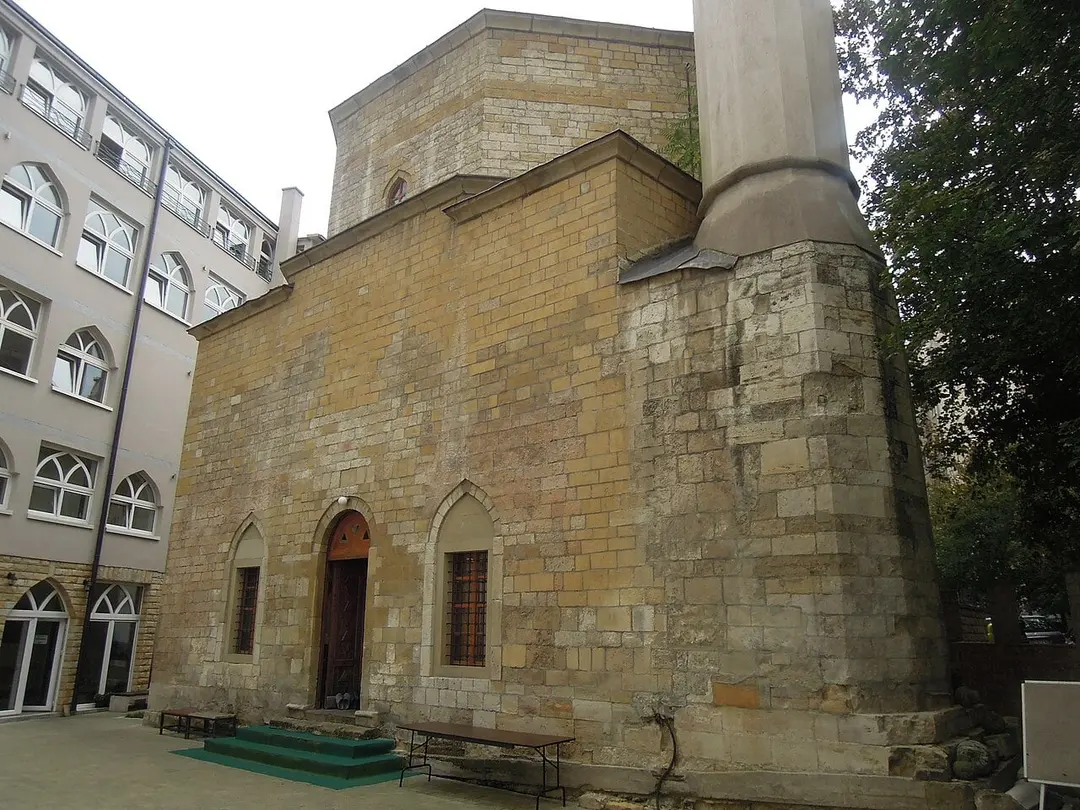
    The Bajrakli Mosque is the only one of what were once over 270 Ottoman mosques in Belgrade to have survived to the present day. Built around 1575, it stands in the Stari Grad district, the old core of Belgrade. Its unusual name – bajrakli meaning roughly "with a flag" in Turkish – dates from the late 18th century, when a flag hoisted on it signalled the start of simultaneous prayers in all other city mosques. As a protected Serbian cultural heritage site, it is a rare architectural witness to 150 years of Ottoman rule over the Serbian capital.

  • Belgrade Bus Station (BAS Beograd)

    Belgrade Bus Station (BAS Beograd)

    Belgrade

    local gems

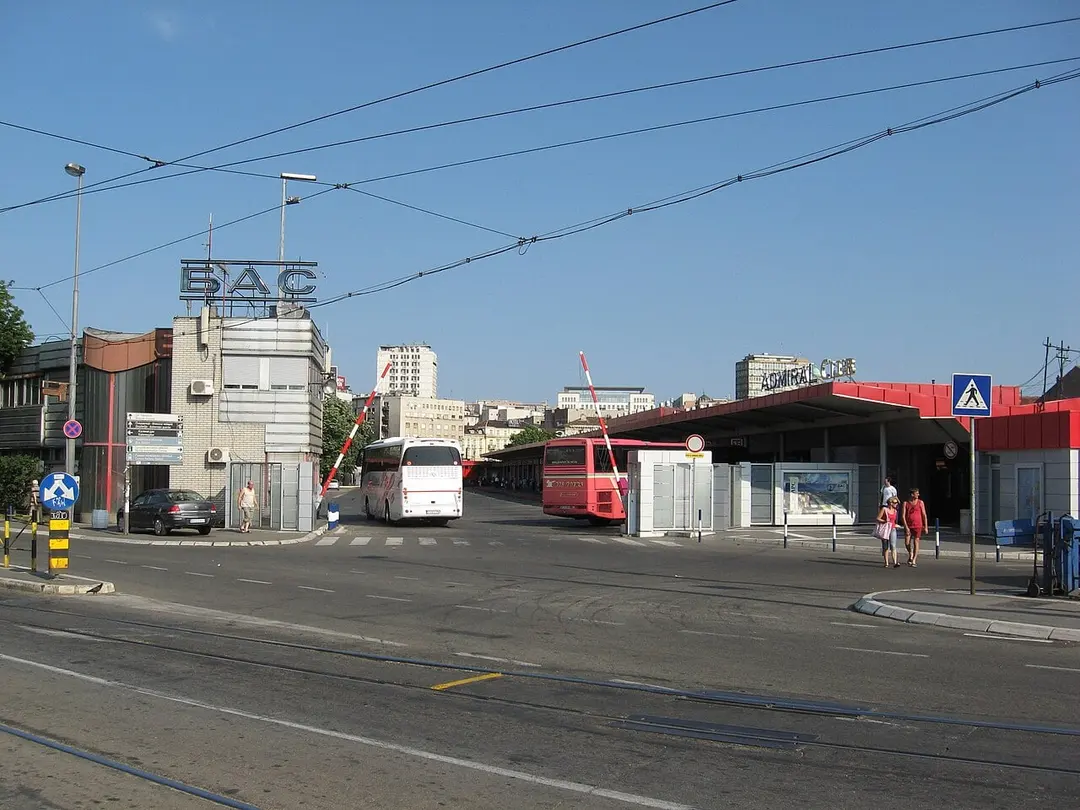
    Belgrade Bus Station, BAS Beograd, was the main long-distance bus hub of the Serbian capital. Situated in the Savski Venac district near the main railway station, it concentrated intercity connections across Serbia and to destinations across Europe. The building from the 1960s is representative of functional post-war modernism from the socialist Yugoslav era. The station in its original form is no longer operating, having been restructured as part of the Beograd na vodi (Belgrade Waterfront) urban development project.

  • Beograđanka

    Beograđanka

    Belgrade

    architecturelocal gemsgreat views

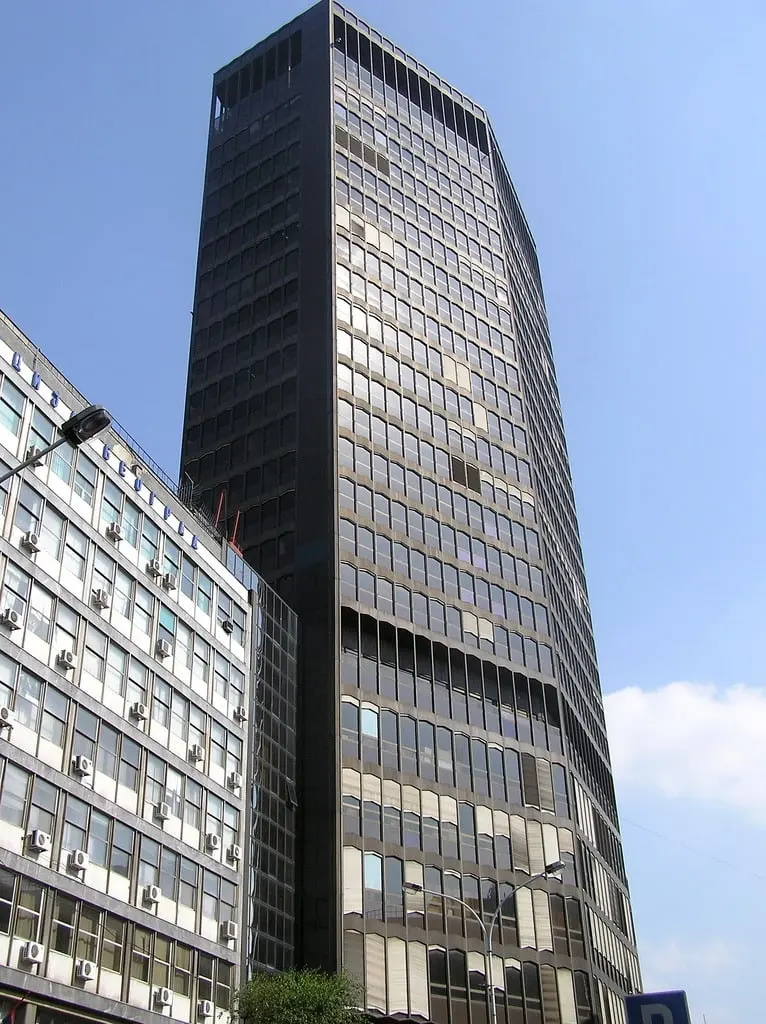
    The Beograđanka, officially also known as Belgrade Palace, is one of the most distinctive high-rise buildings in the Serbian capital. The office tower stands on Kralja Milana Street in the heart of Belgrade and is the third-tallest building in Serbia. Completed in 1974, it is a characteristic example of socialist modernism from the Yugoslav era — functional in form but impossible to miss in the cityscape. The building visually anchors the commercial core of old Belgrade and serves as a landmark for orientation in the city centre. For admirers of postwar modern architecture, the Beograđanka is a quiet but compelling monument to Yugoslav urban planning.

  • Branko Bridge (Brankov most)

    Branko Bridge (Brankov most)

    Belgrade

    architecturenaturegreat views

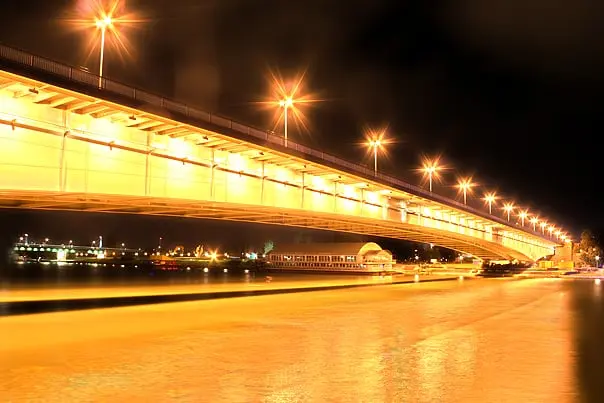
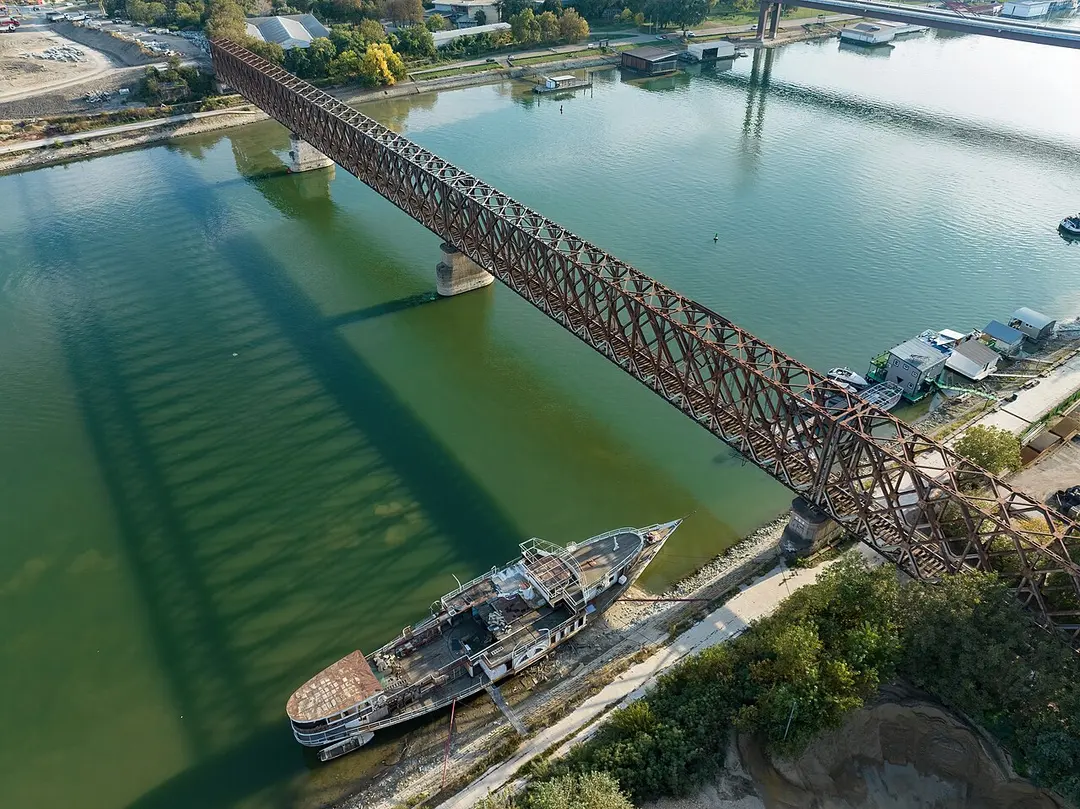
    Branko Bridge is Belgrade's second-longest bridge, connecting the historic city centre with the modern district of Novi Beograd across the Sava river. Built in 1956 on the foundations of the 1934 King Alexander Bridge – destroyed in World War II – it was for a time the only motorway bridge reconnecting Belgrade and Zemun. The bridge takes its name from Brankova Street, which extends from the old part of Belgrade toward the crossing. From its span, visitors get sweeping views of the Sava riverbanks, Kalemegdan Park, and the skyline of Novi Beograd.

  • Church of St. Alexander Nevsky

    Church of St. Alexander Nevsky

    Belgrade

    architectureculture

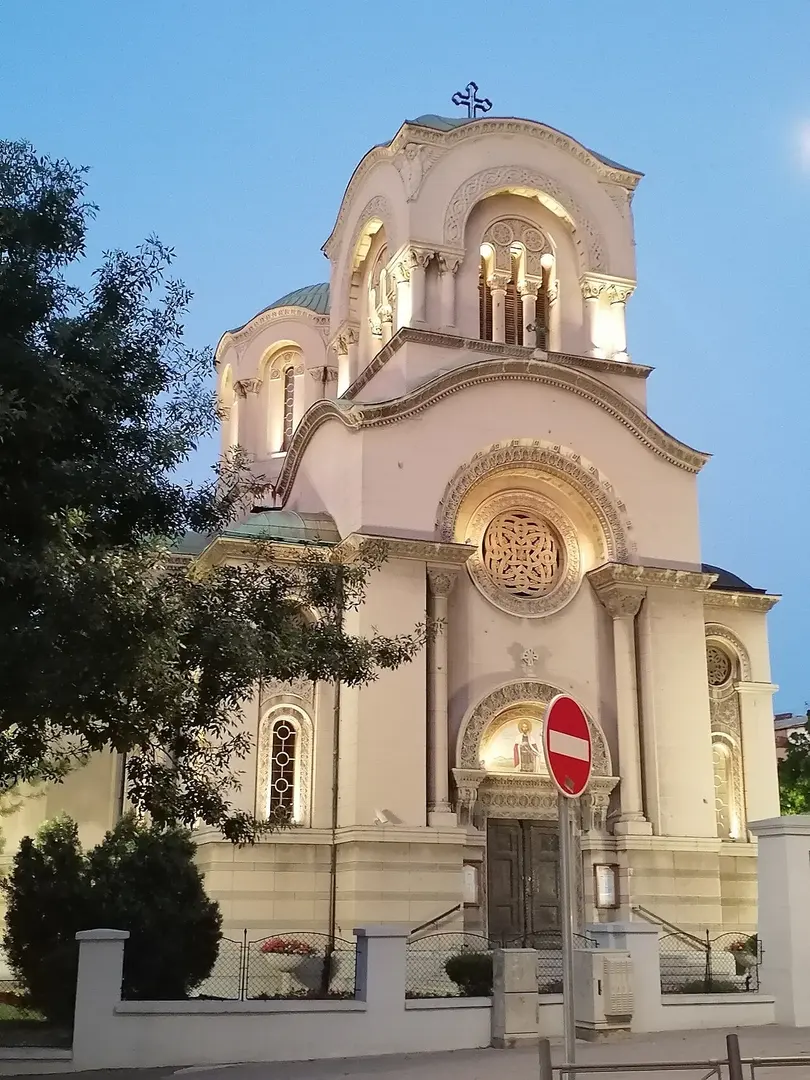
    The Church of St. Alexander Nevsky in Belgrade is a Serbian Orthodox church dedicated to the Russian saint and prince Alexander Nevsky. Built in the neo-Byzantine style and completed in 1912, it symbolises the deep religious and cultural ties between Serbia and Russia. The church is a listed protected cultural monument of Serbia and offers a peaceful retreat in the midst of the Serbian capital.

  • Church of the Ascension Belgrade

    Church of the Ascension Belgrade

    Belgrade

    architecturelocal gems

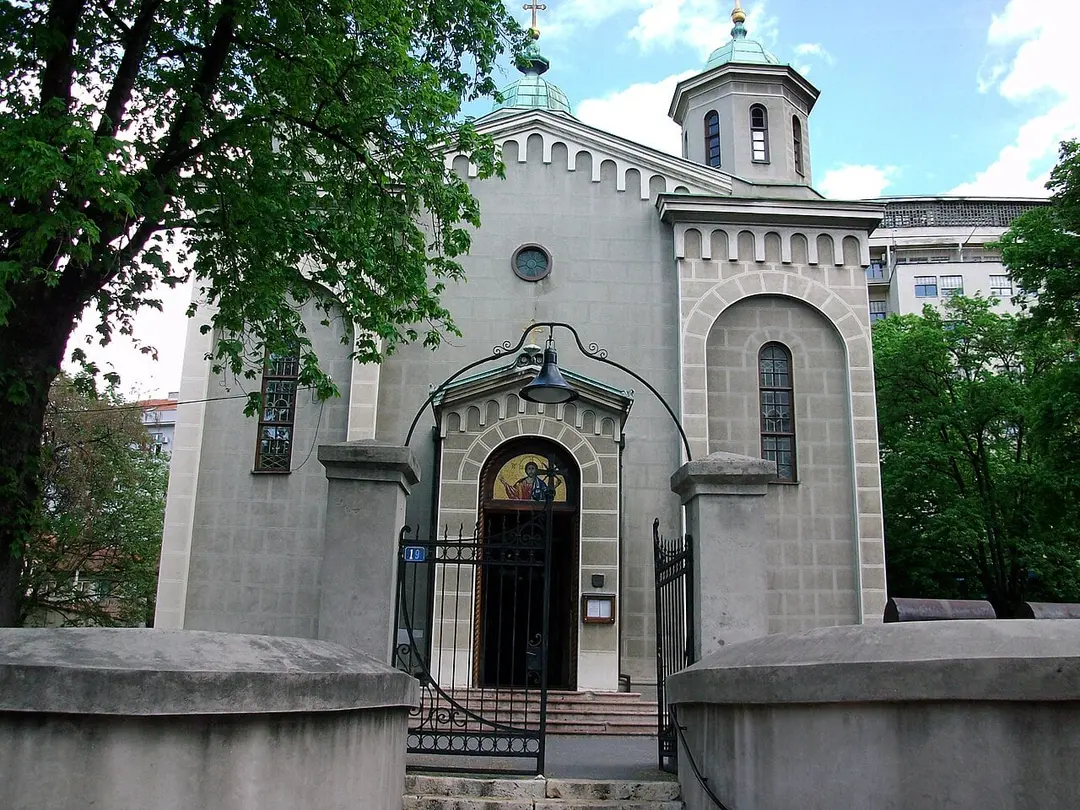
    The Church of the Ascension in central Belgrade is the city church of Belgrade – the Ascension of Christ is Belgrade's patron feast (Slava). The Serbian Orthodox church was built in 1863 and belongs to the Archeparchy of Belgrade and Karlovci. It still preserves the bell under which the Ottoman Hatisheriff was read aloud in 1830, granting autonomy to Serbia. The church was declared a cultural monument in 1969. It is a place where Serbian urban history and Orthodox devotion converge directly.

  • Monument of Gratitude to France

    Monument of Gratitude to France

    Belgrade

    culture

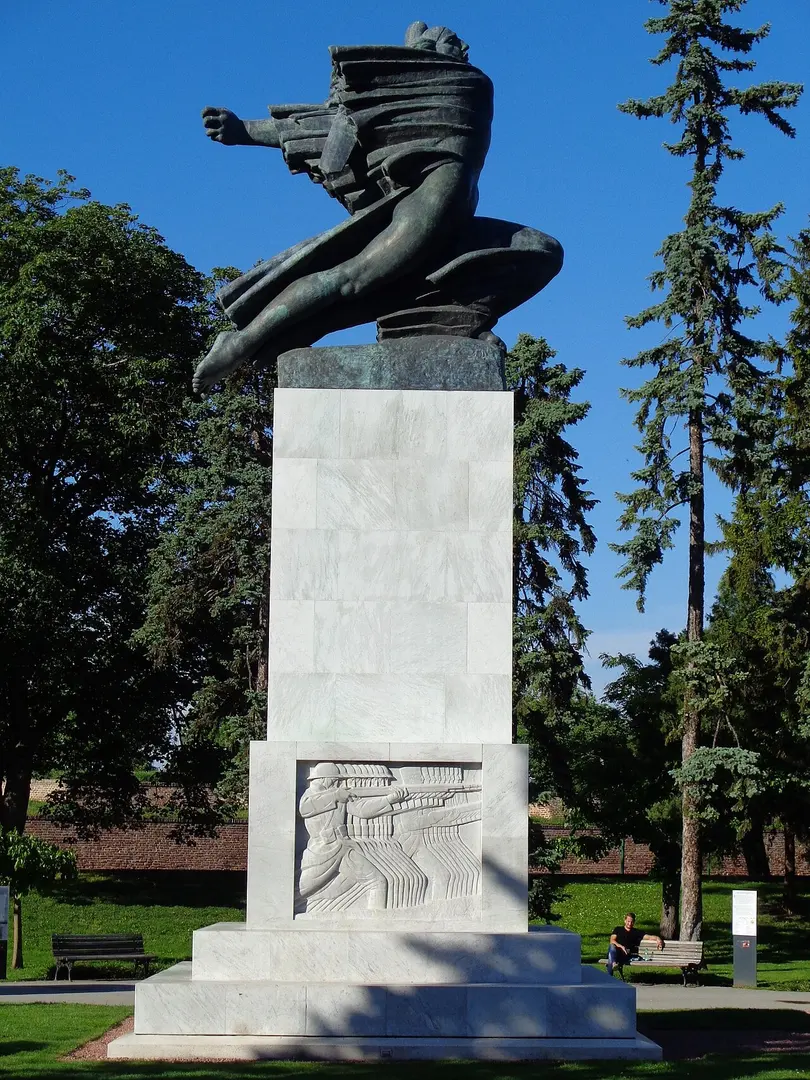
    The Monument of Gratitude to France stands in Kalemegdan Park in Belgrade and was unveiled on 11 November 1930 – twelve years to the day after the end of World War I. Sculptor Ivan Meštrović created it to express Serbian gratitude for France's military support, which many Serbians credit with saving their state after the catastrophic retreat of 1915. King Alexander and Queen Maria attended the ceremony in person alongside French government delegates and war veterans. Today it occupies one of Belgrade's busiest public parks, commemorating an alliance that Serbians still regard as foundational – while largely forgotten in France.

  • Monument to Dositej Obradović

    Monument to Dositej Obradović

    Belgrade

    culturelocal gemsknowledge

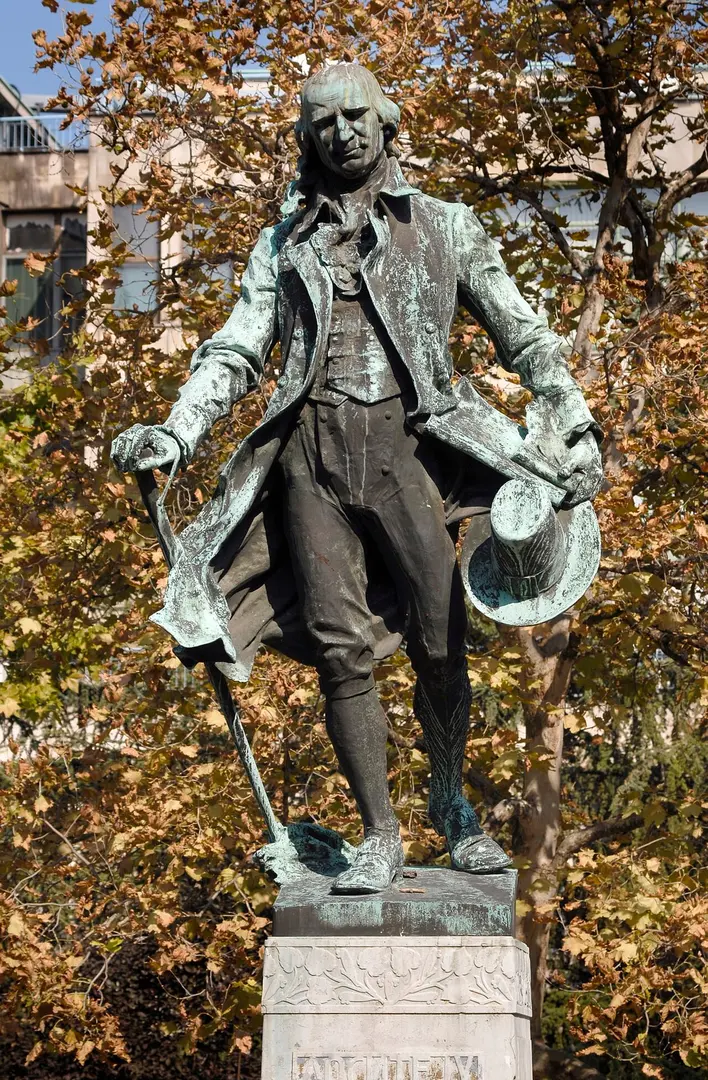
    The monument to Dositej Obradović stands in the Academy Park in Belgrade, surrounded by the buildings of Belgrade University. Obradović (1739–1811) is regarded as the greatest figure of the Serbian Enlightenment: he traveled across Europe, translated classical and modern texts into Serbian, and championed rational, secular education for ordinary people — decades before the Serbian national renaissance. He later became Serbia's first Minister of Education. The sculpture sits alongside monuments to scientists Josif Pančić and Jovan Cvijić, forming an informal hall of honor for Serbian intellectual history. It is listed as a protected cultural monument of Serbia.

  • Monument to the Unknown Hero

    Monument to the Unknown Hero

    Belgrade

    culturegreat views

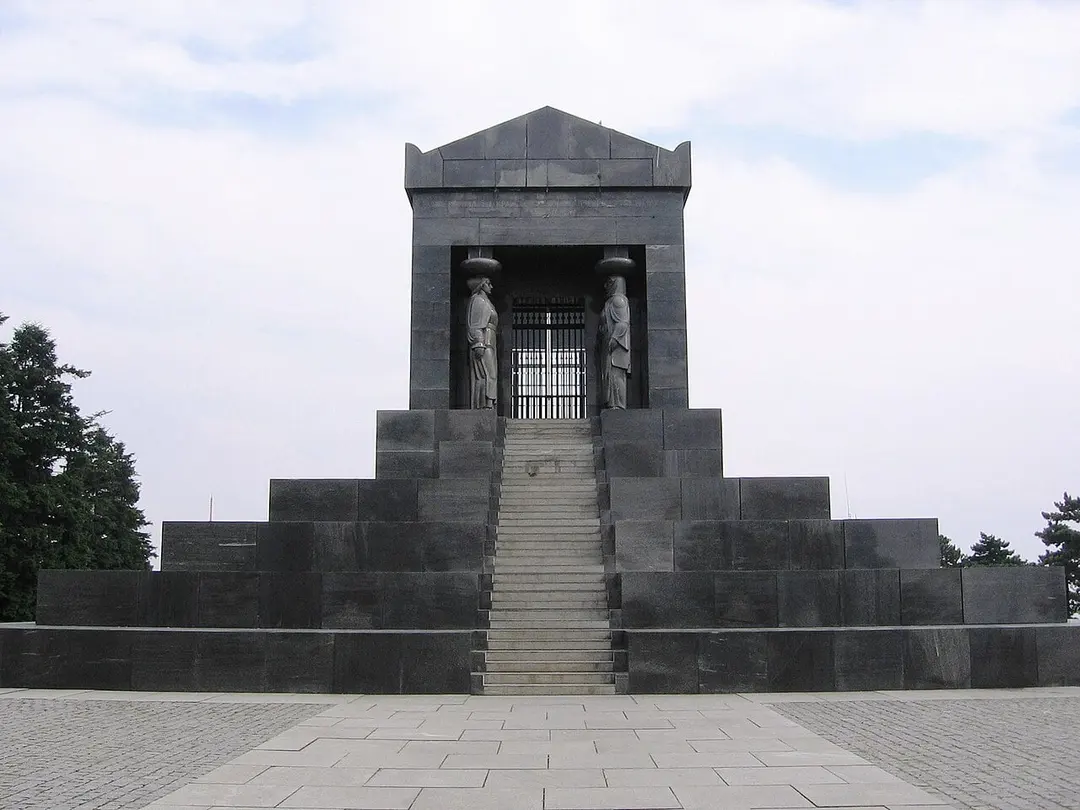
    The Monument to the Unknown Hero stands on the summit of Mount Avala south-east of Belgrade and is one of Serbia's most impressive war memorials. It was created between 1934 and 1938 by the Croatian sculptor Ivan Mestrovic, a student of Auguste Rodin. The monument in black Jablanica granite towers above eight female figures symbolising the peoples of Yugoslavia, and marks the grave of an unknown Serbian soldier from World War I. Mestrovic is considered one of the greatest sculptors of the 20th century, and this work is regarded as one of his masterpieces. The summit also offers a wide view over Belgrade and the Danube plain.

  • Museum of Yugoslavia

    Museum of Yugoslavia

    Belgrade

    local gemsknowledge

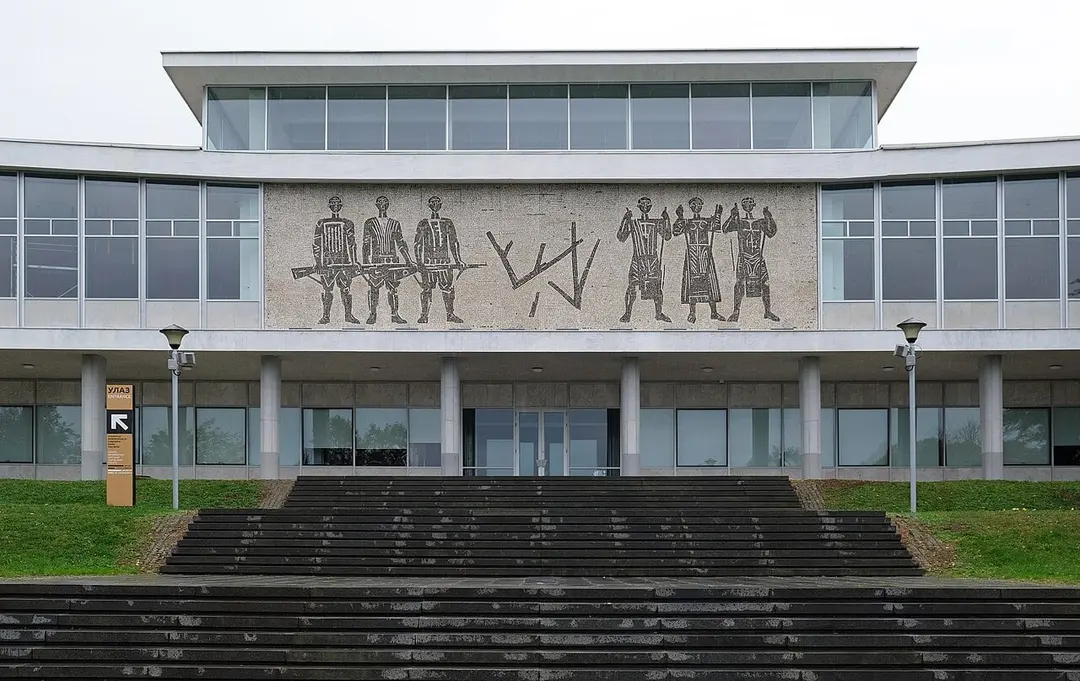
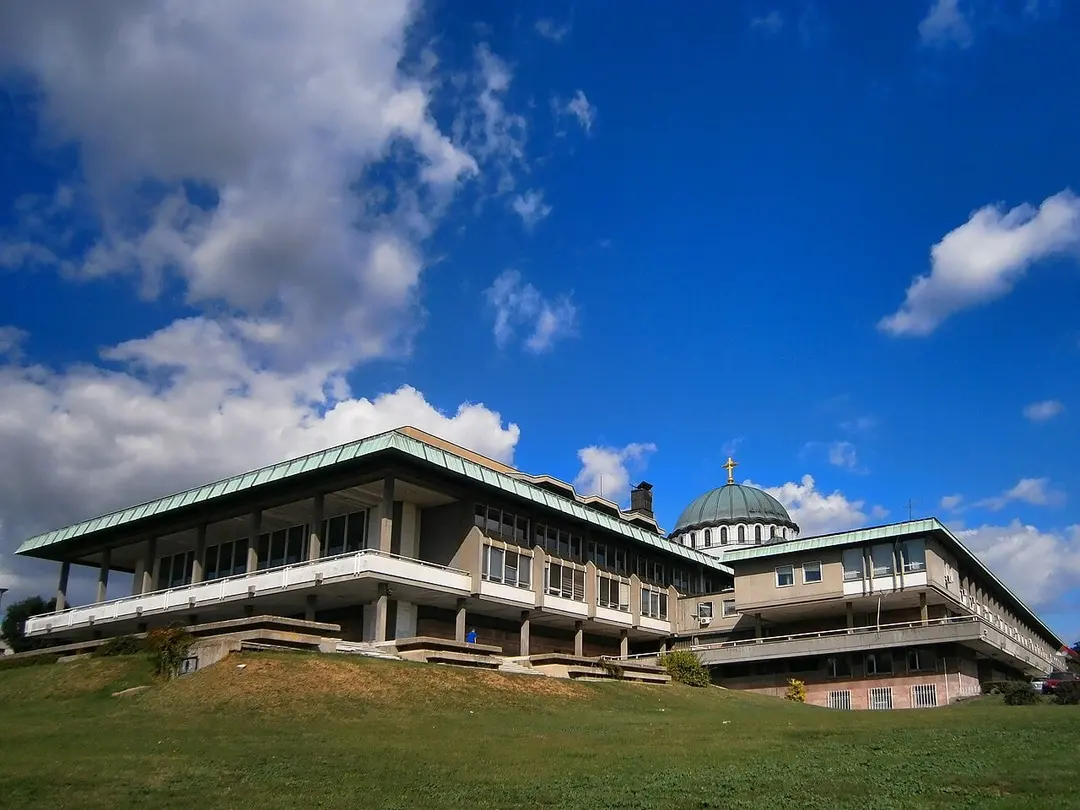
    The Museum of Yugoslavia is located in the Dedinje district of Belgrade and is dedicated to both the Kingdom and Socialist Yugoslavia – and especially to the life and legacy of Josip Broz Tito. It was established in 1996 through the merger of the Museum of the Revolution and the Tito Memorial Centre. One of its buildings houses Tito's grave, the so-called House of Flowers, which continues to attract visitors. The collection includes photographs, documents, state gifts and personal objects that shed light on Yugoslavia's complex legacy between nationalism, socialism and nostalgia.

  • Obilić Stadium Belgrade

    Obilić Stadium Belgrade

    Belgrade

    outdoor activitieslocal gemsmystery

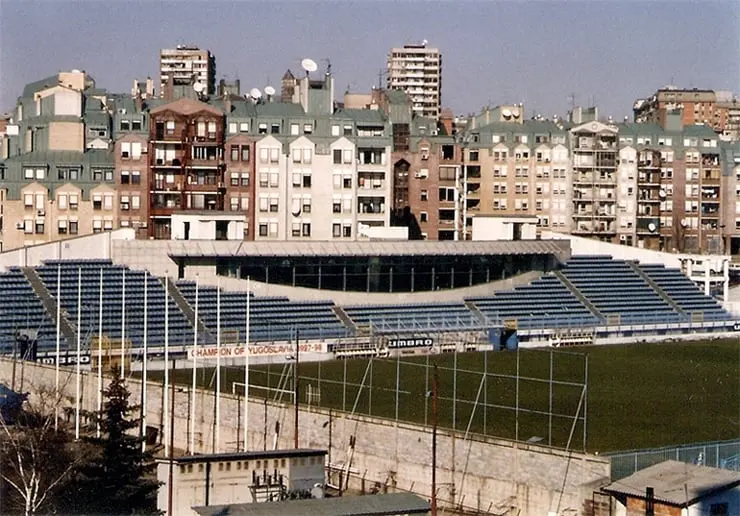
    Obilić Stadium is located in the Vračar municipality of Belgrade, with seating for around 4,500. It is named after the Serbian knight Miloš Obilić and was the home ground of FK Obilić – a club that won the Yugoslav championship in 1998 under owner Željko Ražnatović in one of the most controversial title wins in football history. The club withdrew from competition in 2015 and exists only on paper; the stadium is now rented out. It was also used during the 2011 UEFA European Under-17 Championship. The ground is a quiet relic of a politically charged era in Serbian football.

  • Ruins of the National Library of Serbia (1941)

    Ruins of the National Library of Serbia (1941)

    Belgrade

    architecturecultureknowledge+1

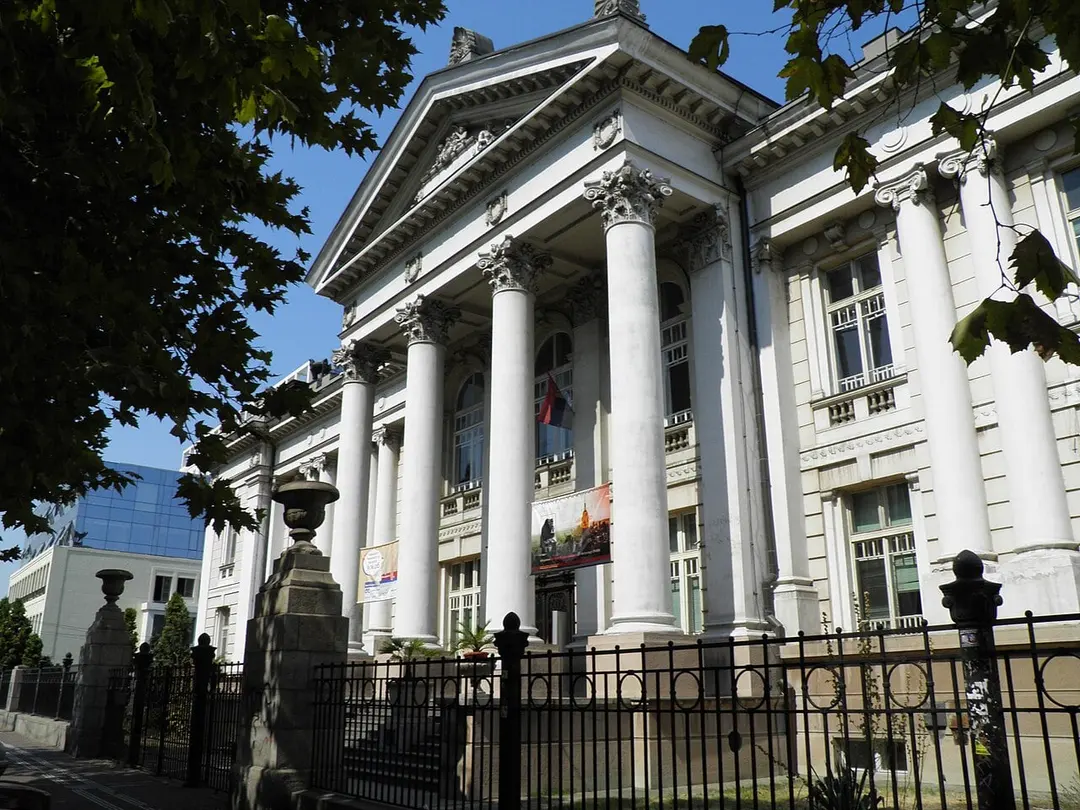
    The National Library of Serbia was founded in 1832 by Prince Miloš Obrenović and became the country's most important archive, housing medieval manuscripts from the 12th century, incunabula, and millions of other documents. On April 6, 1941, German air raids destroyed much of the building and its irreplaceable collections — including manuscripts with no copies elsewhere. The date is considered one of the darkest in Serbian cultural history. The surviving ruins and a nearby modern building stand as a quiet reminder of what war can do to a nation's cultural memory.

  • Zemun

    Zemun

    Belgrade

    culturenaturelocal gems

    Zemun is a district of Belgrade that was its own independent town until 1934 and still retains a distinctive character. Situated on a peninsula at the confluence of the Sava and Danube rivers, it was once separated from Belgrade proper by fields and waterways. Its historic centre, with narrow streets, riverside cafés, and the Gardoš hill viewpoint overlooking the Danube, feels markedly different from central Belgrade. The rapid construction of New Belgrade in the late 20th century merged the two urban areas physically, but Zemun's old core has kept much of its pre-war atmosphere.

  • Menorah in Flames

    Menorah in Flames

    Belgrade

    architectureculturenature

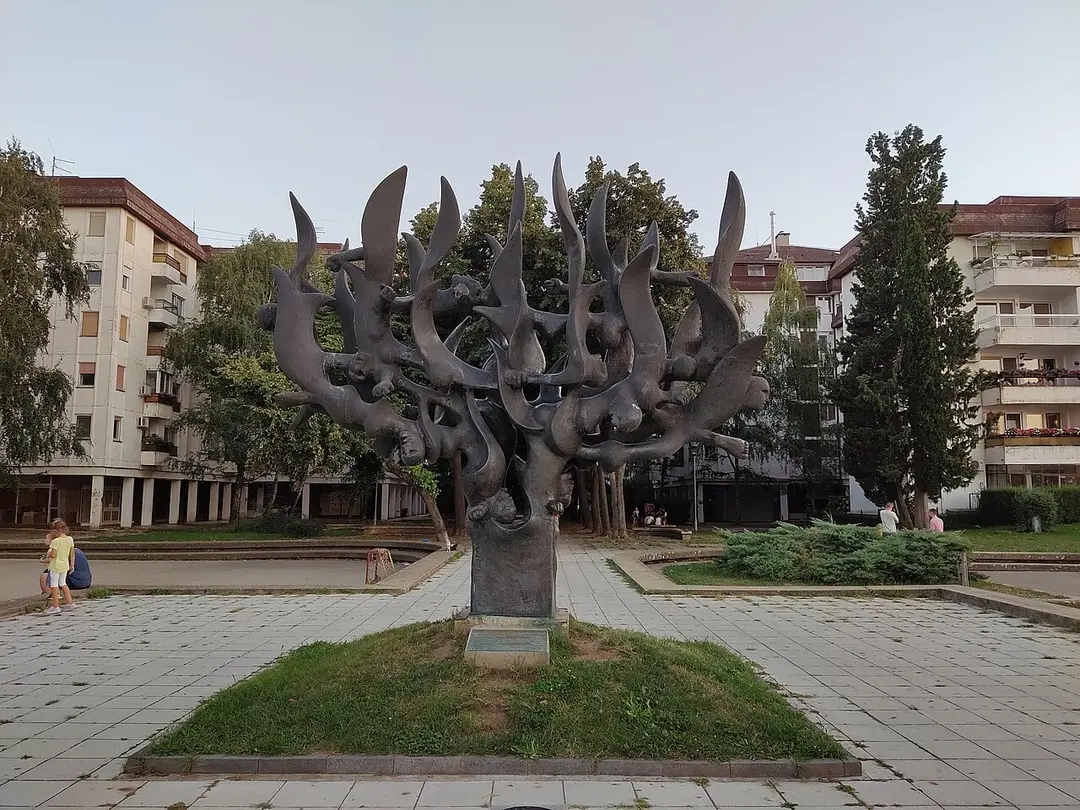
    Menorah in Flames is a powerful bronze memorial on the Danube riverbank in Dorcol, Belgrade historic Jewish quarter. It commemorates the Jewish victims of the Nazi genocide in Serbia during World War II. Yugoslav artist and Holocaust survivor Nandor Glid created the sculpture — a burning menorah whose arms transform into tormented human figures. It was unveiled on October 21, 1990. The memorial is considered one of the most significant monuments in Southeast Europe, inviting quiet remembrance and reflection.

Keep exploring

These places are just the beginning.

Rate places with a swipe — TravelType learns from your tags what you love and curates your own map. Private until you choose to share.

Create your profile