TravelType

architecture

Architecture in Belgrade

Belgrade layers centuries of architectural styles within a compact city centre. Knez Mihailova Street forms the historic spine of the old town, while the Beograđanka skyscraper stands as a landmark of socialist modernism. Religious diversity is reflected in buildings such as the Cathedral Church of St. Michael the Archangel, the Church of St. Alexander Nevsky, the Church of the Ascension, and the Bajrakli Mosque. Across the Sava and Danube rivers, structures from different eras define the skyline — from the Gazela and Branko bridges to the cable-stayed Ada Bridge and the Beška Bridge. The Belgrade Arena adds a contemporary large-scale dimension to the city's built environment.

14 places · Belgrade, Serbia · Editorially curated

  • Ada Bridge (Belgrade)

    Ada Bridge (Belgrade)

    Belgrade

    naturegreat views

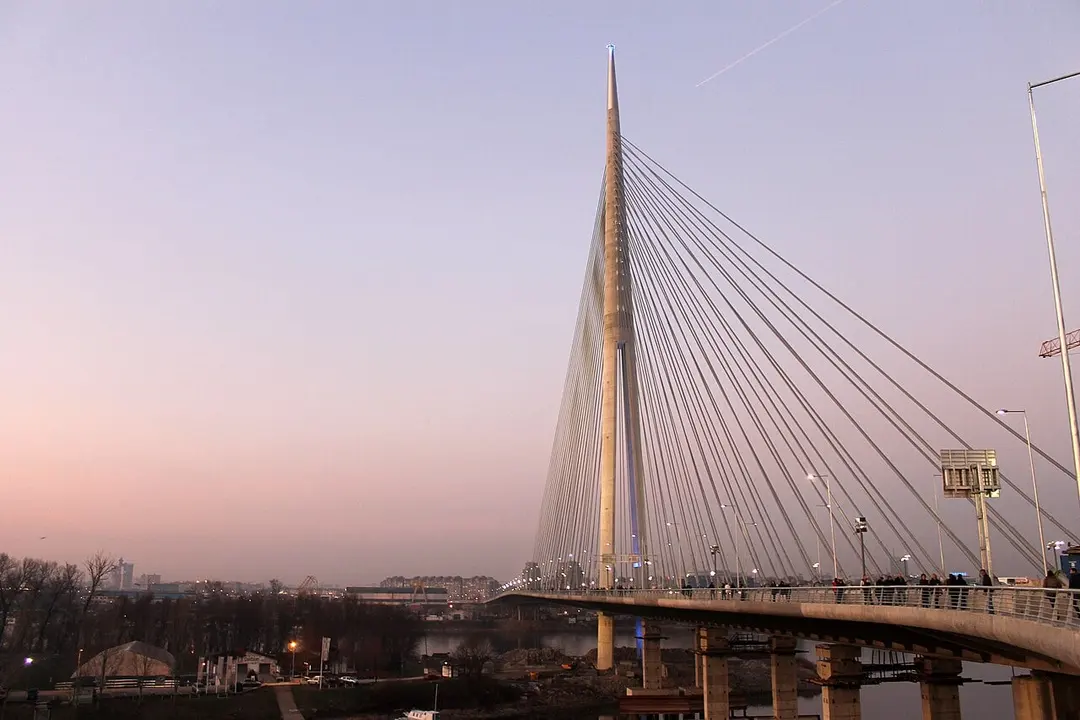
    The Ada Bridge is a combined road and rail cable-stayed bridge over the Sava River in Belgrade, opened on 1 January 2012. Its slender pylon stands at the tip of Ada Ciganlija island, which was reinforced with concrete and slightly extended to bear the foundations. The bridge connects the districts of Novi Beograd and Čukarica and ranks among the most modern engineering works in Serbia. In the evenings, the illuminated cable structure makes the bridge a striking sight from the riverside promenades.
  • Avala – Mountain near Belgrade

    Avala – Mountain near Belgrade

    Belgrade

    naturehistoryoutdoor activities+1

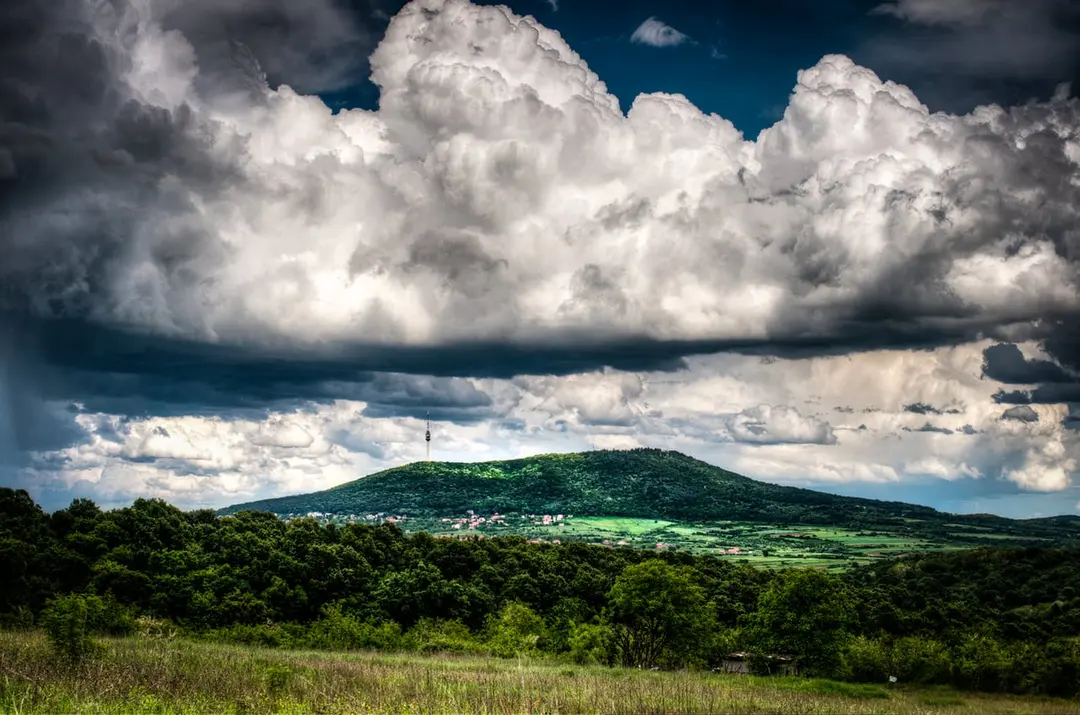
    Avala is a 511 m hill about 18 km south of central Belgrade and has been a nature reserve since 1859. In the Middle Ages a fortress on its summit controlled the approach to the city. In 1938 the Tomb of the Unknown Soldier was built here – a work by sculptor Ivan Meštrović commemorating Serbian fallen of the First World War. The distinctive Avala Tower, destroyed by NATO in 1999 and rebuilt in 2009, now offers a panoramic viewing platform. From the summit you can see Belgrade, the Vojvodina plains, and on clear days deep into Šumadija.

  • Bajrakli Mosque Belgrade

    Bajrakli Mosque Belgrade

    Belgrade

    historylocal gemsmystery

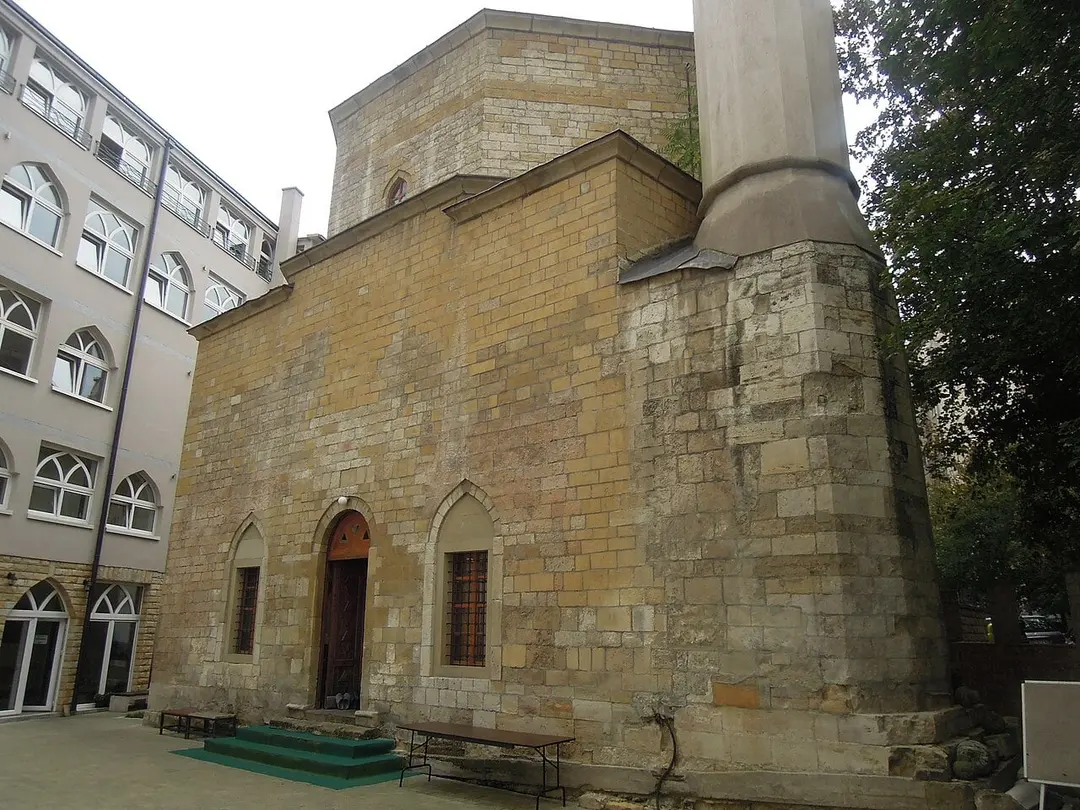
    The Bajrakli Mosque is the only one of what were once over 270 Ottoman mosques in Belgrade to have survived to the present day. Built around 1575, it stands in the Stari Grad district, the old core of Belgrade. Its unusual name – bajrakli meaning roughly "with a flag" in Turkish – dates from the late 18th century, when a flag hoisted on it signalled the start of simultaneous prayers in all other city mosques. As a protected Serbian cultural heritage site, it is a rare architectural witness to 150 years of Ottoman rule over the Serbian capital.

  • Belgrade Arena

    Belgrade Arena

    Belgrade

    cultureoutdoor activities

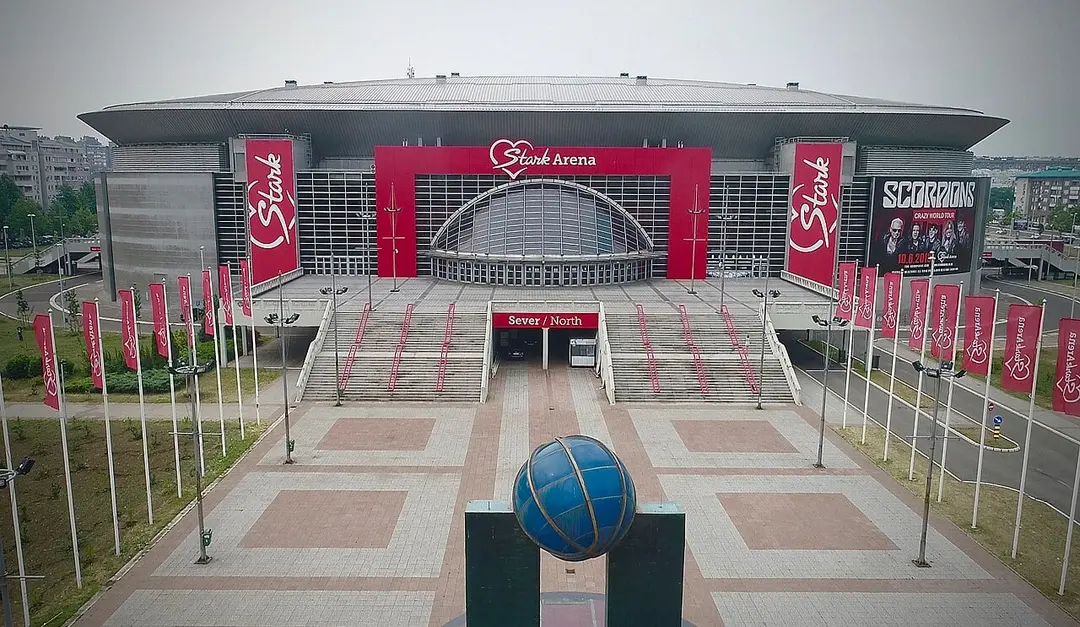
    The Belgrade Arena in Novi Beograd is the largest multi-purpose indoor arena in Serbia and one of the biggest in Southeast Europe, with over 18,000 seats. Since opening in 2004 it has operated under various sponsor names — Kombank Arena, Štark Arena — before reverting to Belgrade Arena in April 2024. The venue has hosted major international concerts including Madonna and the Rolling Stones, alongside basketball, handball, tennis, and water polo. Serbia's strong basketball tradition means the arena sees some of Europe's most passionate domestic sport atmospheres.

  • Beograđanka

    Beograđanka

    Belgrade

    historylocal gemsgreat views

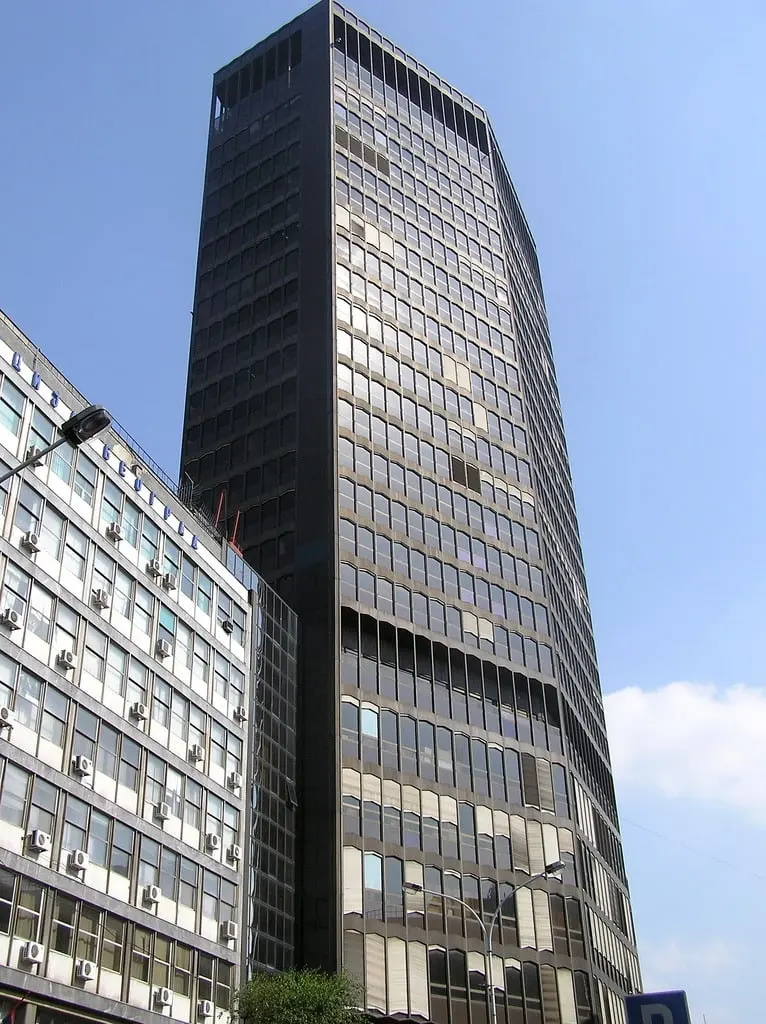
    The Beograđanka, officially also known as Belgrade Palace, is one of the most distinctive high-rise buildings in the Serbian capital. The office tower stands on Kralja Milana Street in the heart of Belgrade and is the third-tallest building in Serbia. Completed in 1974, it is a characteristic example of socialist modernism from the Yugoslav era — functional in form but impossible to miss in the cityscape. The building visually anchors the commercial core of old Belgrade and serves as a landmark for orientation in the city centre. For admirers of postwar modern architecture, the Beograđanka is a quiet but compelling monument to Yugoslav urban planning.

  • Beška Bridge

    Beška Bridge

    Belgrade

    outdoor activitieslocal gems

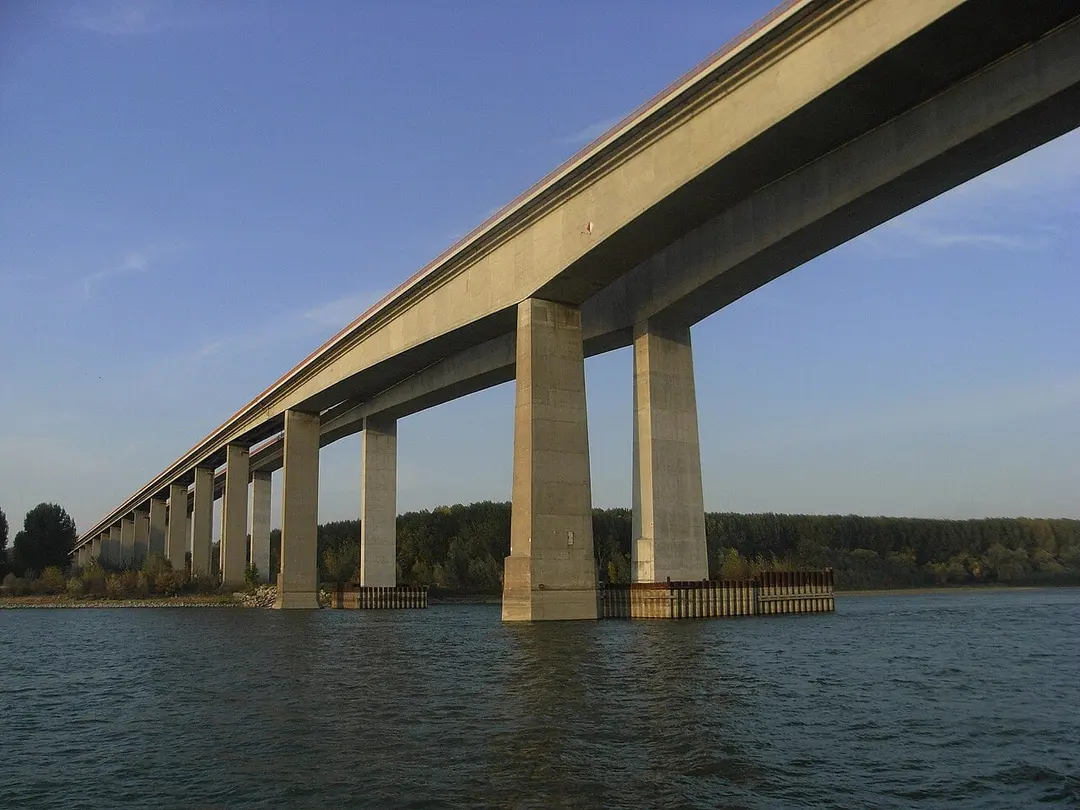
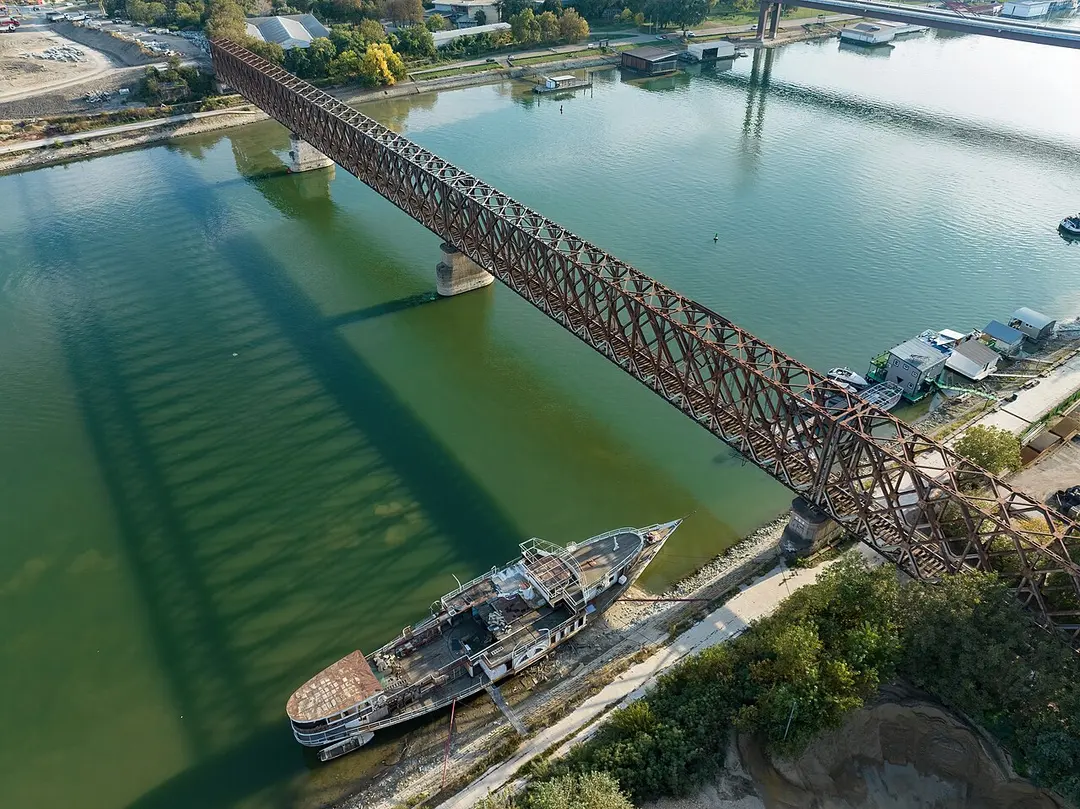
    Beška Bridge crosses the Danube near Beška in Serbia's Vojvodina province, carrying the E75 European route and the Serbian A1 motorway. It consists of two near-identical prestressed concrete structures: the first completed in 1975, the second added alongside it in 2011 to handle growing traffic. At 2,205 metres in total length, it was for a long time the longest bridge over the Danube. The flat Vojvodina plain makes crossing the Danube on this route particularly striking — the wide river valley opens up before the bridge spans the current.

  • Branko Bridge (Brankov most)

    Branko Bridge (Brankov most)

    Belgrade

    naturehistorygreat views

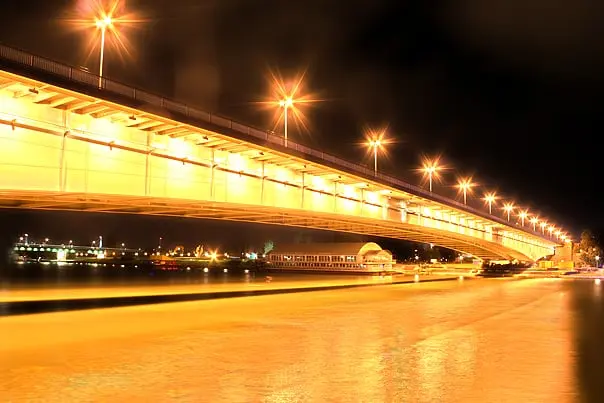
    Branko Bridge is Belgrade's second-longest bridge, connecting the historic city centre with the modern district of Novi Beograd across the Sava river. Built in 1956 on the foundations of the 1934 King Alexander Bridge – destroyed in World War II – it was for a time the only motorway bridge reconnecting Belgrade and Zemun. The bridge takes its name from Brankova Street, which extends from the old part of Belgrade toward the crossing. From its span, visitors get sweeping views of the Sava riverbanks, Kalemegdan Park, and the skyline of Novi Beograd.

  • Church of St. Alexander Nevsky

    Church of St. Alexander Nevsky

    Belgrade

    culturehistory

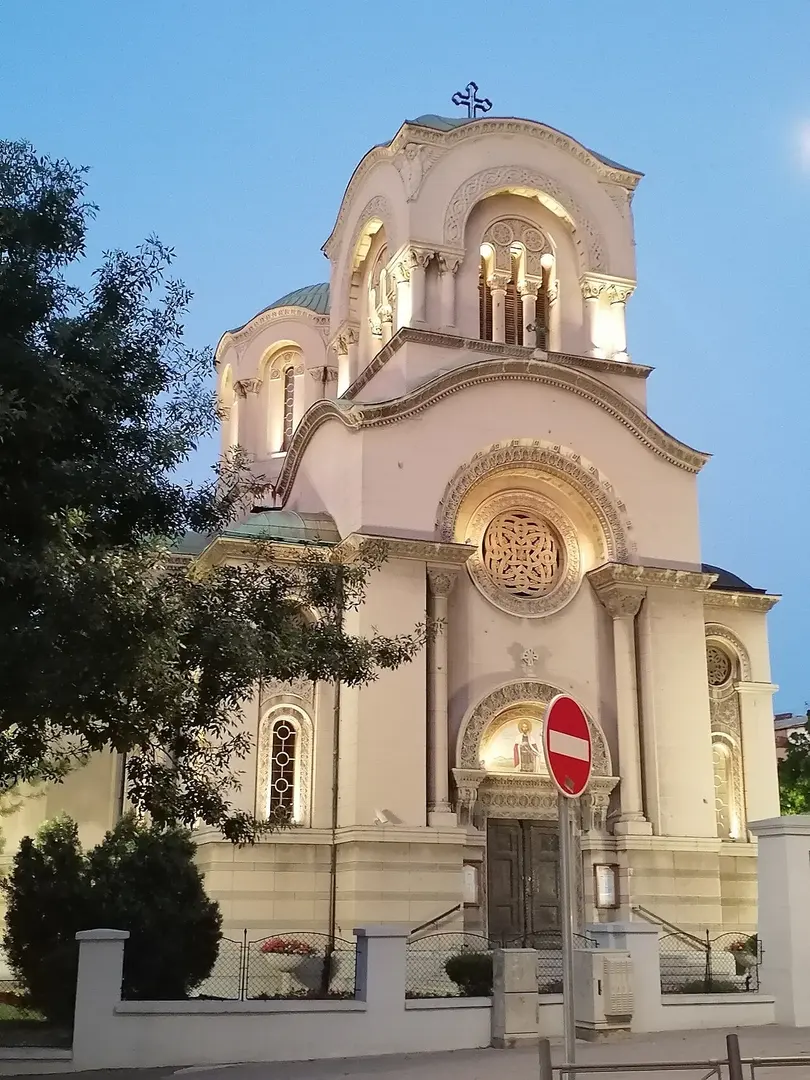
    The Church of St. Alexander Nevsky in Belgrade is a Serbian Orthodox church dedicated to the Russian saint and prince Alexander Nevsky. Built in the neo-Byzantine style and completed in 1912, it symbolises the deep religious and cultural ties between Serbia and Russia. The church is a listed protected cultural monument of Serbia and offers a peaceful retreat in the midst of the Serbian capital.

  • Church of the Ascension Belgrade

    Church of the Ascension Belgrade

    Belgrade

    historylocal gems

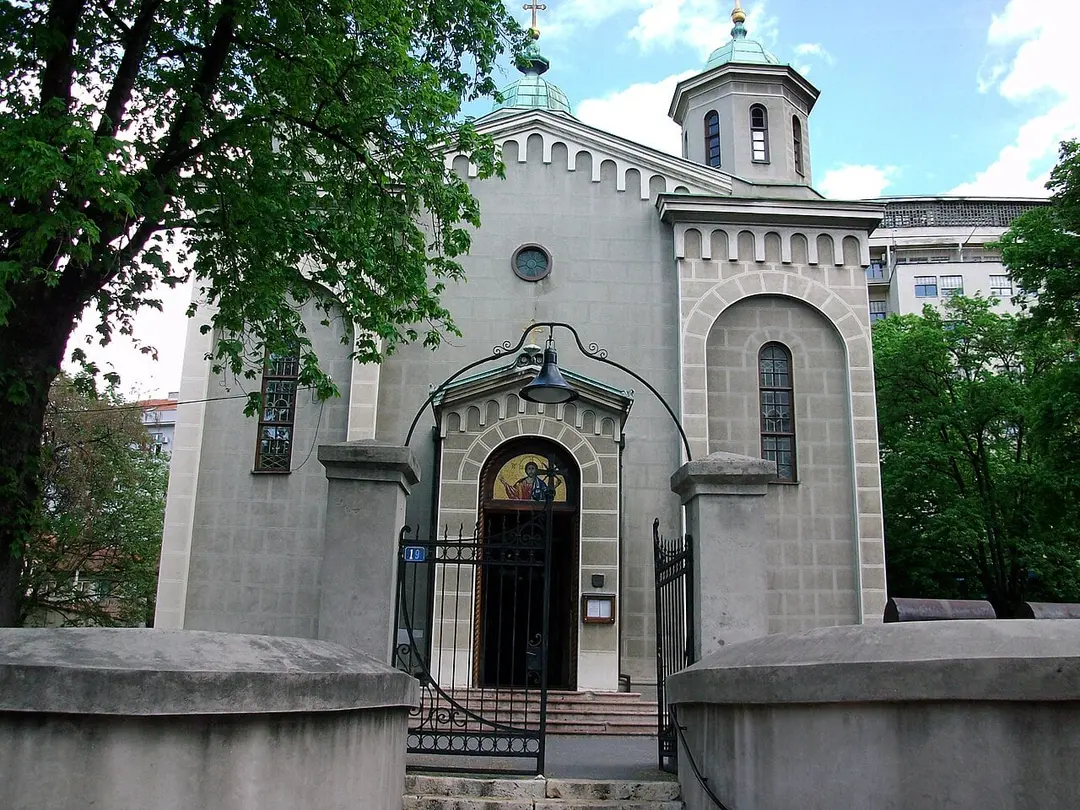
    The Church of the Ascension in central Belgrade is the city church of Belgrade – the Ascension of Christ is Belgrade's patron feast (Slava). The Serbian Orthodox church was built in 1863 and belongs to the Archeparchy of Belgrade and Karlovci. It still preserves the bell under which the Ottoman Hatisheriff was read aloud in 1830, granting autonomy to Serbia. The church was declared a cultural monument in 1969. It is a place where Serbian urban history and Orthodox devotion converge directly.

  • Knez Mihailova Street

    Knez Mihailova Street

    Belgrade

    cultureoutdoor activitieslocal gems+1

    Knez Mihailova Street is Belgrade's most famous street and the vibrant heart of public life in Serbia's capital. A pedestrian zone lined with grand palaces from the 1870s to 1920s, it offers cafes, international shops, and street music. Named after Prince Mihailo Obrenovic III, the entire street is heritage-protected and connects Kalemegdan Fortress with the central Republic Square.

  • Ruins of the National Library of Serbia (1941)

    Ruins of the National Library of Serbia (1941)

    Belgrade

    culturehistoryknowledge+1

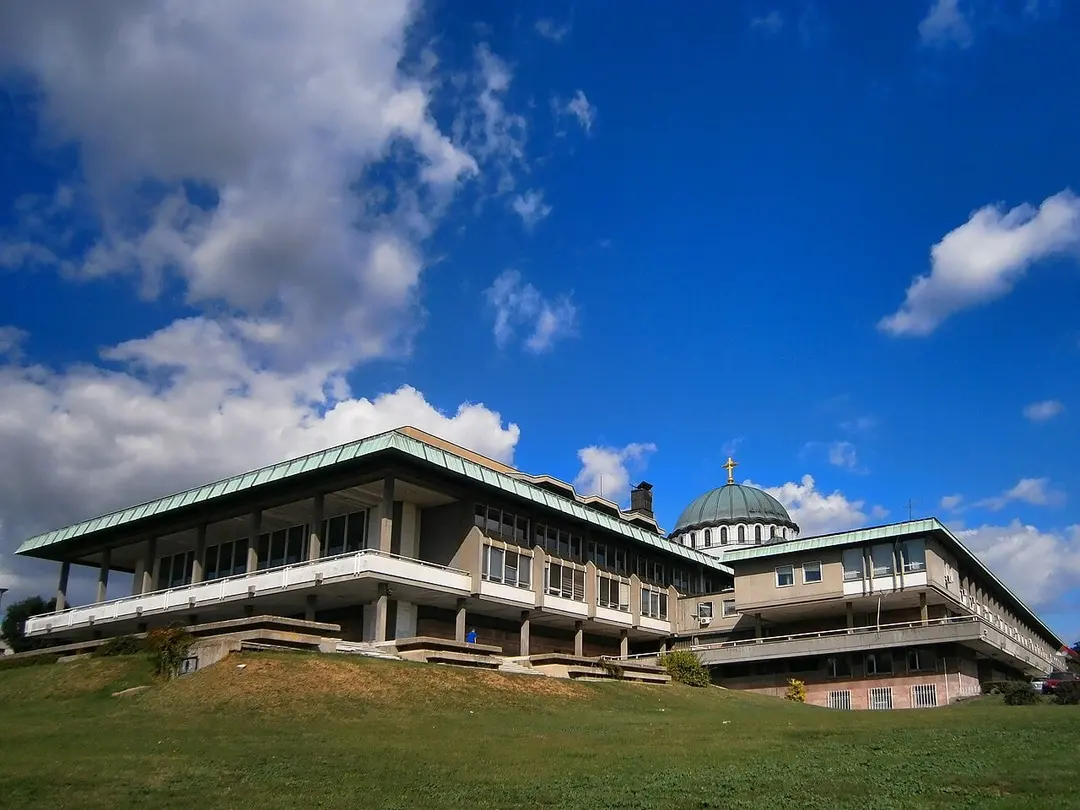
    The National Library of Serbia was founded in 1832 by Prince Miloš Obrenović and became the country's most important archive, housing medieval manuscripts from the 12th century, incunabula, and millions of other documents. On April 6, 1941, German air raids destroyed much of the building and its irreplaceable collections — including manuscripts with no copies elsewhere. The date is considered one of the darkest in Serbian cultural history. The surviving ruins and a nearby modern building stand as a quiet reminder of what war can do to a nation's cultural memory.

  • Menorah in Flames

    Menorah in Flames

    Belgrade

    culturenaturehistory

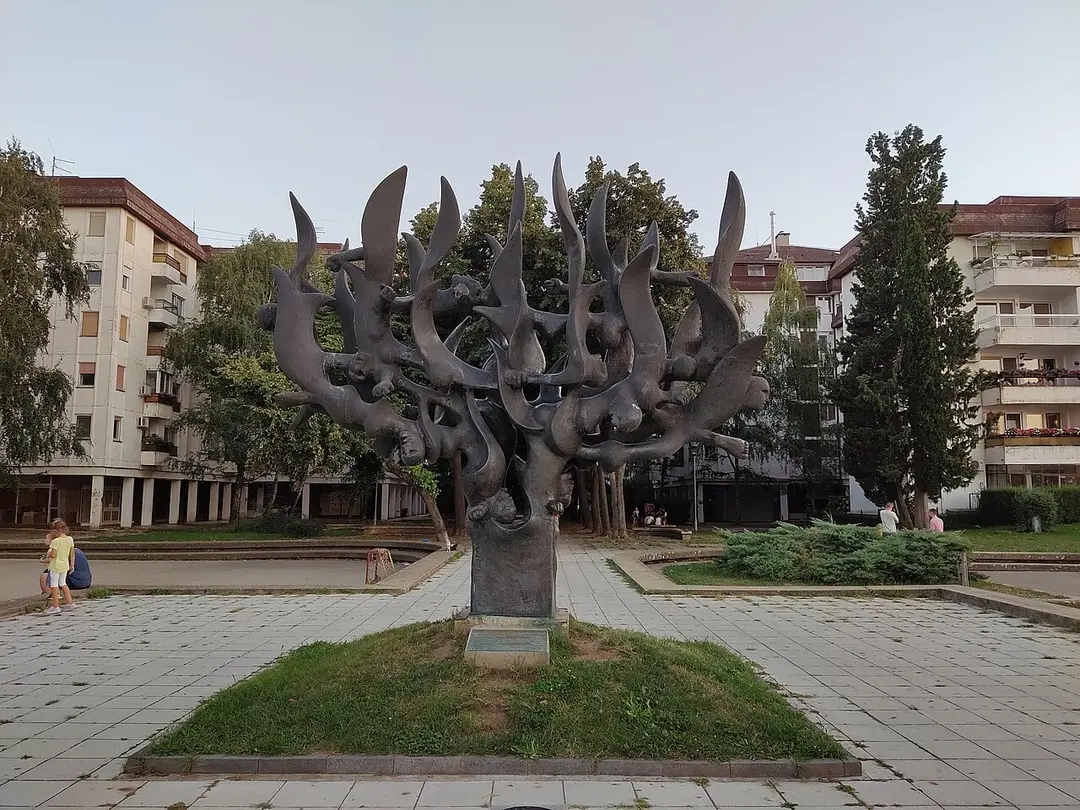
    Menorah in Flames is a powerful bronze memorial on the Danube riverbank in Dorcol, Belgrade historic Jewish quarter. It commemorates the Jewish victims of the Nazi genocide in Serbia during World War II. Yugoslav artist and Holocaust survivor Nandor Glid created the sculpture — a burning menorah whose arms transform into tormented human figures. It was unveiled on October 21, 1990. The memorial is considered one of the most significant monuments in Southeast Europe, inviting quiet remembrance and reflection.

Keep exploring

These places are just the beginning.

Rate places with a swipe — TravelType learns from your tags what you love and curates your own map. Private until you choose to share.

Create your profile