TravelType

culture

Culture in Belgrade

Belgrade, Serbia's capital at the confluence of the Sava and Danube rivers, layers its cultural history across neighbourhoods and eras. Knez Mihailova Street forms a historic spine through the city centre, flanked by 19th-century mansions such as Manak's House and Jevrem Grujić's House. The Ethnographic Museum charts Serbian folk traditions, while the Kraljevski dvor and the Church of St. Alexander Nevsky reflect the city's royal and religious heritage. The House of Flowers and the Banjica concentration camp memorial address more recent and painful chapters of history. Monuments to Dositej Obradović and to France, alongside the Monument to the Unknown Hero, complete a layered portrait of Belgrade's cultural landscape.

12 places · Belgrade, Serbia · Editorially curated

  • Belgrade Arena

    Belgrade Arena

    Belgrade

    architectureoutdoor activities

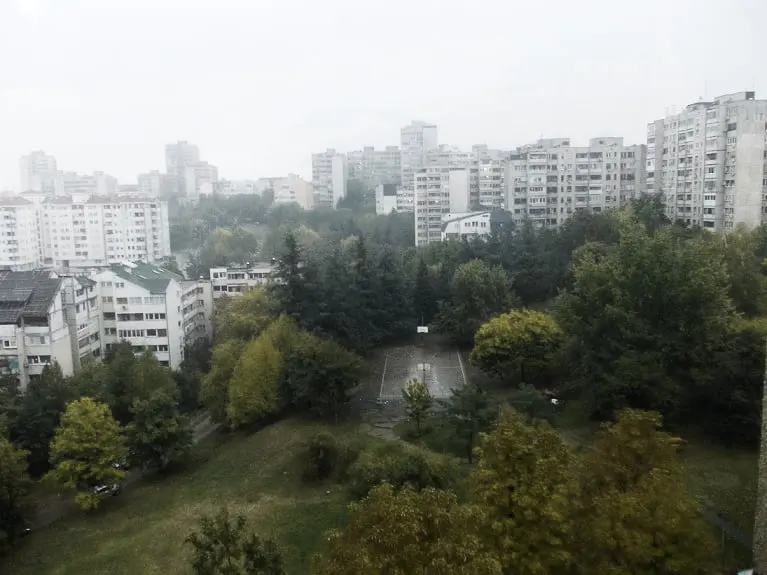
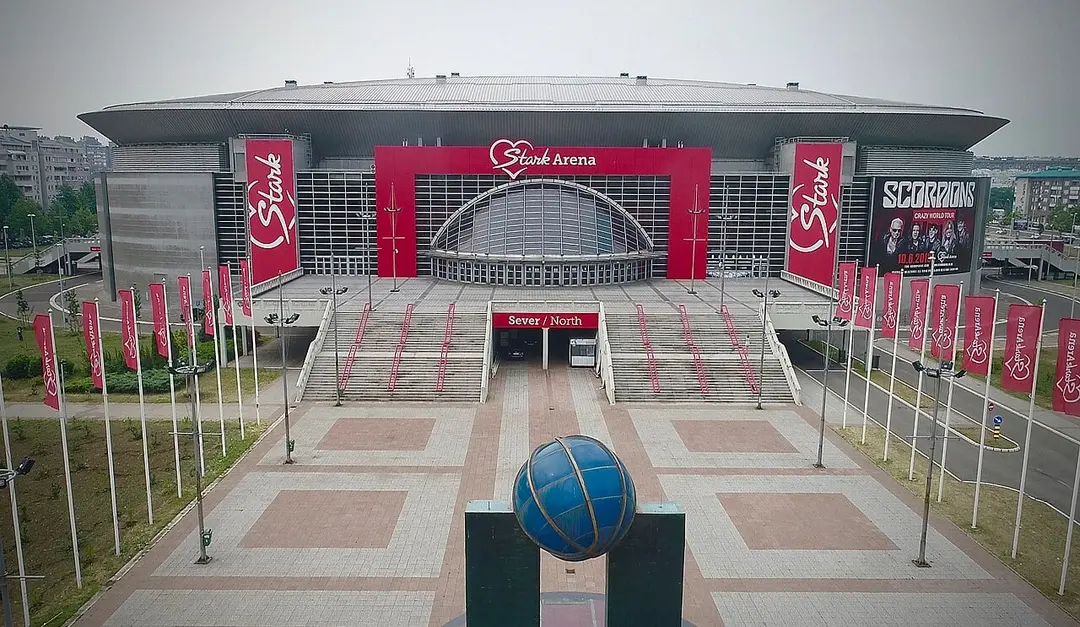
    The Belgrade Arena in Novi Beograd is the largest multi-purpose indoor arena in Serbia and one of the biggest in Southeast Europe, with over 18,000 seats. Since opening in 2004 it has operated under various sponsor names — Kombank Arena, Štark Arena — before reverting to Belgrade Arena in April 2024. The venue has hosted major international concerts including Madonna and the Rolling Stones, alongside basketball, handball, tennis, and water polo. Serbia's strong basketball tradition means the arena sees some of Europe's most passionate domestic sport atmospheres.
  • Church of St. Alexander Nevsky

    Church of St. Alexander Nevsky

    Belgrade

    architecturehistory

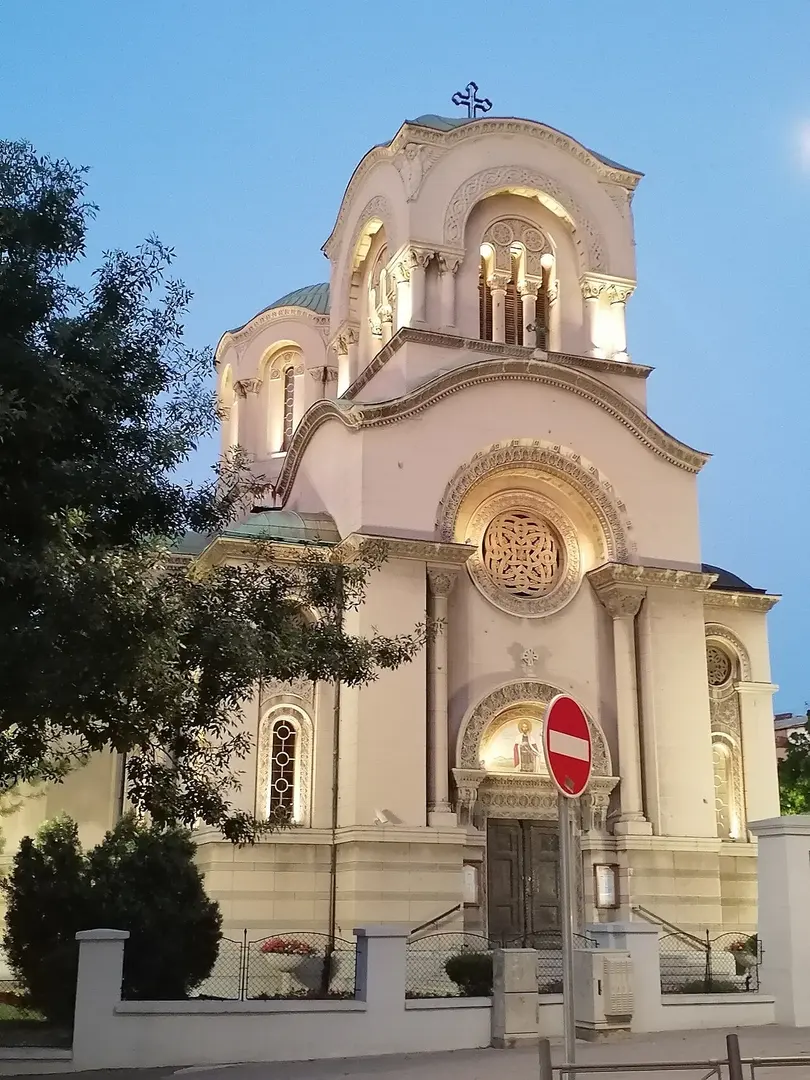
    The Church of St. Alexander Nevsky in Belgrade is a Serbian Orthodox church dedicated to the Russian saint and prince Alexander Nevsky. Built in the neo-Byzantine style and completed in 1912, it symbolises the deep religious and cultural ties between Serbia and Russia. The church is a listed protected cultural monument of Serbia and offers a peaceful retreat in the midst of the Serbian capital.

  • Knez Mihailova Street

    Knez Mihailova Street

    Belgrade

    architectureoutdoor activitieslocal gems+1

    Knez Mihailova Street is Belgrade's most famous street and the vibrant heart of public life in Serbia's capital. A pedestrian zone lined with grand palaces from the 1870s to 1920s, it offers cafes, international shops, and street music. Named after Prince Mihailo Obrenovic III, the entire street is heritage-protected and connects Kalemegdan Fortress with the central Republic Square.

  • Monument of Gratitude to France

    Monument of Gratitude to France

    Belgrade

    history

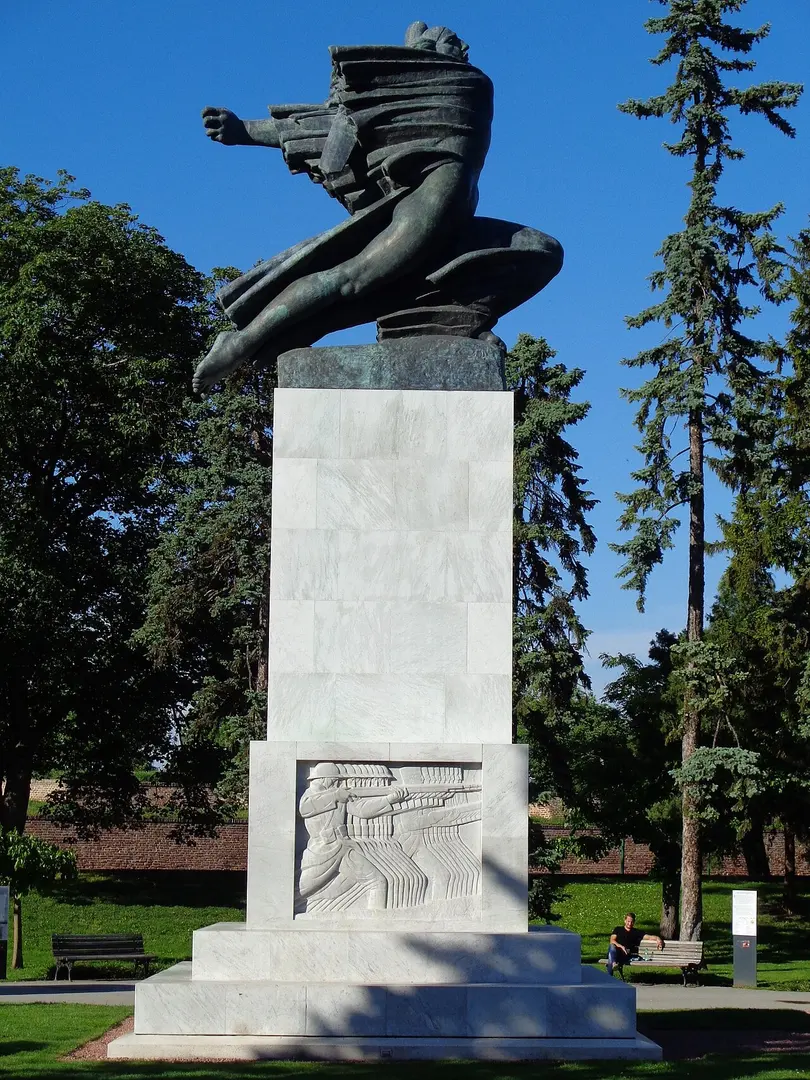
    The Monument of Gratitude to France stands in Kalemegdan Park in Belgrade and was unveiled on 11 November 1930 – twelve years to the day after the end of World War I. Sculptor Ivan Meštrović created it to express Serbian gratitude for France's military support, which many Serbians credit with saving their state after the catastrophic retreat of 1915. King Alexander and Queen Maria attended the ceremony in person alongside French government delegates and war veterans. Today it occupies one of Belgrade's busiest public parks, commemorating an alliance that Serbians still regard as foundational – while largely forgotten in France.

  • Monument to Dositej Obradović

    Monument to Dositej Obradović

    Belgrade

    historylocal gemsknowledge

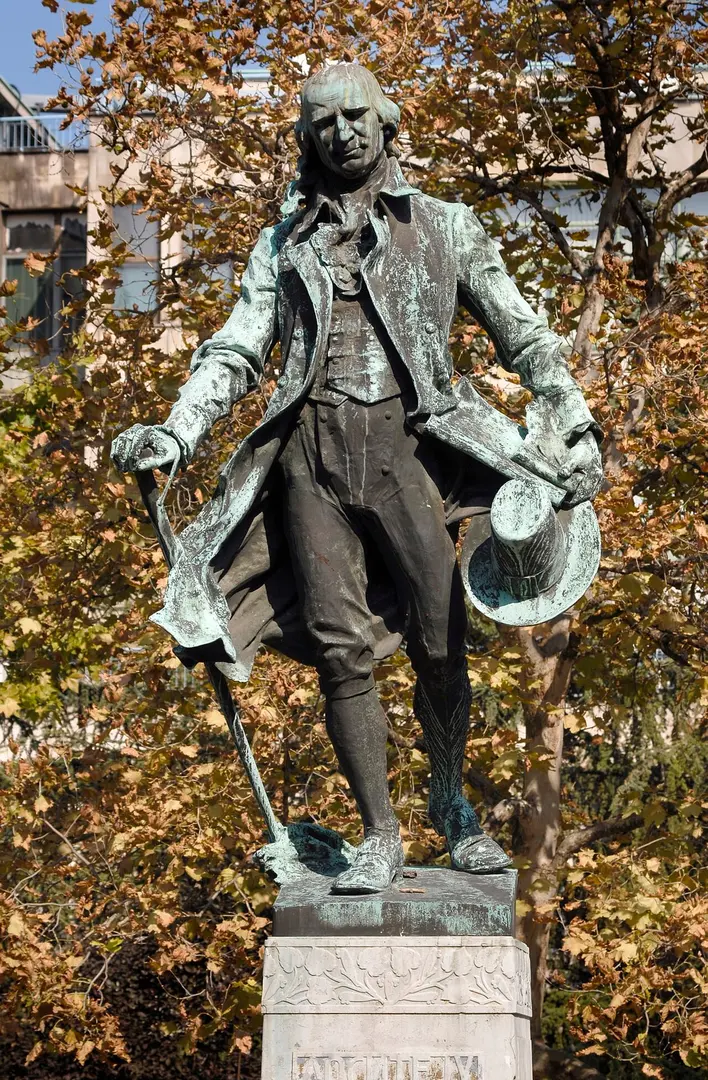
    The monument to Dositej Obradović stands in the Academy Park in Belgrade, surrounded by the buildings of Belgrade University. Obradović (1739–1811) is regarded as the greatest figure of the Serbian Enlightenment: he traveled across Europe, translated classical and modern texts into Serbian, and championed rational, secular education for ordinary people — decades before the Serbian national renaissance. He later became Serbia's first Minister of Education. The sculpture sits alongside monuments to scientists Josif Pančić and Jovan Cvijić, forming an informal hall of honor for Serbian intellectual history. It is listed as a protected cultural monument of Serbia.

  • Monument to the Unknown Hero

    Monument to the Unknown Hero

    Belgrade

    historygreat views

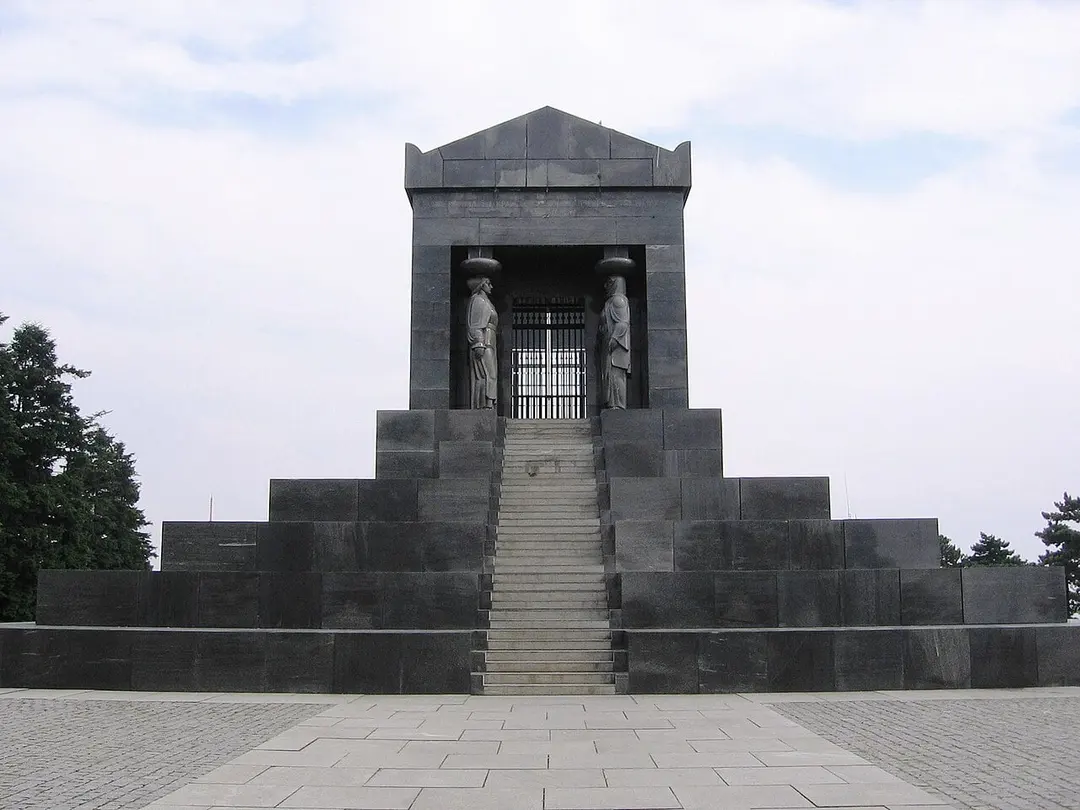
    The Monument to the Unknown Hero stands on the summit of Mount Avala south-east of Belgrade and is one of Serbia's most impressive war memorials. It was created between 1934 and 1938 by the Croatian sculptor Ivan Mestrovic, a student of Auguste Rodin. The monument in black Jablanica granite towers above eight female figures symbolising the peoples of Yugoslavia, and marks the grave of an unknown Serbian soldier from World War I. Mestrovic is considered one of the greatest sculptors of the 20th century, and this work is regarded as one of his masterpieces. The summit also offers a wide view over Belgrade and the Danube plain.

  • Ruins of the National Library of Serbia (1941)

    Ruins of the National Library of Serbia (1941)

    Belgrade

    architecturehistoryknowledge+1

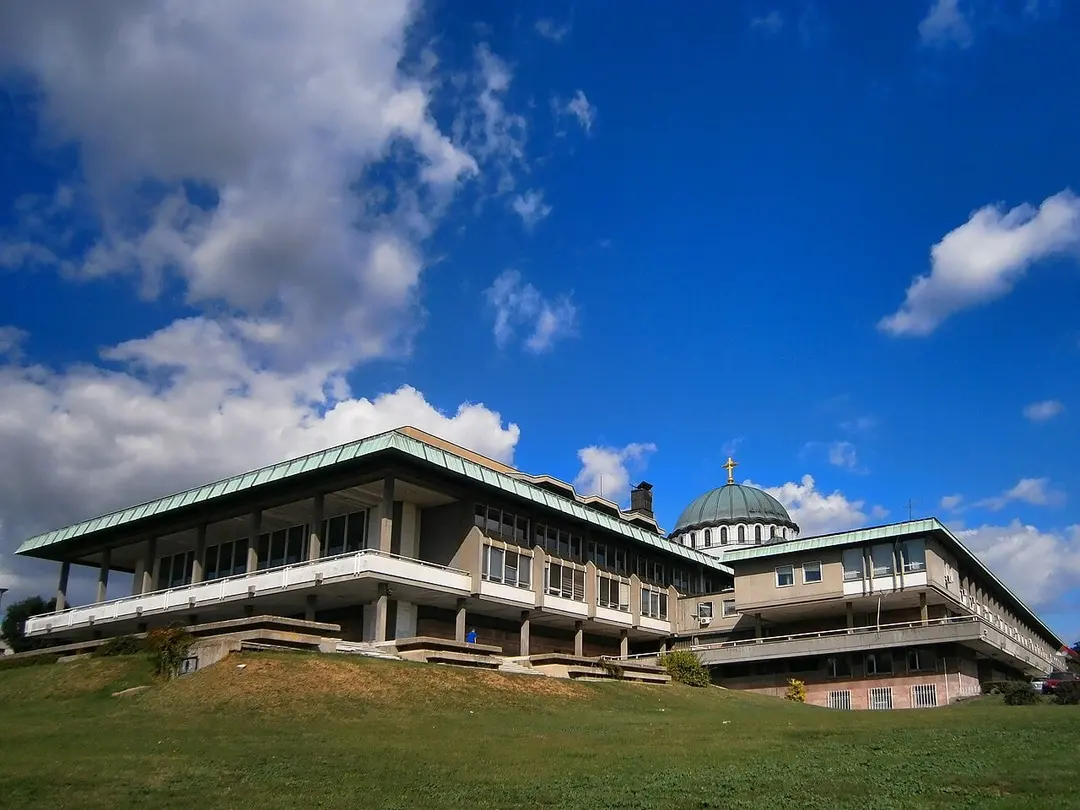
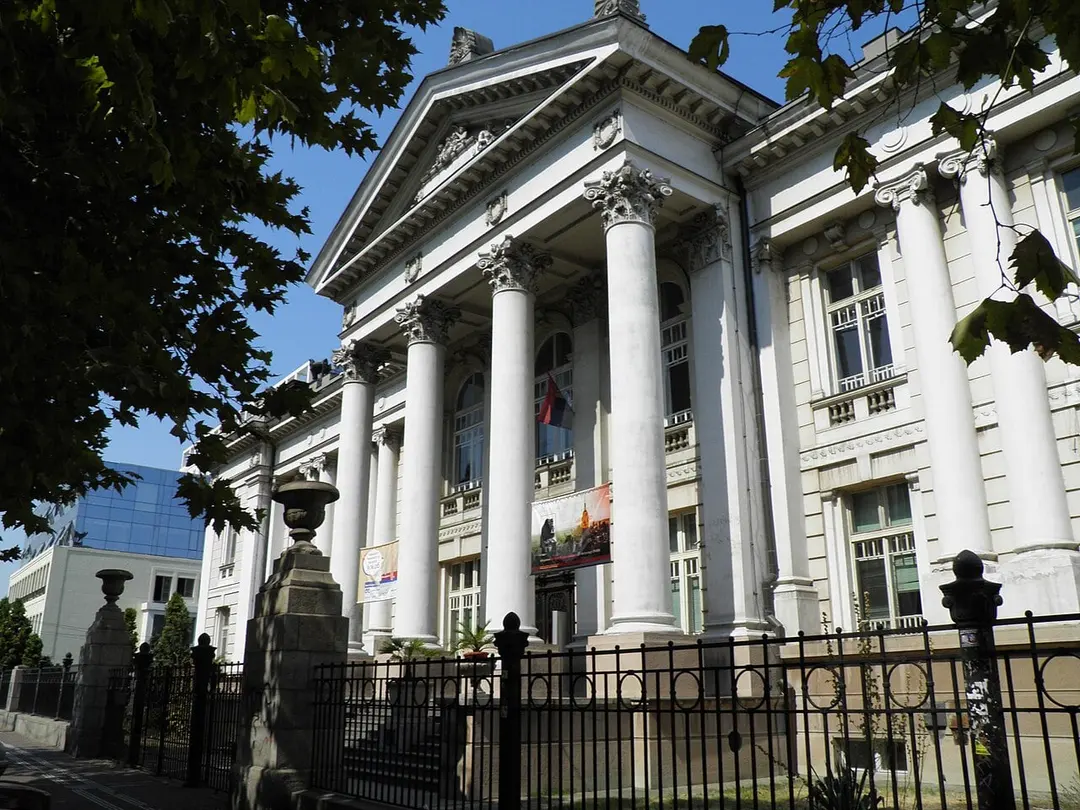
    The National Library of Serbia was founded in 1832 by Prince Miloš Obrenović and became the country's most important archive, housing medieval manuscripts from the 12th century, incunabula, and millions of other documents. On April 6, 1941, German air raids destroyed much of the building and its irreplaceable collections — including manuscripts with no copies elsewhere. The date is considered one of the darkest in Serbian cultural history. The surviving ruins and a nearby modern building stand as a quiet reminder of what war can do to a nation's cultural memory.

  • Zemun

    Zemun

    Belgrade

    naturehistorylocal gems

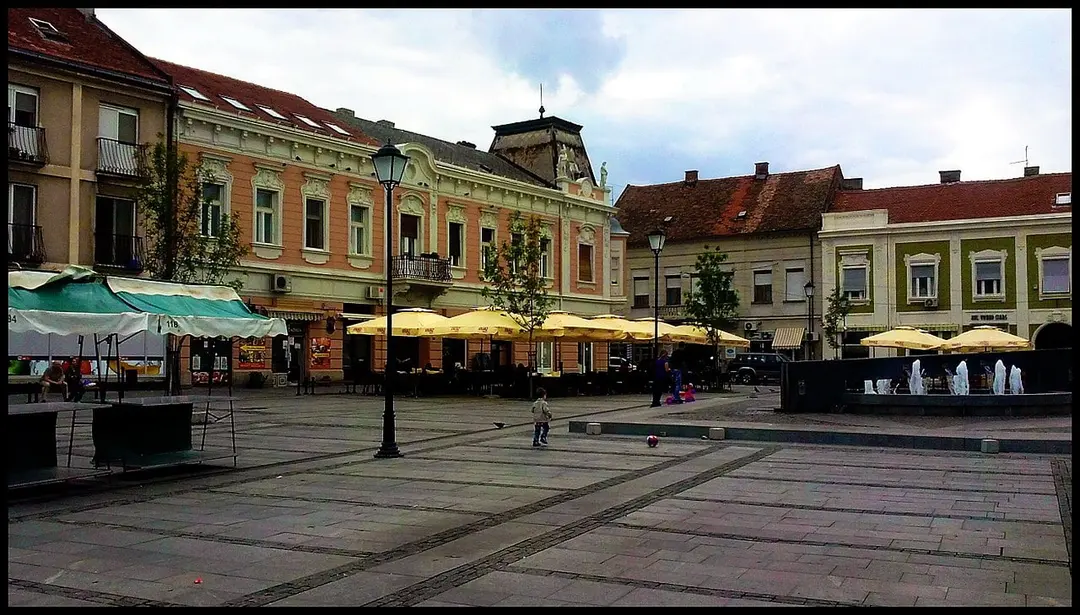
    Zemun is a district of Belgrade that was its own independent town until 1934 and still retains a distinctive character. Situated on a peninsula at the confluence of the Sava and Danube rivers, it was once separated from Belgrade proper by fields and waterways. Its historic centre, with narrow streets, riverside cafés, and the Gardoš hill viewpoint overlooking the Danube, feels markedly different from central Belgrade. The rapid construction of New Belgrade in the late 20th century merged the two urban areas physically, but Zemun's old core has kept much of its pre-war atmosphere.

  • Menorah in Flames

    Menorah in Flames

    Belgrade

    architecturenaturehistory

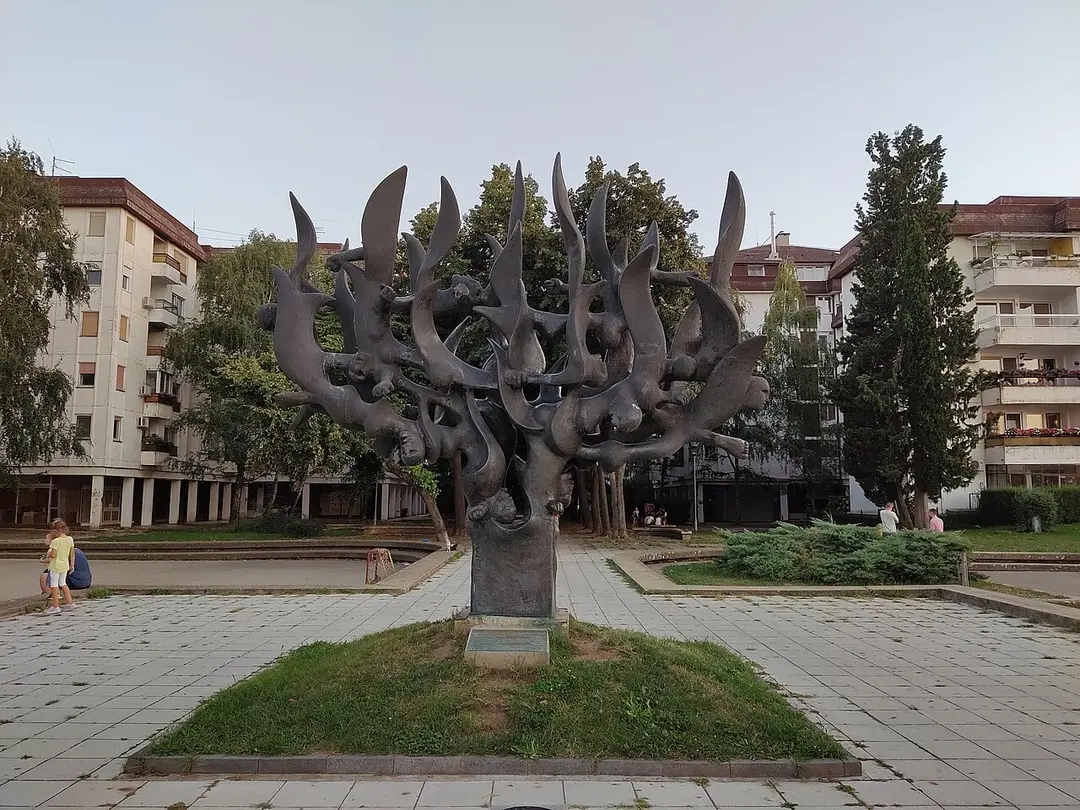
    Menorah in Flames is a powerful bronze memorial on the Danube riverbank in Dorcol, Belgrade historic Jewish quarter. It commemorates the Jewish victims of the Nazi genocide in Serbia during World War II. Yugoslav artist and Holocaust survivor Nandor Glid created the sculpture — a burning menorah whose arms transform into tormented human figures. It was unveiled on October 21, 1990. The memorial is considered one of the most significant monuments in Southeast Europe, inviting quiet remembrance and reflection.

Keep exploring

These places are just the beginning.

Rate places with a swipe — TravelType learns from your tags what you love and curates your own map. Private until you choose to share.

Create your profile