Antioch on the Orontes
Roman EraArchaeologyExcavation Site+6
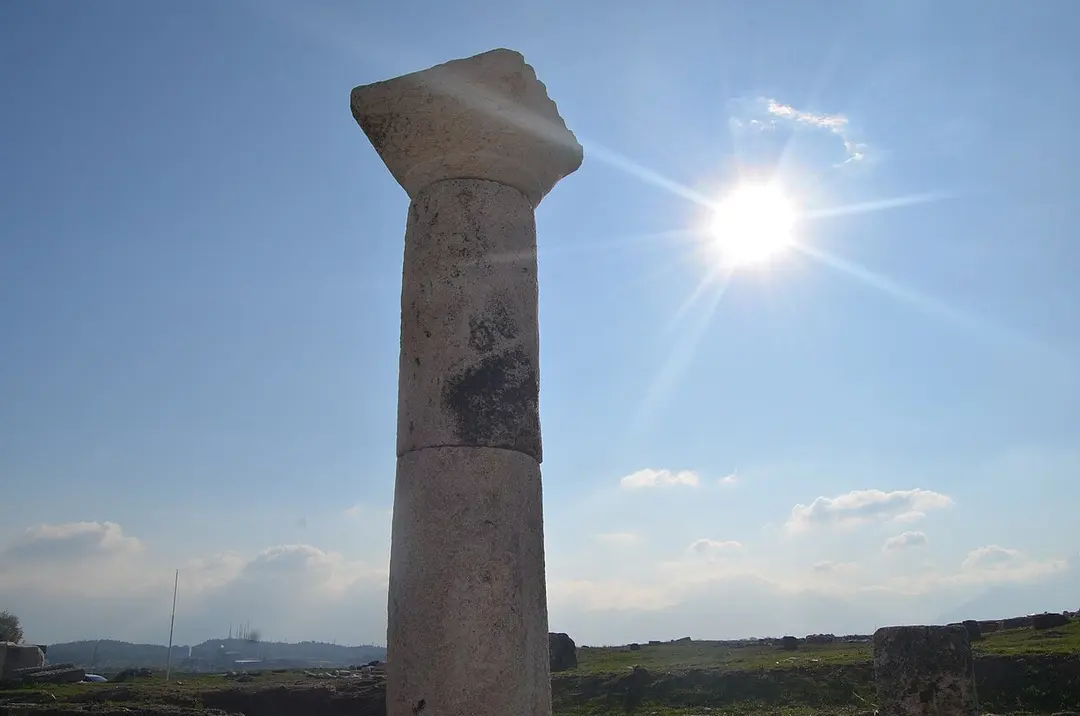
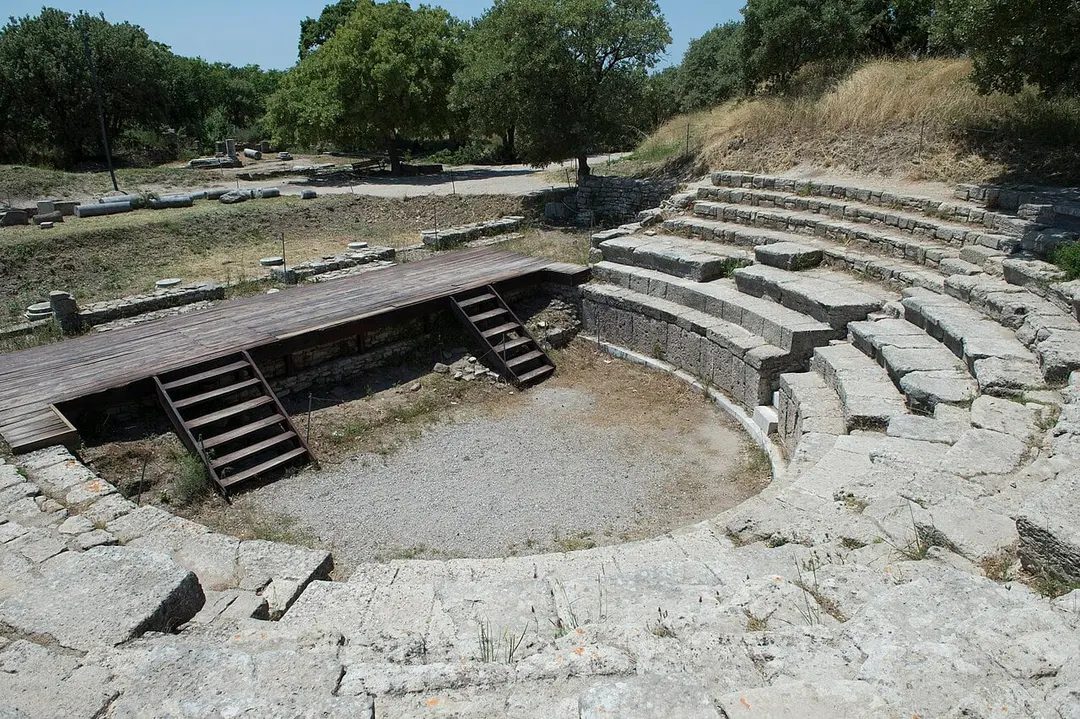
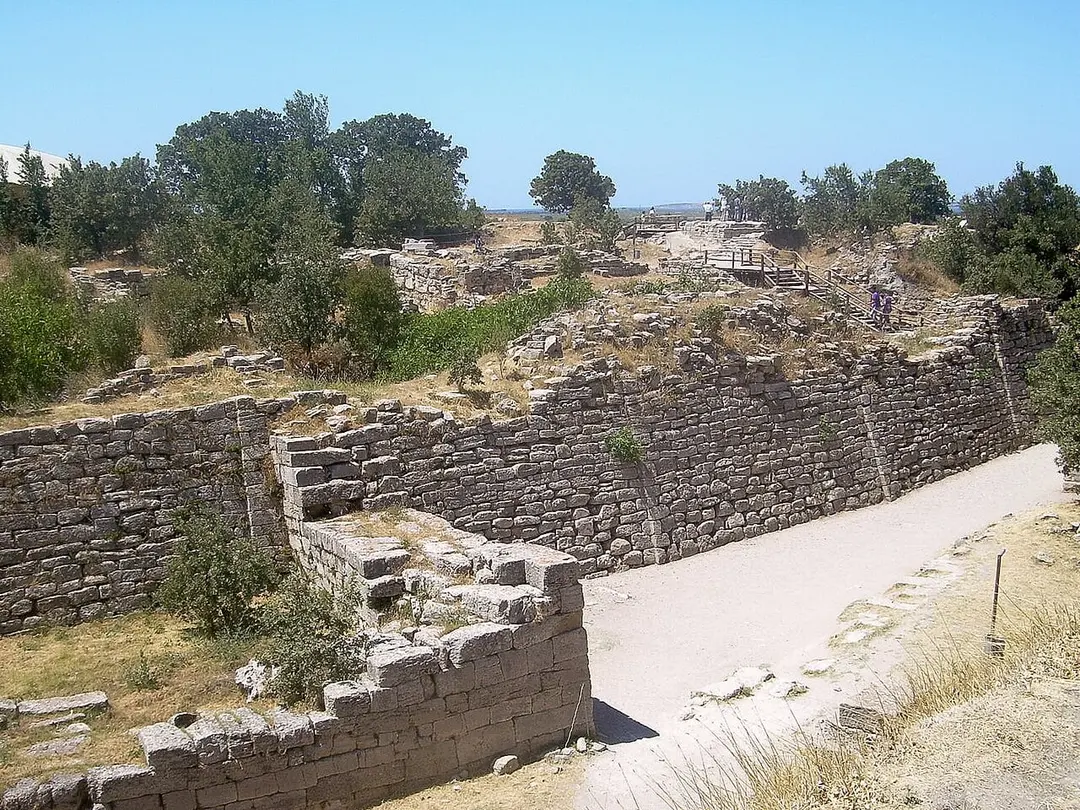
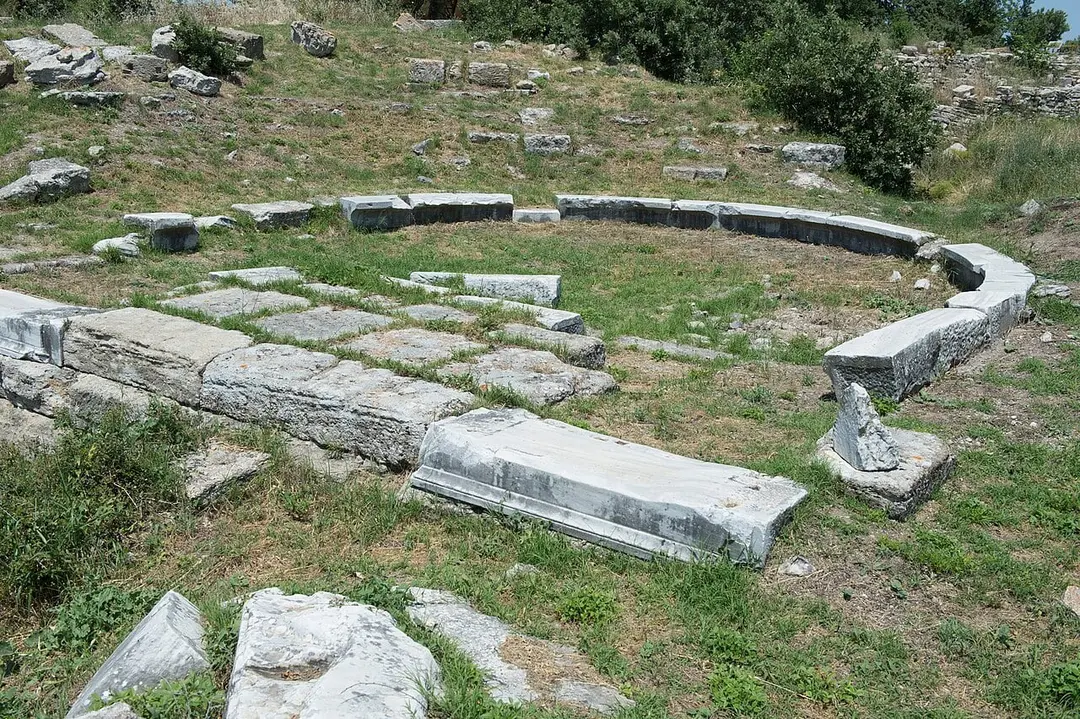
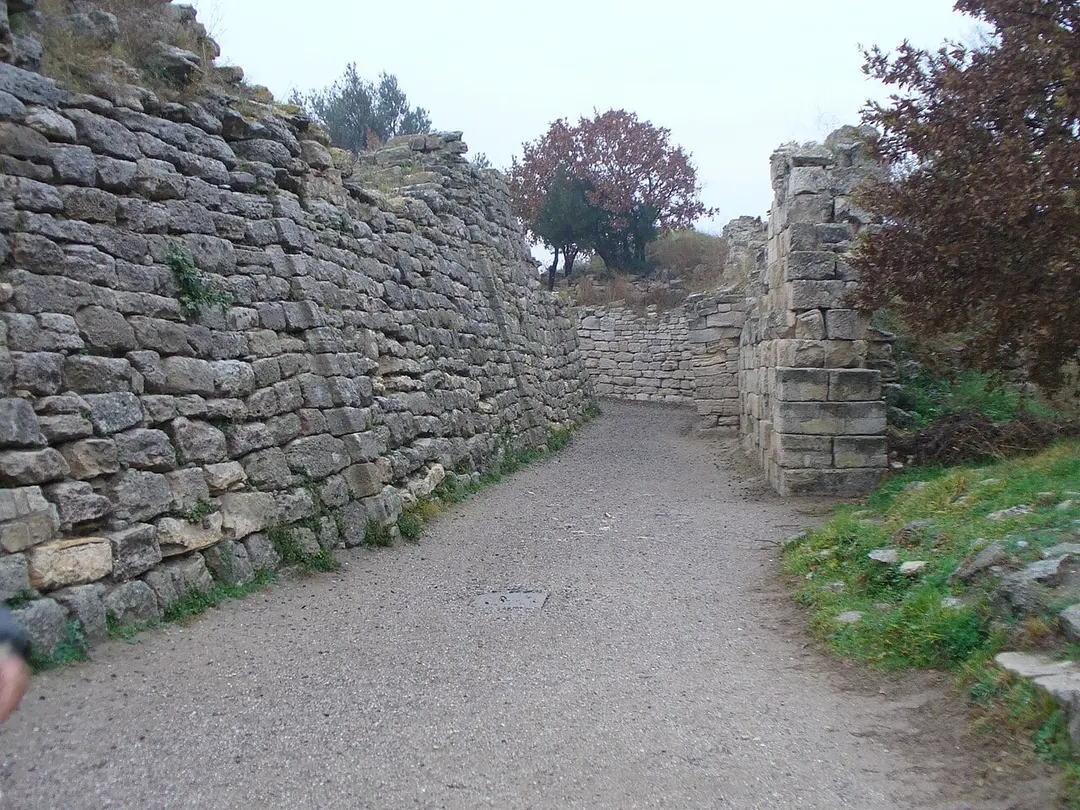
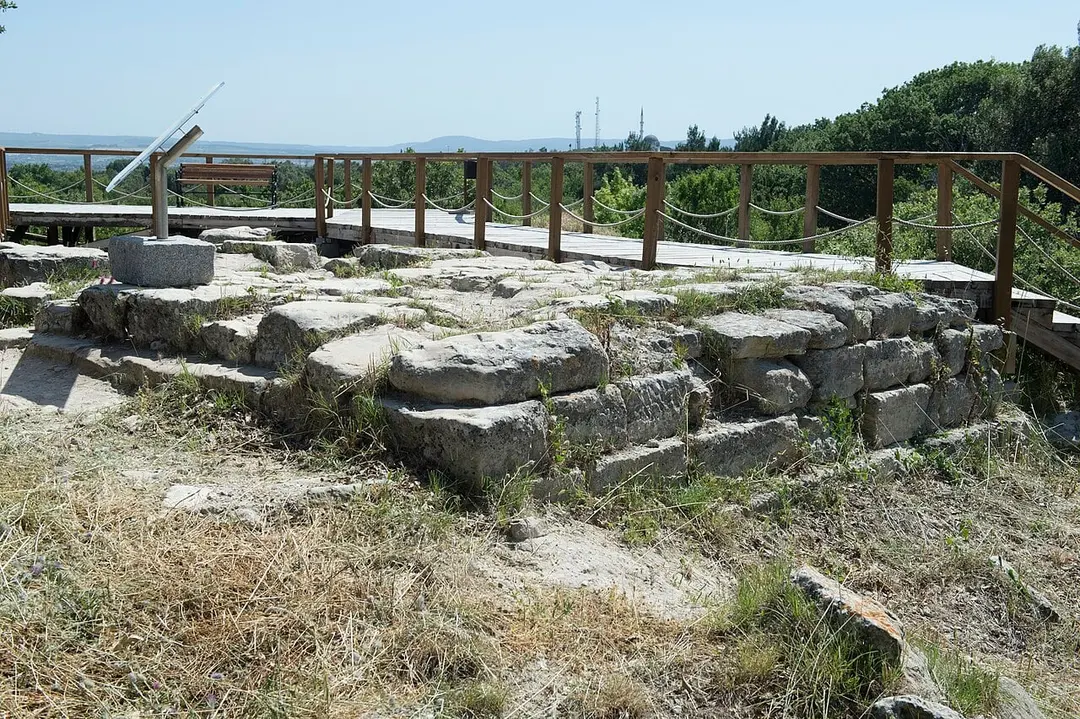
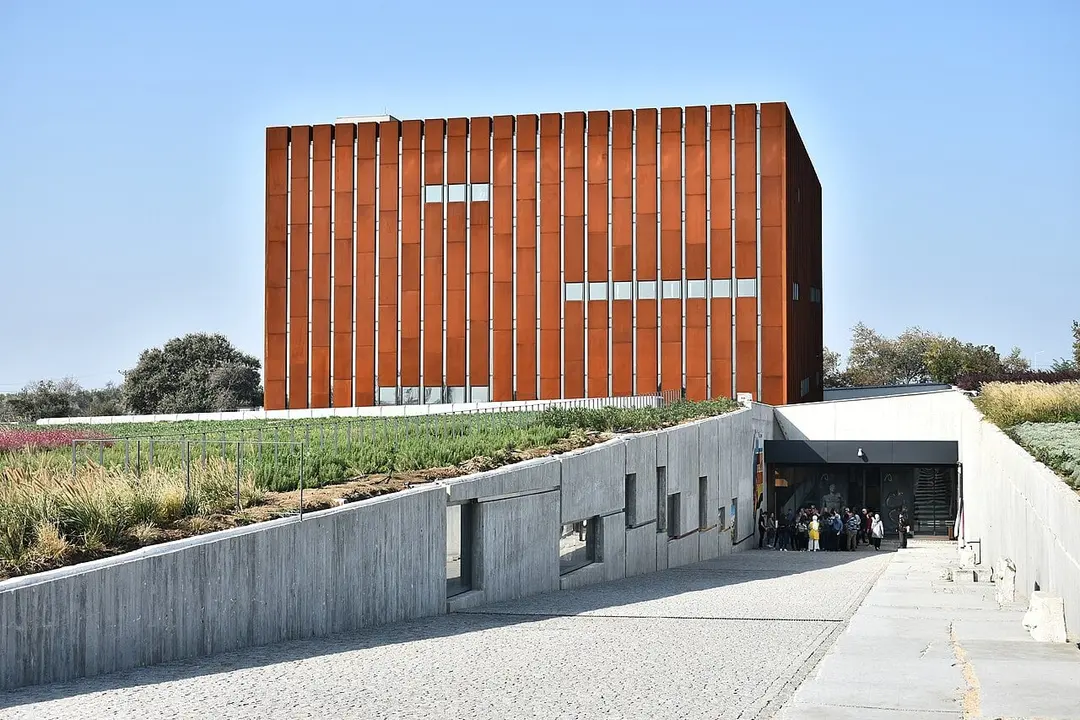
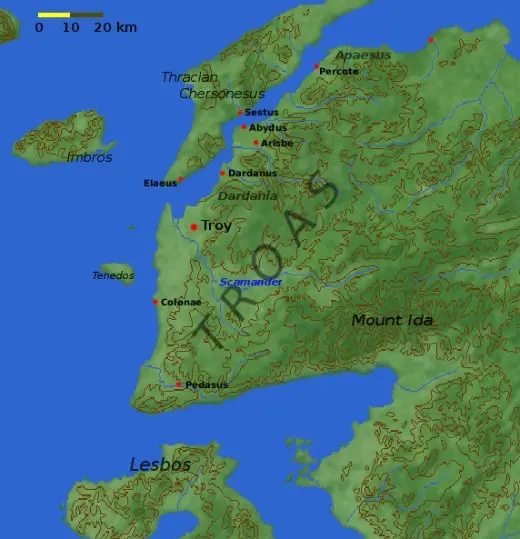
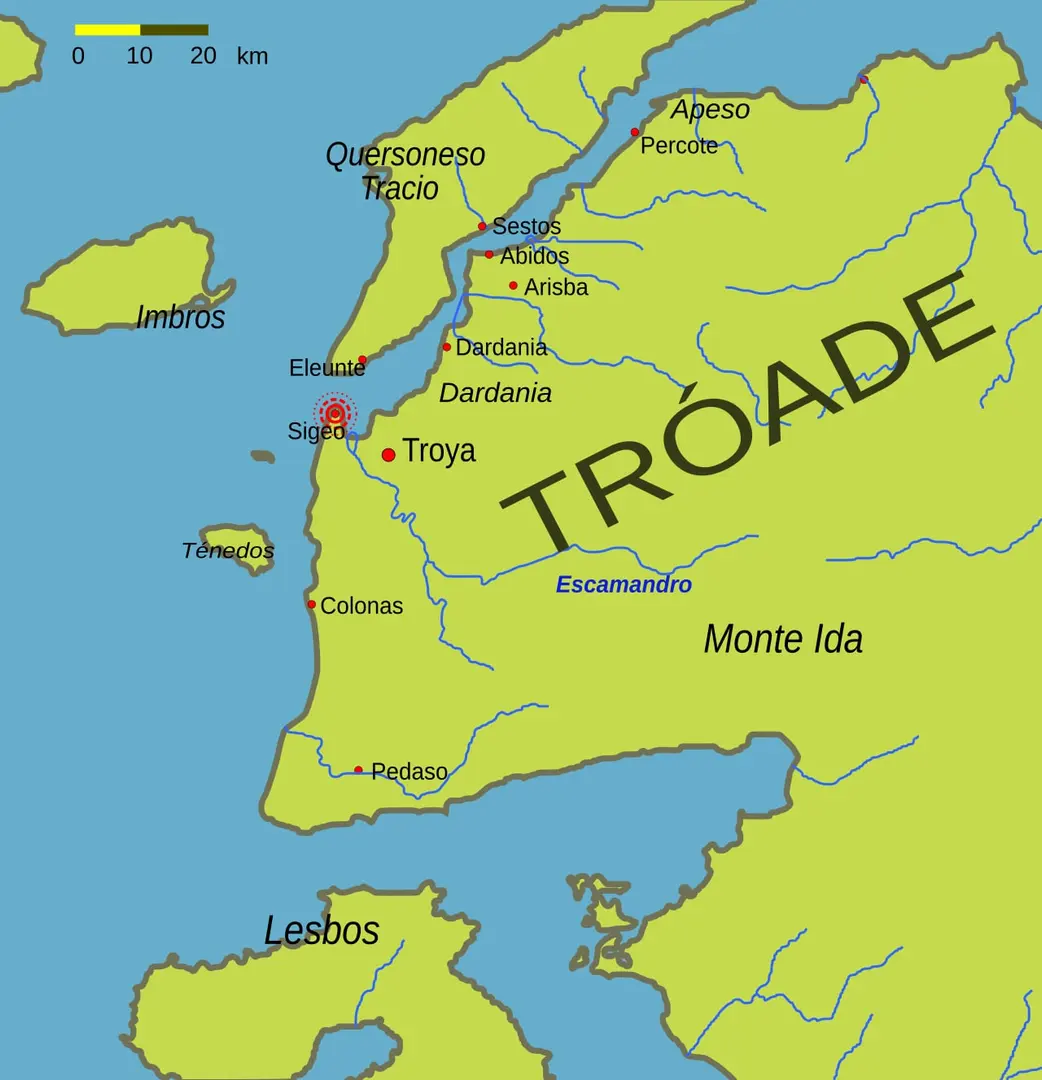
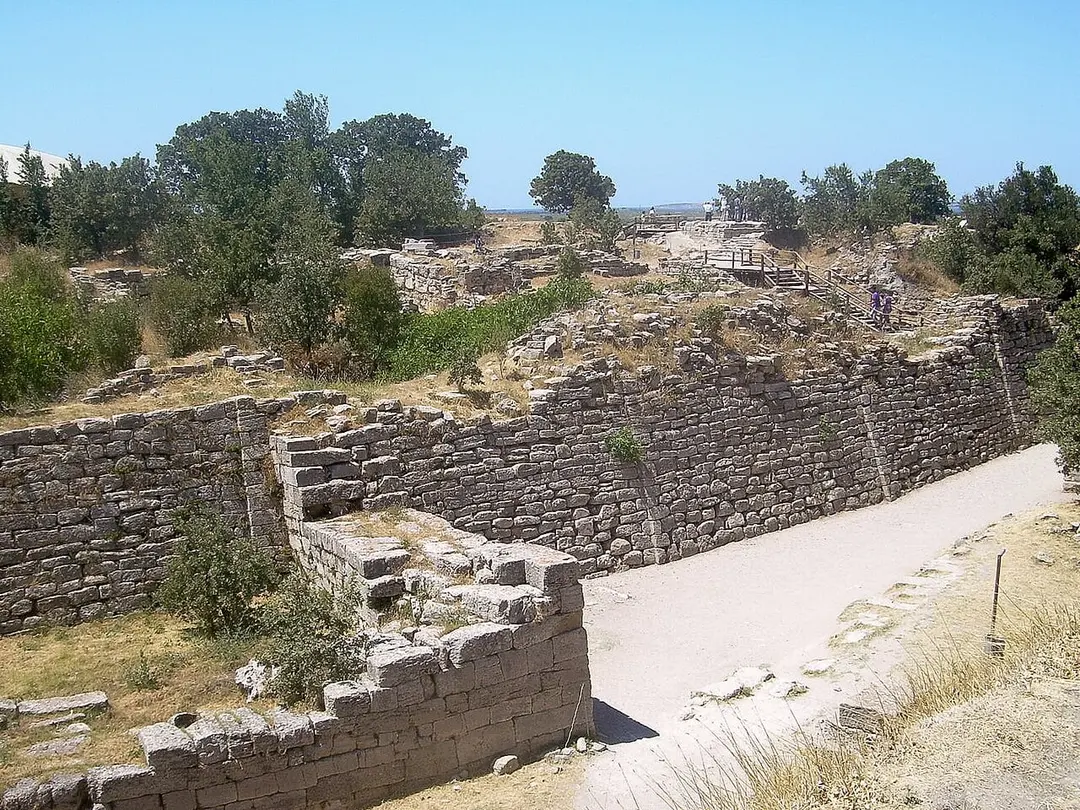
The archaeological site of Troy sits atop the Hisarlık mound in northwestern Turkey and has been a UNESCO World Heritage Site since 1998. The hill contains at least nine distinct settlement layers spanning from a Bronze Age fortress city around 3000 BC to the Roman colony of Ilium, making it one of antiquity's most intricate stratigraphic records. Heinrich Schliemann's excavations beginning in 1871 brought the site to world attention, though his impatient search for Homeric gold irreparably destroyed several sensitive upper strata — a cautionary episode in the history of archaeology. Homer's Iliad embedded Troy permanently in world literature: Achilles and Hector fought here, and the legend of the wooden horse was hatched at these walls. Today visitors trace the defensive walls, gates, and ramps of successive building phases; a full-size timber horse at the entrance nods to popular mythology, while the adjacent Troy Museum, opened in 2018, places the finds in rigorous scholarly context.
Sign in to rate this place.
Sign inTroy
Troy
Naples
Yerevan
Troy
Troy
Troy
Troy
Troy
Troy
Troy
Troy
Troy
Troy
Troy
Troy
Troy
Troy
Troy
Troy
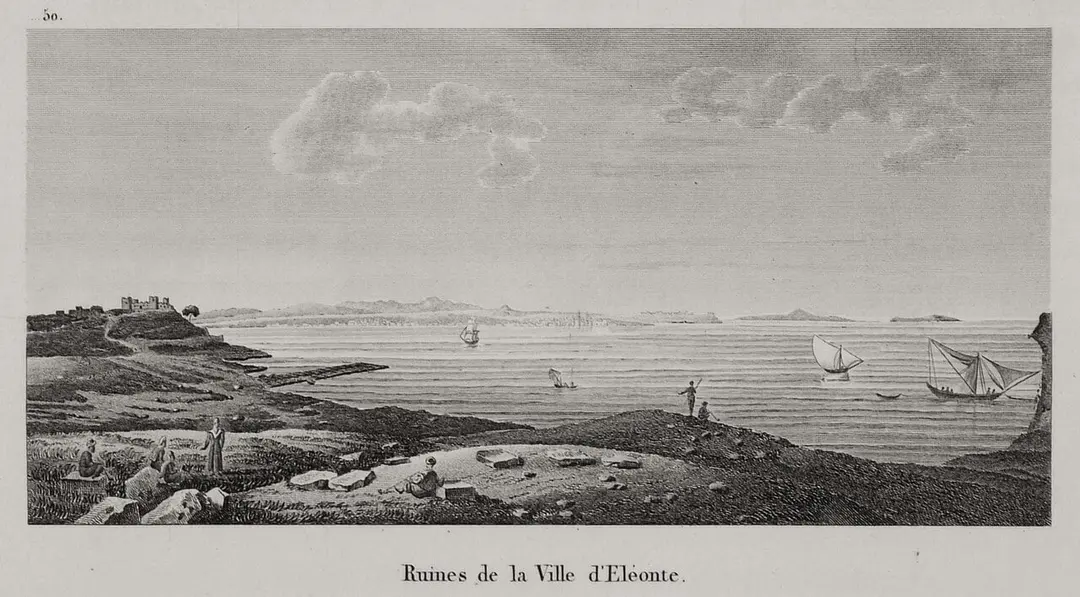
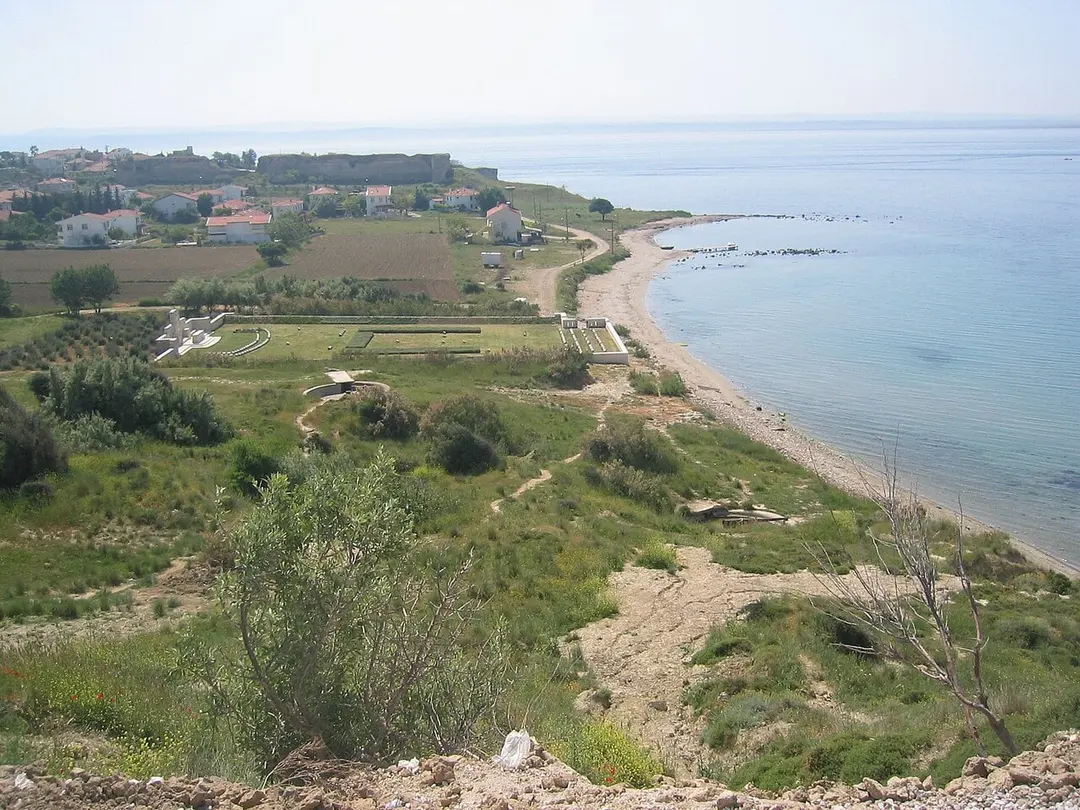
Elaeus