Alalakh
ArchaeologyExcavation SiteAntiquity+2
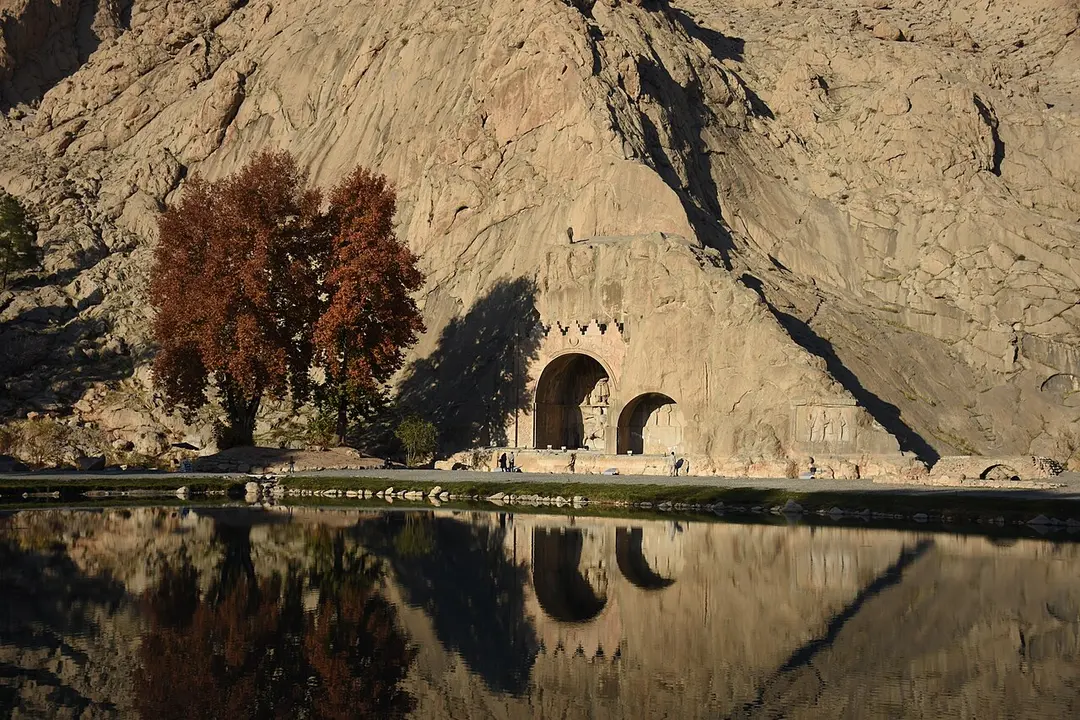
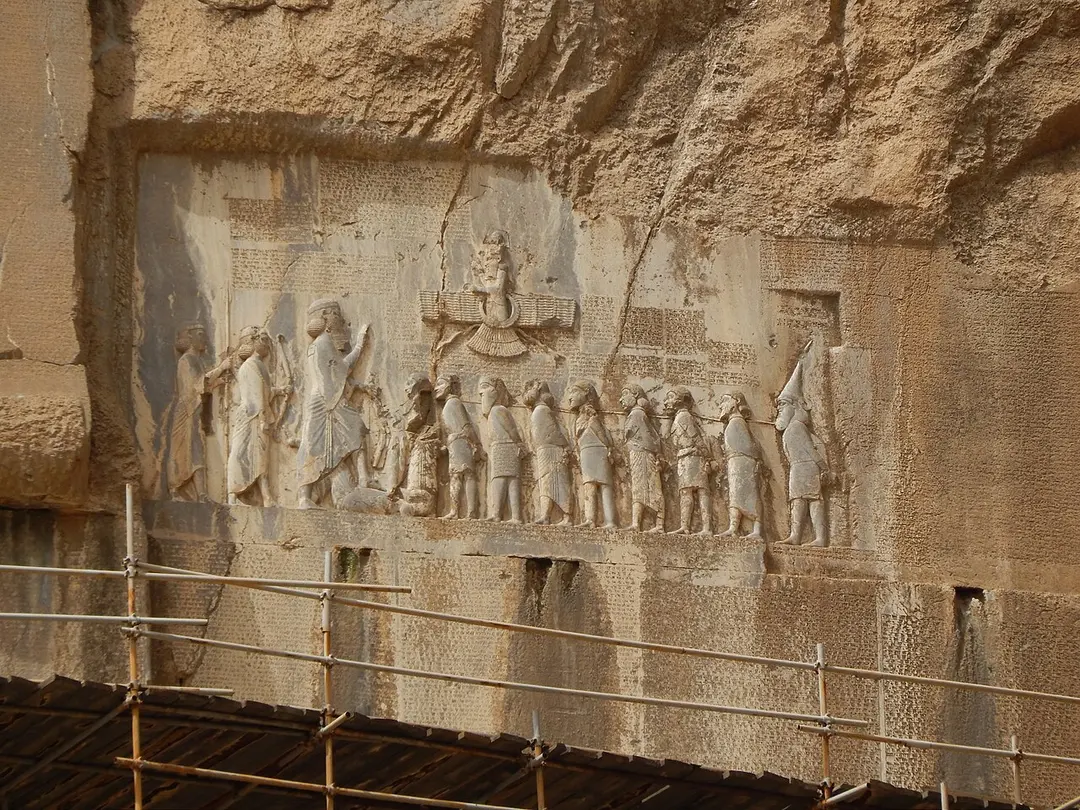
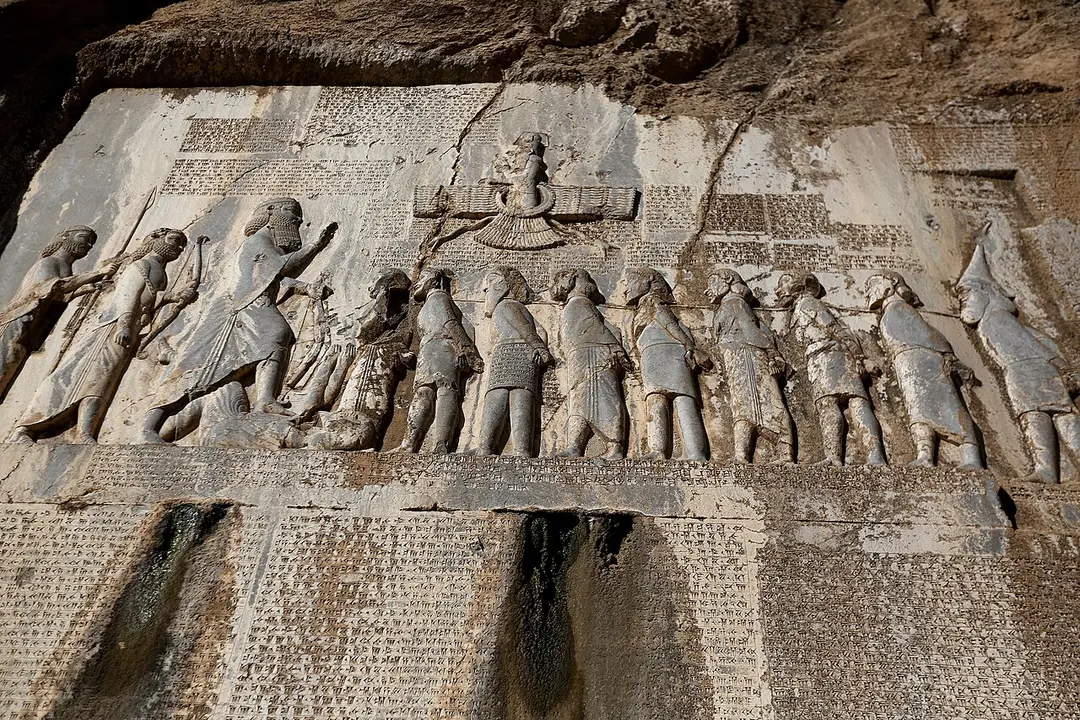
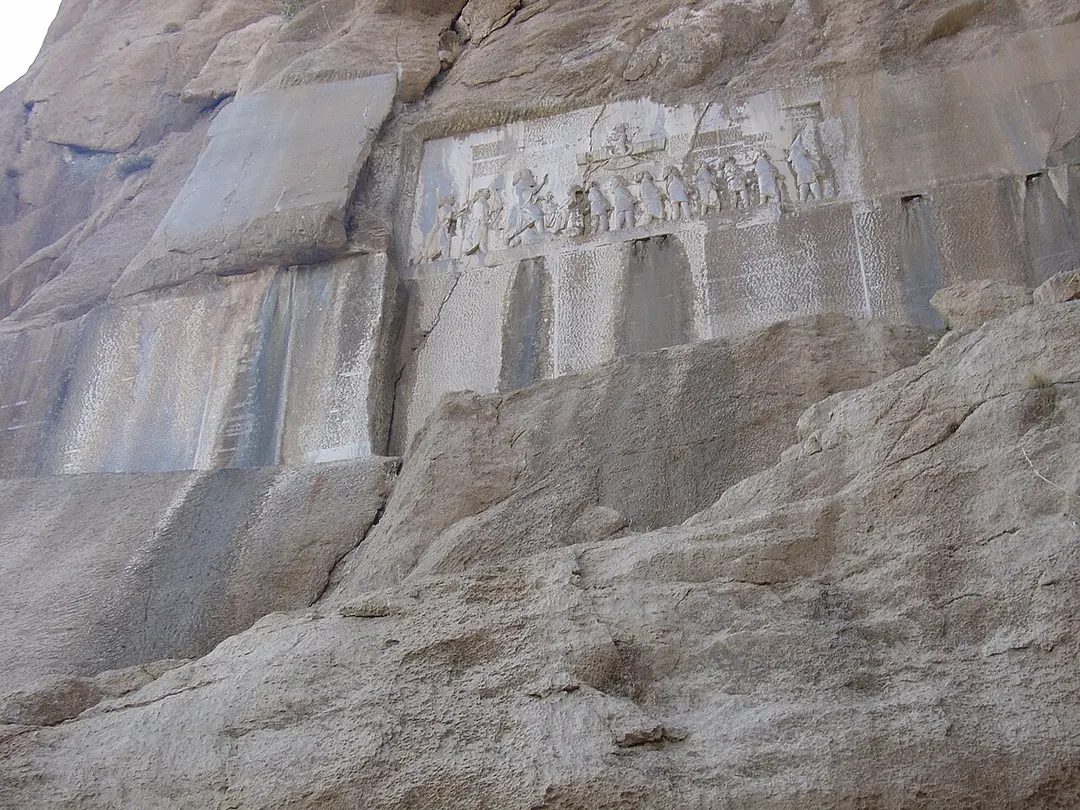
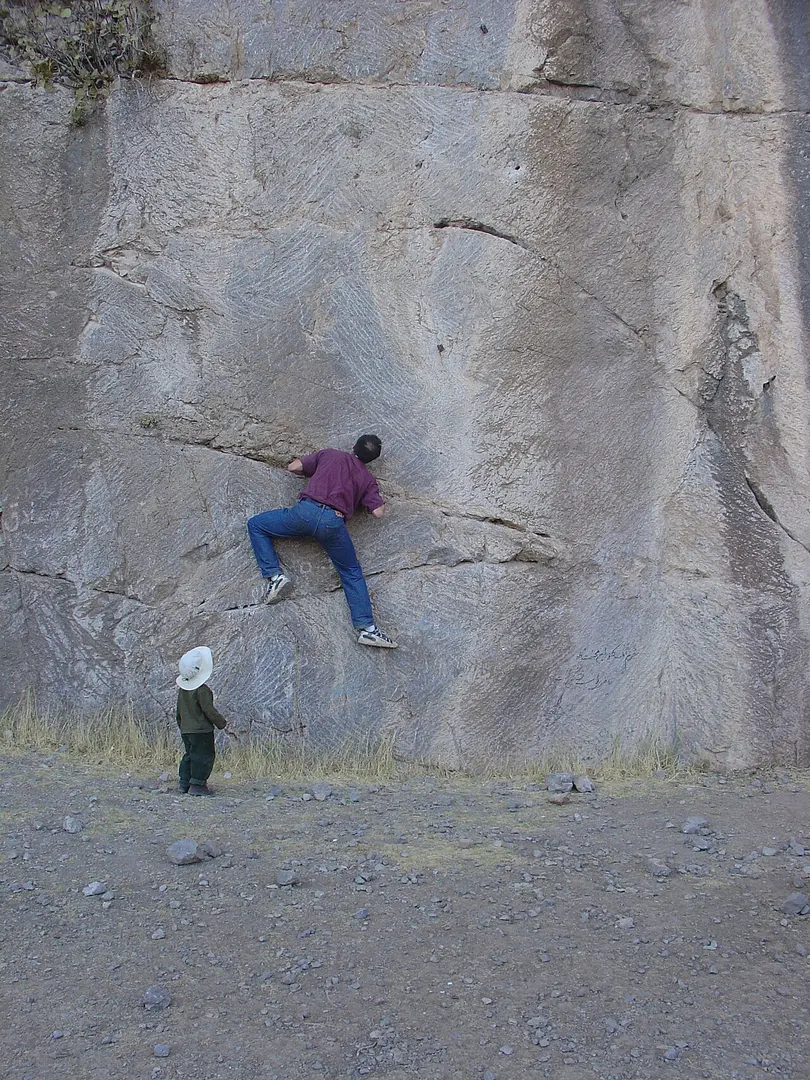
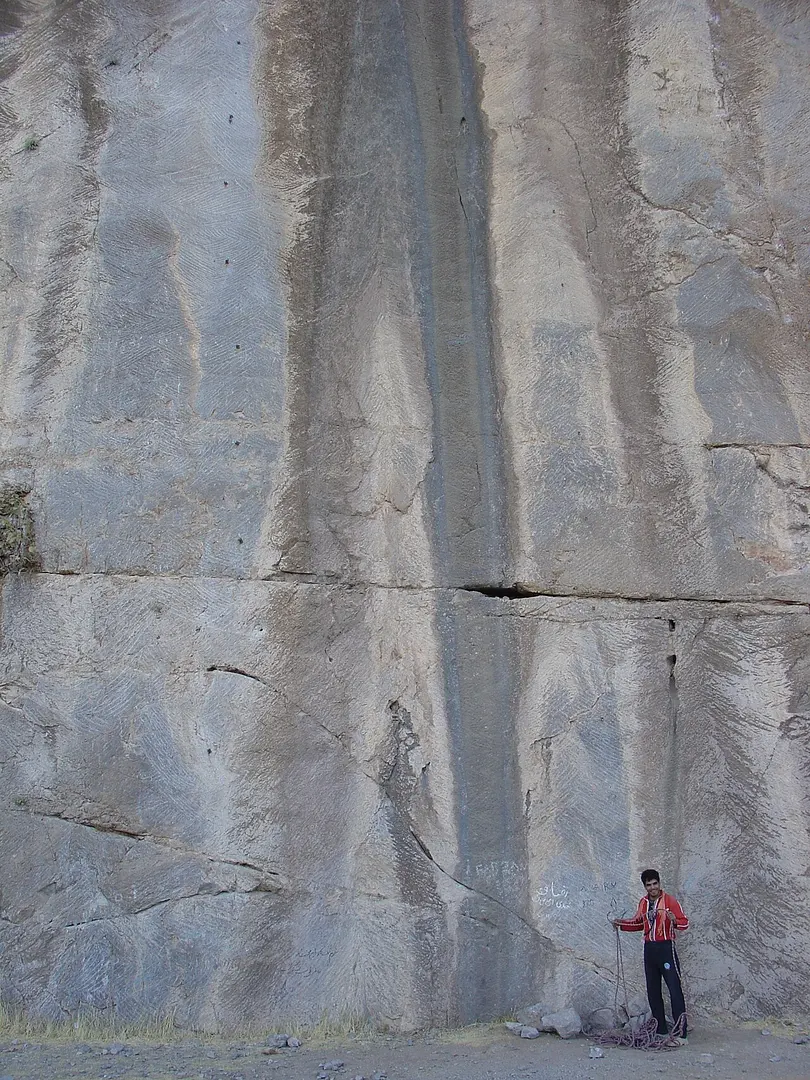
The Bisotun inscription is a monumental rock relief carved into a sheer limestone cliff some 100 metres above the Kermanshah plain, commissioned by the Achaemenid king Darius I around 520 BCE. It records his rise to power and suppression of rebellions in three languages simultaneously — Old Persian, Elamite, and Babylonian Akkadian — each rendered in its own cuneiform script. Its role in the history of linguistics mirrors that of the Rosetta Stone: in the 1830s, British officer Henry Rawlinson risked his life scaling the near-vertical face to copy the inscriptions, and his work became the foundation for deciphering cuneiform writing as a whole. The site was inscribed as a UNESCO World Heritage Site in 2006. Visitors follow a viewing path at the base of the cliff; the scale of the main relief panel — roughly 5.5 by 3 metres — only fully registers when seen against the vast rock face above.
Sign in to rate this place.
Sign inKermanshah
Kermanshah
Rome
Vatican City
Cairo
Rome
Kermanshah
Kermanshah
Kermanshah
Kermanshah
Kermanshah
Kermanshah
Kermanshah
Kermanshah
Kermanshah
Kermanshah
Kermanshah
Kermanshah
Kermanshah
Kermanshah
Kermanshah
Kermanshah