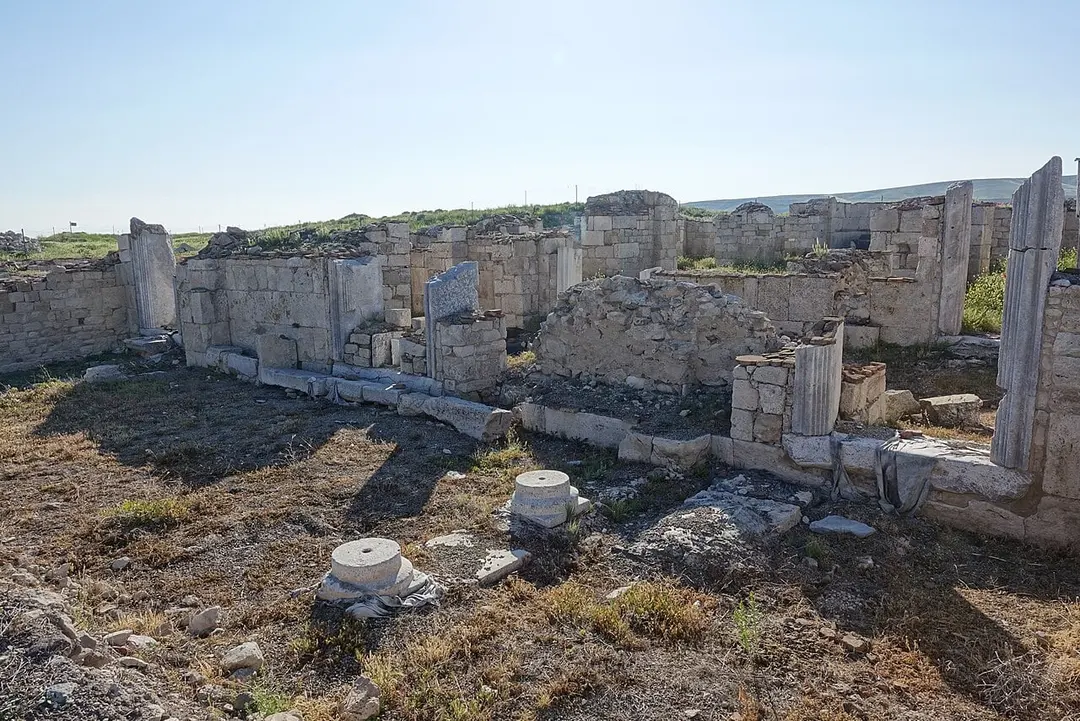
Amorium
ArchaeologyExcavation SiteRuins+4
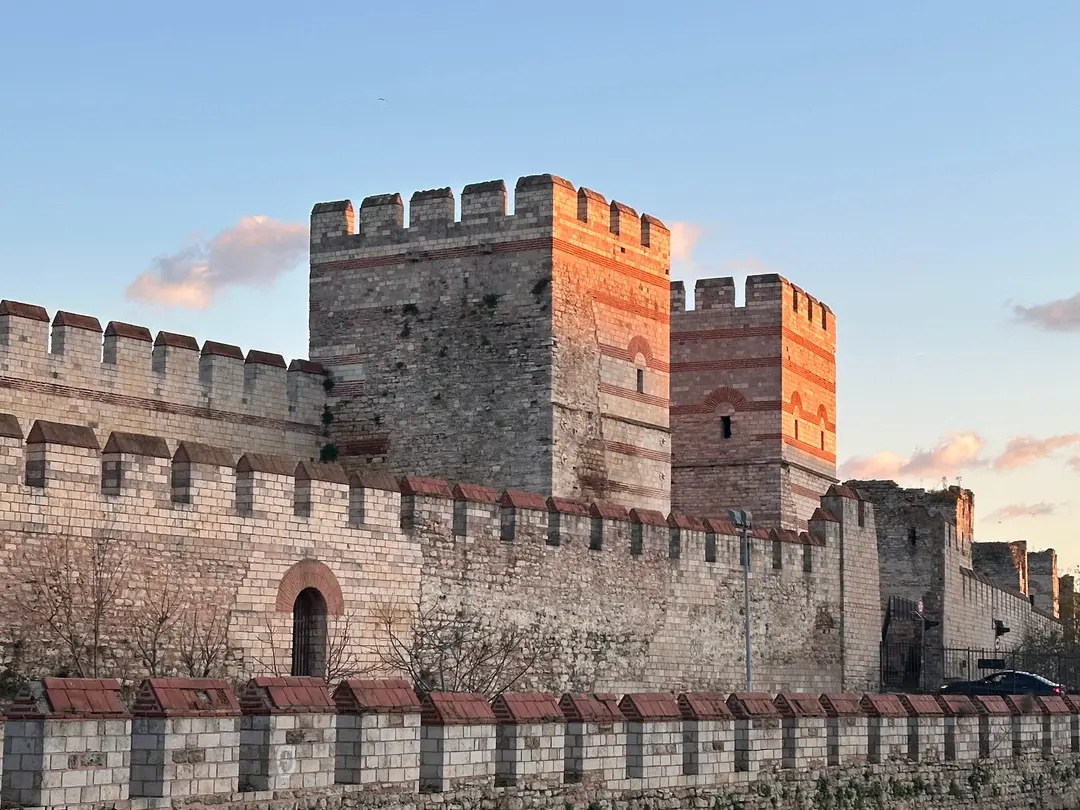
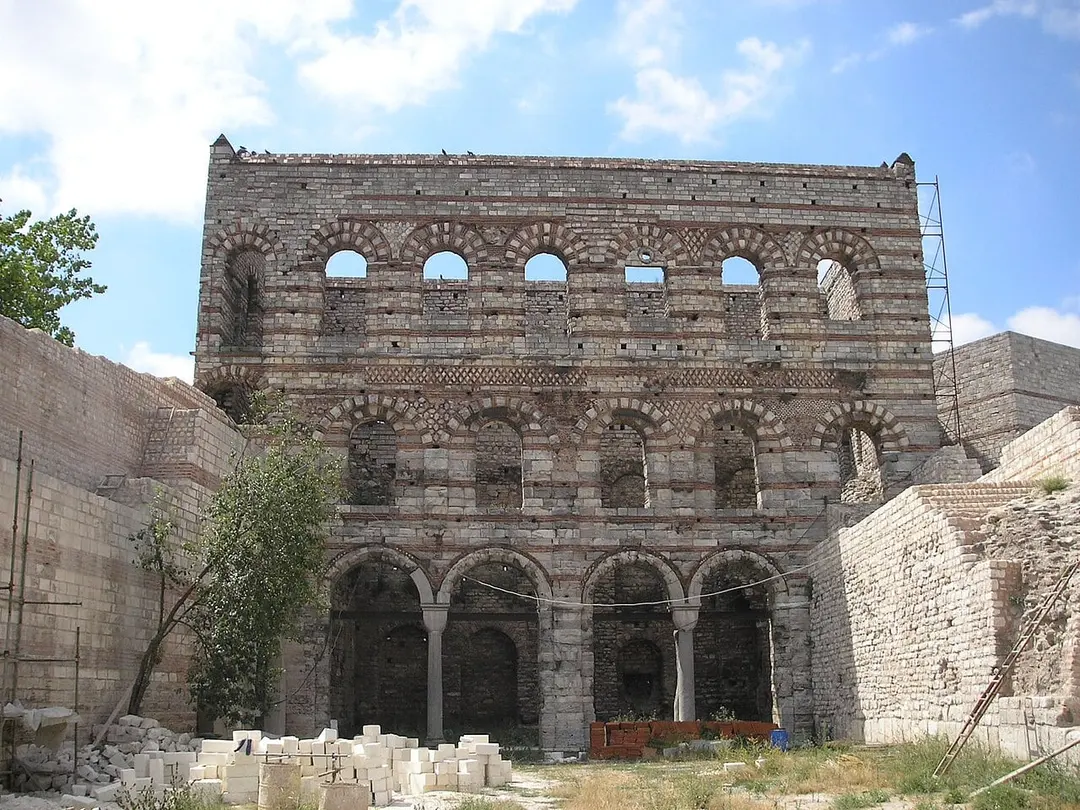
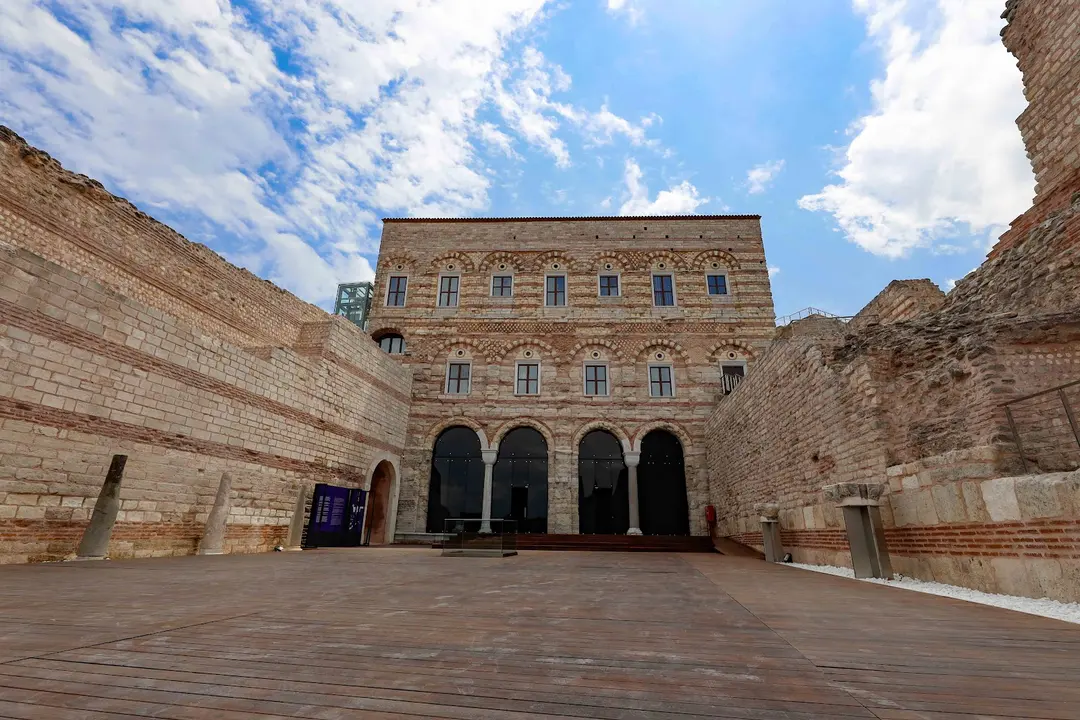
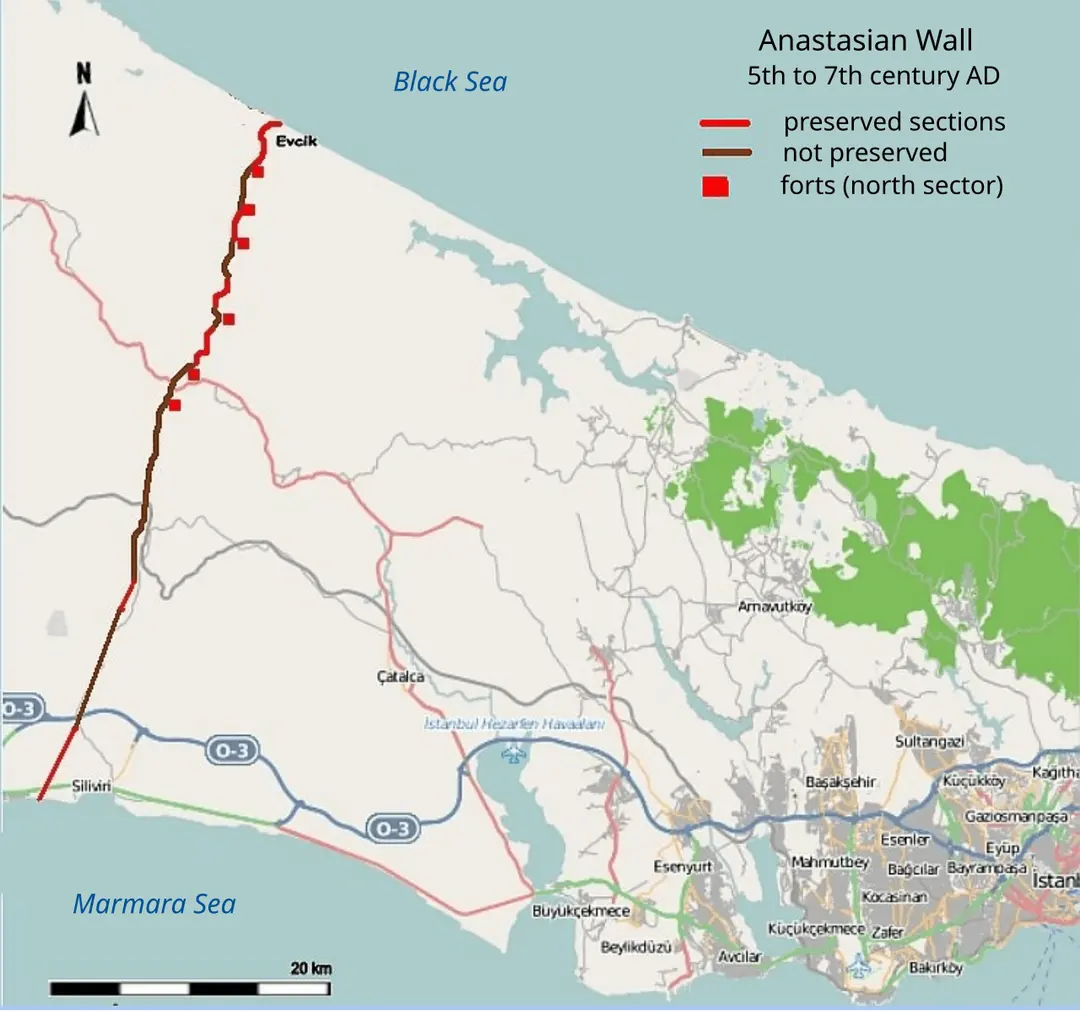
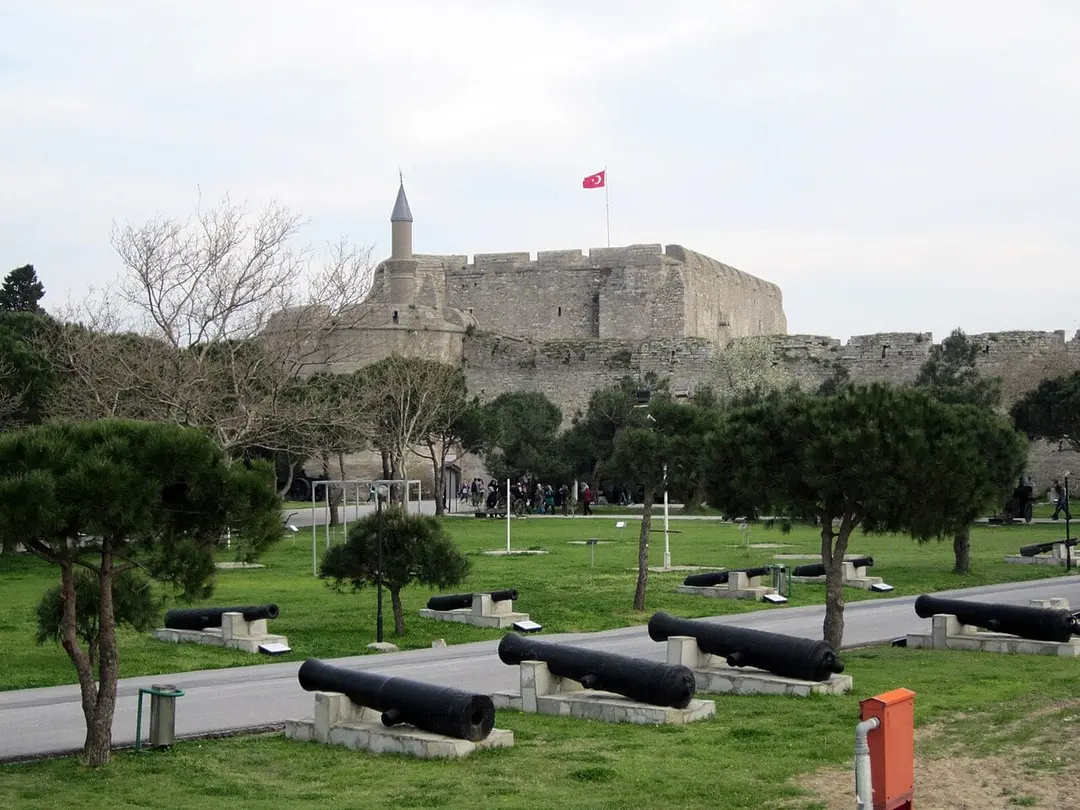
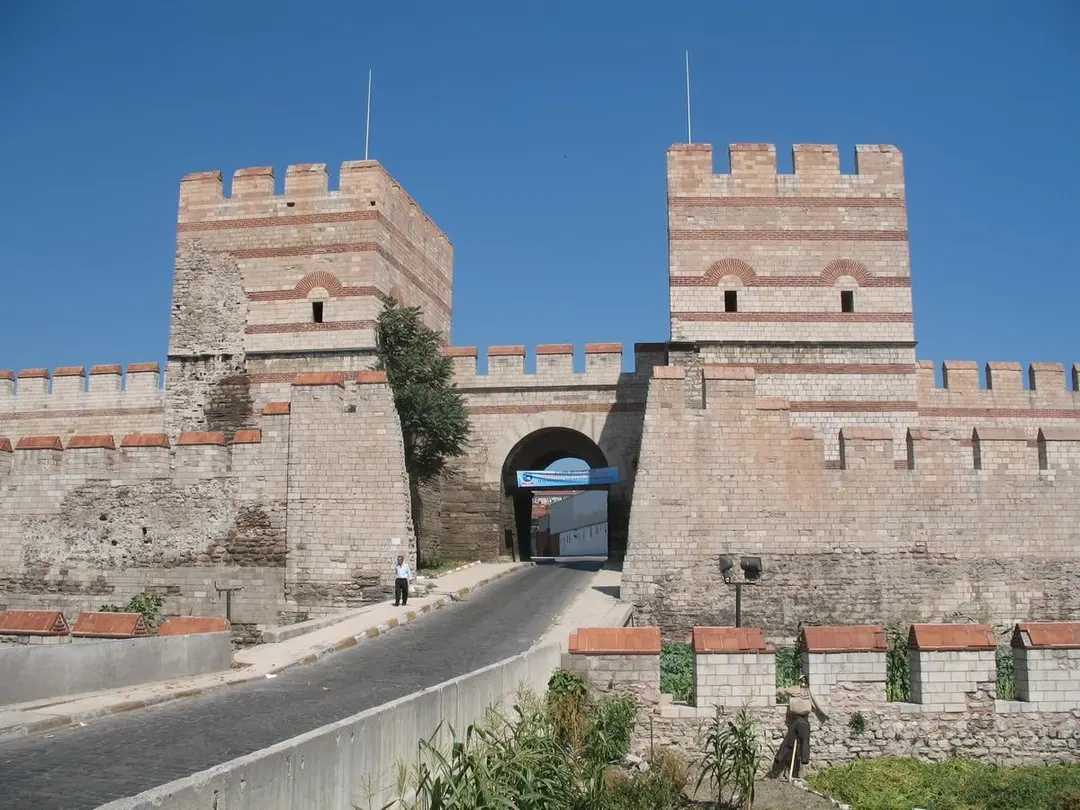
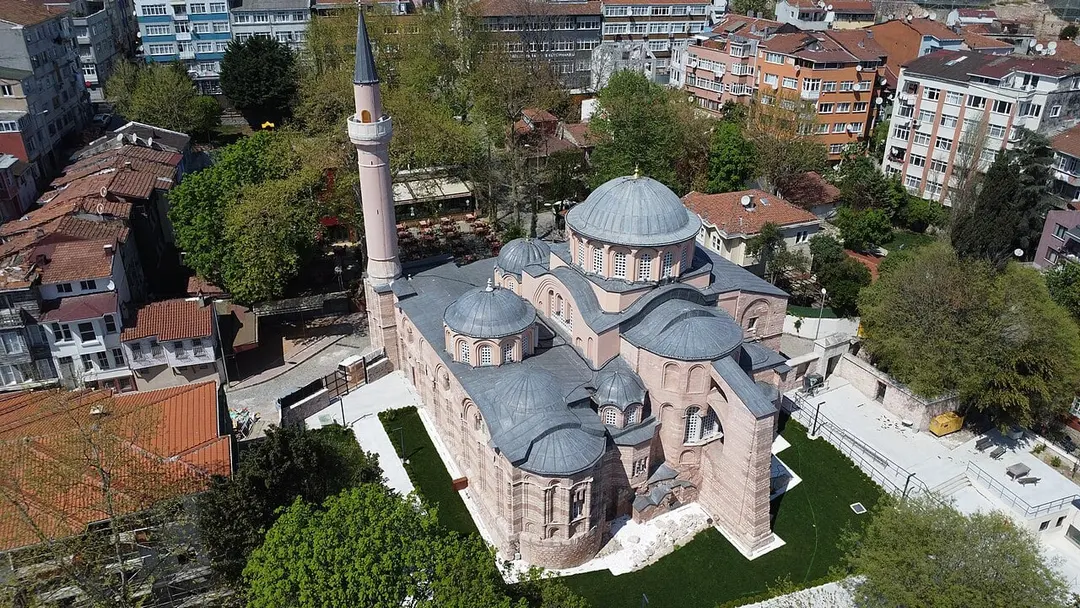
The Walls of Constantinople — better known as the Theodosian Walls — were constructed in the 5th century under Emperor Theodosius II and represent one of the most sophisticated defensive systems ever built in the ancient world. The triple-layered fortification, comprising a moat, outer wall, and towering inner wall, stretched roughly 6.5 kilometers from the Sea of Marmara to the Golden Horn and held the city against sieges for over a millennium. That record ended in 1453 when Mehmed II breached the walls after a 53-day siege using large-caliber bronze cannon — an event widely taken as the symbolic close of the Middle Ages. The best-preserved sections stand near the Chora Museum, where the full three-layer system reaches its original height and visitors can walk alongside intact Byzantine towers. History enthusiasts regularly hike several miles along the walls, often combining the route with a stop at the nearby Panorama 1453 Museum.
Sign in to rate this place.
Sign in