Google · Václav Pavlík
Tram 28
Lisbon
culturehistoryfamily outings+3
1930s wooden tram through Bairro Alto, Alfama and Graça — Lisbon's longest tourist tram line, always packed.
outdoor activities
Lisbon and its surroundings offer a varied range of outdoor activities. The iconic Tram 28 winds through the Alfama neighbourhood up to Castelo de São Jorge, rewarding visitors with open views across the city and the Tagus. Along the riverfront, the Padrão dos Descobrimentos marks the city's maritime heritage. Further afield, Cape Roca sits at the westernmost point of continental Europe, while the prehistoric artificial caves of Alapraia and the Castle of the Moors near Sintra invite exploration. Cascais Municipal Aerodrome adds an airfield dimension, and green spaces like Campo Grande, together with the stadiums Estádio da Luz and Estádio do Bonfim, complete the picture.
18 places · Lisbon, Portugal · Editorially curated
Lisbon
1930s wooden tram through Bairro Alto, Alfama and Graça — Lisbon's longest tourist tram line, always packed.
Lisbon
The city's tightest, oldest lanes below the castle, small Fado tavernas, laundry on balconies, tram 28 cutting through.
Lisbon
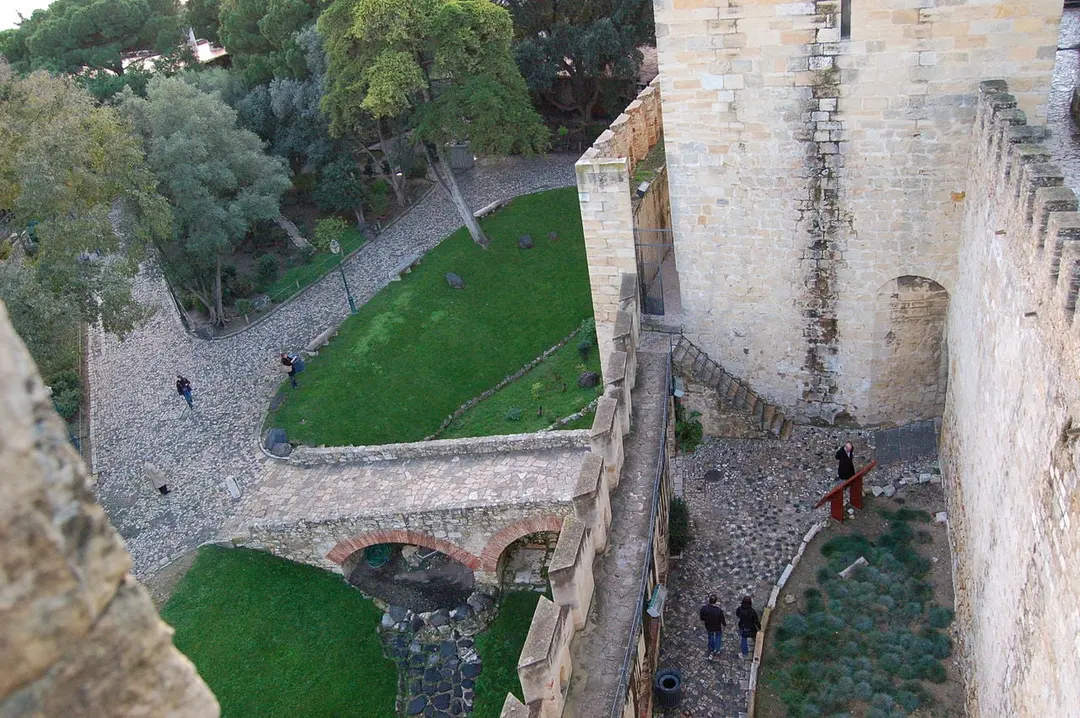
11th-century hill fortress, 11 towers, free-roaming peacocks and 360° views over the city and Tagus.
Lisbon
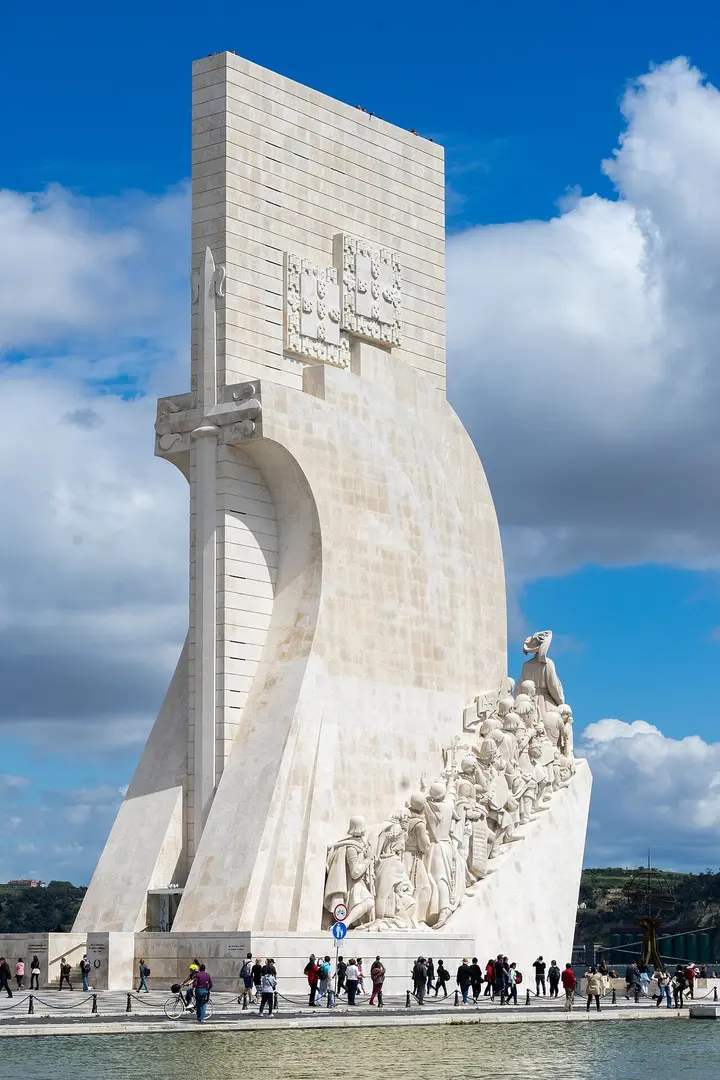
The Padrão dos Descobrimentos — Monument to the Discoveries — rises 56 meters above the banks of the Tagus in Lisbon's Belém district. Erected in 1960 for the 500th anniversary of Henry the Navigator's death, it bears the imprint of the Salazar regime, which staged the Age of Discovery as a national triumph. At the front of the ship-shaped monument stands Henry's figure alongside 32 other historical figures of Portuguese seafaring. Inside, an exhibition hall and staircase lead to a viewing platform offering sweeping views over the Tagus and Belém.
Lisbon
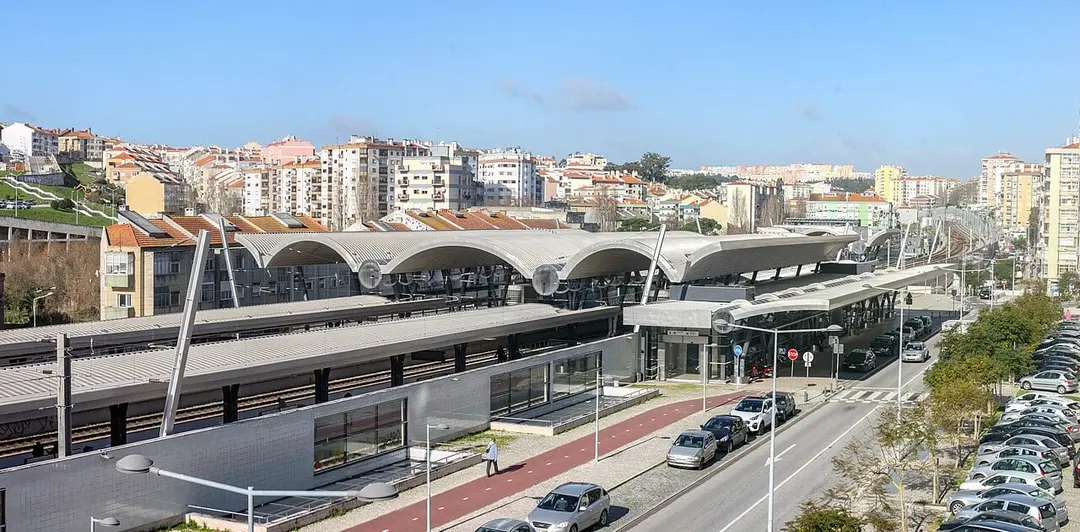
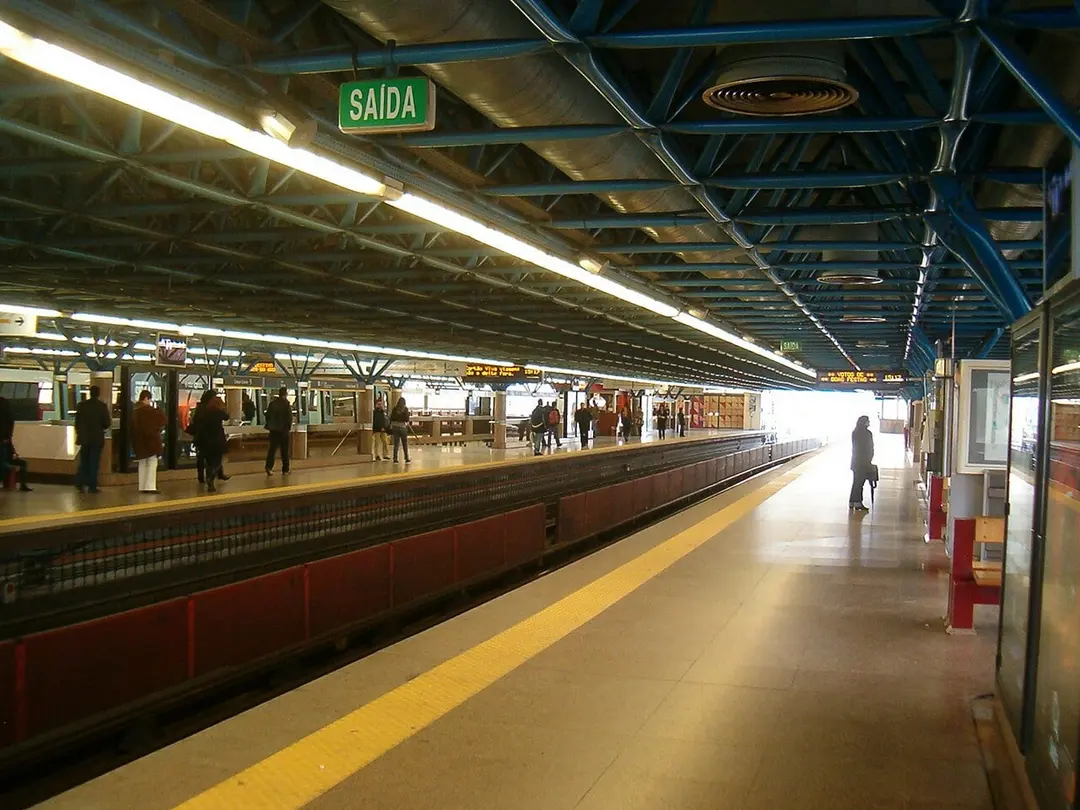
Agualva-Cacém station sits at a key junction in Lisbon's suburban rail network, where the Linha do Oeste branches off from the Linha de Sintra. For travellers it functions primarily as an interchange point, offering connections toward Sintra, central Lisbon and destinations along Portugal's west coast. The station building is modern and utilitarian rather than architecturally notable. It serves as the practical gateway for those exploring the town of Agualva-Cacém and the surrounding Sintra district.
Lisbon
Lisbon
Cabo da Roca is the westernmost point of mainland Europe, rising 140 metres above the Atlantic Ocean west of Lisbon. Part of the Sintra-Cascais Natural Park, its bare rocky headlands meet the endless open ocean in a landscape that has captivated explorers and sailors for centuries. Camões immortalised it as the place "where the land ends and the sea begins." An 18th-century lighthouse stands watch over the rugged coastline. Visitors today can obtain certificates confirming their arrival at the edge of Europe.
Lisbon
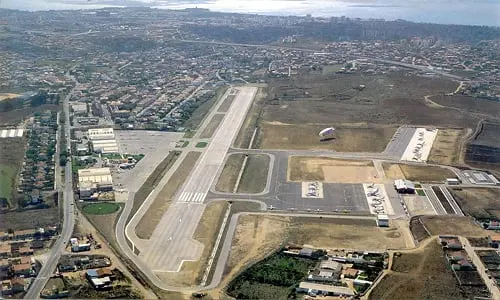
Located in the village of Tires in the municipality of São Domingos de Rana, Cascais Aerodrome sits about six kilometres from Cascais town centre and 19 kilometres west of central Lisbon. It is the main general aviation airport for the Lisbon coastal strip, handling private flights, gliding, skydiving, and light aircraft training. Its position close to the Atlantic gives arrivals and departures a striking coastal backdrop. While not a commercial airport, it occasionally hosts air shows and serves as a hub for the local flying community.
Lisbon
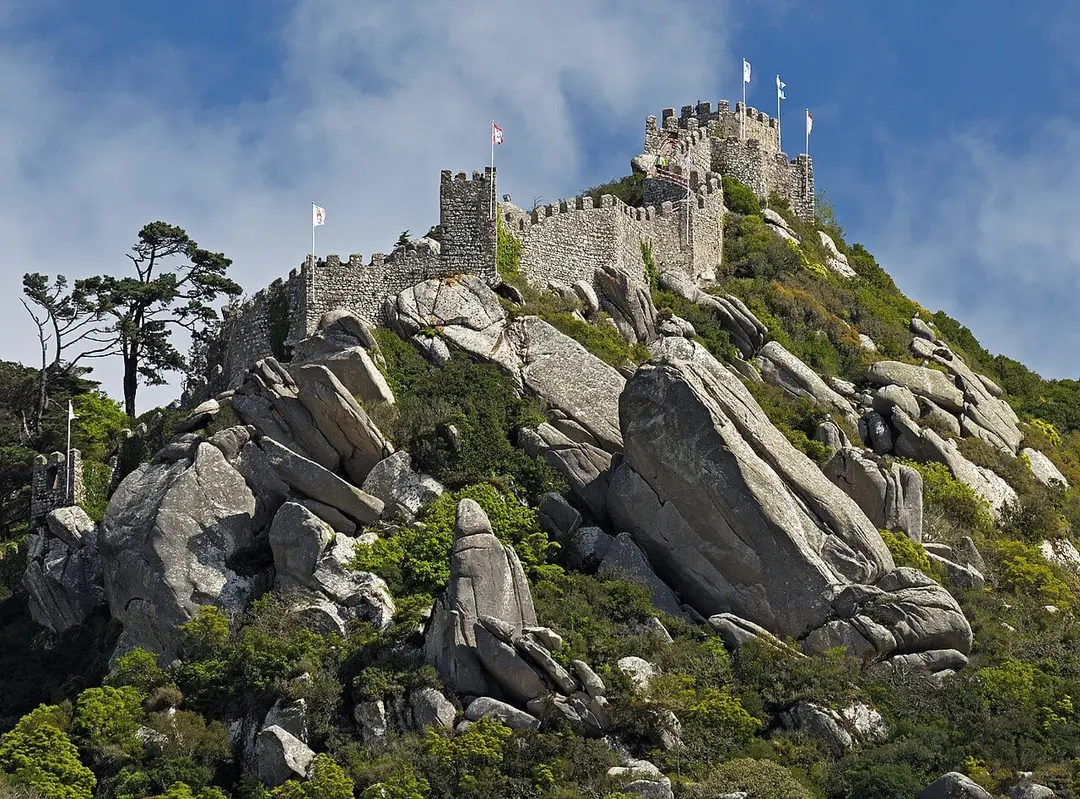
The Castelo dos Mouros crowns a rocky ridge above the fairy-tale town of Sintra. Built by the Moors, probably in the 8th century, it served for centuries as a strategic lookout point before falling to the Portuguese during the Reconquista in the 10th century. King Fernando II had it romantically restored in the 19th century. The ruins are now part of the UNESCO-listed Cultural Landscape of Sintra and offer one of the most spectacular panoramas in the region — across Sintra, to the Atlantic, and on clear days all the way to Lisbon.
Lisbon
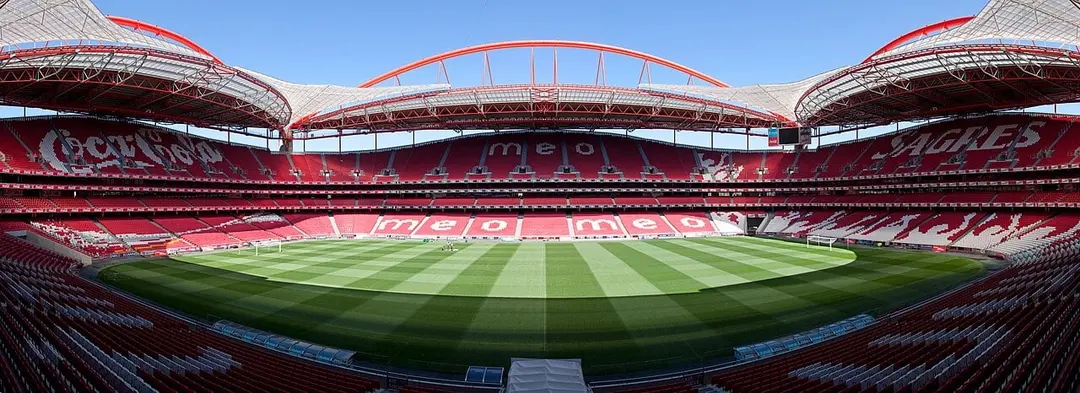
The Estádio da Luz is the home ground of Benfica Lisbon and one of the largest and most modern football stadiums in Europe. It was built in 2003 for the UEFA European Championship 2004, replacing the legendary predecessor of the same name. Designed by the architectural firm Populous, the stadium holds around 68,000 spectators — 5th largest in Europe. The distinctive white steel-and-glass roof spans all stands completely and is regarded as an architectural benchmark for modern arenas. Alongside league matches, the Estádio da Luz has hosted the UEFA Champions League Final (2014) as well as numerous international matches and major concerts. Inside, the Museu Benfica documents the history of Portugal's record champions.
Lisbon
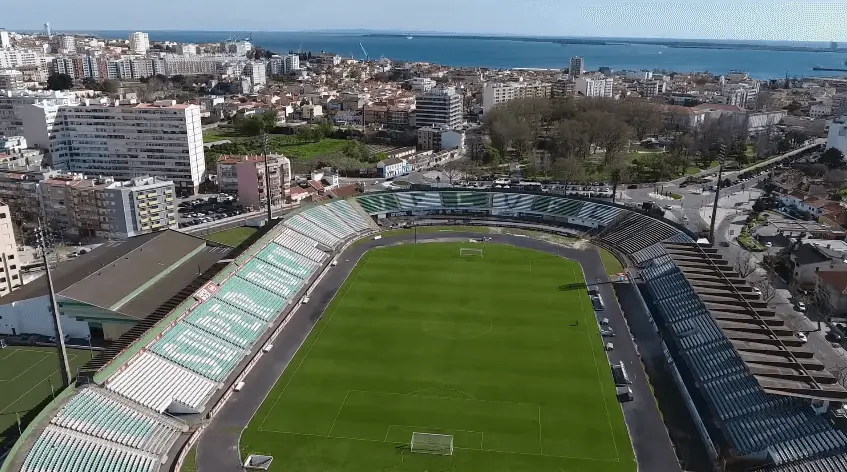
The Estádio do Bonfim in Setúbal, a port city on the Setúbal Peninsula south of Lisbon, has been the home ground of Vitória Setúbal since it opened on 16 September 1962. The 15,497-capacity stadium is named after the Bonfim neighbourhood and retains an old athletics running track around the pitch — a rarity in modern football. Most seats are open to the sky, with only the main stand sheltered by a small roof. Attending a match here has a timeless, unpolished quality rarely found in redeveloped modern grounds, making it a draw for fans interested in Portuguese football's grassroots character.
Lisbon
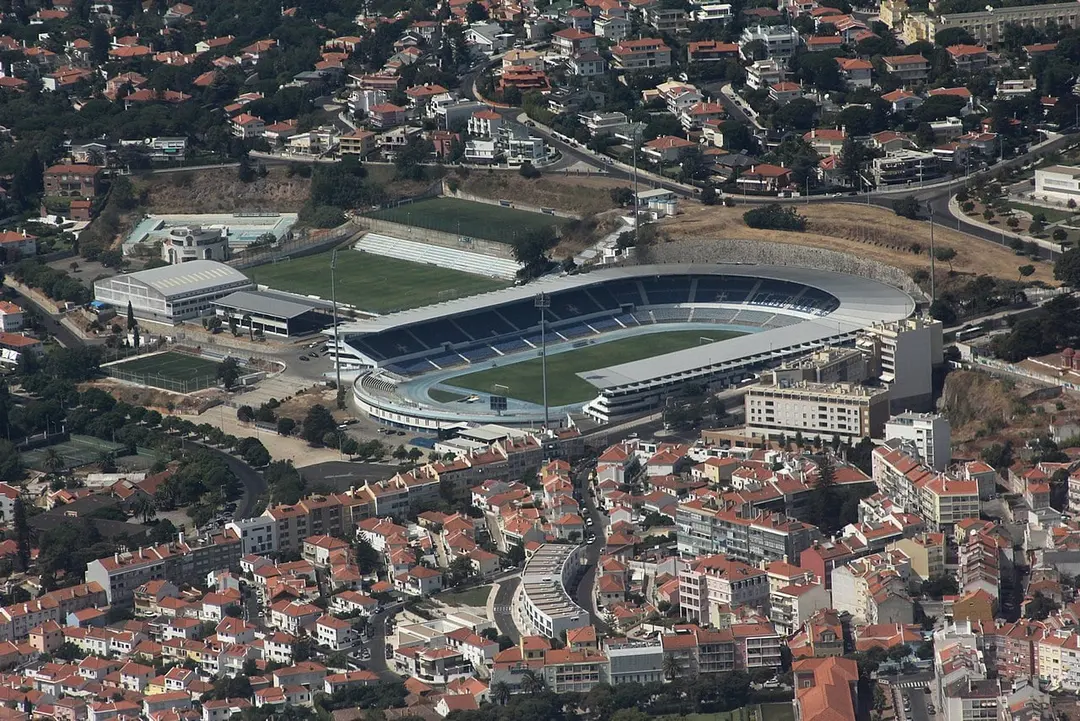
The Estádio do Restelo is located in Belém, one of Lisbon's most historically significant neighbourhoods, known for the Jerónimos Monastery and the Torre de Belém. Opened in 1956, it is the home ground of CF Os Belenenses — Belenenses for short — the traditional club of the district. The stadium includes an athletics track and has a compact, atmospheric feel that reflects the deep bond between the club and its neighbourhood. For supporters wanting authentic local football away from Lisbon's major clubs (Benfica, Sporting), the Restelo offers a genuine alternative right beside the Tagus river.
Lisbon
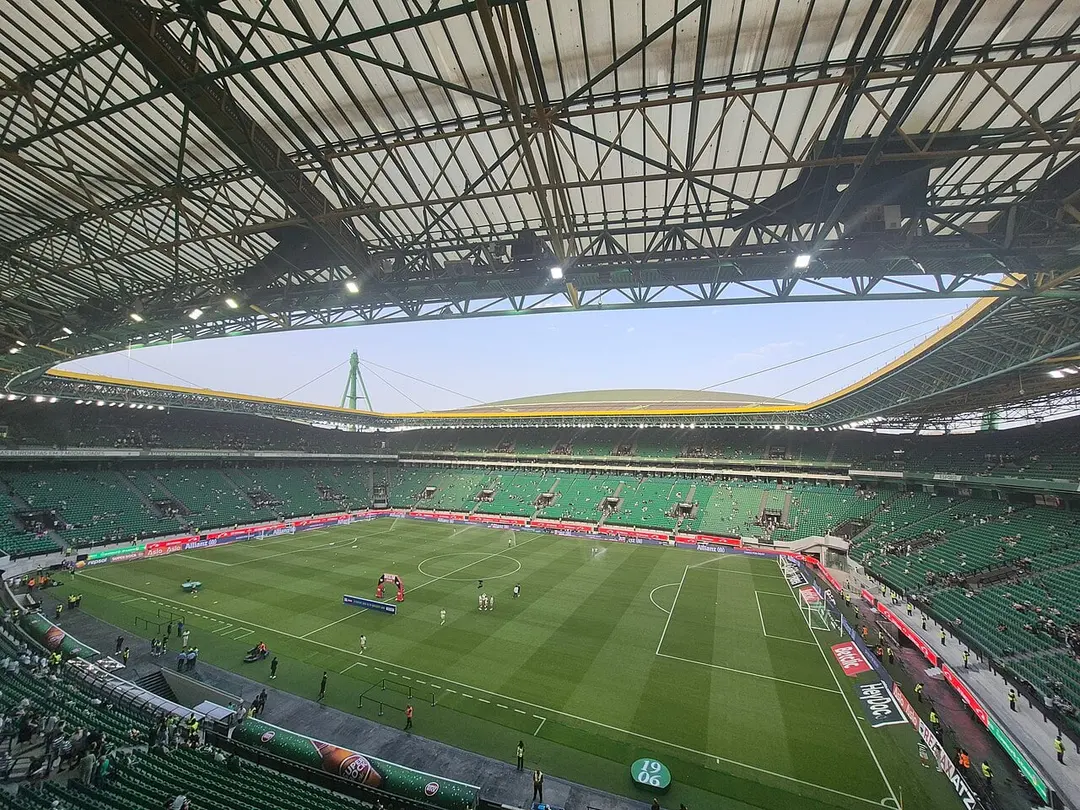
Estádio José Alvalade in Lisbon is the home ground of Sporting CP, one of Portugal's three major football clubs. Completed in 2003 in time for the UEFA European Championship hosted in Portugal, it holds 52,095 spectators and is rated in UEFA's highest stadium category 4. It was built directly adjacent to the old 1956 stadium, which was subsequently demolished. It is named after José Alfredo Holtreman Roquette, Sporting's founder, known by the nickname José Alvalade. The striking white-and-green exterior facade and the fully covered stand system rank among the architectural highlights of modern European stadium design. It also serves as a home ground for the Portuguese national team.
Lisbon
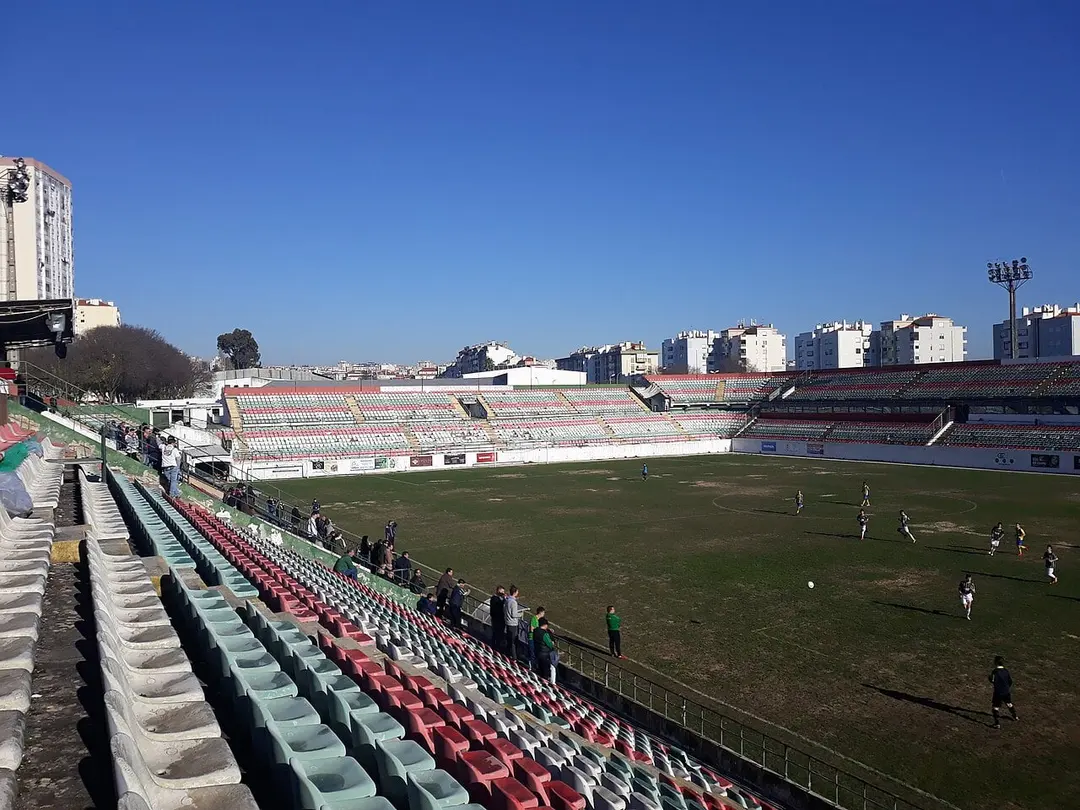
Estádio José Gomes is located in the Reboleira district of Amadora, a densely populated suburb of Lisbon. Built in 1957, it serves as the home ground of FC Amadora, a club rooted in the working-class football culture of the Portuguese capital region. With capacity for several thousand spectators, it offers a genuine local football experience away from major tourist circuits. For those wanting to experience Portuguese football beyond Benfica and Sporting, this stadium delivers an authentic atmosphere in a real neighbourhood setting.
Lisbon
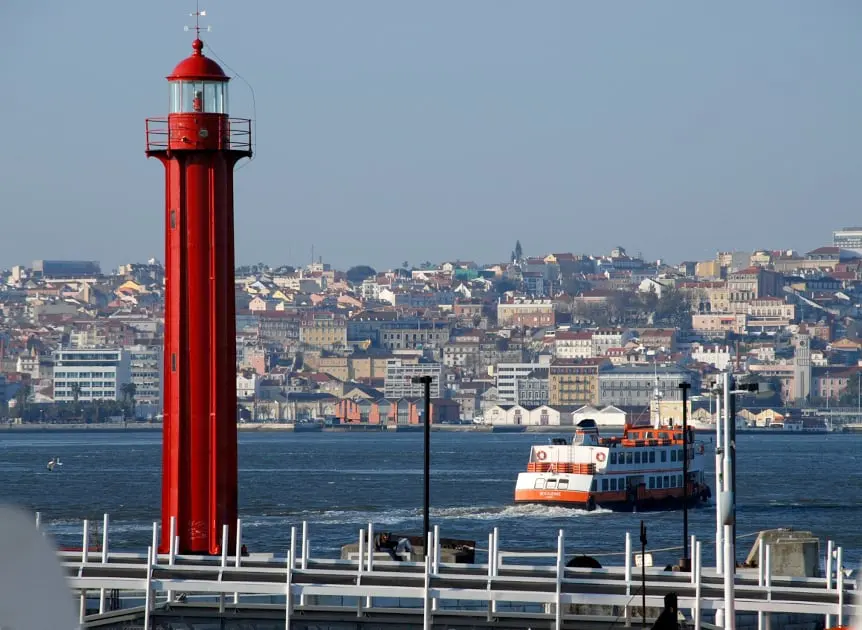
The Farol de Cacilhas is a modest but historically significant lighthouse in the town of Cacilhas on the southern bank of the Tagus, directly opposite Lisbon. Built in 1886 at the ferry terminal, it guided merchant vessels and ferries across the wide Tagus estuary until it was decommissioned in 1978. The compact late-19th-century structure is a defining element of the historic Cacilhas waterfront. Arriving by ferry from Lisbon, visitors spot it as the first landmark of Cacilhas, framed by views of the Cristo Rei statue and the Ponte 25 de Abril suspension bridge.
Lisbon
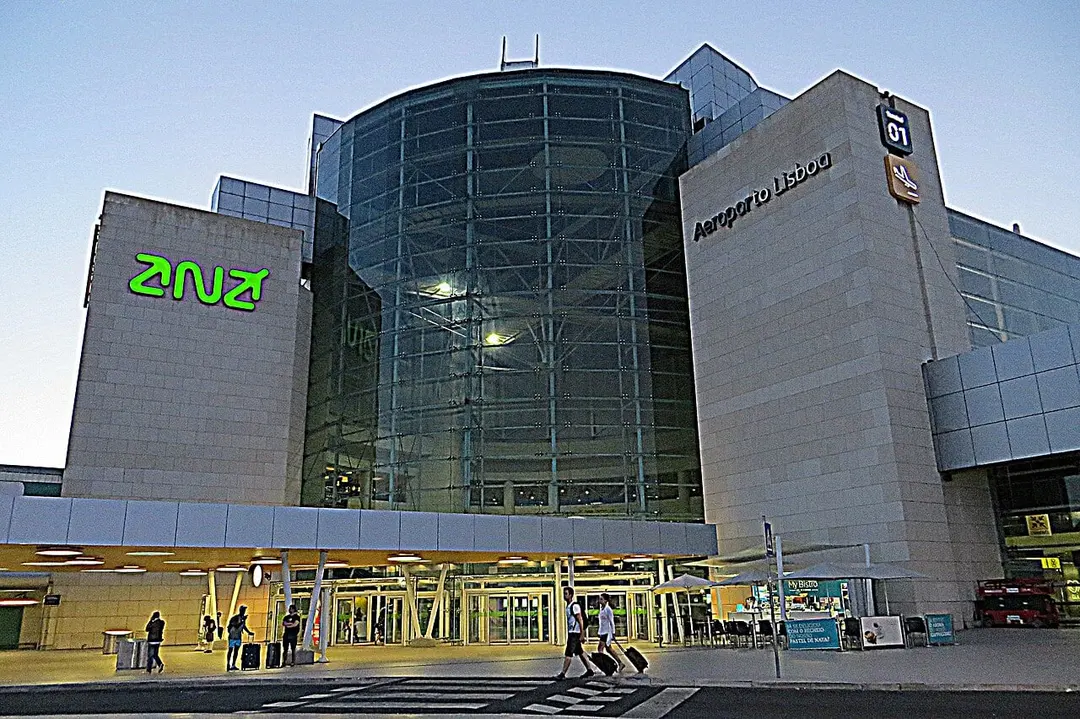
Lisbon Humberto Delgado Airport is Portugal's largest and most important airport, serving as the hub for TAP Air Portugal. Unusually well-connected for a major European capital, it sits just a few kilometres from the city centre with direct metro access, making it one of the most convenient airports in Europe for city arrivals. The airport is named after Portuguese military officer and resistance figure Humberto Delgado, assassinated by the Salazar regime in 1965. Arriving in Lisbon, travellers are often immediately struck by the city's soft Atlantic light and mild climate.
Lisbon
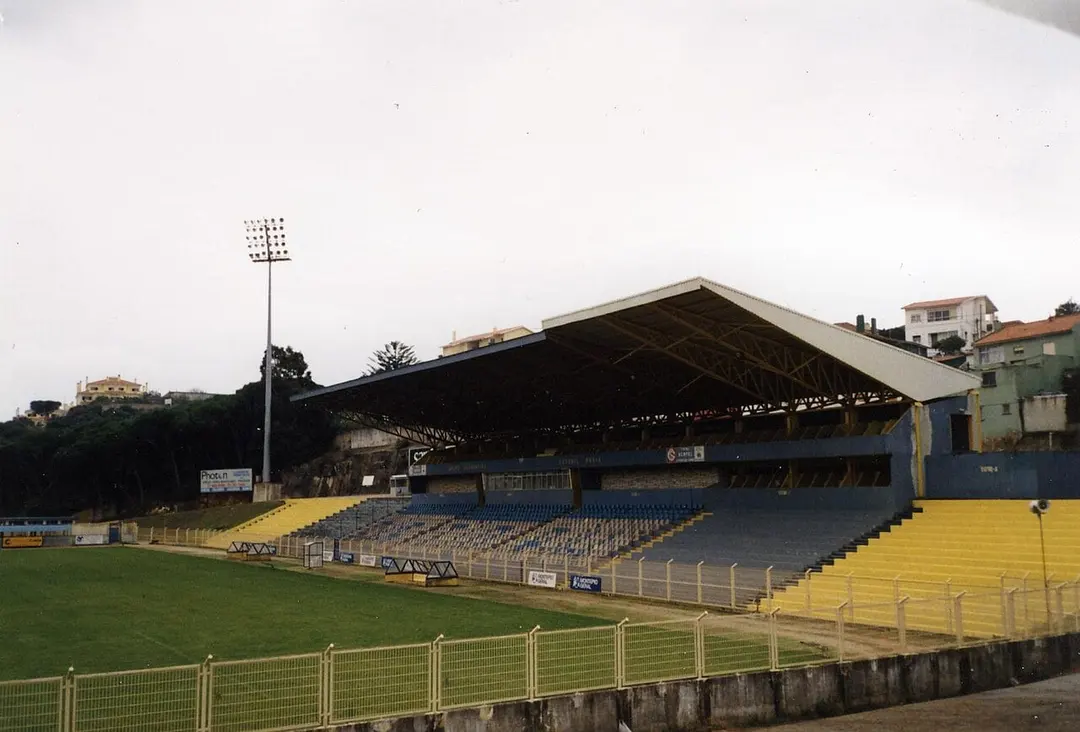
The Estádio António Coimbra da Mota is the home ground of G.D. Estoril Praia, a Primeira Liga club, located in Estoril in the coastal municipality of Cascais, west of Lisbon. Built in 1939, the compact stadium holds around 8,000 spectators and is named after the club's long-serving president. Estoril is known primarily for its grand casino and upscale coastal atmosphere — making the modest stadium a somewhat understated presence in an otherwise glamorous town. The venue also hosts Estoril's reserve team and has seen top-flight Portuguese football through the club's various promotions.
Lisbon
Keep exploring
Rate places with a swipe — TravelType learns from your tags what you love and curates your own map. Private until you choose to share.