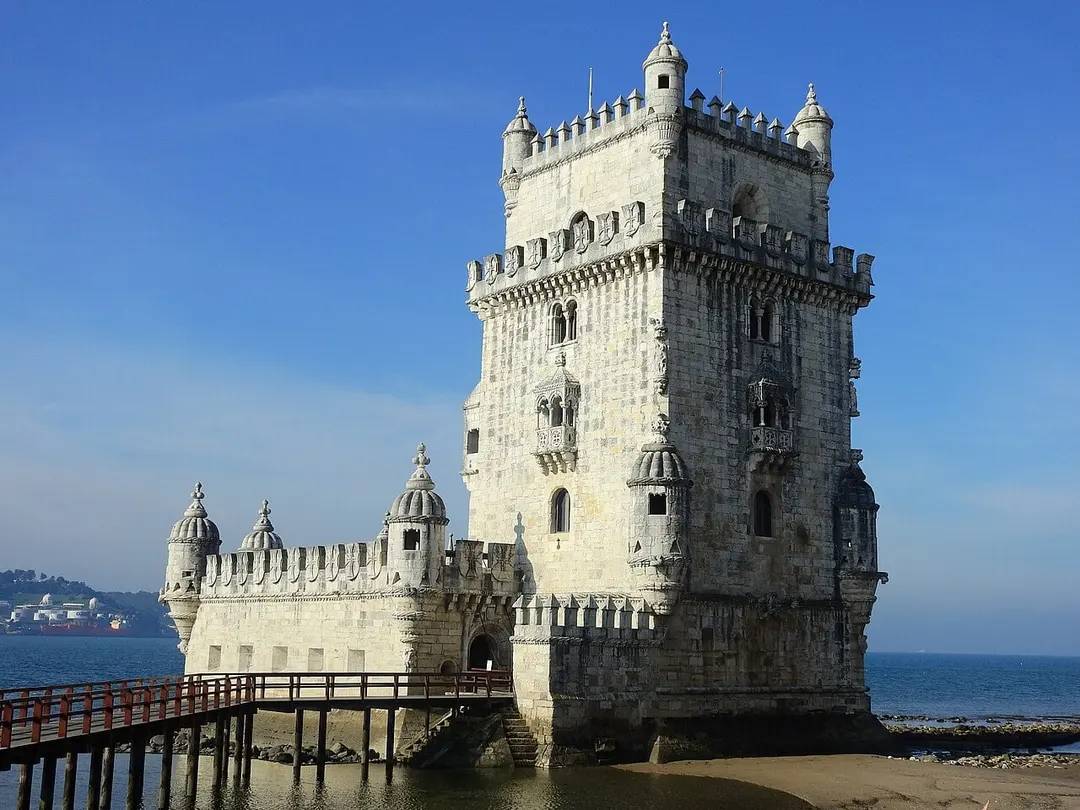
Belém Tower
Lisbon
architectureculturenature+4
1519 fortified tower at the Tagus mouth from which the caravels set sail to the world — UNESCO heritage.
mystery
Lisbon wears its mysteries openly. The medieval lanes of Alfama and the hilltop Castelo de São Jorge layer centuries of half-forgotten history, while the Belém Tower stands in silence above the Tagus. From the Senhora do Monte viewpoint the city reveals itself as something deeper than a postcard. Older still are the megalithic monuments scattered around Lisbon — Anta da Pedra dos Mouros, Anta das Pedras Grandes, Anta de Adrenunes, Anta de Agualva, Anta do Monte Abraão and the Estria dolmen — remnants of cultures that remain largely unexplained. The jagged coastal rock formation of Boca do Inferno and the layered streets of Baixa-Chiado each carry their own quiet, unresolved stories.
14 places · Lisbon, Portugal · Editorially curated
Lisbon
1519 fortified tower at the Tagus mouth from which the caravels set sail to the world — UNESCO heritage.
Lisbon
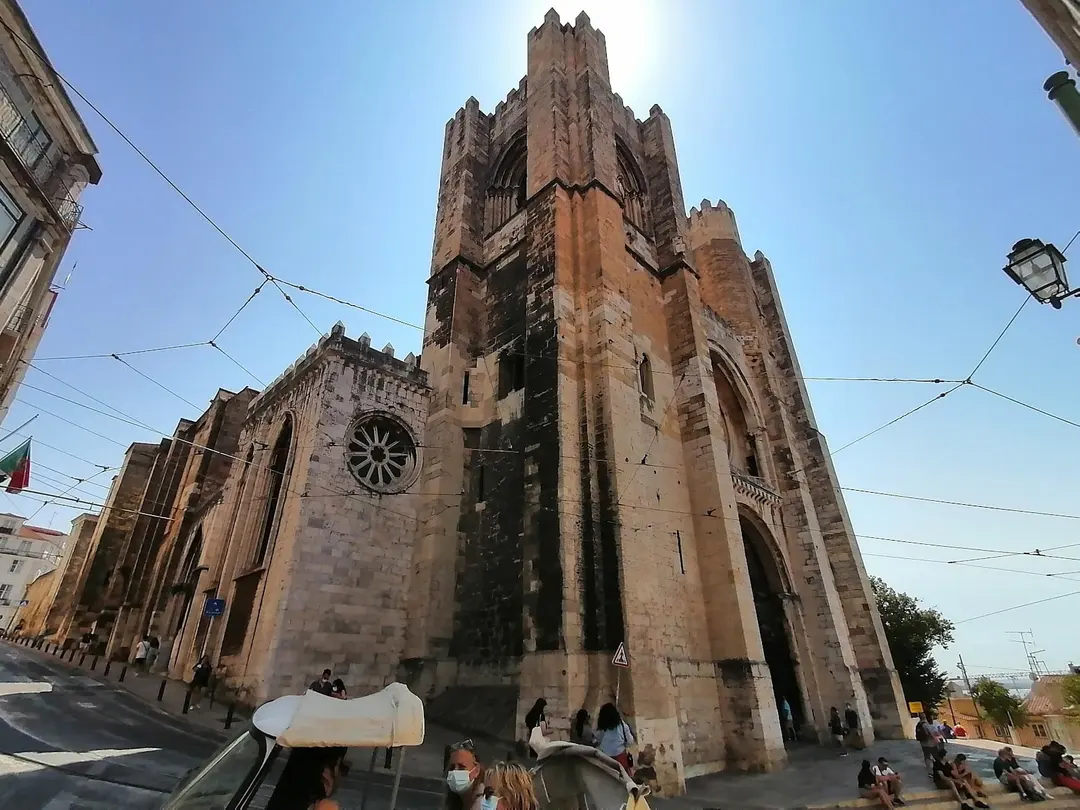
The city's tightest, oldest lanes below the castle, small Fado tavernas, laundry on balconies, tram 28 cutting through.
Lisbon
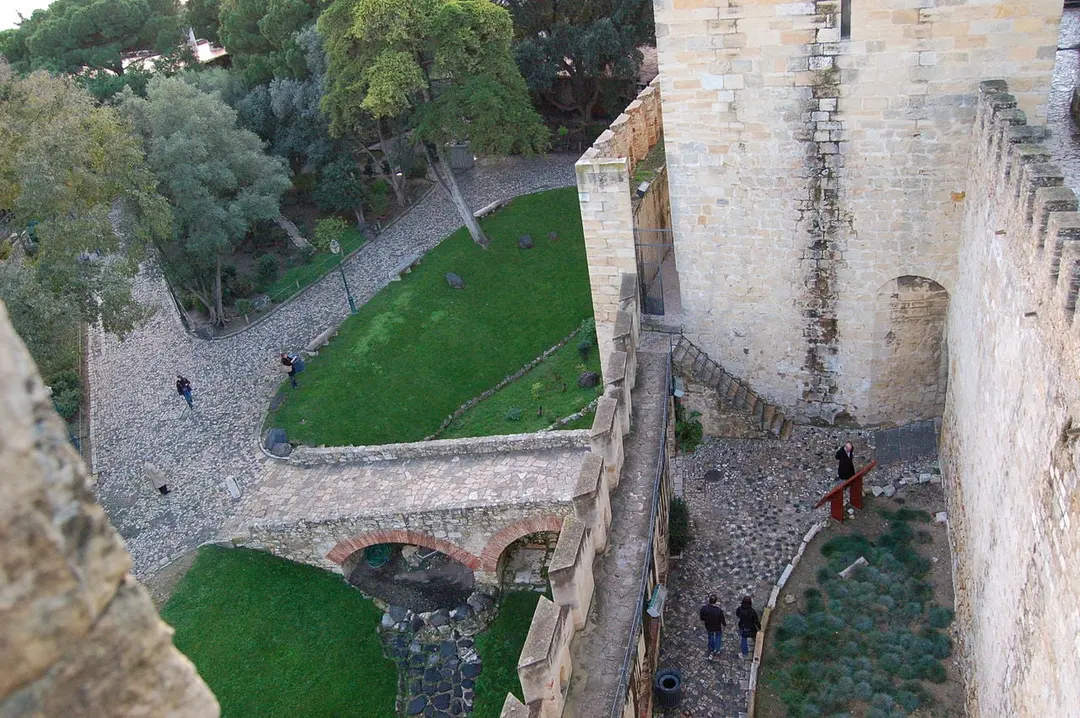
11th-century hill fortress, 11 towers, free-roaming peacocks and 360° views over the city and Tagus.

Lisbon
Viewing platform over Lisbon with sightlines to the castle, Ponte 25 de Abril and the Tagus — magic at sunset.

Lisbon
Small Fado room in Alfama tiled in 18th-century blue azulejos, intimate live sets from 10 pm.
Lisbon
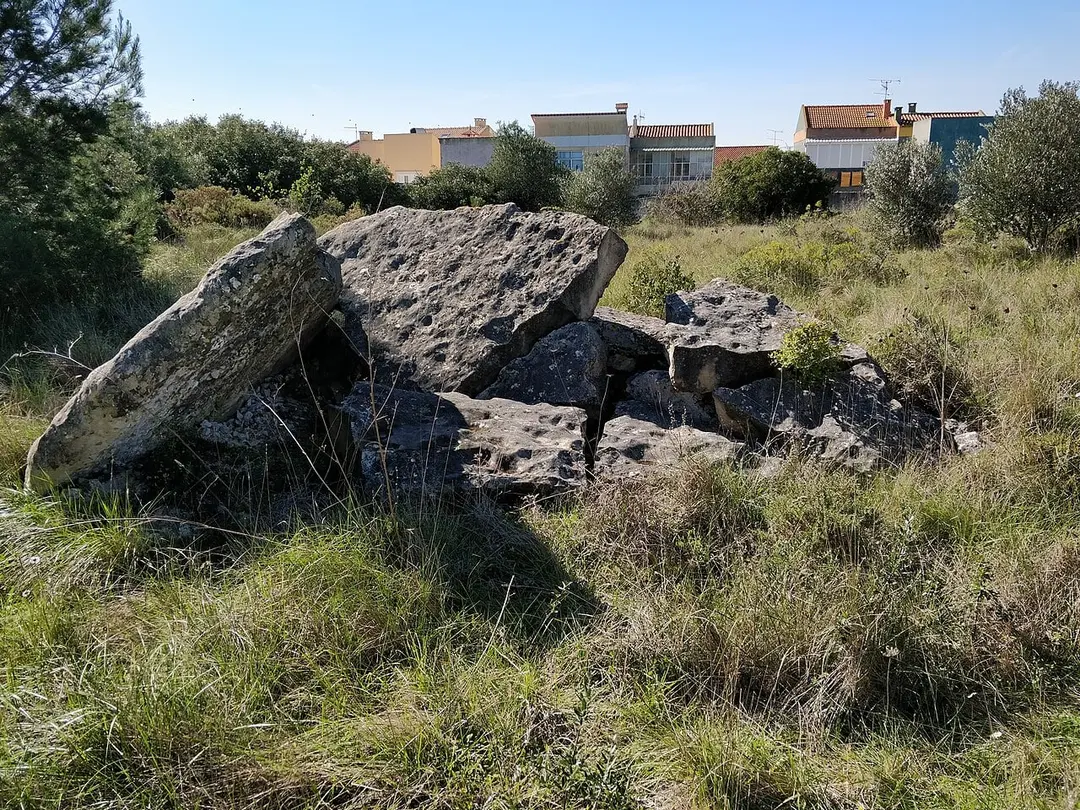
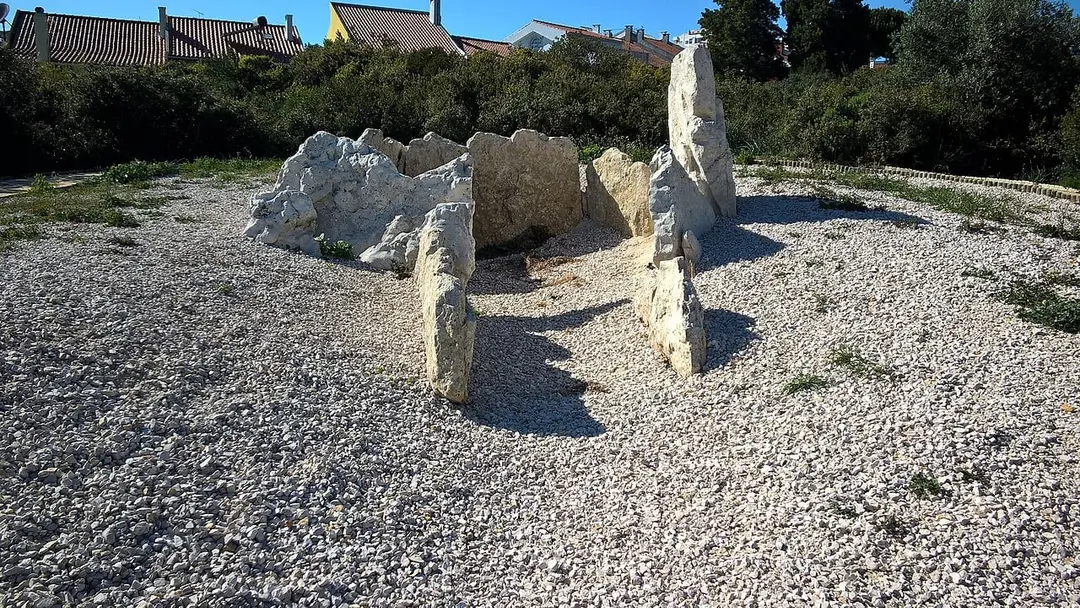
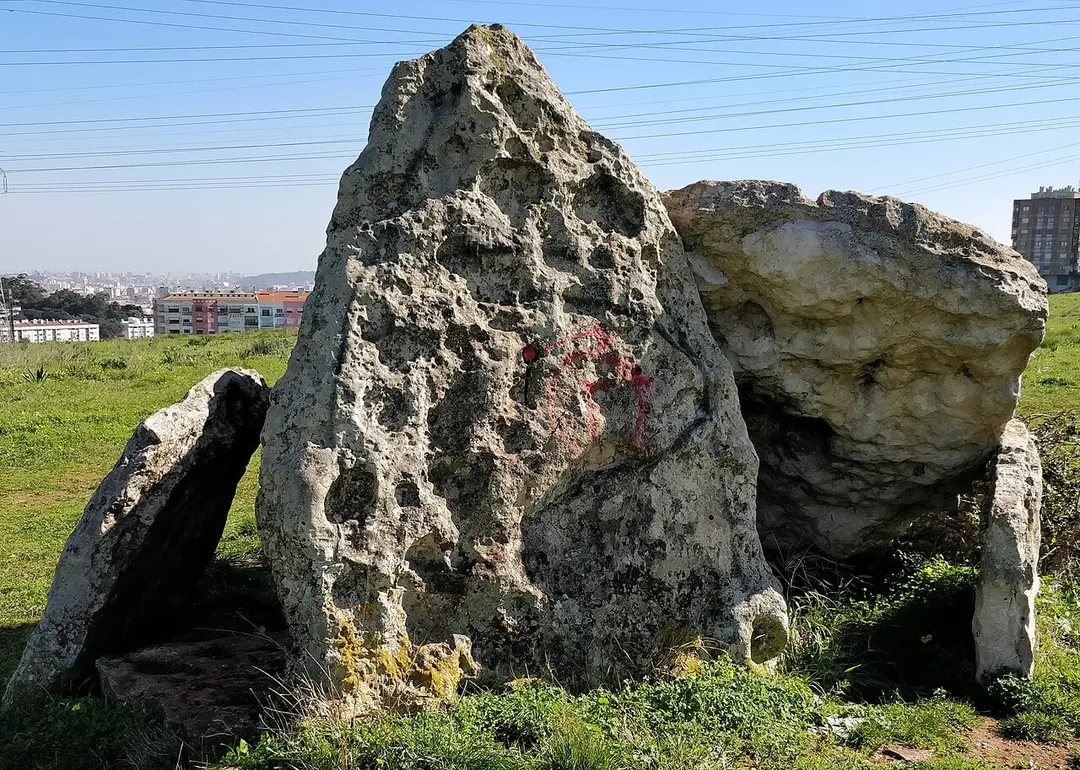
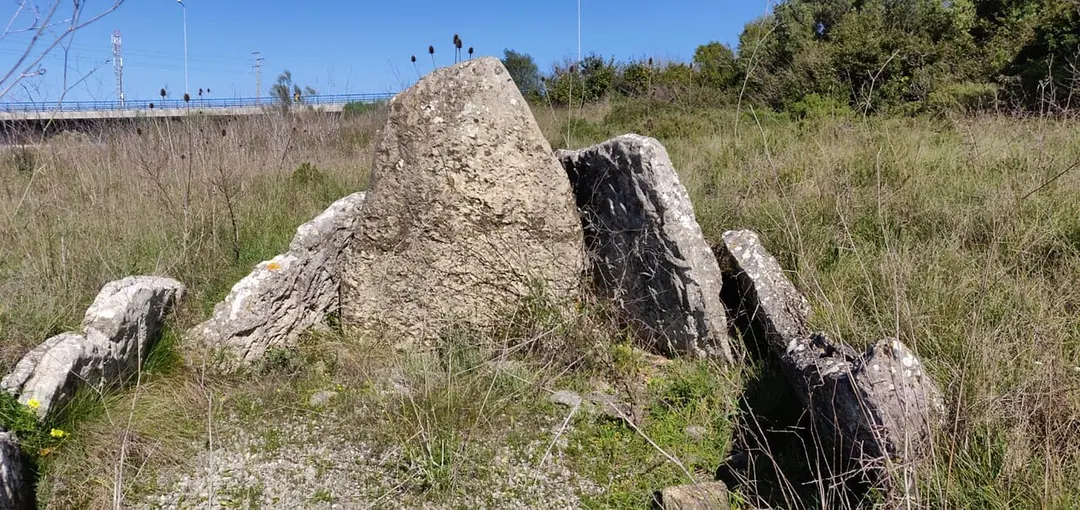
The Anta da Pedra dos Mouros is a Neolithic-Chalcolithic dolmen near Belas and Queluz northwest of Lisbon, part of the Antas de Belas group. First identified by Carlos Ribeiro in 1856 and protected as a national monument in 1910, it has suffered significant recent vandalism damage. One of three closely situated megalithic structures in this group.
Lisbon
Neolithic dolmen south of Canecas near the A9 motorway in the Lisbon District, part of the Iberian megalithic culture (c. 3000 BCE).
Lisbon
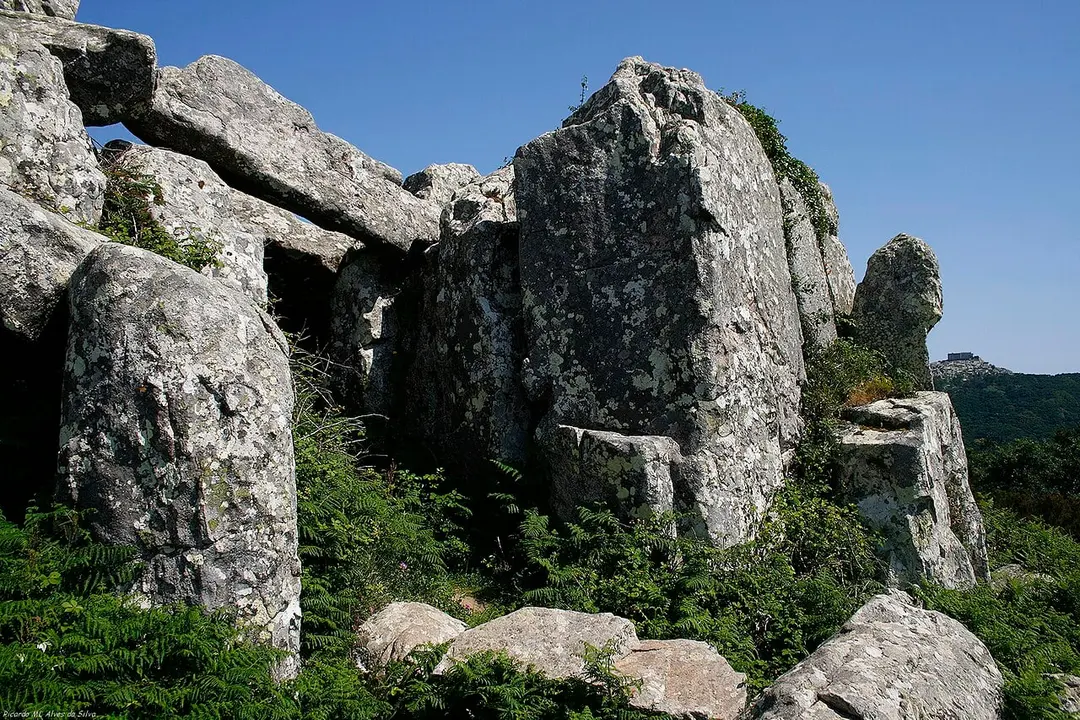
Dolmen east of Azoia, Colares parish, Sintra municipality. Some sources suggest it served as a collective burial chamber.
Lisbon
Megalithic dolmen in Agualva, Sintra municipality, northwest of Lisbon. Also known as Anta do Carrascal.
Lisbon
Neolithic dolmen near Queluz/Belas, Sintra municipality. Part of the Antas de Belas group alongside Anta da Estria and Anta da Pedra dos Mouros.
Lisbon
Lisbon
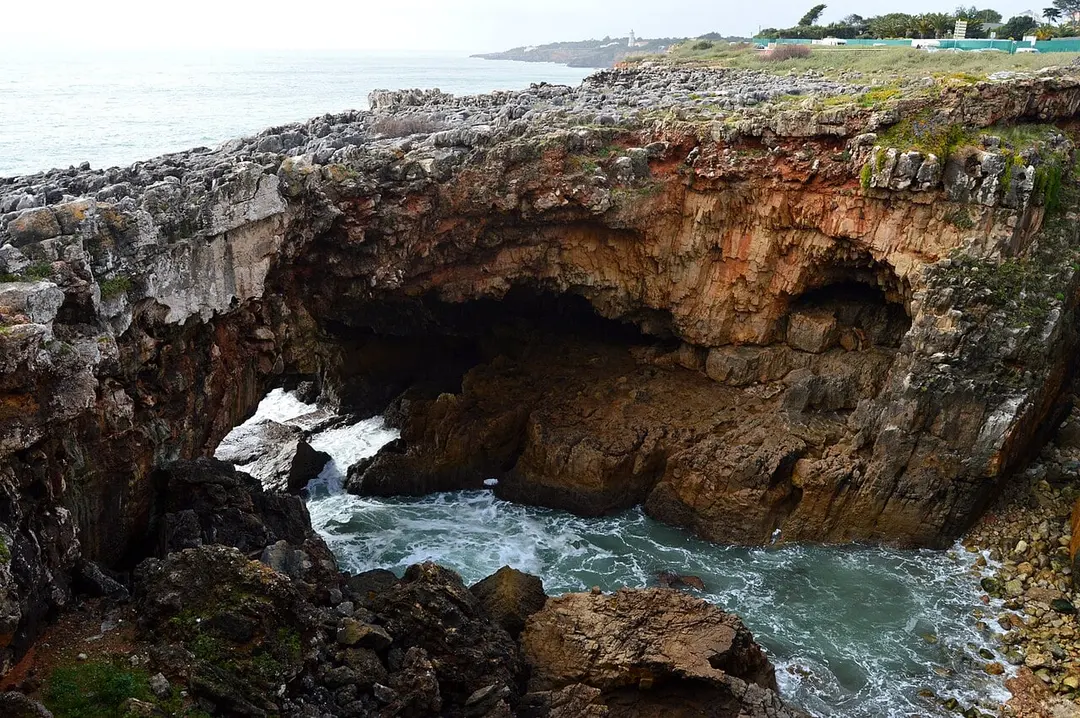
"Mouth of Hell" lives up to its name. Boca do Inferno is a dramatic natural arch and sea cave in the limestone cliffs just outside Cascais, where Atlantic waves funnel into a narrow chasm and explode upwards in spectacular spray when the swell is running. An easy coastal walk from Cascais town centre leads to the clifftop viewpoint. The place carries a whiff of the uncanny: in 1930, occultist Aleister Crowley staged his own death here as a publicity stunt — and reappeared alive a few weeks later. Today it attracts day-trippers, photographers, and anyone craving the raw, elemental force of the Atlantic at close quarters.
Lisbon
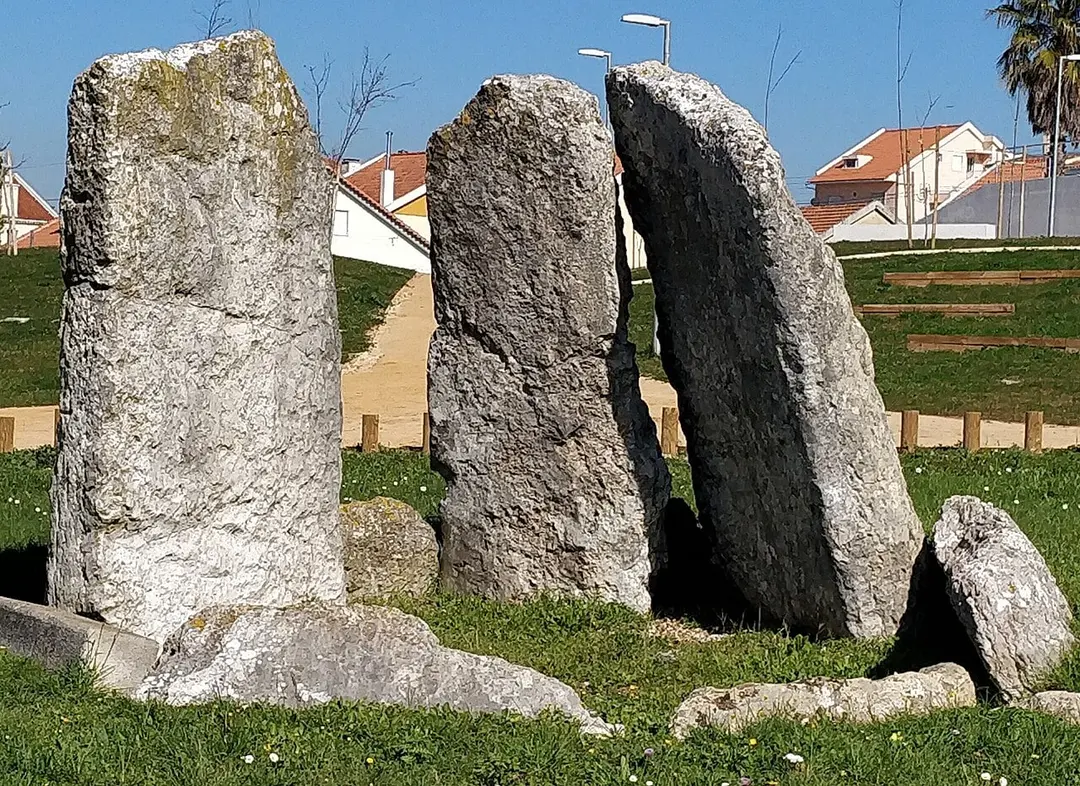
The Anta da Estria is a Neolithic dolmen between Belas and Queluz, northwest of Lisbon near the A9 motorway. Dating to the Late Neolithic and early Chalcolithic period (approximately 3000 BCE), it is part of the Antas de Belas — a group of three megalithic structures identified in 1870 by Portuguese prehistorian Carlos Ribeiro. Portugal has around 5,000 such anta dolmens, testifying to the Iberian megalithic culture.
Lisbon
Keep exploring
Rate places with a swipe — TravelType learns from your tags what you love and curates your own map. Private until you choose to share.