TravelType

architecture

Architecture in Santiago

Santiago de Chile's architecture spans a remarkable range of styles and eras. The neoclassical Municipal Theatre of Santiago anchors the historic centre, while the Basílica del Salvador, Basílica del Corazón de María, Basílica de Nuestra Señora del Perpetuo Socorro, and Iglesia de los Sacramentinos reflect the city's rich tradition of religious building. The 19th-century cast-iron Mercado Central contrasts with the soaring Gran Torre Costanera, the tallest skyscraper in Latin America. The Bahai House adds a distinctive spiritual aesthetic, and civic landmarks such as the Bernardo O'Higgins Monument, the Estadio Municipal de La Pintana, and Arturo Merino Benítez International Airport round out the architectural breadth of Chile's capital.

11 places · Santiago, Chile · Editorially curated

  • Arturo Merino Benítez International Airport

    Arturo Merino Benítez International Airport

    Santiago

    cultureoutdoor activitieslocal gems

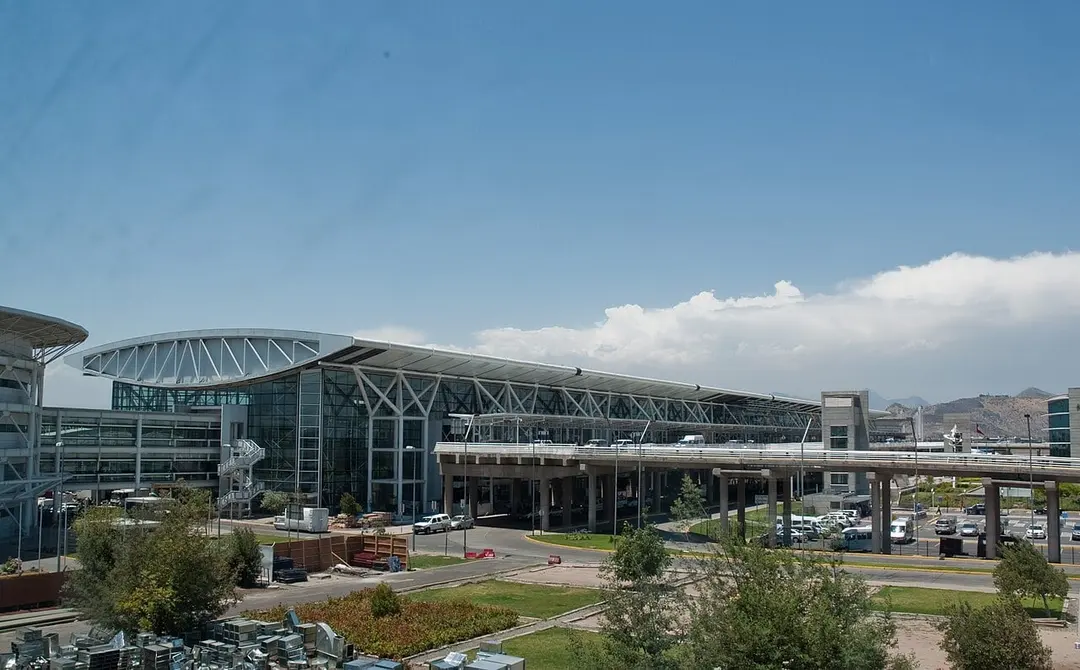
    Aeropuerto Internacional Arturo Merino Benítez in the municipality of Pudahuel is Chile's main international airport and a key hub for air travel across South America. Direct connections link it to Europe, North America, and all major South American cities. Named after Arturo Merino Benítez, the founder of the Chilean Air Force, it serves as the primary entry point for travellers to Chile. From here, the Atacama Desert in the north, the wine regions to the south, or the Patagonian fjords are all reachable within a few hours.
  • Bahai House

    Bahai House

    Santiago

    culturenature

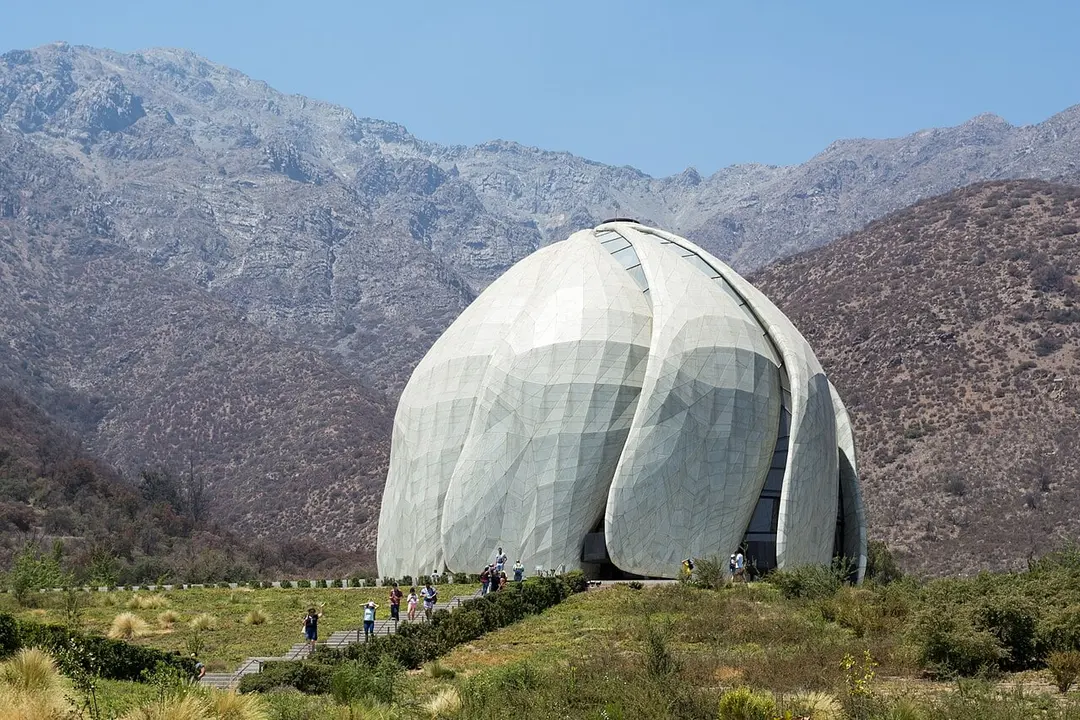
    Perched in the foothills of the Andes in the district of Peñalolén, the Bahá'í House of Worship in Santiago was the first of its kind in all of South America when it opened in 2016. Nine curved wings of translucent glass and marble embrace a serene interior where no sermons are held – only silence and reflection open to people of any faith or none. The design, chosen through an international competition, floods the space with natural light that shifts dramatically throughout the day. Standing in the terraced gardens, visitors overlook the entire Santiago basin stretching toward the Pacific, making this one of the city's most quietly spectacular vantage points.

  • Basílica del Corazón de María, Santiago de Chile

    Basílica del Corazón de María, Santiago de Chile

    Santiago

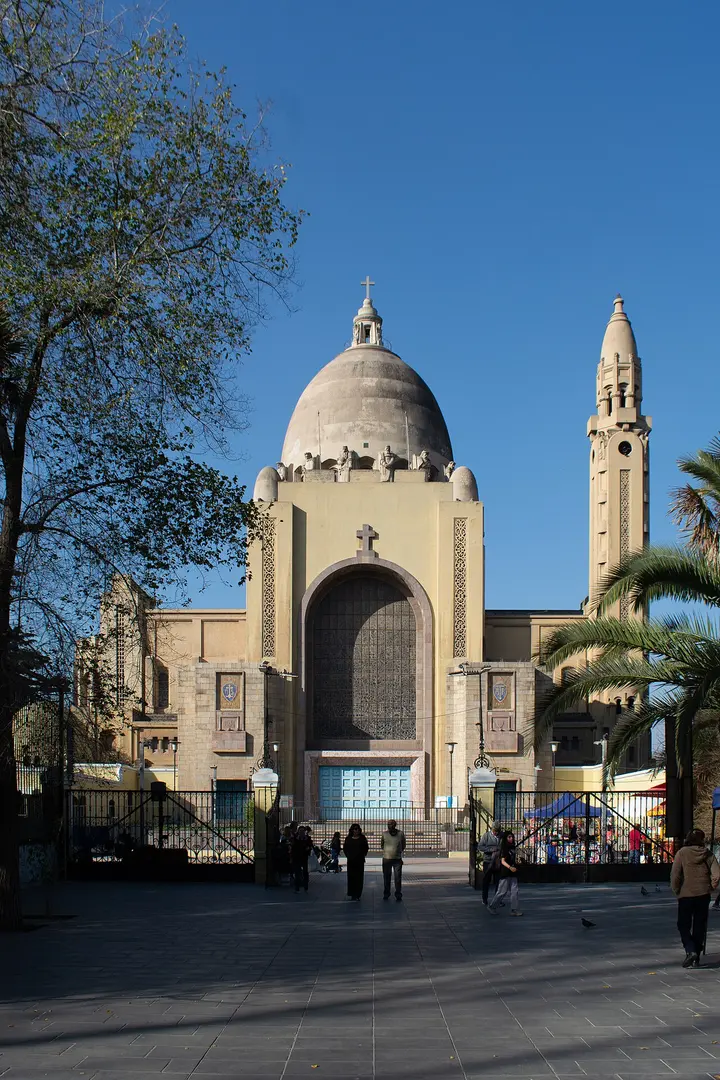
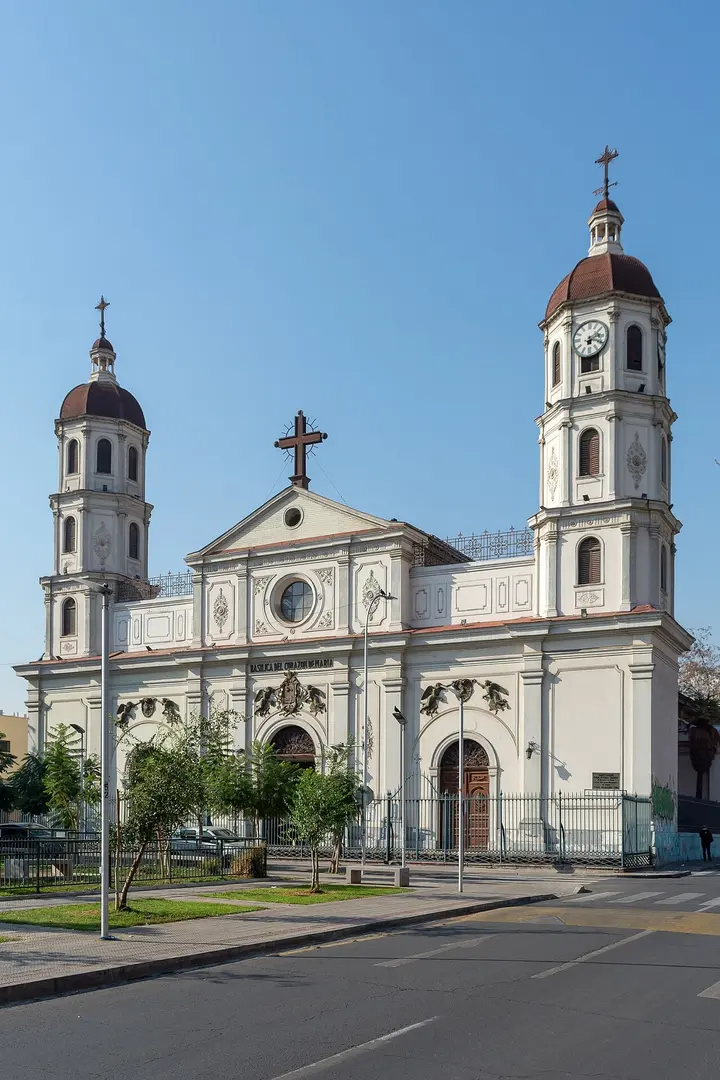
    The Basilica of the Immaculate Heart of Mary is a Roman Catholic church in Santiago de Chile belonging to the Archdiocese of Santiago. It holds the honorary title of minor basilica, bestowed by the Vatican, and is dedicated to the Immaculate Heart of Mary — a Marian devotion especially widespread across Latin America. The church sits within Santiago's urban fabric and serves as a place of worship, pilgrimage, and quiet prayer. Its facade and interior preserve the classic Latin American ecclesiastical style that has shaped the region's religious architecture for centuries, offering visitors an authentic glimpse into Chilean Catholic life.

  • Basílica del Salvador

    Basílica del Salvador

    Santiago

    history

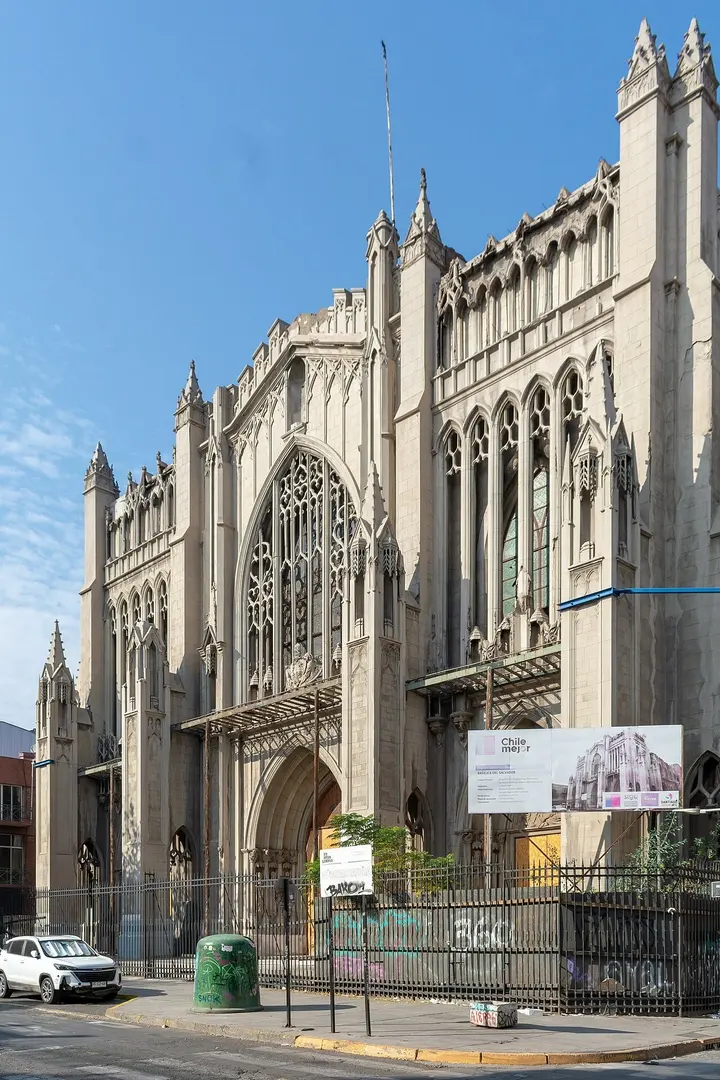
    The Basílica del Salvador is one of the most significant Catholic churches in the heart of Santiago de Chile. Dedicated to the Salvator Mundi — the Savior of the World — it holds the rare papal title of minor basilica, shared by only six churches in the Chilean capital. The current building dates to 1932, built in a neo-baroque style that blends the colonial church tradition of Chile with European influence. The basilica's story is inseparable from Chile's seismic history: the powerful earthquakes of 1985 and 2010 left visible damage to its structure, leaving it in a precarious state. Despite its wounds, the church continues to draw faithful worshippers, architecture enthusiasts, and visitors exploring the historic center of Santiago.

  • Basílica de Nuestra Señora del Perpetuo Socorro

    Basílica de Nuestra Señora del Perpetuo Socorro

    Santiago

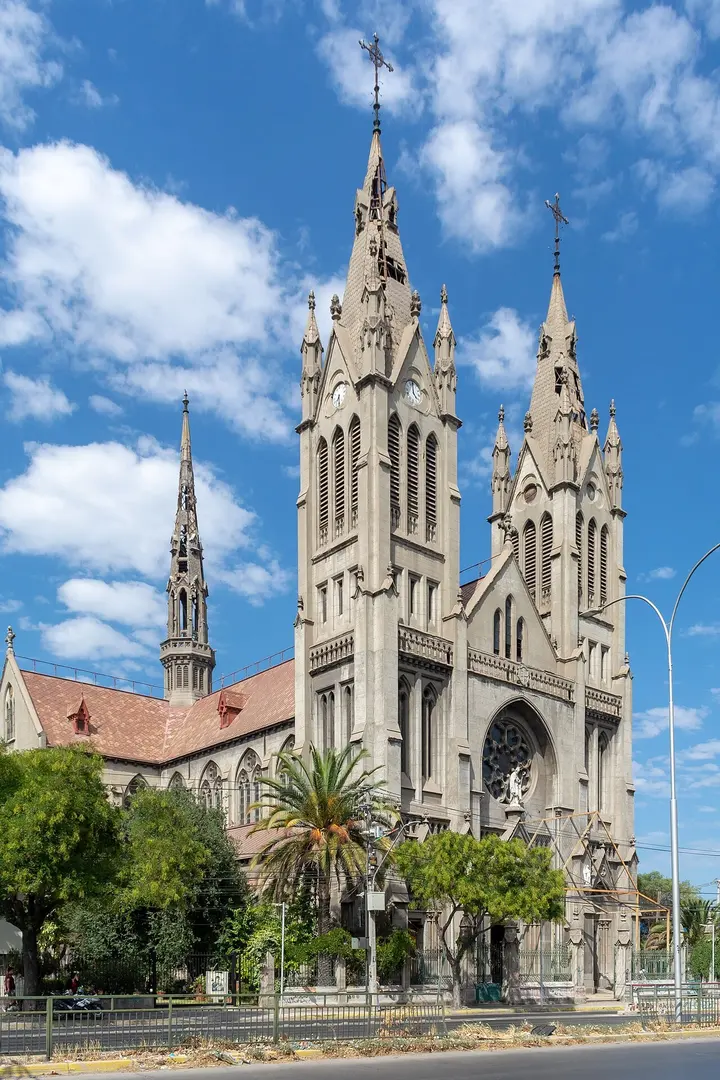
    In the heart of Santiago de Chile, this Redemptorist minor basilica is dedicated to the icon of Our Lady of Perpetual Help. The Redemptorists, renowned for popular missions and Marian devotion, established the church as a spiritual center in the Chilean capital. Its architecture reflects European ecclesiastical traditions adapted to South American conditions. The interior invites quiet reflection, with the titular Marian icon as its central devotional image. Today the basilica serves as an active parish and pilgrimage site for devotees of Mary from across Chile.

  • Bernardo O'Higgins Monument

    Bernardo O'Higgins Monument

    Santiago

    culturehistory

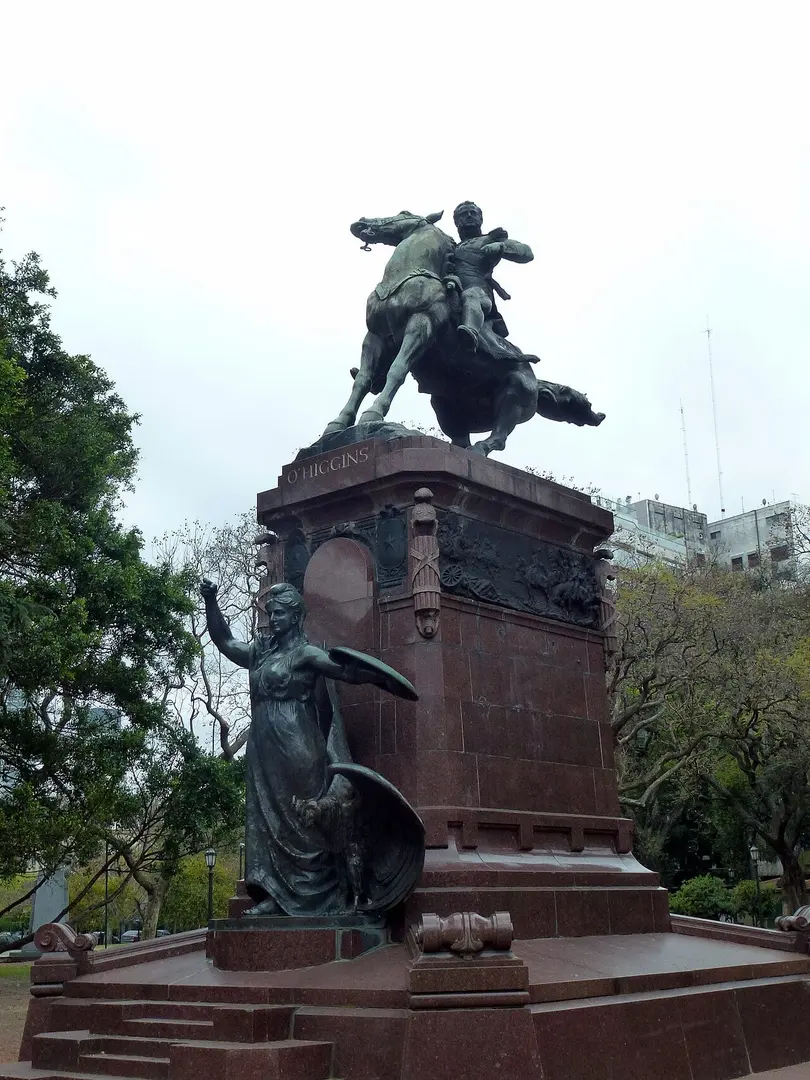
    Bernardo O'Higgins Riquelme is Chile's foremost national hero: born the son of an Irish-descended Spanish colonial governor, he led the independence movement and became Chile's first Director Supremo in 1817 after the liberation from Spanish rule. The monument in Santiago honors his legacy with an imposing equestrian statue, depicting him in the commanding pose of a military leader. It stands as a symbol of Chilean desire for freedom and forms an integral part of the capital's public memory. Until his abdication in 1823, O'Higgins fundamentally shaped the political foundations of the young nation.

  • Estadio Municipal de La Pintana

    Estadio Municipal de La Pintana

    Santiago

    outdoor activitieslocal gems

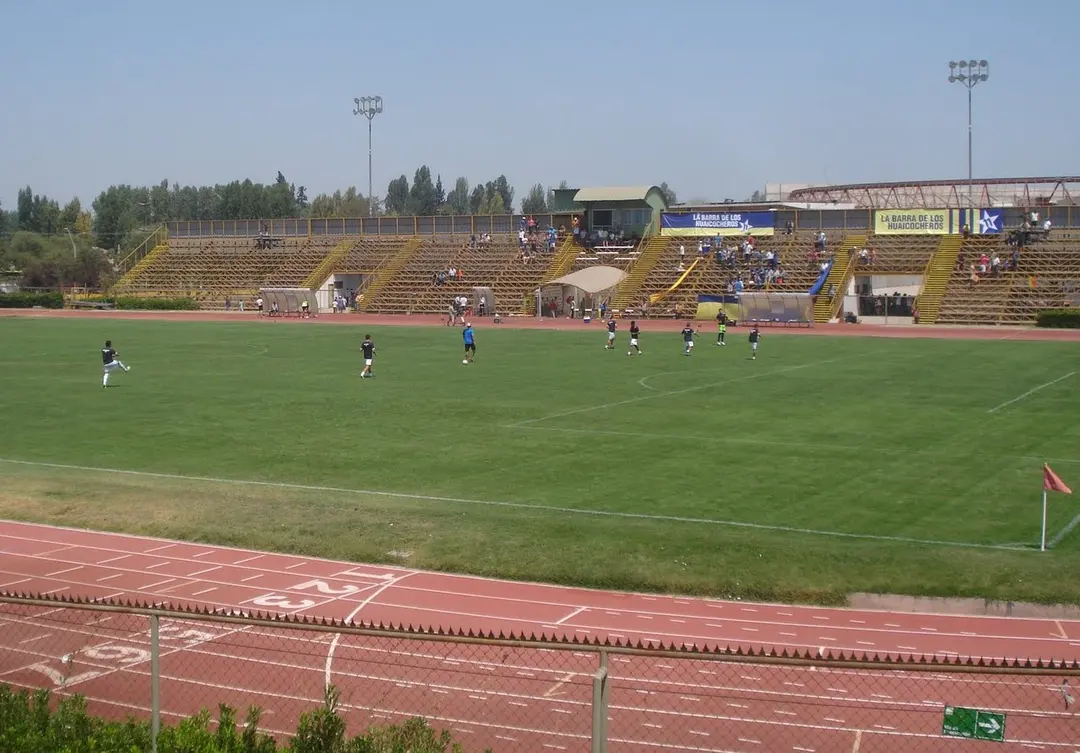
    Estadio Municipal de La Pintana is a multi-use stadium in the La Pintana municipality of southern Santiago de Chile. With a capacity of 6,000 spectators, it is primarily used as a football ground and provides an important home for local amateur sports.

  • Gran Torre Costanera

    Gran Torre Costanera

    Santiago

    historyfamily outingsgreat views

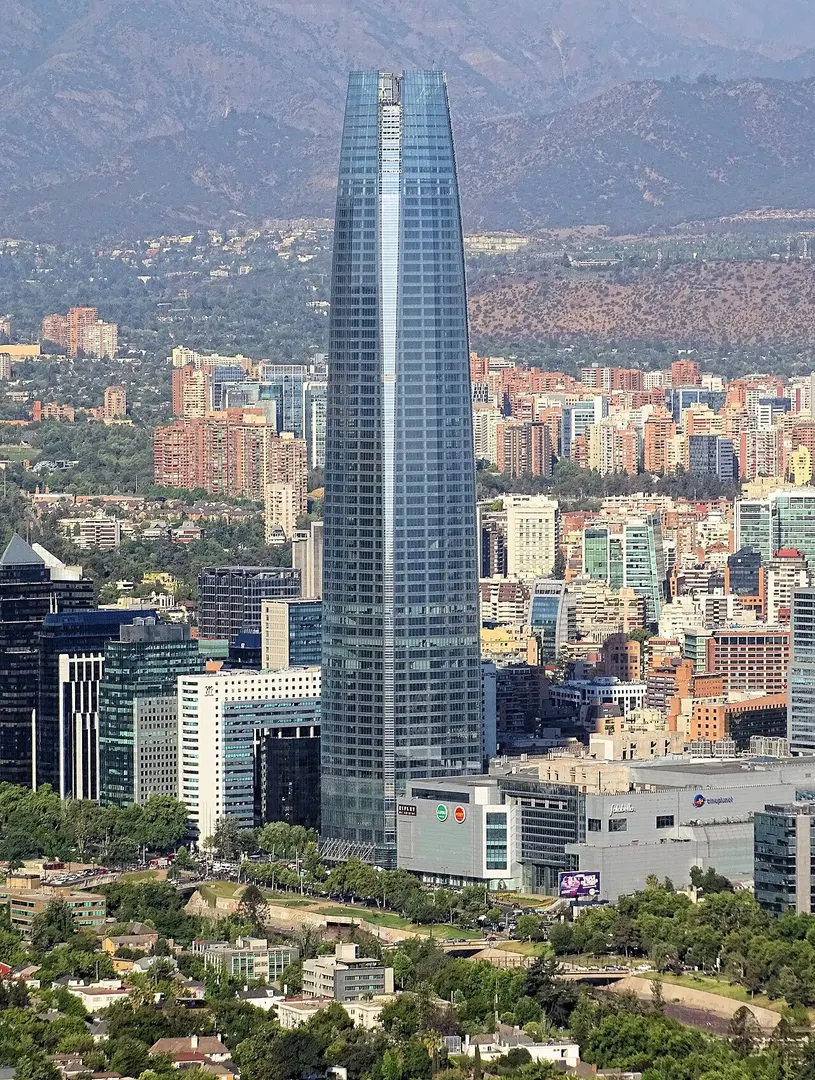
    Gran Torre Santiago, standing 300 metres tall with 62 floors, is the tallest building in South America. It rises in the Providencia district of Santiago de Chile and forms the centrepiece of Costanera Center, one of the largest retail and office complexes on the continent. The project was initiated by German-Chilean entrepreneur Horst Paulmann, founder of the retail conglomerate Cencosud, and was completed in 2013. The tower houses offices on its upper floors and is connected to a vast shopping mall at its base covering 600,000 square metres. A public observation deck at the top offers sweeping views across the entire metropolitan area — on clear days extending to the snow-capped peaks of the Andes. The tower has fundamentally reshaped Santiago's skyline and has since become a new symbol of the city.

  • Mercado Central de Santiago

    Mercado Central de Santiago

    Santiago

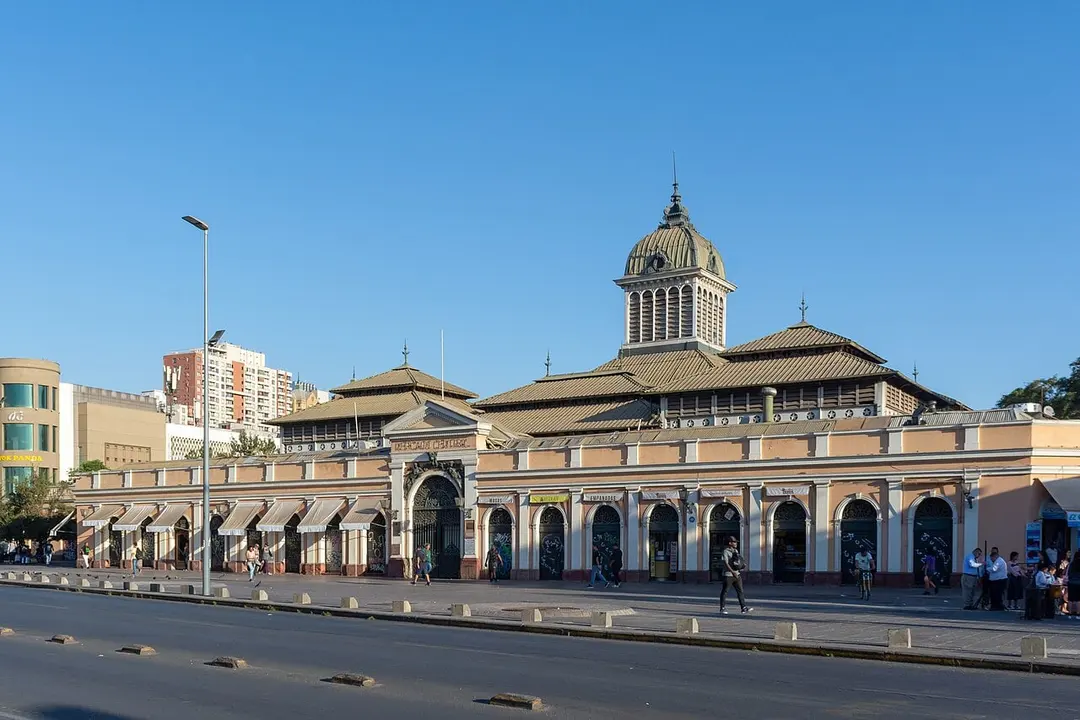
    The Mercado Central is the culinary heart of Santiago de Chile — a magnificent iron-frame structure from 1872 in the city centre, near the Cal y Canto metro station. Its cast-iron framework was manufactured in Scotland and assembled in Chile, and the building is now a protected landmark. Inside, almost everything revolves around fresh seafood: vendors offer fish, shellfish, and crustaceans from the Pacific, while restaurants serve traditional Chilean fish dishes right alongside. The market functions both as a neighbourhood food source for locals and as a popular destination for visitors wanting to experience authentic Chilean cuisine.

  • National Congress Library of Chile

    National Congress Library of Chile

    Santiago

    knowledge

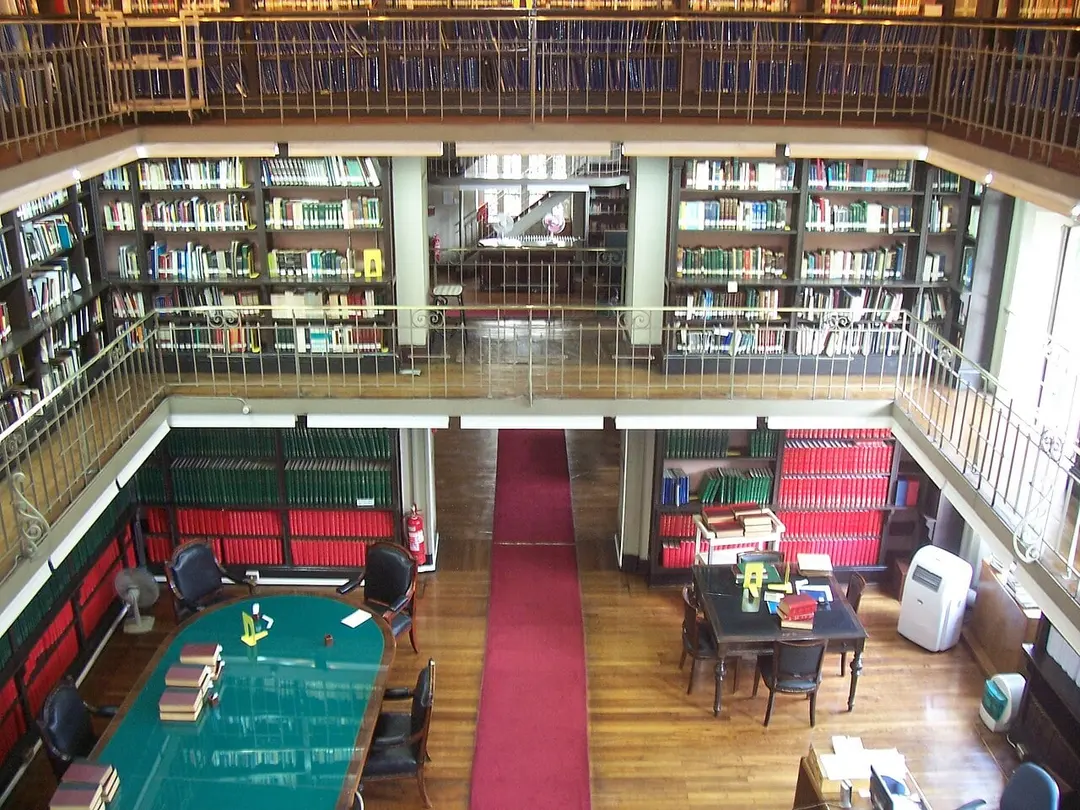
    The Biblioteca del Congreso Nacional is the oldest parliamentary library in Latin America, founded in 1882 in Santiago de Chile. It serves both chambers of the Chilean Congress — the Chamber of Deputies and the Senate — as the central information and documentation hub for legislative work. The collection encompasses millions of documents, historical records, and publications, making it valuable not only to legislators but also to researchers and the general public. The library building reflects the institution's long history, and parts of the collection are publicly accessible. It stands as a cornerstone of Chile's democratic memory and institutional continuity.

  • Víctor Jara Stadium

    Víctor Jara Stadium

    Santiago

    culturehistory

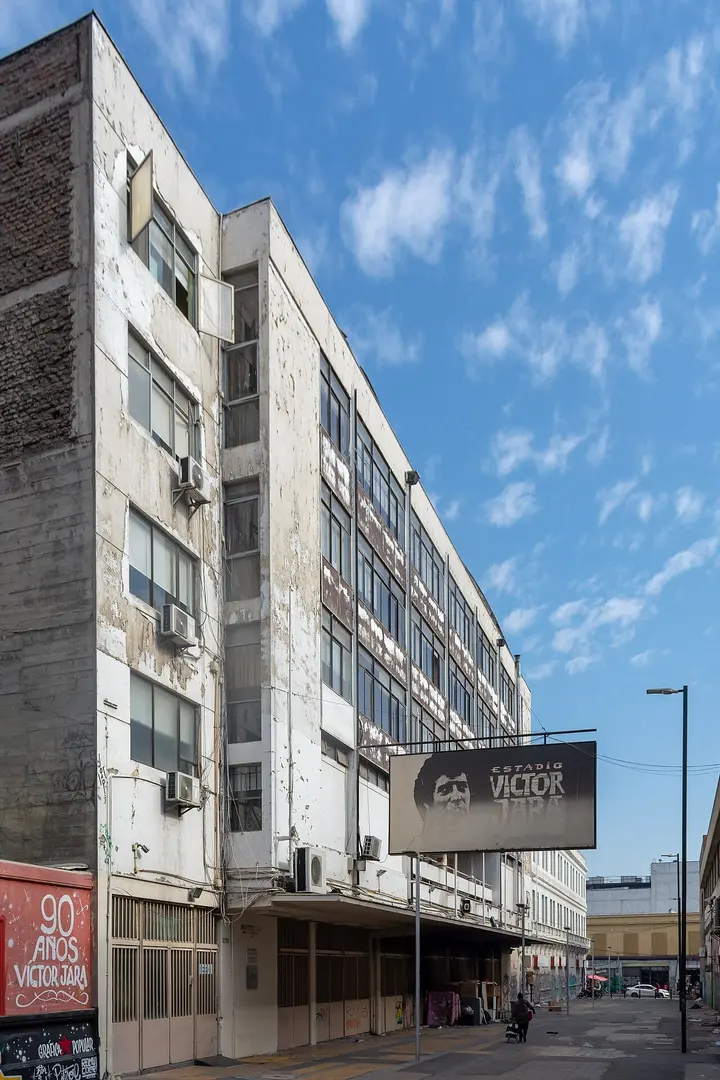
    The Estadio Víctor Jara in western Santiago, near the Estación Central, now bears the name of Chilean singer and activist Víctor Jara, who was murdered here in 1973. The stadium was inaugurated in 1949 in rationalist style as the "Estadio Chile" and holds around 6,500 people. After the military coup of 11 September 1973 under Augusto Pinochet it was used in the first weeks as a detention camp: thousands of political prisoners were held, tortured and killed here. Among them was Víctor Jara, whose hands were broken before he was shot — one of the best-known cases of the Chilean dictatorship. The stadium has borne his name since 2004. Today it is once again used for sport and cultural events, but also serves as a memorial to the victims of the dictatorship.

Keep exploring

These places are just the beginning.

Rate places with a swipe — TravelType learns from your tags what you love and curates your own map. Private until you choose to share.

Create your profile