TravelType

local gems

Local gems in Santiago

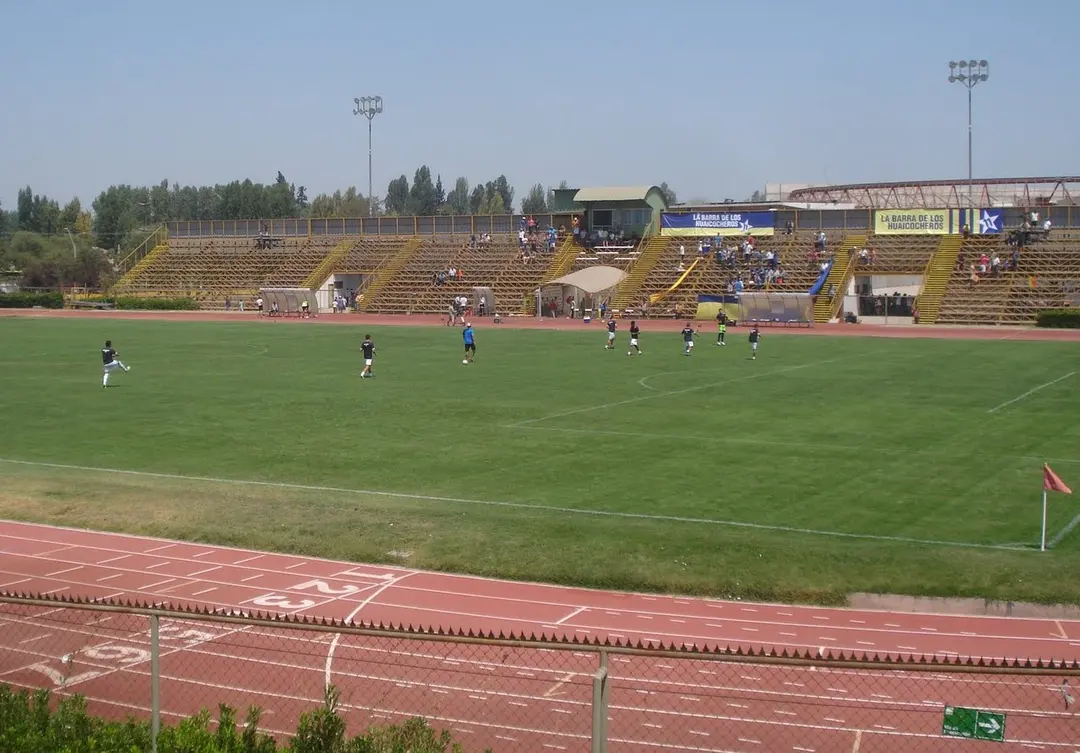
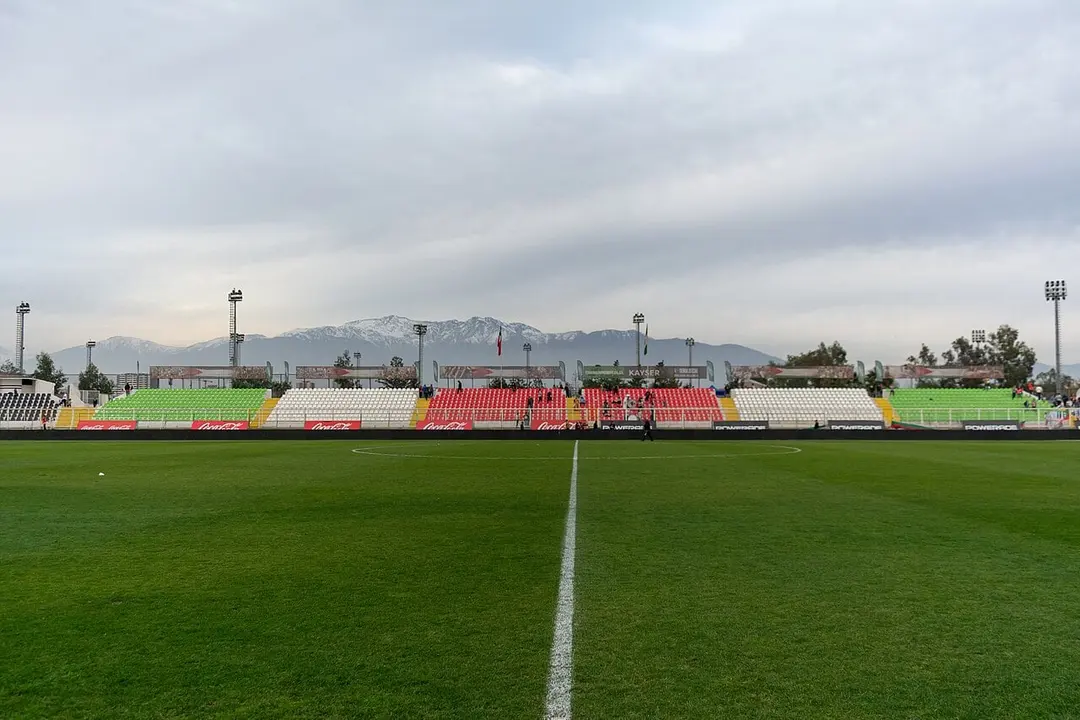
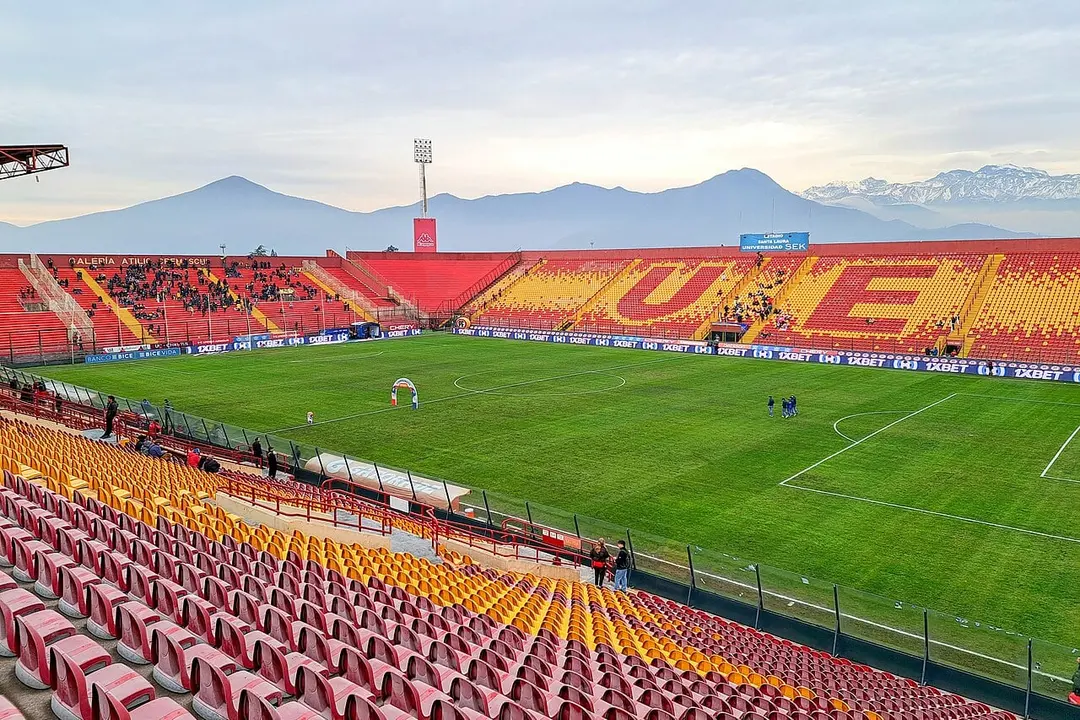
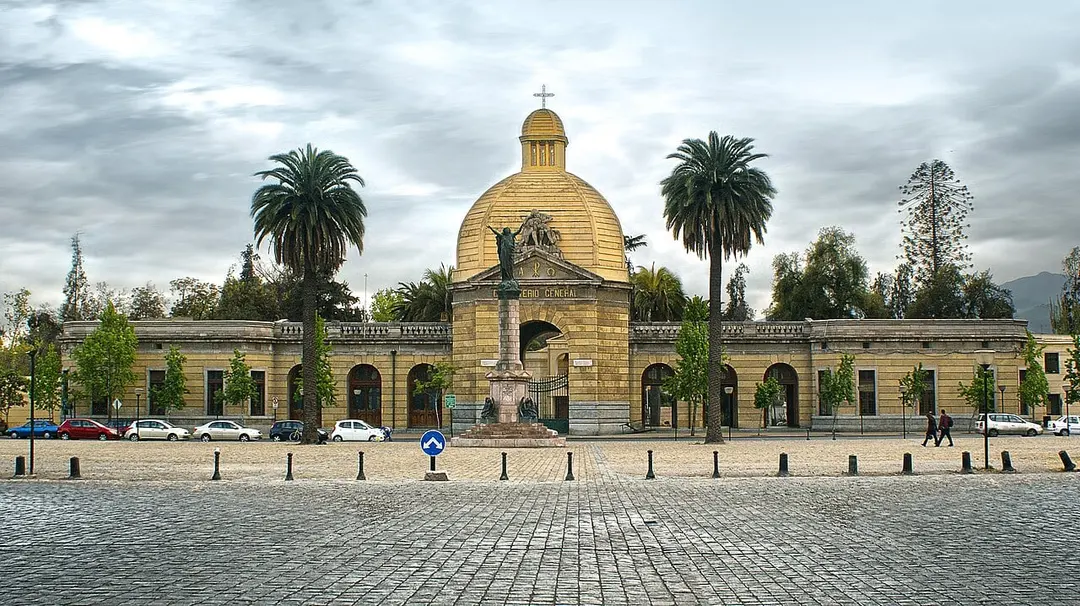
Santiago de Chile has a quieter side that reveals itself through everyday places locals actually use. La Vega Central is a sprawling, lively market where residents shop for fresh produce and grab a bite to eat. The Santiago General Cemetery offers a calm, spacious setting where architecture and city history quietly coexist. For football culture away from the spotlight, neighbourhoods gather at grounds like Estadio Santa Laura, Estadio Independencia, and Estadio Bicentenario de La Florida. Campos de Sports de Ñuñoa and Estadio Municipal de La Pintana further reflect how deeply rooted community sport is across Santiago's diverse districts.

10 places · Santiago, Chile · Editorially curated

  • Arturo Merino Benítez International Airport

    Arturo Merino Benítez International Airport

    Santiago

    architecturecultureoutdoor activities

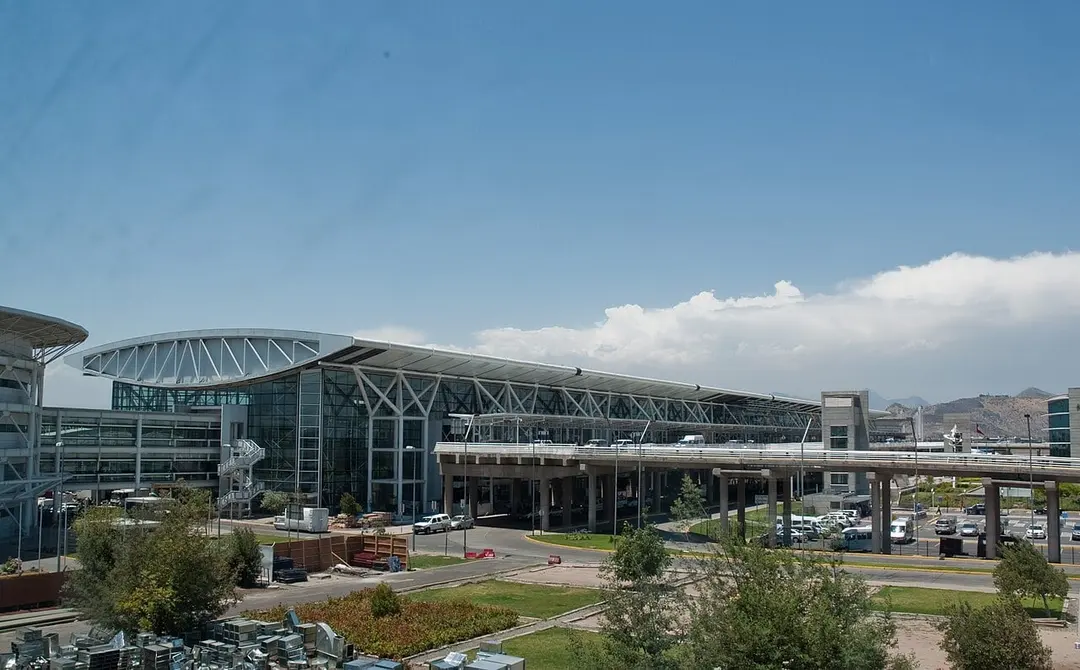
    Aeropuerto Internacional Arturo Merino Benítez in the municipality of Pudahuel is Chile's main international airport and a key hub for air travel across South America. Direct connections link it to Europe, North America, and all major South American cities. Named after Arturo Merino Benítez, the founder of the Chilean Air Force, it serves as the primary entry point for travellers to Chile. From here, the Atacama Desert in the north, the wine regions to the south, or the Patagonian fjords are all reachable within a few hours.
  • Campos de Sports de Ñuñoa

    Campos de Sports de Ñuñoa

    Santiago

    historyoutdoor activitiesknowledge

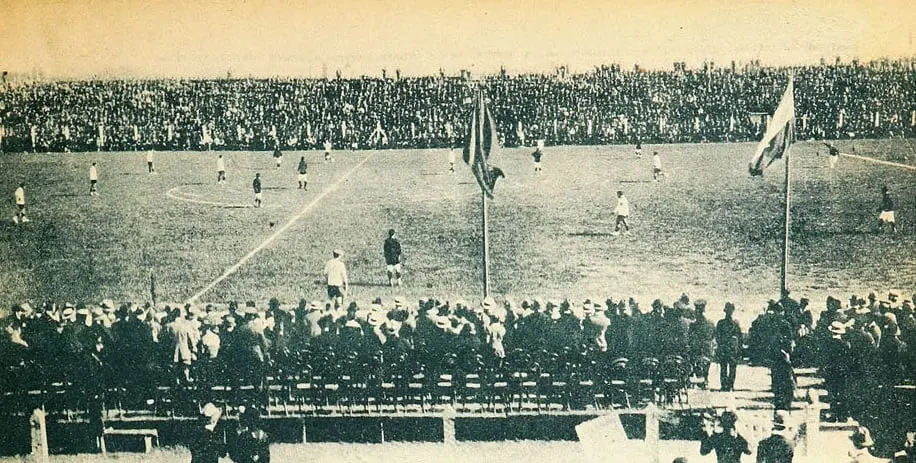
    The Campos de Sports de Ñuñoa was a historic sports complex in the Ñuñoa district of Santiago, Chile. Owned by the Pontificia Universidad Católica de Chile from 1927 to 1938, it served as an early home ground for Club Deportivo Universidad Católica. It coexisted with the Estadio Universidad Católica and was a key node in the development of Chilean club football, reflecting an era when university sport and civic life were deeply intertwined.

  • Carlos Walker Martínez

    Carlos Walker Martínez

    Santiago

    culturehistory

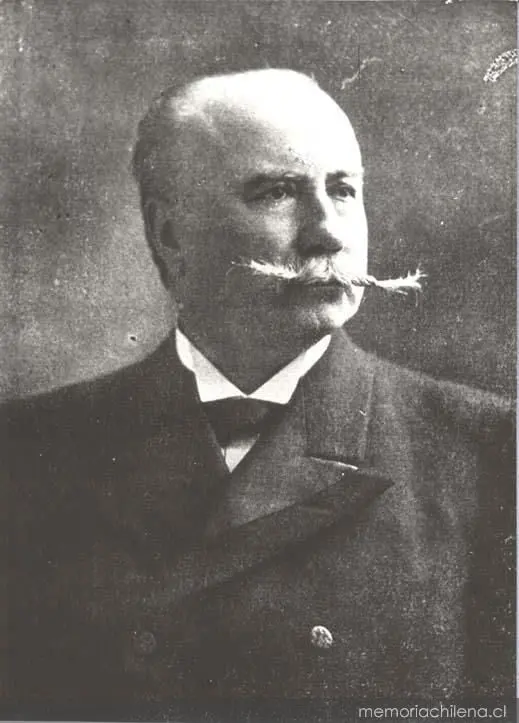
    Carlos Walker Martínez was a Chilean writer and politician of the 19th century. He was among the literary and political figures who shaped the cultural life of Santiago in the post-independence era. As a politician he engaged in the social debates of his time; as a writer he left works reflecting Chilean literature of that period.

  • Claro Arena

    Claro Arena

    Santiago

    cultureoutdoor activities

    The Claro Arena — formerly known as Estadio San Carlos de Apoquindo — is the home ground of Club Deportivo Universidad Católica, one of Chile's most successful football clubs. The stadium opened on 4 September 1988 in the northeastern district of Las Condes and holds approximately 20,249 seated spectators. Its location on the outskirts of Santiago, with the Andes as a backdrop, makes it one of the most scenic football venues in the country. Alongside league and cup matches of the "Cruzados", the Claro Arena also hosts concerts and other large-scale events. The current name comes from the telecommunications company Claro, which holds the naming rights.

  • Estadio Bicentenario de La Florida

    Estadio Bicentenario de La Florida

    Santiago

    outdoor activities

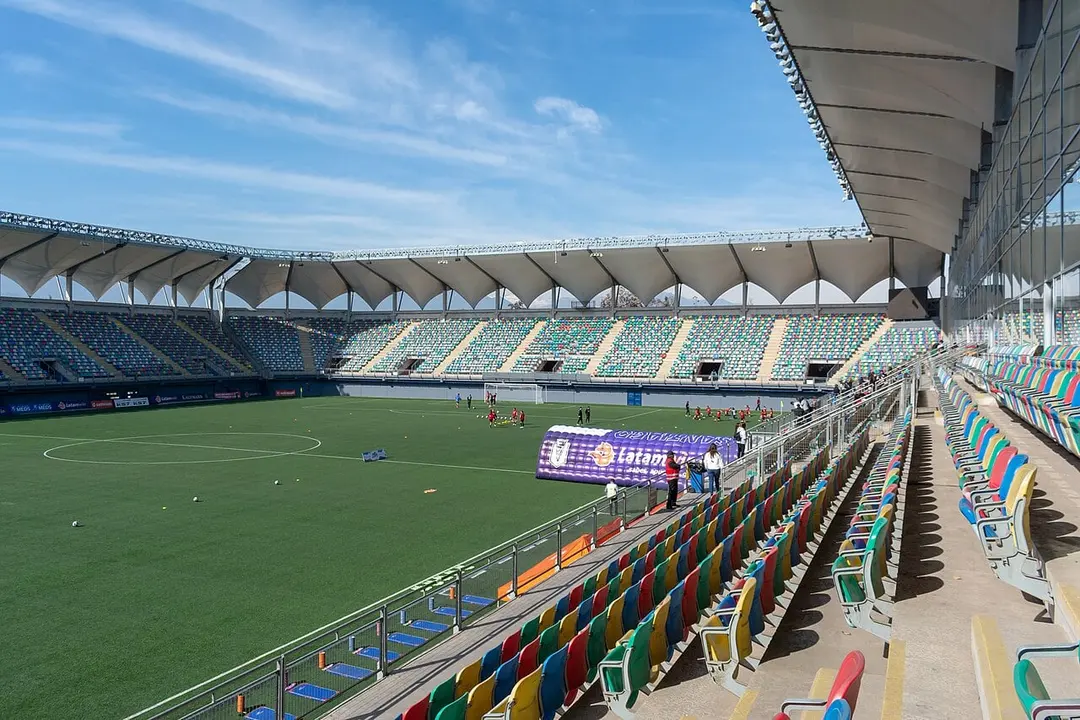
    The Estadio Bicentenario Municipal de La Florida is located in the municipality of the same name in the southeast of the Chilean capital Santiago de Chile. Opened in 1986, the stadium holds 8,500 spectators and serves as the home ground of Audax Italiano, one of Chile's most traditional football clubs with their distinctive green-and-white colours. The Estadio Municipal represents Chilean neighbourhood football of the 1980s — compact, community-oriented and without the monumental scale of the great national stadiums. For visitors wanting to experience Santiago's everyday football beyond the Estadio Nacional, it offers an accessible sports experience with direct contact to local fan culture.

  • Estadio Independencia

    Estadio Independencia

    Santiago

    outdoor activitiesknowledge

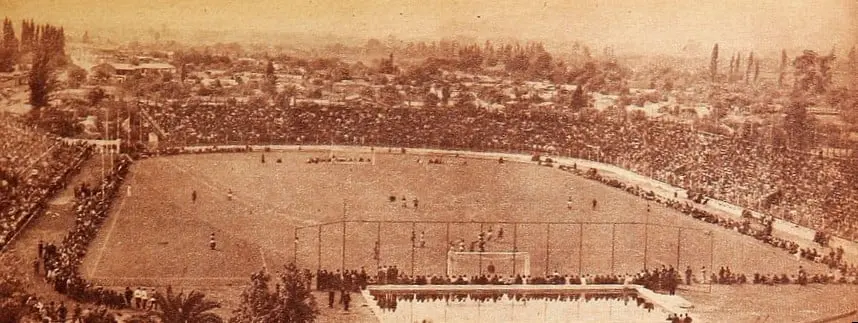
    Estadio Independencia was the third home ground of Club Deportivo Universidad Católica, located in the Independencia municipality of northern Santiago. Opened on 12 October 1945, it hosted Chilean professional football, national title decisions, and a Latin American boxing championship. The stadium has since been demolished.

  • Estadio Municipal de La Pintana

    Estadio Municipal de La Pintana

    Santiago

    architectureoutdoor activities

    Estadio Municipal de La Pintana is a multi-use stadium in the La Pintana municipality of southern Santiago de Chile. With a capacity of 6,000 spectators, it is primarily used as a football ground and provides an important home for local amateur sports.

  • Estadio Municipal Sin Iluminacion

    Estadio Municipal Sin Iluminacion

    Santiago

    outdoor activities

    The Estadio Municipal de La Cisterna is the home ground of Club Deportivo Palestino, one of the most well-known clubs of the Chilean-Palestinian community. The stadium is located in the densely populated La Cisterna district in southern Santiago de Chile and was inaugurated in 1988 with a friendly match against Mexican club Puebla. Originally built for 12,000 spectators, it was renovated in 2020 and now holds around 6,000 seats. The club wears the colors of the Palestinian flag and stands as a symbol of one of the largest Palestinian communities outside the Middle East.

  • Estadio Santa Laura

    Estadio Santa Laura

    Santiago

    culturehistoryoutdoor activities

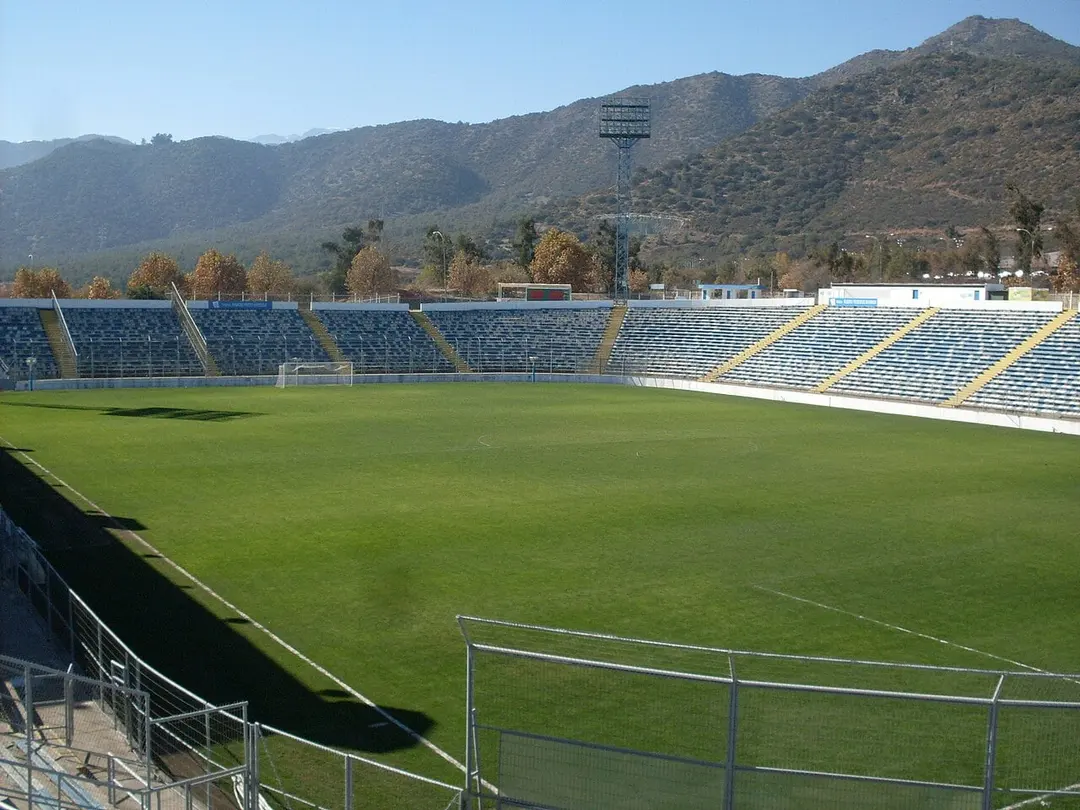
    Founded in 1923, the Estadio Santa Laura — officially Estadio Santa Laura-Universidad SEK — is a 22,000-capacity football ground in Santiago de Chile serving as the home of Unión Española. The club was founded by Spanish immigrants and remains one of the most storied in the Chilean capital. The compact, atmospheric stadium is deeply embedded in its neighbourhood and offers the kind of intimate matchday experience that large modern arenas rarely replicate. For visitors interested in local football culture rather than showcase venues, Santa Laura delivers a genuine slice of Santiago sporting life.

  • Santiago General Cemetery

    Santiago General Cemetery

    Santiago

    culturehistory

    The Cementerio General de Santiago is Chile's principal cemetery, founded in 1821 shortly after the country's independence. Spanning more than 80 hectares, it brings together mausoleums, chapels and sculptures that mirror the history of the nation. Among those buried here are presidents, poets, scientists and political activists including Salvador Allende and Pablo Neruda. Far beyond its role as a burial ground, the cemetery functions as an open-air museum of Chilean art and architecture, documenting the country's social and political evolution across two centuries.

Keep exploring

These places are just the beginning.

Rate places with a swipe — TravelType learns from your tags what you love and curates your own map. Private until you choose to share.

Create your profile