TravelType

knowledge

Knowledge & learning in Santiago

Santiago de Chile brings together natural science, history, and the exchange of ideas in a distinctive way. A monument to Alexander von Humboldt honours the naturalist who explored and documented Latin America in depth. The National Congress Library of Chile preserves the country's collective knowledge, while the Heidelberg Center Lateinamerika fosters ongoing academic exchange between Chile and Germany. An exhibition featuring a Saturn V rocket points toward scientific ambition beyond Earth. Cerro Santa Lucía and Cerro El Plomo frame the city geographically, and the Parque por la Paz Villa Grimaldi underlines the importance of remembering and transmitting history. Campos de Sports de Ñuñoa and Estadio Independencia round out the picture with the knowledge embedded in sport and physical culture.

9 places · Santiago, Chile · Editorially curated

  • Alexander von Humboldt Monument

    Alexander von Humboldt Monument

    Santiago

    culture

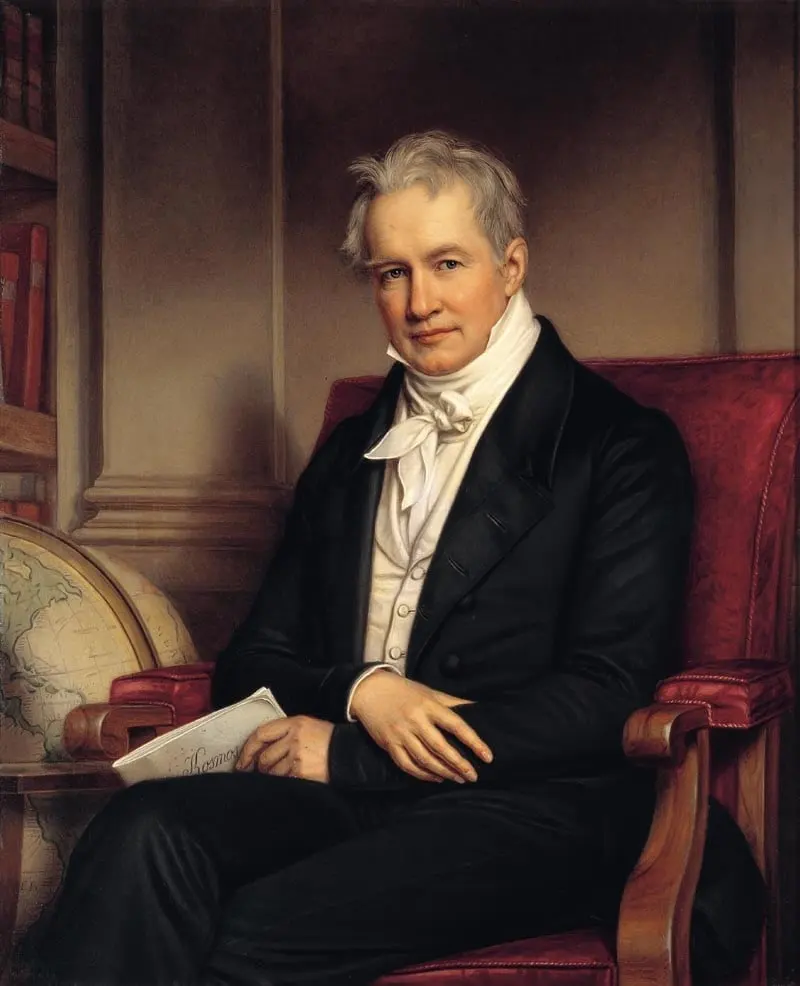
    This monument in Santiago de Chile honours Alexander von Humboldt (1769-1859), the German polymath and co-founder of modern geography. Humboldt conducted his famous South American expedition from 1799 to 1804, travelling through Venezuela, Cuba, and Mexico while collecting data on climate, botany, and geology. Monuments to Humboldt stand across countries he visited or influenced. Chile recognises him as a pioneer of scientific thinking about the southern hemisphere.
  • Campos de Sports de Ñuñoa

    Campos de Sports de Ñuñoa

    Santiago

    historyoutdoor activitieslocal gems

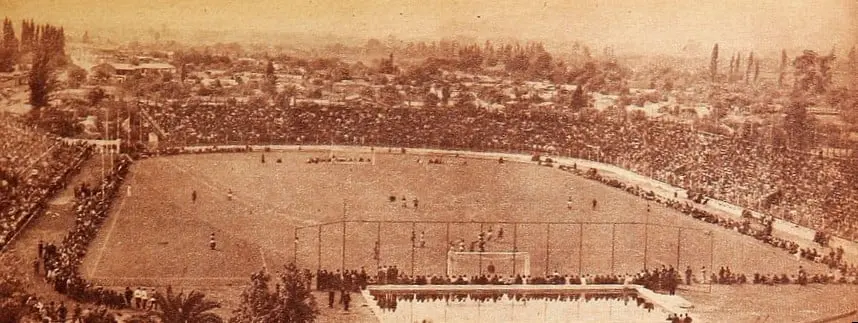
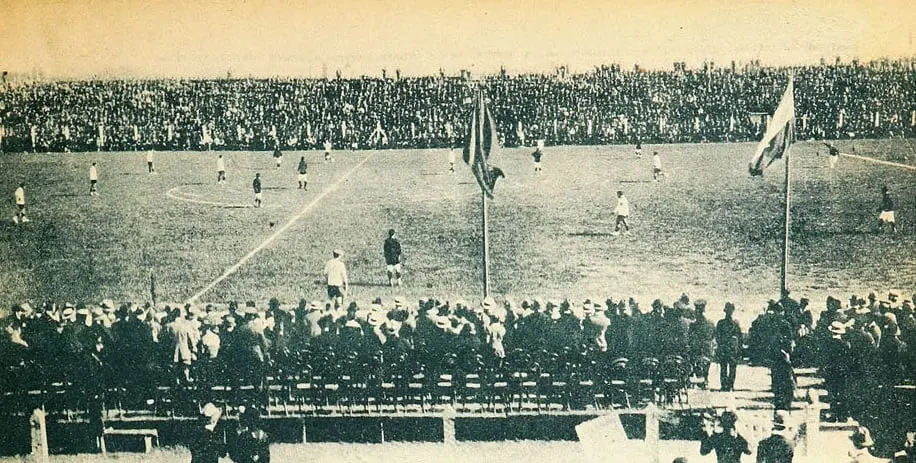
    The Campos de Sports de Ñuñoa was a historic sports complex in the Ñuñoa district of Santiago, Chile. Owned by the Pontificia Universidad Católica de Chile from 1927 to 1938, it served as an early home ground for Club Deportivo Universidad Católica. It coexisted with the Estadio Universidad Católica and was a key node in the development of Chilean club football, reflecting an era when university sport and civic life were deeply intertwined.

  • Cerro El Plomo

    Cerro El Plomo

    Santiago

    naturehistoryoutdoor activities

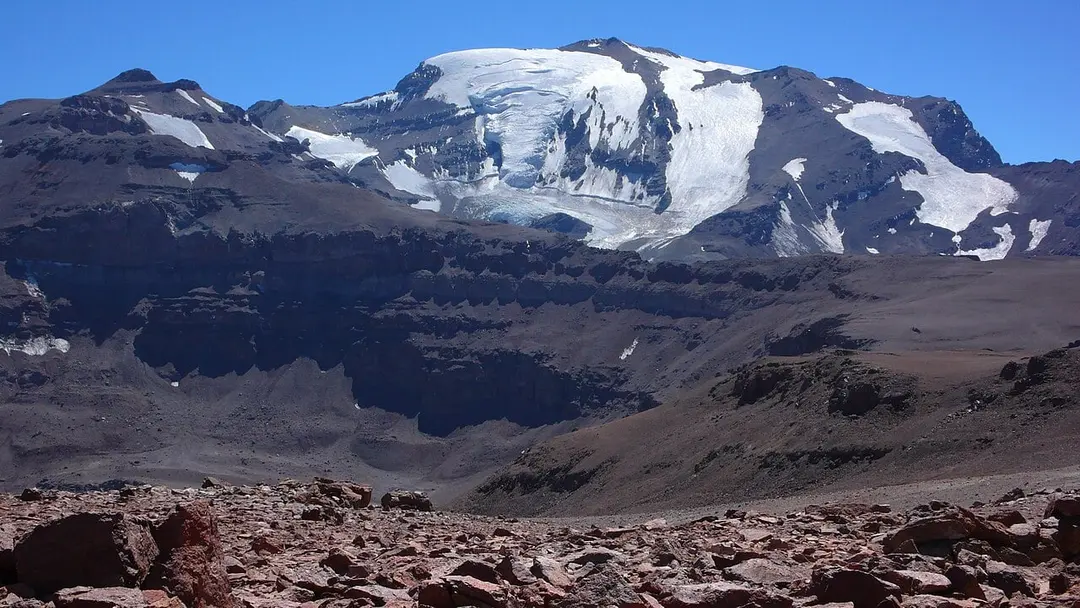
    Cerro El Plomo is a 5,424-metre stratovolcano in the Chilean Andes, 46 kilometres northeast of Santiago de Chile, and one of the country's most frequently climbed five-thousanders. Its relatively low technical difficulty — essentially a demanding trek without technical climbing sections — draws hundreds of ambitious hikers every year. Yet the mountain is far more than a sporting challenge: around 1500 AD, the Inca regarded it as a sacred mountain god and performed a child sacrifice on its summit, burying the offering in the eternal cold. When Argentine mountaineers reached the summit plateau in 1954, they discovered the frozen mummy of the child — today one of the most significant artefacts of Inca mountain worship, on display at the Museo Nacional de Historia Natural in Santiago.

  • Cerro Santa Lucía

    Cerro Santa Lucía

    Santiago

    natureoutdoor activitiesromance

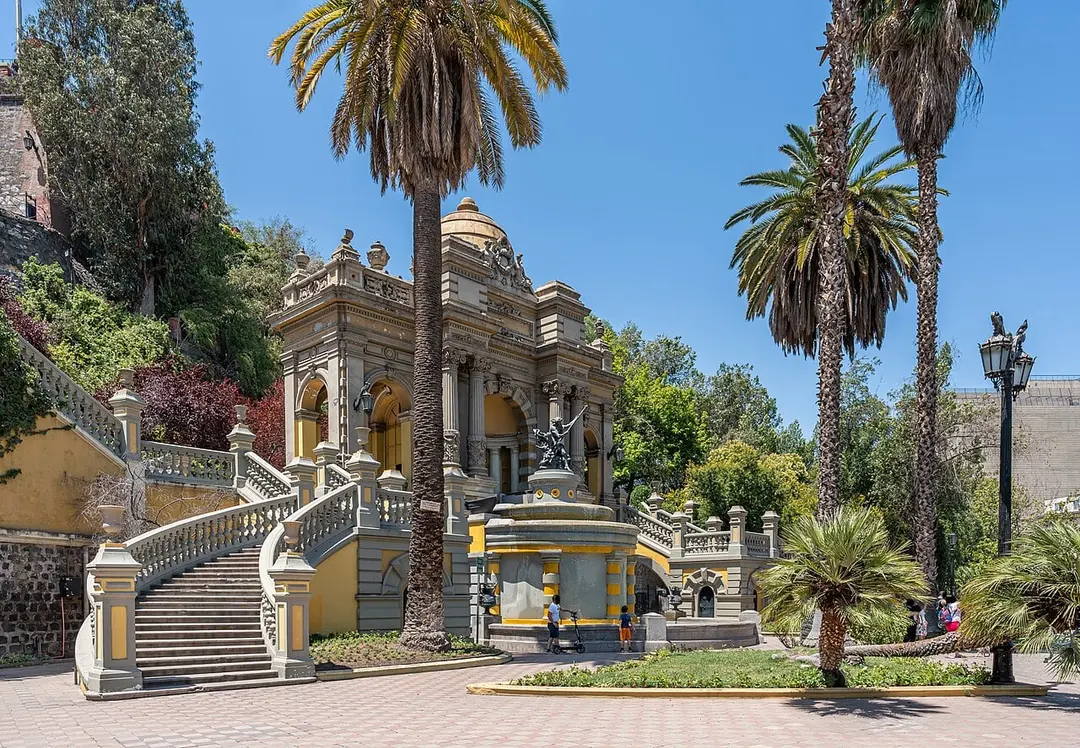
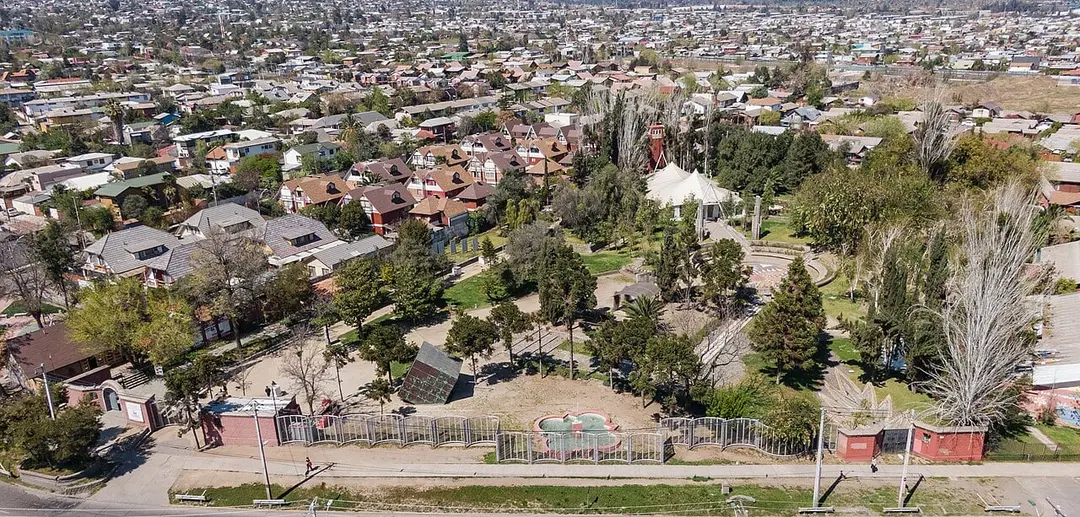
    Cerro Santa Lucía is a small but striking andesitic basalt hill rising from the very centre of Santiago, Chile's capital. Its original Mapuche name is Huelén, and according to tradition it was from this rock that conquistador Pedro de Valdivia founded the city of Santiago in 1541. At a summit elevation of 629 metres it rises only 69 metres above the surrounding streets, yet it shapes the cityscape in a way that belies its modest height. In the 19th century Mayor Benjamín Vicuña Mackenna had the bare rocky ridge planted with trees, adorned with romantic stairways, pavilions, fountains, and viewing platforms, and opened to the public as a park. Since then Cerro Santa Lucía has been one of the most beloved spots in central Santiago — a green refuge offering panoramic views over the city and toward the Andes.

  • Estadio Independencia

    Estadio Independencia

    Santiago

    outdoor activitieslocal gems

    Estadio Independencia was the third home ground of Club Deportivo Universidad Católica, located in the Independencia municipality of northern Santiago. Opened on 12 October 1945, it hosted Chilean professional football, national title decisions, and a Latin American boxing championship. The stadium has since been demolished.

  • Heidelberg Center Lateinamerika

    Heidelberg Center Lateinamerika

    Santiago

    culture

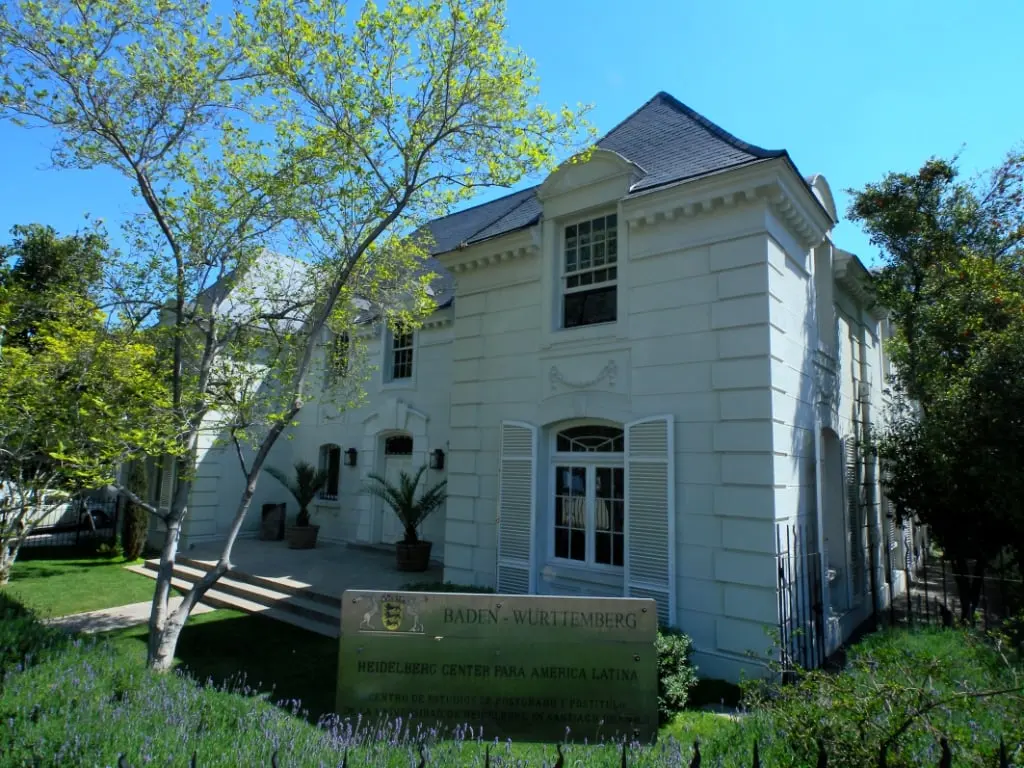
    The Heidelberg Center Latin America (HCLA) in Santiago de Chile is the first postgraduate center of a German university outside Germany. Opened on April 9, 2002, as an overseas branch of Heidelberg University, it offers master's programs and research collaborations bridging German and Latin American academic traditions. In 2009, the German Academic Exchange Service (DAAD) recognized HCLA as a Center of Excellence in Research and Teaching, one of only four worldwide. The center promotes scholarly exchange between Germany and Latin America and serves as a meeting point for academics from both regions.

  • National Congress Library of Chile

    National Congress Library of Chile

    Santiago

    architecture

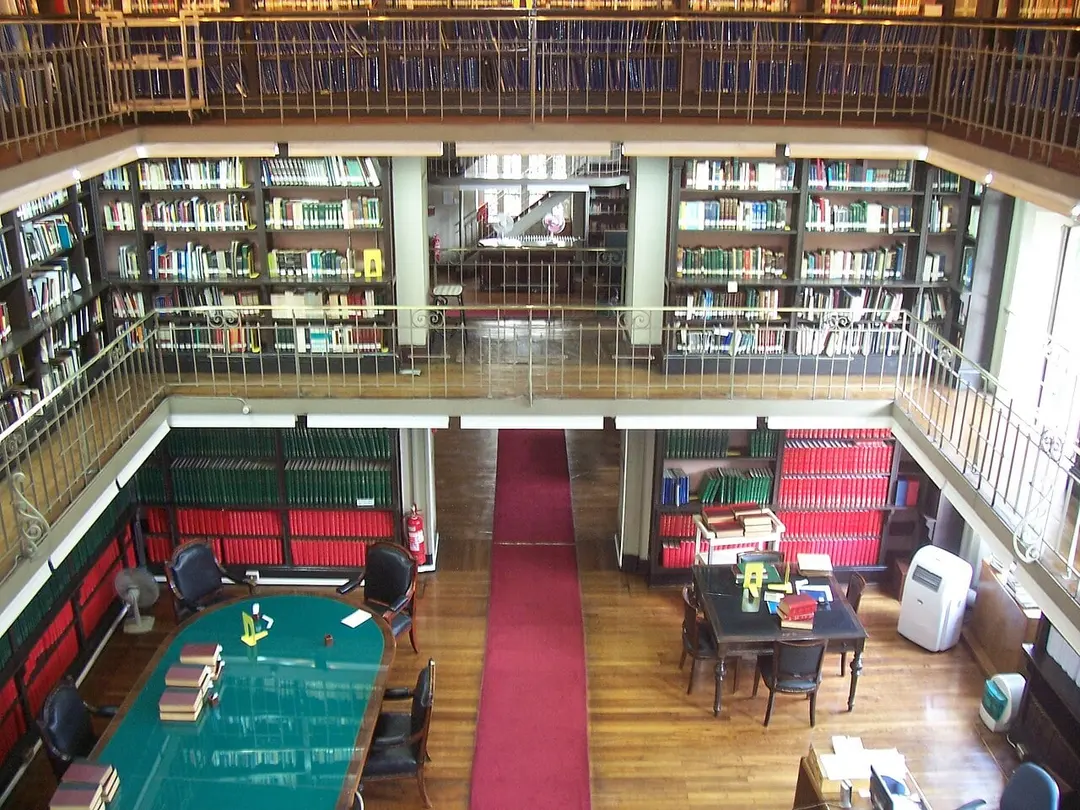
    The Biblioteca del Congreso Nacional is the oldest parliamentary library in Latin America, founded in 1882 in Santiago de Chile. It serves both chambers of the Chilean Congress — the Chamber of Deputies and the Senate — as the central information and documentation hub for legislative work. The collection encompasses millions of documents, historical records, and publications, making it valuable not only to legislators but also to researchers and the general public. The library building reflects the institution's long history, and parts of the collection are publicly accessible. It stands as a cornerstone of Chile's democratic memory and institutional continuity.

  • Parque por la Paz Villa Grimaldi

    Parque por la Paz Villa Grimaldi

    Santiago

    naturehistory

    Villa Grimaldi in Santiago was the most notorious interrogation and torture centre operated by DINA, Pinochet's secret police, between 1974 and 1978. An estimated 4,500 political prisoners were held here; at least 240 of them were killed or disappeared. After the dictatorship ended, the site was not demolished but transformed into a memorial park — the Park for Peace. Today it houses a museum with documents and personal testimonies commemorating the victims and promoting human rights education. A visit is sobering, essential, and deeply affecting.

  • Saturn V Rocket (Exhibition)

    Saturn V Rocket (Exhibition)

    Santiago

    culturehistory

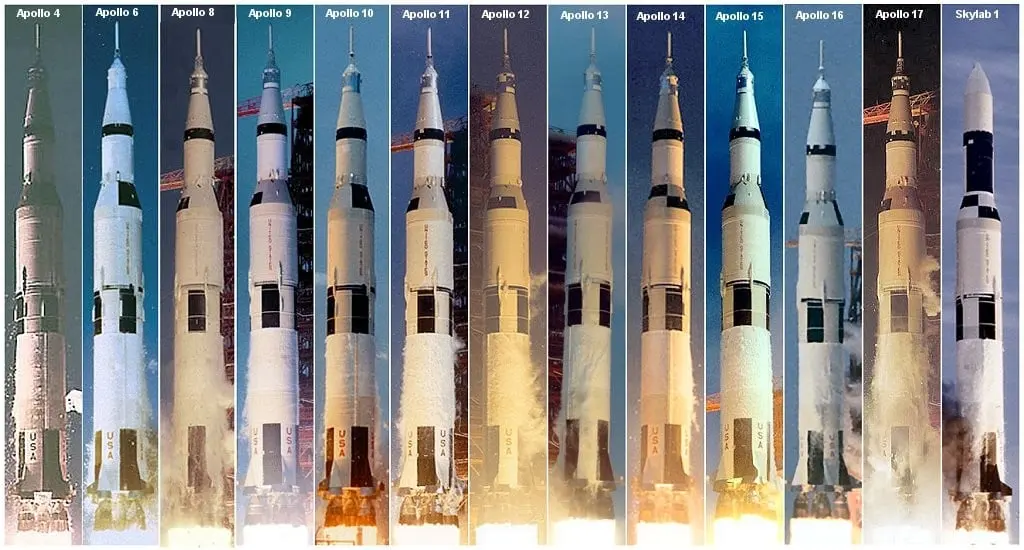
    One of Santiago's most unexpected attractions is a full-size model of the Saturn V rocket, the vehicle NASA used to send humans to the Moon during the Apollo program. The Saturn V is among the most powerful rockets ever built — nearly 111 metres tall and capable of lifting around 130 tonnes into low Earth orbit. Between 1967 and 1973, thirteen Saturn V rockets were launched, all successfully. The Santiago exhibit brings this extraordinary chapter of space history physically to South America, presented as part of a science and technology display that captivates both children and adults. An unexpected and impressive sight in the Chilean capital.

Keep exploring

These places are just the beginning.

Rate places with a swipe — TravelType learns from your tags what you love and curates your own map. Private until you choose to share.

Create your profile