TravelType

history

History in Santiago

Santiago's history unfolds across monuments, churches and public spaces that reflect centuries of change. The Basílica de la Merced and the Basílica del Salvador represent the city's colonial and post-colonial religious heritage, alongside the early twentieth-century Iglesia de los Sacramentinos. The Bernardo O'Higgins Monument honours the independence era and the decisive Battle of Chacabuco that shaped the Chilean republic. The Municipal Theatre of Santiago traces the development of civic culture, while the Julio Martínez Prádanos National Stadium, Estadio Santa Laura and Campos de Sports de Ñuñoa reveal how sport became woven into city life. Cerro El Plomo connects the landscape to pre-colonial history, and the Gran Torre Costanera marks how dramatically the capital has transformed.

14 places · Santiago, Chile · Editorially curated

  • Basilica de la Merced

    Basilica de la Merced

    Santiago

    culture

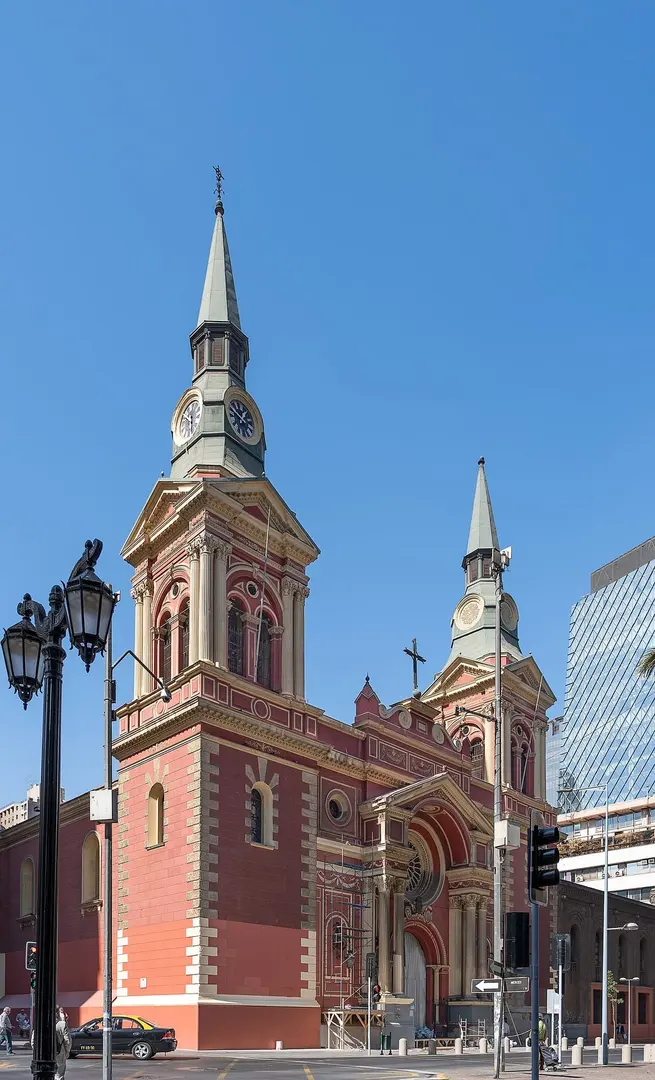
    The Basílica Nuestra Señora de la Merced stands as one of Santiago's finest colonial monuments. The Mercedarian Order — founded to ransom Christian captives — established its first Chilean house here in the 16th century, and the current baroque church retains the grandeur of that era: a towering façade, richly decorated nave, and an on-site museum housing one of Chile's most important collections of colonial religious art. The Vatican has granted it the honorary title of Minor Basilica. Protected as a national heritage site, it offers a tangible connection to the Spanish colonial past and the long history of Catholic devotion in South America.
  • Basílica del Salvador

    Basílica del Salvador

    Santiago

    architecture

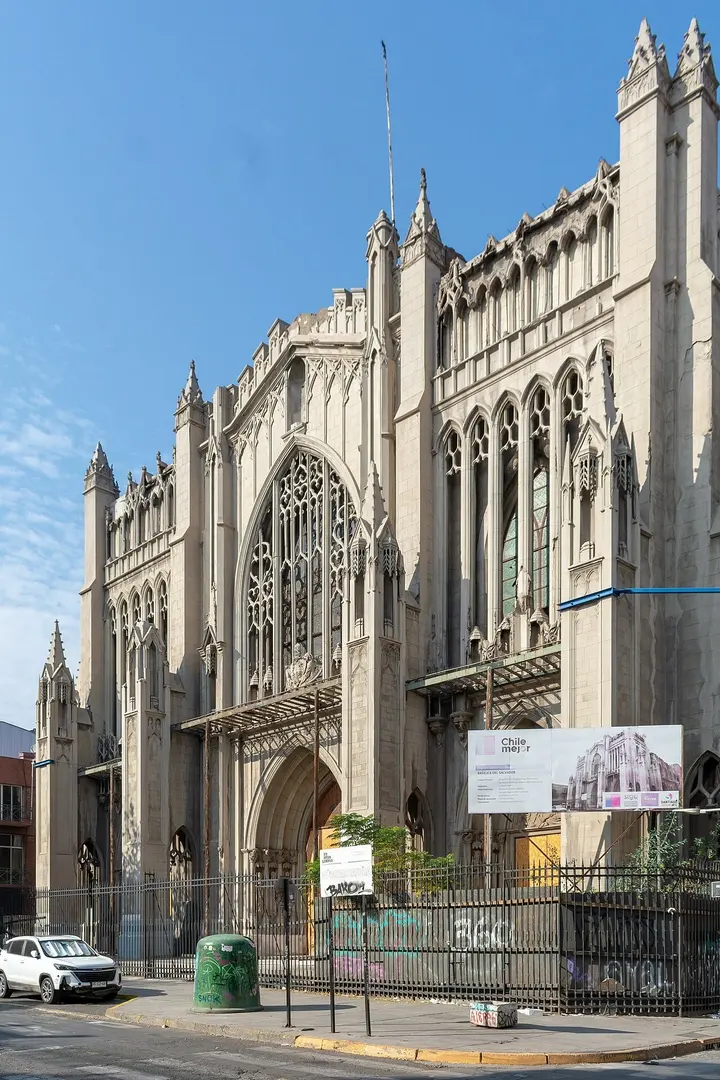
    The Basílica del Salvador is one of the most significant Catholic churches in the heart of Santiago de Chile. Dedicated to the Salvator Mundi — the Savior of the World — it holds the rare papal title of minor basilica, shared by only six churches in the Chilean capital. The current building dates to 1932, built in a neo-baroque style that blends the colonial church tradition of Chile with European influence. The basilica's story is inseparable from Chile's seismic history: the powerful earthquakes of 1985 and 2010 left visible damage to its structure, leaving it in a precarious state. Despite its wounds, the church continues to draw faithful worshippers, architecture enthusiasts, and visitors exploring the historic center of Santiago.

  • Bernardo O'Higgins Monument

    Bernardo O'Higgins Monument

    Santiago

    architectureculture

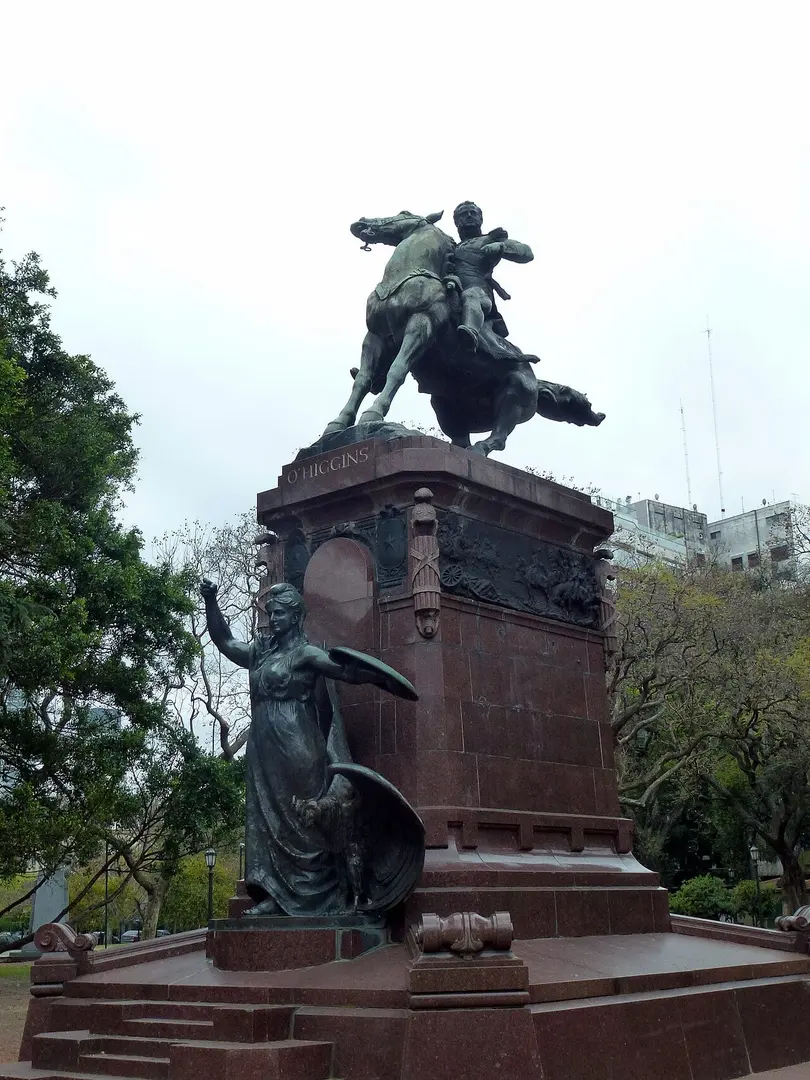
    Bernardo O'Higgins Riquelme is Chile's foremost national hero: born the son of an Irish-descended Spanish colonial governor, he led the independence movement and became Chile's first Director Supremo in 1817 after the liberation from Spanish rule. The monument in Santiago honors his legacy with an imposing equestrian statue, depicting him in the commanding pose of a military leader. It stands as a symbol of Chilean desire for freedom and forms an integral part of the capital's public memory. Until his abdication in 1823, O'Higgins fundamentally shaped the political foundations of the young nation.

  • Campos de Sports de Ñuñoa

    Campos de Sports de Ñuñoa

    Santiago

    outdoor activitieslocal gemsknowledge

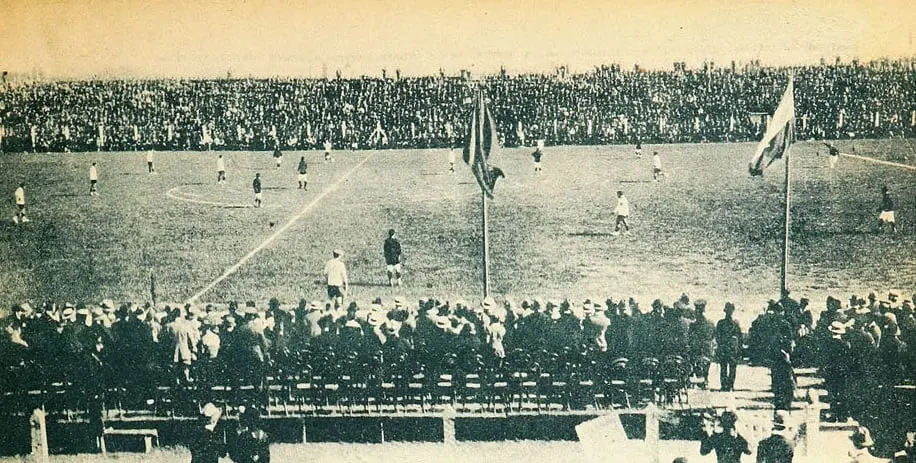
    The Campos de Sports de Ñuñoa was a historic sports complex in the Ñuñoa district of Santiago, Chile. Owned by the Pontificia Universidad Católica de Chile from 1927 to 1938, it served as an early home ground for Club Deportivo Universidad Católica. It coexisted with the Estadio Universidad Católica and was a key node in the development of Chilean club football, reflecting an era when university sport and civic life were deeply intertwined.

  • Carlos Walker Martínez

    Carlos Walker Martínez

    Santiago

    culturelocal gems

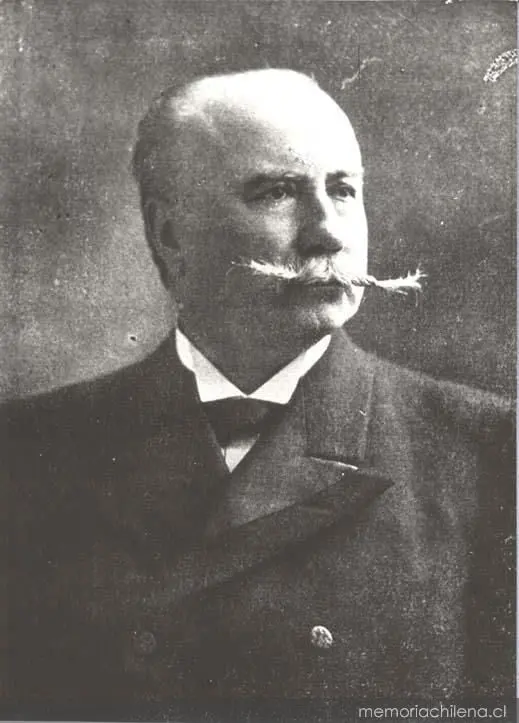
    Carlos Walker Martínez was a Chilean writer and politician of the 19th century. He was among the literary and political figures who shaped the cultural life of Santiago in the post-independence era. As a politician he engaged in the social debates of his time; as a writer he left works reflecting Chilean literature of that period.

  • Cerro El Plomo

    Cerro El Plomo

    Santiago

    natureoutdoor activitiesknowledge

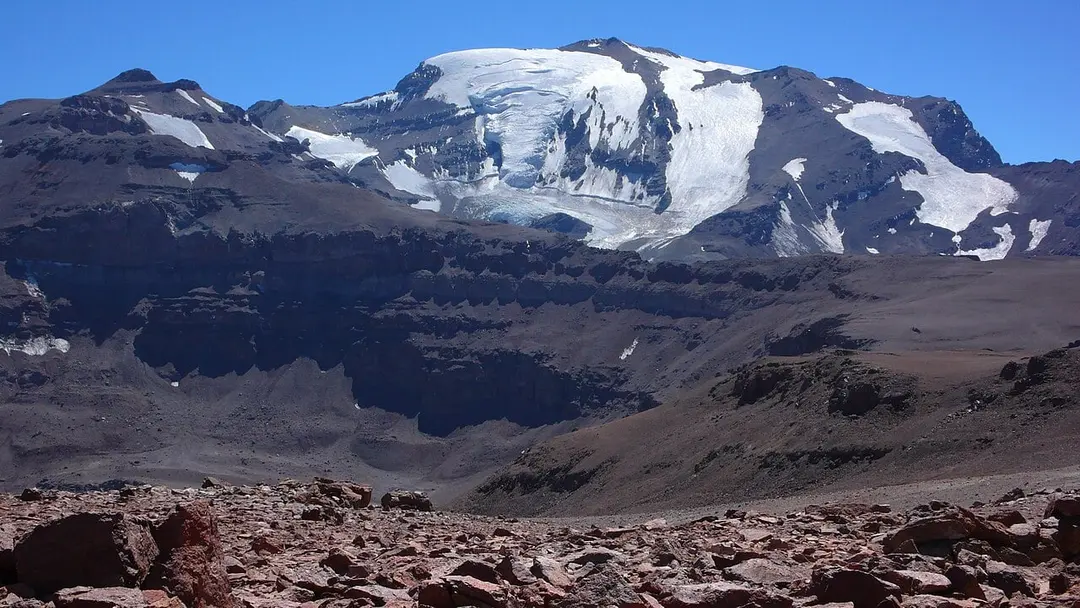
    Cerro El Plomo is a 5,424-metre stratovolcano in the Chilean Andes, 46 kilometres northeast of Santiago de Chile, and one of the country's most frequently climbed five-thousanders. Its relatively low technical difficulty — essentially a demanding trek without technical climbing sections — draws hundreds of ambitious hikers every year. Yet the mountain is far more than a sporting challenge: around 1500 AD, the Inca regarded it as a sacred mountain god and performed a child sacrifice on its summit, burying the offering in the eternal cold. When Argentine mountaineers reached the summit plateau in 1954, they discovered the frozen mummy of the child — today one of the most significant artefacts of Inca mountain worship, on display at the Museo Nacional de Historia Natural in Santiago.

  • Estadio Santa Laura

    Estadio Santa Laura

    Santiago

    cultureoutdoor activitieslocal gems

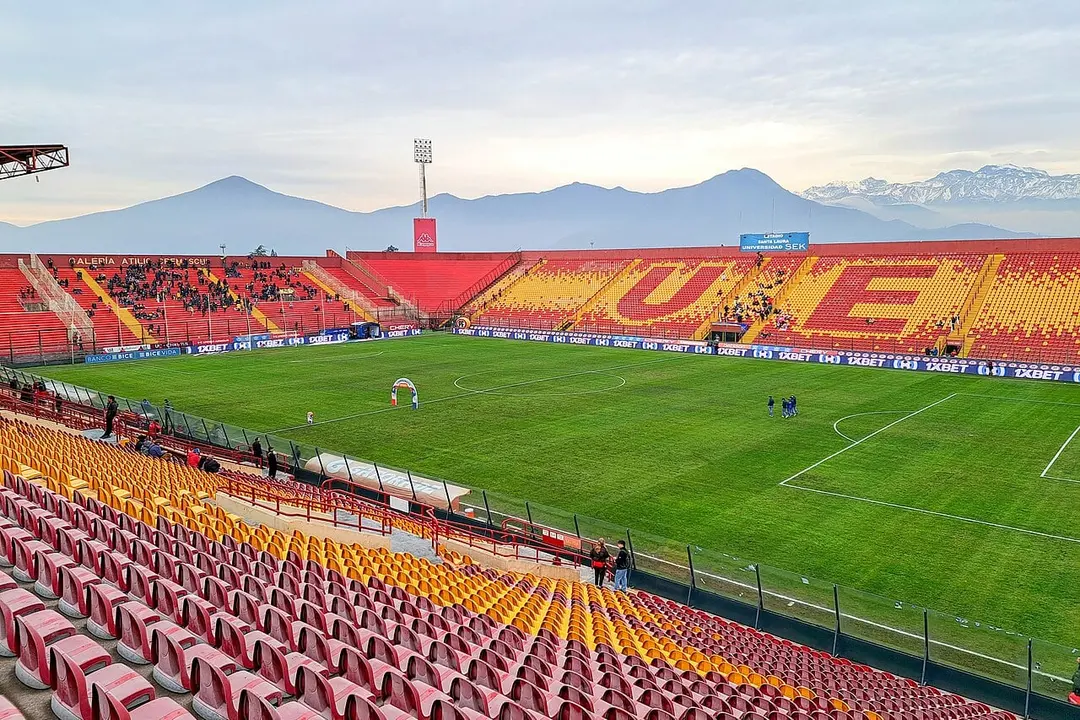
    Founded in 1923, the Estadio Santa Laura — officially Estadio Santa Laura-Universidad SEK — is a 22,000-capacity football ground in Santiago de Chile serving as the home of Unión Española. The club was founded by Spanish immigrants and remains one of the most storied in the Chilean capital. The compact, atmospheric stadium is deeply embedded in its neighbourhood and offers the kind of intimate matchday experience that large modern arenas rarely replicate. For visitors interested in local football culture rather than showcase venues, Santa Laura delivers a genuine slice of Santiago sporting life.

  • Gran Torre Costanera

    Gran Torre Costanera

    Santiago

    architecturefamily outingsgreat views

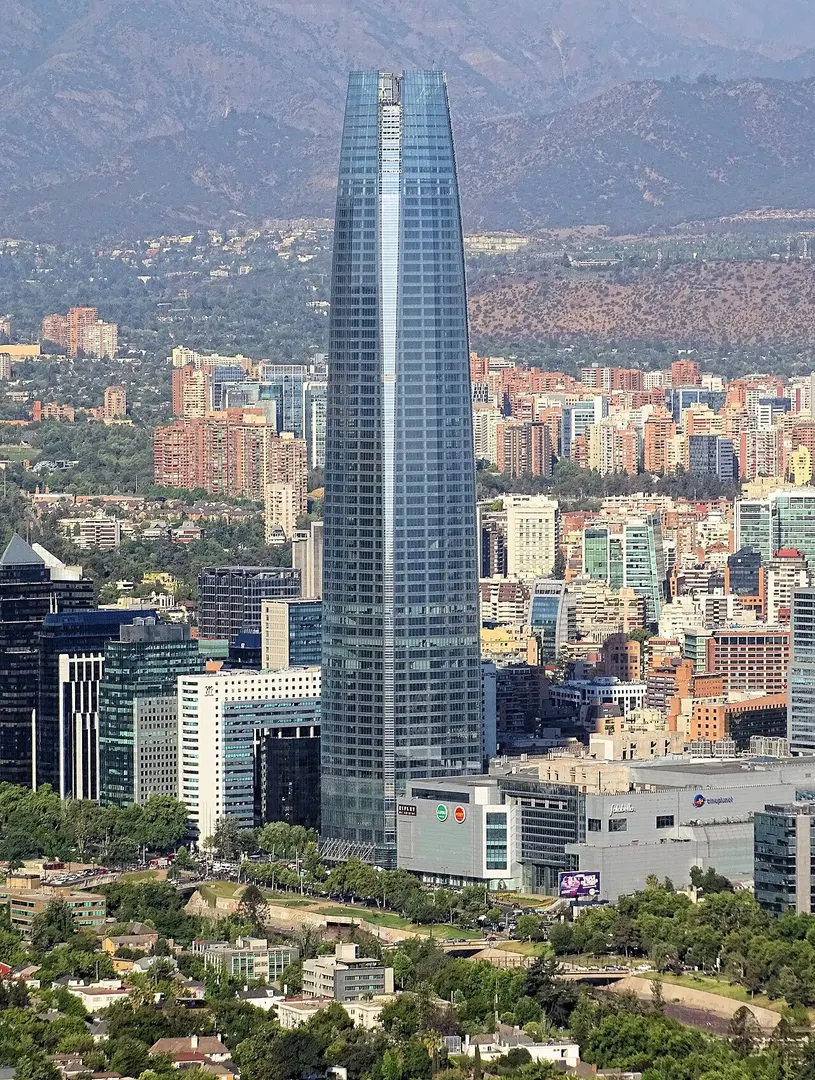
    Gran Torre Santiago, standing 300 metres tall with 62 floors, is the tallest building in South America. It rises in the Providencia district of Santiago de Chile and forms the centrepiece of Costanera Center, one of the largest retail and office complexes on the continent. The project was initiated by German-Chilean entrepreneur Horst Paulmann, founder of the retail conglomerate Cencosud, and was completed in 2013. The tower houses offices on its upper floors and is connected to a vast shopping mall at its base covering 600,000 square metres. A public observation deck at the top offers sweeping views across the entire metropolitan area — on clear days extending to the snow-capped peaks of the Andes. The tower has fundamentally reshaped Santiago's skyline and has since become a new symbol of the city.

  • Julio Martínez Prádanos National Stadium

    Julio Martínez Prádanos National Stadium

    Santiago

    cultureoutdoor activities

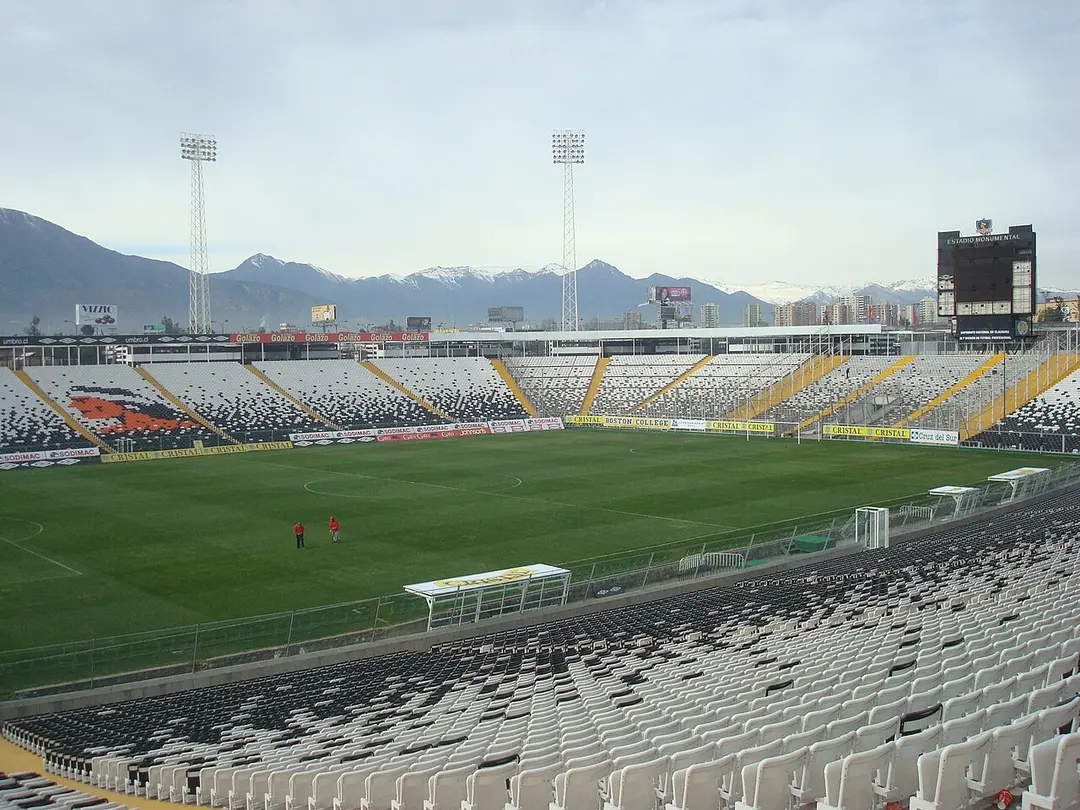
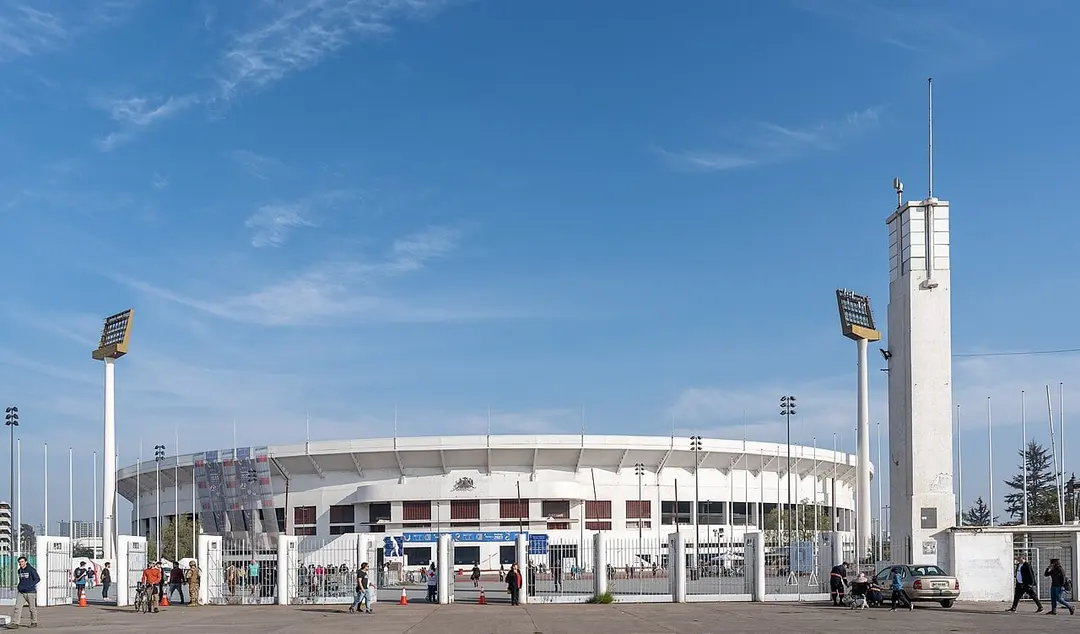
    The Estadio Nacional Julio Martínez Prádanos is Chile's largest and most significant stadium. Inaugurated in 1938, it lies in the Ñuñoa municipality of Santiago and holds around 47,000 spectators. It forms part of a 64-hectare sports complex that includes tennis courts, a velodrome, and additional sporting facilities. The stadium gained international recognition as a venue for the 1962 FIFA World Cup and as the home of the Chilean national team. A dark chapter in its history followed the 1973 military coup, when it was used as a detention camp for political prisoners. Today it is once again a vibrant sports center, hosting major concerts and sporting events.

  • Museum of Memory and Human Rights

    Museum of Memory and Human Rights

    Santiago

    culture

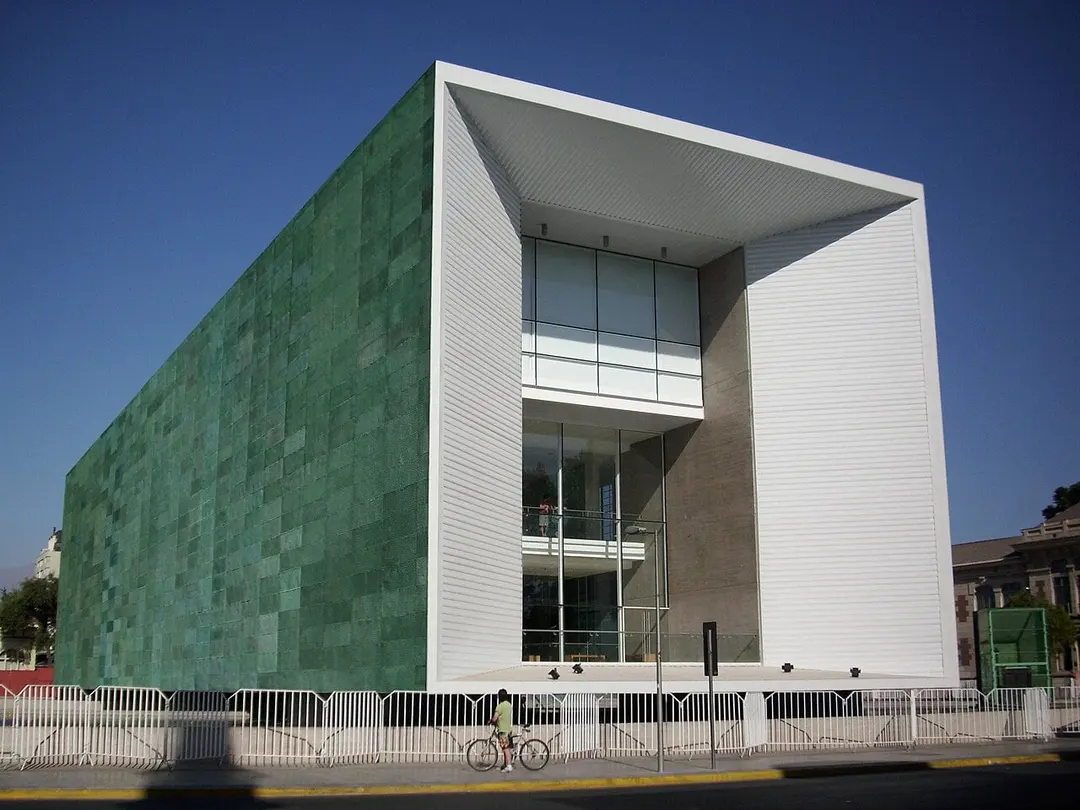
    The Museo de la Memoria y los Derechos Humanos in Santiago, Chile, commemorates the victims of human rights violations during Augusto Pinochet's military dictatorship (1973–1990). Inaugurated by President Michelle Bachelet on January 11, 2010, it documents crimes against humanity – torture, forced disappearances, exile – through personal testimonies, photographs, videos and documents. Parts of its collection are recognized as UNESCO Memory of the World heritage. The building itself is a bold contemporary statement about openness and transparency. A visit is emotionally demanding but essential for understanding Chile's recent history.

  • Parque por la Paz Villa Grimaldi

    Parque por la Paz Villa Grimaldi

    Santiago

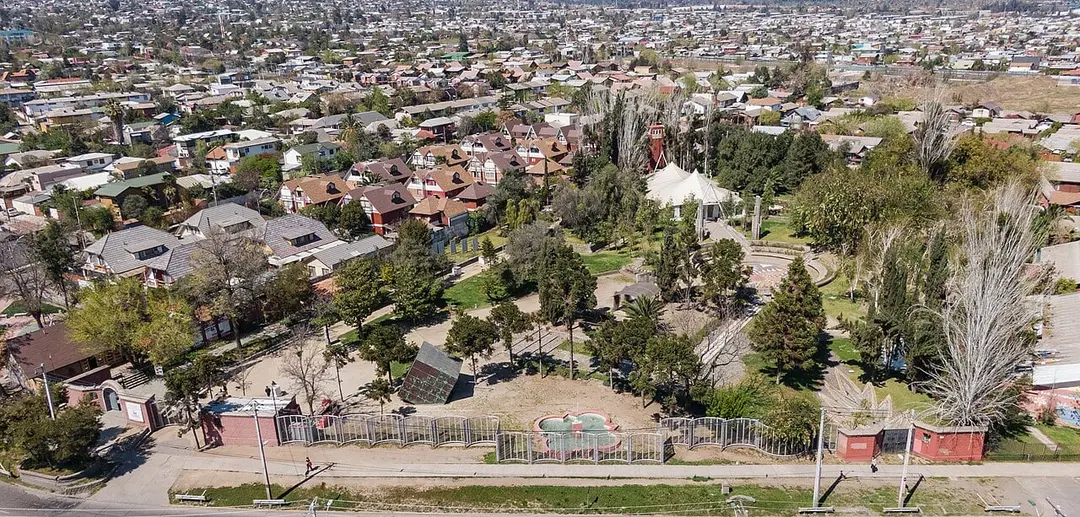
    natureknowledge

    Villa Grimaldi in Santiago was the most notorious interrogation and torture centre operated by DINA, Pinochet's secret police, between 1974 and 1978. An estimated 4,500 political prisoners were held here; at least 240 of them were killed or disappeared. After the dictatorship ended, the site was not demolished but transformed into a memorial park — the Park for Peace. Today it houses a museum with documents and personal testimonies commemorating the victims and promoting human rights education. A visit is sobering, essential, and deeply affecting.

  • Santiago General Cemetery

    Santiago General Cemetery

    Santiago

    culturelocal gems

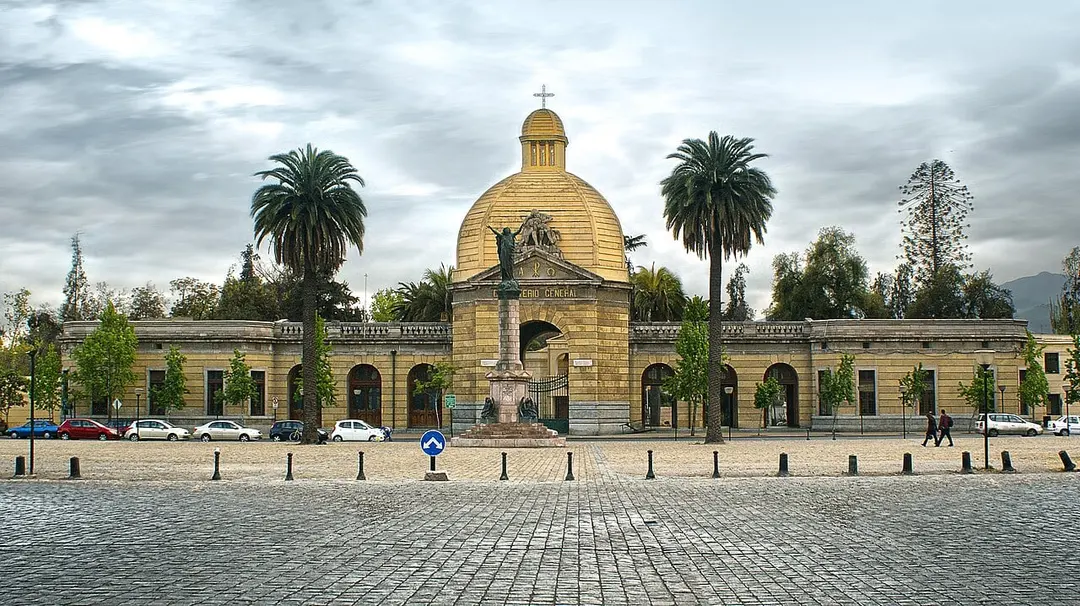
    The Cementerio General de Santiago is Chile's principal cemetery, founded in 1821 shortly after the country's independence. Spanning more than 80 hectares, it brings together mausoleums, chapels and sculptures that mirror the history of the nation. Among those buried here are presidents, poets, scientists and political activists including Salvador Allende and Pablo Neruda. Far beyond its role as a burial ground, the cemetery functions as an open-air museum of Chilean art and architecture, documenting the country's social and political evolution across two centuries.

  • Saturn V Rocket (Exhibition)

    Saturn V Rocket (Exhibition)

    Santiago

    cultureknowledge

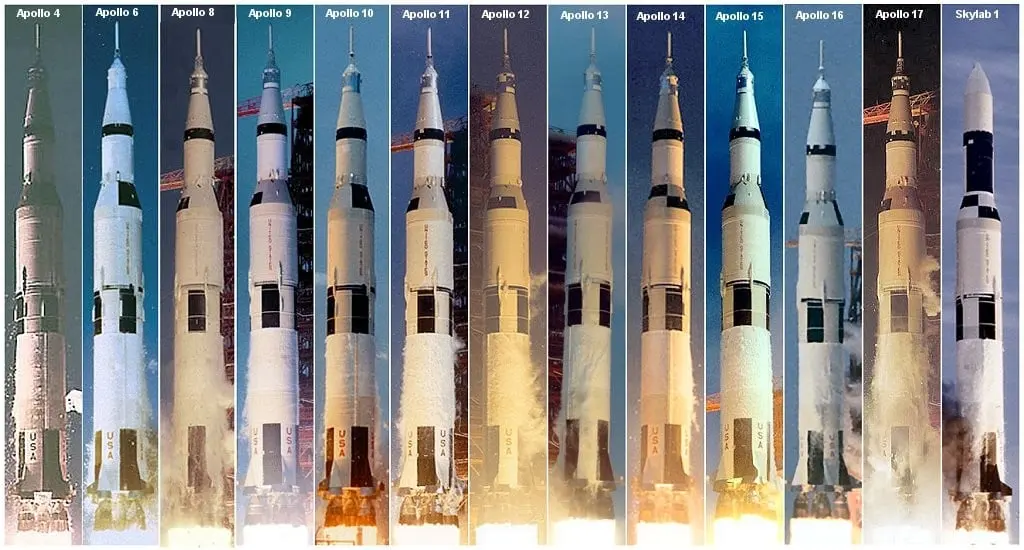
    One of Santiago's most unexpected attractions is a full-size model of the Saturn V rocket, the vehicle NASA used to send humans to the Moon during the Apollo program. The Saturn V is among the most powerful rockets ever built — nearly 111 metres tall and capable of lifting around 130 tonnes into low Earth orbit. Between 1967 and 1973, thirteen Saturn V rockets were launched, all successfully. The Santiago exhibit brings this extraordinary chapter of space history physically to South America, presented as part of a science and technology display that captivates both children and adults. An unexpected and impressive sight in the Chilean capital.

  • Víctor Jara Stadium

    Víctor Jara Stadium

    Santiago

    architectureculture

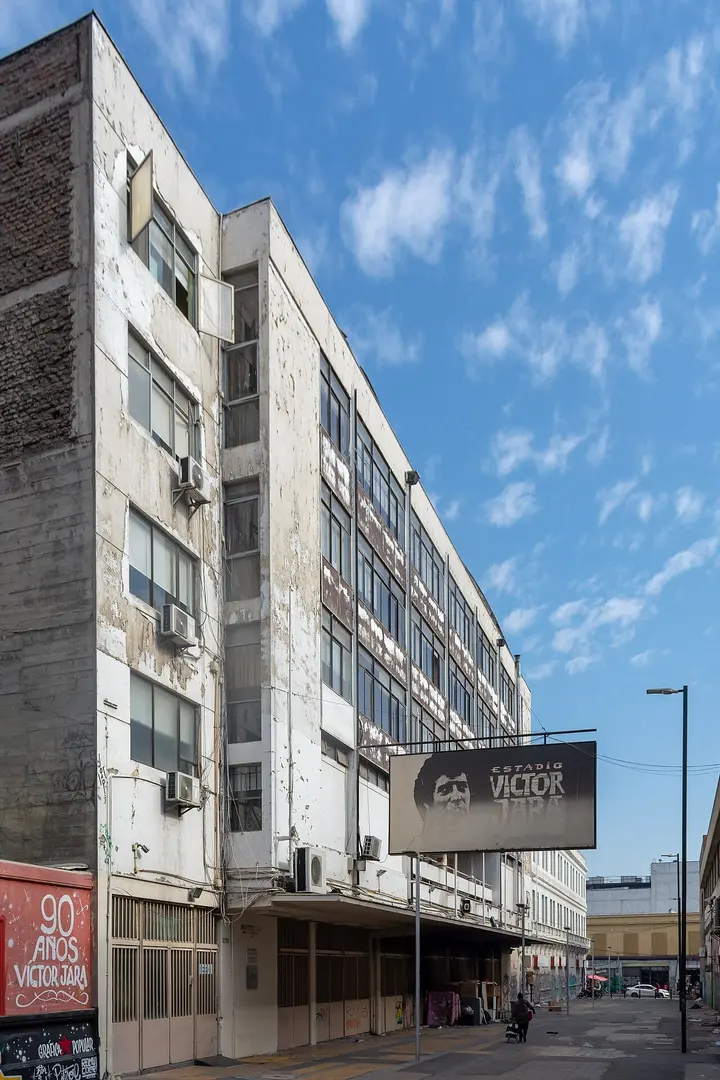
    The Estadio Víctor Jara in western Santiago, near the Estación Central, now bears the name of Chilean singer and activist Víctor Jara, who was murdered here in 1973. The stadium was inaugurated in 1949 in rationalist style as the "Estadio Chile" and holds around 6,500 people. After the military coup of 11 September 1973 under Augusto Pinochet it was used in the first weeks as a detention camp: thousands of political prisoners were held, tortured and killed here. Among them was Víctor Jara, whose hands were broken before he was shot — one of the best-known cases of the Chilean dictatorship. The stadium has borne his name since 2004. Today it is once again used for sport and cultural events, but also serves as a memorial to the victims of the dictatorship.

Keep exploring

These places are just the beginning.

Rate places with a swipe — TravelType learns from your tags what you love and curates your own map. Private until you choose to share.

Create your profile