TravelType

architecture

Architecture in Vilnius

Vilnius, the capital of Lithuania, brings together architectural layers spanning many centuries within a compact area. Gediminas' Tower, rising on its hill above the city, stands among the oldest surviving structures, while the Gate of Dawn remains an intact late-medieval city gate. Religious diversity is reflected in the Cathedral of the Theotokos, the Basilica of the Visitation, and the Choral Synagogue. Daukanto Square and Lukiškės Square open the urban fabric into generous civic spaces, and the Lithuanian National Opera and Ballet Theatre adds a monumental public presence. The Green Bridge, King Mindaugas Bridge, and the wider settings of Kernavė and Trakai further shape the architectural character of the region.

17 places · Vilnius, Lithuania · Editorially curated

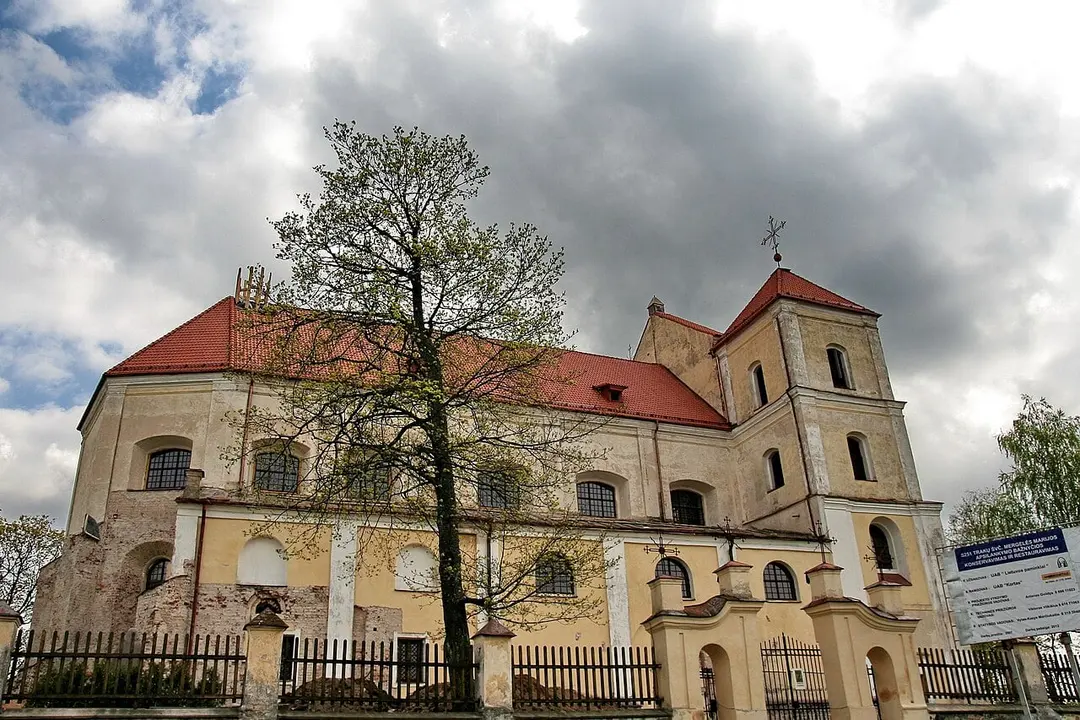
  • Basilica of the Visitation, Trakai

    Basilica of the Visitation, Trakai

    Vilnius

    history

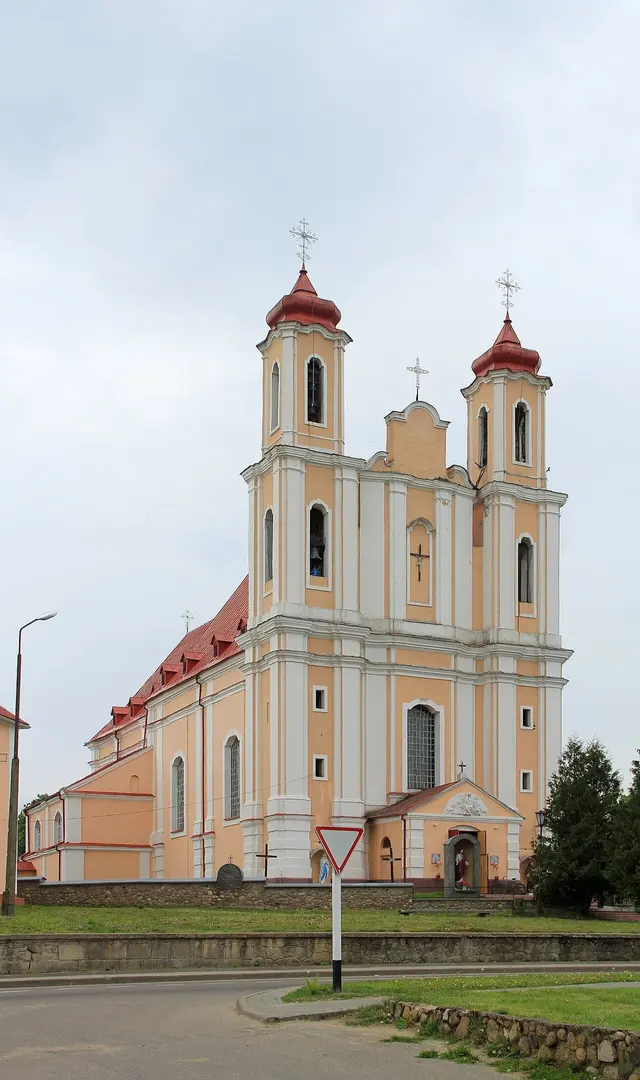
    The Basilica of the Visitation stands on a hill in the centre of Trakai, Lithuania's medieval capital. It was founded in 1409 by Vytautas the Great, one of the most powerful rulers of the Grand Duchy of Lithuania, and originally built in the Gothic style. Over the centuries the church was substantially rebuilt, and its current appearance is largely defined by Baroque alterations. The main altarpiece contains the icon of Our Lady of Trakai, a venerated miraculous image that draws pilgrims from across Lithuania. As a Basilica Minor, it carries a special title from the Holy See. Set close to Trakai's famous lakes and island castle, it forms a natural part of one of the country's most beautiful day-trip destinations.
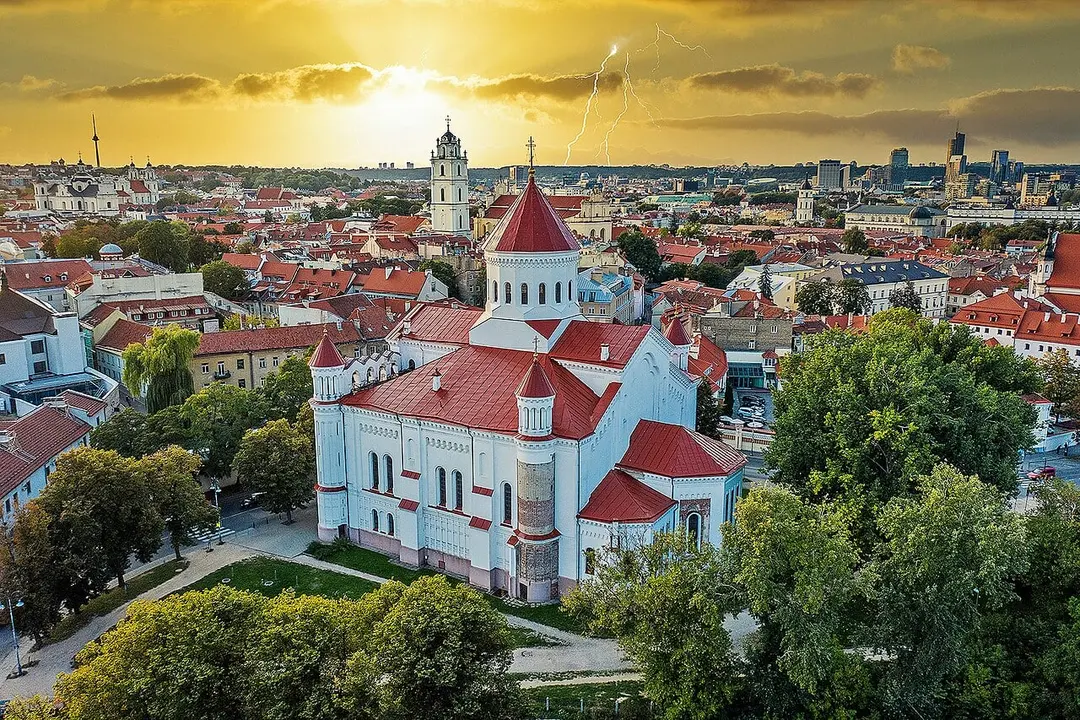
  • Cathedral of the Theotokos

    Cathedral of the Theotokos

    Vilnius

    history

    The Cathedral of the Theotokos in Vilnius is the episcopal seat of the Russian Orthodox Diocese of Lithuania. Dating back to the 14th century, it reflects the long presence of Orthodox Christianity in the Baltic region. The cathedral serves as the spiritual heart of the Russian Orthodox community in Lithuania and features the characteristic iconostases and frescoes of the Eastern tradition. It stands as a symbol of Vilnius religious pluralism, where Catholic, Orthodox, Jewish, and other traditions have coexisted for centuries. The cathedral remains an active place of worship today.

  • Choral Synagogue Vilnius

    Choral Synagogue Vilnius

    Vilnius

    culturehistory

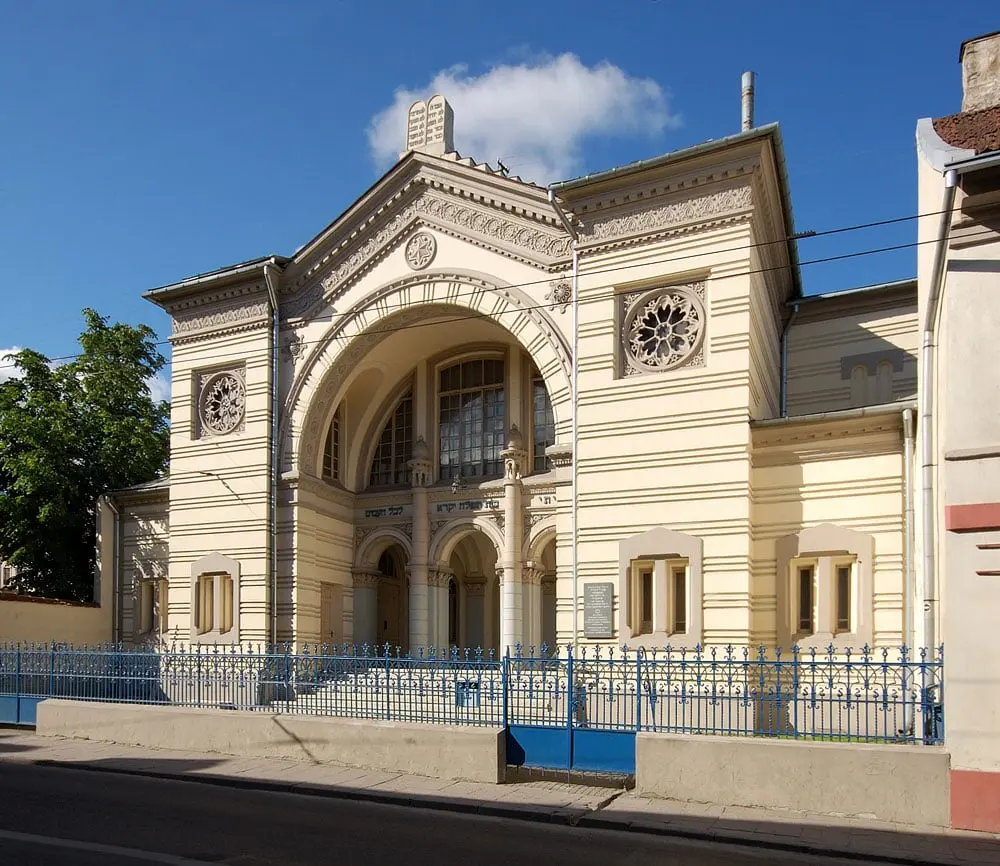
    The Choral Synagogue of Vilnius, officially known as Taharat Ha-Kodesh, was completed in 1903 based on designs by architect Dawid Rozenhaus. The building combines Romanesque structural elements with Moorish decorative details, a stylistic blend typical of synagogue architecture of the late 19th and early 20th centuries. It is today the only active Jewish house of worship in Vilnius. Before World War II, Vilnius was known as the Jerusalem of Europe, home to a thriving Jewish community; the Holocaust nearly completely destroyed that community. The synagogue's survival is therefore a profound historical testimony. The congregation actively maintains Jewish traditions and welcomes visitors interested in the history of Jews in the Baltics.

  • Naujoji Vilnia Railway Station

    Naujoji Vilnia Railway Station

    Vilnius

    local gemsknowledge

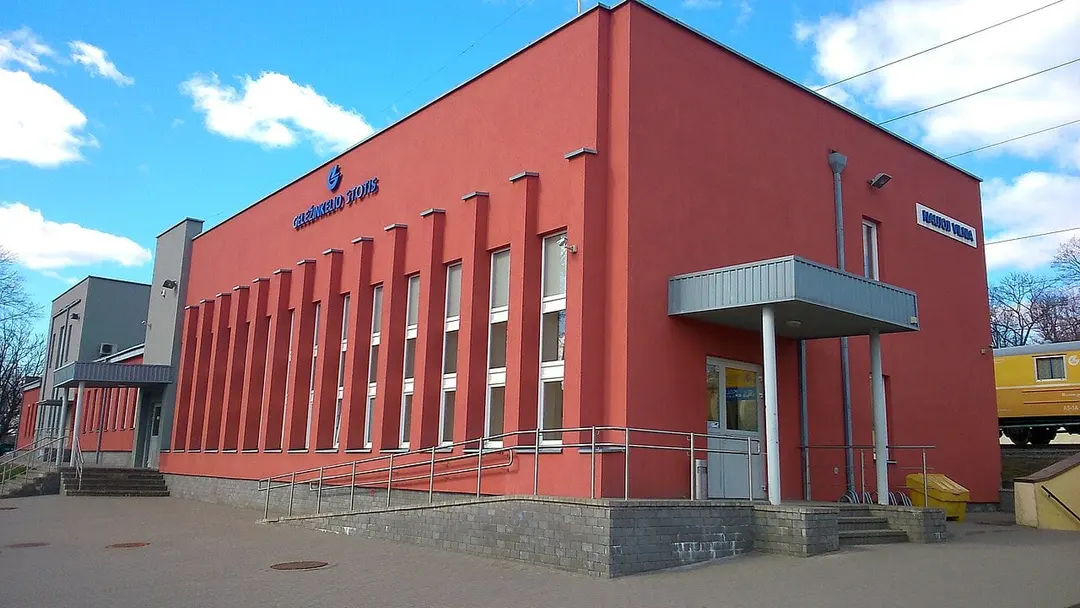
    Naujoji Vilnia railway station is located in the northeastern district of the same name in Vilnius and is operated by Lietuvos geležinkeliai, the Lithuanian state railway. The station building dates from 1873, when the Warsaw-Saint Petersburg railway passed through this part of the city. The station serves as the departure point for lines towards Minsk and has seven platforms connected by an underground pedestrian tunnel. Today Naujoji Vilnia is a quiet suburban station continuing the long tradition of rail travel between European capitals.

  • Vilnius Railway Station

    Vilnius Railway Station

    Vilnius

    historylocal gems

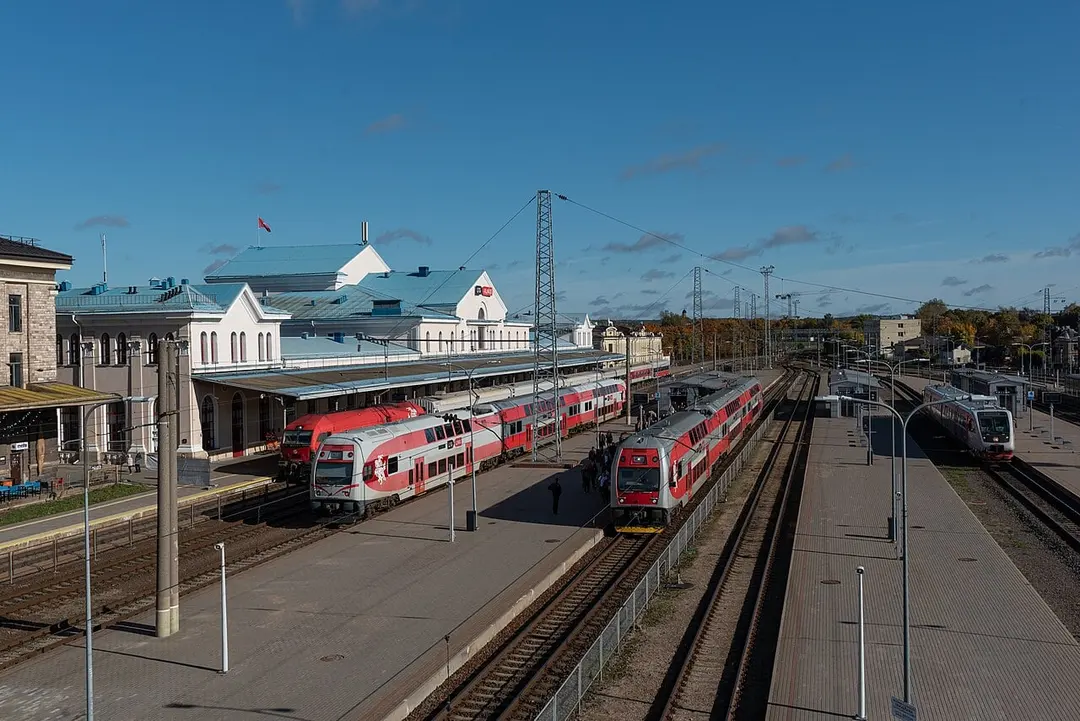
    Vilnius Central Railway Station has served as Lithuania's main rail hub since 1861, sitting at the southern edge of the old town between the Naujininkai and Naujamiestis neighbourhoods. The state railway operator Lietuvos geležinkeliai has its headquarters here. The neoclassical building has been rebuilt and extended over the decades; a freight yard lies to the west and a coach station connects directly to the complex. Trains run to Kaunas, Riga, and Warsaw, making this the departure point for travel across the Baltic region.

  • Žvėrynas Bridge

    Žvėrynas Bridge

    Vilnius

    local gems

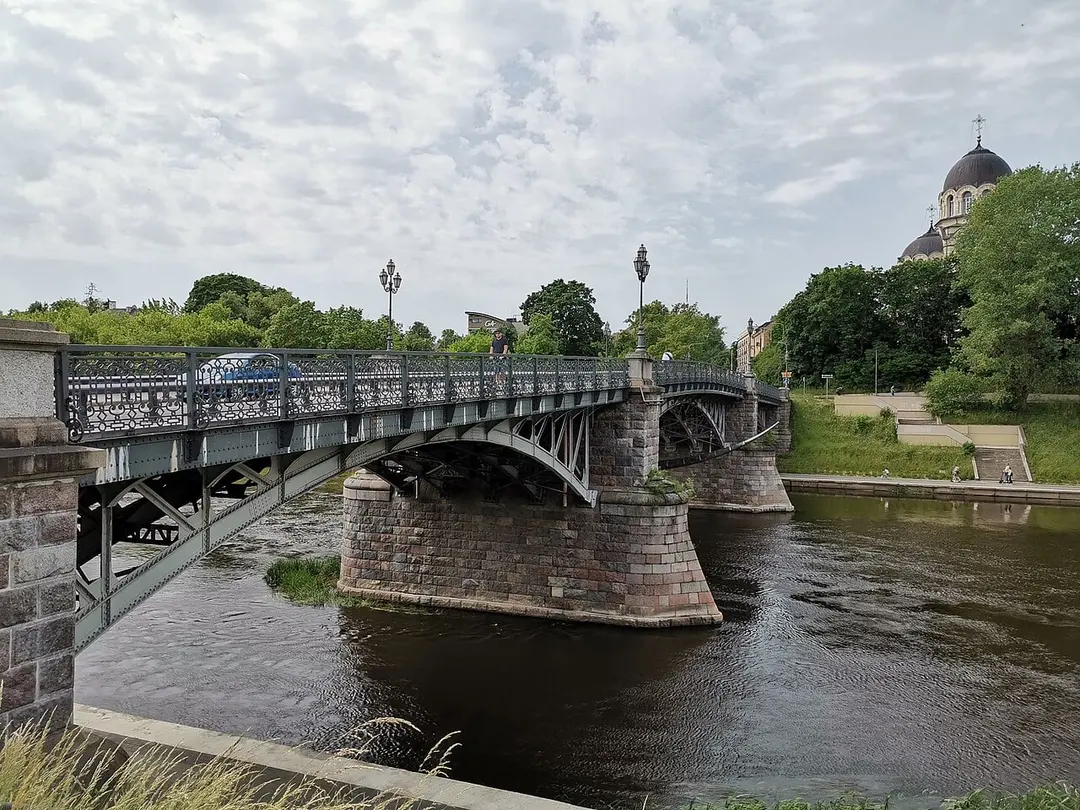
    The Žvėrynas Bridge links the Naujamiestis district with the quiet residential neighbourhood of Žvėrynas across the Neris River in Vilnius. It spans 103 metres and forms part of the everyday fabric of the Lithuanian capital. The name Žvėrynas means "zoo" in Lithuanian, a reference to an imperial hunting ground that once occupied the area. The bridge itself is not a tourist attraction, but a useful crossing for those exploring the calm, wooden-villa neighbourhood of Žvėrynas on the far bank.

Keep exploring

These places are just the beginning.

Rate places with a swipe — TravelType learns from your tags what you love and curates your own map. Private until you choose to share.

Create your profile