TravelType

history

History in Vilnius

Vilnius, the capital of Lithuania, layers its history across an unusually dense collection of monuments. The Church of St. Anne and the Church of St. Francis and St. Bernard stand as testaments to the city's medieval fabric, while the Chapel of Saint Casimir and the Church of St. Casimir commemorate Lithuania's patron saint. Antakalnis Cemetery and Bernardine Cemetery hold the memory of turbulent centuries, and the Choral Synagogue speaks to the city's once-thriving Jewish community. Nearby Trakai adds a medieval castle dimension, and sites such as Bernardinai Garden and the Cathedral of the Theotokos round out a layered historical portrait.

18 places · Vilnius, Lithuania · Editorially curated

  • Basilica of the Visitation, Trakai

    Basilica of the Visitation, Trakai

    Vilnius

    architecture

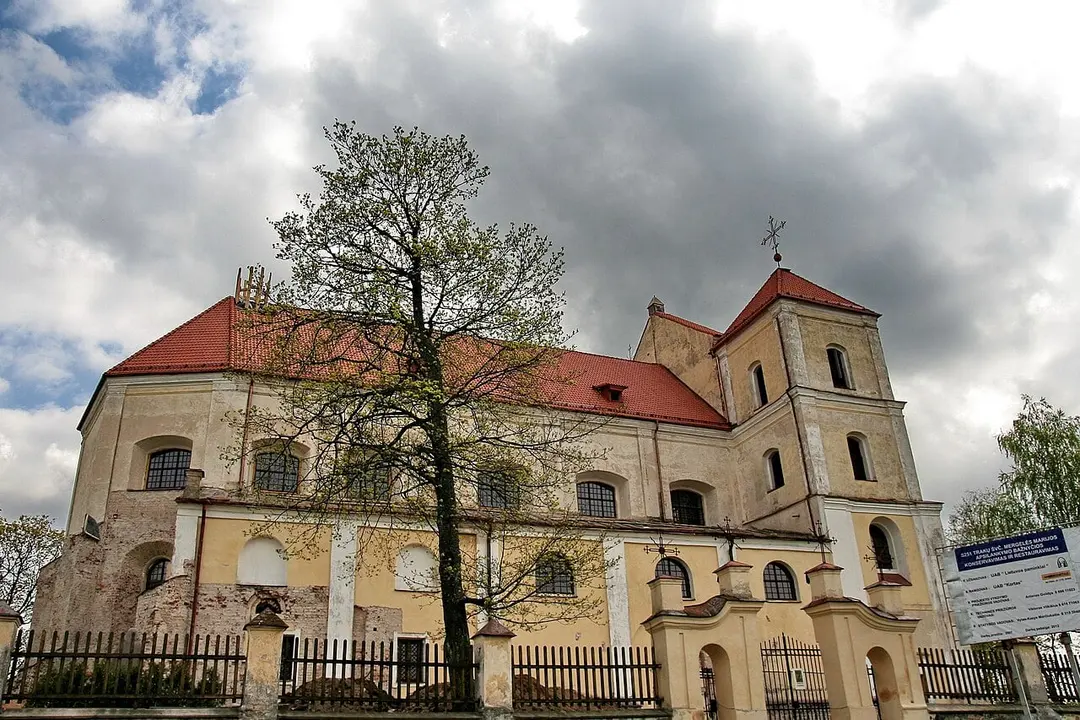
    The Basilica of the Visitation stands on a hill in the centre of Trakai, Lithuania's medieval capital. It was founded in 1409 by Vytautas the Great, one of the most powerful rulers of the Grand Duchy of Lithuania, and originally built in the Gothic style. Over the centuries the church was substantially rebuilt, and its current appearance is largely defined by Baroque alterations. The main altarpiece contains the icon of Our Lady of Trakai, a venerated miraculous image that draws pilgrims from across Lithuania. As a Basilica Minor, it carries a special title from the Holy See. Set close to Trakai's famous lakes and island castle, it forms a natural part of one of the country's most beautiful day-trip destinations.
  • Bernardine Cemetery Vilnius

    Bernardine Cemetery Vilnius

    Vilnius

    local gems

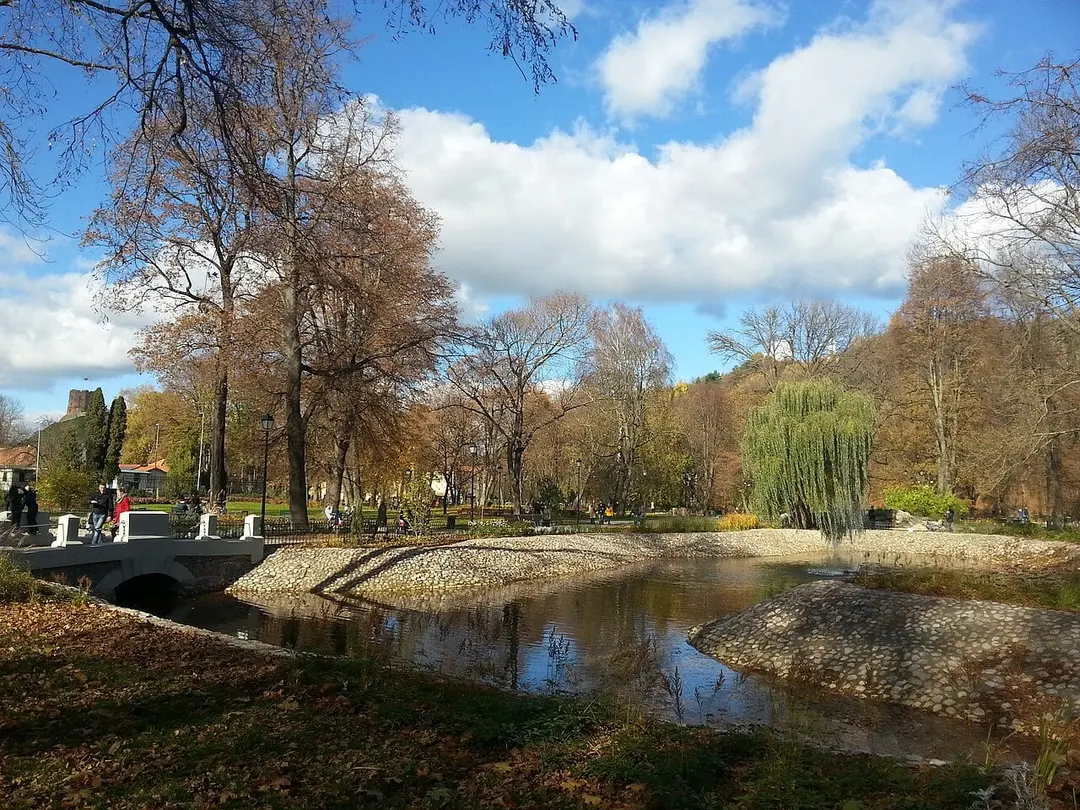
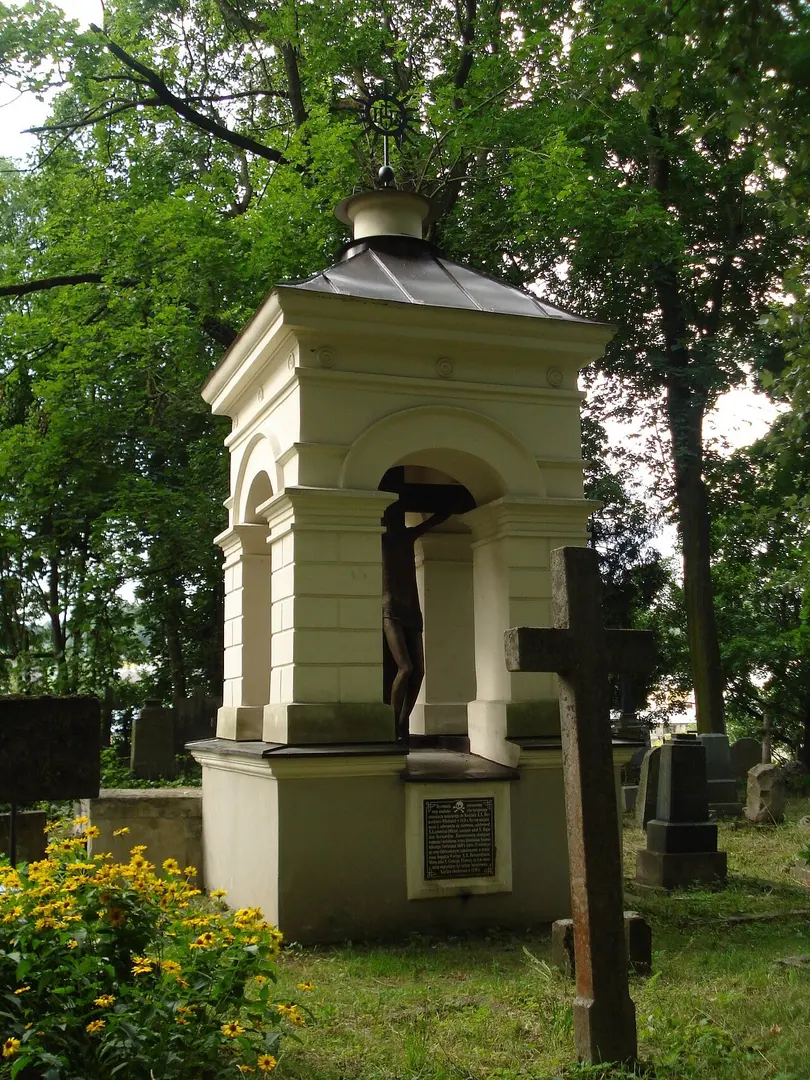
    The Bernardine Cemetery in the Užupis district is one of the three oldest cemeteries in Vilnius, established in 1810 by the Bernardine (Franciscan) monks of St. Francis of Assisi church. The reason for its founding was a Tsarist decree forbidding burials near churches, which forced the monks to create a new burial ground on the edge of the city, on the embankment of the Vilnia river. It covers about 38,000 square metres with an estimated 14,000 burial sites. The cemetery is a listed historical and cultural monument set within the atmospheric Užupis artists' quarter.

  • Cathedral of the Theotokos

    Cathedral of the Theotokos

    Vilnius

    architecture

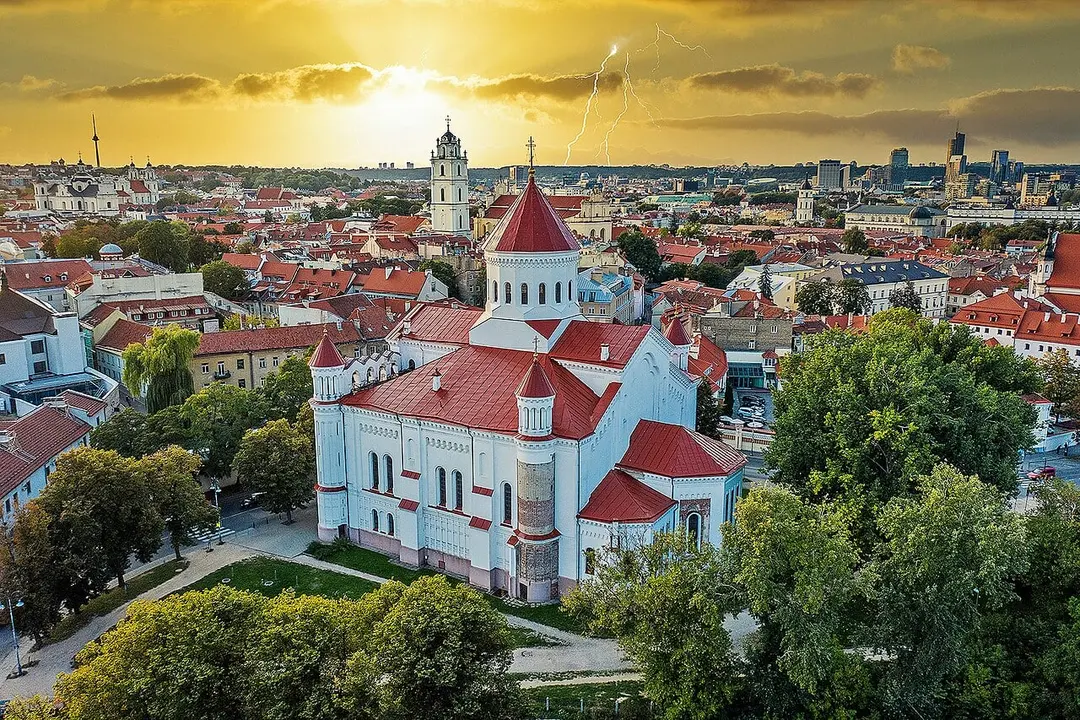
    The Cathedral of the Theotokos in Vilnius is the episcopal seat of the Russian Orthodox Diocese of Lithuania. Dating back to the 14th century, it reflects the long presence of Orthodox Christianity in the Baltic region. The cathedral serves as the spiritual heart of the Russian Orthodox community in Lithuania and features the characteristic iconostases and frescoes of the Eastern tradition. It stands as a symbol of Vilnius religious pluralism, where Catholic, Orthodox, Jewish, and other traditions have coexisted for centuries. The cathedral remains an active place of worship today.

  • Choral Synagogue Vilnius

    Choral Synagogue Vilnius

    Vilnius

    architectureculture

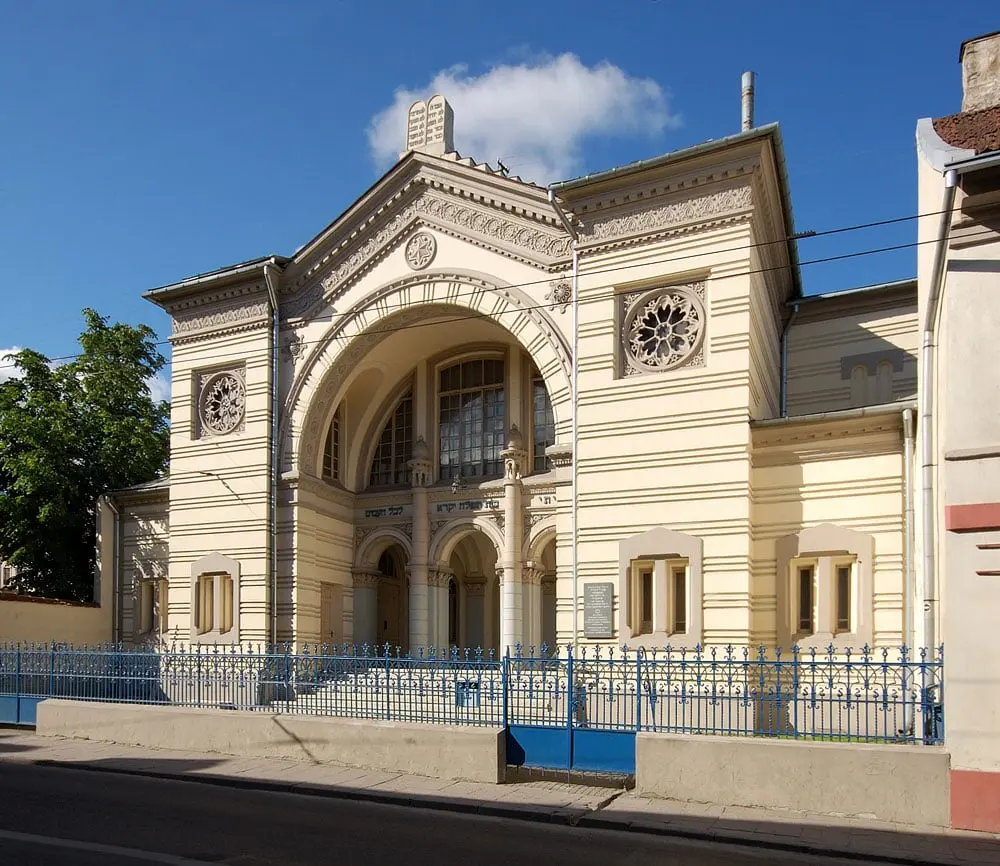
    The Choral Synagogue of Vilnius, officially known as Taharat Ha-Kodesh, was completed in 1903 based on designs by architect Dawid Rozenhaus. The building combines Romanesque structural elements with Moorish decorative details, a stylistic blend typical of synagogue architecture of the late 19th and early 20th centuries. It is today the only active Jewish house of worship in Vilnius. Before World War II, Vilnius was known as the Jerusalem of Europe, home to a thriving Jewish community; the Holocaust nearly completely destroyed that community. The synagogue's survival is therefore a profound historical testimony. The congregation actively maintains Jewish traditions and welcomes visitors interested in the history of Jews in the Baltics.

  • Didzioji Street

    Didzioji Street

    Vilnius

    local gemsmystery

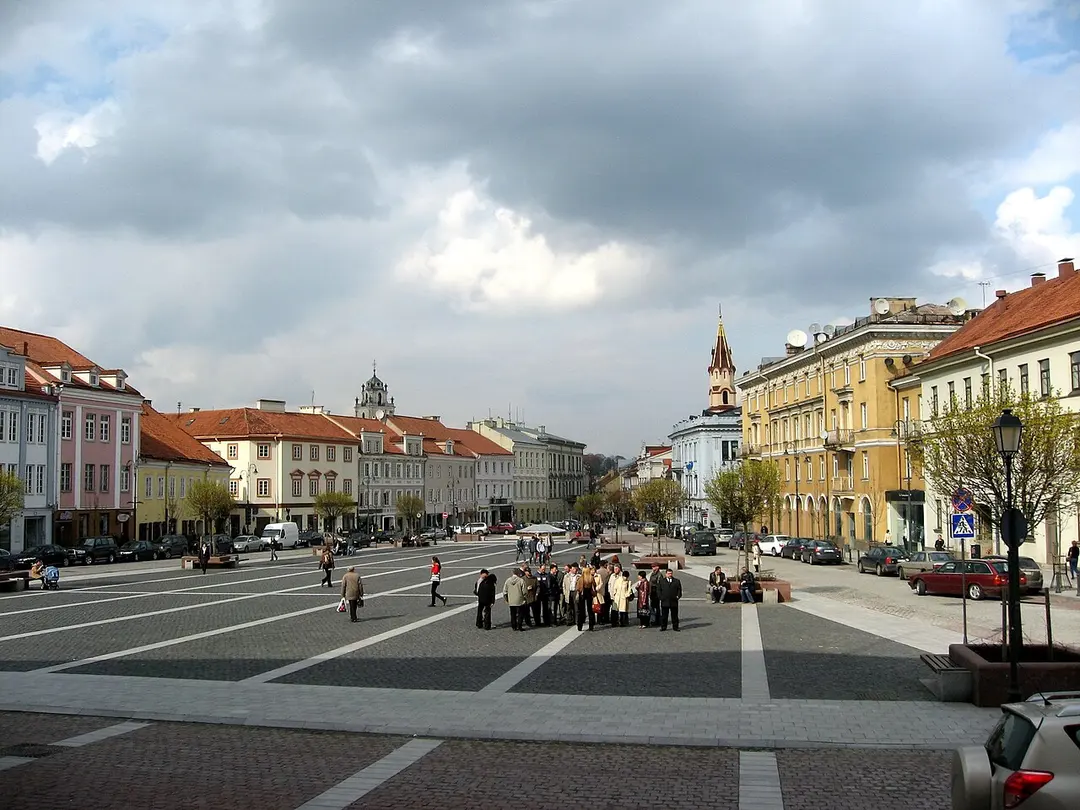
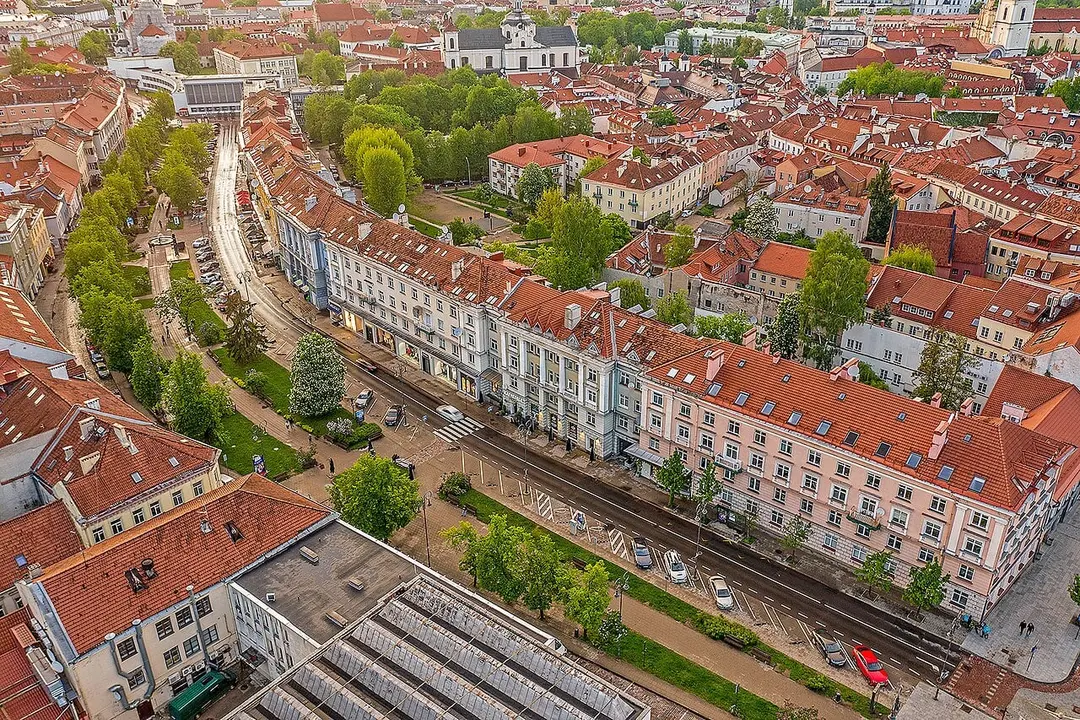
    Didzioji gatve is a roughly 600-metre-long street at the heart of the Old Town districts of Senamiestis and Naujamiestis in Vilnius. It connects Pilies Street with Ausros Vartu Street and wraps around Vilnius Town Hall. In the past it was visited by remarkable figures: Napoleon passed through on his 1812 Russian campaign, and Fyodor Dostoevsky lived nearby for a time. Today the Art Museum in the New Town Hall and the FOTOKUNST gallery line up beneath historic facades. The street forms part of the UNESCO World Heritage Site of the Old Town of Vilnius.

  • Lithuanian National Museum of Art

    Lithuanian National Museum of Art

    Vilnius

    cultureknowledge

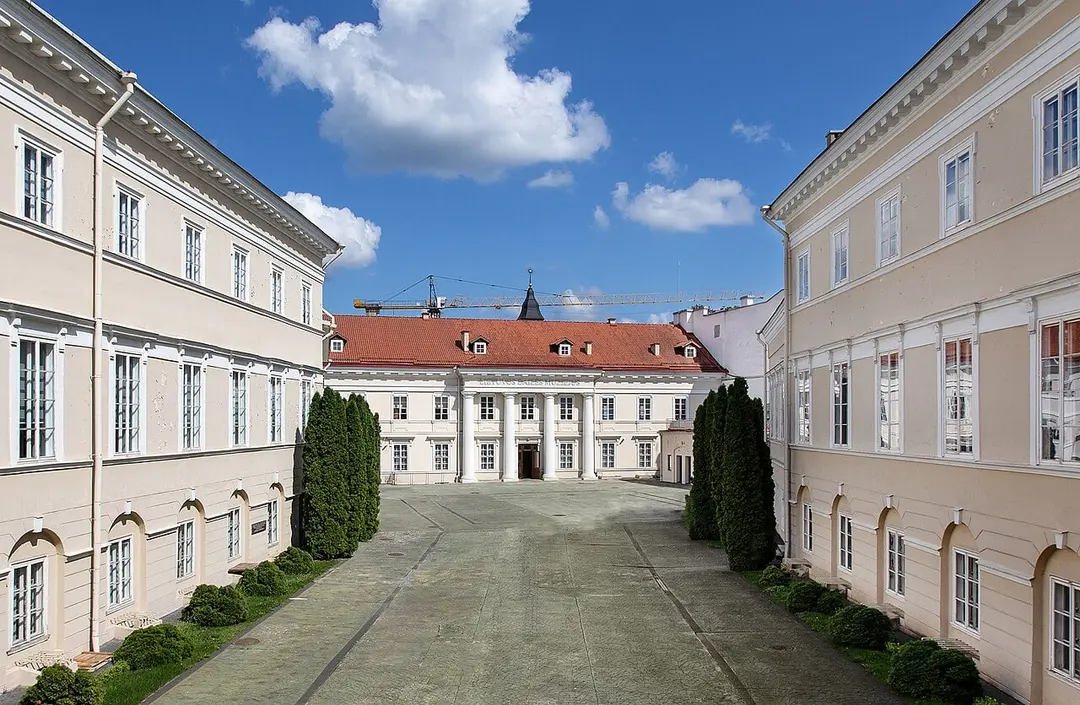
    The Lithuanian National Museum of Art was founded in 1933 as the Vilnius city museum and today holds over 40,000 paintings and drawings — the largest art collection in Lithuania. The museum manages several branches in Vilnius and other cities, displaying Lithuanian art from the Middle Ages to the present. As the country's foremost cultural anchor, it provides deep insight into Lithuanian identity and artistic tradition.

  • Vilnius Railway Station

    Vilnius Railway Station

    Vilnius

    architecturelocal gems

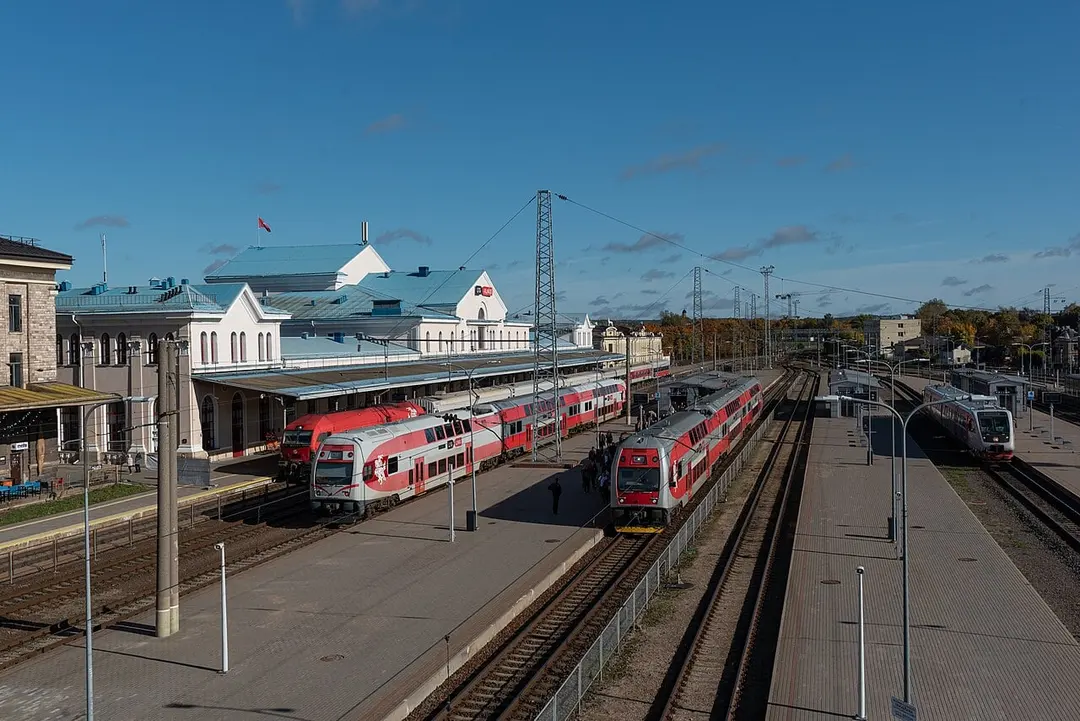
    Vilnius Central Railway Station has served as Lithuania's main rail hub since 1861, sitting at the southern edge of the old town between the Naujininkai and Naujamiestis neighbourhoods. The state railway operator Lietuvos geležinkeliai has its headquarters here. The neoclassical building has been rebuilt and extended over the decades; a freight yard lies to the west and a coach station connects directly to the complex. Trains run to Kaunas, Riga, and Warsaw, making this the departure point for travel across the Baltic region.

  • Vokieciu Street

    Vokieciu Street

    Vilnius

    culturelocal gems

    Vokieciu gatve – German Street in translation – is one of the oldest streets in the Old Town of Vilnius, Lithuania. It takes its name from German merchants and craftsmen who settled here in the 14th century and shaped the neighbourhood. In the 16th century the Vilnius Mint was located in this street, and it was considered the city's finest, already lined with many brick buildings. Today it houses the Centre for Contemporary Art, an institute of Vilnius University, and an Evangelical Lutheran church – an unusual mix of medieval heritage, trading tradition, and contemporary culture.

Keep exploring

These places are just the beginning.

Rate places with a swipe — TravelType learns from your tags what you love and curates your own map. Private until you choose to share.

Create your profile