TravelType

local gems

Local gems in Vilnius

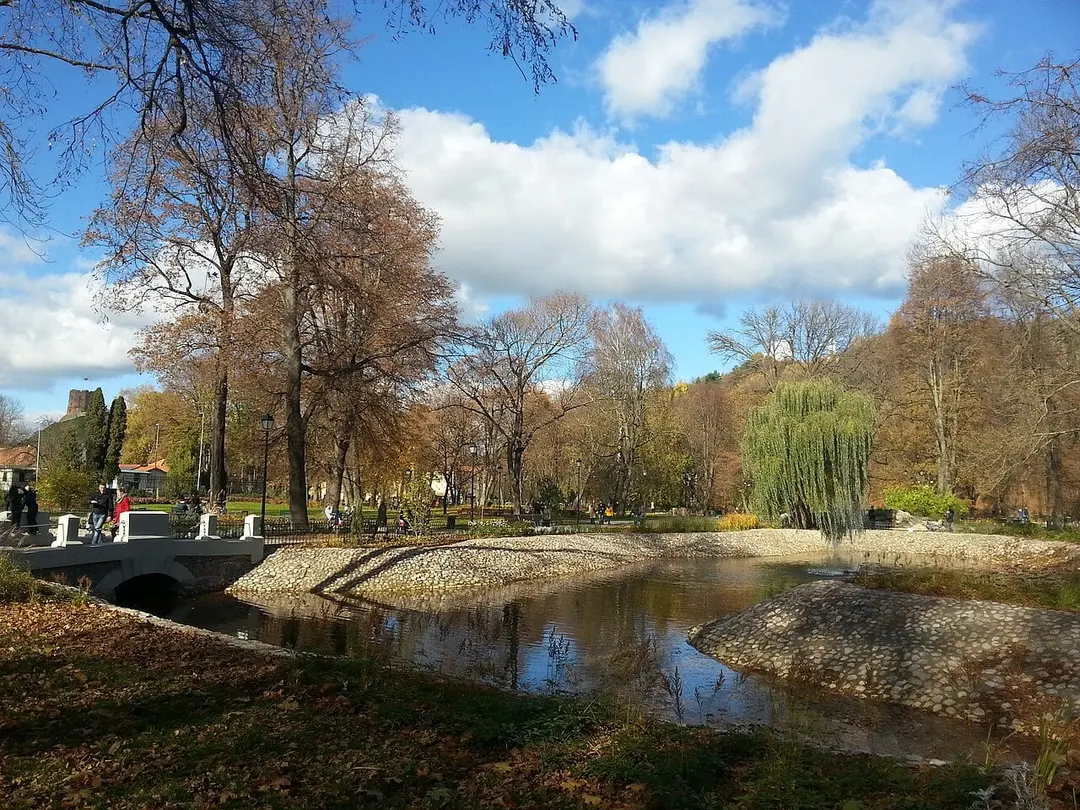
Vilnius has plenty of corners that reward those willing to look beyond the obvious. The Bernardinai Garden offers a calm retreat in the heart of the city, while the Bernardine Cemetery carries a quietly layered, historical character. Didžioji Street, Vokiečių Street, and Gaono Street capture the everyday rhythm of the Old Town. The Žvėrynas Bridge leads into one of the city's more relaxed residential quarters. Further out, Naujoji Vilnia Railway Station hints at the city's broader geography, and the Vilnius Arena draws local crowds for sports events throughout the year.

11 places · Vilnius, Lithuania · Editorially curated

  • Active Vilnius Arena

    Active Vilnius Arena

    Vilnius

    outdoor activities

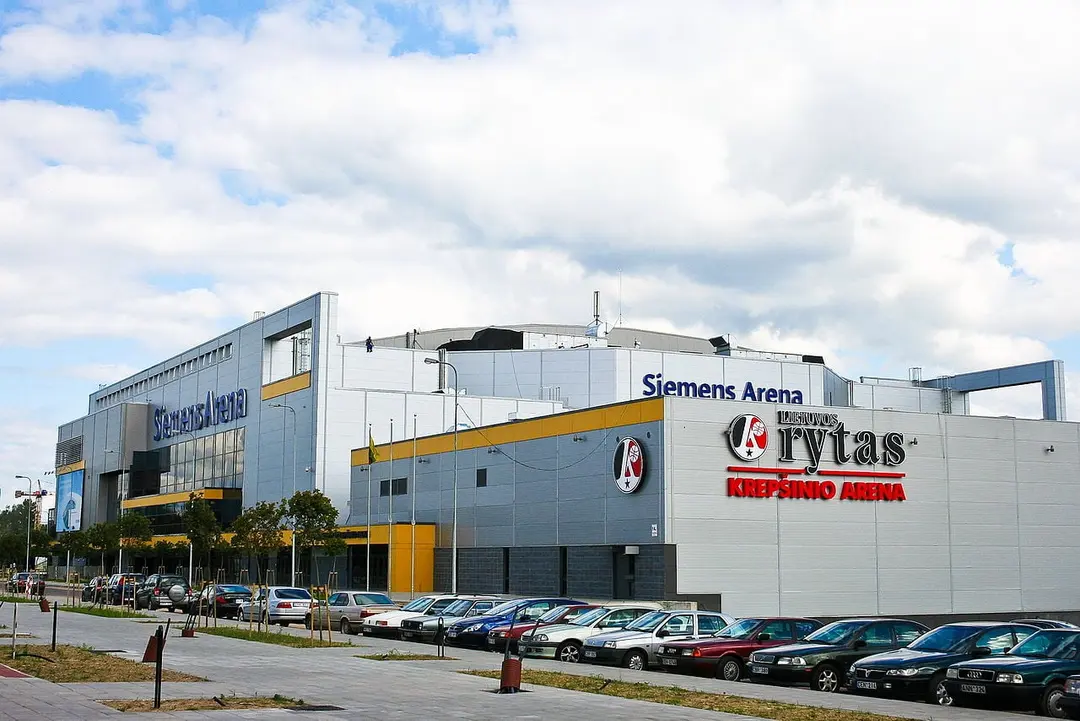
    The Active Vilnius Arena is a sports hall in the Šeškinė district of Vilnius, built right next to the larger Twinsbet Arena. With a capacity of 2,741 seats, it serves mainly as the home venue for basketball club BC Rytas and the women's team Kibirkštis Vilnius. Lithuania is one of Europe's great basketball nations, and Vilnius is the heart of that passion. Built in 2005, the Active Arena and its larger neighbor form a dual hub for top-level Lithuanian sport. For those wanting to experience basketball up close, the arena offers an intimate atmosphere with clear sightlines — very different from the larger arenas in the city.
  • Bernardine Cemetery Vilnius

    Bernardine Cemetery Vilnius

    Vilnius

    history

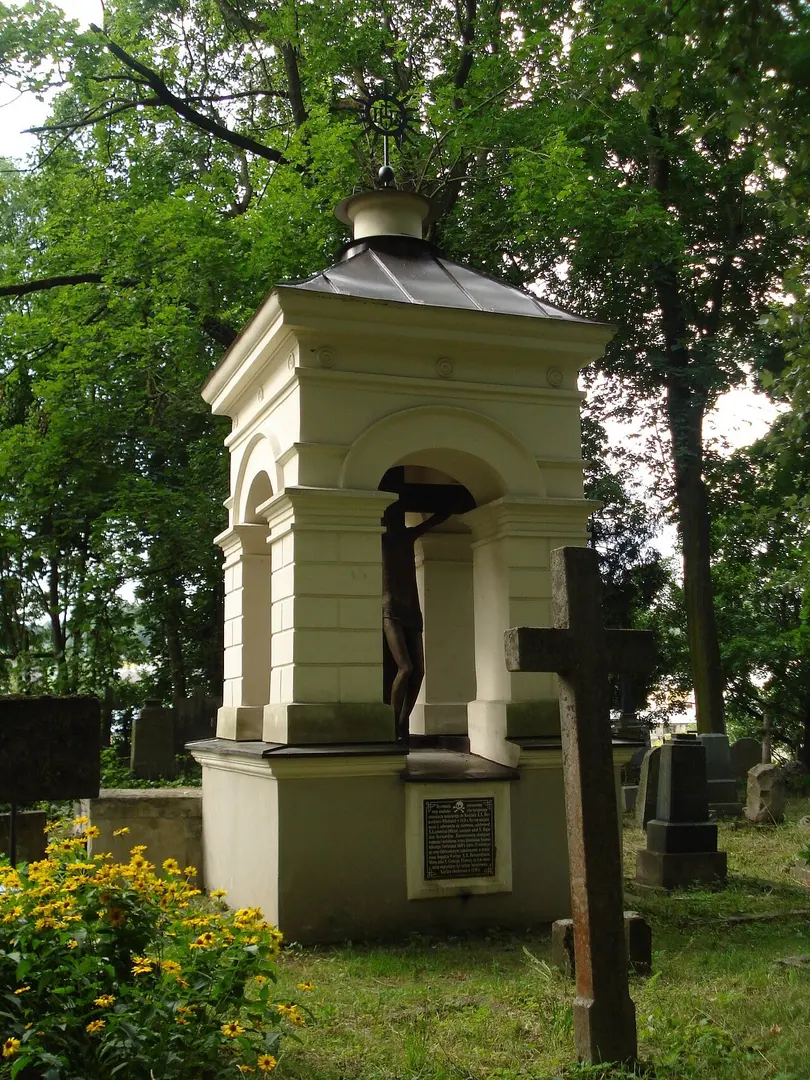
    The Bernardine Cemetery in the Užupis district is one of the three oldest cemeteries in Vilnius, established in 1810 by the Bernardine (Franciscan) monks of St. Francis of Assisi church. The reason for its founding was a Tsarist decree forbidding burials near churches, which forced the monks to create a new burial ground on the edge of the city, on the embankment of the Vilnia river. It covers about 38,000 square metres with an estimated 14,000 burial sites. The cemetery is a listed historical and cultural monument set within the atmospheric Užupis artists' quarter.

  • Didzioji Street

    Didzioji Street

    Vilnius

    historymystery

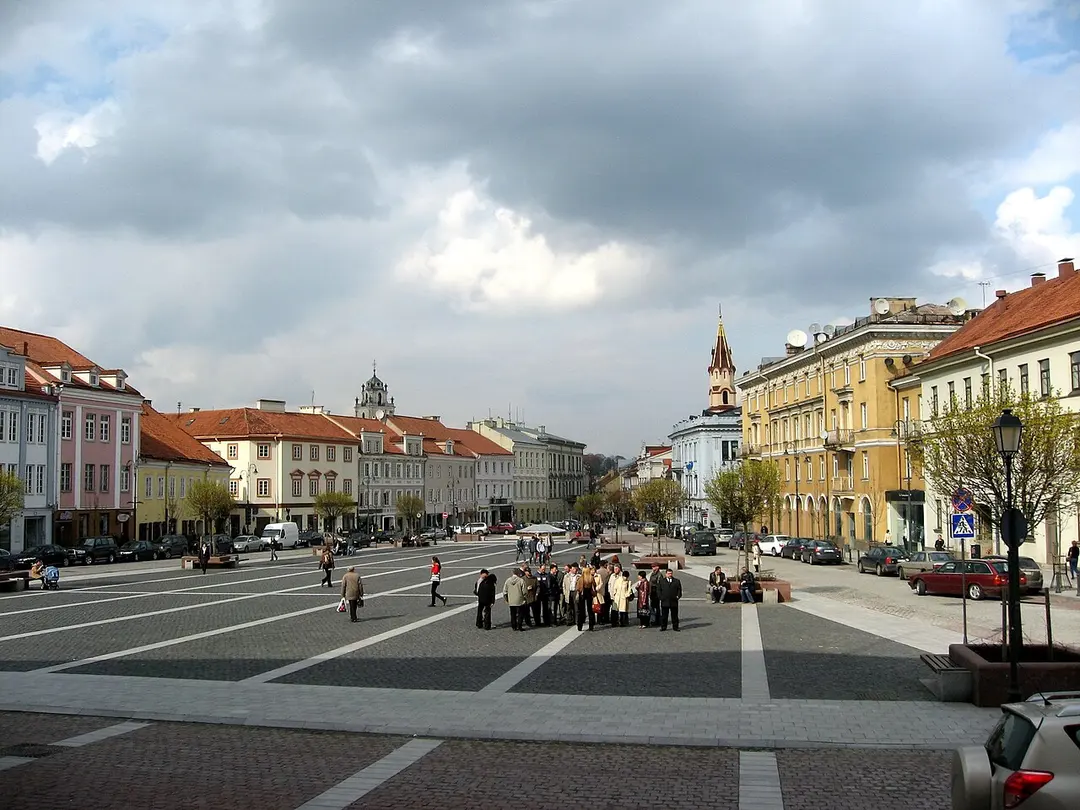
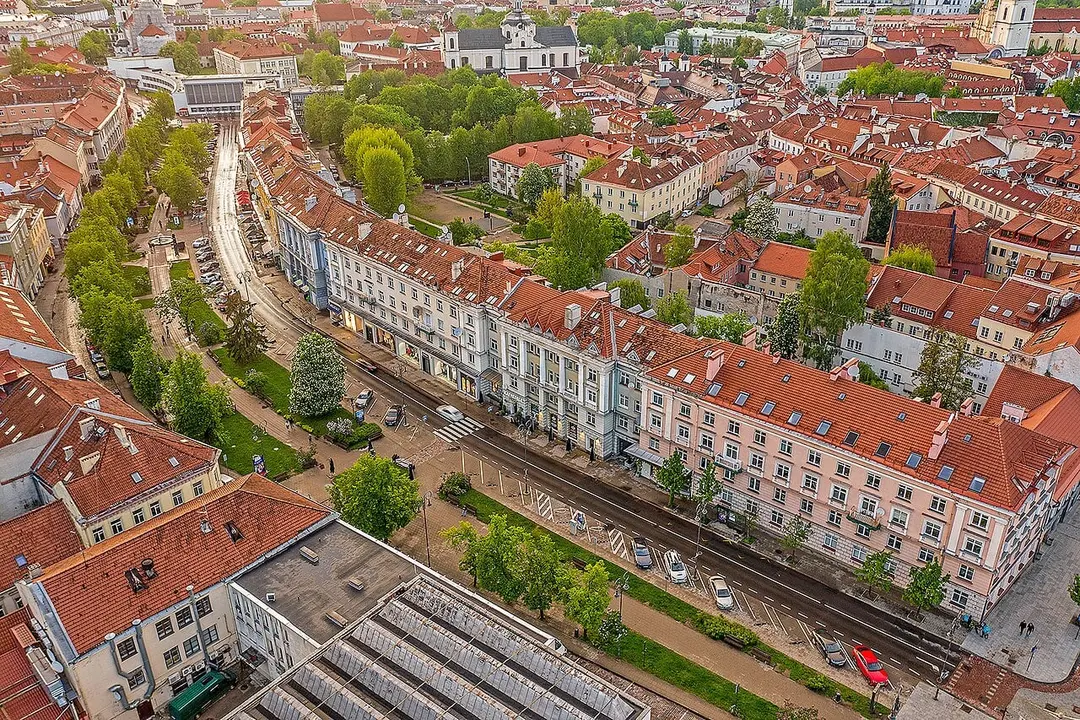
    Didzioji gatve is a roughly 600-metre-long street at the heart of the Old Town districts of Senamiestis and Naujamiestis in Vilnius. It connects Pilies Street with Ausros Vartu Street and wraps around Vilnius Town Hall. In the past it was visited by remarkable figures: Napoleon passed through on his 1812 Russian campaign, and Fyodor Dostoevsky lived nearby for a time. Today the Art Museum in the New Town Hall and the FOTOKUNST gallery line up beneath historic facades. The street forms part of the UNESCO World Heritage Site of the Old Town of Vilnius.

  • Naujoji Vilnia Railway Station

    Naujoji Vilnia Railway Station

    Vilnius

    architectureknowledge

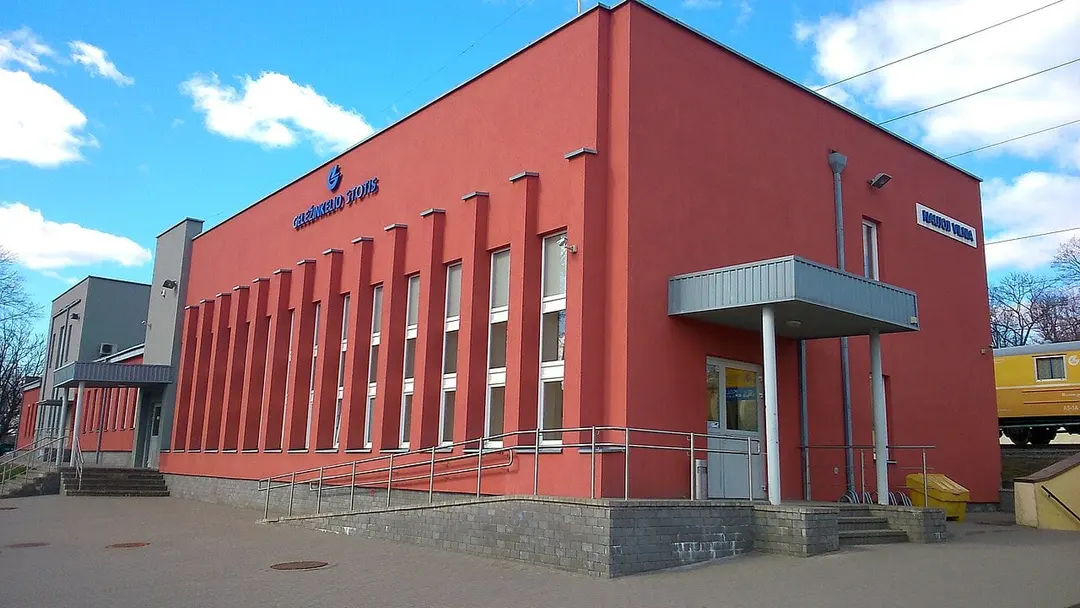
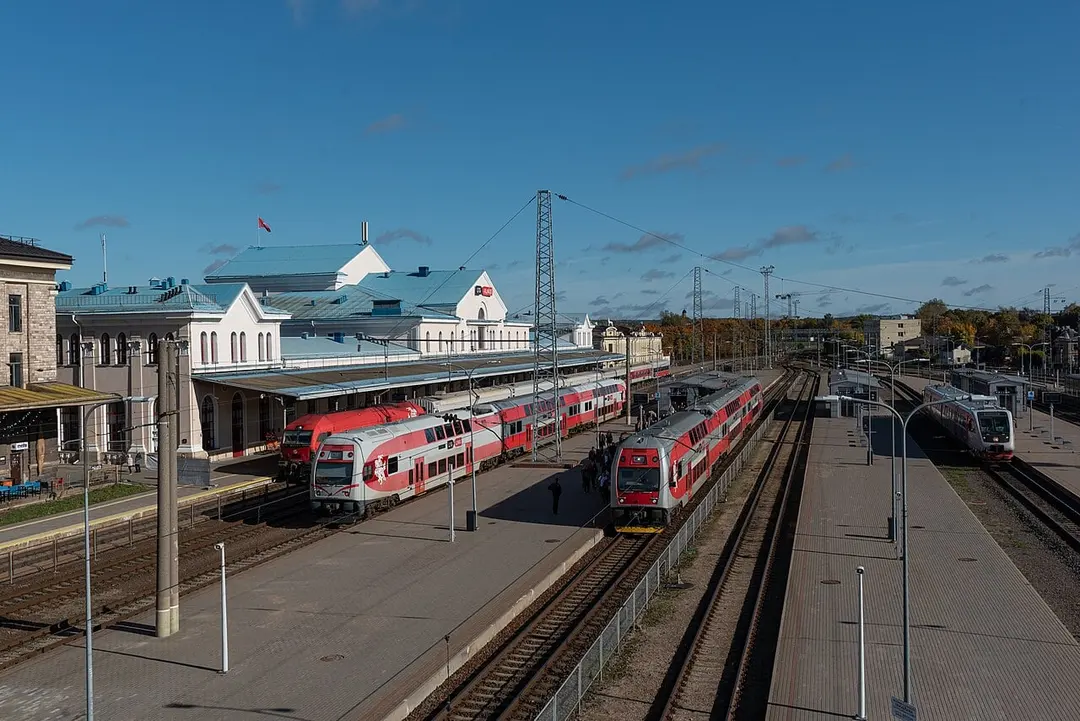
    Naujoji Vilnia railway station is located in the northeastern district of the same name in Vilnius and is operated by Lietuvos geležinkeliai, the Lithuanian state railway. The station building dates from 1873, when the Warsaw-Saint Petersburg railway passed through this part of the city. The station serves as the departure point for lines towards Minsk and has seven platforms connected by an underground pedestrian tunnel. Today Naujoji Vilnia is a quiet suburban station continuing the long tradition of rail travel between European capitals.

  • St. Catherine's Church, Vilnius

    St. Catherine's Church, Vilnius

    Vilnius

    culture

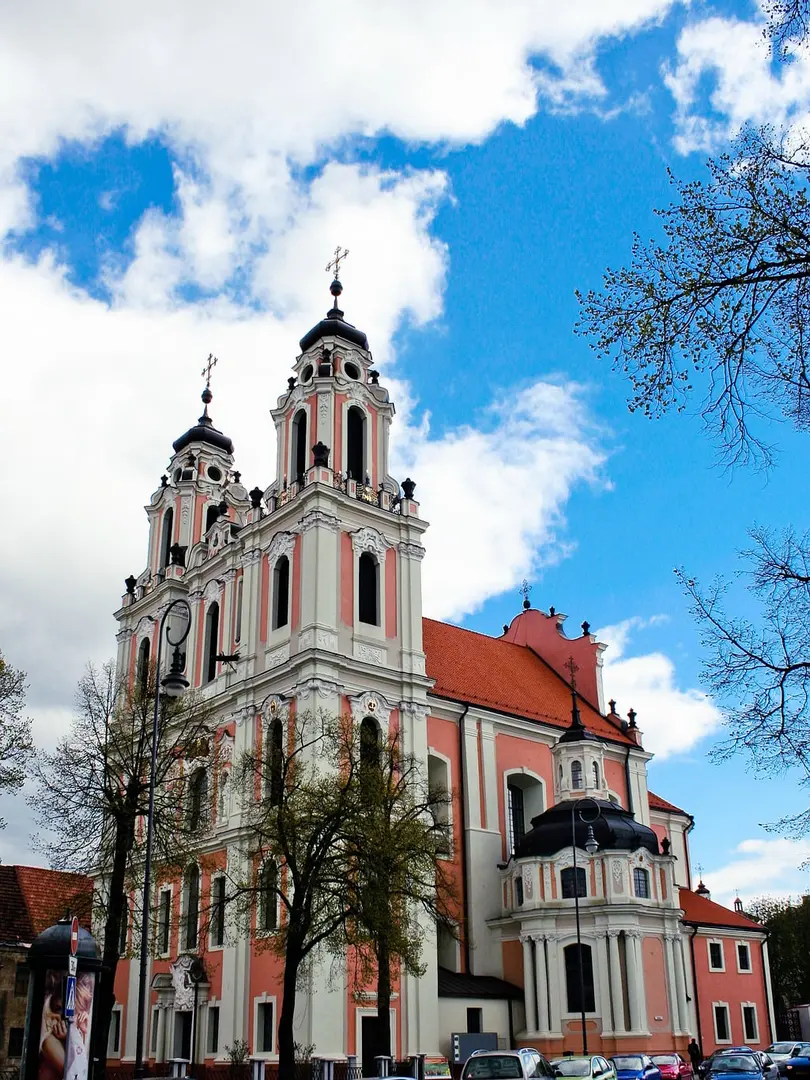
    St. Catherine's Church is one of the finest baroque churches in Vilnius' Old Town. Founded in 1618 by Jan Karol Chodkiewicz, Hetman of the Grand Duchy of Lithuania, and completed in 1625, the church originally belonged to a Benedictine convent. It is characteristic of Vilnius' High Baroque style: an elegant façade with curved gables that contributes to the distinctive skyline of the old town. Today the church serves as a concert and exhibition hall, functioning as a cultural venue at the heart of the UNESCO-listed Old Town.

  • Vilnius Airport Railway Station

    Vilnius Airport Railway Station

    Vilnius

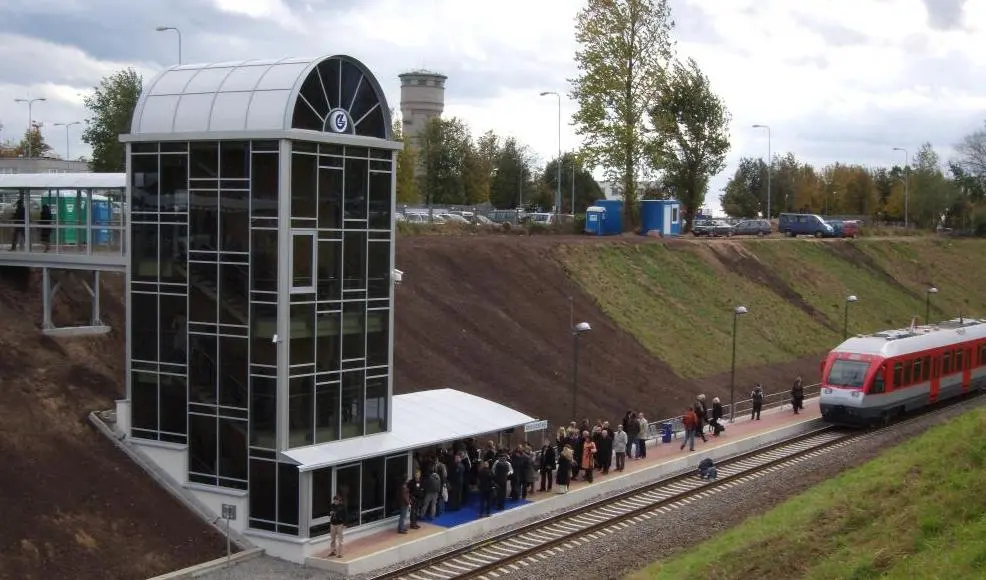
    The Oro uostas halt — Lithuanian for "airport" — is the railway station at Vilnius International Airport, in operation since October 2008. It provides a direct rail link between the airport and Vilnius Central Station using railbuses. At around €0.80, it is one of the cheapest ways to travel between the airport and the city centre. The station is one of only two airports in the Baltic states with a direct rail connection to the city; the other is Tallinn Airport. However, with only seven trains per day and gaps of up to nearly six hours between some services, scheduling requires advance planning.

  • Vilnius Railway Station

    Vilnius Railway Station

    Vilnius

    architecturehistory

    Vilnius Central Railway Station has served as Lithuania's main rail hub since 1861, sitting at the southern edge of the old town between the Naujininkai and Naujamiestis neighbourhoods. The state railway operator Lietuvos geležinkeliai has its headquarters here. The neoclassical building has been rebuilt and extended over the decades; a freight yard lies to the west and a coach station connects directly to the complex. Trains run to Kaunas, Riga, and Warsaw, making this the departure point for travel across the Baltic region.

  • Vokieciu Street

    Vokieciu Street

    Vilnius

    culturehistory

    Vokieciu gatve – German Street in translation – is one of the oldest streets in the Old Town of Vilnius, Lithuania. It takes its name from German merchants and craftsmen who settled here in the 14th century and shaped the neighbourhood. In the 16th century the Vilnius Mint was located in this street, and it was considered the city's finest, already lined with many brick buildings. Today it houses the Centre for Contemporary Art, an institute of Vilnius University, and an Evangelical Lutheran church – an unusual mix of medieval heritage, trading tradition, and contemporary culture.

  • Žvėrynas Bridge

    Žvėrynas Bridge

    Vilnius

    architecture

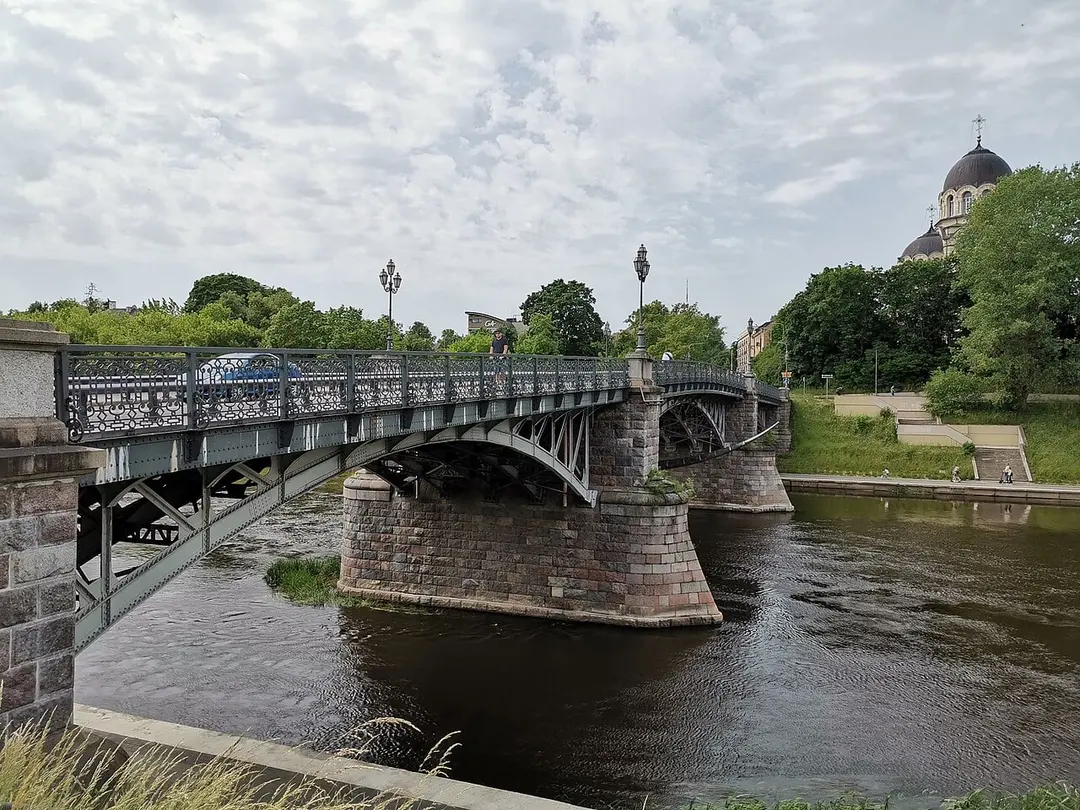
    The Žvėrynas Bridge links the Naujamiestis district with the quiet residential neighbourhood of Žvėrynas across the Neris River in Vilnius. It spans 103 metres and forms part of the everyday fabric of the Lithuanian capital. The name Žvėrynas means "zoo" in Lithuanian, a reference to an imperial hunting ground that once occupied the area. The bridge itself is not a tourist attraction, but a useful crossing for those exploring the calm, wooden-villa neighbourhood of Žvėrynas on the far bank.

Keep exploring

These places are just the beginning.

Rate places with a swipe — TravelType learns from your tags what you love and curates your own map. Private until you choose to share.

Create your profile