TravelType

culture

Culture in San Francisco

San Francisco's cultural landscape spans art, literature, and memory across the city and its surroundings. The Asian Art Museum and the Contemporary Jewish Museum reflect the Bay Area's diverse communities, while the African American Museum and Library at Oakland preserves a vital part of regional history. City Lights Booksellers carries a literary legacy rooted in the Beat era, and the Castro Theatre remains a cornerstone of neighborhood cinema. Landmarks such as Coit Tower, Alamo Square, and the Angel of Grief at Cypress Lawn Memorial Park add further texture, alongside venues like Chase Center and the Cantor Arts Center at Stanford.

24 places · San Francisco, United States · Editorially curated

  • African American Museum and Library at Oakland

    African American Museum and Library at Oakland

    San Francisco

    architectureknowledge

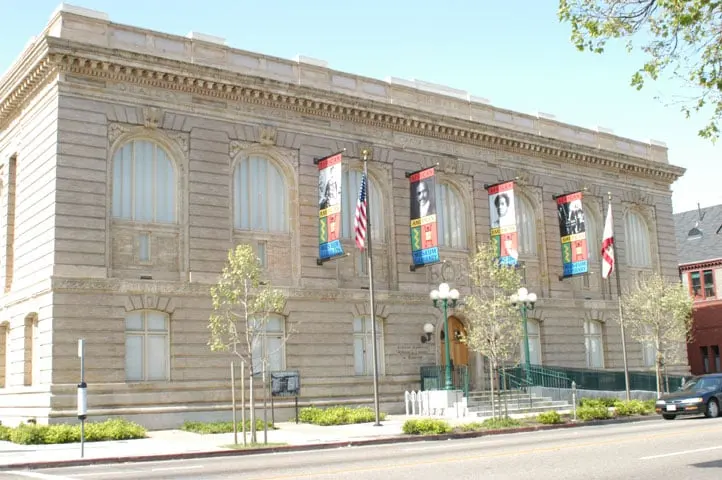
    The African American Museum and Library at Oakland (AAMLO) preserves the history of African Americans in Northern California and the Bay Area. It is housed in a striking Carnegie Beaux-Arts building from 1901 – one of the finest surviving examples of this building type in Oakland, listed on the National Register of Historic Places since 1983. The collection includes diaries, letters, historical photographs, and periodicals documenting African American cultural life. Visitors will find one of the most comprehensive archives of this kind in all of Northern California.
  • Alamo Square

    Alamo Square

    San Francisco

    architecturenaturegreat views

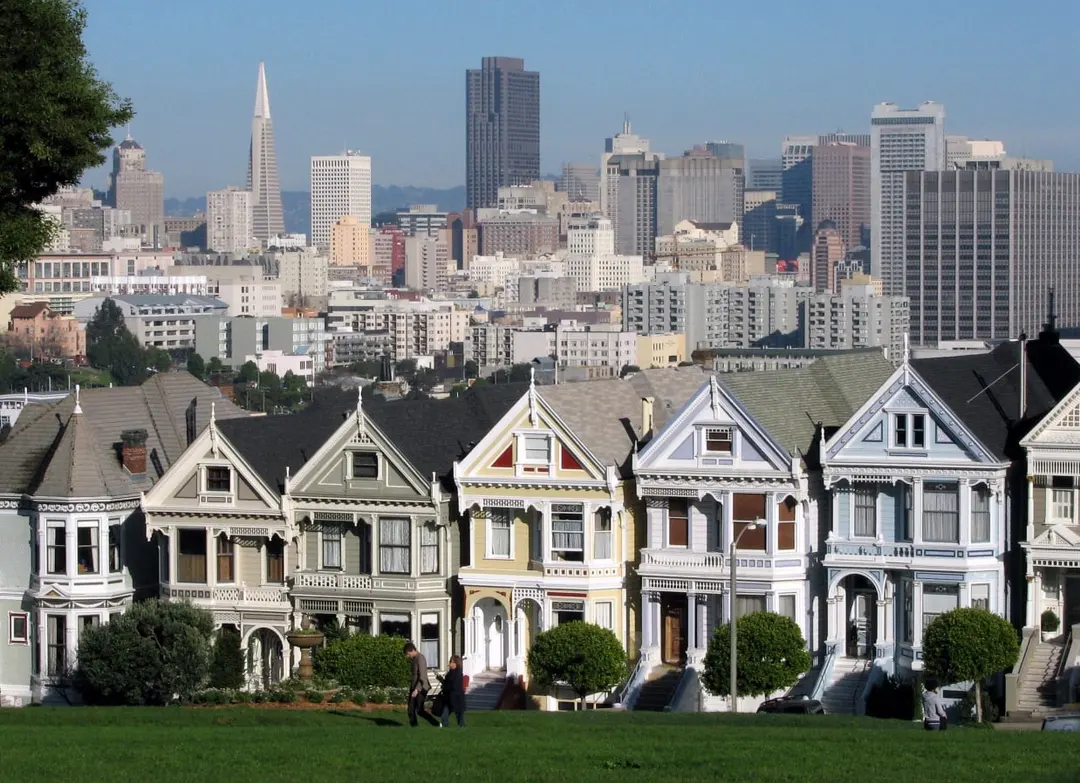
    Alamo Square is a hilltop park in San Francisco, established in 1856 by Mayor James Van Ness. It spans four city blocks between Steiner and Scott Streets. The park is best known as the backdrop for the "Painted Ladies" — a row of vividly painted Victorian houses along Steiner Street set against the downtown skyline, one of the city's most photographed views. The surrounding Western Addition neighbourhood has deep roots in San Francisco's 19th-century development. Today the park is a local gathering spot and one of the few places where Victorian streetscape and modern high-rises coexist in a single frame.

  • Angel of Grief

    Angel of Grief

    San Francisco

    historyromancemystery

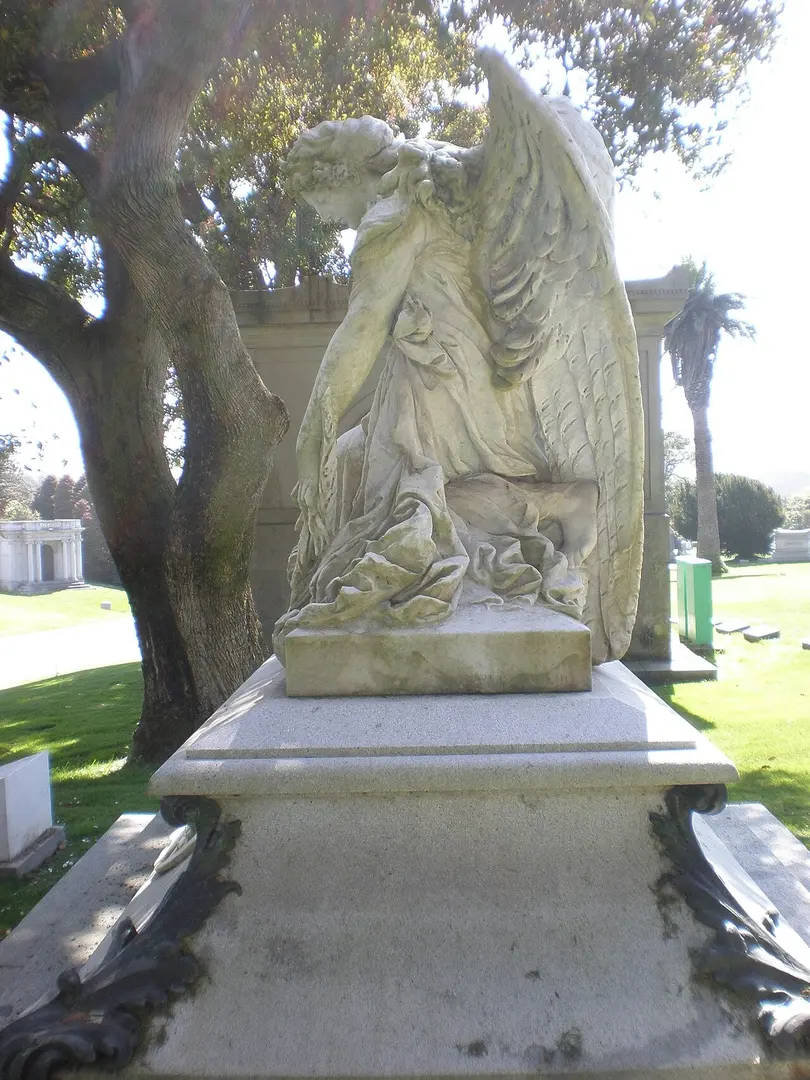
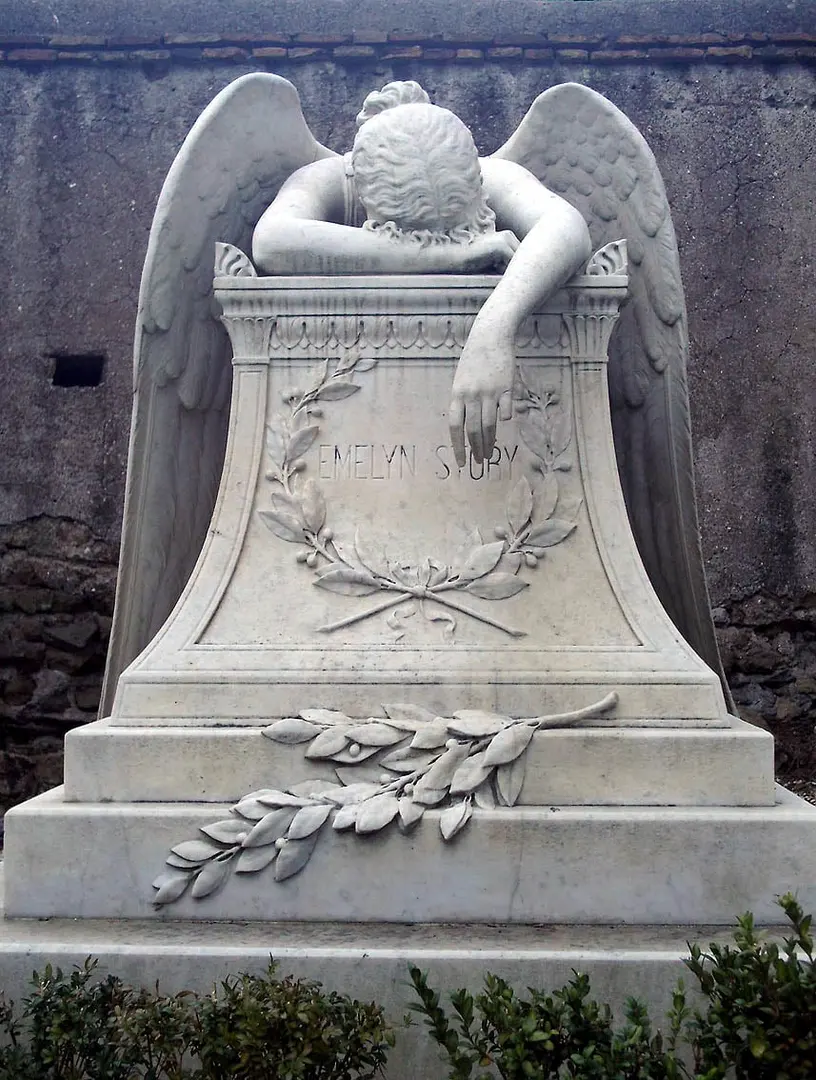
    The Angel of Grief is a funerary sculpture carved by William Wetmore Story in 1894 for the grave of his wife Emelyn at the Protestant Cemetery in Rome — where he himself would be buried the following year. Its full title, The Angel of Grief Weeping Over the Dismantled Altar of Life, describes what you see: a winged figure collapsed in sorrow over a crumbling altar. The work became so widely imitated that it is considered one of the most-copied cemetery sculptures of the 19th century. Today, it draws visitors to the serene non-Catholic cemetery nestled beside Rome's ancient Pyramid of Cestius.

  • Asian Art Museum San Francisco

    Asian Art Museum San Francisco

    San Francisco

    historylocal gems

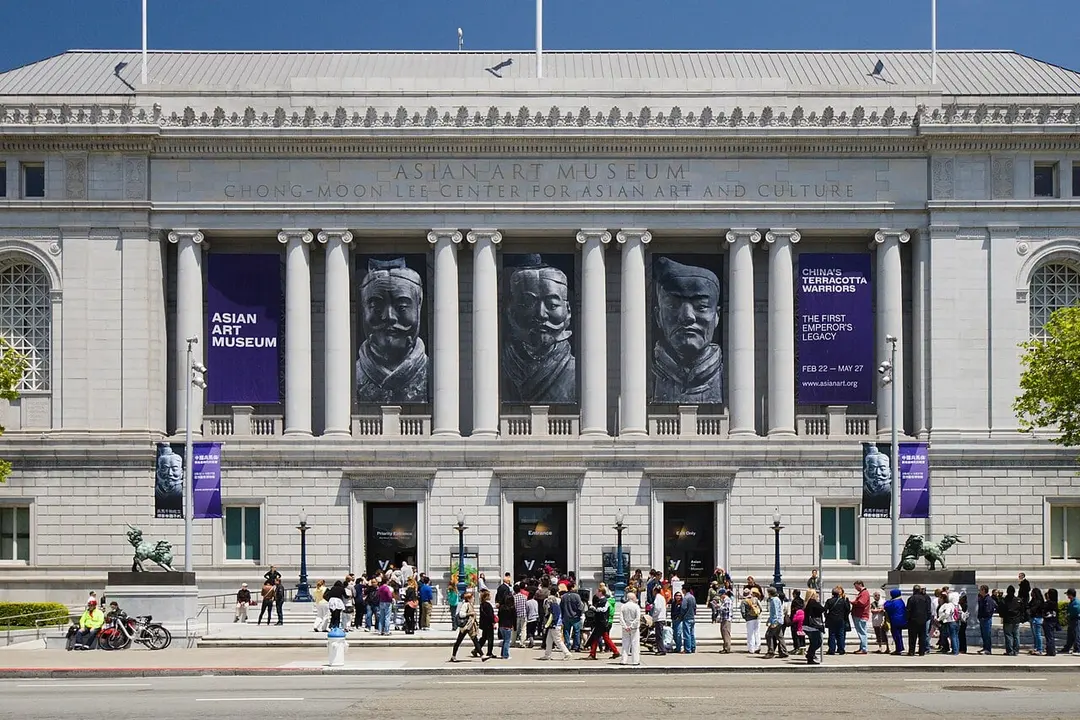
    The Asian Art Museum in San Francisco is one of the world's most significant museums dedicated to Asian art. It opened in 1966 after patron Avery Brundage donated his extensive collection of East Asian objects to the city. Today the collection spans over 17,000 objects from cultures ranging from Japan, China and India to Persia and South-East Asia. Since 2003 the museum has occupied the former main library building in the Civic Center. Notably, Brundage continued donating over many years, building a collection that remains unrivalled in scope.

  • Cantor Arts Center Stanford

    Cantor Arts Center Stanford

    San Francisco

    knowledge

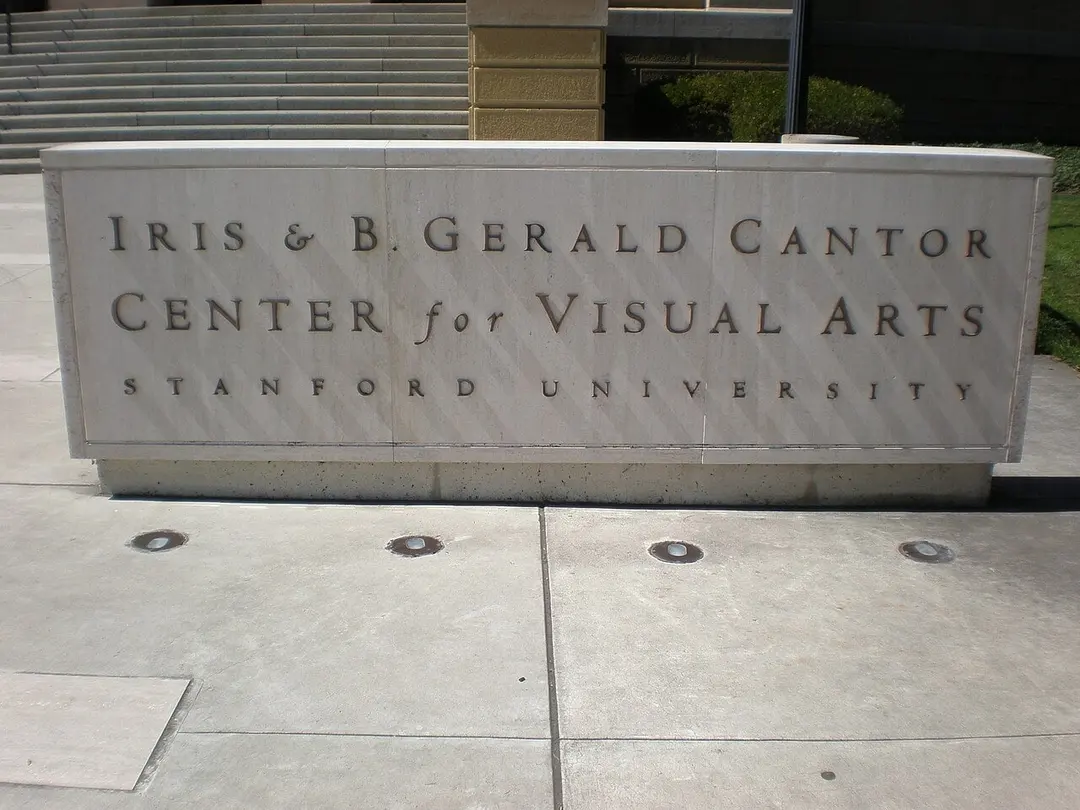
    The Iris & B. Gerald Cantor Center for Visual Arts is Stanford University's art museum in Palo Alto, California. Initiated in 1891 by Leland and Jane Stanford, it now holds about 38,000 works from around the world. The center is especially renowned for its outstanding Rodin collection of over 200 bronze sculptures – one of the largest outside France. Admission is free, and the permanent galleries are open without reservation.

  • Castro Theatre

    Castro Theatre

    San Francisco

    architecture

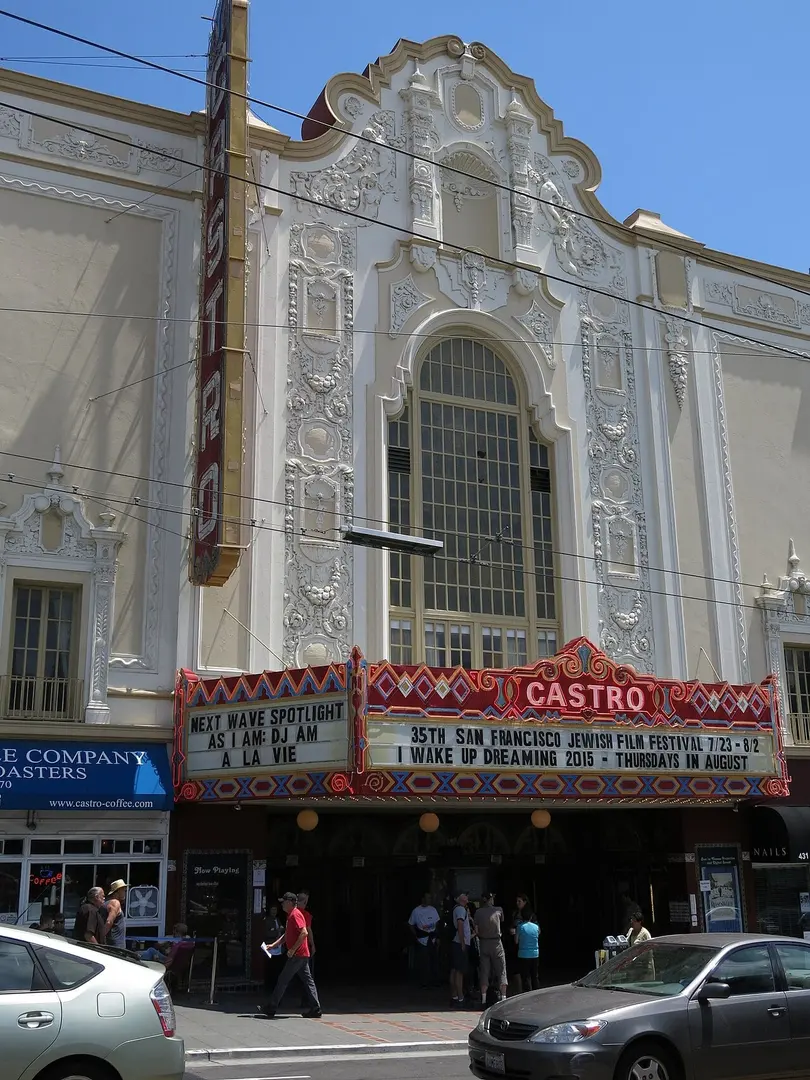
    The Castro Theatre is a historic movie palace in San Francisco's Castro District, designed by Timothy Pflueger and built in 1922. The exterior blends Beaux-Arts grandeur with Spanish Baroque flourishes, while the iconic Art Deco marquee was added in 1937. The venue was designated a San Francisco landmark in 1977, the 100th building to receive the honor. The theatre is celebrated for hosting live organ performances before screenings — the mighty Wurlitzer rises from the orchestra pit for classic films and special events. A major renovation completed in 2026 preserved the ornate interior while bringing capacity to 1,385 seats. Today the Castro Theatre stands as a cultural anchor for the neighborhood and a living monument to San Francisco's LGBTQ history.

  • Chase Center

    Chase Center

    San Francisco

    outdoor activitieslocal gems

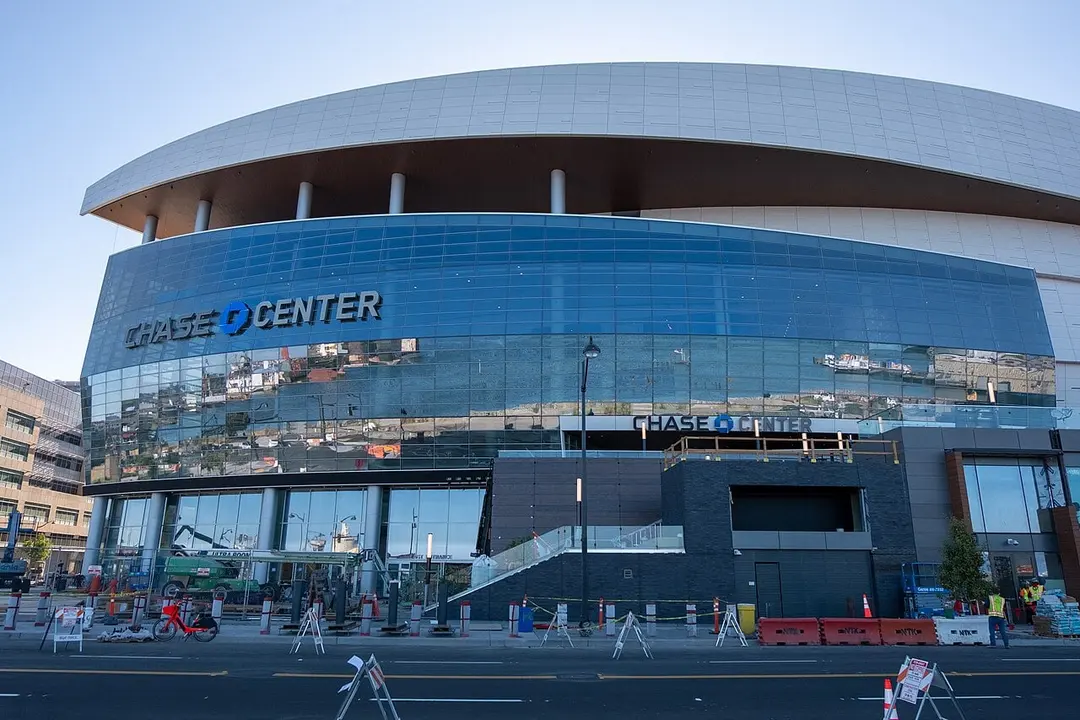
    Chase Center is the home arena of the Golden State Warriors, located in the Mission Bay neighbourhood of San Francisco. Opened in 2019, the multi-purpose arena holds around 18,000 spectators and was entirely privately funded — without public money. It sits on an 11-acre campus that also includes office space, restaurants and public plazas. In addition to basketball, it regularly hosts concerts and major events. It is considered one of the most modern sports venues in the United States.

  • City Lights Booksellers

    City Lights Booksellers

    San Francisco

    historylocal gemsknowledge

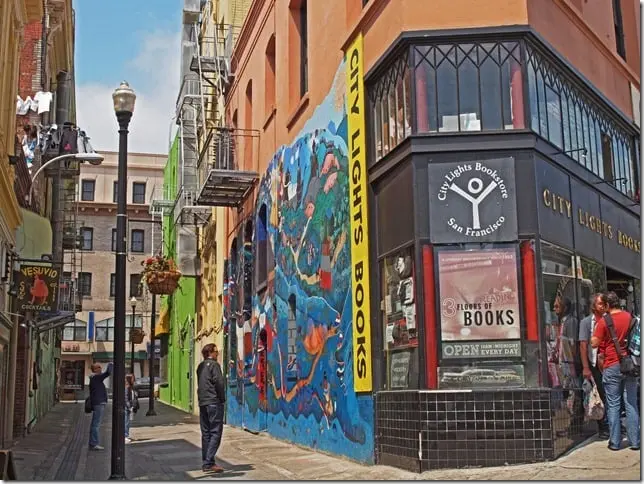
    City Lights in San Francisco is a legend among independent bookshops. Founded in 1953 by the poet Lawrence Ferlinghetti, it became the epicentre of the Beat Generation. Its defining moment came when Ferlinghetti published Allen Ginsberg's Howl and Other Poems – provoking an obscenity trial that ended in acquittal and a place in literary history. Designated an official historic landmark in 2001, City Lights today combines a bookshop, a small press, and a living cultural archive.

  • Coit Tower

    Coit Tower

    San Francisco

    architecturehistorygreat views

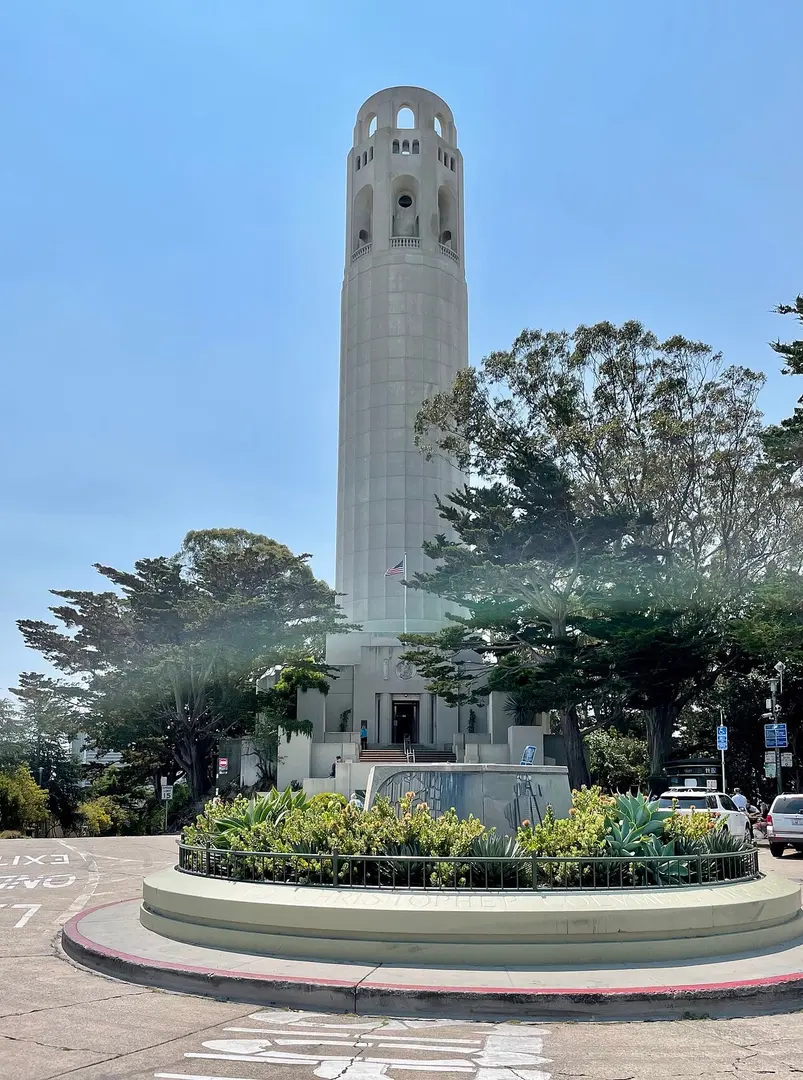
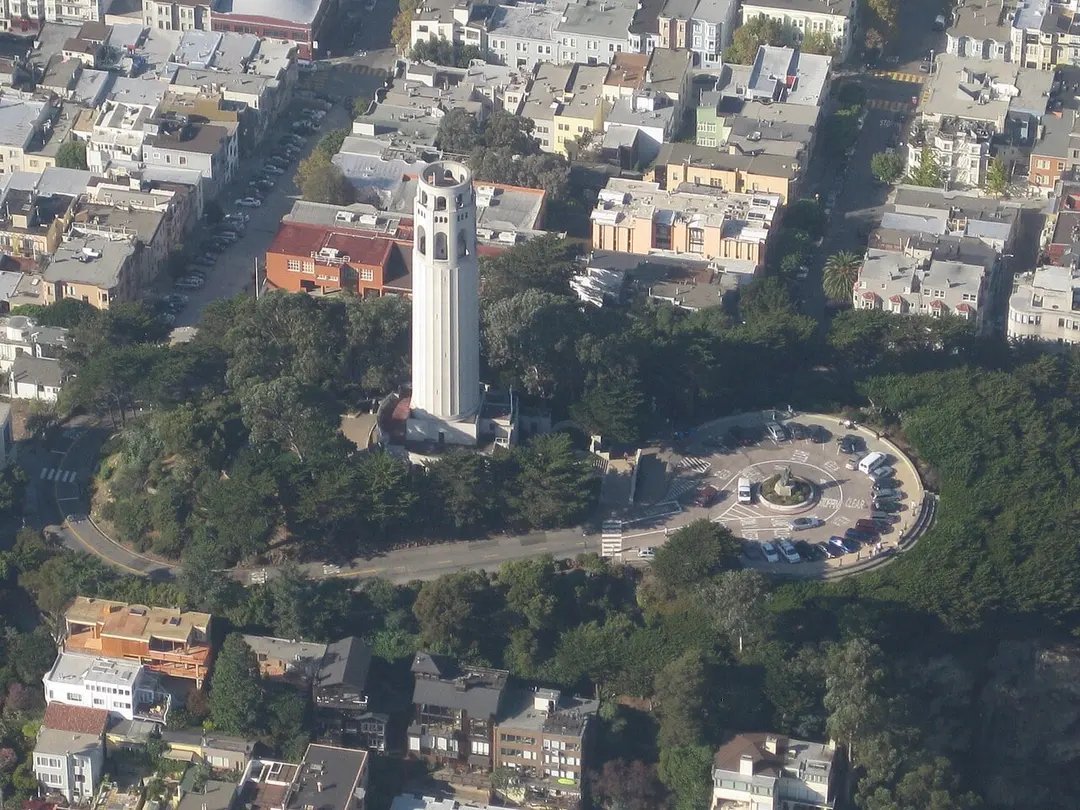
    Coit Tower is a 64-metre Art Deco observation tower on Telegraph Hill in San Francisco, built in 1932–1933. It was funded by a bequest from Lillie Hitchcock Coit, who left money to beautify the city. Inside, murals from 1934 – commissioned through the New Deal's Public Works Administration – depict scenes of California working life. The tower itself has no viewing platform, but the hilltop offers unobstructed views over the bay and the bridges. It is considered an icon of the North Beach neighbourhood.

  • Contemporary Jewish Museum

    Contemporary Jewish Museum

    San Francisco

    architecturelocal gems

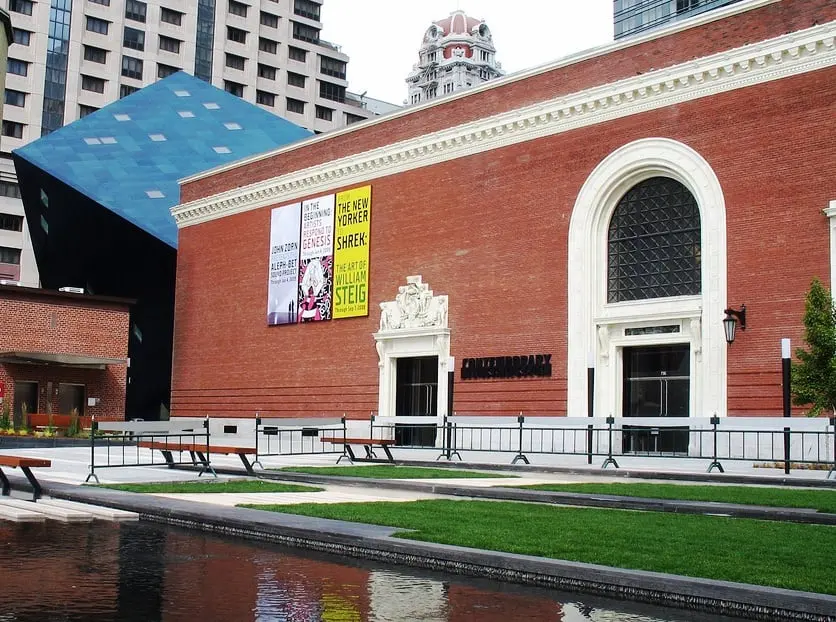
    The Contemporary Jewish Museum (CJM) is a non-collecting art museum in the SoMa neighborhood of San Francisco, founded in 1984 and opened at its current location in 2008. The building is architecturally notable: it is the historic Jessie Street Substation from the early 20th century, whose interior was completely redesigned by Daniel Libeskind. Libeskind added a striking deconstructivist steel structure whose form references the Hebrew letter Chet. The museum makes Jewish cultural life accessible to broad audiences through temporary exhibitions and educational programs, welcoming visitors of all backgrounds.

  • Cypress Lawn Memorial Park

    Cypress Lawn Memorial Park

    San Francisco

    historylocal gemsmystery

    Cypress Lawn Memorial Park is a rural cemetery established in 1892 in Colma, California — a small city in San Mateo County proverbially known as the City of the Silent because the dead vastly outnumber the living. Founded by Hamden Holmes Noble, it follows the English landscape garden style promoted in the 19th century as a dignified alternative to overcrowded urban cemeteries. Buried here are numerous notable San Francisco figures, including William Randolph Hearst and Levi Strauss. The cemetery stands as a testament to the late 19th-century burial reform movement and to the history of San Francisco.

  • East Palo Alto City Hall

    East Palo Alto City Hall

    San Francisco

    local gems

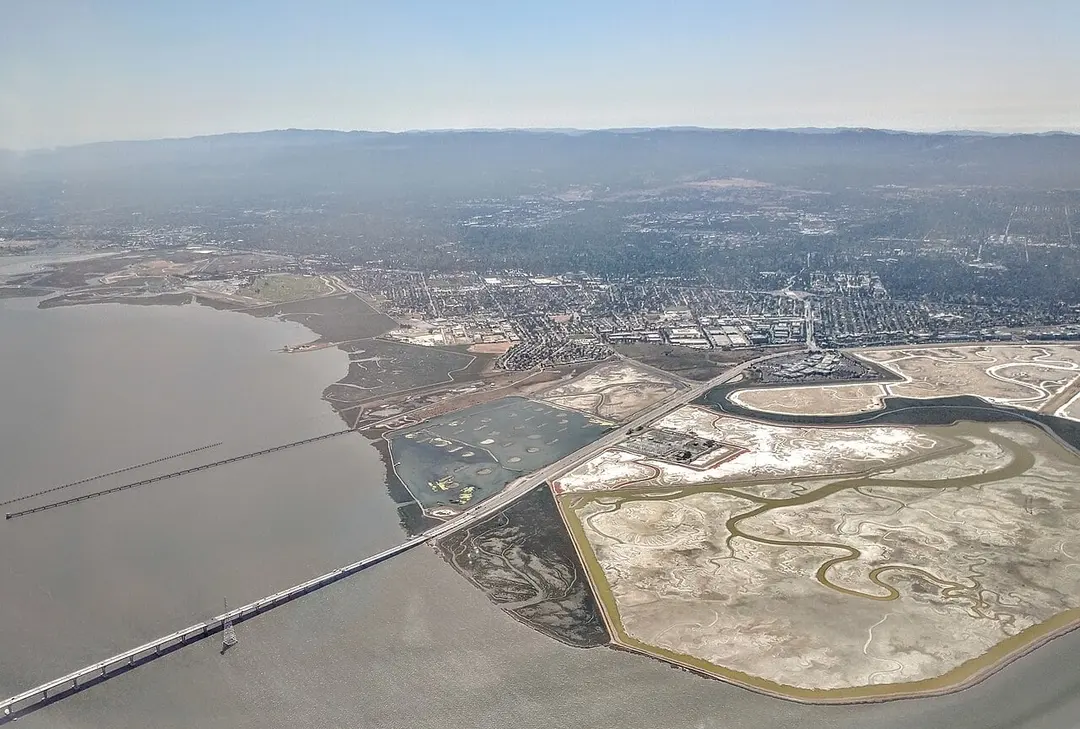
    East Palo Alto City Hall is the administrative centre of this small city in San Mateo County, California. Sitting directly adjacent to wealthy Palo Alto and the Stanford campus, East Palo Alto has historically been shaped by economic and social disadvantage. The city, which only became independent in 1983, has a complex legacy: in the early 1990s it briefly had one of the highest homicide rates in the United States, but has since undergone significant development. The city hall symbolises the independent municipal path of a community in the middle of Silicon Valley.

  • Hearst Greek Theatre

    Hearst Greek Theatre

    San Francisco

    architecturehistoryknowledge

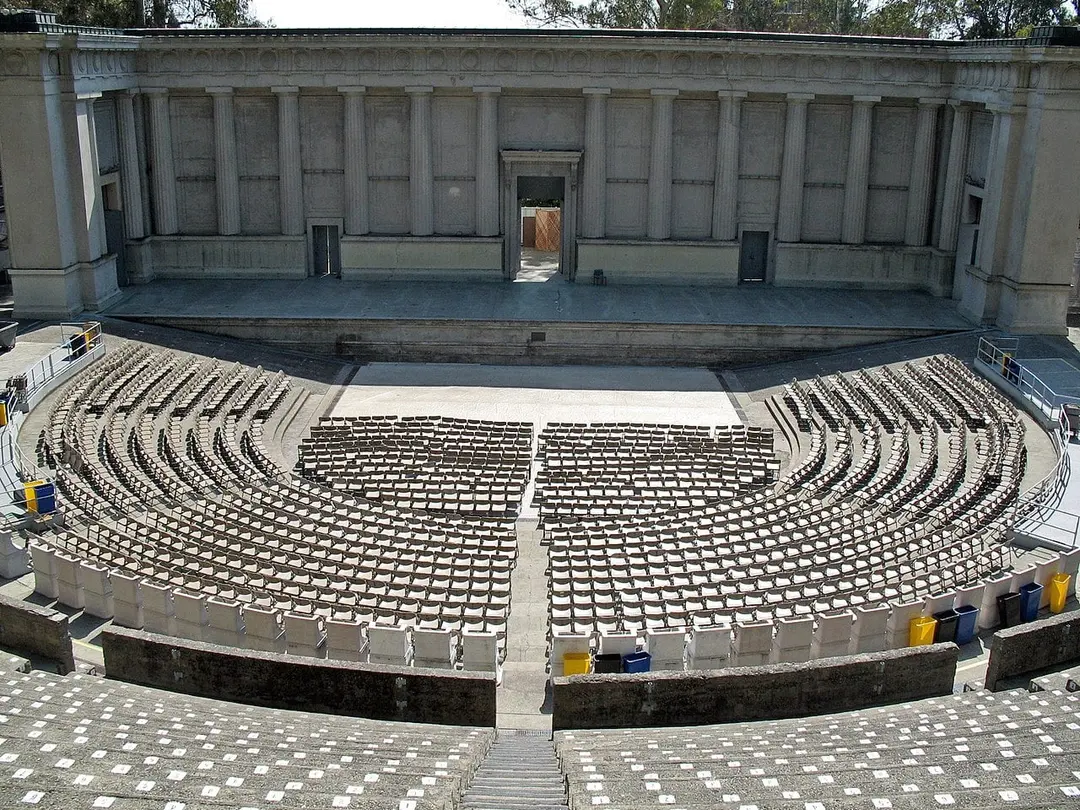
    The Hearst Greek Theatre is an open-air venue in the ancient Greek style on the campus of the University of California, Berkeley. Built in 1903 and donated by William Randolph Hearst, it seats 8,500. The semicircular outdoor stage framed by eucalyptus trees is one of the San Francisco Bay Area's most beloved concert venues. Legends from Frank Sinatra to The Rolling Stones and Radiohead have performed here. Listed in the National Register of Historic Places, it exemplifies the fusion of education, architecture and culture at the legendary Berkeley campus.

  • Iglesia ni Cristo San Francisco

    Iglesia ni Cristo San Francisco

    San Francisco

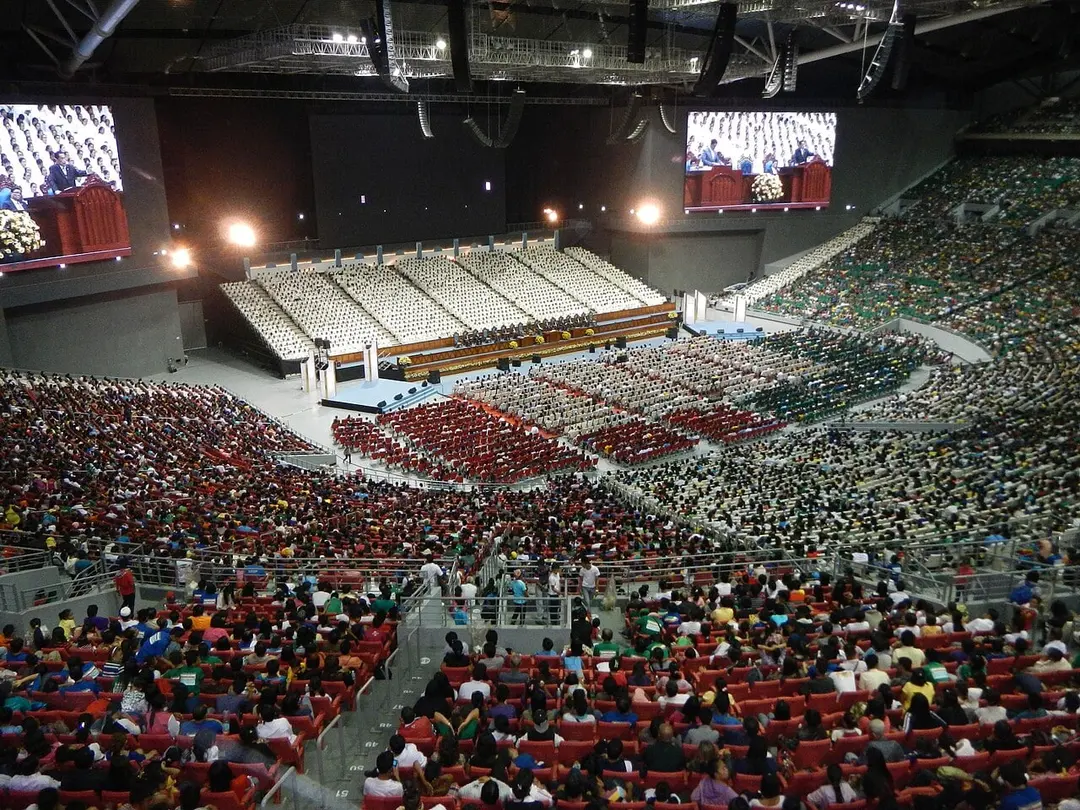
    The Iglesia ni Cristo (Church of Christ) is a Christian religious movement founded by Felix Manalo in the Philippines in 1914. This San Francisco congregation serves the large Filipino diaspora in the Bay Area. The INC teaches a strict early-Christianity doctrine and is one of the most significant non-Catholic faith communities in the Philippines, with millions of members worldwide. The church building functions as a community center for Filipino believers in San Francisco.

  • InterContinental San Francisco

    InterContinental San Francisco

    San Francisco

    architecturelocal gems

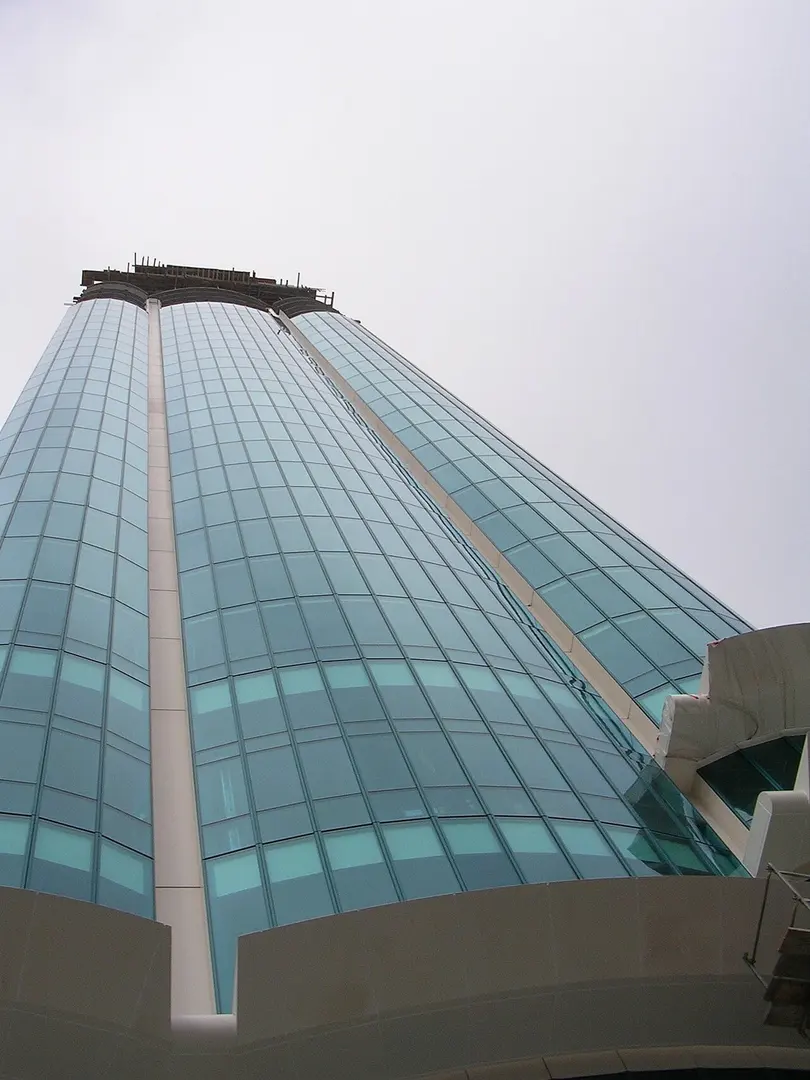
    The InterContinental San Francisco is a 32-story high-rise hotel in the city's SoMa district, opened in 2008. With 550 rooms, a height of over 103 meters, and direct adjacency to the Moscone West Convention Center, it is a premier address for business travelers and conference attendees. The hotel sits centrally in one of San Francisco's most dynamic neighborhoods – between tech offices, galleries, and Yerba Buena Gardens. A two-level underground garage and a six-floor podium housing hotel amenities complete the complex.

  • International Art Museum of America

    International Art Museum of America

    San Francisco

    knowledge

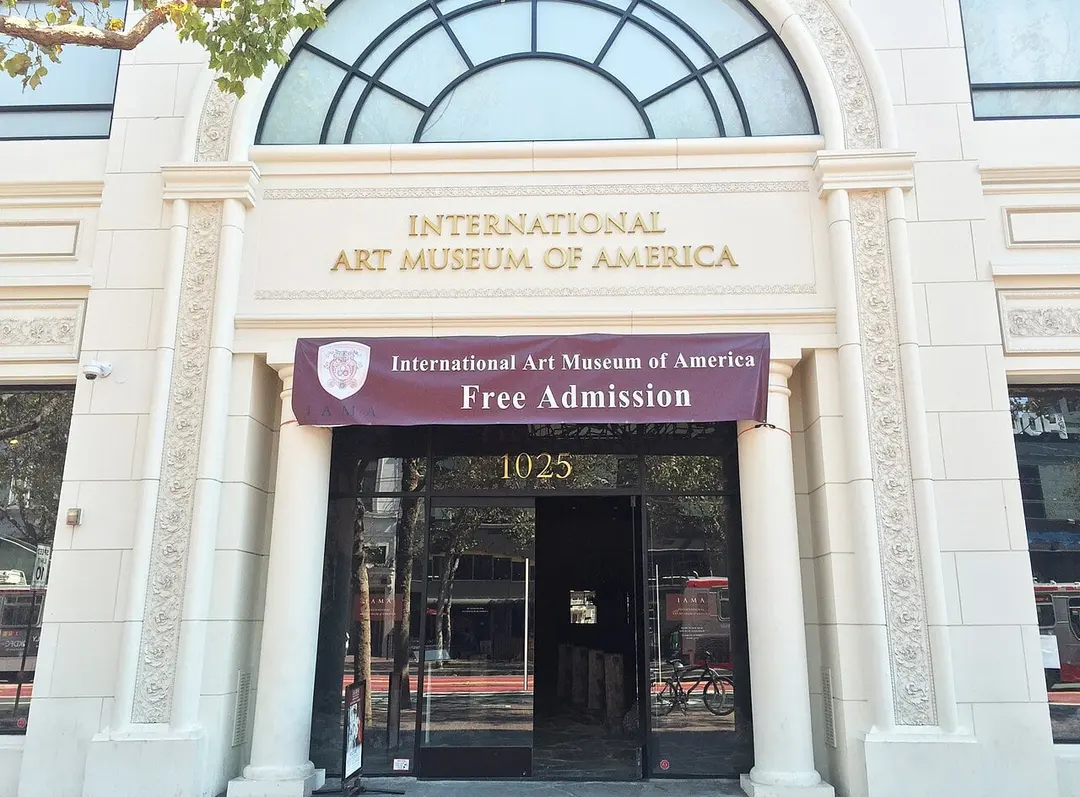
    The International Art Museum of America (IAMA) is an art museum in the heart of San Francisco, opened in 2011. It focuses on contemporary and international art with works from around the world, offering a counterpoint to the city's more established institutions. The IAMA offers free admission, making it especially appealing to art lovers without a packed itinerary. The collection is compact but curated – a quieter, less tourist-heavy space for art in a city otherwise dominated by large institutions like SFMOMA.

Keep exploring

These places are just the beginning.

Rate places with a swipe — TravelType learns from your tags what you love and curates your own map. Private until you choose to share.

Create your profile