TravelType

history

History in San Francisco

San Francisco's history comes into focus across a remarkably varied set of places. Alcatraz Island and its lighthouse recall the site's former life as a federal penitentiary, while Coit Tower commemorates the city's firefighters. City Lights Booksellers remains inseparable from the Beat Generation, and 555 California Street reflects the city's financial growth over decades. The Asian Art Museum and the Basilica of St. Joseph speak to layers of cultural and religious heritage, and China Camp State Park together with California State Route 49 connect the city to Gold Rush-era immigration and the broader story of California's founding.

22 places · San Francisco, United States · Editorially curated

  • 555 California Street

    555 California Street

    San Francisco

    architecturelocal gemsgreat views

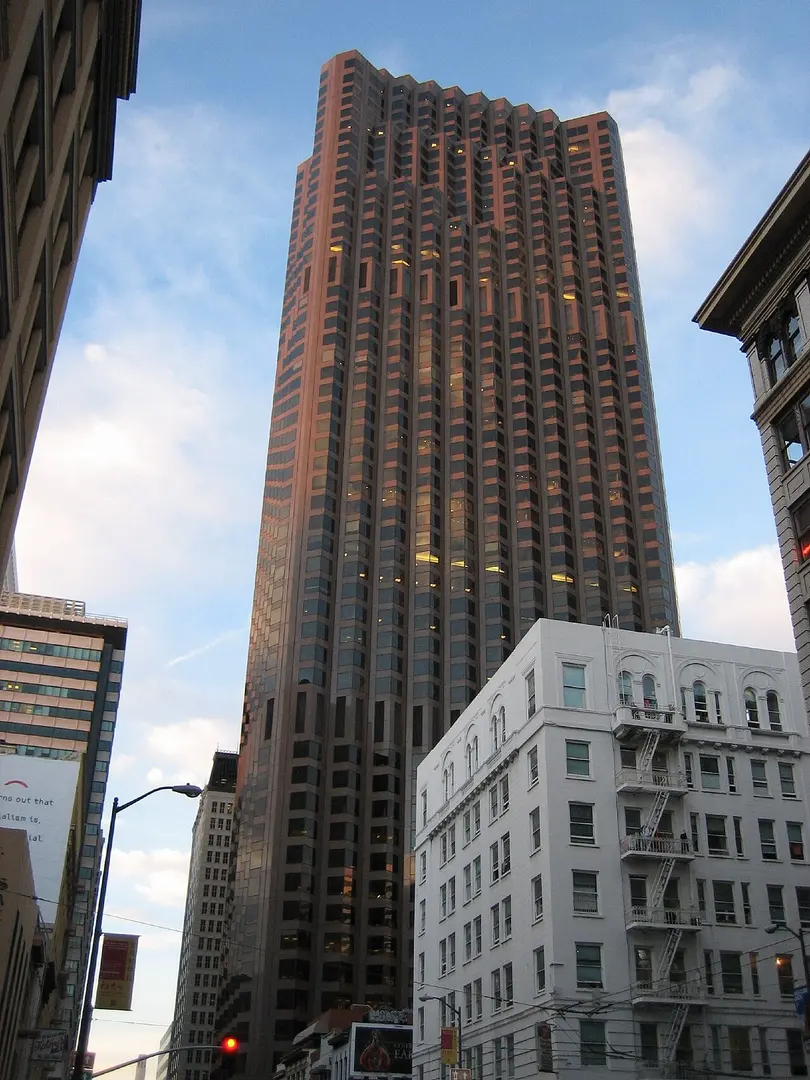
    This 52-story tower in the heart of San Francisco's Financial District was the tallest building west of the Mississippi River from its completion in 1969 until 1972. Designed in a sober postwar modernist style with brutalist undertones, it served for decades as the global headquarters of Bank of America — until the 1998 merger with NationsBank moved operations to Charlotte. Today the building is co-owned by Vornado Realty Trust and The Trump Organization. Its distinctive dark polished-granite facade continues to define the skyline of the banking district.
  • Alcatraz

    Alcatraz

    San Francisco

    nature

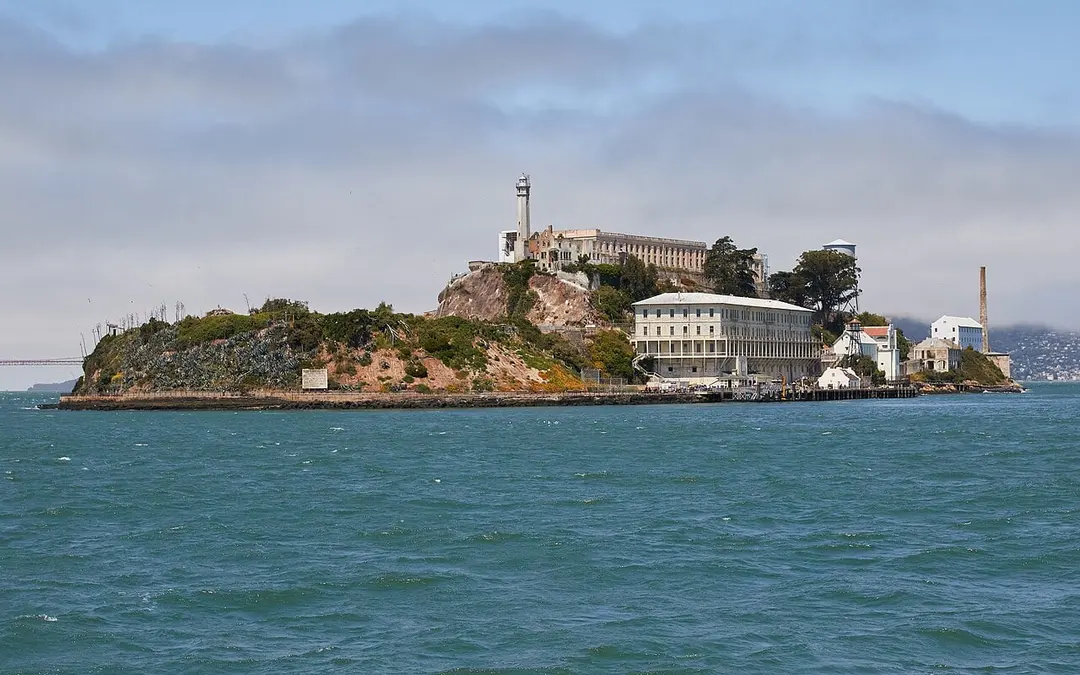
    Alcatraz is a rocky island in San Francisco Bay that housed one of the most notorious federal penitentiaries in the United States from 1934 to 1963. Its inmates included figures considered too dangerous or escape-prone for other facilities — Al Capone and Robert Stroud, known as the Birdman of Alcatraz, among them. Strong tidal currents and cold water made escape attempts nearly impossible; 36 were tried and none is considered fully successful. Today the island is part of the Golden Gate National Recreation Area and draws nearly 1.4 million visitors a year.

  • Alcatraz Island Lighthouse

    Alcatraz Island Lighthouse

    San Francisco

    architecturenature

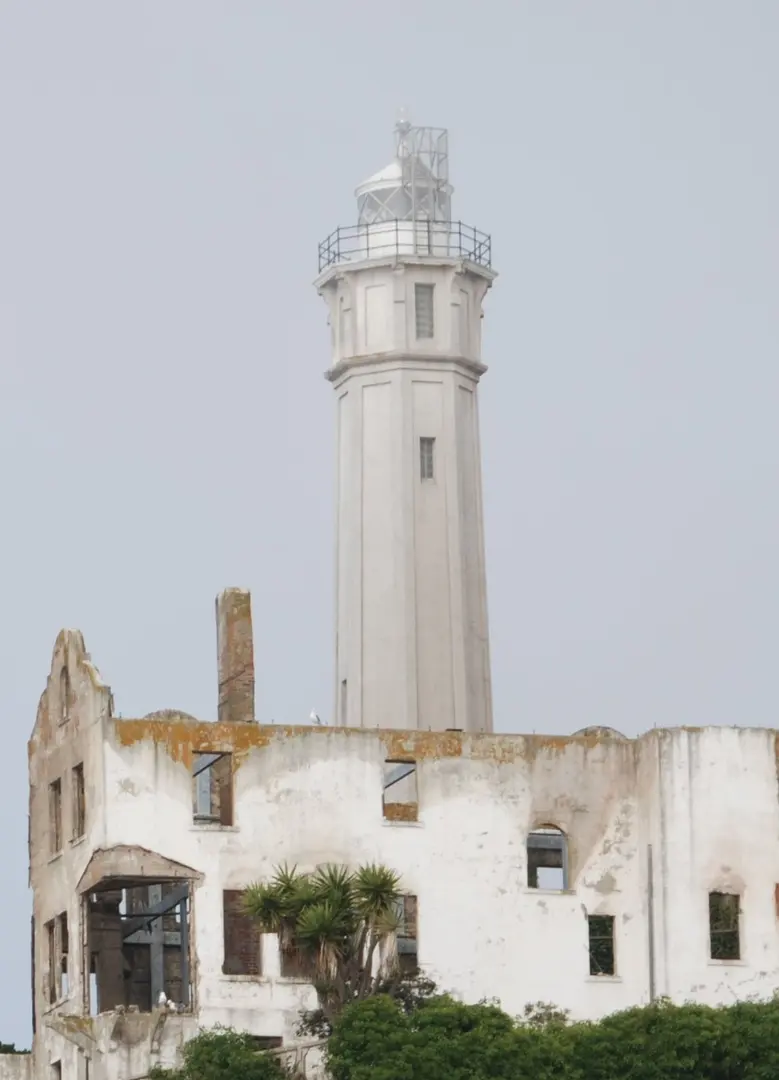
    The lighthouse on Alcatraz Island is the oldest on the US West Coast, lit in 1854 to mark the treacherous entrance to San Francisco Bay. The original structure was replaced after the 1906 earthquake by a taller concrete tower completed in 1909. Today it stands in the shadow of the world-famous former federal penitentiary, which operated until 1963. Managed by the National Park Service as part of the island's Historic District, it offers an unusual vantage point back toward the San Francisco skyline.

  • Angel of Grief

    Angel of Grief

    San Francisco

    cultureromancemystery

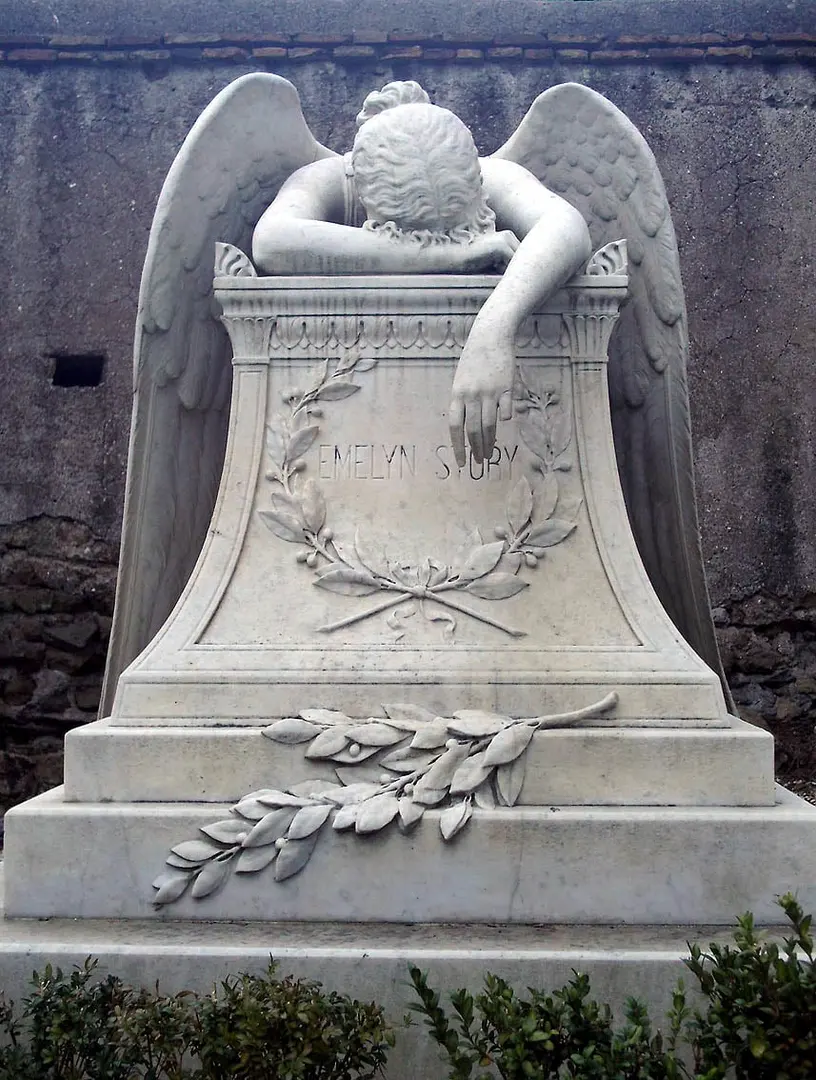
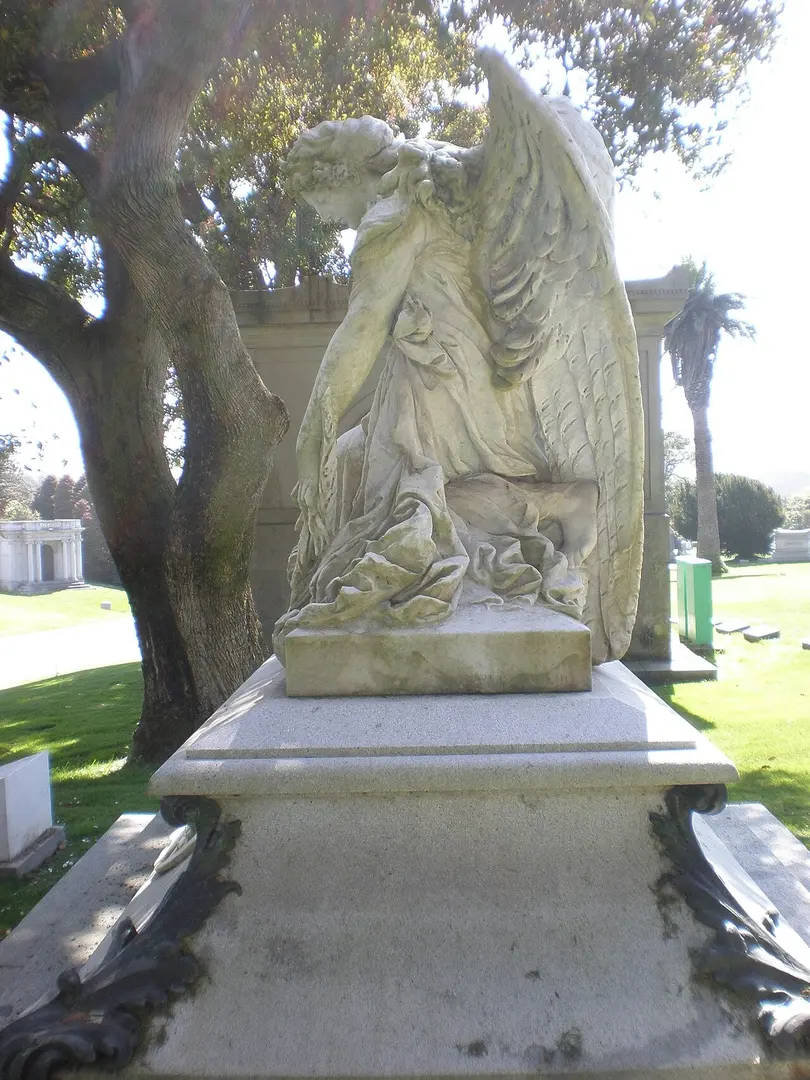
    The Angel of Grief is a funerary sculpture carved by William Wetmore Story in 1894 for the grave of his wife Emelyn at the Protestant Cemetery in Rome — where he himself would be buried the following year. Its full title, The Angel of Grief Weeping Over the Dismantled Altar of Life, describes what you see: a winged figure collapsed in sorrow over a crumbling altar. The work became so widely imitated that it is considered one of the most-copied cemetery sculptures of the 19th century. Today, it draws visitors to the serene non-Catholic cemetery nestled beside Rome's ancient Pyramid of Cestius.

  • Asian Art Museum San Francisco

    Asian Art Museum San Francisco

    San Francisco

    culturelocal gems

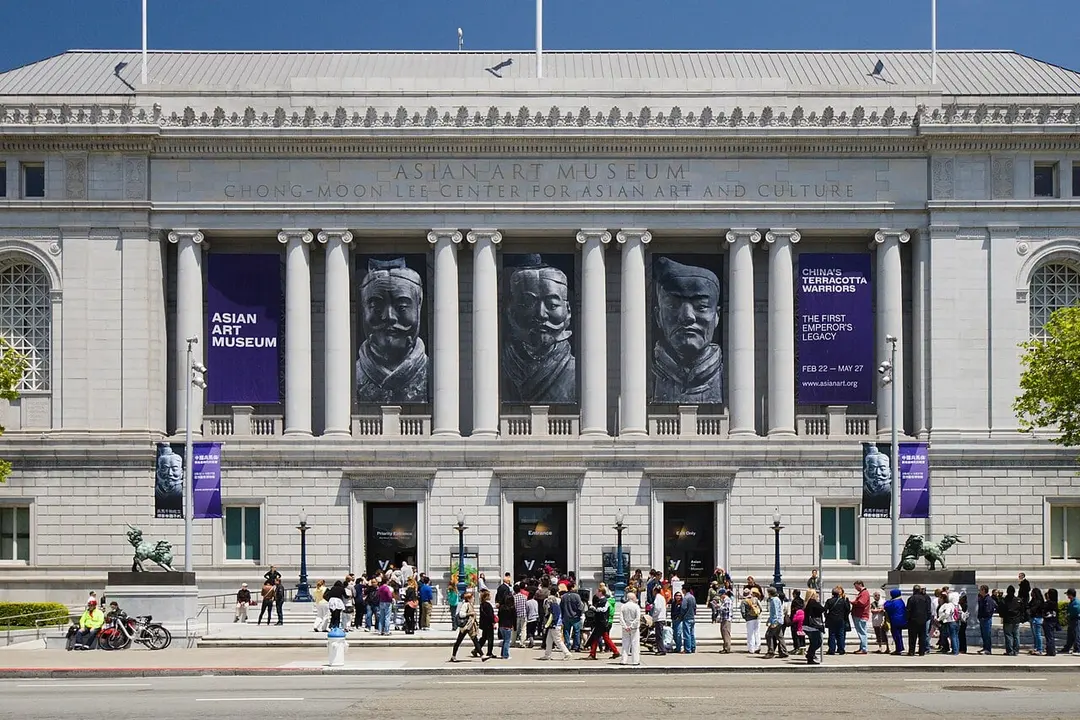
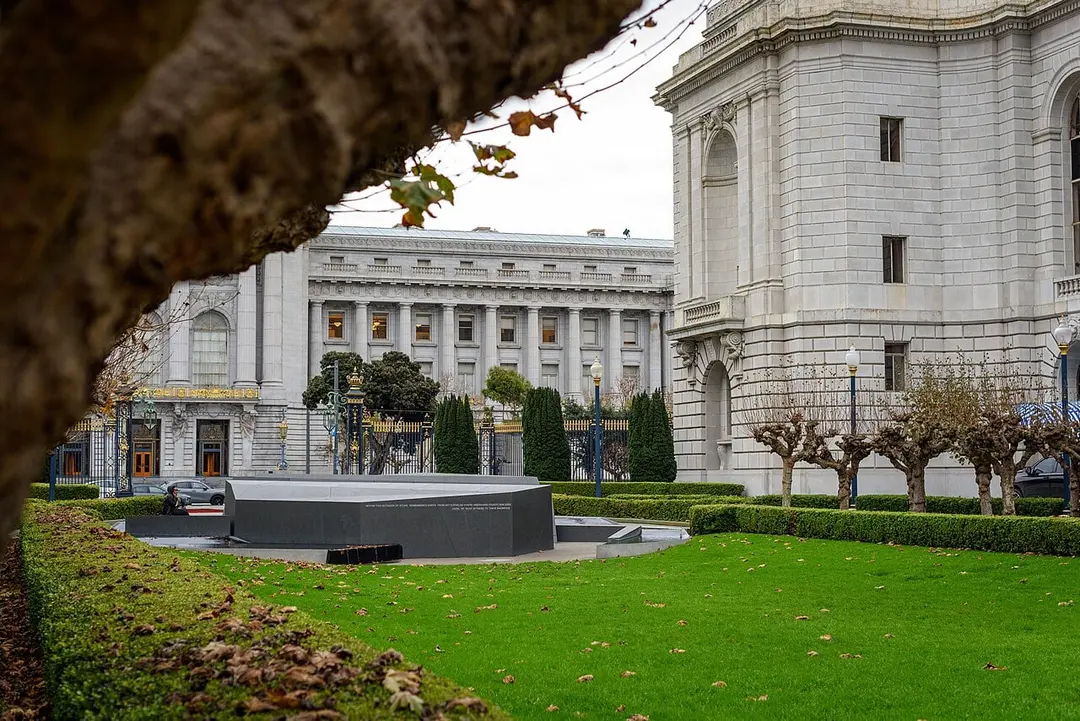
    The Asian Art Museum in San Francisco is one of the world's most significant museums dedicated to Asian art. It opened in 1966 after patron Avery Brundage donated his extensive collection of East Asian objects to the city. Today the collection spans over 17,000 objects from cultures ranging from Japan, China and India to Persia and South-East Asia. Since 2003 the museum has occupied the former main library building in the Civic Center. Notably, Brundage continued donating over many years, building a collection that remains unrivalled in scope.

  • Basilica of St. Joseph

    Basilica of St. Joseph

    San Francisco

    architecturelocal gems

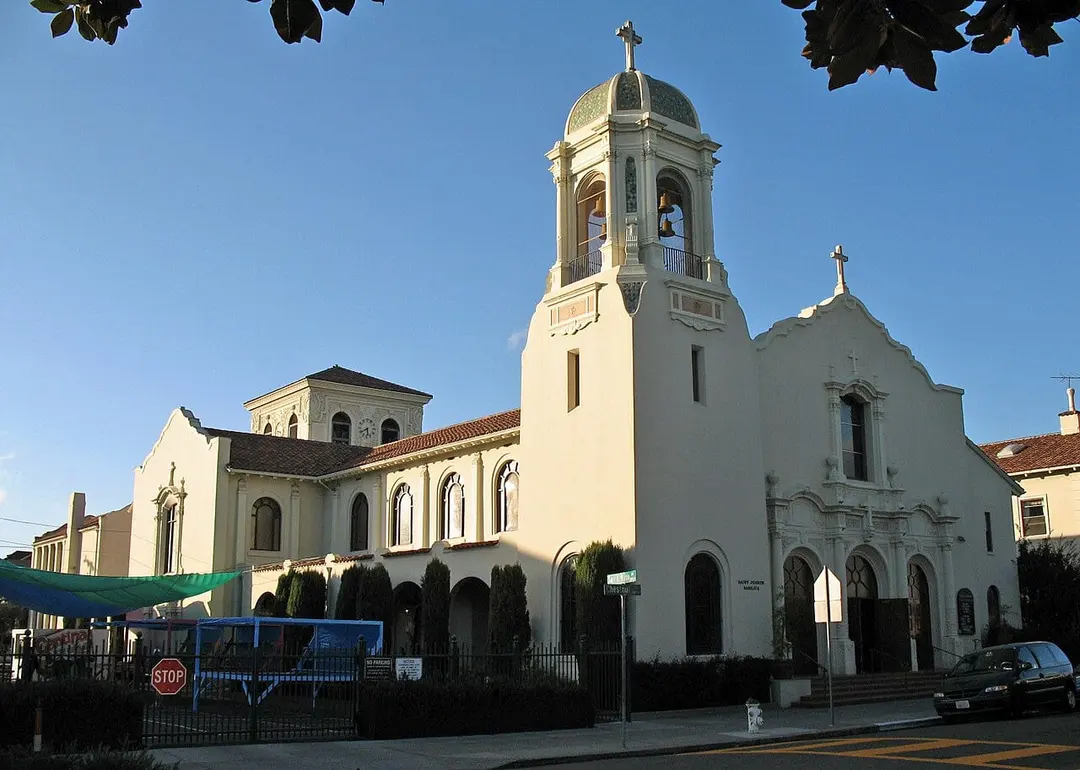
    The Basilica of St. Joseph in Alameda, California, is a Roman Catholic church in the Spanish Mission style dating from the 1920s. The parish traces its roots to 1885, when it was established as a mission church from St. Anthony's in Oakland. The current building features the hallmarks of the Mission Revival style — white stucco walls, red tile roof, and scrolled gables. It was added to the National Register of Historic Places in 1978. As a minor basilica in the Diocese of Oakland, it is a notable religious landmark in the San Francisco Bay Area.

  • California State Route 49

    California State Route 49

    San Francisco

    natureoutdoor activitieslocal gems

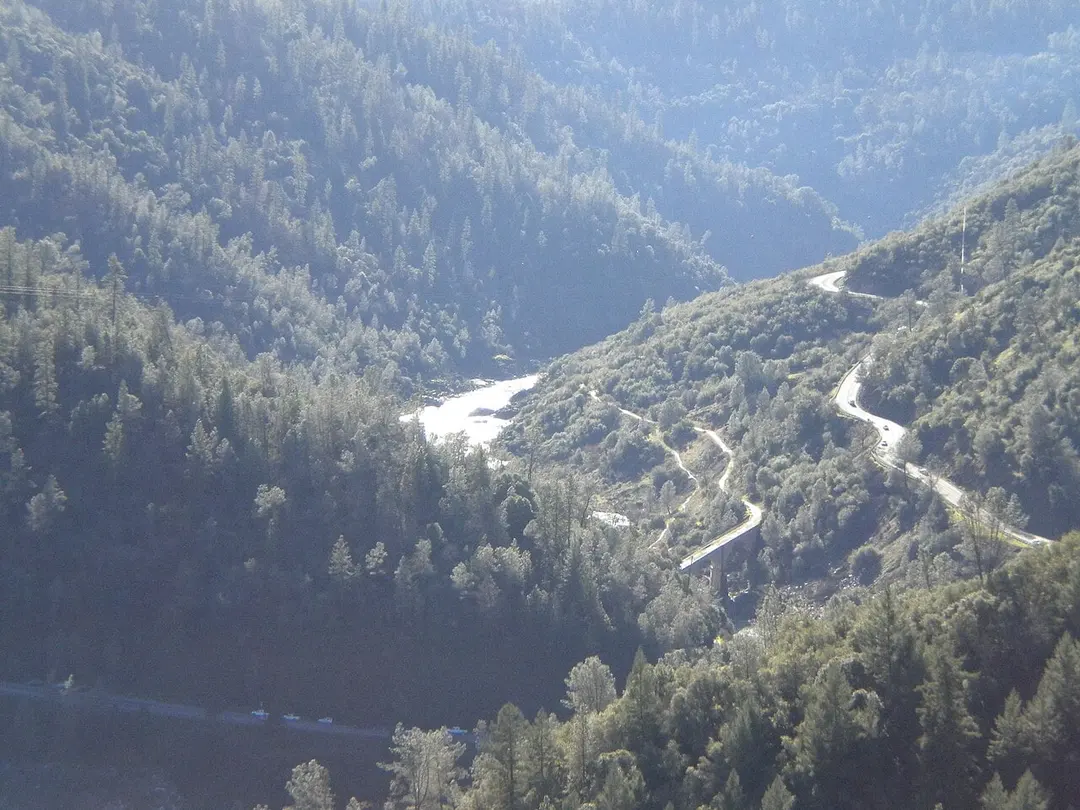
    California State Route 49 — known as the Golden Chain Highway — runs approximately 475 kilometres through the historic mining communities of the Sierra Nevada foothills. The route travels from Oakhurst in the south to Vinton in the north, crossing eleven counties and passing through towns like Auburn, Placerville, and Grass Valley. Lobbied for by the Mother Lode Highway Association from 1919, the route number commemorates the forty-niners of the 1849 Gold Rush. Well-preserved mining districts and small towns line the highway, where the atmosphere of the Gold Rush era remains tangible — a classic road trip through one of the most formative chapters of American history.

  • Cathedral of Saint Mary of the Assumption

    Cathedral of Saint Mary of the Assumption

    San Francisco

    architecture

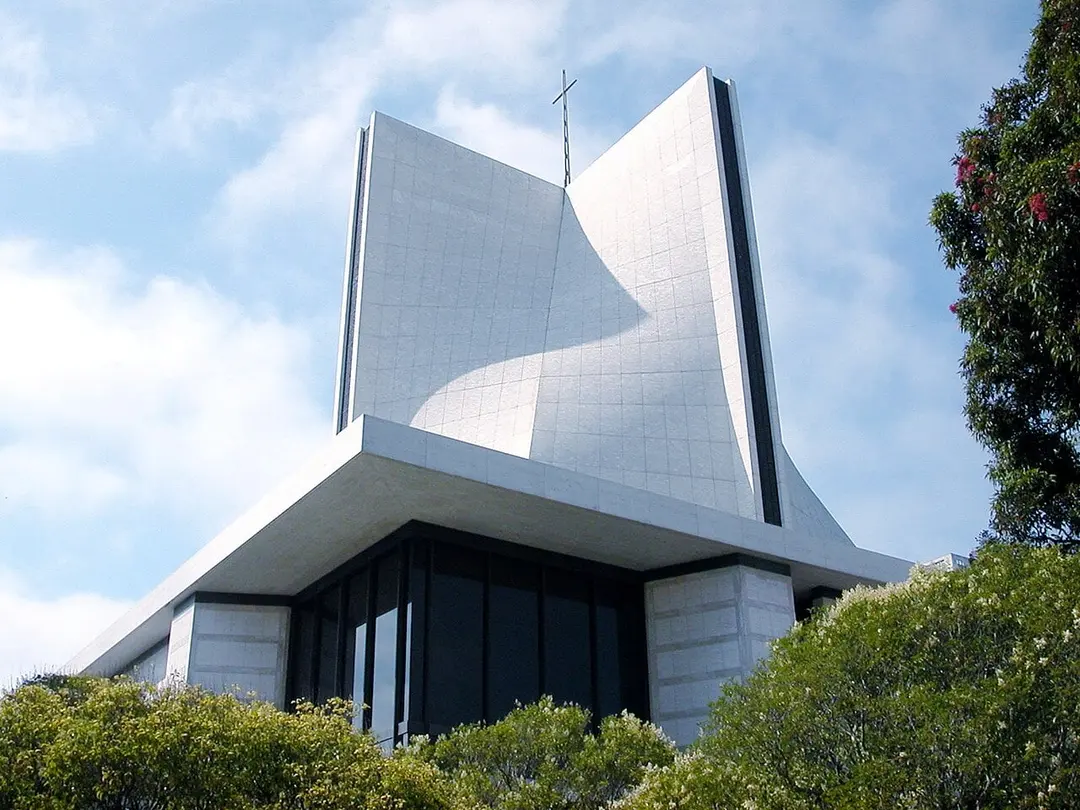
    The Cathedral of Saint Mary of the Assumption rises on Cathedral Hill in San Francisco as the mother church of the Archdiocese, serving Marin, San Francisco, and San Mateo counties. Built in 1971 to replace a predecessor destroyed by fire, it was designed by Pietro Belluschi with structural engineering by Pier Luigi Nervi. The building is defined by its extraordinary roof: four hyperbolic paraboloid concrete shells that intersect to form a cross. Inside, the space soars upward with light filtering through thin bands of stained glass. Though initially controversial, it is now recognized as a major example of modern sacred architecture in the United States.

  • China Camp State Park

    China Camp State Park

    San Francisco

    natureoutdoor activities

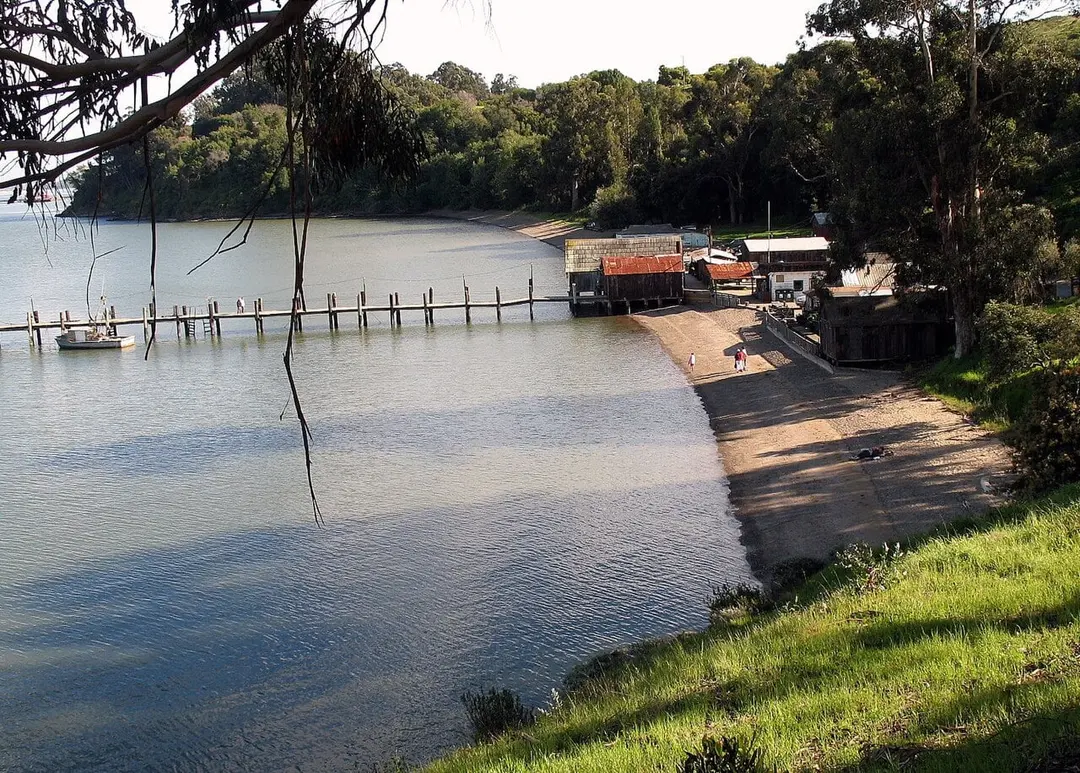
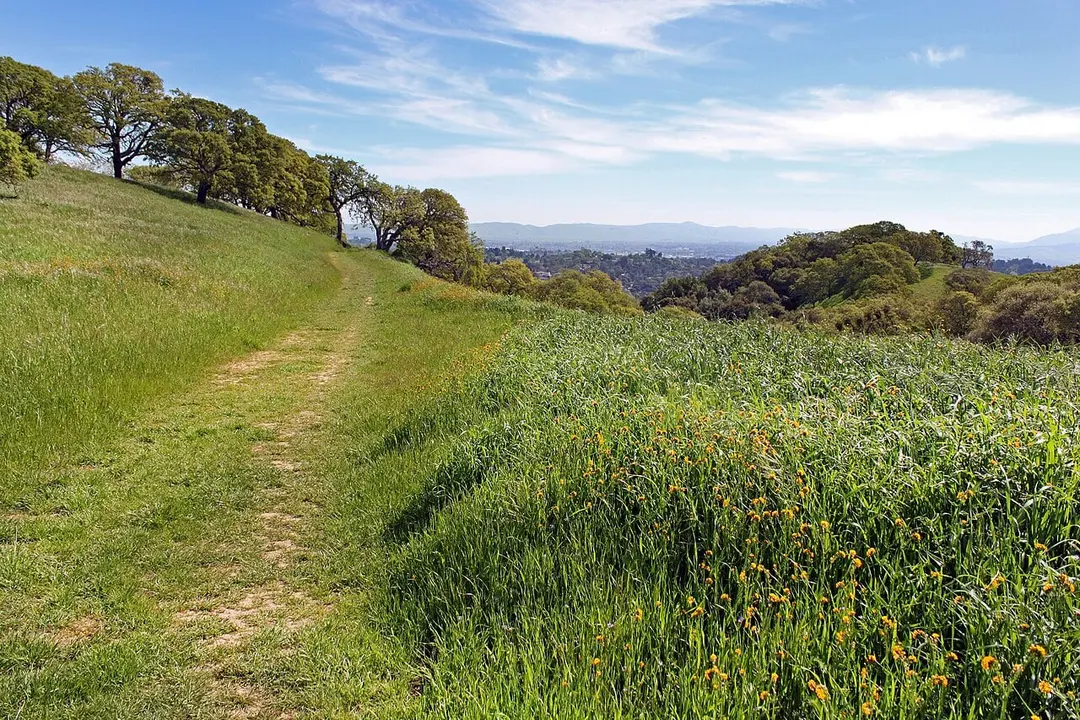
    China Camp State Park sits on the western shore of San Pablo Bay in Marin County, California, just north of San Francisco. The park preserves a historic Chinese-American shrimp-fishing village from the 19th century — one of the few surviving examples of this immigrant community's heritage. Beyond the open-air museum of the old fishing settlement, visitors can hike through oak woodland and coastal marsh with views over the bay. The site is listed on the National Register of Historic Places.

  • City Lights Booksellers

    City Lights Booksellers

    San Francisco

    culturelocal gemsknowledge

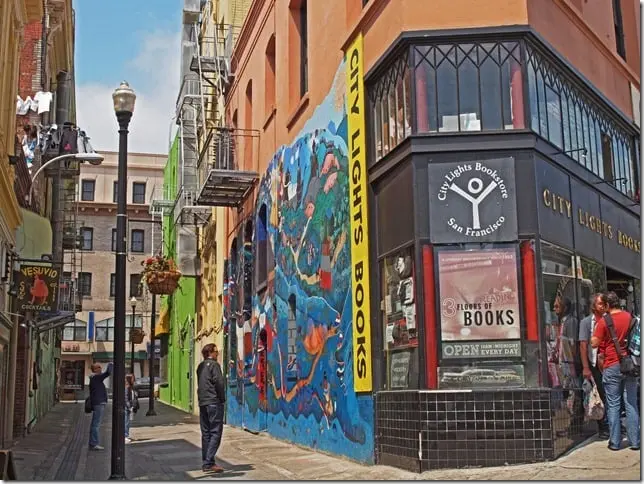
    City Lights in San Francisco is a legend among independent bookshops. Founded in 1953 by the poet Lawrence Ferlinghetti, it became the epicentre of the Beat Generation. Its defining moment came when Ferlinghetti published Allen Ginsberg's Howl and Other Poems – provoking an obscenity trial that ended in acquittal and a place in literary history. Designated an official historic landmark in 2001, City Lights today combines a bookshop, a small press, and a living cultural archive.

  • Coit Tower

    Coit Tower

    San Francisco

    architectureculturegreat views

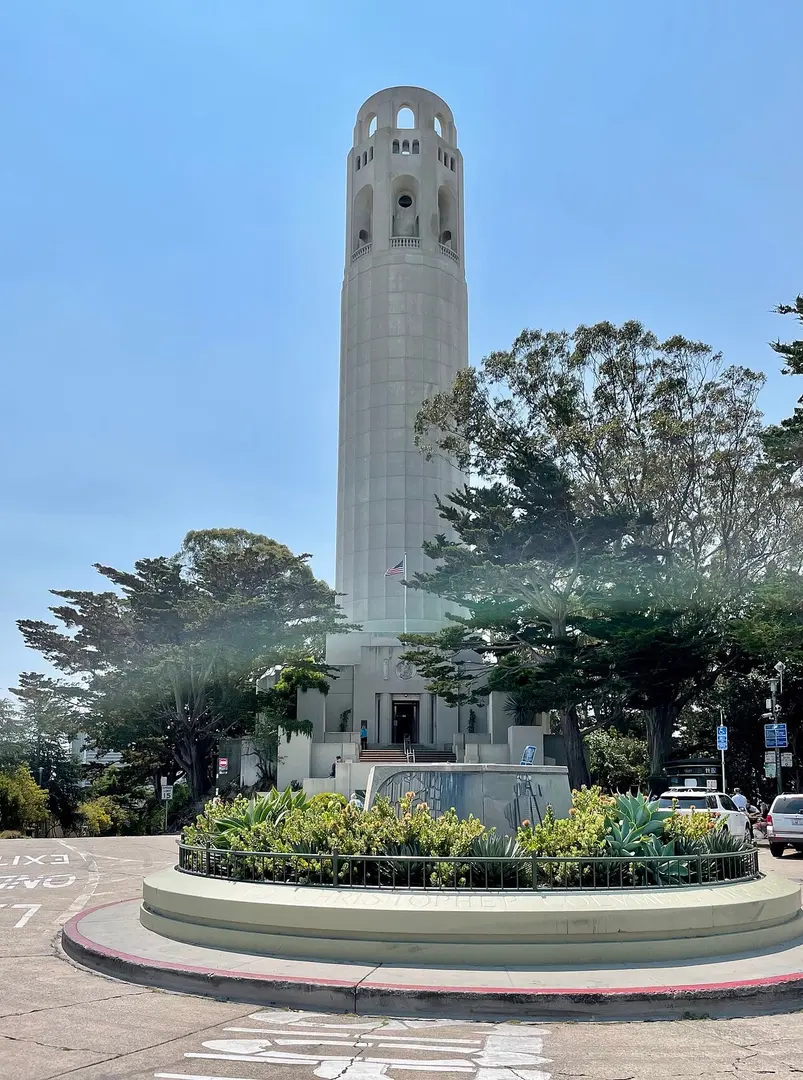
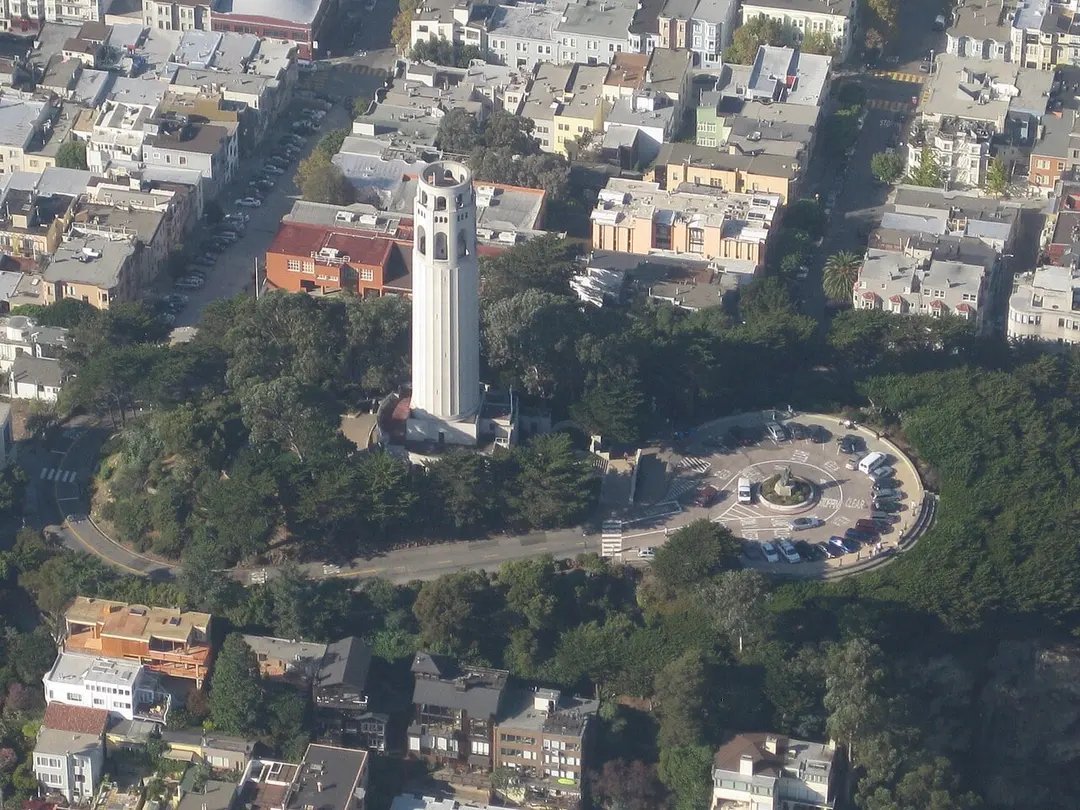
    Coit Tower is a 64-metre Art Deco observation tower on Telegraph Hill in San Francisco, built in 1932–1933. It was funded by a bequest from Lillie Hitchcock Coit, who left money to beautify the city. Inside, murals from 1934 – commissioned through the New Deal's Public Works Administration – depict scenes of California working life. The tower itself has no viewing platform, but the hilltop offers unobstructed views over the bay and the bridges. It is considered an icon of the North Beach neighbourhood.

  • Cypress Lawn Memorial Park

    Cypress Lawn Memorial Park

    San Francisco

    culturelocal gemsmystery

    Cypress Lawn Memorial Park is a rural cemetery established in 1892 in Colma, California — a small city in San Mateo County proverbially known as the City of the Silent because the dead vastly outnumber the living. Founded by Hamden Holmes Noble, it follows the English landscape garden style promoted in the 19th century as a dignified alternative to overcrowded urban cemeteries. Buried here are numerous notable San Francisco figures, including William Randolph Hearst and Levi Strauss. The cemetery stands as a testament to the late 19th-century burial reform movement and to the history of San Francisco.

  • Hearst Greek Theatre

    Hearst Greek Theatre

    San Francisco

    architecturecultureknowledge

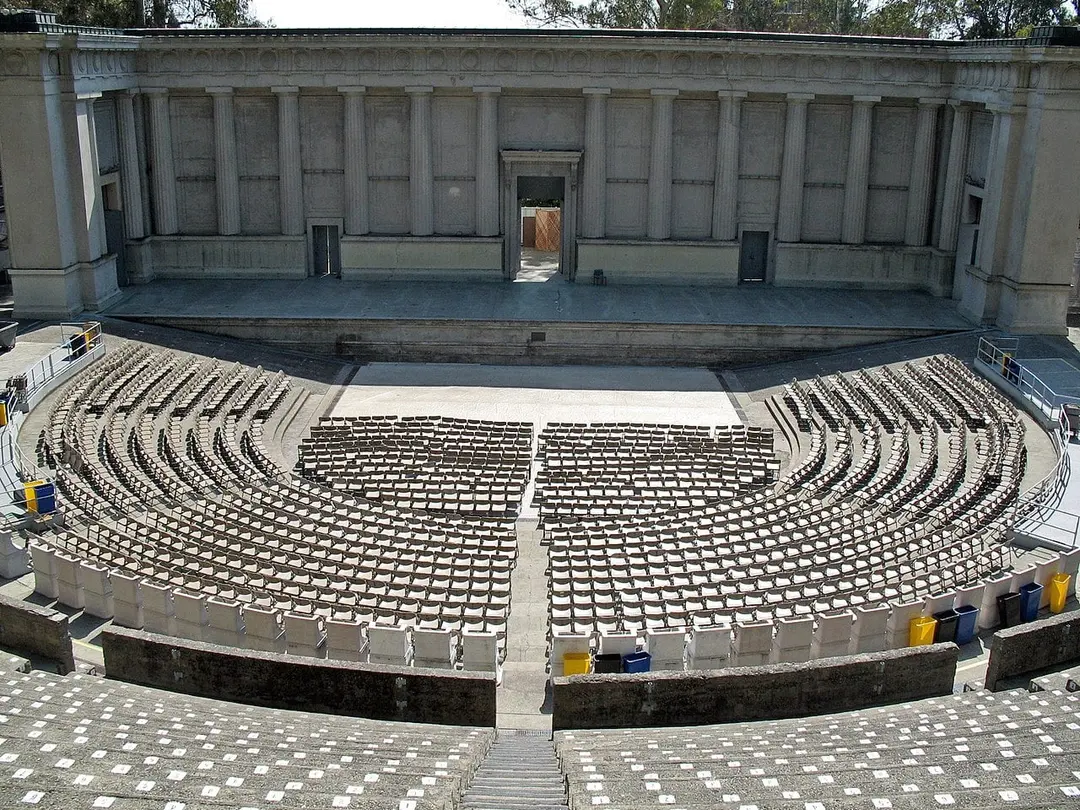
    The Hearst Greek Theatre is an open-air venue in the ancient Greek style on the campus of the University of California, Berkeley. Built in 1903 and donated by William Randolph Hearst, it seats 8,500. The semicircular outdoor stage framed by eucalyptus trees is one of the San Francisco Bay Area's most beloved concert venues. Legends from Frank Sinatra to The Rolling Stones and Radiohead have performed here. Listed in the National Register of Historic Places, it exemplifies the fusion of education, architecture and culture at the legendary Berkeley campus.

  • John Muir National Historic Site

    John Muir National Historic Site

    San Francisco

    architecturenatureknowledge

    The John Muir National Historic Site in Martinez, California, preserves the home and estate of writer and wilderness advocate John Muir (1838-1914). The 14-room Italianate Victorian mansion where Muir lived from 1890 until his death is kept largely as he left it. The grounds include 325 acres of native oak woodlands and grasslands historically part of the family ranch. Visitors can enter the upstairs study where Muir wrote his influential essays on Yosemite and the Sierra Nevada. A visit here combines architectural history with the story of how the American conservation movement was born.

Keep exploring

These places are just the beginning.

Rate places with a swipe — TravelType learns from your tags what you love and curates your own map. Private until you choose to share.

Create your profile