TravelType

architecture

Architecture in San Francisco

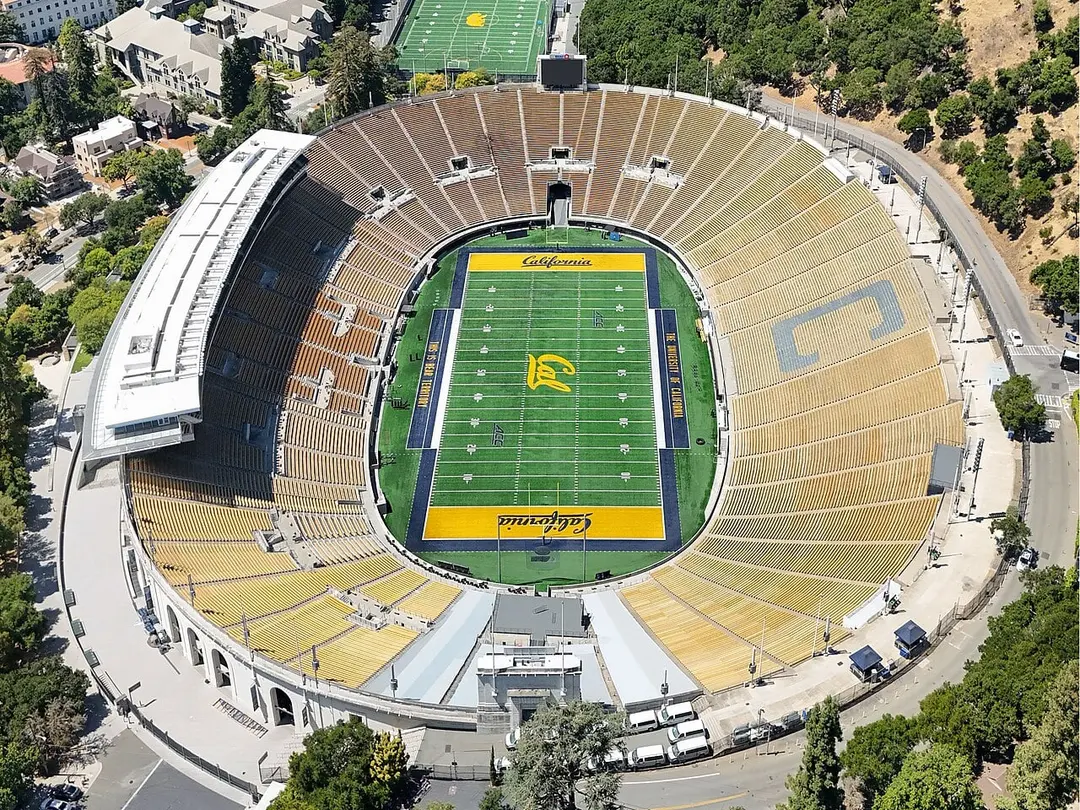
San Francisco's architectural range stretches from the Victorian rowhouses framing Alamo Square to the imposing tower at 555 California Street and the sculptural Cathedral of Saint Mary of the Assumption. Sacred buildings such as the Basilica of St. Joseph and Congregation Emanu-El sit alongside civic landmarks like Coit Tower and the historic Castro Theatre. Further afield, the Alcatraz Island Lighthouse and the Benicia–Martinez Bridge reflect the region's engineering ambitions, while the California Memorial Stadium and Central Plaza add yet more variety to an already layered built environment.

21 places · San Francisco, United States · Editorially curated

  • 555 California Street

    555 California Street

    San Francisco

    historylocal gemsgreat views

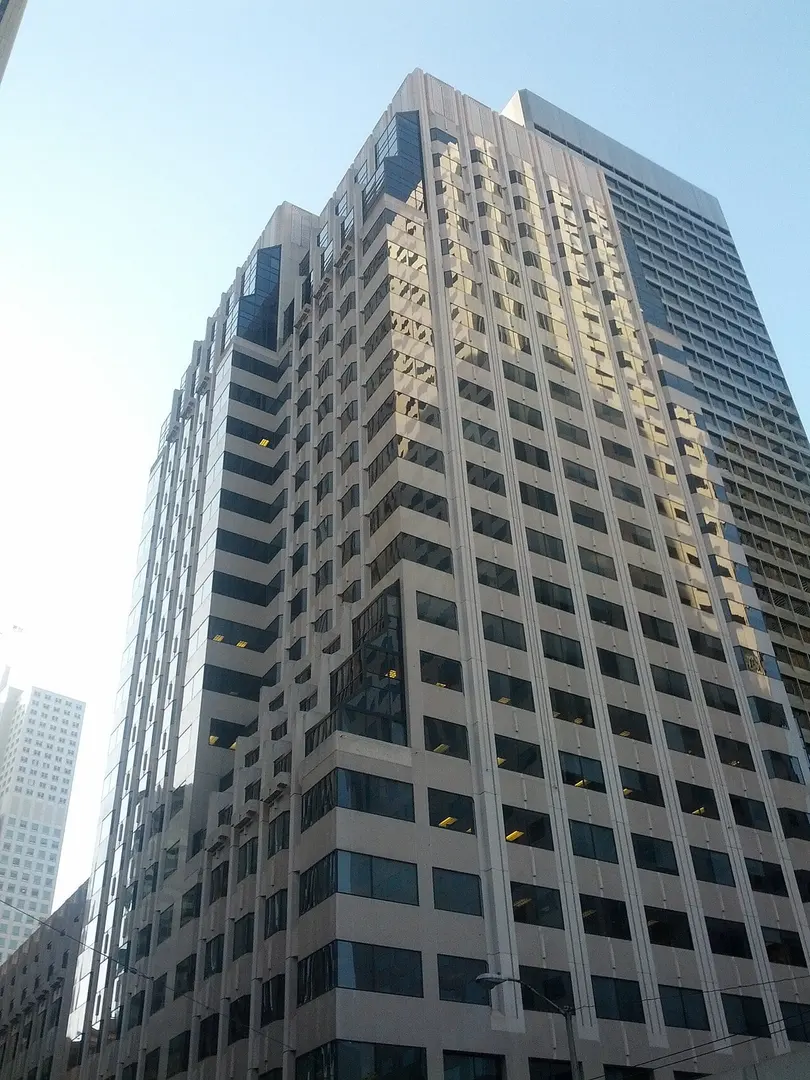
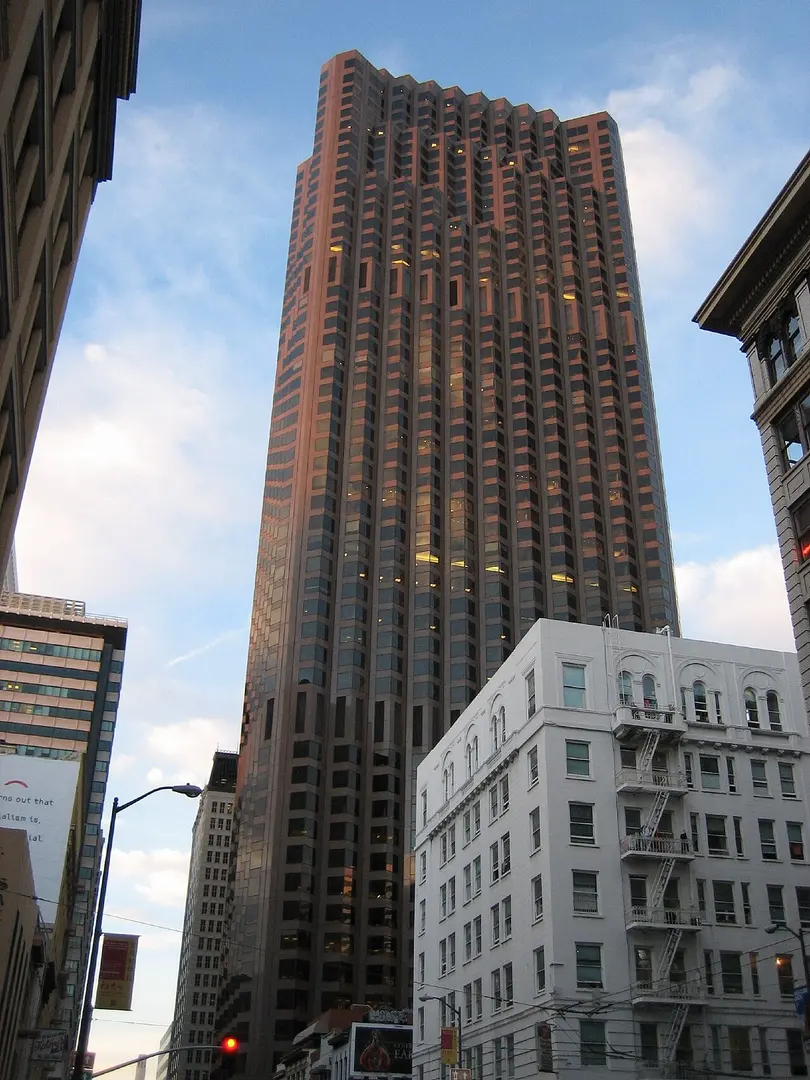
    This 52-story tower in the heart of San Francisco's Financial District was the tallest building west of the Mississippi River from its completion in 1969 until 1972. Designed in a sober postwar modernist style with brutalist undertones, it served for decades as the global headquarters of Bank of America — until the 1998 merger with NationsBank moved operations to Charlotte. Today the building is co-owned by Vornado Realty Trust and The Trump Organization. Its distinctive dark polished-granite facade continues to define the skyline of the banking district.
  • African American Museum and Library at Oakland

    African American Museum and Library at Oakland

    San Francisco

    cultureknowledge

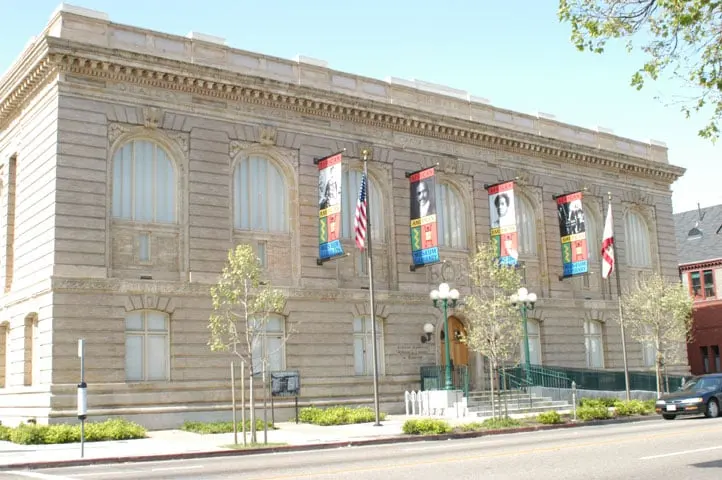
    The African American Museum and Library at Oakland (AAMLO) preserves the history of African Americans in Northern California and the Bay Area. It is housed in a striking Carnegie Beaux-Arts building from 1901 – one of the finest surviving examples of this building type in Oakland, listed on the National Register of Historic Places since 1983. The collection includes diaries, letters, historical photographs, and periodicals documenting African American cultural life. Visitors will find one of the most comprehensive archives of this kind in all of Northern California.

  • Alamo Square

    Alamo Square

    San Francisco

    culturenaturegreat views

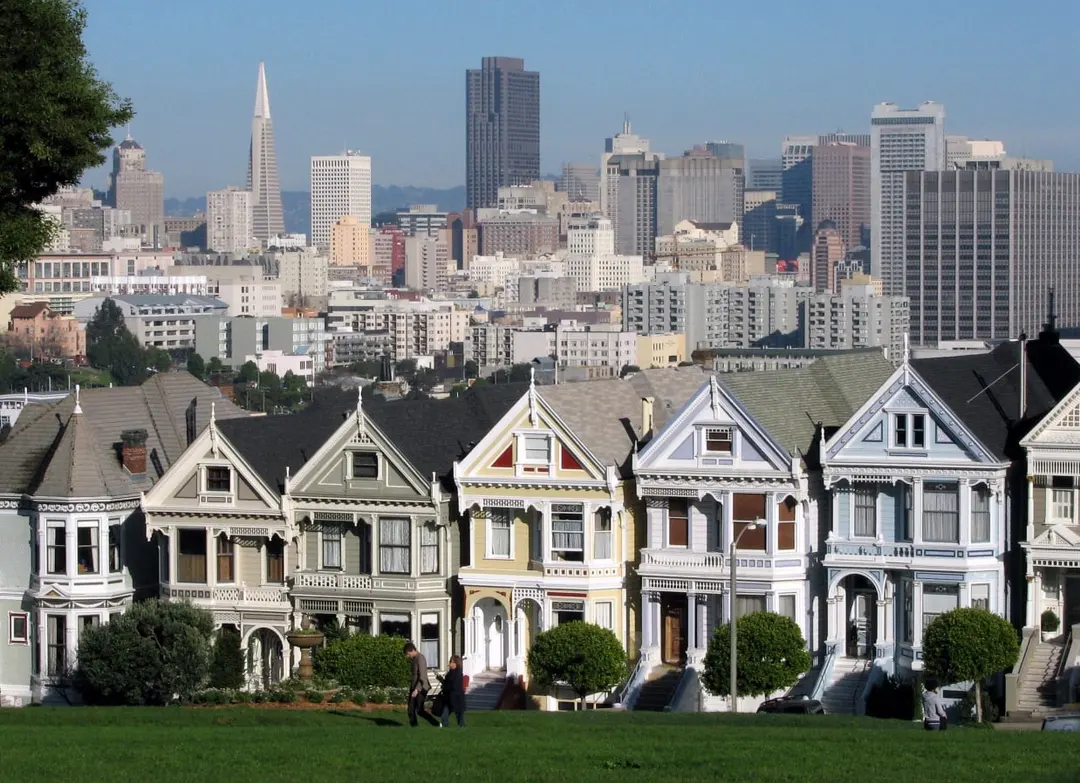
    Alamo Square is a hilltop park in San Francisco, established in 1856 by Mayor James Van Ness. It spans four city blocks between Steiner and Scott Streets. The park is best known as the backdrop for the "Painted Ladies" — a row of vividly painted Victorian houses along Steiner Street set against the downtown skyline, one of the city's most photographed views. The surrounding Western Addition neighbourhood has deep roots in San Francisco's 19th-century development. Today the park is a local gathering spot and one of the few places where Victorian streetscape and modern high-rises coexist in a single frame.

  • Alcatraz Island Lighthouse

    Alcatraz Island Lighthouse

    San Francisco

    naturehistory

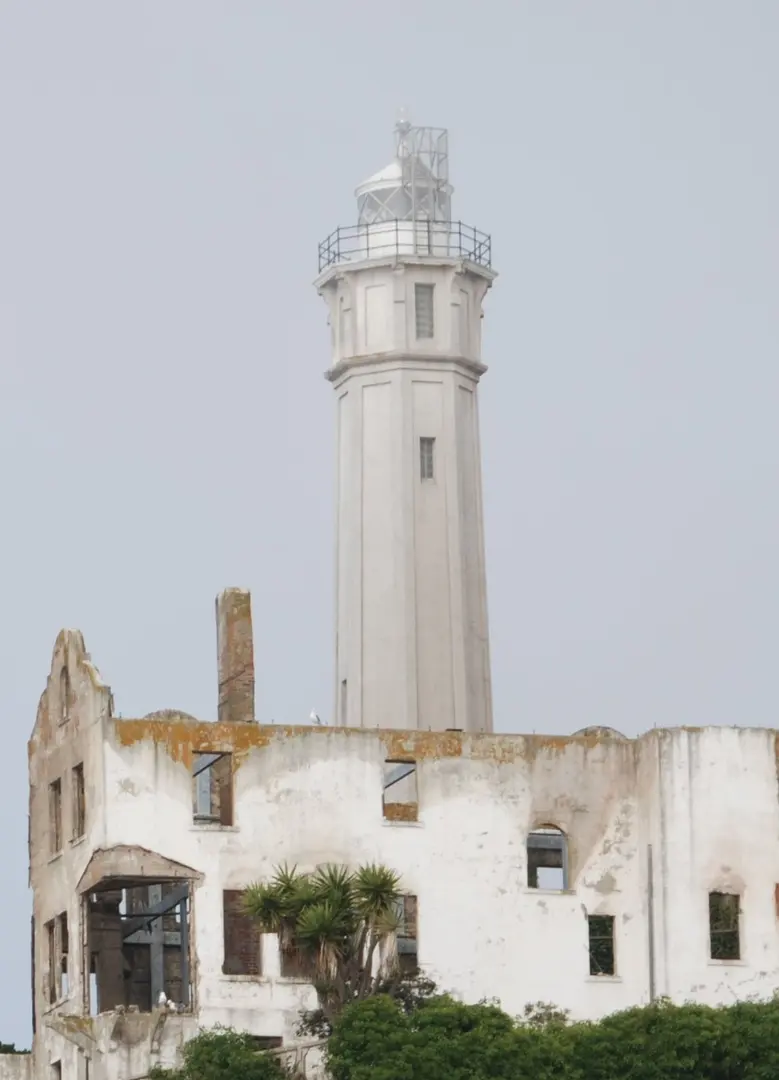
    The lighthouse on Alcatraz Island is the oldest on the US West Coast, lit in 1854 to mark the treacherous entrance to San Francisco Bay. The original structure was replaced after the 1906 earthquake by a taller concrete tower completed in 1909. Today it stands in the shadow of the world-famous former federal penitentiary, which operated until 1963. Managed by the National Park Service as part of the island's Historic District, it offers an unusual vantage point back toward the San Francisco skyline.

  • Basilica of St. Joseph

    Basilica of St. Joseph

    San Francisco

    historylocal gems

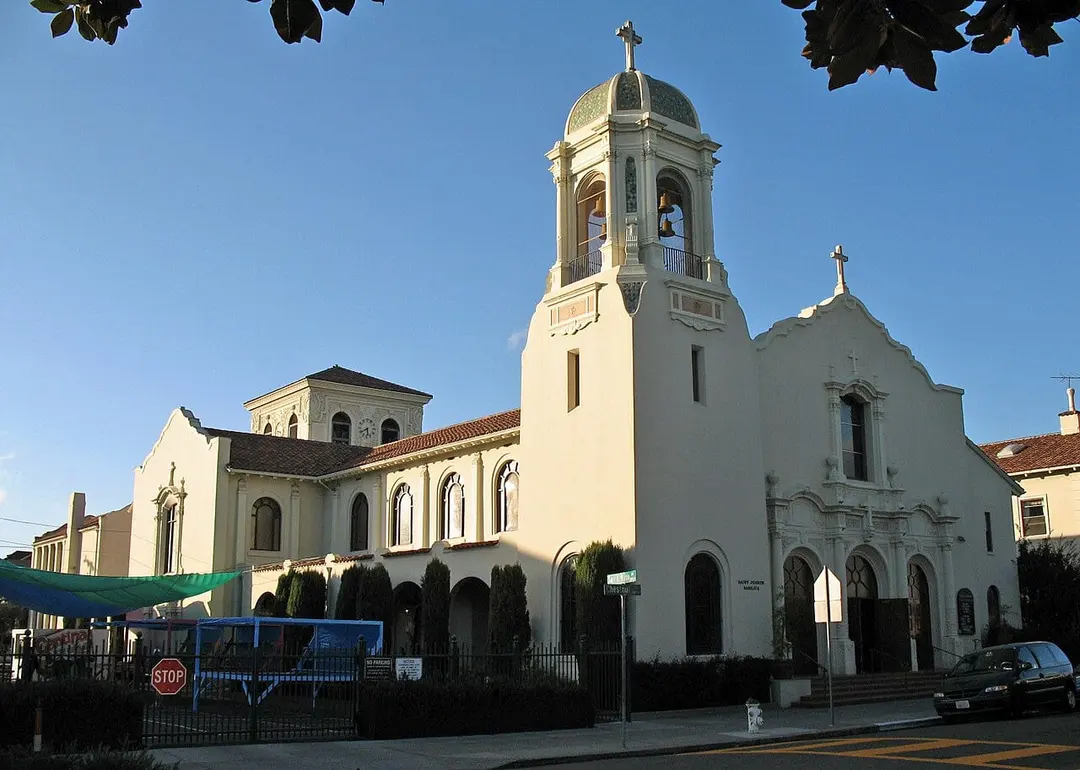
    The Basilica of St. Joseph in Alameda, California, is a Roman Catholic church in the Spanish Mission style dating from the 1920s. The parish traces its roots to 1885, when it was established as a mission church from St. Anthony's in Oakland. The current building features the hallmarks of the Mission Revival style — white stucco walls, red tile roof, and scrolled gables. It was added to the National Register of Historic Places in 1978. As a minor basilica in the Diocese of Oakland, it is a notable religious landmark in the San Francisco Bay Area.

  • Benicia–Martinez Bridge

    Benicia–Martinez Bridge

    San Francisco

    naturelocal gems

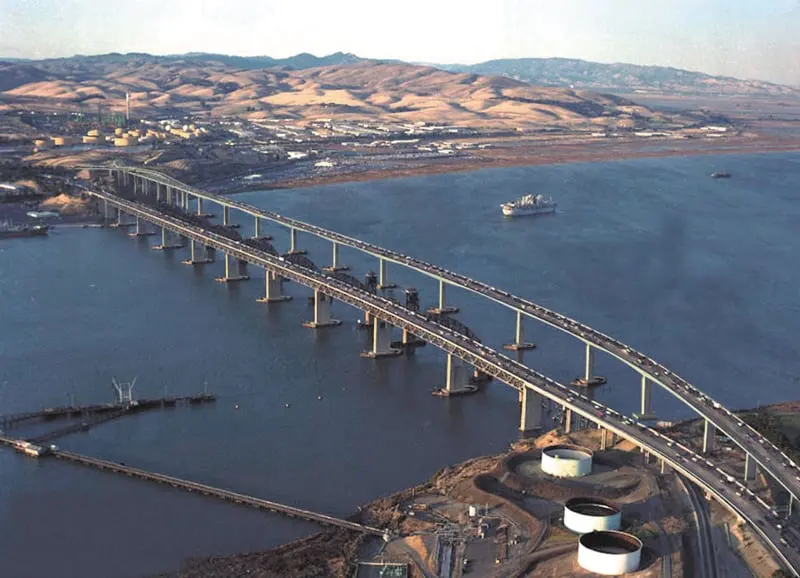
    The Benicia–Martinez Bridge refers to three parallel spans crossing the Carquinez Strait west of Suisun Bay in California's San Francisco Bay Area, linking Benicia to the north with Martinez to the south. The oldest is a 1930 vertical-lift railroad drawbridge still in active use by Union Pacific and BNSF freight trains. A 1962 truss bridge, officially named after California legislator George Miller Jr., carries southbound Interstate 680 traffic, cyclists, and pedestrians. A 2007 segmental bridge, named for U.S. Congressman George Miller III, handles northbound I-680 traffic. Together, the three spans represent a fascinating cross-section of bridge engineering across nearly a century.

  • Castro Theatre

    Castro Theatre

    San Francisco

    culture

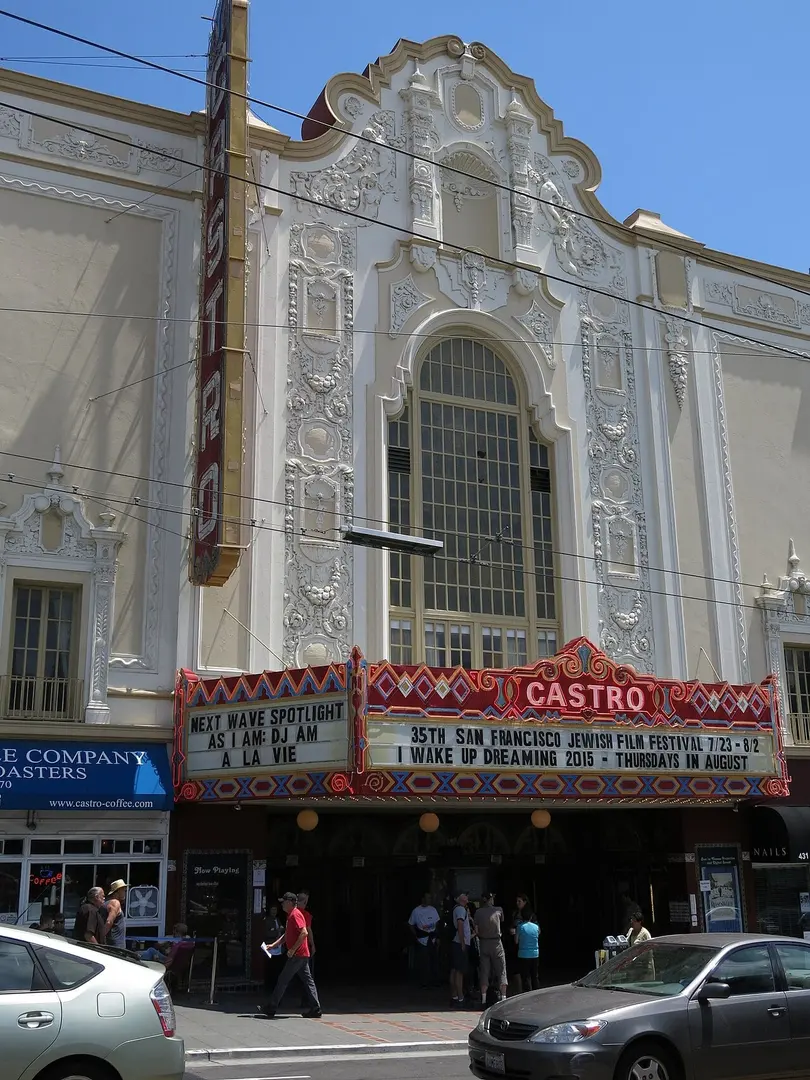
    The Castro Theatre is a historic movie palace in San Francisco's Castro District, designed by Timothy Pflueger and built in 1922. The exterior blends Beaux-Arts grandeur with Spanish Baroque flourishes, while the iconic Art Deco marquee was added in 1937. The venue was designated a San Francisco landmark in 1977, the 100th building to receive the honor. The theatre is celebrated for hosting live organ performances before screenings — the mighty Wurlitzer rises from the orchestra pit for classic films and special events. A major renovation completed in 2026 preserved the ornate interior while bringing capacity to 1,385 seats. Today the Castro Theatre stands as a cultural anchor for the neighborhood and a living monument to San Francisco's LGBTQ history.

  • Cathedral of Saint Mary of the Assumption

    Cathedral of Saint Mary of the Assumption

    San Francisco

    history

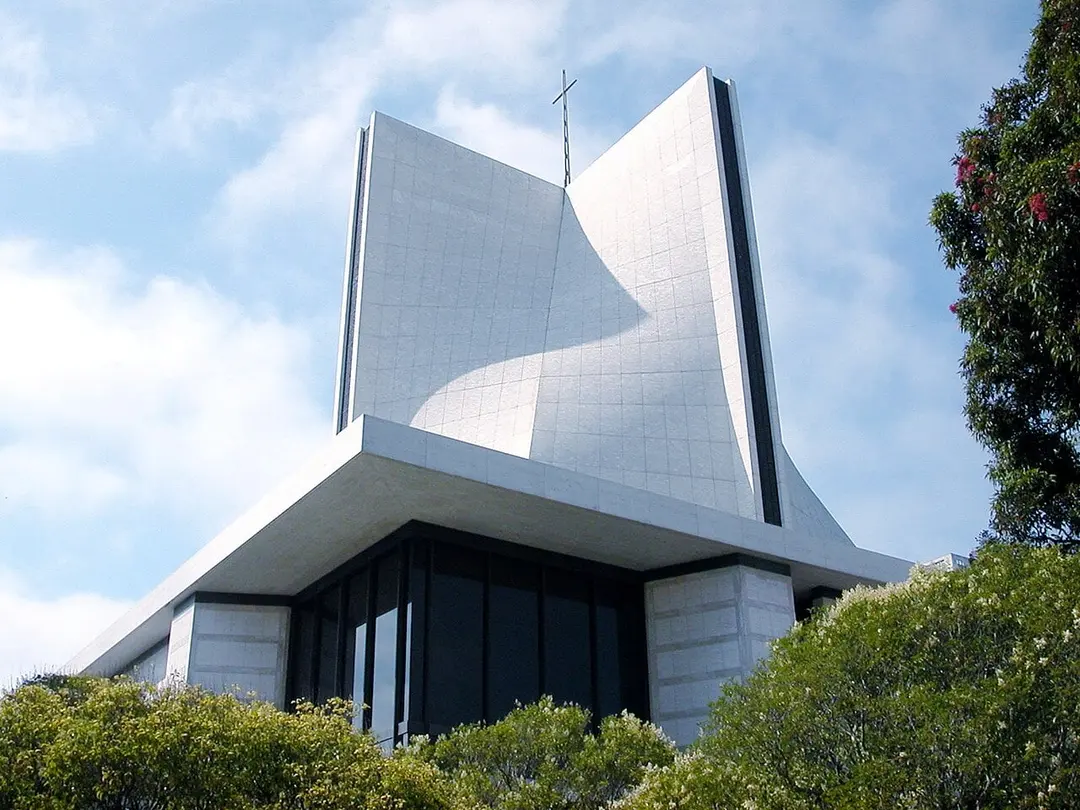
    The Cathedral of Saint Mary of the Assumption rises on Cathedral Hill in San Francisco as the mother church of the Archdiocese, serving Marin, San Francisco, and San Mateo counties. Built in 1971 to replace a predecessor destroyed by fire, it was designed by Pietro Belluschi with structural engineering by Pier Luigi Nervi. The building is defined by its extraordinary roof: four hyperbolic paraboloid concrete shells that intersect to form a cross. Inside, the space soars upward with light filtering through thin bands of stained glass. Though initially controversial, it is now recognized as a major example of modern sacred architecture in the United States.

  • Central Plaza San Francisco

    Central Plaza San Francisco

    San Francisco

    local gems

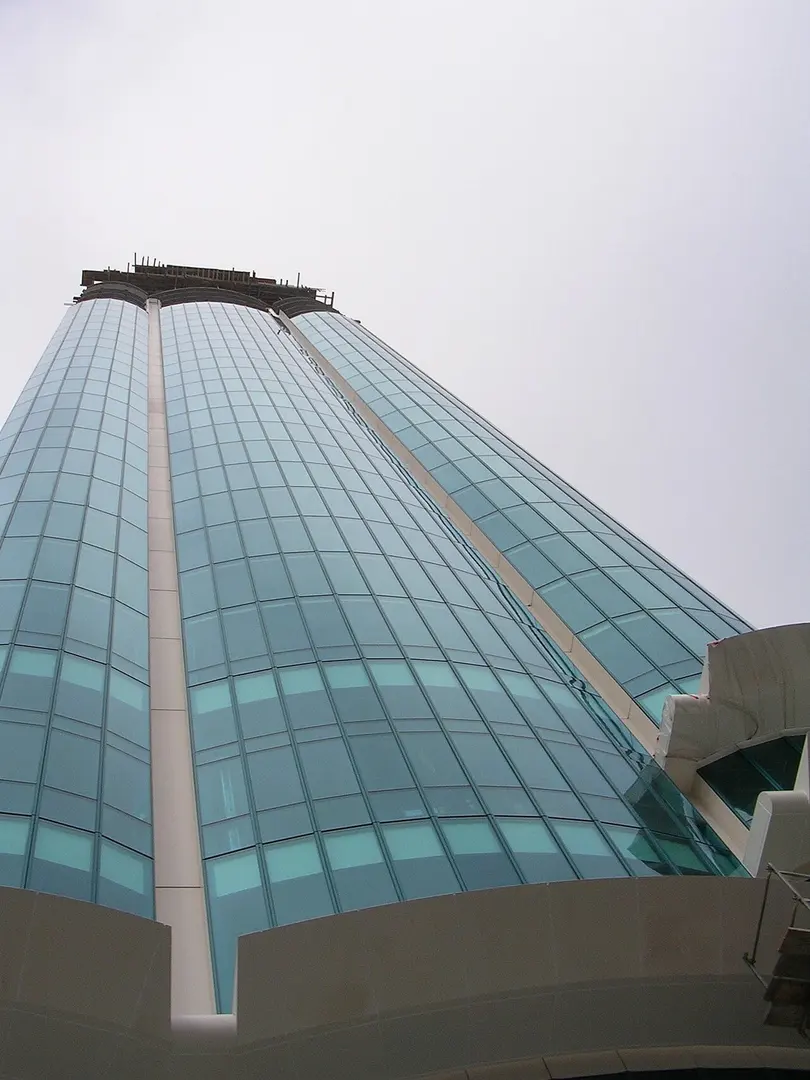
    Central Plaza is a 23-storey office skyscraper in San Francisco's Financial District, completed in 1987. The building rises nearly 97 metres at the corner of Market and First Streets, one of the busiest intersections in the city. Architecturally it belongs to the postmodern office-tower wave of the 1980s, with a cleanly articulated glass facade. It sits directly above several BART and Muni access points.

  • Coit Tower

    Coit Tower

    San Francisco

    culturehistorygreat views

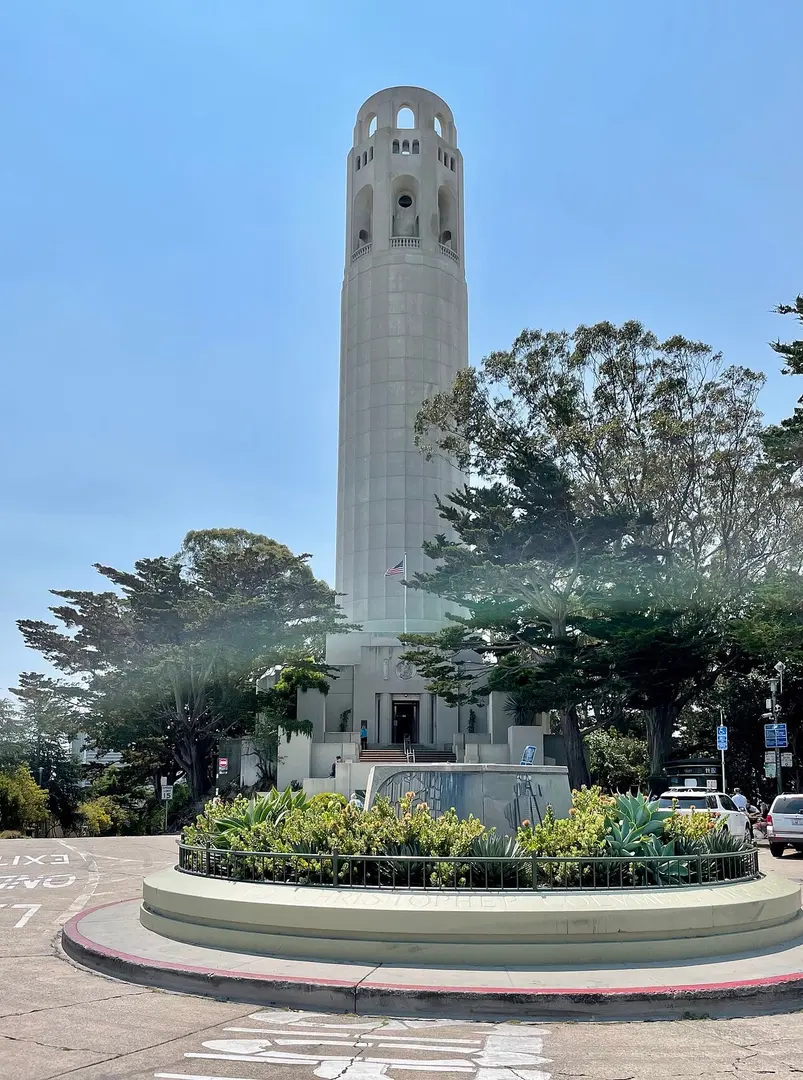
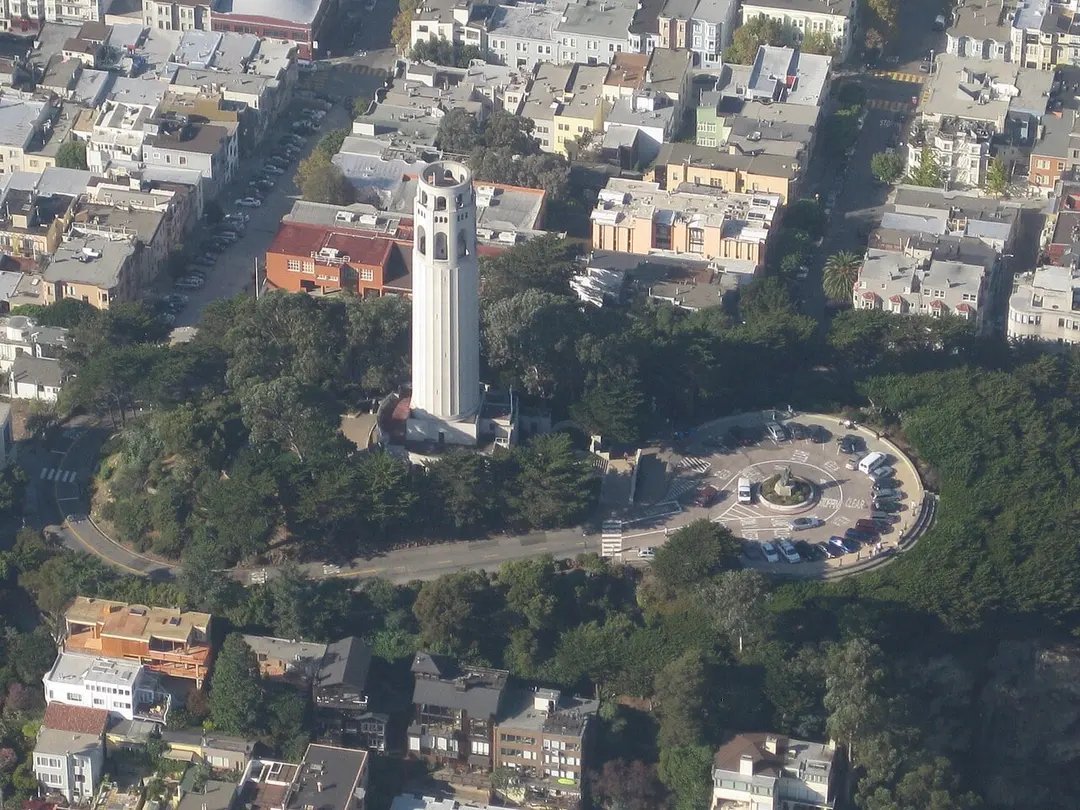
    Coit Tower is a 64-metre Art Deco observation tower on Telegraph Hill in San Francisco, built in 1932–1933. It was funded by a bequest from Lillie Hitchcock Coit, who left money to beautify the city. Inside, murals from 1934 – commissioned through the New Deal's Public Works Administration – depict scenes of California working life. The tower itself has no viewing platform, but the hilltop offers unobstructed views over the bay and the bridges. It is considered an icon of the North Beach neighbourhood.

  • Contemporary Jewish Museum

    Contemporary Jewish Museum

    San Francisco

    culturelocal gems

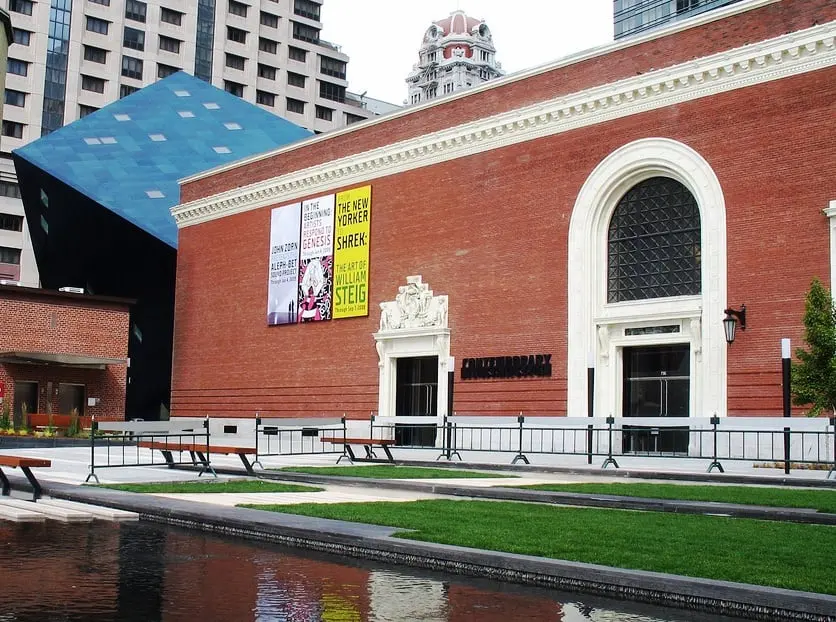
    The Contemporary Jewish Museum (CJM) is a non-collecting art museum in the SoMa neighborhood of San Francisco, founded in 1984 and opened at its current location in 2008. The building is architecturally notable: it is the historic Jessie Street Substation from the early 20th century, whose interior was completely redesigned by Daniel Libeskind. Libeskind added a striking deconstructivist steel structure whose form references the Hebrew letter Chet. The museum makes Jewish cultural life accessible to broad audiences through temporary exhibitions and educational programs, welcoming visitors of all backgrounds.

  • Hearst Greek Theatre

    Hearst Greek Theatre

    San Francisco

    culturehistoryknowledge

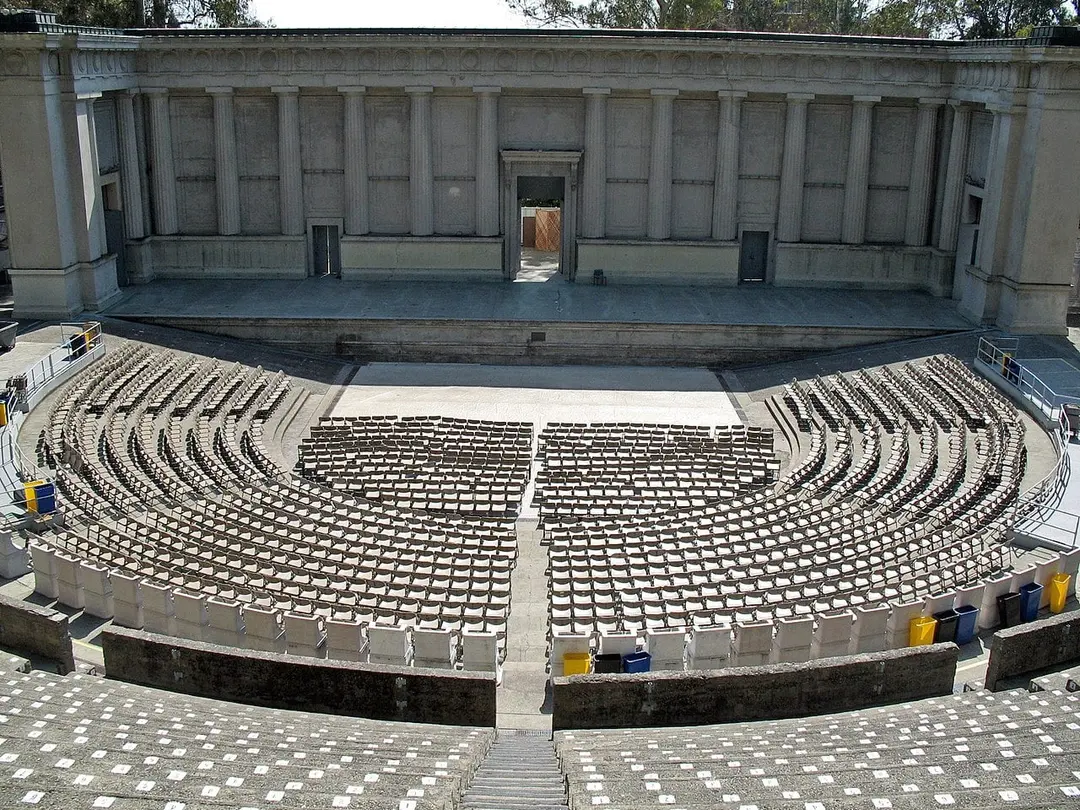
    The Hearst Greek Theatre is an open-air venue in the ancient Greek style on the campus of the University of California, Berkeley. Built in 1903 and donated by William Randolph Hearst, it seats 8,500. The semicircular outdoor stage framed by eucalyptus trees is one of the San Francisco Bay Area's most beloved concert venues. Legends from Frank Sinatra to The Rolling Stones and Radiohead have performed here. Listed in the National Register of Historic Places, it exemplifies the fusion of education, architecture and culture at the legendary Berkeley campus.

  • InterContinental San Francisco

    InterContinental San Francisco

    San Francisco

    culturelocal gems

    The InterContinental San Francisco is a 32-story high-rise hotel in the city's SoMa district, opened in 2008. With 550 rooms, a height of over 103 meters, and direct adjacency to the Moscone West Convention Center, it is a premier address for business travelers and conference attendees. The hotel sits centrally in one of San Francisco's most dynamic neighborhoods – between tech offices, galleries, and Yerba Buena Gardens. A two-level underground garage and a six-floor podium housing hotel amenities complete the complex.

  • John Muir National Historic Site

    John Muir National Historic Site

    San Francisco

    naturehistoryknowledge

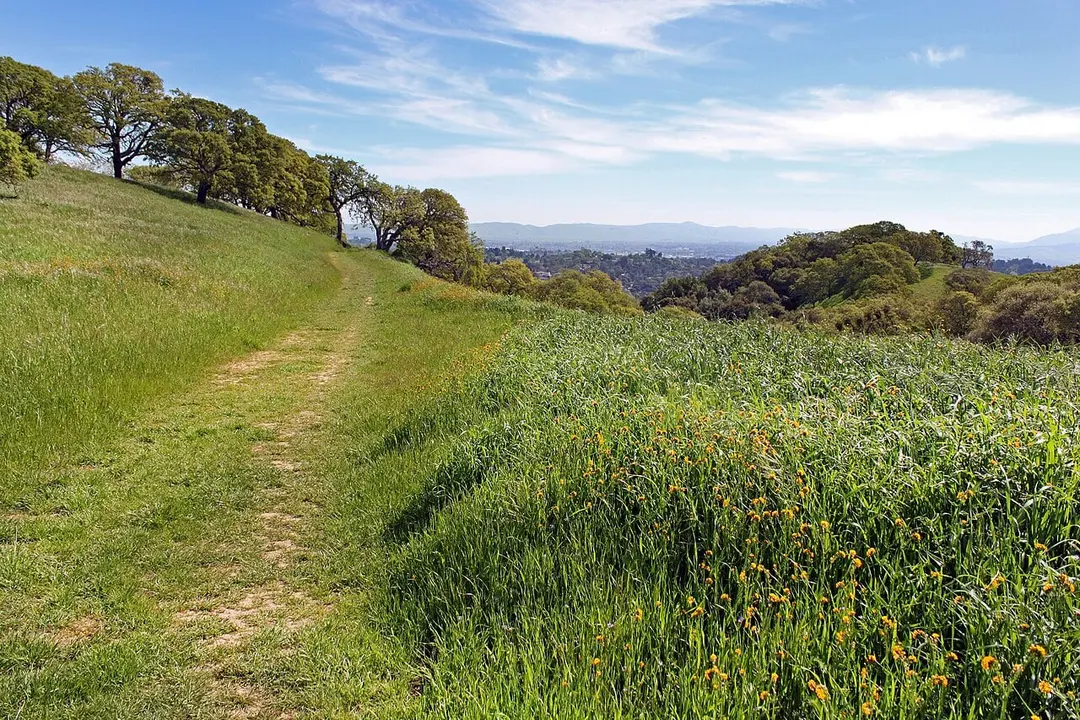
    The John Muir National Historic Site in Martinez, California, preserves the home and estate of writer and wilderness advocate John Muir (1838-1914). The 14-room Italianate Victorian mansion where Muir lived from 1890 until his death is kept largely as he left it. The grounds include 325 acres of native oak woodlands and grasslands historically part of the family ranch. Visitors can enter the upstairs study where Muir wrote his influential essays on Yosemite and the Sierra Nevada. A visit here combines architectural history with the story of how the American conservation movement was born.

Keep exploring

These places are just the beginning.

Rate places with a swipe — TravelType learns from your tags what you love and curates your own map. Private until you choose to share.

Create your profile