TravelType

knowledge

Knowledge & learning in Chicago

Chicago, on the southwestern shore of Lake Michigan, offers a rich range of places where knowledge takes many forms. The Field Museum houses one of the world's most recognized Brachiosaurus replicas alongside vast natural history collections. The Frederick C. Robie House stands as a landmark of architectural thought, while the Chess Records Studio traces the roots of blues and rock 'n' roll. The Chinese American Museum of Chicago and the D'Angelo Law Library reflect the city's diverse intellectual heritage. Memorials including the Eastland Disaster Memorial and the Flight 191 Memorial preserve difficult history, and Brookfield Zoo Chicago connects visitors to the natural world.

14 places · Chicago, United States · Editorially curated

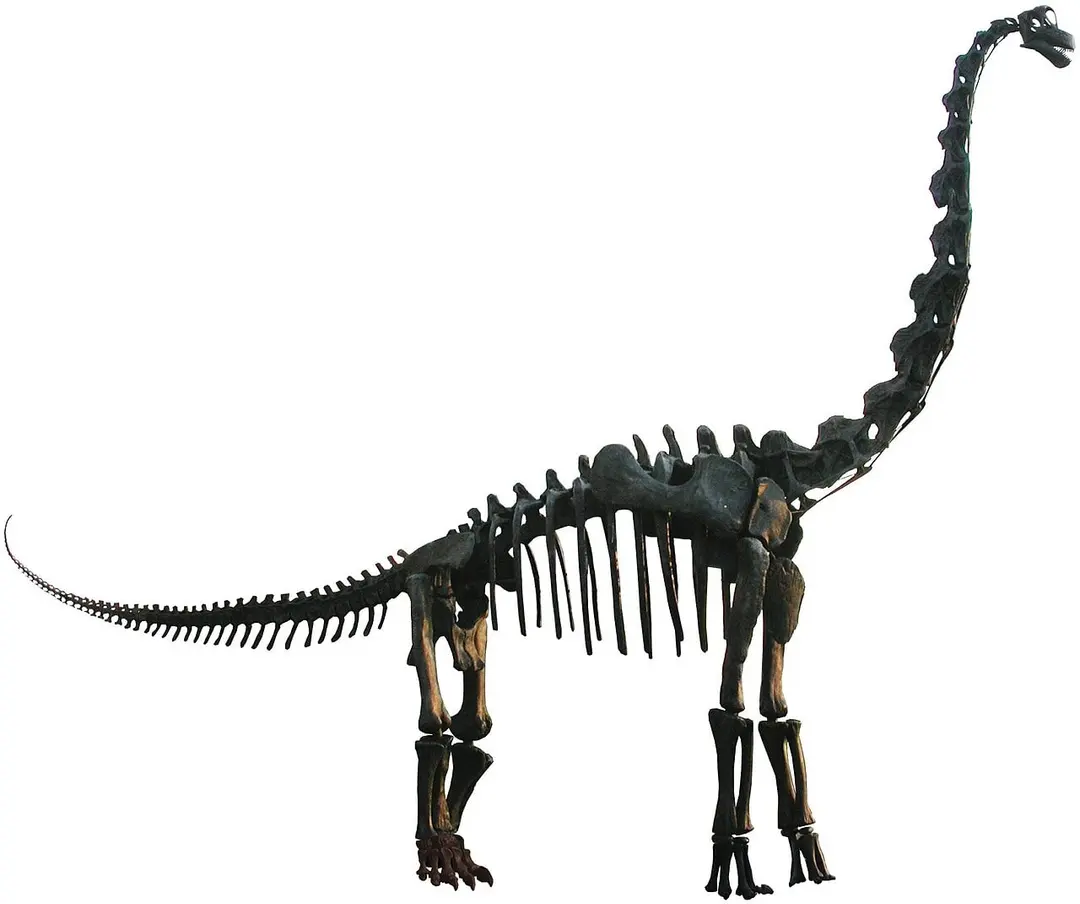
  • Brachiosaurus Replica

    Brachiosaurus Replica

    Chicago

    culturefamily outings

    The life-size Brachiosaurus replica at the Field Museum of Natural History in Chicago is one of the city's most impressive encounters with prehistoric life. The Brachiosaurus was among the largest land animals in Earth's history — with a long neck that allowed it to reach vegetation at great heights, and forelimbs longer than its hind legs. The detailed replica gives visitors an immediate sense of the sheer scale of these Late Jurassic creatures. The Field Museum itself is one of the world's leading natural history museums, housing alongside this replica numerous original fossils and extensive scientific collections.
  • Brookfield Zoo Chicago

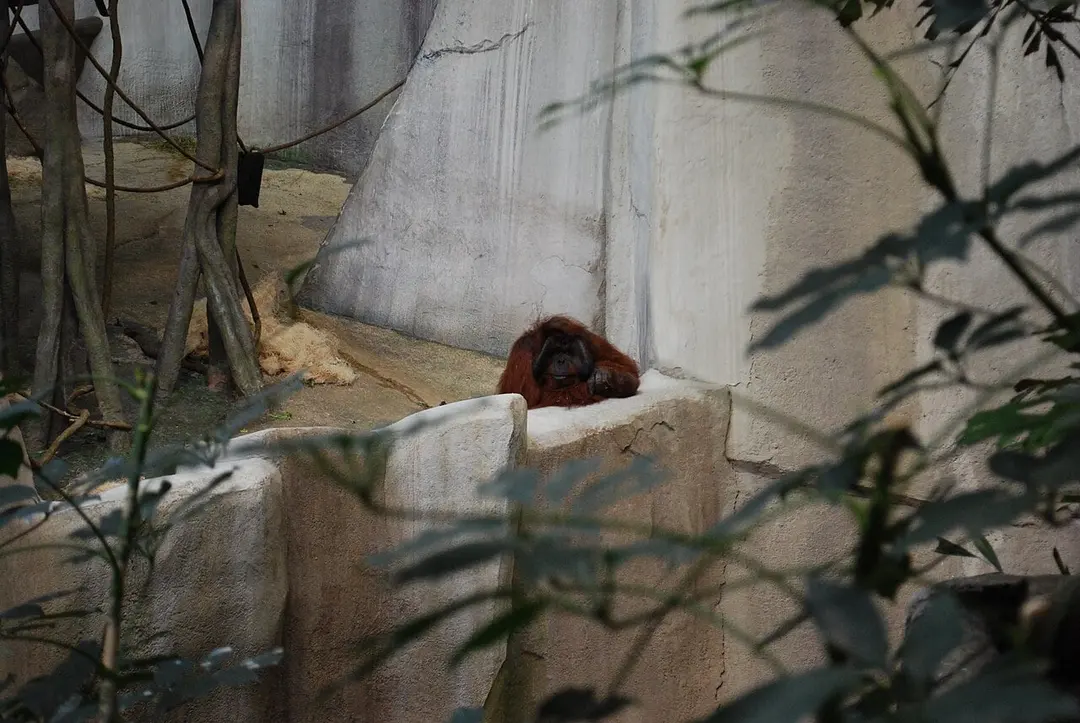
    Brookfield Zoo Chicago

    Chicago

    naturefamily outingslocal gems

    Brookfield Zoo in Brookfield, a suburb of Chicago, is one of the most important zoos in the United States. Spread across more than 57 hectares, it is home to over 424 animals in more than 280 species — from big cats and marine mammals to reptiles and tropical birds. Founded in 1921 and opened in 1934, the zoo was a pioneer of modern zoo design, adopting moats instead of cages early on to create more natural habitats. Beyond the animal experience, the sprawling park with themed areas and special exhibitions offers a rich programme for families, school groups, and nature enthusiasts. Free admission to the outdoor areas makes it an attractive destination for spontaneous visits.

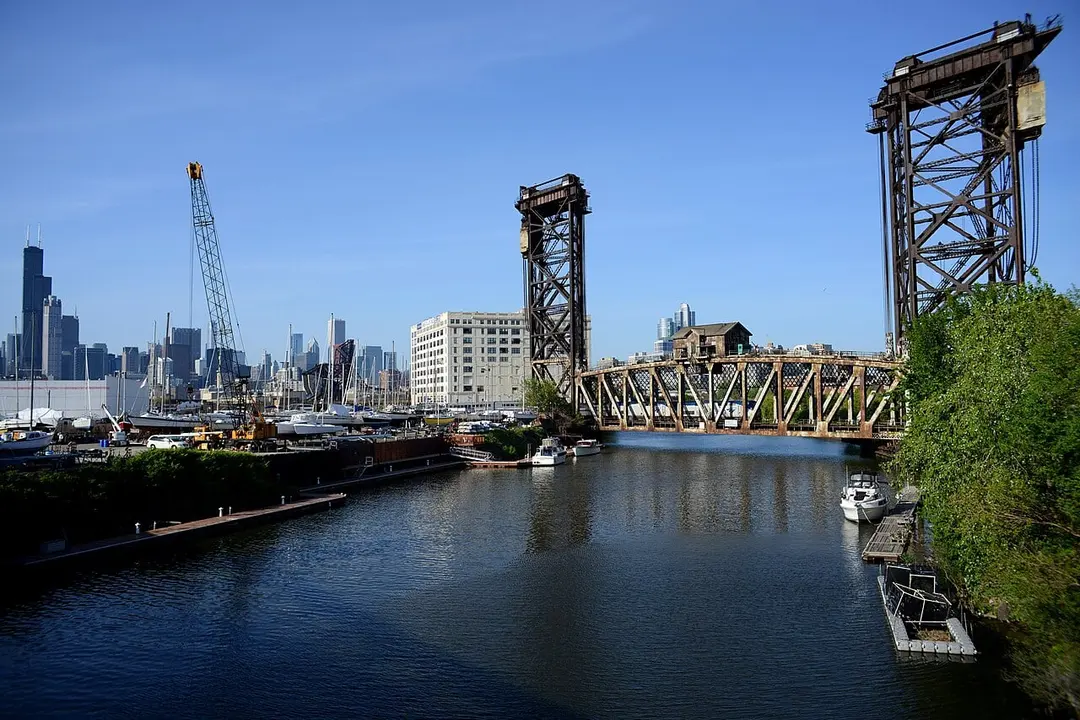
  • Canal Street Railroad Bridge

    Canal Street Railroad Bridge

    Chicago

    architecturenaturehistory

    The Canal Street Railroad Bridge, also known as the Pennsylvania Railroad Bridge, spans the south branch of the Chicago River and stands as a rare witness to Chicago's early railroad era. Built in 1914, its 1,500-ton main span was the heaviest lift bridge in the United States at the time of its completion. As the only lift bridge of its kind over the Chicago River, it remains a singular feat of engineering. Designated a Chicago Landmark in 2007, it is no longer in active rail service but offers enthusiasts of Chicago's infrastructure history a remarkable glimpse into the city's industrial past.

  • Chess Records Studio

    Chess Records Studio

    Chicago

    culturelocal gems

    Chess Records was one of the most influential record labels in the history of American popular music. Founded in 1950 by Leonard and Phil Chess in Chicago, Illinois, the label became the birthplace of Chicago Blues, Rhythm & Blues, and early Rock 'n' Roll. In the studio on South Michigan Avenue, legends such as Muddy Waters, Chuck Berry, Howlin' Wolf, Bo Diddley, and Etta James recorded their defining work. The recordings made there shaped the sound of an entire era and influenced generations of musicians worldwide — including the Rolling Stones and the Beatles, who cited Chess artists as their greatest inspirations. Today the historic building houses the Blues Heaven Foundation Museum, keeping the memory of Chess Records and its artists alive. The site is considered hallowed ground in American music history.

  • Chicago Theatre

    Chicago Theatre

    Chicago

    culturelocal gems

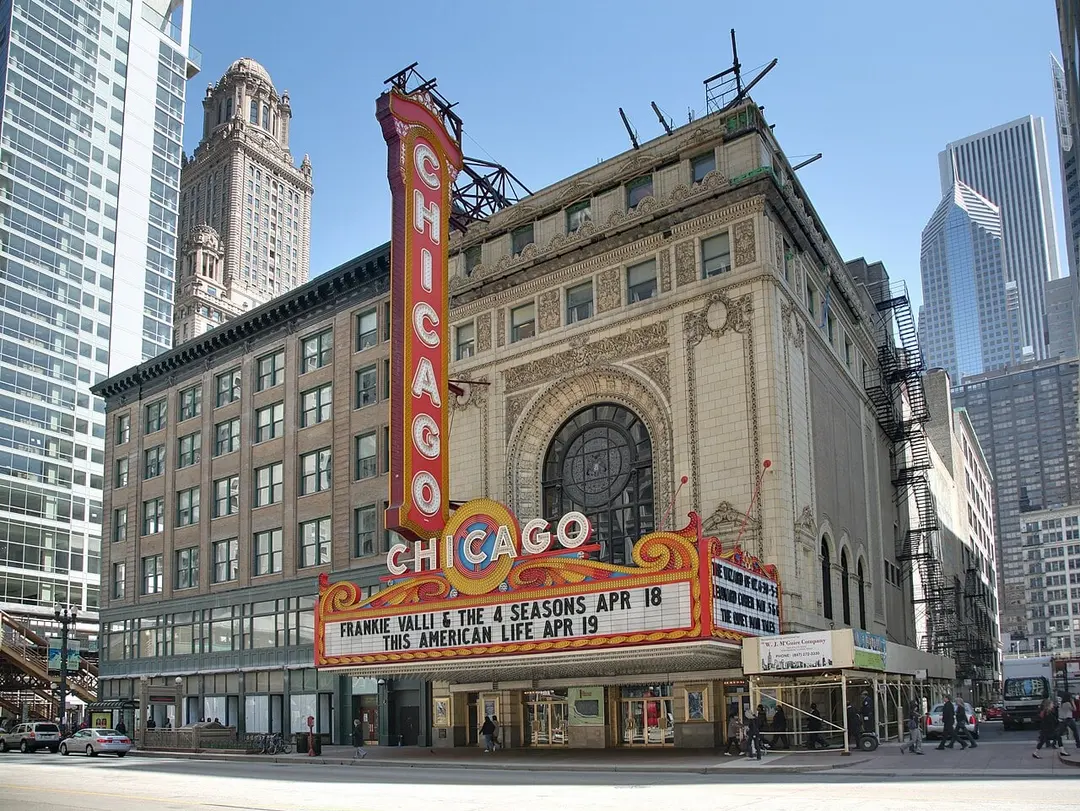
    The Chicago Theatre opened in 1921 and ranks among the most opulent surviving movie palaces in the United States. Designed by Rapp & Rapp in French Baroque style, it originally seated more than 3,000 patrons. The six-story lobby with marble staircases and gilded ceilings was one of the most elaborate cinema foyers of its era. After a period of decline the venue was restored in the 1980s and now operates as a concert and event hall. The glowing red marquee sign on State Street remains one of the most recognizable landmarks in Chicago.

  • Chinese American Museum of Chicago

    Chinese American Museum of Chicago

    Chicago

    culturehistorylocal gems

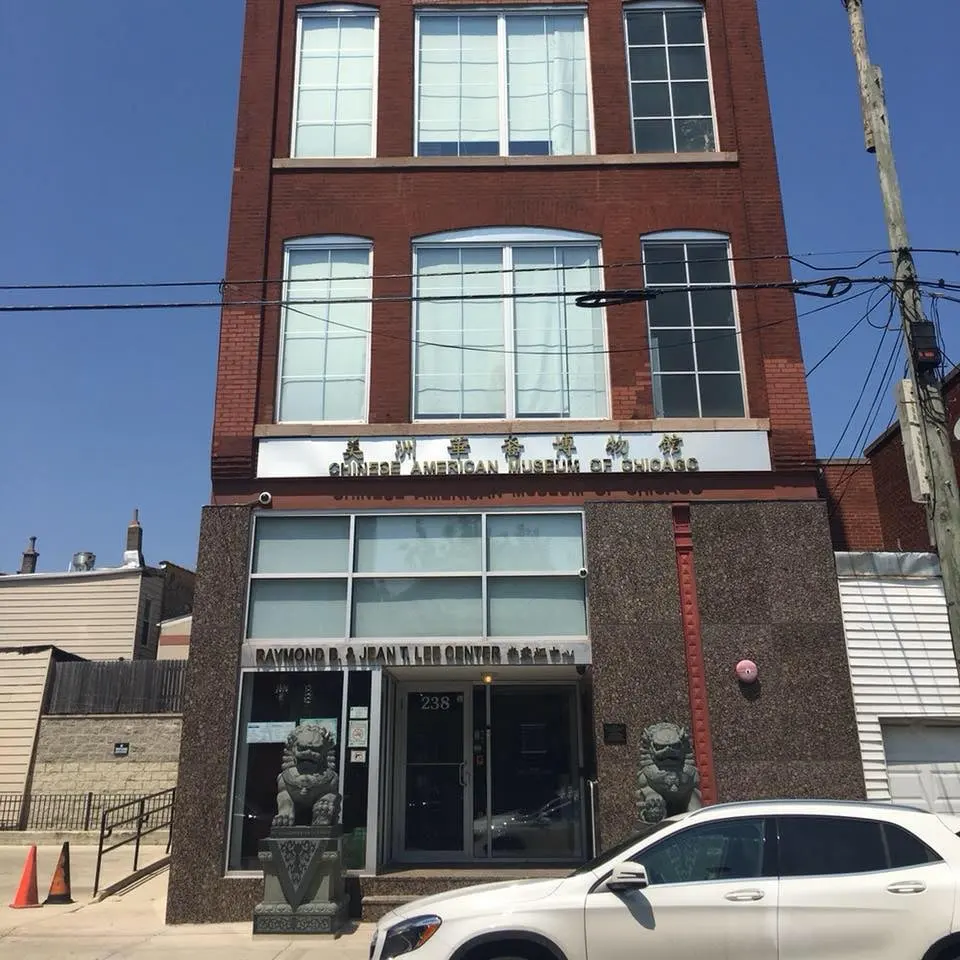
    The Chinese American Museum of Chicago documents the history and present of the Chinese community in the United States, with a particular focus on the Midwest. It opened in May 2005 in Chicago's Chinatown, was temporarily closed after a devastating fire in 2008, and reopened following extensive renovations in 2010. Exhibitions range from early labour migration and the discriminatory Chinese Exclusion Acts to contemporary art and community initiatives. The museum positions itself as a cultural bridge — serving both the Chinese-American diaspora exploring its roots and any visitor curious about Chicago's ethnic diversity.

  • D'Angelo Law Library

    D'Angelo Law Library

    Chicago

    architecture

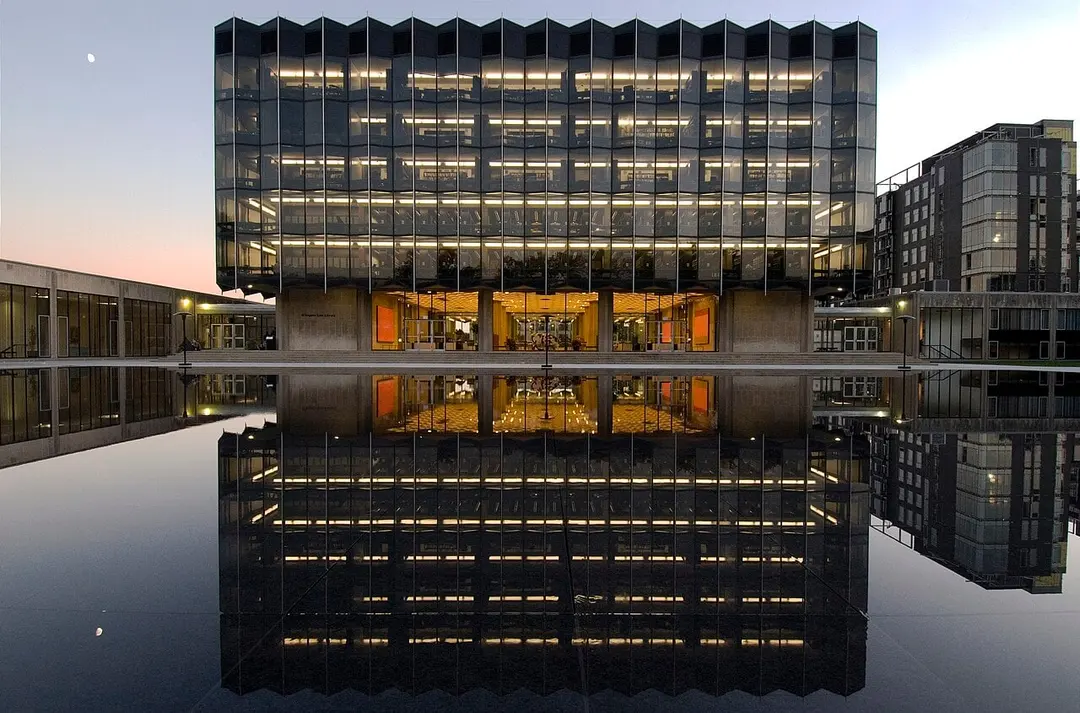
    The D'Angelo Law Library serves as the dedicated research library of the University of Chicago Law School, one of the most prestigious law faculties in the United States. Founded in 1902, it holds an extensive collection of legal literature, primary sources, and historical legal documents. The library building reflects the campus's broader architectural tradition of Collegiate Gothic design. Beyond supporting students and faculty, the library offers a quiet retreat for serious scholarly work within one of Chicago's landmark academic institutions.

  • Eastland Disaster Memorial

    Eastland Disaster Memorial

    Chicago

    historymystery

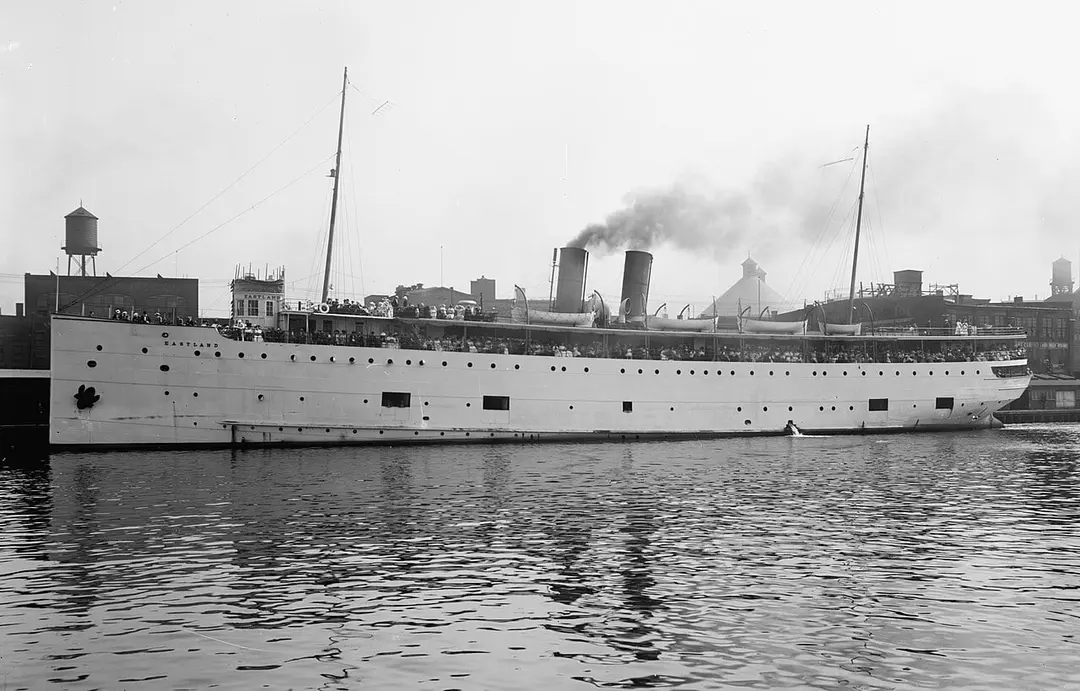
    On 24 July 1915, the excursion steamer Eastland capsized in the Chicago River while still moored at the dock, killing 848 people — mostly Western Electric workers and their families on a company outing. It remains the deadliest Great Lakes maritime disaster in history, yet it has long been overshadowed by the Titanic in public memory. The modest memorial on the Chicago Riverwalk restores that story with informational panels telling individual victims' stories. The riverside setting gives the spot a reflective, unhurried atmosphere well suited to quiet remembrance.

  • Field Museum

    Field Museum

    Chicago

    culturefamily outingslocal gems

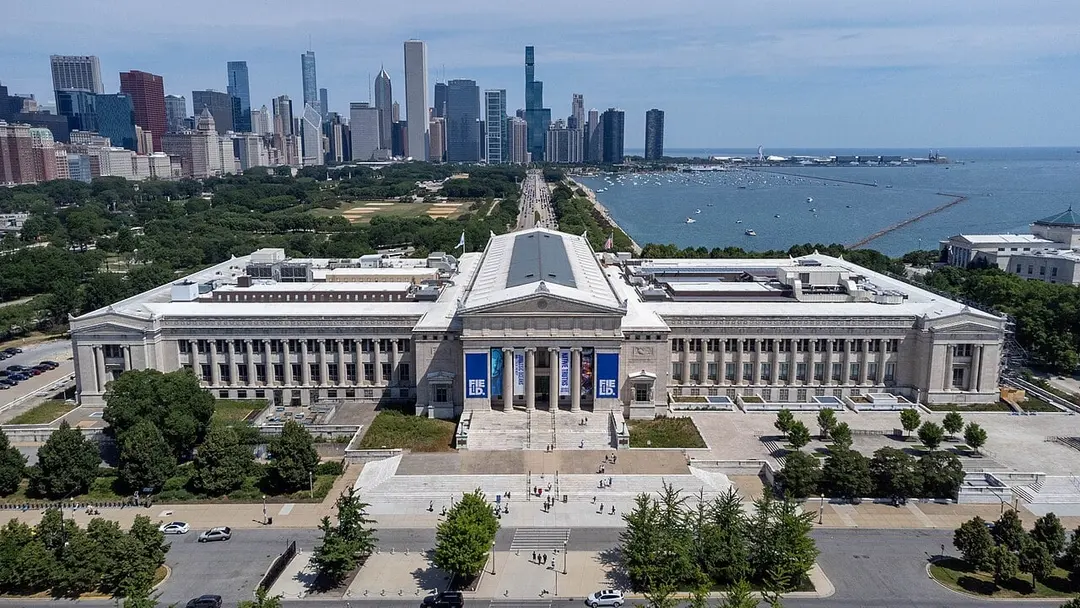
    The Field Museum of Natural History in Chicago is one of the largest and most significant natural history museums in the world. Founded for the 1893 World's Columbian Exposition, it now occupies a magnificent neoclassical building on the shores of Lake Michigan in Grant Park. Across five floors and more than 85,000 square meters, it houses over 40 million objects — including Sue, the most complete known Tyrannosaurus rex skeleton, Egyptian mummies, the reconstructed Inside Ancient Egypt gallery, and exhibits on the natural history of the Earth. More than 500 full-time employees and an annual budget of over $50 million make it one of the world's most professionally run museums. Completing a full tour in a single day is considered nearly impossible.

  • First Infantry Division Museum

    First Infantry Division Museum

    Chicago

    history

    The First Infantry Division Museum at Cantigny, on Chicago's western outskirts, is dedicated to the history of the U.S. Army's 1st Infantry Division — the storied unit nicknamed the "Big Red One" that has served in virtually every major American conflict since 1917. Exhibits include uniforms, weapons, vehicles, and personal mementos from World War I, World War II, Korea, Vietnam, and more recent deployments in Iraq. The outdoor grounds feature authentic tanks and artillery pieces that visitors can examine up close. Part of the larger Cantigny Park estate, the museum provides rich insight into twentieth-century American military life for families and history enthusiasts alike.

  • Flight 191 Memorial

    Flight 191 Memorial

    Chicago

    culture

    The Flight 191 Memorial in Chicago honours the victims of one of America's deadliest aviation disasters. On 25 May 1979, an American Airlines DC-10 crashed moments after takeoff from O'Hare International Airport, killing all 271 people aboard and two on the ground — the deadliest aviation accident on US soil. The understated memorial near the crash site offers a quiet place of reflection for families and visitors who come to pay their respects and remember the lives lost.

  • Frederick C. Robie House

    Frederick C. Robie House

    Chicago

    architecture

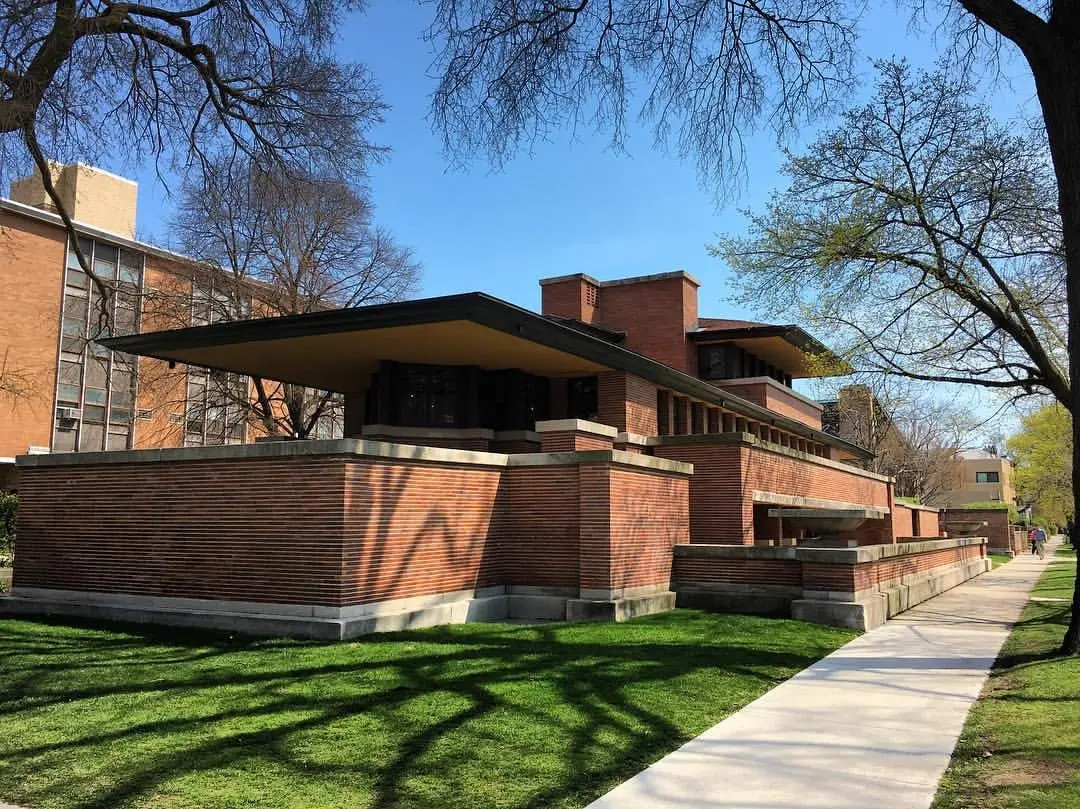
    The Robie House in Chicago's Hyde Park neighborhood is considered the most complete example of the Prairie Style developed by architect Frank Lloyd Wright in the early 20th century. Designed in 1908 and built between 1909 and 1910, it breaks radically with European architectural tradition: long horizontal lines, wide overhanging roofs, open floor plans, and a seamless transition between interior and exterior all reflect the vast flatness of the American prairie. The house revolutionized thinking about modern domestic space and influenced generations of architects worldwide. Now owned by the University of Chicago, it is a UNESCO World Heritage Site open for guided tours.

  • Haymarket Memorial

    Haymarket Memorial

    Chicago

    history

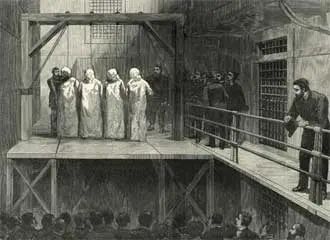
    The Haymarket Memorial in Chicago commemorates one of the most defining events in American labour history. On 1 May 1886 Chicago unions launched a nationwide strike for the eight-hour workday. On 4 May a rally at Haymarket Square turned violent when an unknown person threw a bomb into a police line – several officers and protesters died. The subsequent trials of anarchists and union leaders are widely regarded as politically motivated; four men were executed. These events gave rise to the international tradition of marking 1 May as Labour Day. The present memorial on Randolph Street honours the victims and stands as a reminder of the struggle for workers' rights that continues to resonate today.

  • Museum of Broadcast Communications

    Museum of Broadcast Communications

    Chicago

    culture

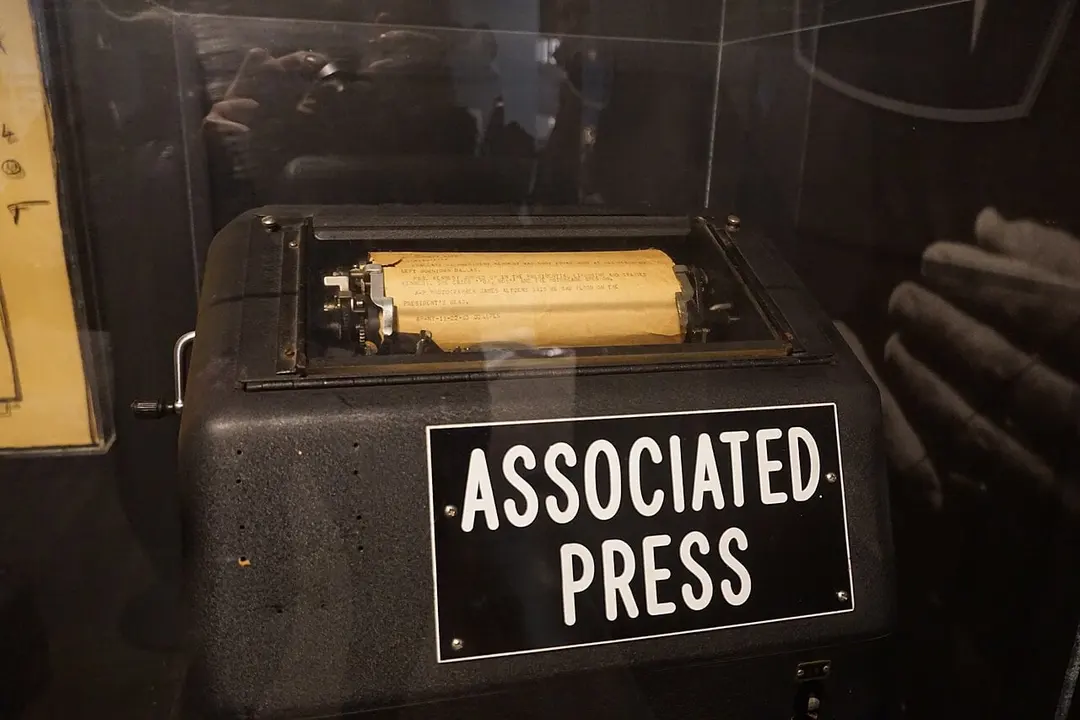
    The Museum of Broadcast Communications (MBC) in Chicago is a nonprofit institution dedicated to the history and present of radio and television broadcasting. Founded in 1987, it collects, preserves, and exhibits historic and contemporary broadcast content, making it accessible through exhibitions, an archive, screenings, publications, and educational programs. Until October 2017, the MBC also housed the National Radio Hall of Fame. Located in the heart of Chicago, it draws media professionals and curious visitors alike, offering a window into the development of mass media in the United States.

Keep exploring

These places are just the beginning.

Rate places with a swipe — TravelType learns from your tags what you love and curates your own map. Private until you choose to share.

Create your profile