TravelType

history

History in Chicago

Chicago's history surfaces in layered, often overlooked places across the city. The Bohemian National Cemetery and the Basilica of St. Hyacinth reflect the immigrant communities that shaped Chicago's neighborhoods, while the Chinese American Museum of Chicago traces another distinct thread. The Chicago Pile-1 Site A marks where the world's first artificial nuclear reactor operated. Industrial heritage endures in the Cortland Street Drawbridge and the Canal Street Railroad Bridge. The Eastland Disaster Memorial, the Eternal Silence sculpture, Comiskey Park Home Plate, the First Infantry Division Museum, and the Chicago Blackhawks 75th Anniversary Sculpture each preserve a different chapter — together forming a portrait of the city across time.

15 places · Chicago, United States · Editorially curated

  • Basilica of St. Hyacinth

    Basilica of St. Hyacinth

    Chicago

    architecture

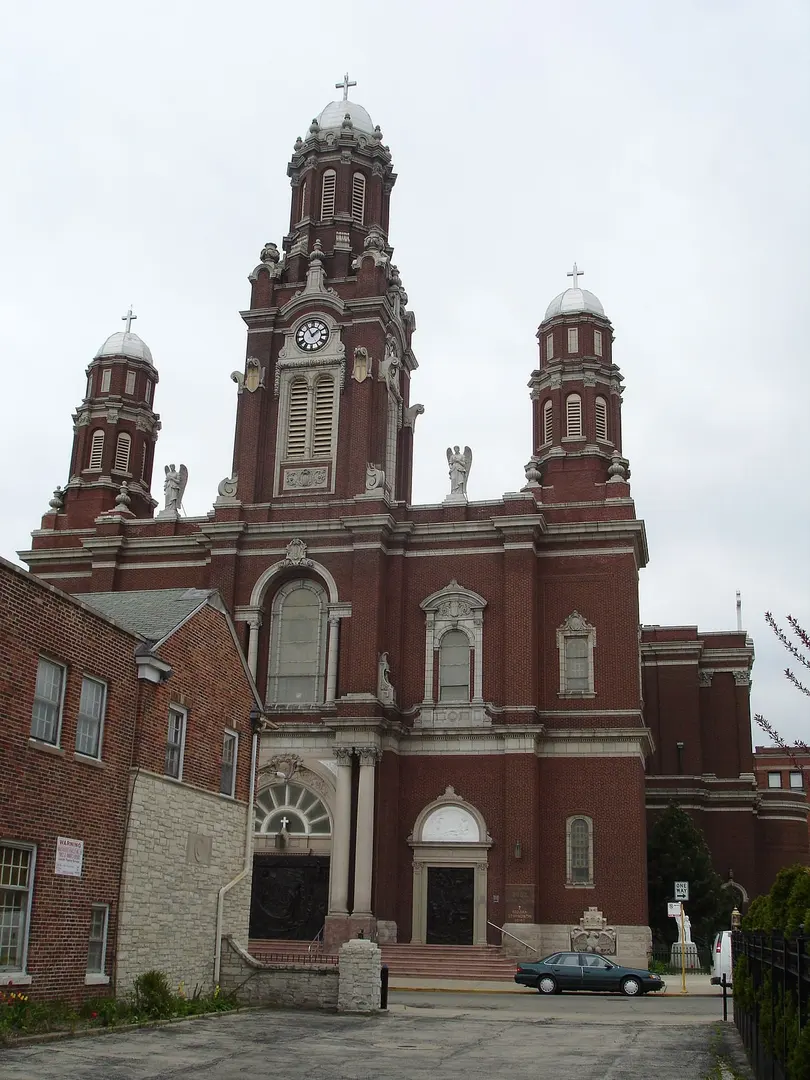
    Rising above Chicago's Avondale neighborhood, the Basilica of St. Hyacinth stands as a proud monument to Polish immigrant heritage. Built in 1921 in the classicist "Polish Cathedral Style," it blends soaring domes, intricate interior murals, and a magnificent organ into a unified architectural statement of the early 20th century. The design draws on Polish cathedral traditions and transplants them into the American Midwest. Designated a minor basilica by the Archdiocese of Chicago, it remains an active parish holding services in both Polish and English, a living anchor for the Polish-American community.
  • Bohemian National Cemetery

    Bohemian National Cemetery

    Chicago

    naturelocal gems

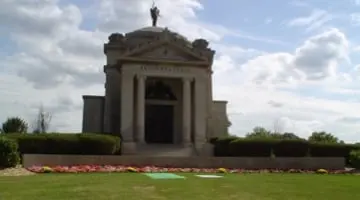
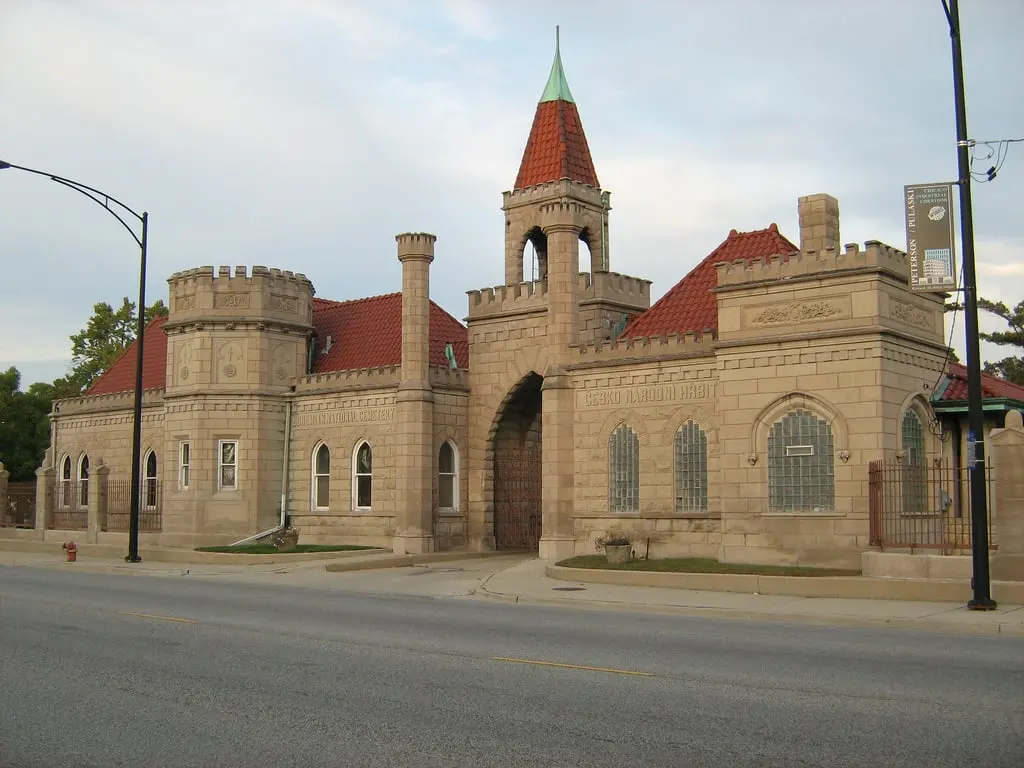
    The Bohemian National Cemetery, located in northern Chicago on Pulaski Road, is one of the most significant burial grounds of the Czech and Slovak immigrant community in the United States. Founded in 1877, it served as the final resting place for generations of Bohemian immigrants who shaped Chicago's neighborhoods during the great waves of European migration. The sprawling grounds are filled with elaborately carved monuments, family mausoleums, and statues that reflect both the craftsmanship and cultural pride of this community. Politicians, artists, tradespeople, and laborers all rest here side by side. Today the cemetery functions as an open-air museum of Bohemian-American heritage and attracts genealogists, historians, and curious visitors from around the world.

  • Canal Street Railroad Bridge

    Canal Street Railroad Bridge

    Chicago

    architecturenatureknowledge

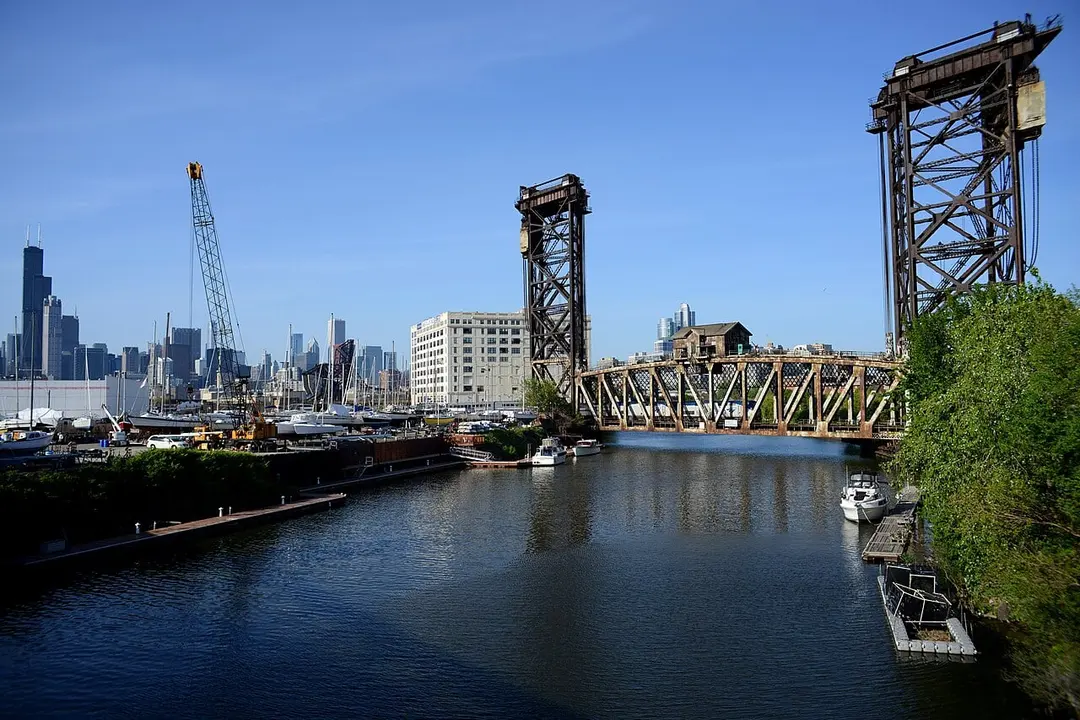
    The Canal Street Railroad Bridge, also known as the Pennsylvania Railroad Bridge, spans the south branch of the Chicago River and stands as a rare witness to Chicago's early railroad era. Built in 1914, its 1,500-ton main span was the heaviest lift bridge in the United States at the time of its completion. As the only lift bridge of its kind over the Chicago River, it remains a singular feat of engineering. Designated a Chicago Landmark in 2007, it is no longer in active rail service but offers enthusiasts of Chicago's infrastructure history a remarkable glimpse into the city's industrial past.

  • Chicago Blackhawks 75th Anniversary Sculpture

    Chicago Blackhawks 75th Anniversary Sculpture

    Chicago

    cultureoutdoor activities

    The Chicago Blackhawks 75th Anniversary Sculpture was unveiled to mark three-quarters of a century for one of the NHL's oldest and most successful franchises. Founded in 1926, the Blackhawks are one of the Original Six — the founding members of the modern NHL era — and have won the Stanley Cup six times. The sculpture serves as a gathering point for fans around the United Center and anchors the team's identity in the city's public space, in the tradition of American sports monuments.

  • Chicago Pile-1 Site A

    Chicago Pile-1 Site A

    Chicago

    culturenature

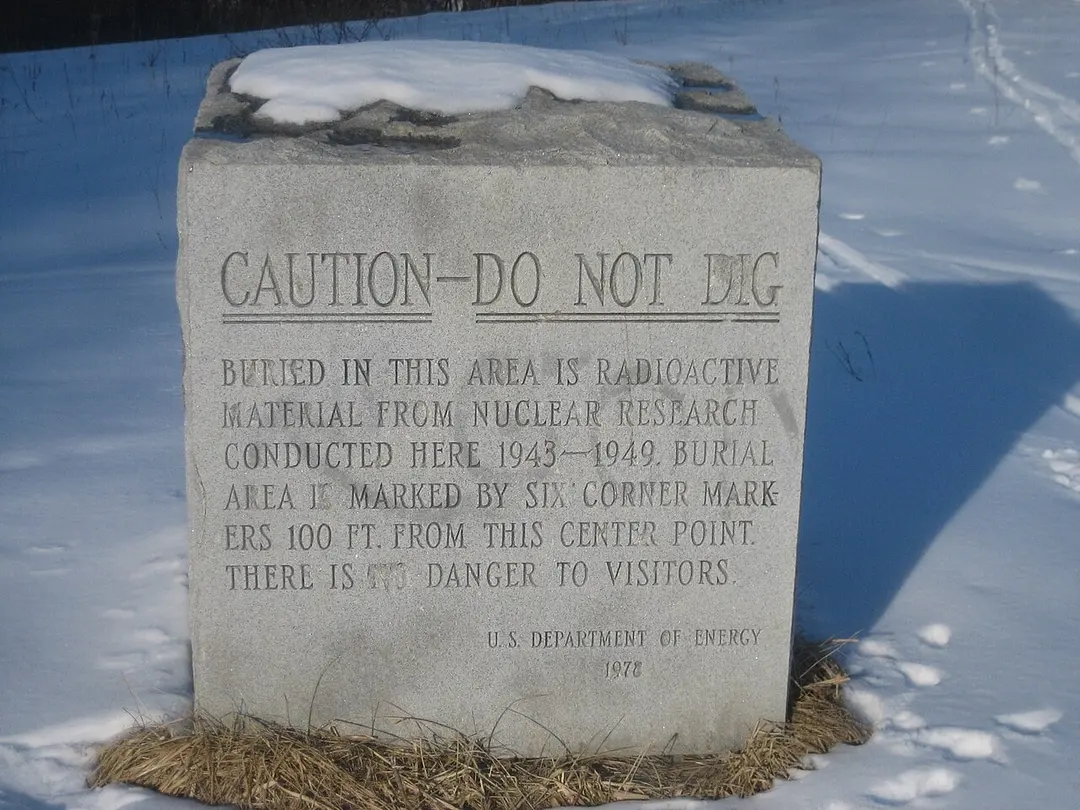
    Hidden in the Red Gate Woods nature reserve south of Chicago, Site A is one of the most consequential — and least visited — historic sites in the world. This is where the radioactive remains of Chicago Pile-1, 2, and 3 are buried: the world's first nuclear reactors, built as part of the Manhattan Project. On December 2, 1942, Enrico Fermi achieved the first self-sustaining nuclear chain reaction using Chicago Pile-1 beneath the stands at Stagg Field, University of Chicago. The reactors were later relocated here and eventually entombed underground. A modest commemorative plaque marks the spot, which remains under US Department of Energy oversight and carries a low residual radiation signature. A genuinely eerie place to stand and contemplate a turning point in history.

  • Chinese American Museum of Chicago

    Chinese American Museum of Chicago

    Chicago

    culturelocal gemsknowledge

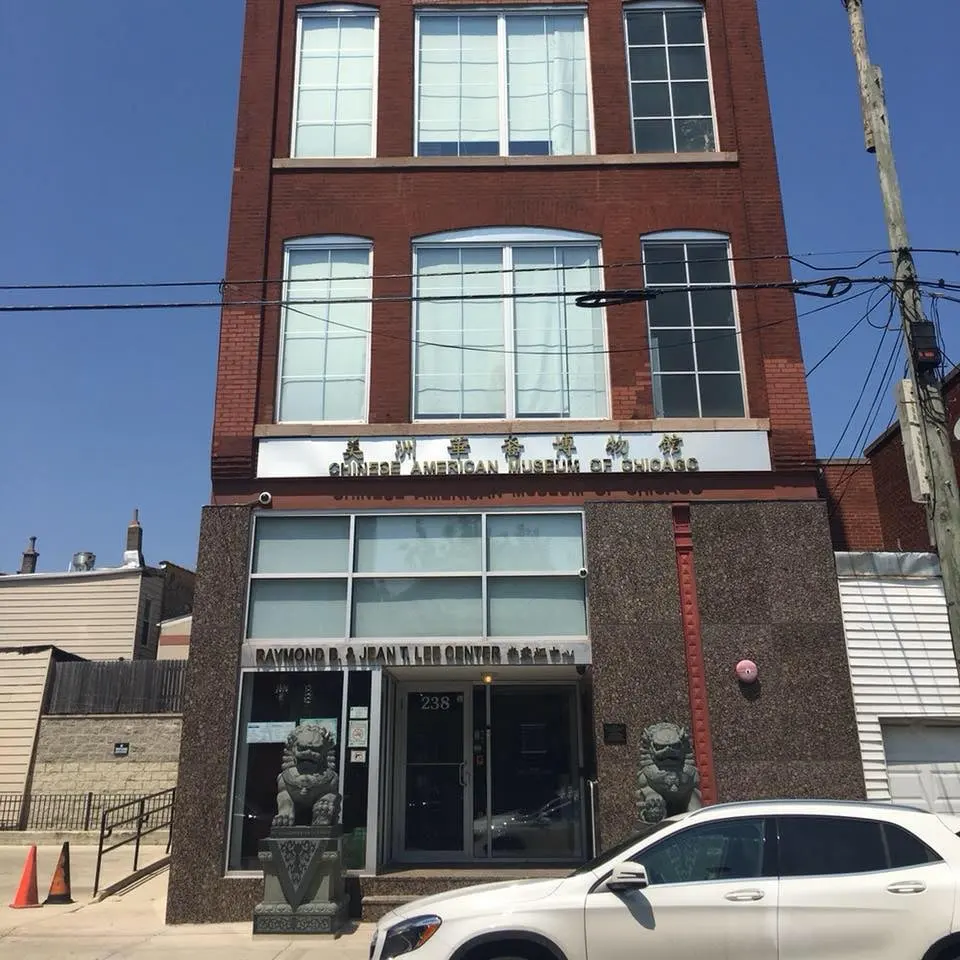
    The Chinese American Museum of Chicago documents the history and present of the Chinese community in the United States, with a particular focus on the Midwest. It opened in May 2005 in Chicago's Chinatown, was temporarily closed after a devastating fire in 2008, and reopened following extensive renovations in 2010. Exhibitions range from early labour migration and the discriminatory Chinese Exclusion Acts to contemporary art and community initiatives. The museum positions itself as a cultural bridge — serving both the Chinese-American diaspora exploring its roots and any visitor curious about Chicago's ethnic diversity.

  • Comiskey Park Home Plate

    Comiskey Park Home Plate

    Chicago

    outdoor activitieslocal gems

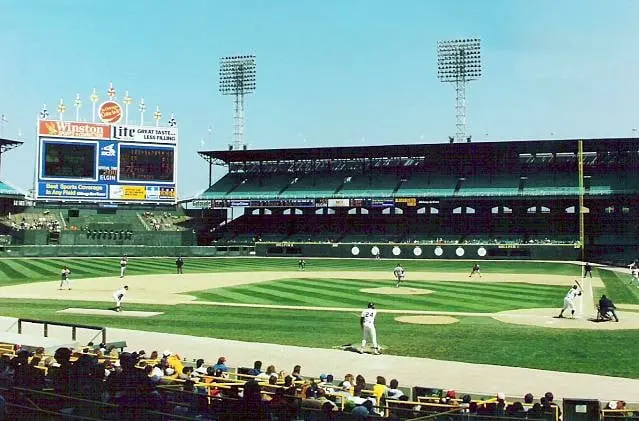
    In a parking lot in Chicago's Armour Square neighborhood, a marker embedded in the asphalt pinpoints the exact location of home plate at the original Comiskey Park. From 1910 to 1990, Comiskey Park was the home of the Chicago White Sox, one of the storied franchises of the American League. It was the site of the infamous Black Sox scandal in 1919, when eight players were accused of intentionally losing the World Series. The stadium was demolished in 1991 as the White Sox moved to a new ballpark next door — now Guaranteed Rate Field. The home plate marker is a pilgrimage spot for Sox fans and a poignant reminder of how much history a parking lot can hold.

  • Cortland Street Drawbridge

    Cortland Street Drawbridge

    Chicago

    architectureoutdoor activities

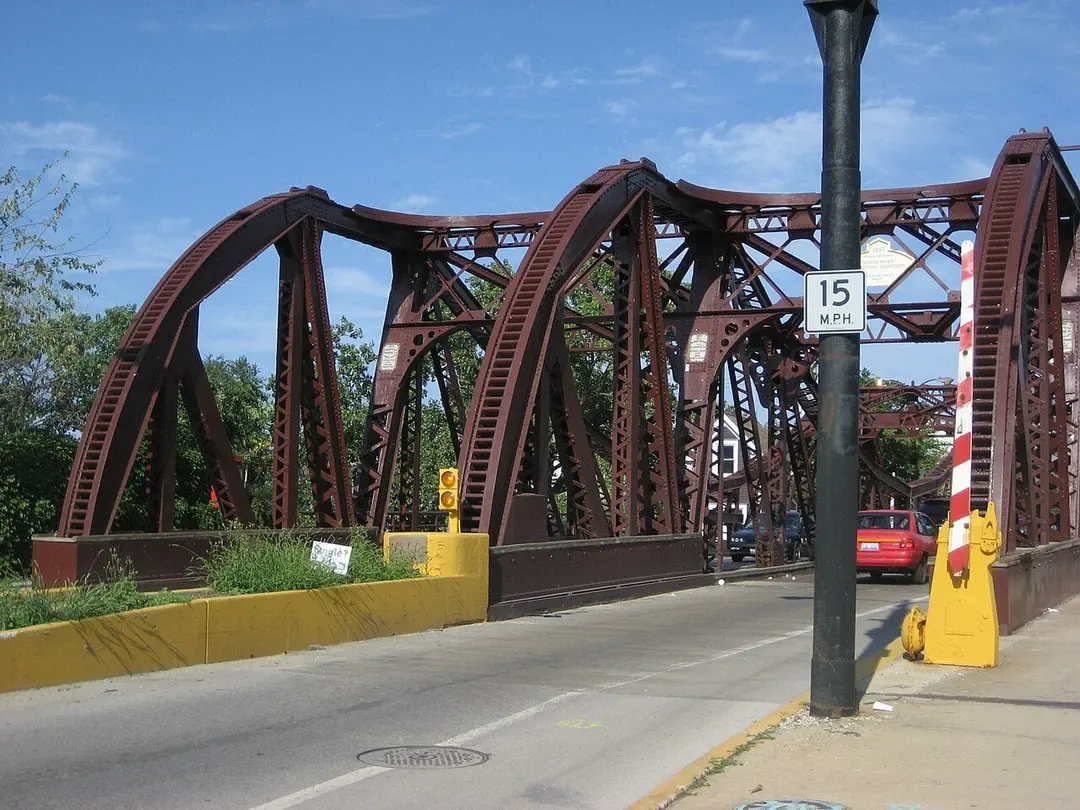
    The Cortland Street Drawbridge spans the North Branch of the Chicago River in the Lincoln Park neighborhood. Originally known as the Clybourn Place Drawbridge, it was the first bascule bridge of its type built in Chicago — a design that became so emblematic of the city that Chicago today has more movable bridges than any other city in the world. The American Society of Civil Engineers (ASCE) has designated it a Historic Civil Engineering Landmark. The bridge still opens regularly for river traffic, offering a dramatic view of the Chicago skyline that draws crowds of onlookers.

  • Eastland Disaster Memorial

    Eastland Disaster Memorial

    Chicago

    knowledgemystery

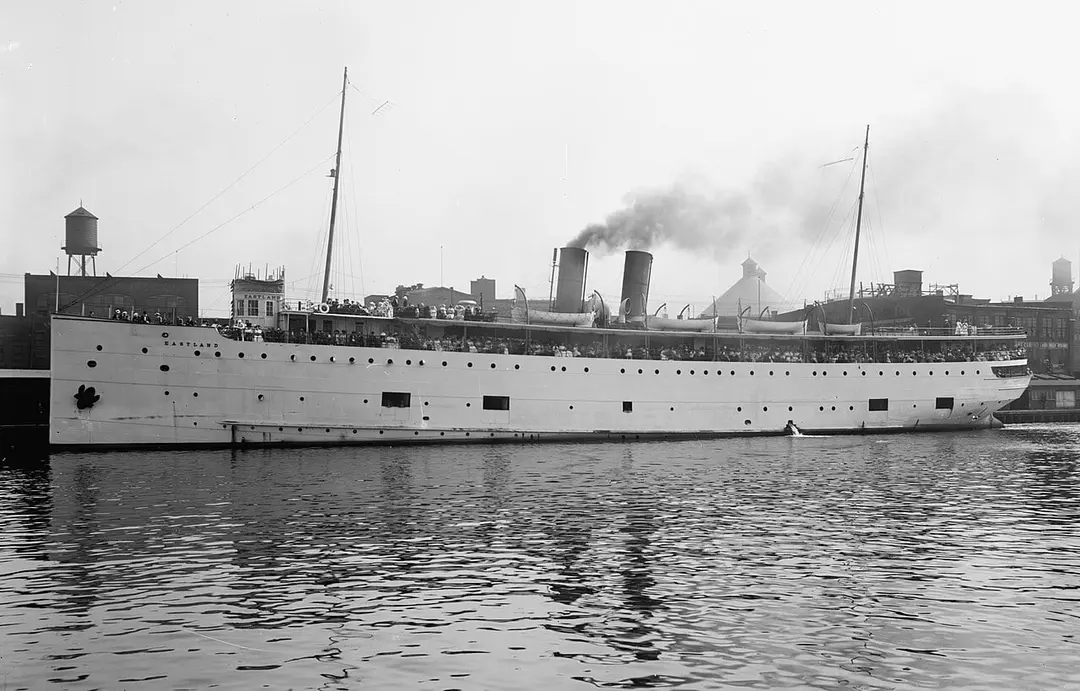
    On 24 July 1915, the excursion steamer Eastland capsized in the Chicago River while still moored at the dock, killing 848 people — mostly Western Electric workers and their families on a company outing. It remains the deadliest Great Lakes maritime disaster in history, yet it has long been overshadowed by the Titanic in public memory. The modest memorial on the Chicago Riverwalk restores that story with informational panels telling individual victims' stories. The riverside setting gives the spot a reflective, unhurried atmosphere well suited to quiet remembrance.

  • Eternal Silence

    Eternal Silence

    Chicago

    culturemystery

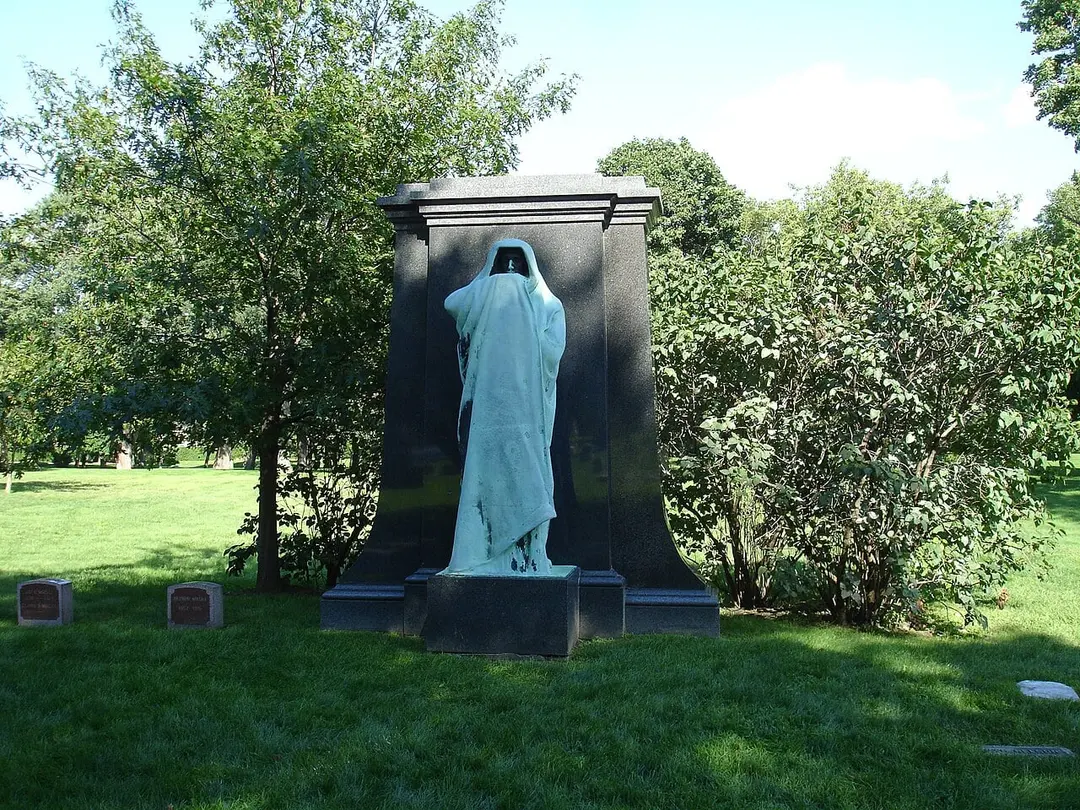
    Eternal Silence is one of the most striking cemetery sculptures in the United States. American sculptor Lorado Taft created this larger-than-life bronze figure in 1909 as a grave monument for Dexter Graves at Graceland Cemetery in Chicago. The shrouded, faceless figure rises from black granite blocks, appearing to absorb every question about life and death without offering an answer — which is why it also goes by the name "Statue of Death". The monument is one of the most photographed objects at Graceland Cemetery, one of the most significant garden cemeteries in North America, where many prominent Chicagoans have also found their final resting place.

  • First Infantry Division Museum

    First Infantry Division Museum

    Chicago

    knowledge

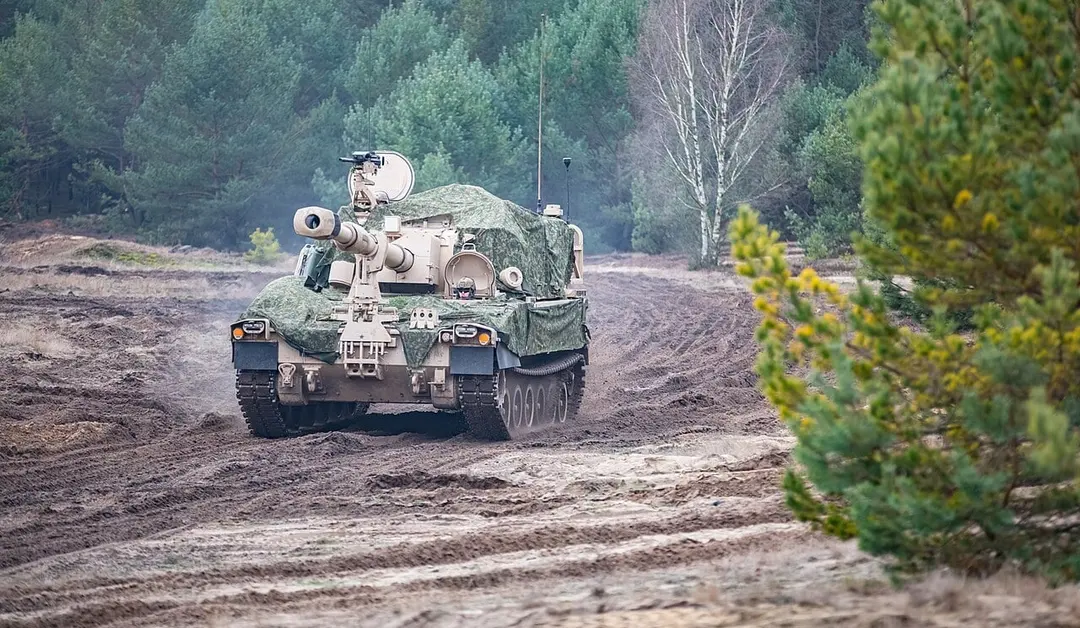
    The First Infantry Division Museum at Cantigny, on Chicago's western outskirts, is dedicated to the history of the U.S. Army's 1st Infantry Division — the storied unit nicknamed the "Big Red One" that has served in virtually every major American conflict since 1917. Exhibits include uniforms, weapons, vehicles, and personal mementos from World War I, World War II, Korea, Vietnam, and more recent deployments in Iraq. The outdoor grounds feature authentic tanks and artillery pieces that visitors can examine up close. Part of the larger Cantigny Park estate, the museum provides rich insight into twentieth-century American military life for families and history enthusiasts alike.

  • Haymarket Memorial

    Haymarket Memorial

    Chicago

    knowledge

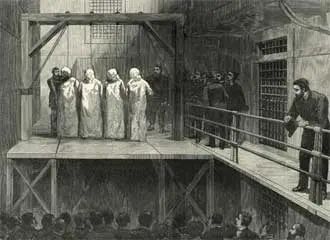
    The Haymarket Memorial in Chicago commemorates one of the most defining events in American labour history. On 1 May 1886 Chicago unions launched a nationwide strike for the eight-hour workday. On 4 May a rally at Haymarket Square turned violent when an unknown person threw a bomb into a police line – several officers and protesters died. The subsequent trials of anarchists and union leaders are widely regarded as politically motivated; four men were executed. These events gave rise to the international tradition of marking 1 May as Labour Day. The present memorial on Randolph Street honours the victims and stands as a reminder of the struggle for workers' rights that continues to resonate today.

  • Lincoln Park Zoo Chicago

    Lincoln Park Zoo Chicago

    Chicago

    naturefamily outings

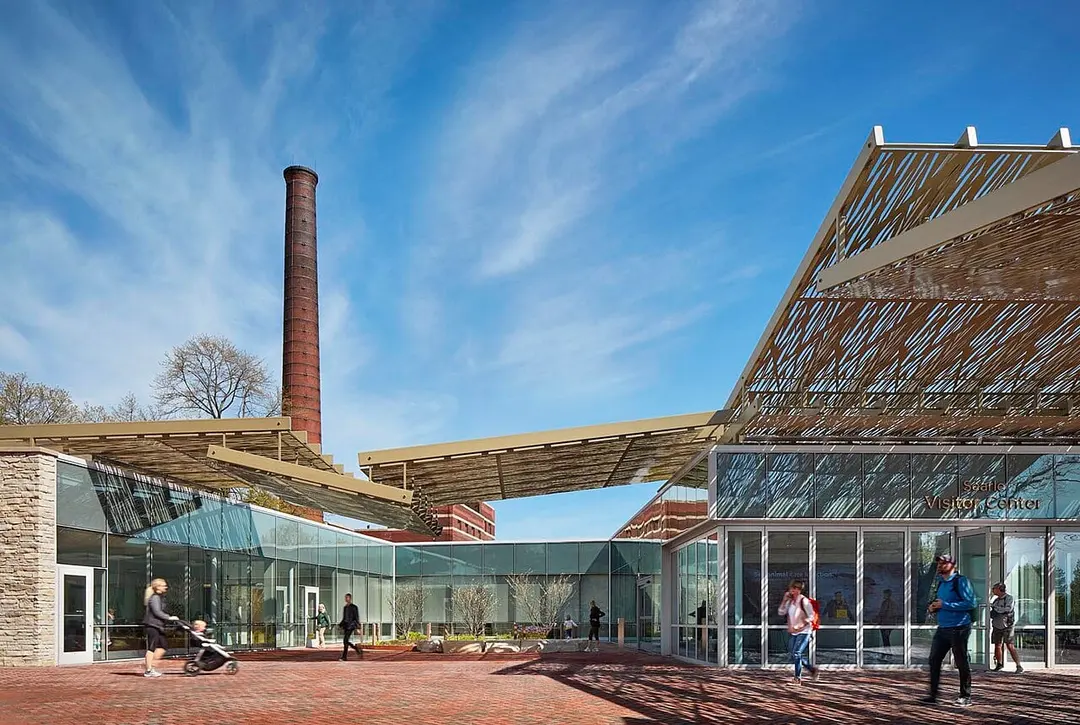
    Lincoln Park Zoo in Chicago was founded in 1868 and is one of the oldest zoos in the United States. The 14-hectare site sits within Lincoln Park on Lake Michigan and is one of the few zoos in the world offering free admission. The zoo holds AZA accreditation and since 2019 also accreditation as an arboretum. Highlights include the Regenstein African Journey, the rainforest house, and a children's farm area. It is a popular destination for families and Chicago residents year-round.

  • Mount Carmel Cemetery

    Mount Carmel Cemetery

    Chicago

    Mount Carmel Cemetery is an active Roman Catholic cemetery in the Chicago suburb of Hillside, Illinois, established in 1901. It is part of the Archdiocese of Chicago and sits near the Eisenhower Expressway at Wolf and Roosevelt Roads. The cemetery is known as the final resting place of numerous historical figures from Chicago's Irish and Italian communities, including local politicians and business leaders of the early 20th century. Immediately to the south lies the also-Catholic Queen of Heaven Cemetery. The well-kept grounds offer a peaceful space for reflection away from the city.

  • Al Sadiq Mosque Chicago

    Al Sadiq Mosque Chicago

    Chicago

    architectureculture

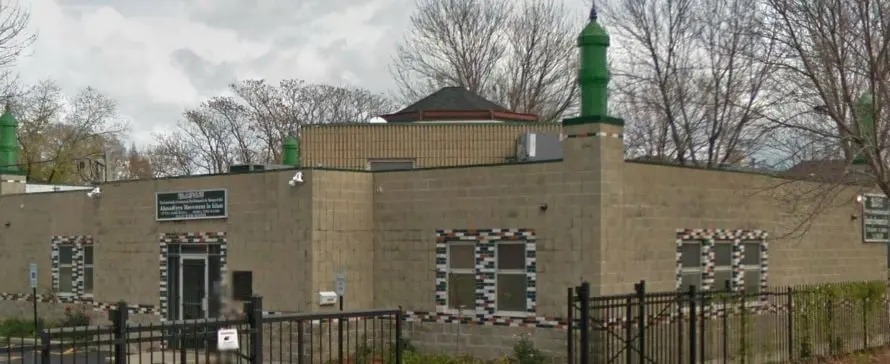
    The Al Sadiq Mosque in Chicago's Bronzeville neighborhood is considered the oldest standing mosque in the United States. Built in 1922 with donations from the Ahmadiyya movement in India, the majority of its early worshippers were African American converts – a notable intersection between a South Asian religious movement and Chicago's Black community. The building stands in Bronzeville, a historic center of African American life closely tied to the Great Migration from the South. The mosque remains in active use today.

Keep exploring

These places are just the beginning.

Rate places with a swipe — TravelType learns from your tags what you love and curates your own map. Private until you choose to share.

Create your profile